
Care
Leukoplakia: Causes, Symptoms, and Treatment for Oral Health

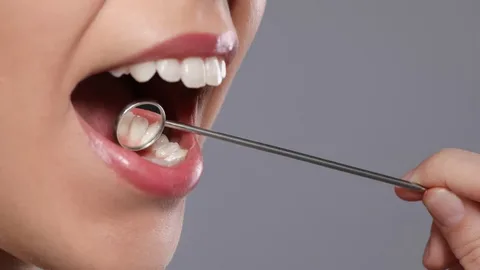
White patches inside the mouth can be worrying, especially when they appear unexpectedly or refuse to go away. Among the most common causes of such patches is a condition known as leukopakia. While it is often harmless, leukoplakia can occasionally signal early signs of more serious problems, making awareness and early detection essential.
Understanding what leukoplakia looks like, why it develops, and how it is treated empowers individuals to take charge of their oral health. This guide walks you through the key facts, symptoms and treatment options, offering clarity and confidence for those who may be noticing unusual changes in their mouth.
What Is Leukopakia?
Leukoplakia refers to thickened white or grey patches that form inside the mouth due to excessive cell growth, often triggered by long-term irritation. These patches may appear on the gums, inner cheeks, tongue, or roof of the mouth. While many cases are harmless, some require monitoring to ensure no further complications develop. Early detection is important because changes can sometimes indicate underlying issues.
Types of leukoplakia:
- Ordinary leukoplakia: Commonly linked to tobacco use and continual irritation.
- Hairy leukoplakia: Associated with viral infections and seen more frequently in individuals with weakened immune systems.
Identifying leukoplakia early helps ensure abnormalities are evaluated promptly and managed before they progress.

What Do Leukoplakia Patches Look Like?
Leukoplakia patches usually appear as uneven, slightly raised areas that feel rough and range in color from white to grey. They cannot be scraped off, which helps distinguish them from conditions like oral thrush. Although generally painless, some people may notice mild sensitivity or irritation, especially when consuming hot or spicy foods. Sudden changes in appearance should be taken seriously.
Warning signs that require urgent evaluation:
- Patches turning red or darkening
- Rapid growth in size
- Increasing discomfort or sensitivity
These changes are often first spotted during brushing or routine dental visits, highlighting the importance of regular check-ups with a dentist or a hygienist in Chichester.
Common Causes & Risk Factors
Leukopakia can be triggered by several factors. Some of the most common include:

Lifestyle-related causes
- Tobacco use: Smoking or chewing tobacco remains the most significant cause, responsible for the majority of diagnosed cases.
- Excessive alcohol consumption: Alcohol irritates the oral tissues and magnifies the effects of smoking when combined.
Irritation-related causes
- Rough or sharp teeth rubbing against the inside of the mouth
- Poorly fitted dentures
- Chronic cheek or tongue biting
Medical and biological factors
- Viral infections such as Epstein–Barr virus
- Weakened immune systems
- Ageing and prolonged exposure to irritants
In some instances, individuals discover leukoplakia when visiting an emergency dentist in Chichester due to pain, bleeding or sudden irritation, even though these signs are not always directly caused by the patches themselves.
Diagnosis: How Professionals Identify Leukoplakia
Diagnosing leukoplakia usually starts with a clinical examination, where a dental professional assesses the affected area, reviews medical history, and asks about habits such as smoking or alcohol use. If a patch persists for more than two weeks, further investigation is required to determine the cause. A biopsy is commonly recommended to rule out precancerous changes, involving the removal of a small tissue sample for laboratory analysis. This quick, straightforward procedure helps identify whether the cells show signs of concern.
Additional diagnostic steps may include:
- Extra testing for hairy leukoplakia, especially if a viral condition is suspected
- Imaging or specialist assessment when needed
- Close monitoring of changes in size, texture, or color
Early diagnosis ensures that any potentially harmful developments are addressed promptly. Routine check-ups with a dental professional or a hygienist in Chichester also support long-term monitoring and early detection of new or evolving patches.
Treatment Options
1. Lifestyle and Habit Changes
The first step in managing leukoplakia often involves removing the source of irritation. This may include:
- Stopping smoking or chewing tobacco
- Reducing alcohol intake
- Improving daily oral hygiene practices
For many people, simply eliminating the irritant leads to noticeable improvement or complete resolution of the patches.
2. Dental and Medical Interventions
If leukoplakia is caused by irritation from a sharp tooth or poorly fitting denture, adjustments or replacements may be needed. Hairy leukoplakia may require medication, especially when linked to viral or immune issues. Sudden discomfort, bleeding, or rapid changes should prompt a visit to an emergency dentist in Chichester.
3. Surgical Treatments
If a biopsy reveals dysplasia or if the patches become particularly large or concerning, removal may be recommended. This can be done through:
- Laser therapy
- Cryotherapy (freezing the tissue)
- Traditional surgical excision
These procedures are typically quick and carried out under local anaesthesia, offering reassurance and protection against further risk.
Can Leukoplakia Turn Into Cancer?
Although most cases of leukoplakia remain harmless, a small number can develop into oral cancer over time. Factors that increase this risk include:
- Red patches mixed with white (erythroplakia)
- Rapid growth of the patch
- Persistent soreness or pain
- A long history of smoking and drinking
This is why regular monitoring is essential. With professional guidance and periodic check-ups, any suspicious changes can be caught early, significantly reducing long-term risk.
Prevention Tips
Good oral health habits are key to lowering your risk of developing leukoplakia. Consider the following preventive strategies:
| Preventive Action | Benefit |
| Quit smoking/tobacco | Reduces irritation and cancer risk |
| Limit alcohol use | Protects oral tissues |
| Address dental issues promptly | Prevents chronic friction |
| Maintain strong oral hygiene | Promotes healthier tissue |
| Attend regular dental check-ups | Ensures early detection |
A balanced diet, hydration and regular cleanings can further help maintain healthy oral tissues and reduce irritation.
When to See a Dental Professional
You should seek professional advice if:
- A white or grey patch lasts longer than two weeks
- There is persistent pain, discomfort or bleeding
- The patch changes shape, size or color
- You are a long-term smoker or drinker and notice new symptoms
Early assessment ensures greater peace of mind and more effective treatment options.
Conclusion
Leukoplakia may be a common condition, but paying attention to changes in your oral health is crucial. While most cases remain harmless, staying aware of symptoms, eliminating risk factors and seeking timely professional advice can significantly reduce complications. With the support of experienced dental professionals and proactive habits, you can maintain long-term oral health and confidence. For reliable care and regular check-ups, you can always count on Chichester to guide you toward better oral health and peace of mind.
Author


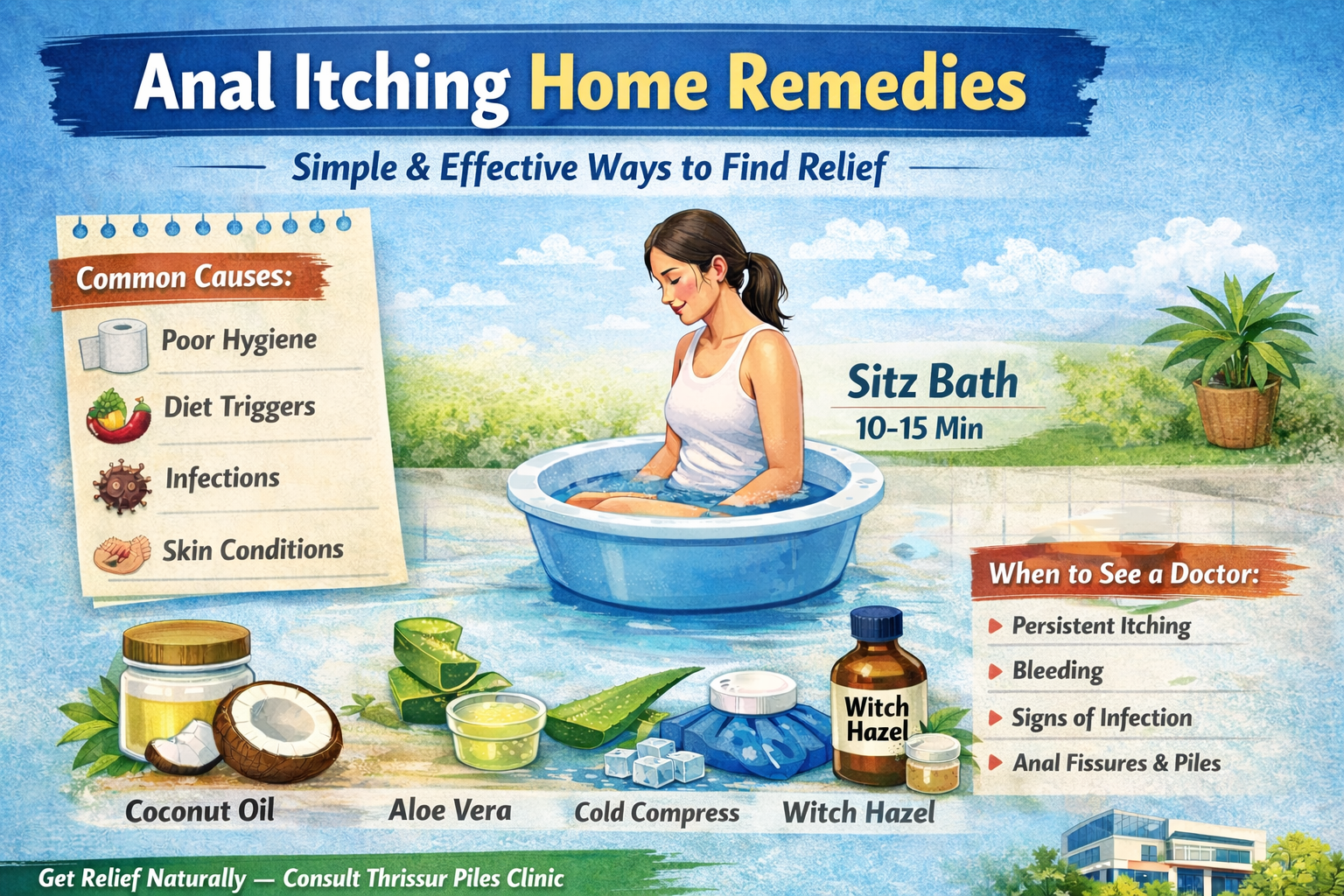
It is a topic many people find difficult to discuss, yet it affects millions of individuals every year. That nagging, persistent irritation—often described as a burning or prickling sensation around the anus—is more than just a minor annoyance. Known medically as pruritus ani, anal itching can disrupt your sleep, affect your concentration, and make sitting or walking incredibly uncomfortable.
The good news is that you do not have to sufferin silence. Most cases of anal itching are not indicative of a serious medical emergency and can be managed effectively with a combination of “human-centered” home remedies and simple lifestyle adjustments. This comprehensive guide explores how to stop the itch naturally, when to seek professional help, and how to maintain long-term comfort.
What Exactly is Anal Itching?
Anal itching is characterized by an intense urge to scratch the skin around the anal opening. While the sensation can be quite strong, the skin in this area is extremely thin and sensitive. Scratching often leads to tiny tears or “excoriations,” which then become more inflamed, creating a vicious cycle of itching and pain.
For many, the symptoms peak at night or immediately following a bowel movement. While it is rarely a life-threatening condition, chronic itching that lasts for more than a few weeks may be a signal from your body that an underlying issue—such as internal piles, a small fissure, or a fungal infection—needs to be addressed.
The Most Common Culprits
Before you can fix the problem, you have to understand what is triggering it. Anal itching usually stems from one of several common factors:
-
The Hygiene Balance: This is a “Goldilocks” scenario. Too little cleaning leaves irritating fecal matter on the skin. However, over-cleaning with harsh, scented soaps or vigorous scrubbing can strip away natural protective oils, leaving the skin raw and reactive.
-
The Moisture Trap: Sweat is a major trigger. When moisture is trapped against the skin by tight or synthetic clothing, it creates a “greenhouse effect” that invites irritation and fungal growth.
-
Dietary Triggers: What goes in must come out. Spicy foods, caffeine (coffee and tea), alcohol, and highly acidic fruits (like citrus) can change the chemical balance of your stool, making it more irritating to the anal lining.
-
Hidden Medical Conditions: Sometimes, the itch is a secondary symptom of hemorrhoids (piles), anal fissures (tiny tears), or even skin conditions like psoriasis and eczema that have manifested in the pelvic region.
Reliable Home Remedies for Fast Relief
If you are looking for ways to stop anal itching naturally, several time-tested remedies can provide immediate cooling and healing.
1. The Power of the Sitz Bath
A sitz bath is perhaps the most recommended remedy by proctologists worldwide. Simply sit in a basin or bathtub filled with three to four inches of lukewarm water for 15 minutes. Do not add bubbles or salts; plain water is best. The warmth relaxes the anal sphincter muscles and cleanses the area without the need for abrasive rubbing.
2. Nature’s Moisturizers: Coconut Oil and Aloe Vera
-
Coconut Oil: Pure, organic coconut oil is a powerhouse. It possesses natural antibacterial and antifungal properties. Applying a thin layer acts as a barrier, preventing moisture from irritating the skin while fighting off potential infections.
-
Aloe Vera: If the area feels like it is “on fire,” fresh aloe vera gel provides an instant cooling sensation. It reduces inflammation and helps repair damaged skin tissue.
3. Witch Hazel
Commonly used for hemorrhoid relief, witch hazel is a natural astringent. Using alcohol-free witch hazel wipes can help shrink swollen tissue and provide a “calming” effect on irritated nerve endings.
4. The Cold Compress
When the itching becomes unbearable, skip the urge to scratch and apply a cold compress or a cloth-wrapped ice pack for five minutes. The cold numbs the area and reduces the blood flow that contributes to the “throbbing” itchy sensation.
Practical Lifestyle Changes: Your Daily Defense
To stop itching down there permanently, you must change the environment that allowed the itch to start.
-
Switch Your Wardrobe: Throw away tight, synthetic underwear. Opt for loose-fitting, 100% cotton garments. Cotton allows the skin to breathe and wicks away sweat, keeping the area dry and cool.
-
Fiber and Fluids: Constipation is a primary cause of anal strain. By eating more fruits, vegetables, and whole grains, and drinking at least two liters of water a day, you ensure your stool is soft and easy to pass. This prevents the micro-trauma that leads to itching.
-
Ditch the Scents: Use only unscented, dye-free toilet paper. Avoid “flushable” wipes that contain alcohol or fragrances, as these are common allergens that worsen pruritus ani.
Are There Risks to Home Remedies?
While natural solutions are generally safe, there are a few things to keep in mind. For instance, using too much oil without proper cleaning can sometimes trap bacteria. Always perform a “patch test” on your arm before applying a new substance like witch hazel or a specific essential oil to the anal area to ensure you don’t have an allergic reaction. If a remedy makes the burning worse, stop using it immediately and rinse with plain water.
When Should You See a Specialist?
Home remedies work wonders for mild irritation, but they have their limits. You should seek the expertise of a professional, such as a Proctologist in Kerala, if you experience any of the following:
-
Persistent Symptoms: The itch has lasted longer than two months despite home care.
-
Bleeding: You notice bright red blood on the toilet paper or in the bowl.
-
Intense Pain: The itching is accompanied by a sharp, stabbing pain during bowel movements.
-
Skin Changes: The skin around the anus looks thickened, leathery, or has changed color significantly.
For those in the Thrissur area, Dr. Raviram S. at Thrissur Piles Clinic is highly regarded as one of the best doctors for anal itching treatment. Specializing in advanced proctology, Dr. Raviram offers modern diagnostic evaluations to see if your itch is actually caused by underlying fissures or piles.
The clinic is known for its advanced laser treatments, which provide a permanent solution for chronic conditions with minimal downtime. Sometimes, a quick professional consultation can save you months of discomfort and provide a targeted medical cream or procedure that home remedies simply cannot match.
Final Thoughts
Anal itching is an uncomfortable chapter, but it doesn’t have to be a long one. By starting with sitz baths, improving your fiber intake, and wearing breathable clothing, you can often solve the problem in a matter of days. However, remember that your health is worth the conversation. If the itch persists, reach out to a trusted specialist like those at the Thrissur Piles Clinic to regain your comfort and your confidence. Don’t let a treatable condition hold you back—relief is well within your reach.
Author


In the modern world, achieving a glowing and fair complexion transcends genetics; it is a direct reflection of your daily lifestyle choices. In a bustling city like Islamabad, more people are turning to professional treatments and holistic habits to enhance their skin tone safely. By understanding how your environment and routines interact with your biology, you can make a significant difference in your appearance. Whether through a disciplined skincare regimen or targeted adjustments to your habits, radiant skin is an attainable goal for everyone.
The Nutritional Foundation of Skin Tone
Your diet acts as the internal fuel for your skin’s regeneration. Consuming a balanced menu rich in vitamins, minerals, and antioxidants can naturally brighten your complexion from the inside out. Foods packed with Vitamin C, such as oranges, lemons, and strawberries, are particularly effective at inhibiting melanin production and brightening the skin. Additionally, Vitamin E, found in nuts and seeds, plays a crucial role in repairing damaged cells and maintaining a smooth texture.
Conversely, a diet high in processed foods, excessive sugar, and greasy meals can lead to systemic inflammation, resulting in dullness and an uneven tone. Hydration remains equally vital; drinking plenty of water flushes out toxins and ensures your skin stays supple. A nutrition-focused approach perfectly complements professional Skin Whitening in Islamabad, creating a foundation for the most optimal and lasting results.

Essential Elements of a Skincare Routine
Consistency is the secret to a healthy, fair complexion. A solid routine of cleansing, exfoliating, and moisturizing keeps the skin’s surface clear of debris that causes dullness. By using gentle cleansers and avoiding harsh, abrasive chemicals, you prevent the irritation and post-inflammatory pigmentation that can darken the skin over time.
One of the most critical steps in any routine is the daily application of sunscreen. UV rays are the primary cause of dark spots, sunburn, and premature aging. Without sun protection, any efforts toward skin whitening are essentially canceled out by environmental damage. Incorporating specialized brightening serums—often those containing niacinamide or alpha arbutin—can further enhance the effects of your lifestyle changes.
Daily Habits That Accelerate Results
Small, everyday actions significantly impact your skin’s ability to remain bright and clear. By focusing on these five key areas, you can see a visible difference in your skin tone:
-
Adequate Sleep: Rest allows your body to repair skin tissue. Poor sleep spikes stress hormones, leading to a tired and sallow appearance.
-
Regular Exercise: Physical activity boosts blood circulation, delivering a natural, rosy glow to your face.
-
Stress Management: Reducing stress helps balance the hormones that often trigger sudden pigmentation or breakouts.
-
Avoiding Toxins: Smoking and alcohol damage collagen fibers, leading to sagging, yellowing, and dark spots.
-
Maximum Hydration: Consistent water intake keeps the skin barrier resilient and radiant.
Navigating the Environment in Islamabad
Living in Islamabad presents unique environmental challenges for your skin. The combination of urban pollution, dust, and intense UV exposure can contribute to “smog skin,” where airborne particles clog pores and cause oxidative stress. This often leads to premature aging and stubborn dark spots.
To combat these factors, residents should wear protective clothing and hats when outdoors. Furthermore, local clinics offer specialized indoor treatments—such as chemical peels, medical facials, and laser therapies—designed to deep-clean the skin and reverse environmental damage. Many individuals seeking Skin Whitening in Islamabad find that combining these professional interventions with lifestyle protection yields the best outcomes.
Professional Pathways to Brightness
While lifestyle changes provide the groundwork, professional treatments act as the catalyst for dramatic improvement. Top clinics in Islamabad offer a variety of high-tech solutions, including:
-
Laser Skin Whitening: Targets deep-seated pigmentation with precision.
-
Chemical Peels: Removes the dull outer layer of skin to reveal a fresher, lighter surface.
-
Brightening Facials: Uses medical-grade nutrients to instantly boost radiance.
-
IV Drip & Injectable Treatments: Addresses uneven skin tone from a systemic level.
When performed under expert guidance, these therapies significantly enhance brightness. Combining these clinical procedures with the right diet and exercise ensures that your results are not only effective but also sustainable for years to come.
Why Local Expertise Matters
Choosing a clinic within Islamabad offers the advantage of localized expertise. Professionals in the city understand the specific skin types and common concerns of the Pakistani population. They can customize treatments to suit local weather conditions and genetic predispositions, minimizing risks like hyperpigmentation.
Moreover, having a local provider allows for consistent follow-ups and personalized advice on how to adjust your lifestyle specifically for the Islamabad climate. This holistic support is essential for maintaining the clarity achieved through Skin Whitening in Islamabad.
Final Thoughts: A Holistic Journey
Fair and glowing skin is not the result of a single “miracle” product. Instead, it is a journey that combines smart lifestyle choices, a healthy diet, a disciplined skincare routine, and expert professional care. By protecting yourself from environmental stressors and opting for targeted treatments, you can achieve a visible and long-lasting transformation.
For those in Islamabad looking for safe and reliable options, professional services are the gold standard. To discover more about premium skin treatments and bespoke products, visit SKN Cosmetics. Their team provides professional guidance and services tailored to help you reach your aesthetic goals and boost your confidence.
Frequently Asked Questions
How long does it take to see results from lifestyle changes? While professional treatments can show results in a few sessions, lifestyle changes like diet and sleep usually take 4 to 6 weeks to reflect in your skin’s appearance, as this is the typical cycle for skin cell turnover.
Can men also benefit from skin whitening treatments in Islamabad? Absolutely. Skin health and tone are important for everyone. Most modern clinics offer customized treatments that cater specifically to the thicker skin texture often found in male patients.
Is professional skin whitening safe? Yes, provided it is performed by certified professionals. Local clinics use internationally approved methods that prioritize the health of the skin barrier while achieving a lighter tone.
Author



An Essentials hoodie is soft, warm, and very comfortable, so many people like to wear it every day. But if you don’t take care of your hoodie properly, it can lose its shape, color, and softness. The good news is that with a few simple care tips, you can keep your hoodie looking new for a long time. Taking care of clothes is not hard, and anyone can learn it.
In this guide, you will learn easy and simple ways to wash, dry, and store your Essentials hoodie so it stays clean, soft, and nice. These tips are very easy, so even a 10-year-old can understand and follow them.
Wash Your Hoodie the Right Way
The first and most important step to make your hoodie last longer is washing it properly. Many people just put their hoodie in the washing machine without thinking, but that can damage the fabric.
Always turn your hoodie inside out before washing. This helps protect the color and the print on the hoodie. Use cold water instead of hot water because hot water can shrink the hoodie and make the fabric weak. Also, use a gentle washing cycle so the hoodie does not stretch or lose its shape.
Try not to wash your hoodie every day. If it is not very dirty, you can wear it a few times before washing. Washing too much can make the fabric old faster.

Use Mild Detergent
Strong detergents can damage the fabric of your hoodie. They can make the hoodie rough and fade the color. Always use a mild detergent when washing your hoodie.
Do not use too much detergent because extra soap can stay in the fabric and make the hoodie feel hard. A small amount is enough to clean your hoodie properly.
Also, avoid using bleach because bleach can ruin the color and fabric. Your hoodie may look old and faded if you use bleach.
Dry Your Hoodie Carefully
Drying is just as important as washing. Many people put their hoodie in a hot dryer, but this can shrink the hoodie and damage the fabric.
The best way to dry your hoodie is air drying. Hang it on a hanger or lay it flat on a clean surface. Let it dry naturally. This keeps the hoodie in good shape and makes it last longer.
If you must use a dryer, use low heat only. High heat is very bad for hoodies and can make them smaller.
Store Your Hoodie Properly
How you store your hoodie is also very important. Do not just throw it on a chair or on the floor. Fold your hoodie neatly and keep it in a clean cupboard.
If you hang your hoodie for a long time, the shoulders may stretch. Folding is usually better for hoodies. Keep your hoodie in a dry place so it does not get a bad smell.
You can also keep a small perfume paper or freshener in your cupboard so your hoodie always smells nice.
Remove Stains Quickly
If your hoodie gets a stain, clean it as soon as possible. Old stains are harder to remove. Use a small amount of water and mild soap to clean the stain gently.
Do not rub too hard because rubbing can damage the fabric. Just clean softly and then wash the hoodie normally.
Quick cleaning helps your hoodie look new and clean for a long time.
Do Not Iron Directly on Print
Some hoodies have logos or prints on them. Never iron directly on the print because the heat can damage the design.
If you want to iron your hoodie, turn it inside out first. Use low heat and iron slowly. This will protect the fabric and the design on the hoodie.
Most hoodies do not need ironing, so it is better to fold them properly after drying.
Do Not Over-wash Your Hoodie
Many people think washing clothes again and again keeps them nice, but this is not true for hoodies. Too much washing can make the fabric thin and the color fade.
Only wash your hoodie when it is dirty or has a bad smell. If it is still clean, you can wear it again. This simple habit can make your hoodie last much longer.
Final Tips to Make Your Hoodie Last Longer
Taking care of your hoodie is very easy if you follow simple steps like washing in cold water, using mild detergent, air drying, and folding properly. These small habits can keep your hoodie soft, clean, and stylish for a long time.
If you take care of your clothes, they will look new and you will not need to buy new clothes again and again. This saves money and also keeps your favorite clothes with you longer. When you care for your clothes properly, your Hoodie Essentials collection will always look fresh, clean, and comfortable to wear.
Author



White Label Crypto Exchange Development: Effective & Scalable

NAD+ IV Drip in Dubai: A Clinical Guide to Longevity

Club 1984 Clothing Elevates Style, Comfort & Confidence

Vital Hoodie Official Store: Comfort, Style & Customization

Chemical Peels in Dubai: Your Step-by-Step Guide to Radiant Skin

Healthcare SEO & Commission Conjunction: Boost Engagement

Hellstar Hoodie 2026: Ultimate Streetwear Statement Guide

Top 7 Med Spa Marketing Strategies: Grow Your Client Base

Business-Driven Mobile App Development: Dignizant Technologies

Dandy Hats: Streetwear & Classic Headwear for Every Style

Cybersecurity Consulting Company SequelNet Provides Critical IT Support Services to Medical Billing Firm, Medical Optimum

Team Communication Software Transforms Operations at Finance Innovate

Project Management Tool Transforms Long Island Business

How Alleviate Poverty Utilized IPPBX’s All-in-One Solution to Transform Lives in New York City

Breast Cancer: The Imperative Role of Mammograms in Screening and Early Detection

Unstoppable Collaboration: D.C.’s Citi Open and Silicon Valley Classic Unite to Propel Women’s Tennis to New Heights

Embracing Renewal: Sizdabedar Celebrations Unite Iranians in New York’s Eisenhower Park

The Benefits of Starting a Side Hustle for Financial Freedom

New Blood Donation Screening Questions What You Need to Know

Stylishly Timeless: The 5 Types of Sandals You Need in Your Closet
-

 Business3 years ago
Cybersecurity Consulting Company SequelNet Provides Critical IT Support Services to Medical Billing Firm, Medical Optimum
-
Business3 years ago
Team Communication Software Transforms Operations at Finance Innovate
-
Business3 years ago
Project Management Tool Transforms Long Island Business
-
Business3 years ago
How Alleviate Poverty Utilized IPPBX’s All-in-One Solution to Transform Lives in New York City
-
health3 years ago
Breast Cancer: The Imperative Role of Mammograms in Screening and Early Detection
-
Sports3 years ago
Unstoppable Collaboration: D.C.’s Citi Open and Silicon Valley Classic Unite to Propel Women’s Tennis to New Heights
-
Art /Entertainment3 years ago
Embracing Renewal: Sizdabedar Celebrations Unite Iranians in New York’s Eisenhower Park
-
Finance3 years ago
The Benefits of Starting a Side Hustle for Financial Freedom







