
Technology
Legacy Systems: The Hidden Barrier to Successful AI Initiatives


There is a quiet frustration spreading across boardrooms and technology teams alike. Leaders invest in artificial intelligence initiatives, hire data scientists, subscribe to advanced platforms, and still the results feel underwhelming. The ambition is there. The budgets are approved. Yet progress stalls.
When you strip away the noise, one culprit appears again and again. Legacy systems. They were once reliable workhorses. Today, they are the invisible anchors dragging AI ambitions backward.

The Myth That Legacy Systems Are Merely Old
Many organizations defend their legacy infrastructure with a familiar argument. If it still works, why replace it?
The problem is not age. The problem is design philosophy. Most legacy systems were built for stability, not adaptability. They were optimized to process transactions, enforce rules, and minimize change. AI thrives on the opposite conditions. Continuous learning. Rapid iteration. Deep data connectivity.
When these two worlds collide, friction is inevitable. Growth driven by intelligence demands software that can evolve. Legacy systems were never meant to.

Data Locked in Silos Cannot Learn
AI lives and dies by data. Not just volume, but accessibility and context. Legacy systems often store data in rigid schemas, proprietary formats, or isolated databases owned by individual departments. Integrations exist, but they are brittle and slow. Every new data connection becomes a mini project with risk attached.
This fragmentation prevents AI from seeing the full picture. Models trained on partial data produce partial insights. Decisions made on those insights feel unconvincing, and trust erodes quickly. Smarter enterprises recognize a hard truth. You cannot build intelligence on top of data that cannot move freely.
Latency Is the Enemy of Intelligence
Modern AI driven decision making is time sensitive. Recommendations lose value when they arrive late. Legacy systems introduce delays at every step. Batch processing instead of real time flows. Overnight jobs instead of continuous streams. Manual reconciliations instead of automated feedback loops.
These delays were acceptable when reporting cycles moved slowly. They are disastrous in environments where customer behavior, supply chains, and risk profiles change by the minute. AI embedded into slow systems becomes decorative rather than transformative.
Rigid Architectures Resist Experimentation
AI development is inherently iterative. Models improve through testing, failure, and refinement. Legacy architectures resist this process. Changes require long release cycles. Infrastructure updates trigger cascading dependencies. Even small experiments demand outsized effort.
As a result, teams become cautious. Innovation slows. AI initiatives get trapped in proof of concept purgatory because production deployment feels too risky. Organizations that cannot experiment safely cannot learn fast enough to compete.
Security and Compliance Become Bottlenecks
Ironically, systems built decades ago for control often become liabilities in modern regulatory environments.
Legacy platforms struggle with fine grained access controls, audit trails, and modern encryption standards. Introducing AI into this environment complicates matters further. Models require access to sensitive data. Regulators demand transparency and traceability.
Without modern software foundations, compliance teams become gatekeepers rather than enablers. AI projects stall not because they are unsafe, but because the underlying systems cannot prove they are safe.
Talent Avoids Technological Dead Ends
There is another cost that rarely shows up in architecture diagrams. Top engineers and data professionals prefer environments where they can work with modern tools, scalable platforms, and clean interfaces. Legacy systems repel talent. Documentation is outdated. Tooling is limited. Innovation feels constrained.
Over time, organizations find themselves maintaining critical systems with shrinking pools of expertise. This makes transformation even harder. AI driven growth requires teams who can think forward. Legacy systems keep them looking backward.
Integration Complexity Eats Business Value
Every AI initiative eventually needs to integrate with core systems. Customer platforms. ERP software. Operational tools. Legacy environments turn integration into an endurance test. Custom connectors. Middleware layers. Manual workarounds. Each addition increases fragility.
The business case weakens as costs rise. Leaders begin questioning AI itself, when the real issue is the foundation it is being asked to stand on. Growth stalls not because AI fails, but because integration overwhelms momentum.
Modernization Is Not the Same as Replacement
This is where fear often enters the conversation. Modernizing legacy systems sounds expensive, risky, and disruptive. In reality, modernization does not always mean ripping everything out. It means rethinking architecture. Decoupling components. Exposing data through APIs. Introducing scalable layers alongside existing systems.
The goal is not to erase the past, but to create space for intelligence to operate. Organizations that succeed approach modernization strategically. They identify high impact areas where AI can deliver value, then evolve the surrounding systems to support that intelligence.
The Competitive Gap Is Widening Quietly
While some companies struggle with legacy constraints, others move ahead. They deploy AI where it matters, they adapt quickly to market shifts, they personalize experiences at scale, they predict risk instead of reacting to it.
This gap is not dramatic at first. It shows up in small advantages. Faster decisions. Better insights. Lower operational friction. Over time, those advantages compound. What began as a technical limitation becomes a strategic disadvantage.
Growth Demands Systems Built for Change
At its core, AI driven growth is about adaptability. Responding to signals. Learning from outcomes. Improving continuously. Legacy systems were built to preserve certainty. AI thrives on uncertainty.
This mismatch explains why so many AI initiatives disappoint. The technology is capable. The data exists. The ambition is real. The foundation is wrong.
Conclusion
Legacy systems are not blocking growth out of malice, but out of misalignment with how intelligence actually works. Enterprises serious about AI must confront this reality with clarity and resolve.
When modernization is guided by thoughtful architecture and supported by AI software development services, organizations unlock the flexibility, speed, and trust required to turn intelligence into sustained growth rather than stalled ambition.
Author



Flying is now a big part of the way we live today. People do it for work, fun, or to see family and friends. But sometimes, plans can change fast. You may have an emergency, need to work, or something else might come up. So, it helps to know the rules about changing flights, canceling trips, and getting your money back. The Fly Airlines Policy gives clear steps for travelers. It lets people handle their bookings quickly, save money, and have an easy trip.
Flight Change Policy
One of the main things that is part of the Fly Airlines Policy is how to change flights. Fly Airlines lets people change their booking in more than one way. You can do this on the official website, using the mobile app, or by calling customer support. All flight changes must follow the airline’s time rules. If you ask to change your flight close to the day you fly, you might have to pay higher fees or face more rules. This depends on the ticket type and fare details.
Passengers may need to pay a small fee for making changes. This fee can change based on the route, ticket type, and fare class. Also, you must pay any extra amount if your new booking costs more. For instance, if you want to move from an economy seat to a business class seat, you have to pay the higher fare when you make the change.

Some fare types, like fully refundable or premium tickets, give you more freedom. You can change them more than once, and you will not face big fees. Standard economy tickets are different. They can have more rules and limits. But the Fly Airlines Policy makes things clear. You will see all the details when you book your ticket.
When you travel to another country, Fly Airlines gives you more freedom if you have problems like visa delays, travel limits, or emergencies. Passengers should get in touch with customer help right away to talk about what they can do.
Cancellation Policy
Cancellations happen for many reasons. The Fly Airlines Policy gives clear steps to help with these. You can cancel your ticket on the airline’s website, by using their mobile app, or by calling their customer support hotline. There are fees for cancelling, and these depend on your fare type, when you cancel, and your flight route.
Fully refundable tickets let you get your money back if you need to cancel. You can do this right up to the day your flight leaves. You may not have to pay any fee or you might just pay a small one. Non-refundable tickets cost less, but there could be a fee if you want to cancel. Still, Fly Airlines often gives you some of your money back as travel credits or vouchers. You can use these for future tickets. This way, you do not lose the value of what you spent on your first ticket.
The Fly Airlines Policy also has rules for cases like extreme weather, natural disasters, or travel rules set by the government. When this happens, Fly Airlines might give fee waivers, rebooking choices, or travel credits to help make things easier for the passenger.
Refund Policy
The refund process is a key part of the Fly Airlines Policy. Refunds are usually given back using the same way as the first payment. It often takes about 7 to 14 business days for your refund to be done.
For tickets that you can get money back on, people can ask to get all their money back. The company might take out some service fees first. If your ticket is not one that you can get a refund for, you might get credit or a voucher instead of your money back. You can use these travel credits at another time. They are only good for a certain length of time. This lets people book a new trip later, so they do not lose the money from their ticket.
The policy also covers cases when the airline cancels a flight. In these times, the passenger will get a full refund or be given a new way to travel with no extra charge. If the airline changes the flight time, the passenger can take the new time or ask for a refund. This helps keep things fair and clear for everyone.
Passenger Support and Guidelines
Fly Airlines focuses on making things easy and clear for you. The Fly Airlines Policy says you should read the rules about your ticket when you book it. You should also keep a digital or paper copy of your booking confirmation. If there is any problem, get in touch with customer support right away.
It is good to use the online portal or the mobile app for making change policy.
Author


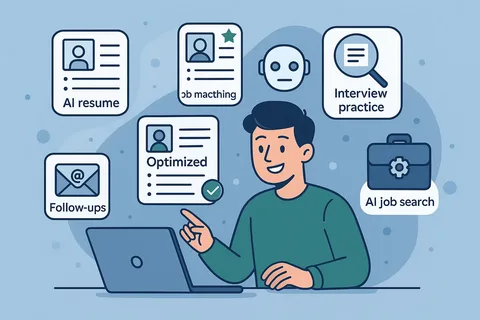
The job search process has become increasingly complex in the digital era. While online platforms have made it easier to discover opportunities, they have also created intense competition. Job seekers today are expected to apply quickly, stay consistent, and manage dozens of applications simultaneously. For many professionals, doing this manually is no longer practical.
This is where AI-powered job application automation is playing a transformative role. By combining intelligent software with structured technologies like apps to apply on jobs, candidates can manage their job search more efficiently while maintaining accuracy and control.
The Changing Landscape of Job Hunting
In the past, job searching involved limited openings and fewer applicants. Today, a single online listing can attract hundreds or even thousands of candidates. Most companies now use Applicant Tracking Systems (ATS) to filter and manage applications, which means resumes must meet both technical and content-based requirements to reach recruiters.
This shift has created new challenges for job seekers:
- Increased competition for every role
- Repetitive application processes
- Limited visibility into application status
- Difficulty staying consistent over time
AI-driven automation tools help address these challenges by supporting candidates throughout the application journey.
What Is AI Job Application Automation?
AI job application automation refers to the use of intelligent systems that assist with searching, submitting, and tracking job applications. These tools do not replace the candidate’s decision-making. Instead, they handle repetitive tasks so candidates can focus on higher-value activities.
Common functions include:
- Identifying relevant job listings
- Matching roles with candidate profiles
- Submitting applications automatically
- Tracking application progress and responses
At the technical level, these tools rely on a job apply app to communicate with job platforms. A well-designed API ensures that candidate information is submitted securely, consistently, and in the correct format. By using apps to apply on jobs, automation platforms eliminate many common errors associated with manual applications.
Why APIs Are Essential for Job Automation
Understanding the Role of Job Application APIs
APIs, or Application Programming Interfaces, allow different systems to communicate with each other. In job automation, APIs enable AI tools to interact directly with job boards and hiring platforms.
A job apply app helps by:
- Sending structured application data
- Reducing form submission errors
- Improving application speed
- Enabling accurate tracking and analytics
Without apps to apply on jobs, automation would rely on unreliable methods that increase the risk of errors or incomplete submissions.
Key Benefits of Using AI to Apply for Jobs
1. Significant Time Savings
Applying manually to multiple roles can take hours each week. AI automation handles this work in the background, allowing candidates to focus on interview preparation and career development.
2. Consistency and Reliability
Many job seekers struggle to apply consistently due to busy schedules. AI tools maintain steady application activity, helping candidates remain visible to employers.
3. Faster Applications to New Opportunities
Early applications often receive more attention. Automation allows candidates to respond quickly when new roles appear, using apps to apply on jobs to submit applications without delay.
4. Improved Organization and Tracking
AI platforms store all application data in one place. Insights generated through the job apply app help candidates understand which roles generate responses and refine their strategy.
A Practical Example of Automation in Action
Consider a professional applying manually to 10 jobs per week. With AI automation, the same candidate could apply to 30–40 relevant roles weekly without increasing effort. The job apply app ensures that each submission includes the correct resume, information, and responses.
Over time, this increased consistency often leads to better response rates and more interview opportunities.
Best Practices for Job Seekers Using AI Automation
Optimize Your Resume for ATS
- Use simple formatting
- Include relevant keywords
- Avoid complex layouts or graphics
Set Clear Application Criteria
Define role type, experience level, location, and industry preferences so AI applies only to suitable positions.
Review Performance Regularly
Use application data to refine job targets and improve outcomes. Automation works best when guided by human review.
Using AI Responsibly and Ethically
AI should enhance—not replace—human involvement in the job search. Candidates should remain engaged in reviewing opportunities, preparing for interviews, and communicating professionally with employers.
Responsible use of apps to apply on jobs ensures applications remain relevant, accurate, and aligned with career goals.
The Future of Job Applications
As hiring systems continue to evolve, AI-powered automation will become increasingly common. Employers are embracing digital workflows, and candidates who adapt will gain a competitive edge.
The future of job searching is not about applying to more roles blindly. It’s about applying smarter, faster, and with better insight—using tools built on reliable job apply app technology.
Final Thoughts
AI-powered job application automation is reshaping how professionals approach career growth. By leveraging apps to apply on jobs and a robust job apply app, candidates can save time, stay organized, and maintain consistent momentum in their job search.
When used thoughtfully, AI does not reduce effort—it amplifies it, turning a challenging process into a structured and manageable strategy for success.
Key Benefits of AI-Powered Job Applications
One of the biggest advantages of AI automation is time savings. Tasks that once took hours can now be handled in the background. Candidates can spend that saved time networking, learning new skills, or preparing for interviews.
Another benefit is consistency. AI tools apply regularly, even when candidates are busy. This steady activity keeps candidates visible in the job market and increases the chances of receiving responses.
Automation also improves organization. Candidates can view all applications in a single dashboard rather than using spreadsheets or notes. Insights generated through the job apply app help candidates understand which roles receive responses and which strategies work best.
Maintaining Quality While Automating
A common concern about automation is quality. However, AI tools are designed to follow predefined rules set by the candidate. Job preferences, location, role type, and experience level guide where applications are submitted.
Candidates still control resume content and customization. AI simply handles the delivery process using apps to apply on jobs, ensuring applications are sent accurately and efficiently.
Responsible Use of AI in Job Searching
AI automation should be used responsibly. Candidates should avoid applying to irrelevant roles and regularly review their application strategy. Human judgment remains essential, especially during interviews and communication with employers.
When used correctly, automation enhances productivity without reducing authenticity.
The Future of Job Applications
As companies continue to adopt digital hiring systems, AI-powered job application tools will become more common. Job seekers who adapt to these changes will be better positioned to compete in fast-paced hiring environments.
By combining personal strategy with technologies like apps to apply on jobs and a reliable job apply app, candidates can transform job searching into a more structured, efficient, and manageable process.
Author



Author



Palace Skateboard: Where Skate Culture Meets Street Fashion

Rudsak Canada: Elevate Your Style with Functional Fashion

Fly Airlines Policies: Changing Flights, Cancellations, and Refunds

London Assignment Help: Essential Support for Student Success

Custom Embroidery Name Patches for Enhanced Apparel

Laundry in Dubai Marina and JLT: Convenience and Quality

Brand New Townhouses in Sydney: Redefining Modern Living

Pure Cotton Bedsheets: Complement Your Bedroom Decor

Buying Property in Greece: Mainland Stability or Island Appeal?

BAPE: The Iconic Streetwear Brand Redefining Fashion

Cybersecurity Consulting Company SequelNet Provides Critical IT Support Services to Medical Billing Firm, Medical Optimum

Team Communication Software Transforms Operations at Finance Innovate

Project Management Tool Transforms Long Island Business

How Alleviate Poverty Utilized IPPBX’s All-in-One Solution to Transform Lives in New York City

Breast Cancer: The Imperative Role of Mammograms in Screening and Early Detection

Unstoppable Collaboration: D.C.’s Citi Open and Silicon Valley Classic Unite to Propel Women’s Tennis to New Heights

Embracing Renewal: Sizdabedar Celebrations Unite Iranians in New York’s Eisenhower Park

The Benefits of Starting a Side Hustle for Financial Freedom

New Blood Donation Screening Questions What You Need to Know

Stylishly Timeless: The 5 Types of Sandals You Need in Your Closet
-

 Business3 years ago
Cybersecurity Consulting Company SequelNet Provides Critical IT Support Services to Medical Billing Firm, Medical Optimum
-
Business3 years ago
Team Communication Software Transforms Operations at Finance Innovate
-
Business3 years ago
Project Management Tool Transforms Long Island Business
-
Business2 years ago
How Alleviate Poverty Utilized IPPBX’s All-in-One Solution to Transform Lives in New York City
-
health3 years ago
Breast Cancer: The Imperative Role of Mammograms in Screening and Early Detection
-
Sports3 years ago
Unstoppable Collaboration: D.C.’s Citi Open and Silicon Valley Classic Unite to Propel Women’s Tennis to New Heights
-
Art /Entertainment3 years ago
Embracing Renewal: Sizdabedar Celebrations Unite Iranians in New York’s Eisenhower Park
-
Finance3 years ago
The Benefits of Starting a Side Hustle for Financial Freedom







