
Internet and Telecom
The Age of Connected Mobility: The Impact of IoT on Transportation in 2024


The future of transportation is here, and it’s all about connectivity. With the rise of the Internet of Things (IoT), we’re entering a new age of connected mobility where our vehicles are becoming smarter and more integrated than ever before. As we look ahead to 2024, it’s clear that IoT is set to revolutionize the way we move around our cities and beyond. From autonomous cars to smart public transit systems, this blog post will explore how IoT is transforming transportation as we know it – get ready for a wild ride!
What is IoT?
The IoT is a network of connected devices that enables data exchange between those devices and their respective operators. In transportation, the IoT has the potential to improve safety and efficiency by enabling vehicles and infrastructure to communicate with each other.
One example of how the IoT could improve transportation is by increasing safety. By tracking vehicle movement and communication between vehicles and infrastructure, accidents can be prevented or reduced. Additionally, the IoT could help reduce traffic congestion by monitoring traffic conditions in real time and sending alerts when conditions change.
Another potential benefit of the IoT in transportation is efficiency. By automatically communicating with drivers, trucks, buses, and trains, traffic can move more quickly and efficiently. This could reduce fuel costs by reducing idling time and greenhouse gas emissions by making better use of existing infrastructure.
How Does IoT Affect Transportation?
The age of connected mobility is upon us, and with it comes massive changes to how we get around. The impact of IoT on transportation is both considerable and far-reaching, and has the potential to revolutionize how we move about our lives.

One of the most immediate ways that IoT affects transportation is through the evolving field of autonomous driving. AI technology has the potential to drastically reduce crash rates, making highway travel much safer overall. In addition, self-driving cars can open up new transportation options for those who cannot or do not want to use traditional modes of transportation. For example, seniors or those with disabilities could take advantage of autonomous vehicles to get around safely and easily.
Beyond autonomous driving, there are a number of other ways that IoT will impact transportation in the coming years. One such example is the deployment of smart city infrastructure. This type of technology helps cities manage their resources more effectively by monitoring various aspects of urban life, including traffic patterns and related infrastructure issues. By using data gleaned from these systems, cities can make better decisions about which areas need attention – saving both money and time in the process.
In terms of physical infrastructure, IoT is also having an impact on how roads are built and maintained. For instance, sensors embedded in roadways can be used to monitor traffic flow and adjust speeds accordingly. This way drivers don’t have to waste time waiting in line at a red light – they can simply keep moving ahead without interruption. And since
Benefits of IoT for Transportation
1. The benefits of IoT for transportation are numerous and include:
-Improved safety and efficiency. IoT can help drivers avoid accidents, as well as improve traffic flow and crowd management. It can also help transport operators optimize routes and schedules, provide real-time information on vehicle conditions, and identify potential problems early.
-Reduced costs. IoT technology can help transport operators save money on fuel consumption, maintenance costs, and security measures. It can also reduce emissions by tracking vehicles in real time and adjusting routing accordingly.
-Increased customer satisfaction. Improved communication between transportation providers and customers allows for more accurate predictions of demand and improved planning of services. This allows customers to get the most out of their journeys, whether they’re using public transit or driving their own car or motorcycle.
Implications of IoT on Transportation in 2024
By 2024, the number of vehicles on the road will increase by 54%. This is due to the proliferation of IoT in vehicles and the impact it will have on transportation. The most obvious implications of IoT on transportation are driverless cars and trucks. Driverless cars will allow people to spend more time doing other things, like working or enjoying life outside of work. Truck drivers would also see a decrease in their workload as many trucking tasks can now be automated.
IoT has other impacts on transportation as well. For example, sensors in trains can detect obstacles along the track and activate warning systems to prevent accidents. Additionally, self-driving buses could connect riders from different parts of cities so that they don’t have to take multiple transfers. This would reduce traffic congestion and make traveling through cities more efficient.
Overall, the proliferation of IoT in vehicles is going to have a major impact on transportation in 2024. Driverless cars and trucks are going to revolutionize how we travel and reduce our dependence on human drivers. Self-driving buses are also going to play a big role in making transportation more efficient and reducing congestion.
Conclusion
By 2024, the IoT will have impacted transportation in a myriad of ways. The advent of connected vehicles and infrastructure will allow for more efficient and streamlined transport systems, as well as enable fleets to be monitored in real-time. This will ultimately improve traffic flow and efficiency, while also reducing emissions and increasing safety. Additionally, the proliferation of smart cities and the continued development of autonomous vehicles will result in an increase in opportunities for ride-sharing services. As we move closer to 2024, it is clear that transportation has been profoundly impacted by the IoT – it is time for companies and governments to start preparing for its impact.
Author



The Digital Biomarkers Market is rapidly evolving, offering critical insights into its current dynamics, structural components, and regional trends. This report targets stakeholders, vendors, researchers, and policymakers who seek an accurate understanding of the market landscape without delving into speculative analysis. It reflects real-time market conditions with validated data and established methodologies, supporting strategic decision-making in a post-pandemic world.
Key Questions Addressed
The report aims to answer several vital questions:
- What are the major drivers for the Digital Biomarkers Market?
- What is the current size of the market?
- Who are the key players operating in this industry?
- What will the overall market size be in 2035?
- What is the future outlook for the Digital Biomarkers Market?
Market Segmentation
To facilitate a detailed analysis, the Digital Biomarkers Market is categorized across several key dimensions:
- Key Report Attributes
- Historical Trend
- Forecast Period
- Future Trend
- Market Size for 2025
- Market Size for 2035
- Compound Annual Growth Rate (CAGR) (till 2035)
- Type of Product (Software, Applications, Wearables, etc.)
- Purpose of Solution (Diagnosis, Early Detection, Monitoring, Predictive Insights)
- Type of Biomarker (Cognitive, Idiosyncratic, Physiological, Vocal, and Others)
- Therapeutic Area (Autoimmune, Cardiovascular, Infectious, Mental Health, Neurological, Respiratory, Substance Abuse, etc.)
- Business Model (B2B and B2C)
- Key Geographical Regions
The segmentation allows for a nuanced understanding of this growing market.
Market Size and Forecast
The global digital biomarkers market was valued at USD 5.6 billion in 2024, with projections estimating it to reach USD 7.4 billion in 2025 and USD 35.8 billion by 2035. This growth represents a significant CAGR of 17.0% during the forecast period. Key drivers include an increase in chronic diseases, the aging population, and advancements in digital health technologies.
Regional Analysis
The market is geographically segmented into five principal regions:
- North America: Including the U.S. and Canada
- Europe: Comprising the U.K., Germany, France, Italy, and the Rest of the EU
- Asia Pacific: Encompassing India, China, Japan, South Korea, Australia, and the Rest of APAC
- Latin America: Covering Brazil, Argentina, Chile, and other countries
- Middle East & Africa: Including Saudi Arabia, U.A.E., South Africa, and more
This regional breakdown is crucial for understanding production dynamics, market presence, trade activities, and specific adoption trends across different geographical areas.
Competitive Landscape
The report highlights leading companies in the Digital Biomarkers Market, providing a thorough analysis of their current strategies, product portfolios, and market presence. Key players include notable companies from North America, Europe, Asia-Pacific, and MENA regions.
- Key Players: Companies like AliveCor, Biogen, and Empatica are examined concerning their strategic initiatives, partnerships, production capacities, and focus on innovation.
Strategic Frameworks
To enhance market understanding, the report employs the following analytical tools:
- SWOT Analysis: Evaluates internal strengths, weaknesses, opportunities, and threats of market players.
- Porter’s Five Forces Analysis: Assesses competition intensity, supplier and buyer power, threats of new entrants, and substitution risks.
These frameworks clarify market strengths and the external pressures impacting strategic decisions.
Insights from Market Data
The study reveals that:
- The wearables segment currently captures the largest market share (50%), driven by patient preferences for virtual consultations and remote monitoring technologies.
- The monitoring purpose holds the highest share of the market, set to dominate the forecast period, while predictive insights are projected to capture 30% of the market by 2035, thanks to AI and machine learning advancements.
- Neurological disorders account for over 35% of current applications for digital biomarkers.
Recent Developments in Root Analysis
Recent initiatives in the digital biomarkers landscape underline the sector’s dynamism:
- In September 2024, Koneksa announced a collaboration with Regeneron to utilize digital biomarkers for remote disease progression measurement in neurodegenerative disorders.
- EarliTech Diagnostics raised USD 21.5 million in a Series B funding round in April 2024.
- In March 2024, Indivi partnered with Biogen to develop digital biomarkers for Parkinson’s disease treatment.
These developments highlight the sector’s continuous evolution and promise.
Challenges and Future Outlook
While the digital biomarkers market offers significant growth potential, it also faces challenges, including technological adoption barriers, regulatory hurdles, and the need for reliable data. Stakeholders must navigate these complexities while leveraging emerging opportunities, such as advancements in AI integration and increasing patient engagement.
The report indicates that the Digital Biomarkers Market is on an upward trajectory, shaped by innovations and adaptations in clinical practice. Its integration into healthcare processes aims to enhance disease diagnosis, predict complications, and improve overall patient outcomes.
Conclusion
This comprehensive report serves as a reliable reference for understanding the present dynamics of the global Digital Biomarkers Market. By refraining from speculative forecasts and instead providing a data-backed evaluation, it positions stakeholders to make informed, strategic decisions.
About Roots Analysis
Roots Analysis specializes in delivering insights across various sectors, including healthcare, pharmaceuticals, and biotech. With over a decade of experience and a portfolio of more than 750 clients, including Fortune 500 companies and innovative startups, they are a trusted partner for market intelligence.
This detailed overview of the Digital Biomarkers Market encapsulates essential findings, insights, and projections that stakeholders need to understand this evolving landscape.
Author


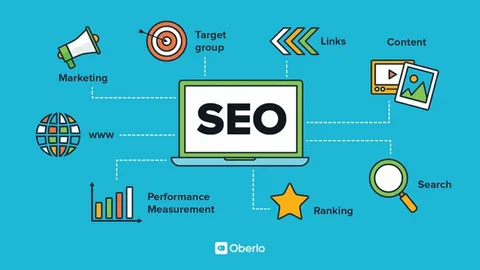
Choosing the right seo agency for hospitality can feel overwhelming. There are so many agencies promising top rankings, more traffic, and higher bookings. Every agency claims to deliver fast results, but not every SEO agency for hospitality truly understands the unique challenges of the hotel and travel industry.
Hotels, resorts, boutique stays, and travel brands have very specific marketing needs. The way people search for hotels is very different from how they search for other services. Travelers look for locations, amenities, experiences, reviews, pricing, and availability often all at the same time. Because of this, a general SEO approach is not enough. You need a specialized SEO agency for hospitality that understands booking behavior, seasonal trends, and destination-based searches.

Author




Author



Living Room Window Curtains 2026: Smart Choices for Homes

Summer Fashion Must-Have: Lightweight Oversized Tees

What to Expect at an Auto Body Shop in Fort Lauderdale

Transform Your Smile with Dental Implants in Dubai

Plumber Course at United College of Technology, Rawalpindi

The Essentials Hoodie: A Staple in Australian Streetwear

Top 10 Criminal Law Book Brands in India

Hosted Call Center Solutions: The Future of Modern Call Centers

Mastering Performance in React Native Development

Optimize Travel Budget with eSIM and Smart Financial Strategies

Cybersecurity Consulting Company SequelNet Provides Critical IT Support Services to Medical Billing Firm, Medical Optimum

Team Communication Software Transforms Operations at Finance Innovate

Project Management Tool Transforms Long Island Business

How Alleviate Poverty Utilized IPPBX’s All-in-One Solution to Transform Lives in New York City

Breast Cancer: The Imperative Role of Mammograms in Screening and Early Detection

Unstoppable Collaboration: D.C.’s Citi Open and Silicon Valley Classic Unite to Propel Women’s Tennis to New Heights

Embracing Renewal: Sizdabedar Celebrations Unite Iranians in New York’s Eisenhower Park

The Benefits of Starting a Side Hustle for Financial Freedom

New Blood Donation Screening Questions What You Need to Know

Stylishly Timeless: The 5 Types of Sandals You Need in Your Closet
-

 Business3 years ago
Cybersecurity Consulting Company SequelNet Provides Critical IT Support Services to Medical Billing Firm, Medical Optimum
-
Business3 years ago
Team Communication Software Transforms Operations at Finance Innovate
-
Business3 years ago
Project Management Tool Transforms Long Island Business
-
Business2 years ago
How Alleviate Poverty Utilized IPPBX’s All-in-One Solution to Transform Lives in New York City
-
health3 years ago
Breast Cancer: The Imperative Role of Mammograms in Screening and Early Detection
-
Sports3 years ago
Unstoppable Collaboration: D.C.’s Citi Open and Silicon Valley Classic Unite to Propel Women’s Tennis to New Heights
-
Art /Entertainment3 years ago
Embracing Renewal: Sizdabedar Celebrations Unite Iranians in New York’s Eisenhower Park
-
Finance3 years ago
The Benefits of Starting a Side Hustle for Financial Freedom







