
Care
Impact of Early Loading on Mini Dental Implants

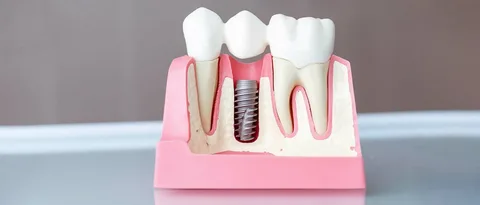
Mini dental implants have revolutionised tooth replacement and denture stabilisation, offering patients a minimally invasive, cost effective solution. Unlike traditional implants, their smaller diameter allows placement in areas with limited bone volume and often reduces the need for extensive grafting.
While the surgical procedure itself is refined, one of the most debated topics in mini implant dentistry is early loading, placing a functional or provisional restoration before full osseointegration.
Understanding how early loading influences implant stability is crucial for clinicians and patients seeking predictable, long term results. This article explores the biological principles, advantages, risks, and clinical considerations of early loading for mini dental implants, emphasizing strategies to maximize stability and optimize outcomes.
Understanding Mini Dental Implants
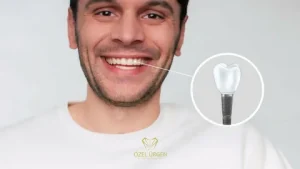
Mini dental implants are narrow diameter implants, typically less than 3 mm in width, often designed as a single, integrated unit. Their compact design enables placement in areas where conventional implants might require bone augmentation. Common clinical uses include:
- Stabilising removable dentures
- Replacing small teeth in narrow spaces
- Supporting single tooth restorations in limited bone scenarios
The advantages of mini dental implants include minimally invasive surgery, reduced healing time, and fewer appointments. However, their smaller surface area makes achieving and maintaining stability especially critical. Proper assessment and careful planning are essential to ensure the implant withstands functional loads during the early healing phase.
What is Early Loading?
Early loading refers to the placement of a restoration, whether provisional or functional, on an implant before complete osseointegration has occurred. Unlike delayed loading, which typically waits three to six months for healing, early loading introduces mechanical function to the implant within a shorter time frame.

Loading Protocols
- Immediate loading: Restoration placed within 48 hours of implant insertion
- Early loading: Restoration placed between 2 and 8 weeks post placement
- Delayed loading: Restoration placed after full osseointegration, usually 3–6 months
Mini dental implants are often considered ideal for early loading due to their ability to achieve high primary stability, which is critical for the prevention of micromovements that could compromise bone integration.
Biological Principles Behind Implant Stability
Successful early loading relies on a balance between mechanical stability and biological healing.
Primary Stability
Primary stability is the mechanical engagement of the implant with surrounding bone immediately after placement. Factors influencing primary stability include:
- Bone density and quality
- Implant design and surface characteristics
- Precision of the surgical technique
Secondary Stability
Secondary stability develops over time as osseointegration occurs, bone cells grow and attach to the implant surface, creating long term anchorage. Introducing functional loading too early, without sufficient primary stability, can result in micromovement and impede secondary stability.
Maintaining stability during the early loading phase is therefore essential to prevent implant failure.
Advantages of Early Loading for Mini Dental Implants
When applied in carefully selected cases, early loading provides multiple clinical and patient centred benefits:
- Faster restoration of function: Patients can chew and speak more comfortably sooner
- Aesthetic benefits: Early provisional restorations support soft tissue contour
- Reduced treatment time: Fewer appointments and faster overall rehabilitation
- Enhanced patient satisfaction: Shorter treatment timelines and visible results improve confidence
| Loading Protocol | Primary Advantage |
| Immediate | Rapid aesthetic restoration |
| Early | Balanced healing and function |
| Delayed | Maximum bone healing |
For practices offering dental implant Bristol services, early loading protocols can enhance patient experience without compromising implant longevity, provided careful planning and selection are observed.
Risks and Limitations of Early Loading
Despite its advantages, early loading is not universally suitable. Understanding potential risks allows clinicians to mitigate complications:
- Micromotion: Excessive movement may disrupt osseointegration
- Bone quality: Poor density increases failure risk
- Occlusal overload: Strong bite forces or parafunctional habits such as bruxism can destabilise the implant
- Complex cases: Multi unit restorations or angled implants may not tolerate early loading
In some situations, delayed loading remains the safest option, particularly when primary stability is uncertain or the patient’s bone quality is suboptimal.
Patient Selection and Case Planning
Not every patient is an ideal candidate for early loaded mini implants. Careful case planning improves predictability and reduces complications.
Ideal Candidates
- Good bone density at implant site
- Healthy soft tissue with adequate keratinised tissue
- Controlled occlusion and absence of severe bruxism
- Overall good systemic and oral health
Assessment Steps
- Clinical evaluation: Soft tissue quality, adjacent teeth, and occlusion
- Radiographic imaging: CBCT for bone assessment and anatomical structure identification
- Occlusal analysis: Determine functional forces and potential overload risks
- Patient consultation: Discuss treatment timeline, maintenance, and expectations
For patients considering mini dental implants Bristol, thorough planning ensures that early loading supports function and aesthetics without compromising stability.
Clinical Outcomes and Evidence
Research indicates that early loaded mini dental implants can achieve success rates comparable to delayed protocols when strict selection and loading criteria are applied. Key factors contributing to positive outcomes include:
- High primary stability at placement
- Controlled occlusal loading during healing
- Close monitoring and patient compliance with postoperative care
Long term results often demonstrate stable bone levels, healthy peri implant tissues, and functional restorations that meet both aesthetic and functional goals.
Post Placement Care and Maintenance
Postoperative care is critical during the early loading phase to preserve implant stability and prevent complications.
Recommended Guidelines
- Maintain a soft diet during initial healing
- Brush gently around the implant site with non abrasive toothpaste
- Attend regular follow up appointments to monitor healing and adjust occlusion
- Avoid applying excessive biting forces to provisional restorations
Proper maintenance ensures that mini implants integrate successfully and continue to function optimally over the long term.
Conclusion
Early loading can significantly influence the stability and success of mini dental implants. When applied to carefully selected patients with adequate bone density, controlled occlusion, and high primary stability, early loading accelerates function, enhances aesthetics, and improves overall patient satisfaction.
However, it requires meticulous planning, precise surgical technique, and ongoing monitoring to prevent micromotion and failure. For patients seeking expert care with predictable outcomes, Smilo Dental Implant Bristol provides personalised treatment planning and professional early loading protocols designed to maximise implant stability and long term success.
Author


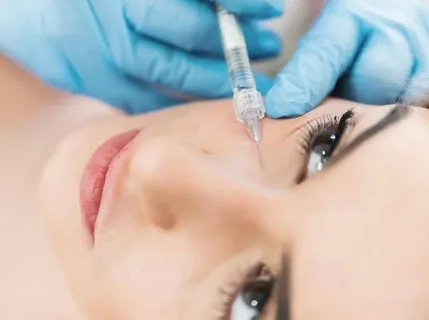
The evolution of aesthetic medicine has moved significantly toward a “natural-first” philosophy. In a global hub for medical excellence, Fillers in Dubai have become the preferred choice for individuals looking to rejuvenate their appearance without the risks or downtime of traditional surgery. Modern injectables are no longer about creating a “filled” look; they are about restoring the structural integrity of the face using sophisticated, biocompatible gels that harmonize with your unique anatomy.
The Mechanical Action of Modern Dermal Fillers
To understand how modern injectables function, we must look at the skin’s internal scaffolding. As biological aging progresses, the body’s natural production of collagen and hyaluronic acid slows down, leading to a loss of volume in the mid-face and the development of static wrinkles. When we administer Fillers in Dubai, we are introducing a sterile, gel-based substance into the dermis or subcutaneous layers.
The mechanism of action is two-fold: immediate physical displacement and long-term biological stimulation. Physically, the gel adds volume to the targeted area, lifting the skin and smoothing out creases. Biologically, the presence of the filler can trigger a “stretching” effect on the fibroblasts, which are the cells responsible for collagen synthesis. In our clinical experience, this dual action leads to results that often improve in quality during the weeks following the initial treatment.

The Purpose of Specialized Injectable Formulas
Not all fillers are created equal. Modern aesthetic medicine utilizes a variety of formulas, each designed for a specific purpose and anatomical depth. For instance, high-density fillers are used for deep structural work, such as defining the jawline or augmenting the chin. These formulas are created to remain in their designated spots, offering a solid base that resembles the appearance of bone or deep fat.
Conversely, low-density, highly flexible fillers are used for superficial lines and mobile areas like the lips or around the mouth. The purpose of these “dynamic” fillers is to integrate so seamlessly that they remain invisible even when you are laughing, eating, or speaking. What patients typically report during recovery is a feeling of softness that feels exactly like their own natural tissue.
Clinical Benefits of Professional Volume Restoration
The advantages of choosing high-grade Fillers in Dubai extend beyond the immediate aesthetic improvement. Because these treatments are performed in a clinical setting using FDA-approved products, the safety profile is exceptionally high.
-
Precision Contouring: Clinicians can sculpt specific areas with a level of detail that surgery cannot match.
-
Minimal Recovery: Most patients can resume their daily routines immediately following the procedure.
-
Reversibility: Hyaluronic acid-based fillers can be dissolved if a patient desires a change or in the rare case of a complication.
-
Predictable Results: Because the product is injected in real-time, the clinician and patient can monitor the progress together.
Determining If You Are a Suitable Candidate
Identifying the right candidate for injectable therapy involves a comprehensive medical consultation. Generally, individuals who are concerned about hollow temples, sunken cheeks, or “marionette lines” around the mouth are excellent candidates for Fillers in Dubai.
During the assessment, we look for good skin elasticity and a clear understanding of the treatment’s goals. We advise against treatment for those with active skin infections, certain autoimmune conditions, or a known hypersensitivity to the ingredients. Our goal is to ensure that every procedure is both medically responsible and aesthetically successful.
The Step-by-Step Clinical Procedure
A professional injection session is a streamlined but highly precise medical event. We prioritize sterile technique and patient comfort throughout the entire process.
-
Mapping and Assessment: The clinician marks the face to identify injection vectors and avoid critical blood vessels.
-
Topical Anesthesia: A numbing cream is applied to the skin to ensure the process is virtually painless.
-
The Injection: Using specialized needles or blunt-tipped cannulas, the filler is placed into the precise tissue layer.
-
Sculpting: The clinician gently molds the area to ensure the gel is evenly distributed and symmetrical.
Key Target Zones for Modern Injectables
| Area of Treatment | Clinical Objective |
| Mid-Face / Cheeks | Restoring the “heart-shaped” face by lifting sagging skin. |
| Nasolabial Folds | Softening the deep lines that run from the nose to the corners of the mouth. |
| Tear Troughs | Filling the hollows under the eyes to eliminate dark shadows. |
| Jawline & Chin | Creating a defined profile and correcting a “weak” chin. |
Financial Considerations and Product Selection
The cost of a filler treatment is determined by several factors, including the type of product used and the volume required to achieve the desired result. In a professional medical setting, we prioritize the use of premium, long-lasting brands that have been extensively researched for safety.
Because every patient’s anatomy is different, the “dosage” of filler varies. A younger patient looking for subtle lip enhancement will require less product than a patient seeking global facial rejuvenation. During your consultation, a detailed plan is provided so you can understand the investment required to reach your specific aesthetic milestones.
The Healing Process and Recovery Timeline
Recovery from Fillers in Dubai is generally very mild. For the first 24 to 48 hours, you may experience some localized swelling or minor tenderness at the injection site. This is a normal part of the body’s response to the treatment.
By day three, most of the swelling has subsided, and any minor bruising can usually be covered with mineral makeup. By day fourteen, the filler has fully integrated with your tissue, and you will see the final, settled result. We recommend avoiding high-impact exercise and extreme heat (like saunas) for the first 48 hours to help the healing process along.
Safety Protocols and Medical Standards
Patient safety is our primary concern. While fillers are routine, they must be treated as a medical procedure. Complications, though rare, can include small lumps or, in very rare cases, vascular issues. Choosing a licensed medical professional who has an intimate knowledge of facial anatomy is the best way to mitigate these risks. Our clinicians are trained in the latest safety protocols and have the necessary reversal agents on hand for every session.
Sustaining Results Through Post-Treatment Care
Maintaining your refreshed look involves more than just the injection itself. We recommend a “less is more” approach, with small maintenance sessions every 9 to 12 months to keep the volume looking natural. Staying hydrated is also crucial, as hyaluronic acid fillers attract water to maintain their plumpness.
We believe that aesthetic medicine should empower you to look as good as you feel. By combining medical expertise with an artistic eye, we help our patients achieve results that are both beautiful and safe. Learn if this treatment is right for your lifestyle by booking a consultation at Tajmeels Clinic.
Author



Starting a family is a dream shared by many couples. However, for some people, the journey toward parenthood may take longer than expected due to fertility challenges. Thankfully, modern medical science has created advanced solutions that help couples overcome these difficulties. When it comes to trusted fertility treatment, a Fertility Hospital in Chennai plays a crucial role in providing specialized care, emotional support, and advanced reproductive technologies.
Among the leading names offering fertility treatment, ARC International Fertility and Research Centre Private Limited has earned recognition for its commitment to helping couples achieve their dream of parenthood. With experienced specialists, modern facilities, and patient-focused care, the center has become a reliable destination for fertility treatments in Chennai.
Understanding the Need for Fertility Treatment
Infertility can affect both men and women. Medical professionals generally consider infertility when a couple has been trying to conceive for over a year without success. Various factors may contribute to this condition, including hormonal imbalances, lifestyle issues, genetic conditions, or reproductive health disorders.
In such situations, visiting a specialized Fertility Hospital in Chennai allows couples to receive a proper diagnosis and suitable treatment options. Fertility specialists conduct detailed evaluations to understand the underlying cause before recommending a personalized treatment plan. Early consultation often increases the chances of successful conception.

Why Chennai Is a Preferred Destination for Fertility Care
Chennai has become one of India’s prominent healthcare hubs, attracting patients from different parts of the country and even from abroad. The city is known for its experienced doctors, advanced medical infrastructure, and patient-friendly healthcare services.
A reputed Chennai IVF Hospital offers a wide range of assisted reproductive technologies such as In Vitro Fertilization (IVF), Intrauterine Insemination (IUI), Intracytoplasmic Sperm Injection (ICSI), egg freezing, and fertility preservation. These treatments provide hope for couples who may not be able to conceive naturally.
ARC International Fertility and Research Centre Private Limited stands out in this field by combining cutting-edge technology with compassionate care. The center focuses on offering customized treatments that address the specific medical needs of each patient.
Advanced IVF Treatment and Technology
IVF has become one of the most successful fertility treatments available today. In this process, eggs and sperm are combined in a laboratory to create embryos, which are then transferred into the uterus. This technique has helped millions of couples worldwide experience the joy of parenthood.
A well-equipped Chennai IVF Hospital uses advanced laboratory systems and strict quality standards to ensure high success rates. Skilled embryologists carefully monitor embryo development, while fertility specialists determine the best time for embryo transfer.
At ARC International Fertility and Research Centre Private Limited, the IVF process is supported by modern diagnostic tools and experienced medical professionals. Their approach focuses on both medical precision and emotional support, helping patients feel confident throughout their treatment journey.
Addressing Male Infertility with Expert Care
Many people believe infertility is primarily related to women, but in reality, male infertility contributes to nearly half of all fertility cases. Conditions such as low sperm count, poor sperm motility, hormonal problems, or lifestyle factors can affect male fertility.
Consulting a Male Infertility Doctor in Chennai is an important step for couples facing fertility challenges. These specialists perform detailed assessments, including semen analysis, hormone testing, and genetic screening, to identify the root cause of the problem.
The experts at ARC International Fertility and Research Centre Private Limited provide comprehensive care for male infertility. Treatment options may include medication, lifestyle modifications, surgical procedures, or advanced reproductive techniques like ICSI. By addressing male reproductive health effectively, the chances of successful conception can significantly improve.
Personalized Care and Patient Support
Fertility treatment can be emotionally challenging for many couples. Therefore, a good fertility center not only focuses on medical procedures but also provides counseling and emotional support. Compassionate care helps patients remain positive and confident throughout the process.
At ARC International Fertility and Research Centre Private Limited, patient care goes beyond medical treatment. The team understands the emotional aspects of infertility and works closely with couples to guide them at every stage of their journey. Clear communication, ethical practices, and personalized treatment plans are key elements of their approach.
Importance of Early Consultation
Many couples delay seeking medical help because of social stigma or lack of awareness. However, early consultation with a Fertility Hospital in Chennai can make a significant difference. Timely diagnosis allows doctors to identify issues sooner and recommend appropriate treatment options.
Similarly, consulting a qualified Male Infertility Doctor in Chennai helps address male reproductive health concerns early, which can increase the chances of natural conception or improve outcomes in assisted reproductive treatments.
A Step Toward Parenthood
The journey to parenthood may sometimes require medical assistance, but modern fertility treatments have made it possible for countless couples to achieve their dreams. Choosing the right Chennai IVF Hospital is an important decision that can influence the success of treatment.
With its experienced specialists, advanced technology, and patient-centered care, ARC International Fertility and Research Centre Private Limited continues to support couples in their path to building families. By combining scientific expertise with compassion, the center provides hope and effective solutions for individuals facing fertility challenges.
For couples looking for expert guidance, consulting a trusted Fertility Hospital in Chennai and an experienced Male Infertility Doctor in Chennai can be the first step toward welcoming a new life into their family.
Author

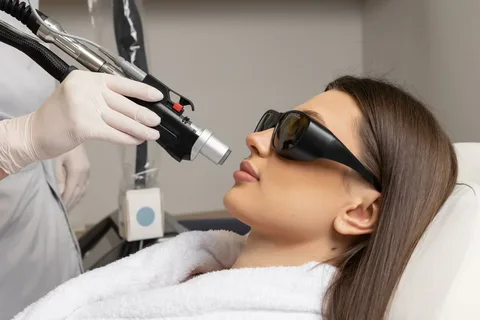
As medical aesthetics become more integrated into daily life, the conversation around Laser Hair Removal in Dubai for teenagers has moved to the forefront of clinical discussion. This topic has gained more attention in recent years. Many families now want to understand the safety and guidelines involved.
In 2026, the approach to treating younger patients follows strict clinical guidelines. These guidelines focus on biological readiness and psychological maturity. They also include advanced safety protocols to protect developing bodies.
Many teenagers seek permanent hair reduction because of self-confidence concerns. In some cases, medical conditions such as hirsutism also play a role. However, the procedure requires a specialized treatment plan that respects the developing body.
For parents and teens in Dubai, understanding the 2026 standards is an important first step. It helps them make informed decisions about treatment. It also ensures a safe and effective clinical experience.
Biological Readiness: The Puberty Factor
The primary variable in teenage laser hair removal is the stability of the endocrine system. Hair growth is a direct byproduct of hormonal signals, which fluctuate significantly during puberty.
- Hormonal Flux: If a teenager undergoes laser treatment before their hormones have stabilized, new follicles may continue to activate after the sessions are complete. This doesn’t mean the laser “failed,” but rather that the body is still producing new hair-growth triggers.
- The “Two-Year” Rule: Many 2026 clinical guidelines suggest waiting at least two years after the onset of puberty (or the stabilization of the menstrual cycle) before beginning a full course of laser.
- Follicle Maturity: Younger skin often hosts a mix of “vellus” (fine) and “terminal” (thick) hair. Modern lasers are most effective on terminal hair, making the timing of the first session crucial for a high return on investment.
2026 Technology: Safety First for Younger Skin
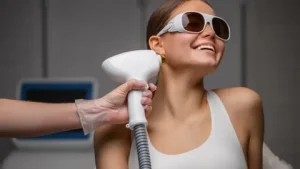
Treating younger skin requires a different “energy math” than treating adults. In 2026, Laser Hair Removal in Dubai clinics utilize AI-driven platforms that are specifically calibrated for pediatric and adolescent dermatology.
- Dynamic Pulse Control: Modern lasers can break a single pulse of energy into several “sub-pulses.” This allows the hair to reach the target temperature while giving the younger, more sensitive skin more time to cool down in between.
- Melanin-Sensing Technology: Because teens are often more active outdoors, their melanin levels can shift quickly. AI sensors now read the skin’s pigment levels in real-time, preventing the laser from firing if it detects a recent “sun-kissed” glow that could lead to irritation.
- Advanced Cryo-Shielding: To manage the lower pain threshold of younger patients, 2026 devices use continuous sapphire cooling tips that stay at a constant 5°C, numbing the skin surface before, during, and after each pulse.
Medical Indications vs. Aesthetic Choice
While many teens seek laser for aesthetic convenience, there are several clinical conditions where Laser Hair Removal in Dubai is recommended as a primary medical intervention.
- Pilonidal Disease Prevention: For adolescent males prone to pilonidal cysts, laser epilation of the intergluteal hair is a medically recognized way to reduce the risk of recurrence.
- Severe Folliculitis: Teens with thick, curly hair who suffer from chronic infections or “razor bumps” often find that laser is the only way to break the cycle of skin trauma.
- Hirsutism and Hypertrichosis: Excessive hair growth caused by genetics or underlying hormonal imbalances (like early-onset PCOS) can have a profound impact on a teenager’s mental health and social integration.
In these cases, the 2026 protocol prioritizes medical necessity, often starting treatments earlier under close dermatological supervision.
| Consideration | 2026 Clinical Recommendation |
| Minimum Age | Typically 14+ (with parental consent) |
| Parental Presence | Mandatory for consultation and first session |
| Consent Protocol | Dual-signature (Teen and Guardian) |
| Session Frequency | Spaced further apart to account for growth cycles |
| Sun Protection | Mandatory SPF 50+ (Strict 4-week window) |
The Psychological and Ethical Landscape
Ethics play a central role in 2026 pediatric aesthetics. A reputable clinic will always conduct a “Maturity Assessment” during the initial consultation.
- Informed Autonomy: Does the teenager understand that the results take multiple sessions? Are they prepared for the discipline of post-treatment care?
- Realistic Expectations: It is vital for teens to understand that while laser provides permanent reduction, hormonal shifts in their 20s may still trigger the need for occasional maintenance.
- Self-Image Focus: The goal of the treatment should always be the teen’s own comfort and confidence, rather than external social pressure.
At Tajmeels Clinic, our specialists are trained to communicate directly with the younger patient, ensuring they are active and informed participants in their own care plan.
The Importance of the “Test Patch”
For teenagers, the “Patch Test” is a non-negotiable safety step. Because young skin can be more reactive to thermal energy, a specialist will treat a small, hidden area first and observe the reaction for 24 to 48 hours.
- Vascular Response: We look for how quickly redness fades and ensure there is no prolonged “heat retention” in the dermis.
- Sensation Check: The test patch helps the teen understand exactly what the laser feels like, reducing anxiety for the actual treatment session.
- Calibration Accuracy: The test allows the AI system to confirm that the chosen energy settings are achieving the optimal “clinical endpoint” (follicle destruction) without stressing the surrounding tissue.
Preparation and Aftercare: The Teen Discipline
Success for younger patients depends heavily on their adherence to the “Golden Rules” of laser safety.
- The Sun Strike: In Dubai, the biggest risk for teens is sun exposure. Any area being treated must be strictly shielded from the sun for 4 weeks before and after. This often means scheduling sessions during the winter months or ensuring the teen is committed to wearing UV-protective clothing.
- Shaving Only: Teens must resist the urge to wax or pluck between sessions. The laser needs the hair “anchor” to be present in the follicle to work.
- Chemical-Free Recovery: Younger skin is more prone to reactions from fragrances. Aftercare should be limited to medical-grade aloe vera or the specific ceramide creams provided by the clinic.
- Hydration: Proper skin hydration from the inside out ensures that the laser energy travels efficiently and that the skin recovers faster.
The Financial Logic of Starting Early
From a long-term perspective, starting Laser Hair Removal in Dubai in the late teens can be a sound investment.
- Lifetime Savings: By eliminating the need for decades of waxing appointments and high-end razors, the cost of a laser course is often recouped within a few years.
- Skin Preservation: Avoiding years of manual hair removal prevents the “thickening” of the skin and the darkening of the pores (the “strawberry skin” effect) that often plagues adults.
- Time Efficiency: For active students and young professionals, the time saved on daily grooming is a significant lifestyle benefit in the fast-paced environment of 2026.
Choosing a Safe Environment in Dubai
In the UAE, the Dubai Health Authority (DHA) sets high bars for the licensing of laser technicians. When booking for a minor, it is imperative to choose a clinic that:
- Uses 2026-standard equipment (Alexandrite/Nd:YAG dual systems)
- Has a dedicated protocol for adolescent patients
- Provides a transparent, medically-led consultation
- Prioritizes skin health over “selling” a package
A medical environment like Tajmeels Clinic ensures that the teenager’s safety, privacy, and long-term dermatological health are the foundation of every pulse.
Conclusion
In 2026, Laser Hair Removal in Dubai for teenagers is a balanced blend of advanced science and ethical responsibility. When performed at the right biological time and under the right medical supervision, it offers a safe and permanent solution to unwanted hair, freeing younger generations from the physical and emotional discomfort of traditional grooming. By following a structured, clinical path, both parents and teens can feel confident in achieving smooth, healthy skin that lasts a lifetime. Start your teen’s journey with a professional consultation at Tajmeel Royal Clinic.
Author


Why a Diploma of Counselling Could Be the Career Change

Email Marketing Company in Dublin: Maximizing Engagement

5 Essential Reasons Your Corporate Gala Needs a Videographer

Total Knee Replacement (TKR): Approach to Enhanced Recovery

Liposuction in Dubai: Essential Care for Optimal Results

Achieve Facial Harmony: The Art of Balancing with Fillers in Dubai

Four-Color Card Game: Strategies and Insights at My88 Casino

Gallery Dept.: Where Art Meets Streetwear

Hellstar: Redefining Streetwear with Bold Creativity

Columbus Colleges: Enrollment Through Better Web Design

Cybersecurity Consulting Company SequelNet Provides Critical IT Support Services to Medical Billing Firm, Medical Optimum

Team Communication Software Transforms Operations at Finance Innovate

Project Management Tool Transforms Long Island Business

How Alleviate Poverty Utilized IPPBX’s All-in-One Solution to Transform Lives in New York City

Breast Cancer: The Imperative Role of Mammograms in Screening and Early Detection

Unstoppable Collaboration: D.C.’s Citi Open and Silicon Valley Classic Unite to Propel Women’s Tennis to New Heights

Embracing Renewal: Sizdabedar Celebrations Unite Iranians in New York’s Eisenhower Park

The Benefits of Starting a Side Hustle for Financial Freedom

New Blood Donation Screening Questions What You Need to Know

Stylishly Timeless: The 5 Types of Sandals You Need in Your Closet
-

 Business3 years ago
Cybersecurity Consulting Company SequelNet Provides Critical IT Support Services to Medical Billing Firm, Medical Optimum
-
Business3 years ago
Team Communication Software Transforms Operations at Finance Innovate
-
Business3 years ago
Project Management Tool Transforms Long Island Business
-
Business3 years ago
How Alleviate Poverty Utilized IPPBX’s All-in-One Solution to Transform Lives in New York City
-
health3 years ago
Breast Cancer: The Imperative Role of Mammograms in Screening and Early Detection
-
Sports3 years ago
Unstoppable Collaboration: D.C.’s Citi Open and Silicon Valley Classic Unite to Propel Women’s Tennis to New Heights
-
Art /Entertainment3 years ago
Embracing Renewal: Sizdabedar Celebrations Unite Iranians in New York’s Eisenhower Park
-
Finance3 years ago
The Benefits of Starting a Side Hustle for Financial Freedom







