
Pet and animal
How to Travel with Your Pet Stress Free

By

Reviewed
By Victoria Riley

Introduction
Traveling with a pet can be a fun and rewarding experience. When you plan well, you can enjoy adventures with your furry friend without worry or stress. Many people love to explore new places with their pets, but the idea of traveling can sometimes feel overwhelming. The key is to prepare and follow some simple steps so that both you and your pet have a great time. In this article, we will explore practical tips to help you travel with your pet stress-free. We will cover how to plan your trip, what to pack, and how to keep your pet safe and happy on the road. This guide is easy to read and understand, perfect for anyone who wants to make pet travel enjoyable.
Understanding Pet Travel

Image by: Yandex.com
Traveling with your pet means planning trips where your pet can come along safely and happily. It is not only about booking pet-friendly hotels or finding parks to play in; it is also about creating a travel plan that considers your pet’s needs. A successful pet trip includes ensuring your pet is healthy, comfortable, and well-prepared for the journey. When you focus on pet travel planning, you can avoid many common problems and have a smooth adventure.
Pet travel can include many forms of transportation. Whether you are traveling by car, train, or airplane, it is important to know the rules and tips that will help your pet adjust to new surroundings. Understanding these basics will help you feel more confident when planning your trip and make the experience enjoyable for your pet and you.
Key Planning Steps for Pet Travel

Image by: Yandex.com
1. Plan Your Itinerary in Advance
Start by deciding on your destination and researching pet-friendly accommodations, restaurants, and attractions. Planning ahead means you can find places that welcome pets and have the right facilities. Create a travel itinerary that includes breaks for your pet to stretch and use the bathroom. When you plan your route, choose stops with open spaces or parks so your pet can relax and play.
2. Visit the Vet Before Your Trip
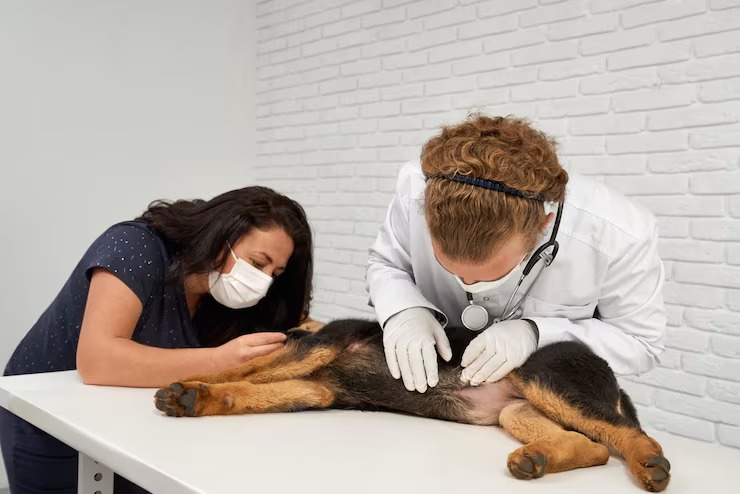
Before you travel, take your pet to the veterinarian for a check-up. Make sure your pet’s vaccinations are up-to-date and ask for any travel advice specific to your pet. A visit to the vet can also include obtaining a health certificate if you plan to travel by air. This step is essential to ensure your pet is healthy and ready for the journey.
3. Pack Essential Items for Your Pet
Packing the right items for your pet is important. Make a list of everything your pet might need during the trip. Items should include food, water, a bowl, any medications, and a favorite toy or blanket for comfort. Do not forget waste bags, grooming supplies, and a leash or carrier. Packing smart ensures that your pet has everything needed to feel secure and happy on the road.
4. Research Pet Travel Regulations
Different transportation methods have different rules for pet travel. Check the regulations for airlines, trains, or rental cars regarding pet travel. Make sure you understand the requirements for carriers, vaccinations, and any fees that might apply. Being informed will help you avoid surprises and ensure a smooth journey.

5. Consider Your Pet’s Comfort and Safety
When planning your travel, consider your pet’s comfort and safety at every step. Choose a comfortable carrier or travel bed for your pet and ensure that your vehicle is safe and well-ventilated. Keep your pet’s favorite items nearby to reduce anxiety. Knowing that your pet is safe and comfortable makes the entire trip more enjoyable.
Practical Tips for Stress-Free Pet Travel

Image by: Yandex.com
1. Start with Short Trips
If your pet is not used to traveling, begin with short trips. Take your pet on a weekend getaway to see how they adjust to the change. Gradually increase the duration of your trips as your pet becomes more comfortable with traveling. Short trips can build your pet’s confidence and help you learn what works best.
2. Establish a Routine
Creating a routine for travel can help reduce stress. Feed your pet at the same time each day, take regular breaks, and maintain familiar activities. This routine helps your pet know what to expect and makes the journey feel more secure. Consistent habits make both you and your pet feel calm during travel.
3. Keep Your Pet Hydrated and Fed
It is easy to forget to offer your pet enough water and food during a long trip. Always carry extra water and food, and plan stops where your pet can eat and drink comfortably. Keeping your pet hydrated and fed is crucial for their well-being and helps prevent any travel-related stress.
4. Use Calming Aids
Some pets may feel anxious during travel. Consider using calming aids like a pet pheromone spray, calming treats, or a favorite toy to help soothe your pet. These simple aids can make a big difference in keeping your pet relaxed during the journey.
5. Plan for Entertainment
Traveling can be boring for pets if they are left alone for long periods. Bring along interactive toys or chew items to keep your pet entertained. These small distractions help reduce boredom and make the trip more pleasant for your pet.
The Long-Term Benefits of Traveling with Your Pet

Image by: Yandex.com
Traveling with your pet can bring many long-term benefits. Spending time together on trips strengthens your bond and creates lasting memories. These shared experiences can improve your pet’s social skills and boost their confidence in new environments. For you, traveling with your pet can reduce stress and provide a sense of adventure.
Over time, regular travel can also lead to a healthier lifestyle for both you and your pet. The exercise from walking and exploring new places, combined with the joy of being outdoors, contributes to overall well-being. Moreover, traveling with your pet opens up opportunities to meet other pet lovers and build a supportive community.
Overcoming Common Challenges in Pet Travel
Traveling with a pet is not always easy. Some common challenges include dealing with travel anxiety, managing unexpected delays, and ensuring your pet stays comfortable. One challenge is that pets can become anxious in unfamiliar environments. To help with this, introduce your pet to travel gradually and use calming aids when needed.
Another challenge is keeping your pet safe during long journeys. Make sure your pet is secure in a comfortable carrier or harness, and always follow safety guidelines for your mode of travel. If you are traveling by car, never leave your pet alone in a hot vehicle, and plan regular stops for breaks.
Managing your time and budget can also be difficult when traveling with your pet. Research pet-friendly options in advance, and plan your itinerary with enough breaks for rest and play. Being prepared and flexible helps overcome these challenges, making the trip smoother and more enjoyable for everyone.
The Long-Term Impact of Traveling with Your Pet

Image by: Yandex.com
Traveling with your pet can change your life in many positive ways. It strengthens your bond, reduces stress, and builds lifelong memories. A well-planned trip helps both you and your pet enjoy new experiences, learn about different cultures, and lead a healthier lifestyle. Over time, these journeys contribute to personal growth and a greater sense of happiness. The joy of shared adventures and the freedom to explore new places together can inspire you to travel more often, making pet travel a rewarding habit that lasts a lifetime.
Comparative Table: Key Strategies for Stress-Free Pet Travel
| Strategy | Description | Key Benefit |
|---|---|---|
| Plan Your Itinerary | Research pet-friendly destinations and plan stops | Ensures a smooth, enjoyable journey |
| Vet Check and Documentation | Visit the vet and obtain necessary records for travel | Keeps your pet healthy and meets travel regulations |
| Pack Essentials | Make a list of food, water, medications, and toys | Prevents forgetting important items, keeps pet comfortable |
| Use Technology | Use apps to find pet-friendly hotels, reviews, and maps | Saves time, provides reliable information |
| Create a Routine | Stick to feeding, walking, and resting schedules during travel | Reduces pet anxiety, builds consistency |
| Choose Safe Transport | Use secure carriers, harnesses, and plan frequent breaks | Enhances safety and comfort during travel |
This table highlights key strategies for stress-free pet travel, detailing what each strategy involves and the benefits they offer.
Conclusion
In summary, traveling with your pet stress-free is possible with careful planning and the right strategies. By researching pet-friendly destinations, packing essential items, and maintaining a consistent routine, you can ensure a smooth and enjoyable journey. Embrace technology and prepare for unexpected challenges to keep your trip safe and fun. The long-term benefits of traveling with your pet include stronger bonds, reduced stress, and lasting memories that enrich your life.
Author


Author




Author

Pet and animal
Dog Welfare: Promoting Health, Happiness, and Humane Care for Dogs

By
Reviewed
By Phoebe Sutton

Introduction
Dogs have been our loyal companions for thousands of years, offering friendship, love, and protection. Yet, millions of dogs worldwide face neglect, abandonment, and abuse every day. Ensuring dog welfare is crucial not only for the well-being of dogs themselves but also for the health and safety of the communities they live in. This blog explores the importance of dog welfare, key practices, and how organizations and individuals can make a difference.
What Is Dog Welfare?
Dog welfare refers to the physical, emotional, and social well-being of dogs. It encompasses providing adequate food, clean water, shelter, medical care, protection from cruelty, and social interactions. A dog’s welfare is not just about survival—it’s about ensuring a life of dignity, safety, and happiness.
Good dog welfare practices also include proper training, mental stimulation, and ensuring dogs are free from unnecessary stress or harm. Communities and pet owners play a vital role in achieving this.
Why Dog Welfare Matters
Ensuring dog welfare is critical for several reasons:
- Health and Longevity: Dogs with proper care live longer, healthier lives. Access to vaccinations, regular veterinary check-ups, and a balanced diet reduces the risk of diseases and infections.
- Safety: Neglected or stray dogs can develop behavioral problems due to fear, anxiety, or hunger. By focusing on dog welfare, communities reduce the risk of bites, attacks, and the spread of disease.
- Companionship and Emotional Bonding: Dogs are social animals who thrive on attention and care. Good welfare ensures they can form positive relationships with humans and other animals.
- Ethical Responsibility: As caregivers, humans have a moral obligation to protect animals from suffering. Supporting dog welfare aligns with humane and compassionate values.
Key Components of Dog Welfare

Image by: Yandex.com
1. Adequate Shelter and Comfort
A safe, clean, and comfortable environment is the foundation of dog welfare. Dogs need protection from extreme weather, adequate space to move freely, and a secure area where they feel safe. Whether in homes, shelters, or community care facilities, proper housing significantly reduces stress and illness.
2. Nutrition and Clean Water
Proper nutrition is essential for maintaining a dog’s health. A balanced diet that includes proteins, vitamins, and minerals supports growth, energy, and immunity. Alongside food, constant access to clean drinking water is crucial. Malnutrition and dehydration are major causes of illness in neglected dogs.
3. Medical Care and Vaccination
Regular veterinary check-ups, vaccinations, and timely treatment for injuries or illnesses are integral to dog welfare. Preventive care such as deworming, flea control, and neutering/spaying programs not only improves individual health but also helps manage the stray dog population ethically.
4. Mental and Physical Stimulation
Dogs require exercise, play, and social interaction to maintain mental and physical health. Boredom and isolation can lead to destructive behavior, anxiety, or depression. Activities like walking, games, training, and socializing with other dogs promote well-being and happiness.
5. Protection from Cruelty and Neglect
One of the most critical aspects of dog welfare is protecting dogs from abuse. Stray, abandoned, or working dogs may face cruelty, overwork, or neglect. Enforcement of animal welfare laws, public awareness campaigns, and reporting cases of abuse are essential steps in safeguarding dog welfare.
The Role of Dog Welfare Organizations
Non-profit organizations, rescue groups, and dog welfare societies play a crucial role in improving the lives of dogs:
- Rescue Operations: Saving abandoned, injured, or abused dogs from streets, unsafe homes, or neglectful situations.
- Medical Treatment: Providing veterinary care, vaccinations, surgeries, and rehabilitation for rescued dogs.
- Adoption Programs: Rehoming rescued dogs into loving families, reducing stray populations, and promoting responsible pet ownership.
- Awareness Campaigns: Educating the community about ethical treatment, sterilization, feeding programs, and reporting cruelty.
- Community Support: Establishing feeding stations, shelters, and volunteer programs to ensure ongoing dog welfare in urban and rural areas.
Organizations like Kannan Animal Welfare Foundation and similar dog NGOs lead by example, showing how structured, compassionate efforts can transform the lives of countless dogs.
How Individuals Can Promote Dog Welfare
1. Adopt, Don’t Shop
Choosing to adopt rescued dogs supports the principles of dog welfare. Adoption reduces the demand for puppy mills and helps provide abandoned dogs with loving homes.
2. Volunteer and Support Shelters
Volunteering time at local dog shelters or rescue organizations can make a huge difference. Activities include feeding, grooming, walking, cleaning, or assisting in rescue operations. Donations of food, medicine, or funds are also vital.
3. Spay and Neuter Pets
Responsible pet owners should sterilize their dogs to prevent overpopulation. This reduces the number of stray dogs and decreases suffering caused by hunger, disease, and neglect.
4. Report Cruelty
Communities play an essential role in enforcing dog welfare. Reporting cases of abuse or neglect to local authorities or animal welfare organizations ensures that dogs in distress receive timely help.
5. Raise Awareness
Educating friends, family, and neighbors about the importance of dog welfare, ethical treatment, and responsible ownership spreads a culture of compassion and care.
Conclusion
Dog welfare is not just about providing food and shelter—it’s about creating an environment where dogs are safe, healthy, and happy. Every small effort, from adopting a rescued dog to volunteering at a shelter, contributes to a larger movement that protects vulnerable animals.
By supporting dog welfare initiatives, whether through NGOs, community programs, or personal responsibility, we ensure that dogs receive the love, care, and respect they deserve. When dogs thrive, communities thrive—because compassion towards animals reflects the humanity of society itself.
Author



The Rise and Identity of Corteiz Clothing

Buy Lab-Certified Gemstones Online: Elora Gems 2026

Custom Earring Box Design: BoxesGen & CustomBoxesLab

The Power of Human Connection: Manual Guest Post Outreach

You Should essential hoodie Shop at hoodies Official Store

Epson Printer Troubleshooting Guide: 2026 Fixes

Cox.net Yahoo Email: Guide to Fix Login, Sync & Email Issues

Best Air Cleaners for Home: Types, Benefits, and Maintenance Tips

Canon Printer Support: Quick Ways to Contact Customer Care

Packaging Companies: Trends, Top Players & Packaging Solutions

Cybersecurity Consulting Company SequelNet Provides Critical IT Support Services to Medical Billing Firm, Medical Optimum

Team Communication Software Transforms Operations at Finance Innovate

Project Management Tool Transforms Long Island Business

How Alleviate Poverty Utilized IPPBX’s All-in-One Solution to Transform Lives in New York City

Breast Cancer: The Imperative Role of Mammograms in Screening and Early Detection

Unstoppable Collaboration: D.C.’s Citi Open and Silicon Valley Classic Unite to Propel Women’s Tennis to New Heights

Embracing Renewal: Sizdabedar Celebrations Unite Iranians in New York’s Eisenhower Park

The Benefits of Starting a Side Hustle for Financial Freedom

New Blood Donation Screening Questions What You Need to Know

Stylishly Timeless: The 5 Types of Sandals You Need in Your Closet
-

 Business3 years ago
Cybersecurity Consulting Company SequelNet Provides Critical IT Support Services to Medical Billing Firm, Medical Optimum
-
Business3 years ago
Team Communication Software Transforms Operations at Finance Innovate
-
Business3 years ago
Project Management Tool Transforms Long Island Business
-
Business3 years ago
How Alleviate Poverty Utilized IPPBX’s All-in-One Solution to Transform Lives in New York City
-
health3 years ago
Breast Cancer: The Imperative Role of Mammograms in Screening and Early Detection
-
Sports3 years ago
Unstoppable Collaboration: D.C.’s Citi Open and Silicon Valley Classic Unite to Propel Women’s Tennis to New Heights
-
Art /Entertainment3 years ago
Embracing Renewal: Sizdabedar Celebrations Unite Iranians in New York’s Eisenhower Park
-
Finance3 years ago
The Benefits of Starting a Side Hustle for Financial Freedom







