
health
How to Know When It’s Time to Find a New Therapist


Introduction: The therapeutic relationship between you and your therapist plays a crucial role in your mental health journey. While finding a therapist is an important step, it’s equally important to recognize when it may be time to reassess and consider finding a new therapist. This guide outlines key signs and considerations to help you determine if it’s time to seek a new therapeutic relationship that better aligns with your needs and goals.
- Lack of Progress or Stagnation: If you feel like you have been attending therapy sessions for an extended period without experiencing any significant progress or positive changes, it may be a sign that you need a fresh perspective. Therapy should provide you with tools, insights, and strategies to overcome challenges and improve your well-being. If you find yourself consistently stuck or not making meaningful progress, it may be time to explore other therapeutic options.
- Misalignment of Goals and Approach: Therapists have different therapeutic approaches, and it’s essential to ensure that your therapist’s approach aligns with your needs and goals. If you have specific concerns or issues that require specialized treatment, and your current therapist does not have the expertise or experience in those areas, it may be beneficial to seek out a therapist with the appropriate specialization. Additionally, if you feel that your goals and values are not being addressed or respected in therapy, it may be a sign to consider finding a new therapist who can better support your unique needs.
- Feeling Unheard or Unsupported: One of the fundamental aspects of therapy is feeling heard, validated, and supported. If you consistently feel like your therapist is not actively listening, dismissing your concerns, or not providing the support you need, it may be a red flag. Therapy should create a safe and non-judgmental space for you to explore your thoughts, emotions, and experiences. If you feel consistently invalidated or misunderstood, it may be worth exploring other therapeutic options to find a therapist with whom you can establish a stronger rapport and receive the support you deserve.
- Personality or Interpersonal Issues: The therapeutic relationship relies on a strong connection and mutual trust between you and your therapist. Sometimes, despite a therapist’s expertise, there may be personality clashes or interpersonal issues that hinder the therapeutic process. It’s important to evaluate whether you feel comfortable, respected, and able to openly communicate with your therapist. If you consistently experience discomfort, tension, or a lack of trust, it may be an indication that finding a new therapist who is a better fit for your personality and communication style is necessary.
- Changes in Circumstances or Needs: Life circumstances and personal needs can change over time, and it’s crucial for therapy to adapt accordingly. If you experience significant life changes, such as a relocation, a new job, or a change in relationship status, it may be necessary to reassess your therapeutic needs. Consider whether your current therapist has the expertise or availability to support you through these transitions. Additionally, as your personal growth and goals evolve, you may find that your current therapist’s approach or specialization no longer aligns with your new direction, making it beneficial to explore alternative therapeutic options.
Conclusion: Recognizing when it’s time to find a new therapist is an important aspect of your mental health journey. If you feel a lack of progress, a misalignment of goals and approach, a sense of being unheard or unsupported, personality or interpersonal issues, or changes in circumstances or needs, it may be an indication that seeking a new therapeutic relationship is necessary. Remember, therapy is a collaborative process, and finding a therapist who understands and meets your unique needs can greatly enhance your overall well-being and growth. Trust your instincts, prioritize your mental health, and be open to exploring new therapeutic possibilities to find the right fit for you.
Author



Shilajit has surged in popularity across India over the last few years. Many people now turn to this ancient substance to boost their energy, stamina, and overall wellness. However, this rising demand has flooded the market with low-quality and counterfeit products. This saturation makes it incredibly difficult for buyers to identify authentic options.
To choose correctly, you must understand that shilajit resin represents the purest and most effective form available. Unlike processed capsules or powders, resin retains its natural minerals and organic compounds. In this guide, we review the best shilajit resin brands in India for 2026. We have ranked them based on purity, quality, and overall value to help you make a safe, informed decision.
Why Brand Selection is Critical
Not all shilajit products offer the same benefits. Quality varies significantly depending on how a company sources and processes the raw material. Choosing the right brand matters for several reasons:
-
Purity Issues: Many market-level products contain dilutions or cheap fillers.
-
Fulvic Acid Content: Low levels of fulvic acid directly reduce the product’s effectiveness.
-
Safety Risks: Fake or unprocessed shilajit often contains dangerous heavy metals.
-
Potency: Pure resin is generally far more potent than tablets or capsules.
A reputable brand ensures rigorous purification and independent lab testing. These steps directly impact the physical results you experience.

Our Selection Criteria
We identified the top contenders by analyzing several key performance indicators:
-
Sourcing: We prioritized brands that harvest genuine shilajit from high-altitude Himalayan regions.
-
Fulvic Acid Levels: Higher percentages typically indicate a superior, more concentrated product.
-
Physical Form: We gave preference to resin over inferior powdered formats.
-
Verification: We looked for brands that provide transparent lab reports and quality checks.
-
User Trust: Real customer feedback and long-term brand reputation played a major role.
Top 7 Shilajit Resin Brands in India (2026)
1. Wellness County – Himalayan Shilajit Resin with Cordyceps
Wellness County currently leads the Indian market as a premium, high-performance option. This brand uniquely blends pure Himalayan resin with cordyceps. This combination creates a powerhouse for physical endurance and recovery.
-
Highlights: It features a high fulvic acid content and a filler-free resin base.
-
Pros: The dual-ingredient formula offers high potency for active lifestyles.
-
Cons: It carries a slightly higher price point than basic entry-level resins.
2. Kapiva Shilajit Resin
Kapiva is a household name in modern Ayurveda. They source their resin directly from the Himalayas, making it a reliable choice for daily wellness.
-
Highlights: Strong brand trust and excellent online availability.
-
Pros: It offers consistent quality and serves as a great starting point for beginners.
-
Cons: The potency is moderate compared to elite performance brands.
3. Dabur Shilajit
Dabur stands as one of India’s oldest and most respected Ayurvedic institutions. While the company is famous for its extracts, it remains a go-to for traditional users.
-
Highlights: Unmatched brand reputation and massive retail presence.
-
Pros: You can find Dabur products in almost any local store.
-
Cons: It is not always available in pure resin form, and concentrations may be lower.
4. Rasayanam Shilajit Resin
Rasayanam emphasizes traditional processing and purity. They market their resin as a highly authentic, lab-tested product for serious enthusiasts.
-
Highlights: Strict quality control and a focus on clean formulations.
-
Pros: The brand maintains excellent standards for purity.
-
Cons: It lacks the widespread brand awareness of larger competitors.
5. Upakarma Ayurveda Shilajit Resin
Upakarma serves the budget-conscious consumer. It provides a decent entry point for those who want to experience shilajit without a heavy financial commitment.
-
Highlights: Affordable pricing and accessible quality.
-
Pros: It is a very cost-effective way to start a supplement routine.
-
Cons: The potency levels are generally lower than premium alternatives.
6. Satthwa Shilajit Resin
Satthwa prides itself on offering natural, “clean” products. Their resin features a simple formulation that focuses on minimal processing.
-
Highlights: Natural sourcing and honest labeling.
-
Pros: It is a solid, straightforward product for regular, long-term use.
-
Cons: It may not feel as strong as brands with ultra-high fulvic acid levels.
7. Vedikroots Shilajit Resin
Vedikroots is a rising brand in the Ayurvedic space. It attracts attention by offering competitive pricing for new users.
-
Highlights: Growing popularity and budget-friendly options.
-
Pros: It offers good value for money for first-time buyers.
-
Cons: It has not yet established the long-term trust of legacy brands.
How to Pick the Best Resin for You
If you are a first-time buyer, follow these simple rules to ensure you get a quality product. First, always prioritize the resin form over pills or powders. Second, check the label for the fulvic acid percentage; aim for a higher number for better results.
Third, avoid suspiciously cheap products. Authentic shilajit harvesting is difficult, so extremely low prices often signal a fake or diluted product. Finally, always look for third-party lab certifications and read recent user reviews before clicking “buy.”
The Proven Benefits of Shilajit Resin
Ayurvedic practitioners have used shilajit for centuries. When you choose a high-quality product and use it consistently, you may enjoy several benefits. It effectively improves energy levels and helps reduce daily fatigue. Furthermore, it supports physical stamina and helps men maintain healthy testosterone levels. Many users also report a boost in immunity and faster recovery after intense exercise.
The Final Verdict
Your choice depends entirely on your specific goals and your budget.
-
For Peak Performance: Choose Wellness County if you want a premium cordyceps blend for maximum energy.
-
For Daily Reliability: Select Kapiva for a trusted, everyday wellness boost.
-
For Traditional Trust: Stick with Dabur for a long-standing Ayurvedic reputation.
-
For Value: Pick Upakarma or Vedikroots if you are on a tight budget.
Regardless of your choice, always verify the purity and sourcing to ensure you are getting the real deal. High-quality shilajit is a powerful tool, but only if it is authentic.
Author




Author


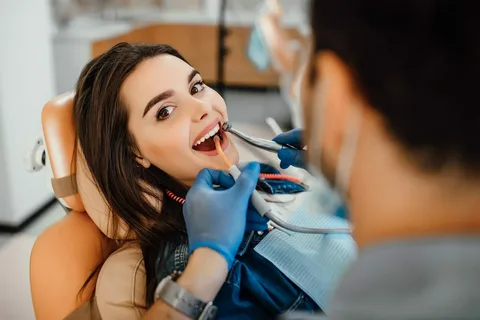
A confident smile does more than just look good; it leaves a lasting impression and shapes your social world. From casual conversations to high-stakes professional meetings, the way you perceive your teeth matters. If you feel hesitant about your smile, it can hold you back from reaching your full potential. Fortunately, dental imperfections like stains, chips, or gaps do not have to be permanent. Visiting a cosmetic dentist North York is a proactive step toward reclaiming both your appearance and your self-esteem.
Cosmetic dentistry blends high-level science with delicate artistry. The primary goal is to enhance the visual appeal of your teeth while protecting their health and function. Instead of a “one-size-fits-all” approach, a cosmetic dentist North York provides personalized care. They listen to your specific concerns and design a treatment plan that reflects your individual personality.
Erasing Stains for a Brighter Future
One of the most frequent complaints people share is tooth discoloration. Over time, everyday habits take a toll on our enamel. If you enjoy coffee, tea, or red wine, you likely notice your teeth losing their luster. Aging also naturally thins the enamel, making teeth look yellow or dull.
While drugstore shelves overflow with whitening strips, they rarely deliver professional-grade results. Professional teeth whitening stands out as a fast and effective solution. These treatments offer a much higher concentration of active ingredients. Consequently, you achieve a significantly brighter smile in a fraction of the time. Because a dentist supervises the process, you also experience less sensitivity compared to generic products.

Rebuilding Beauty with Veneers and Bonding
If you deal with more structural issues like chips or cracks, you have several fantastic options. Dental veneers have become a go-to “transformative” solution for modern patients. These thin, durable shells sit directly over the front surface of your teeth. They can instantly correct the shape, size, and color of your smile. Many people choose a cosmetic dentist North York for veneers because they mimic the light-reflecting properties of natural teeth. In just a few appointments, you can walk away with a completely revitalized look.
For those looking for a quicker fix, dental bonding is an excellent alternative. This procedure uses a tooth-colored resin to repair minor imperfections. If you have a small gap or an irregular tooth shape, your dentist can sculpt the material to perfection. Since bonding usually takes only one visit, it provides immediate gratification. It is a cost-effective way to achieve high-impact results without a long-term commitment.
Straightening Smiles Discreetly
Misaligned teeth affect more than just your photos; they can also impact your oral health. Traditionally, patients had to endure years of bulky metal braces. Today, clear aligners have revolutionized orthodontic care. These transparent trays shift your teeth into the correct position over time.
The beauty of clear aligners lies in their invisibility. You can straighten your smile without anyone noticing. Furthermore, you can remove them when eating or brushing your teeth. A cosmetic dentist North York can create a digital map of your mouth to design a custom aligner series. This discreet method fits perfectly into a busy, professional lifestyle.
The Power of a Customized Plan
Customization is the heartbeat of cosmetic dentistry. No two faces are the same, so no two smiles should be identical either. During an initial consultation, your dentist evaluates your facial structure and lip line. They discuss your aesthetic goals to ensure the final result looks natural rather than “artificial.” This bespoke approach ensures that your new smile complements your features perfectly.
Beyond Aesthetics: Health and Function
It is a common misconception that cosmetic dentistry is purely about vanity. In reality, these procedures offer significant health benefits. For instance, straightening crooked teeth makes them much easier to clean. When teeth are properly aligned, you reduce the risk of trapped food and plaque buildup. This decreases the likelihood of cavities and gum disease.
Similarly, repairing a cracked tooth prevents further decay and infection. When your bite is balanced, you put less strain on your jaw joints. By choosing a cosmetic dentist North York, you are making a smart investment in your long-term physical health. You aren’t just buying a pretty smile; you are protecting your body.
The Emotional Impact of Confidence
We cannot overlook the psychological benefits of a radiant smile. When you feel proud of your teeth, your behavior changes. You tend to smile more often and speak with more authority. This shift in body language is infectious. People often perceive those who smile confidently as more approachable and trustworthy.
Whether you are dating, interviewing for a job, or attending a gala, confidence is your best accessory. This emotional boost often carries over into every area of your life. It allows you to focus on the moment rather than hiding your mouth behind your hand.
Finding the Right Professional Partner
Selecting the right provider is a vital part of your journey. You need a professional who combines technical skill with a compassionate, patient-focused approach. A reliable cosmetic dentist North York will walk you through every step. They explain the “why” behind their recommendations and ensure you feel relaxed. You should feel empowered to ask questions about the materials used and the expected longevity of your treatments.
Longevity: Caring for Your Investment
Once you achieve your dream smile, you must maintain it. Great results require consistent effort. Daily brushing and flossing are non-negotiable habits for keeping your teeth healthy. Additionally, regular check-ups allow your dentist to catch minor issues before they become expensive problems.
You should also be mindful of lifestyle choices that could stain your new dental work. While modern materials are stain-resistant, they are not stain-proof. Using a straw for dark beverages or rinsing with water after meals can help preserve your brightness.
A Worthwhile Investment
Cost is often a primary concern for many patients. Prices vary based on the complexity of the correction and the materials used. While some see these procedures as a luxury, most patients view them as a necessary investment in their future. Many clinics now offer flexible payment plans to make treatment more accessible. When you consider the years of confidence and improved health, the value becomes clear.
Perfection vs. Enhancement
Finally, remember that cosmetic dentistry isn’t about reaching an impossible standard of “perfection.” Instead, it is about enhancing your natural beauty. The best results are those that make you feel like the best version of yourself. Small, subtle changes often yield the most significant emotional rewards.
In conclusion, visiting a cosmetic dentist North York can be a life-changing experience. From professional whitening to advanced veneers, there is a solution for every concern. By prioritizing your smile today, you ensure a more confident and radiant tomorrow. Take that first step and see how a new smile can open doors you never knew existed.
Author



Vietnam Coffee Exports 2025: Key Markets & Industry Insights

Native App Development Trends: AI, IoT, Cloud & Future Insights

Metal Roof Tiles vs Concrete Tiles: Cost & Roofing Choice

Custom Packaging Boxes USA – Elevate Your Brand with Artsy Packaging

Warehouse Management System for Real-Time Control

Ammonia Price Forecast 2026 Signals Key Global Trends

Shilajit Resin Brands in India (2026): Top 7 Authentic Options

Drop Tester: Features, Benefits & Best Quality Testing Solutions

Quick Easy Personal Loan Without PAN Card: Options & Tips

Skin Whitening Treatment: Safe Options for Radiant Skin

Cybersecurity Consulting Company SequelNet Provides Critical IT Support Services to Medical Billing Firm, Medical Optimum

Team Communication Software Transforms Operations at Finance Innovate

Project Management Tool Transforms Long Island Business

How Alleviate Poverty Utilized IPPBX’s All-in-One Solution to Transform Lives in New York City

Breast Cancer: The Imperative Role of Mammograms in Screening and Early Detection

Unstoppable Collaboration: D.C.’s Citi Open and Silicon Valley Classic Unite to Propel Women’s Tennis to New Heights

Embracing Renewal: Sizdabedar Celebrations Unite Iranians in New York’s Eisenhower Park

The Benefits of Starting a Side Hustle for Financial Freedom

New Blood Donation Screening Questions What You Need to Know

Stylishly Timeless: The 5 Types of Sandals You Need in Your Closet
-

 Business3 years ago
Cybersecurity Consulting Company SequelNet Provides Critical IT Support Services to Medical Billing Firm, Medical Optimum
-
Business3 years ago
Team Communication Software Transforms Operations at Finance Innovate
-
Business3 years ago
Project Management Tool Transforms Long Island Business
-
Business3 years ago
How Alleviate Poverty Utilized IPPBX’s All-in-One Solution to Transform Lives in New York City
-
health3 years ago
Breast Cancer: The Imperative Role of Mammograms in Screening and Early Detection
-
Sports3 years ago
Unstoppable Collaboration: D.C.’s Citi Open and Silicon Valley Classic Unite to Propel Women’s Tennis to New Heights
-
Art /Entertainment3 years ago
Embracing Renewal: Sizdabedar Celebrations Unite Iranians in New York’s Eisenhower Park
-
Finance3 years ago
The Benefits of Starting a Side Hustle for Financial Freedom







