
Food Drink
The Joy of Cooking: How to Embrace Intuitive Cooking


The joy of cooking goes beyond the end result – it’s about the process, creativity, and love that go into preparing a meal. Intuitive cooking is one way to tap into this joyful experience while making delicious dishes that are uniquely yours. Whether you’re an experienced cook or just starting out in the kitchen, embracing intuitive cooking can help you unlock your inner chef and create meals that bring happiness to both yourself and those who enjoy them. In this blog post, we’ll explore what intuitive cooking is, its benefits, how to get started with it, share some recipes for inspiration and ultimately discover why there’s so much joy in this approach to cooking!
What is intuitive cooking?
Intuitive cooking is a style of cooking that involves using your instincts and senses to guide you in the kitchen. It’s about creating meals based on what feels right rather than following strict recipes or rules. Intuitive cooking allows you to be creative, experiment with different ingredients and flavors, and adjust recipes according to your personal taste preferences.
At its core, intuitive cooking is about trusting yourself and letting go of perfectionism. It’s not just about throwing together random ingredients but rather being mindful of what works well together while also allowing for surprises along the way. This approach encourages you to use all of your senses – taste, smell, touch – when preparing food.
Intuitive cooking gives you more freedom in the kitchen because it doesn’t require strict measurements or predetermined steps. You can adapt dishes depending on what ingredients are available or how much time you have without worrying if they will turn out perfectly.
Intuitive cooking is a liberating experience that allows you to cook with joy and creativity instead of stress and pressure.

The benefits of intuitive cooking
Intuitive cooking is a way of preparing food that focuses on using your instincts and creativity, rather than strictly following recipes or measured ingredients. This approach has several benefits for both novice and experienced cooks.
Firstly, intuitive cooking allows for greater flexibility in the kitchen. It encourages experimentation with different flavor combinations, textures, and techniques. Instead of feeling limited by a recipe’s specific instructions or ingredient list, you can use what you have on hand to create unique dishes tailored to your taste preferences.
Secondly, intuitive cooking promotes mindfulness while cooking. By paying attention to the colors, smells, and textures of the food as it’s prepared, we become more present in the moment. This mindful approach can help reduce stress levels while providing an opportunity to enjoy the process of making a meal.
Intuitive cooking fosters independence from processed foods and packaged meals. It empowers individuals to make healthier choices based on their personal nutritional needs without relying solely on pre-packaged products marketed as “healthy.”
Embracing intuitive cooking can open up new doors in terms of culinary creativity while promoting mindfulness and healthy eating habits.
How to get started with intuitive cooking
Intuitive cooking is all about trusting your instincts and creativity in the kitchen. It can be daunting to start cooking without a recipe, but it’s important to remember that there are no right or wrong answers when it comes to intuitive cooking.
To get started with intuitive cooking, begin by taking inventory of what you have on hand in your pantry and fridge. Often, we have more ingredients than we realize, so try to be creative with what you already have before heading out to buy new groceries.
Next, think about flavor combinations that you enjoy and experiment with different spices and herbs. Don’t be afraid to mix sweet and savory flavors or try something new.
When preparing a dish intuitively, start by chopping up vegetables or proteins into bite-sized pieces. Then heat up some oil in a pan over medium-high heat and add your ingredients.
Taste as you go along and adjust seasoning as needed until the flavors are just right for your palate. Remember that there’s always room for experimentation!
With practice, intuitive cooking will become easier and more natural. So take risks in the kitchen – who knows what delicious creations might come from following your intuition!
Recipes for intuitive cooking
Recipes for intuitive cooking are all about using what you have on hand and following your instincts. Instead of rigidly following a recipe, let your creativity take over and experiment with different ingredients and flavor combinations.
Start by taking stock of what you already have in your pantry or fridge. Do you have some leftover veggies from last night’s dinner? Maybe some canned beans or grains that need to be used up? Use these as the base for a hearty salad or stir-fry.
When it comes to seasoning, don’t be afraid to mix things up. Try pairing sweet flavors with savory ones, like adding fruit to a spicy salsa or drizzling honey over roasted vegetables.
One great way to get inspired is by browsing through cookbooks or food blogs for ideas. But instead of following their recipes exactly, use them as inspiration and make adjustments based on what you have available.
Ultimately, the beauty of intuitive cooking is that there are no rules – so feel free to experiment and see where your taste buds take you!
Conclusion
Intuitive cooking is not just about preparing food but also about nourishing your soul. It teaches you to trust your instincts and allows you to enjoy the process of cooking without feeling overwhelmed by recipes or measurements.
By embracing intuitive cooking, you can tap into your creativity in the kitchen and make meals that are uniquely yours. You’ll find joy in experimenting with new ingredients and flavors while also saving time and reducing waste.
Remember, there are no hard and fast rules when it comes to intuitive cooking. Allow yourself to have fun, be creative, make mistakes, and learn from them. With practice, you’ll become more confident in your skills as a cook while discovering new ways to bring joy into every mealtime.
Author



Author


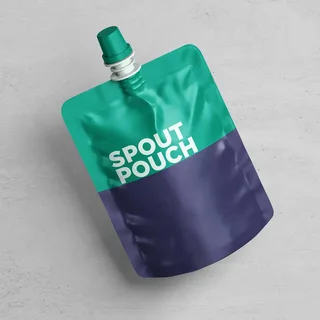
Custom Spout Pouches are currently reshaping how businesses package and deliver liquid and semi-liquid products in new markets. These pouches offer more than just convenience; they provide a durable structure with a fashionable design that enhances both the physical appearance and the brand’s message. Manufacturers frequently apply these versatile tools to package food, beverages, and personal care items.
Furthermore, because these pouches remain small in size, they allow companies to slash shipping expenses without sacrificing product security. Designers also prioritize the user experience by adding features that allow customers to dispense and seal the contents with ease. As competition intensifies, brands are pivoting toward these smarter packaging designs to drive steady growth in sales and consumer satisfaction.
Innovation in Packaging Design
Modern packaging concepts now move beyond simple containment to introduce genuine innovation and utility. Consequently, companies invest heavily in designs that make products easier for customers to handle. These flexible formats allow brands to experiment with unique shapes and functions while maintaining strict product safety standards.
Many businesses choose blank printed spout pouches at wholesale to increase their visibility and extend shelf life. This specific packaging style empowers organizations to communicate their brand value while keeping the product intact during the rigors of transportation. Moreover, the convenient dispensing capabilities create a more interactive and positive experience for the consumer.

Controlling Liquid Storage
Proper packaging ensures that liquid-based products remain safe, fresh, and leak-free throughout the entire supply chain. Engineers develop advanced sealing technologies to preserve product integrity from the factory to the shelf. Therefore, industries like beverage production, sauce manufacturing, and personal care require these secure solutions.
Liquid spout packets have surged in popularity because they provide a controlled flow and reliable storage behavior. These pouches actively help manufacturers reduce waste while maximizing comfort for the end-user. By using this technology, brands ensure that quality remains consistent between the moment of production and the final point of consumption.
The Power of Brand Identity
Strong branding dictates the success of a product within highly competitive retail environments. Because packaging serves as the primary point of interaction, it speaks to the customer long before they see the actual product. Companies often create customized imagery to build a sense of familiarity and trust.
Today, personalized spout pouch packaging allows firms to tailor designs specifically to their brand name and target market. This strategic approach helps products pop off the shelf and reinforces brand messaging through visual clarity. Ultimately, a uniform and legible design supports the long-term recognition of the company in the eyes of the consumer.
Growth in Wholesale Supply
High-volume production requires packaging techniques that can support massive distribution without failing. Business organizations demand a robust supply chain that provides consistent and dependable materials. By sourcing at wholesale, companies maintain a steady production flow and manage their overhead costs more effectively.
Most successful brands purchase well-designed spout pouches in large quantities to ensure every batch meets quality standards. This strategy allows companies to scale their operations rapidly across different product lines. Consequently, they can enter new markets without worrying about a drop in packaging performance.
Ensuring Food and Beverage Safety
The food and beverage industry demands high hygienic standards to protect the health of end consumers. When a company seals its products with appropriate materials, it preserves the original quality and aroma of the contents. High-quality packaging must uphold these safety protocols while remaining easy for the average person to use.
Resealable spout pouches have become a top choice because they allow customers to open and close the pack multiple times without damaging the food. This feature significantly enhances usability and minimizes unnecessary food waste. By keeping the product preserved for longer periods, the packaging provides better value to the household.
The Appeal of Printing Quality
Visual presentation plays a decisive role in enticing customers to make a purchase while browsing in a store. High-end printing boosts brand awareness and instantly conveys the value of the product inside. For this reason, companies invest in advanced printing processes to make their designs both readable and durable.
Premium spout pouch printing allows brands to achieve sharp images and vibrant colors that do not fade. This technique boosts shelf appeal and ensures that branding remains a constant presence even in crowded environments. A sharp visual identity often serves as the final nudge a customer needs to choose one product over another.
Meeting Regional Market Demands
Different regions require unique packaging styles based on local regulations and specific consumer behaviors. To compete globally, international businesses must react to market shifts and modify their packaging strategies accordingly. Local design trends and usage preferences often dictate which formats will succeed in a specific country.
For instance, Custom Mylar bags in the UK reflect the local demand for practical, high-quality packaging solutions. Companies that respect these market expectations often find it much easier to establish a foothold in the global trade arena. Tailoring the packaging to the region demonstrates that a brand understands and values its local customers.
A Focus on Dispensing Convenience
User experience remains a top concern in modern packaging, particularly for liquid products that can be messy. Consumers gravitate toward mess-free designs that simplify their daily routines. Therefore, functional improvements in design often lead to higher satisfaction rates and repeat purchases.
Modern solutions incorporate controlled flow systems that make pouring or sipping effortless for the user. This focus on convenience ensures that the product is not only safe but also genuinely pleasant to use. Over the long term, companies that prioritize the customer experience tend to enjoy much stronger brand loyalty.
Conclusion
Custom Spout Pouches help businesses protect their products, improve the user experience, and sharpen their market presence. Their flexible nature allows them to hold various liquid and semi-liquid goods safely during storage and transport. By adopting these packaging techniques, companies enjoy higher consumer satisfaction and reduced waste. As the industry continues to evolve, these pouches will play an essential role in the continued success of global brands.
Author


During the most recent quarter, tallow fatty acid prices showcased moderate variations across the globe. These shifts were not random; instead, they were the direct result of fluctuations in feedstock availability, processing expenses, and the specific needs of the oleochemical sector. While some regions faced higher costs due to restricted supplies, others enjoyed a period of relative calm.
Initially, the Tallow Fatty Acid Price Index highlighted these regional disparities. Meanwhile, historical data suggests a steady, overarching trend. As global supply chains found their balance, the market avoided the extreme volatility seen in previous years. This stability allows manufacturers in the soap, cosmetics, and industrial lubricant sectors to plan their budgets with greater confidence.
Regional Price Breakdown: A Comparative Study
To understand the current market, we must look at how different countries performed. The pricing landscape is rarely uniform, as local logistics and raw material access play a massive role.
Malaysia: The Global High
Specifically, Malaysia experienced the highest prices among the tracked regions, averaging USD 1752 per ton. Several factors contributed to this peak. First, higher local processing costs forced manufacturers to raise their rates. Second, localized supply constraints met with strong regional demand, creating a “seller’s market.” This firm pricing trend underscores the importance of regional cost factors in the APAC region.
The United States: A Model of Consistency
In contrast, the United States maintained a very balanced profile. Prices in the U.S. averaged USD 1386 per ton. This stability stems from a consistent domestic supply and steady demand from the personal care industry. Because the U.S. has a well-established infrastructure for animal fat processing, fluctuations remained minor. The local Price Index reflected this reliability, showing only small adjustments based on raw feedstock costs.
China: Firm and Reliable
China reported prices of USD 1405 per ton. Similar to the U.S., the Chinese market remained firm due to consistent industrial consumption. Furthermore, production levels stayed stable throughout the quarter. Supply conditions were balanced, ensuring that the Price History for the region showed moderate stability rather than sharp spikes.
The Netherlands: The European Benchmark
In Europe, specifically the Netherlands, tallow fatty acid prices stood at USD 1373 per ton. This region is a major hub for the oleochemical industry. Consequently, steady demand from chemical manufacturers supported the price floor. The European Price Index showed very limited fluctuations, indicating that supply chains across the continent remained healthy and resilient.
Australia: The Competitive Leader
Australia reported the lowest prices in our analysis, coming in at USD 1215 per ton. This occurred because Australia enjoys an abundance of local feedstock. As a major producer of animal fats, the country has ample raw materials to keep prices low. While export demand helped maintain a balance, the local market avoided the volatility seen in Malaysia or China.
Understanding the Product: What is Tallow Fatty Acid?
For those new to the sector, tallow fatty acid is an organic compound derived from animal fats, primarily beef or mutton tallow. Manufacturers produce it through a process called hydrolysis. Because it is highly stable and versatile, it serves as a critical ingredient in a wide range of everyday products.
Its primary applications include:
-
Cleaning Products: It is a core ingredient in soaps and detergents.
-
Personal Care: It acts as an emollient in creams, lotions, and skincare.
-
Industrial Uses: It provides essential stability in lubricants and rubber processing.
-
Textiles: It serves as a softening agent for various fabrics.
Key Factors Driving Price Movements
The price of tallow fatty acid does not exist in a vacuum. Several mechanical and economic forces dictate whether the Price Index moves up or down.
Initially, feedstock availability is the most critical driver. If the supply of animal fats drops, prices rise almost immediately. Next, we must consider processing costs. Refining raw tallow requires significant energy. Therefore, spikes in electricity or fuel prices can drive up the cost of the finished fatty acid.
In addition, global trade dynamics play a huge role. Freight costs and import-export regulations can create regional price “islands,” where one country pays significantly more than its neighbor. Finally, environmental regulations are becoming a major factor. As governments push for cleaner manufacturing, the cost of compliance often filters down into the final product price.
Market Outlook: Stability on the Horizon
Ultimately, the future for tallow fatty acid appears positive and stable. Experts do not expect sharp, unpredictable fluctuations in the coming months. Instead, the trend points toward gradual adjustments. As global demand for sustainable, bio-based oleochemicals grows, tallow fatty acid will remain a preferred choice due to its reliable performance.
Currently, demand remains strong. The “Price Today” reflects this steady consumption across the personal care and industrial sectors. Companies that track the Price Chart and Index data can identify the best times to procure materials, avoiding seasonal peaks and taking advantage of regional dips, such as those currently seen in the Australian market.
Conclusion: Strategic Takeaways for Businesses
Managing costs in the oleochemical industry requires a data-driven approach. In summary, the last quarter proved that regional differences are significant. While Malaysia faced high costs, Australia offered a competitive alternative. By analyzing the Tallow Fatty Acid Price History, businesses can spot long-term patterns and optimize their procurement strategies.
To succeed in this market, companies should:
-
Monitor Regional Trends: Don’t assume a global price; check local indexes for the best deals.
-
Watch Feedstock News: Keep an eye on the livestock and meat processing industries, as they dictate raw material supply.
-
Invest in Efficiency: Improvements in supply chain m
This comprehensive market analysis examines the global tallow fatty acid industry, focusing on the price shifts, regional drivers, and industrial trends observed over the last quarter. By analyzing these data points, businesses can better navigate the complexities of procurement and long-term strategic planning.
The Global Landscape of Tallow Fatty Acid
During the most recent quarter, tallow fatty acid prices showcased moderate variations across the globe. These shifts were not random; instead, they were the direct result of fluctuations in feedstock availability, processing expenses, and the specific needs of the oleochemical sector. While some regions faced higher costs due to restricted supplies, others enjoyed a period of relative calm.
Initially, the Tallow Fatty Acid Price Index highlighted these regional disparities. Meanwhile, historical data suggests a steady, overarching trend. As global supply chains found their balance, the market avoided the extreme volatility seen in previous years. This stability allows manufacturers in the soap, cosmetics, and industrial lubricant sectors to plan their budgets with greater confidence.

Regional Price Breakdown: A Comparative Study
To understand the current market, we must look at how different countries performed. The pricing landscape is rarely uniform, as local logistics and raw material access play a massive role.
Malaysia: The Global High
Specifically, Malaysia experienced the highest prices among the tracked regions, averaging USD 1752 per ton. Several factors contributed to this peak. First, higher local processing costs forced manufacturers to raise their rates. Second, localized supply constraints met with strong regional demand, creating a “seller’s market.” This firm pricing trend underscores the importance of regional cost factors in the APAC region.
The United States: A Model of Consistency
In contrast, the United States maintained a very balanced profile. Prices in the U.S. averaged USD 1386 per ton. This stability stems from a consistent domestic supply and steady demand from the personal care industry. Because the U.S. has a well-established infrastructure for animal fat processing, fluctuations remained minor. The local Price Index reflected this reliability, showing only small adjustments based on raw feedstock costs.
China: Firm and Reliable
China reported prices of USD 1405 per ton. Similar to the U.S., the Chinese market remained firm due to consistent industrial consumption. Furthermore, production levels stayed stable throughout the quarter. Supply conditions were balanced, ensuring that the Price History for the region showed moderate stability rather than sharp spikes.
The Netherlands: The European Benchmark
In Europe, specifically the Netherlands, tallow fatty acid prices stood at USD 1373 per ton. This region is a major hub for the oleochemical industry. Consequently, steady demand from chemical manufacturers supported the price floor. The European Price Index showed very limited fluctuations, indicating that supply chains across the continent remained healthy and resilient.
Australia: The Competitive Leader
Australia reported the lowest prices in our analysis, coming in at USD 1215 per ton. This occurred because Australia enjoys an abundance of local feedstock. As a major producer of animal fats, the country has ample raw materials to keep prices low. While export demand helped maintain a balance, the local market avoided the volatility seen in Malaysia or China.
Understanding the Product: What is Tallow Fatty Acid?
For those new to the sector, tallow fatty acid is an organic compound derived from animal fats, primarily beef or mutton tallow. Manufacturers produce it through a process called hydrolysis. Because it is highly stable and versatile, it serves as a critical ingredient in a wide range of everyday products.
Its primary applications include:
-
Cleaning Products: It is a core ingredient in soaps and detergents.
-
Personal Care: It acts as an emollient in creams, lotions, and skincare.
-
Industrial Uses: It provides essential stability in lubricants and rubber processing.
-
Textiles: It serves as a softening agent for various fabrics.
Key Factors Driving Price Movements
The price of tallow fatty acid does not exist in a vacuum. Several mechanical and economic forces dictate whether the Price Index moves up or down.
Initially, feedstock availability is the most critical driver. If the supply of animal fats drops, prices rise almost immediately. Next, we must consider processing costs. Refining raw tallow requires significant energy. Therefore, spikes in electricity or fuel prices can drive up the cost of the finished fatty acid.
In addition, global trade dynamics play a huge role. Freight costs and import-export regulations can create regional price “islands,” where one country pays significantly more than its neighbor. Finally, environmental regulations are becoming a major factor. As governments push for cleaner manufacturing, the cost of compliance often filters down into the final product price.
Market Outlook: Stability on the Horizon
Ultimately, the future for tallow fatty acid appears positive and stable. Experts do not expect sharp, unpredictable fluctuations in the coming months. Instead, the trend points toward gradual adjustments. As global demand for sustainable, bio-based oleochemicals grows, tallow fatty acid will remain a preferred choice due to its reliable performance.
Currently, demand remains strong. The “Price Today” reflects this steady consumption across the personal care and industrial sectors. Companies that track the Price Chart and Index data can identify the best times to procure materials, avoiding seasonal peaks and taking advantage of regional dips, such as those currently seen in the Australian market.
Conclusion: Strategic Takeaways for Businesses
Managing costs in the oleochemical industry requires a data-driven approach. In summary, the last quarter proved that regional differences are significant. While Malaysia faced high costs, Australia offered a competitive alternative. By analyzing the Tallow Fatty Acid Price History, businesses can spot long-term patterns and optimize their procurement strategies.
To succeed in this market, companies should:
-
Monitor Regional Trends: Don’t assume a global price; check local indexes for the best deals.
-
Watch Feedstock News: Keep an eye on the livestock and meat processing industries, as they dictate raw material supply.
-
Invest in Efficiency: Improvements in supply chain management can help offset rising energy or logistics costs.
In conclusion, the tallow fatty acid market is a vital part of the global economy. Whether it is used in the soap in your bathroom or the lubricant in an industrial engine, its impact is everywhere. By staying informed on price trends and regional dynamics, stakeholders can ensure a steady supply of this essential material for years to come.
-
Author



Experiment Five Fashion Trends: Redefining Modern Streetwear

Endmill Maintenance: Improve Tool Life and Machining Accuracy

Columbus Digital Marketing: Help Moving Companies Grow Online

Spider Hoodie Collection: Stylish & High-Quality Sp5der Hoodies

Real Estate Agents in Dubai: Use Podcasting to Build Trust

CNC Tool Manufacturing: Carbide, Ceramic, HSS & Cermet

Road Bikes: Best Lightweight & High-Performance Cycling

Car Brake Repair: Brake Pad Replacement Services

Cactus Jack Hoodie: Streetwear Culture, Styling & Exclusive Drops

PeaceInWar Fashion: Clothing That Commands Respect

Cybersecurity Consulting Company SequelNet Provides Critical IT Support Services to Medical Billing Firm, Medical Optimum

Team Communication Software Transforms Operations at Finance Innovate

Project Management Tool Transforms Long Island Business

How Alleviate Poverty Utilized IPPBX’s All-in-One Solution to Transform Lives in New York City

Breast Cancer: The Imperative Role of Mammograms in Screening and Early Detection

Unstoppable Collaboration: D.C.’s Citi Open and Silicon Valley Classic Unite to Propel Women’s Tennis to New Heights

Embracing Renewal: Sizdabedar Celebrations Unite Iranians in New York’s Eisenhower Park

The Benefits of Starting a Side Hustle for Financial Freedom

New Blood Donation Screening Questions What You Need to Know

Stylishly Timeless: The 5 Types of Sandals You Need in Your Closet
-

 Business3 years ago
Cybersecurity Consulting Company SequelNet Provides Critical IT Support Services to Medical Billing Firm, Medical Optimum
-
Business3 years ago
Team Communication Software Transforms Operations at Finance Innovate
-
Business3 years ago
Project Management Tool Transforms Long Island Business
-
Business3 years ago
How Alleviate Poverty Utilized IPPBX’s All-in-One Solution to Transform Lives in New York City
-
health3 years ago
Breast Cancer: The Imperative Role of Mammograms in Screening and Early Detection
-
Sports3 years ago
Unstoppable Collaboration: D.C.’s Citi Open and Silicon Valley Classic Unite to Propel Women’s Tennis to New Heights
-
Art /Entertainment3 years ago
Embracing Renewal: Sizdabedar Celebrations Unite Iranians in New York’s Eisenhower Park
-
Finance3 years ago
The Benefits of Starting a Side Hustle for Financial Freedom







