
Business
Drop Tester: Features, Benefits & Best Quality Testing Solutions

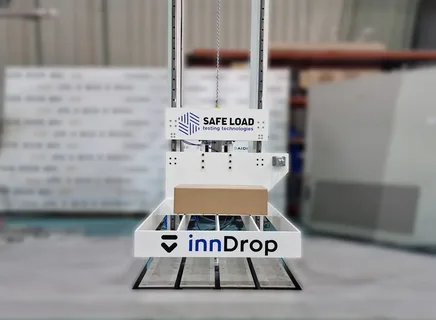
In today’s competitive manufacturing and packaging industry, ensuring product safety during handling and transportation is critical. A drop tester is an essential quality testing instrument used to evaluate the strength and durability of packaging materials. Businesses across industries rely on this equipment to minimize product damage and enhance customer satisfaction. At Presto Group, we offer high-performance drop testers at competitive prices, designed to deliver precise and reliable results.
What is a Drop Tester?
A drop tester is a testing machine used to determine how well a product or its packaging can withstand sudden impacts during transit. The equipment simulates real-life drop conditions by allowing packages to fall from specific heights onto a rigid surface. This helps manufacturers identify weaknesses in packaging design and make necessary improvements before products reach customers.
In addition to basic drop testing, modern drop testers are equipped with advanced mechanisms that allow testing at different angles such as flat, edge, and corner drops. This ensures a comprehensive evaluation of packaging performance under various real-world conditions. Such detailed testing is especially important for industries dealing with fragile items like electronics, glassware, and pharmaceuticals, where even minor damage can lead to significant losses.
Furthermore, drop testing plays a crucial role in maintaining compliance with international quality standards. By conducting regular tests, manufacturers can ensure that their packaging meets industry regulations and performs consistently during shipping and handling. This not only reduces the risk of product returns but also strengthens brand credibility in the market.

Factors Affecting Drop Tester Price
The price of a drop tester can vary depending on several factors. Understanding these elements helps businesses make an informed investment decision:
1. Drop Height Range
Machines with adjustable drop heights offer greater flexibility for testing different types of packages. Higher drop ranges typically increase the overall cost of the equipment.
2. Load Capacity
Drop testers are designed to handle varying weights. Equipment with higher load-bearing capacity is generally priced higher due to its robust construction and enhanced performance.
3. Automation and Control System
Advanced drop testers come with digital control panels, automatic release mechanisms, and programmable settings. These features improve accuracy and ease of use but may add to the price.
4. Build Quality and Durability
High-quality materials such as strong steel frames and precision components ensure long-lasting performance. Durable machines may have a higher upfront cost but reduce maintenance expenses over time.

5. Compliance with Testing Standards
Drop testers that comply with international standards provide reliable and consistent results, making them a valuable investment for quality assurance processes.
Importance of Impact Resistance Testing
Impact resistance testing is crucial for industries dealing with fragile or high-value products. A drop tester helps ensure that packaging can protect goods from damage caused by accidental drops during shipping, handling, or storage. By identifying potential risks early, manufacturers can enhance packaging design, reduce product returns, and maintain brand reputation.
Applications of Drop Testers
Drop testers are widely used in multiple industries due to their versatility and importance in quality control:
- Packaging and corrugated box testing
- Electronics and consumer goods testing
- Pharmaceutical product packaging evaluation
- Automotive component testing
- E-commerce packaging validation
These applications highlight the importance of investing in a reliable drop tester that can meet diverse testing requirements.
Why Choose Presto Group Drop Testers?
Presto Group is a trusted name in the field of testing instruments, known for delivering innovative and high-quality solutions. Our drop testers are engineered to provide accurate and repeatable results, ensuring that your products meet industry standards.
Key benefits of choosing Presto Group include:
- Competitive pricing without compromising quality
- Advanced features for precise and consistent testing
- Sturdy construction for long-term durability
- User-friendly operation and minimal maintenance
- Excellent after-sales support and service
Our machines are designed to help businesses improve product safety, optimize packaging, and reduce losses caused by damage during transit.
Choosing the Right Drop Tester
Selecting the right drop tester requires careful evaluation of your testing needs. Consider factors such as product type, weight, packaging material, and required testing standards. It is also important to choose a reliable manufacturer that offers quality assurance and technical support.
Investing in a high-performance drop tester from Presto Group ensures that you receive a cost-effective solution tailored to your requirements.
Conclusion
The price of a drop tester depends on its features, capacity, and performance capabilities. While cost is an important consideration, the value it delivers in terms of product safety and quality assurance is far more significant. Investing in a high-quality drop tester helps businesses reduce product damage, minimize returns, and maintain consistency in packaging performance across different shipping conditions.
Presto Group offers high-performance drop testers that combine affordability, precision, and durability. Our equipment is designed using advanced technology to ensure accurate testing results and long-term reliability. By choosing our advanced testing solutions, businesses can ensure their products are well-protected against impact damage, ultimately enhancing customer satisfaction and brand reliability. With Presto Group, you not only invest in a machine but also in a dependable quality assurance system that supports your business growth and reputation in the market.
Author


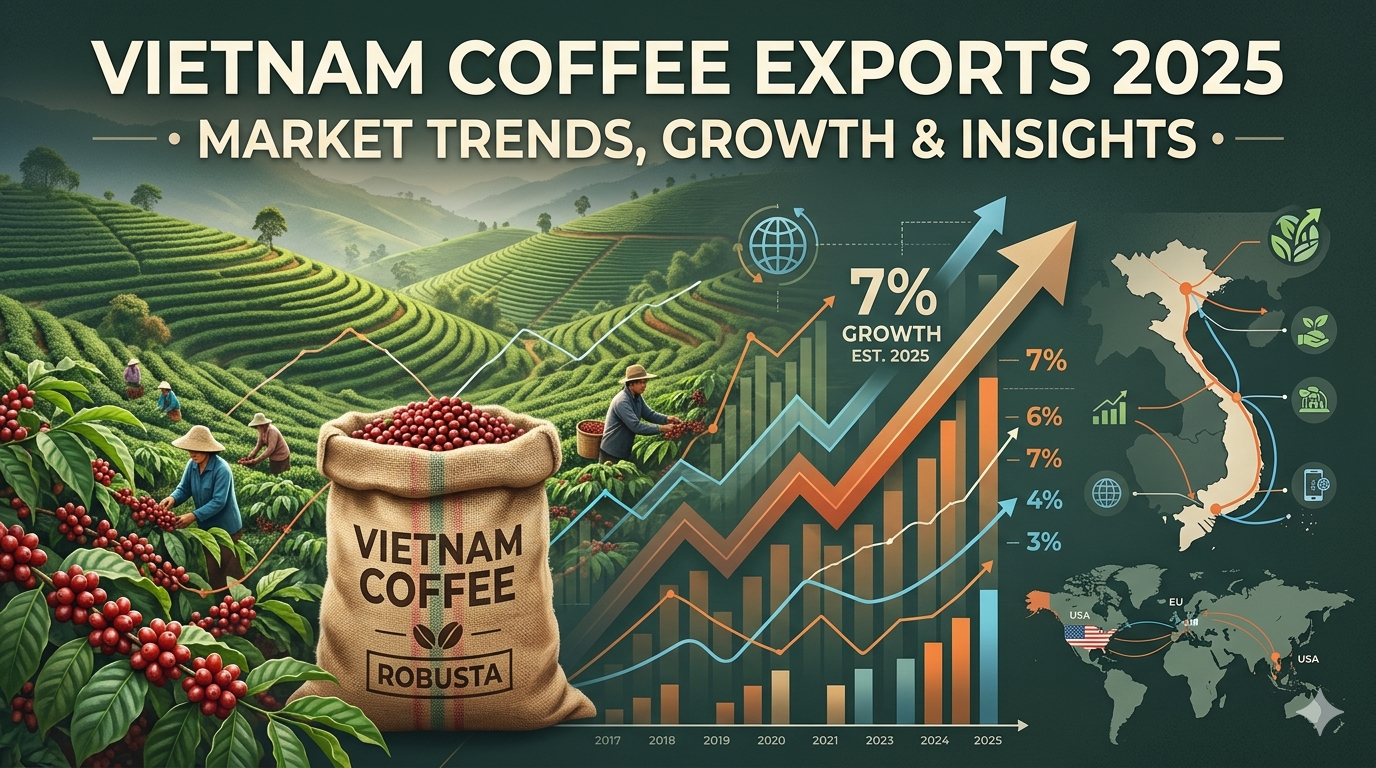
Vietnam has firmly established itself as a powerhouse in the global coffee trade, consistently ranking as the world’s second-largest exporter. Over the past decade, the country has transformed its agricultural landscape, investing heavily in coffee cultivation, processing, and global trade networks. As a result, Vietnam coffee exports have reached unprecedented levels, reflecting both rising global demand and strong pricing trends.
In 2024, Vietnam recorded coffee export revenues of $5.62 billion, marking a significant milestone for the industry. Despite fluctuations in volume due to weather conditions and production challenges, export value surged due to higher global coffee prices. Moving into 2025, the sector continues to expand rapidly, reinforcing Vietnam’s critical role in the international coffee market.
Vietnam Coffee Exports: A Record-Breaking Journey
The growth of Vietnam coffee exports has been nothing short of remarkable. Between January and December 2024, the country exported approximately 1.26 million tons of coffee. While this represented a decline in volume compared to the previous year, the export value increased sharply by over 32%, driven by rising global prices.
In early 2025, the momentum continued. During the first quarter alone, export value exceeded $2.8 billion, reflecting a nearly 74% increase year-over-year. This surge highlights how vietnam coffee exports are increasingly driven by value rather than volume.
By mid-2025, exports had already reached $4.7 billion, and projections indicate that total export revenue could surpass $7 billion by the end of the year. These figures demonstrate the resilience and adaptability of vietnam coffee exporters in a rapidly changing global market.

Key Drivers Behind Export Growth
Several factors are contributing to the impressive performance of vietnam coffee exports:
1. Rising Global Coffee Prices
One of the most significant drivers has been the sharp increase in coffee prices. Average export prices rose above $5,600 per metric ton in 2025, compared to around $3,700 in previous years. This price surge has allowed exporters to generate higher revenues even with reduced volumes.
2. Strong Demand from International Markets
Demand from major markets such as the European Union and the United States has remained robust. Consumers are increasingly appreciating Vietnamese coffee for its strong flavor, affordability, and versatility.
3. Strategic Market Diversification
To mitigate risks such as tariffs and geopolitical uncertainties, vietnam coffee exporters are diversifying into emerging markets in Asia, including China, the Philippines, and South Korea.
Vietnam Coffee Production Landscape
The success of vietnam coffee exports is closely tied to the country’s strong agricultural foundation. Vietnam coffee production is concentrated in regions like Dak Lak, Lam Dong, and Gia Lai, where favorable climate and soil conditions support high yields.
Vietnam produces approximately 1.74 million tons of coffee annually, with Robusta beans accounting for around 95% of total output. This makes Vietnam the world’s leading producer of Robusta coffee.
However, the 2023–2024 season saw a decline in production due to drought conditions, reducing output by nearly 20%. Fortunately, improved weather patterns in early 2025 have supported crop recovery, and production is expected to increase significantly in the 2025–2026 season.
Top Export Markets for Vietnamese Coffee
The global reach of vietnam coffee exports continues to expand, with key markets driving demand:
- Germany remains the largest importer, accounting for nearly 15% of exports.
- United States follows closely, showing strong growth in both volume and value.
- Italy, Spain, and Belgium are major European buyers.
- Japan and South Korea represent important Asian markets.
The European Union collectively accounts for a significant share of total exports, importing hundreds of thousands of tons annually. At the same time, Asian markets are emerging as high-value destinations, offering premium pricing opportunities.
Leading Vietnam Coffee Exporters
The success of vietnam coffee exporters is driven by a strong network of companies that have built global reputations for quality and reliability. Some of the leading players include:
- Intimex Group
- Vinh Hiep Co., Ltd
- Louis Dreyfus Vietnam
- Nestlé Vietnam
- Olam Vietnam
- Simexco Daklak
These companies play a crucial role in expanding vietnam coffee exports, ensuring consistent supply to international markets while maintaining quality standards.
Historical Growth of Vietnam Coffee Exports
Over the past decade, vietnam exports of coffee have shown steady growth, with occasional fluctuations due to market and environmental factors:
- 2014: $3.31 billion
- 2018: $2.89 billion
- 2020: $1.97 billion
- 2023: $3.18 billion
- 2024: $5.62 billion
This upward trajectory highlights the resilience of the industry and the increasing importance of coffee in vietnam exports.
Pricing Trends and Market Dynamics
The pricing environment has significantly influenced vietnam coffee exports in recent years. Export prices have surged due to global supply shortages and increased demand.
At the domestic level, farmgate prices have reached record highs, with Robusta beans selling for over $5 per kilogram. This has led farmers to hold back stock in anticipation of further price increases, creating supply constraints in the short term.
Additionally, there is a growing shift toward value-added products such as roasted and soluble coffee. These products now account for an increasing share of total exports, enhancing profitability for vietnam coffee exporters.
Challenges Facing the Industry
Despite strong growth, the industry faces several challenges:
1. Tariffs and Trade Barriers
Recent tariffs imposed by the United States on Vietnamese coffee have created uncertainty for exporters. This has prompted a shift toward alternative markets in Asia and Europe.
2. Climate Change
Weather variability continues to impact vietnam coffee production, affecting both yield and quality.
3. Supply Chain Constraints
Delays in shipments and logistical challenges can disrupt export flows, particularly during peak seasons.
Role of Vietnam Customs Data in Trade Insights
Access to accurate vietnam customs data is essential for understanding trade trends and making informed business decisions. This data provides valuable insights into export volumes, pricing, and market demand.
Businesses can leverage vietnam customs data to identify emerging opportunities, track competitors, and optimize their supply chains. It also helps stakeholders analyze the performance of vietnam coffee exports across different markets.
Future Outlook for Vietnam Coffee Industry
The future of vietnam coffee exports looks highly promising. With projected export values reaching $7 billion in 2025, the industry is poised for continued growth.
Key trends shaping the future include:
- Expansion into high-value markets
- Increased focus on sustainable farming practices
- Growth in processed coffee exports
- Adoption of advanced technologies in production and logistics
As global demand for coffee continues to rise, vietnam coffee exporters are well-positioned to capitalize on new opportunities.
Key Takeaways
- Vietnam coffee exports are experiencing strong growth driven by high prices and global demand.
- The country remains the world’s leading producer of Robusta coffee.
- Major markets include the EU, the US, and emerging Asian economies.
- Vietnam coffee exporters are focusing on diversification and value-added products.
- Insights from vietnam customs data play a crucial role in strategic decision-making.
Conclusion
Vietnam’s coffee industry has evolved into a global leader, supported by strong production capabilities and expanding export networks. Despite challenges such as climate change and trade barriers, the country continues to demonstrate resilience and adaptability.
With rising demand, premium pricing, and strategic market expansion, vietnam coffee exports are set to achieve new milestones in the coming years. Backed by reliable vietnam coffee production and data-driven insights from vietnam customs data, the industry is well-equipped to maintain its upward trajectory.
As the global coffee market continues to evolve, Vietnam remains at the forefront—delivering quality, consistency, and value to coffee lovers worldwide.
Author




Author


Modern supply chains are faster, more complex, and increasingly data-driven. Yet many warehouses still operate on outdated systems that lack real-time visibility into inventory, movement, and operational workflows.
This gap creates inefficiencies that impact everything from order fulfillment to customer satisfaction. A modern warehouse management system is no longer optional; it is essential for maintaining control, accuracy, and scalability in warehouse operations.
Organizations are now shifting toward systems that provide real-time insights and integrate seamlessly with broader enterprise processes.
The Challenge: Disconnected Systems and Limited Control
Traditional warehouse operations often rely on a mix of manual processes and disconnected tools. These systems struggle to keep up with modern logistics demands.
Common issues include:
- Inventory discrepancies due to delayed updates
- Lack of real-time tracking across warehouse locations
- Inefficient picking, packing, and shipping workflows
- Heavy reliance on manual data entry
- Complex system integration between ERP and inventory tools
Even when businesses adopt standalone inventory management systems, they often face limitations in scalability and coordination with other enterprise functions.
This fragmented enterprise software architecture creates delays, errors, and operational inefficiencies.
What Defines a Modern Warehouse Management System
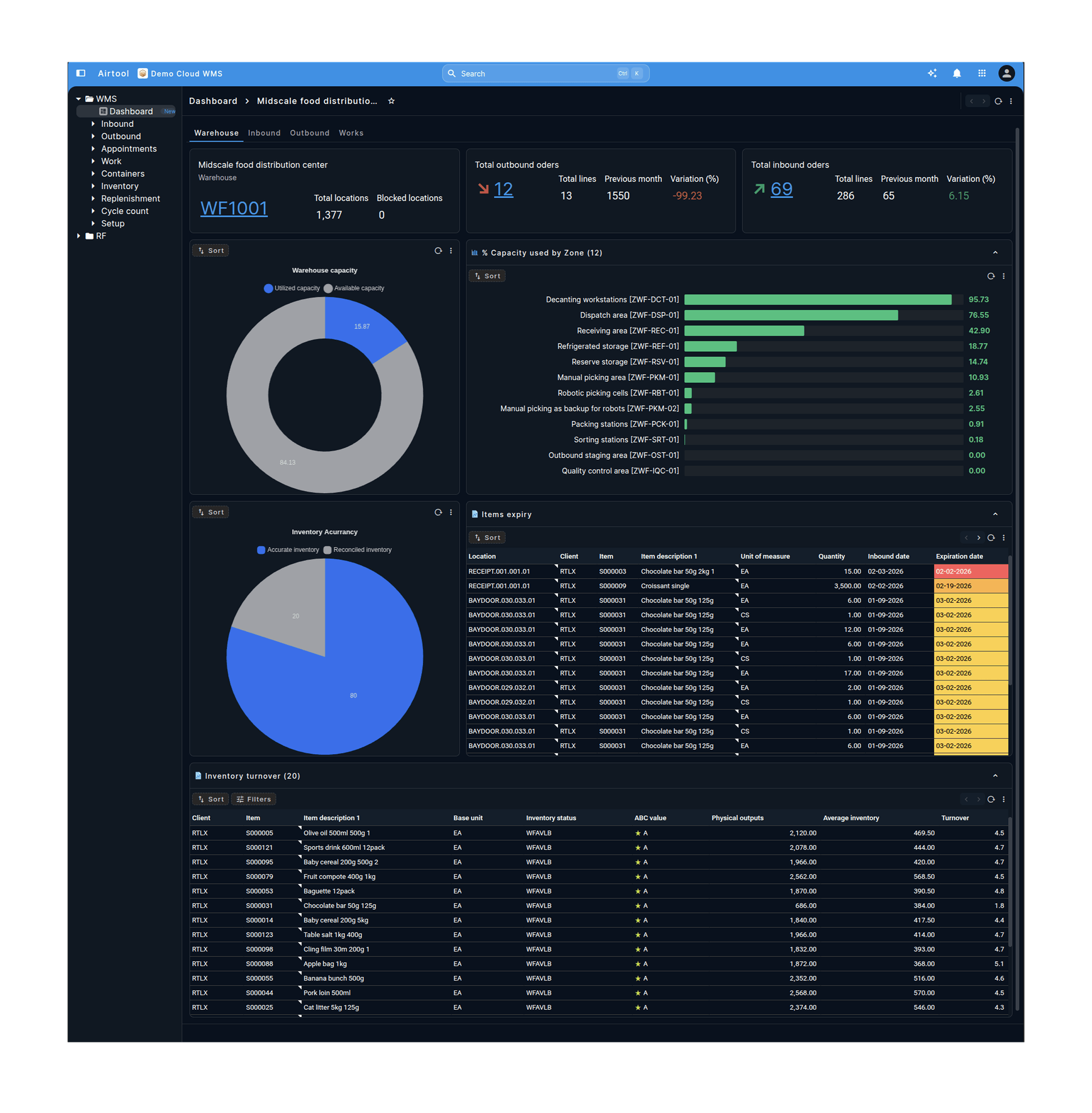
A modern warehouse management system is built to provide real-time operational control across all warehouse activities. It connects inventory, workflows, and reporting within a unified platform.
Core capabilities include:
- Real-time inventory tracking
- Automated order processing
- Location-based stock management
- Barcode and scanning integration
- Workflow automation for warehouse tasks
Unlike legacy systems, modern platforms are designed to operate within a broader enterprise platform, enabling seamless coordination with procurement, sales, and finance.
How Cloud, Automation, and Integration Transform Warehousing
Advancements in cloud, automation, and system integration are reshaping how warehouses operate.
Cloud-Based Infrastructure
A cloud warehouse management system allows businesses to access real-time data from anywhere. It also supports scalability without requiring complex infrastructure.
Built-In Automation
Modern warehouse automation software reduces manual tasks by automating:
- Inventory updates
- Order routing
- Replenishment workflows
- Shipment tracking
Integrated System Architecture
Instead of relying on external connectors, modern systems embed integration within the platform. This ensures that warehouse data aligns with other business systems in real time.
Benefits of a Real-Time Warehouse Management System
Implementing a modern warehouse management system delivers measurable operational improvements.
Key benefits:
- Accurate Inventory Visibility
Real-time tracking eliminates discrepancies and improves stock accuracy. - Faster Order Fulfillment
Automated workflows reduce processing time and increase efficiency. - Reduced Operational Costs
Minimizing manual processes lowers labor and error-related costs. - Improved Scalability
Systems can handle growing inventory volumes and transaction loads. - Better Decision-Making
Real-time data enables faster and more informed operational decisions.
These benefits make modern warehouse systems critical for businesses managing complex supply chains.
Use Case: Real-Time Warehouse Optimization
Consider a distribution company managing multiple warehouses across regions.
Challenges:
- Inventory mismatches between locations
- Delayed shipment processing
- Lack of centralized visibility
- Inefficient coordination between warehouse and sales teams
With a modern warehouse management system:
- Inventory updates instantly across all locations
- Orders are processed automatically based on availability
- Warehouse teams operate with real-time task visibility
- Sales teams access accurate stock data immediately
This results in faster fulfillment, reduced errors, and improved customer satisfaction.
Why Businesses Are Moving Toward Unified Warehouse Platforms
The increasing complexity of supply chains is driving organizations toward unified platforms.
Key drivers include:
- Demand for real-time operational visibility
- Growth in eCommerce and fulfillment volume
- Need for automation in warehouse workflows
- Challenges with maintaining multiple disconnected systems
- Requirement for scalable and flexible infrastructure
A unified enterprise platform enables warehouses to operate as part of a larger ecosystem, improving coordination across business functions.
A Unified Approach with Airtool
Modern platforms like Airtool adopt a broader, more integrated approach by embedding warehouse management within a unified enterprise system. Instead of treating warehousing as a standalone function, it becomes part of a connected operational framework that aligns with core business processes.
This means inventory, orders, and logistics are directly linked with finance, procurement, and reporting systems, significantly reducing the need for complex integrations and manual data synchronization.
For a deeper understanding of how a modern warehouse management software operates within a unified architecture, you can explore Airtool’s approach in more detail.
This model supports real-time operational control while maintaining the flexibility required to adapt to evolving business needs and scaling demands efficiently.
Conclusion: Real-Time Control as a Competitive Advantage
Warehouse operations are no longer just about storage and movement they are central to business performance and customer experience.
A modern warehouse management system provides the real-time control needed to manage inventory, streamline workflows, and scale operations effectively.
As supply chains become more dynamic, organizations that adopt integrated, cloud-based systems will be better positioned to respond to change and maintain operational efficiency.
If you’re exploring ways to improve warehouse visibility and operational control, it’s worth understanding how modern systems function in real-world environments.
Book a demo with Airtool to see how a unified warehouse management system can help streamline your operations and support scalable growth.
Author



Vietnam Coffee Exports 2025: Key Markets & Industry Insights

Native App Development Trends: AI, IoT, Cloud & Future Insights

Metal Roof Tiles vs Concrete Tiles: Cost & Roofing Choice

Custom Packaging Boxes USA – Elevate Your Brand with Artsy Packaging

Warehouse Management System for Real-Time Control

Ammonia Price Forecast 2026 Signals Key Global Trends

Shilajit Resin Brands in India (2026): Top 7 Authentic Options

Drop Tester: Features, Benefits & Best Quality Testing Solutions

Quick Easy Personal Loan Without PAN Card: Options & Tips

Skin Whitening Treatment: Safe Options for Radiant Skin

Cybersecurity Consulting Company SequelNet Provides Critical IT Support Services to Medical Billing Firm, Medical Optimum

Team Communication Software Transforms Operations at Finance Innovate

Project Management Tool Transforms Long Island Business

How Alleviate Poverty Utilized IPPBX’s All-in-One Solution to Transform Lives in New York City

Breast Cancer: The Imperative Role of Mammograms in Screening and Early Detection

Unstoppable Collaboration: D.C.’s Citi Open and Silicon Valley Classic Unite to Propel Women’s Tennis to New Heights

Embracing Renewal: Sizdabedar Celebrations Unite Iranians in New York’s Eisenhower Park

The Benefits of Starting a Side Hustle for Financial Freedom

New Blood Donation Screening Questions What You Need to Know

Stylishly Timeless: The 5 Types of Sandals You Need in Your Closet
-

 Business3 years ago
Cybersecurity Consulting Company SequelNet Provides Critical IT Support Services to Medical Billing Firm, Medical Optimum
-
Business3 years ago
Team Communication Software Transforms Operations at Finance Innovate
-
Business3 years ago
Project Management Tool Transforms Long Island Business
-
Business3 years ago
How Alleviate Poverty Utilized IPPBX’s All-in-One Solution to Transform Lives in New York City
-
health3 years ago
Breast Cancer: The Imperative Role of Mammograms in Screening and Early Detection
-
Sports3 years ago
Unstoppable Collaboration: D.C.’s Citi Open and Silicon Valley Classic Unite to Propel Women’s Tennis to New Heights
-
Art /Entertainment3 years ago
Embracing Renewal: Sizdabedar Celebrations Unite Iranians in New York’s Eisenhower Park
-
Finance3 years ago
The Benefits of Starting a Side Hustle for Financial Freedom







