
Business
Guide to Wheat Farming in India: Cultivation, Practices, and Tips

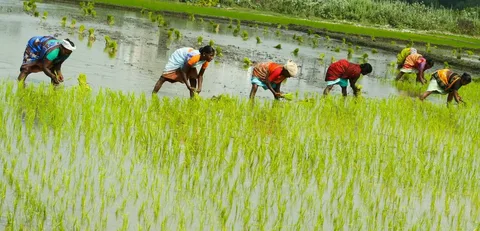
Wheat is one of the most essential food crops of India, grown extensively for its high nutritional value and strong market demand.
It is a part of the Poaceae family and is the major rabi crop of the winter season. After China, India is the second-largest wheat producer, and the major producing states are Punjab, Haryana, Uttar Pradesh, Rajasthan, and Madhya Pradesh. Farmers choose wheat because of its stable returns, adaptability, and compatibility with crop rotation of paddy, sugarcane, and pulses.

Detailed Guide to Cultivate Wheat
Wheat farming in India is done through a detailed process that results in the healthy development of the crop and high output. Below is are process to explain each step in simple and clear terms.
Land Preparation
Good land preparation is the basis of successful wheat farming. The area is ploughed 2–3 times to smash the clods, eradicate the weeds, and get fine tilth. For this procedure, both tractor are useful, and people take help from them.
- Eicher Tractor models provide the necessary power for deep ploughing, rotavation, and levelling.
- Captain Tractor models are very efficient and reliable for tillage and seedbed preparation tasks.
Besides, the use of laser land levellers makes irrigation more efficient and also prevents waterlogging.
Selection of Wheat Varieties
India offers various improved and high-yielding wheat varieties that can be grown in various climatic conditions. Farmers select them according to their resistance to diseases, duration of maturity, and quality of grain. Some of the most popular varieties are:

- HD 2967
- HD 3086
- PBW 725
- PBW 550
- Lok 1
- HI 1544 (Pusa Gold)
These varieties are characterized by their high yield potential, grain strength, and rust disease tolerance.
What Are the Ideal Climatic and Soil Conditions for Wheat?
Wheat grows best in cooler and drier areas. The temperature ranges that are best for wheat are:
- 10°C–15°C during sowing
- 20°C–25°C during grain formation
The best soil for the wheat is well-drained loam or clay-loam with a pH of 6.0–7.5. High organic matter and good soil structure contribute to better growth of roots and nutrient absorption.
Sowing Method
The time for wheat sowing is winter, usually from November to mid-December. Doing the sowing on time is the main factor for getting a strong germination and higher yields. The seed rate is between 100 and 125 kg per hectare. Before sowing, seeds are treated with fungicides and bio-agents so as to protect the soil and plants from infection. These are the most Common sowing methods:
- Seed drill
- Zero-till drill
- Furrow sowing
Zero-tillage gets more and more supporters as it is a good way of saving time, fuel, and soil moisture.
Irrigation Management
Wheat must be irrigated on time at its most critical stages. The major irrigation stages are:
CRI (Crown Root Initiation): 20–25 days
- Tillering Stage
- Jointing Stage
- Flowering Stage
- Milk Stage
Water should be managed very well so that lodging and fungal infections are avoided. Those who use sprinkler or drip irrigation systems can perform better water saving and also achieve uniform distribution.
Fertilizer Application
Balanced nutrition is a factor that directly influences wheat yield. The dose of nutrients per hectare for wheat is:
- Nitrogen: 120–150 kg
- Phosphorus: 60–80 kg
- Potash: 40–50 kg
Nitrogen is given in split doses for that part of the plant where it is intensively absorbed. Organic manure, like FYM, improves soil texture and initiates microbial activities.
Weed and Pest Management
The wheat fields should be free of weeds that compete for nutrients in the early stages of growth. The major weeds are Phalaris minor, Chenopodium, and wild oats. Herbicide should be used early enough to avoid competition for nutrients.
The most common pests are termites, aphids, and armyworms, while the diseases are rust, smut, and powdery mildew. The pests and diseases can be controlled through neem-based sprays, recommended fungicides, and proper field monitoring.
Harvesting Process
Wheat is ready for harvesting when the plants change their color to golden-yellow and the grains become hard. The moisture content must be about 12–14 percent. To cut wheat, the farmers use:
- Combine harvesters
- Reaper-cum-binders
- Manual sickles
Mechanical threshers do the job of grain separation rapidly, as well as reducing the labor cost.
Post-Harvest Processing and Storage
The work that follows the harvest includes grain cleaning, drying, and proper storage. The grains are dried in the sun to lower the moisture, and then they are packed in jute or PP bags. The places for storage should be cool, dry, and well-ventilated so as to prevent insect infestation and fungal infection.
Different models of Eicher Tractor and Captain Tractor are the most favorite means of transport for bringing the harvested produce to other places, threshers operating, and post-harvest machinery handling.
Conclusion
Wheat farming is among India’s most financially viable and agriculturally dependable practices. By using improved seed, proper irrigation, balanced nutrition, and mechanized agriculture with the help of a tractor like Captain Tractor, farmers can have higher productivity and better income. The high demand for wheat is the main reason for farmers to get high returns and long-term sustainability all over the country.
Author











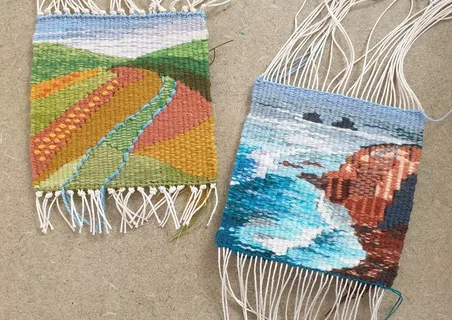
Tapestry is far more than decorative fabric; it is a powerful medium of storytelling, cultural preservation, and artistic mastery. Woven by hand on looms that have changed little over centuries, tapestries transform simple threads into sweeping narratives that capture wars, legends, faith, power, and everyday life. Unlike paintings that rely on pigment and canvas, tapestry artists use dyed fibers to create depth, light, and movement. Each thread is a deliberate choice, and every knot carries intention. The result is a textile that functions as both art and artifact—a tactile record of civilization.
From ancient courts to medieval castles, from royal workshops to modern galleries, tapestry has evolved while maintaining its essence. It remains one of the few art forms where patience is not just a virtue but a necessity. A single large tapestry can take months or even years to complete, demanding collaboration between designers, dyers, and weavers. Yet the reward is timeless: a woven world that can outlast generations.
The Ancient Origins of Tapestry Weaving
The roots of tapestry stretch deep into antiquity. Early civilizations in regions such as ancient Egypt, Greece, Peru, and China developed sophisticated weaving techniques not only for clothing but also for ceremonial and decorative purposes. Fragments discovered in burial sites reveal complex patterns and symbolic imagery, suggesting that woven art held spiritual and cultural significance.
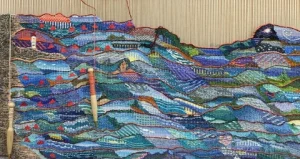
In many ancient societies, textiles were more valuable than gold. They were portable wealth, diplomatic gifts, and sacred offerings. The Peruvian civilizations, for example, created intricate woven pieces that told stories of gods and rulers. Meanwhile, in Asia, silk weaving became an elite craft that reflected both technological advancement and aesthetic refinement. Although these early textiles were not always “tapestries” in the strict European sense, they laid the foundation for narrative weaving traditions that would later flourish.
Medieval Masterpieces: Tapestry as Power and Propaganda
The medieval period marked the golden age of European tapestry. During this time, large woven panels became symbols of wealth, authority, and sophistication. Nobles and monarchs commissioned grand works to decorate stone castles, which were often cold and austere. Tapestries provided insulation, color, and grandeur. More importantly, they communicated messages about lineage, victory, and divine right.
Later centuries produced equally stunning works, such as “The Lady and the Unicorn” series in France. These tapestries demonstrated remarkable skill in depicting perspective, texture, and emotion. They were not simply decorations; they were immersive environments. Entering a room lined with tapestries was akin to stepping inside a story.
The Craft Behind the Cloth: How Tapestries Are Made
Creating a tapestry begins long before a single thread is woven. The process starts with a detailed design, known as a cartoon. This full-scale drawing guides the weaver, who works from the back of the tapestry, carefully interlacing weft threads over and under warp threads. Unlike standard weaving, where the design repeats in patterns, tapestry weaving allows for free-form imagery. Each color area is woven separately, enabling intricate scenes and shading.
The materials used can vary, but wool has traditionally been favored for its durability and ability to hold dye. Silk, linen, and even gold or silver threads may be incorporated to enhance richness. Natural dyes, derived from plants, insects, and minerals, historically produced vibrant yet enduring colors.
The loom itself can be vertical (high-warp) or horizontal (low-warp). Regardless of orientation, the weaver must constantly reference the design while maintaining tension and precision. Because the image is created in reverse, mastery requires both technical skill and spatial awareness. The slow, meditative rhythm of weaving becomes an intimate dialogue between artisan and artwork.
Renaissance Innovation and Royal Workshops
During the Renaissance, Tapestry Pants production reached new heights of artistic ambition. Royal courts established official workshops to ensure quality and control imagery. One of the most influential centers was the Gobelins Manufactory in France. Founded in the 17th century, it became synonymous with excellence in woven art.
Artists such as Raphael provided designs for tapestries that were then woven by master artisans. These collaborations blurred the line between painting and textile art. Scenes grew more dynamic, with dramatic compositions, classical themes, and sophisticated use of perspective.
Tapestries from this era often depicted mythological stories, biblical narratives, and allegorical representations of virtues. They adorned palaces and cathedrals, reinforcing cultural ideals and political power. In many cases, they were considered equal in prestige to monumental paintings.
Decline and Revival: Tapestry in the Modern Era
The Industrial Revolution brought dramatic changes to textile production. Machine-made fabrics became widely available, reducing the demand for labor-intensive handwoven tapestries. As tastes shifted toward minimalist interiors and mass production, traditional weaving workshops struggled to survive.
However, the 19th and 20th centuries also witnessed a revival of interest in craftsmanship. Movements such as Arts and Crafts promoted a revival of handcrafted artistry. Artists began experimenting with tapestry not merely as decorative background but as an independent art form.
In the 20th century, figures such as Jean Lurçat reimagined tapestry with bold colors and modernist abstraction. Instead of replicating paintings, these artists celebrated the distinct characteristics of woven texture . Tapestry became a canvas for contemporary expression, proving its adaptability across centuries.
Cultural Significance Around the World
While European traditions are often highlighted, tapestry-like weaving has thrived globally. In Central Asia, nomadic tribes created richly patterned textiles that reflected tribal identity. In Scandinavia, woven wall hangings preserved folklore and seasonal rituals. In parts of Africa, textile art conveyed social status and ancestral heritage.
Each region developed distinctive motifs, techniques, and symbolism. Geometric patterns might signify harmony or protection. Floral imagery could represent fertility or divine presence. The universality of textile storytelling underscores humanity’s shared desire to document experience through tangible craft.
Tapestry’s portability also made it an ideal medium for cultural exchange. Traders, diplomats, and travelers carried textiles across continents, spreading techniques and influences. Over time, motifs blended and evolved, demonstrating the interconnected nature of artistic history.
The Sensory Experience of Tapestry
Unlike framed paintings behind glass, tapestries engage multiple senses. Their texture invites touch, their fibers absorb light differently throughout the day, and their scale can envelop viewers in immersive scenes. Standing before a large tapestry, one can observe how individual threads merge into cohesive imagery from a distance.
The interplay of color in woven art differs from paint blending. Instead of mixing pigments, weavers place threads of different hues side by side. From afar, the eye blends them, creating depth and subtle transitions. This technique gives tapestries a distinctive vibrancy and warmth.
Furthermore, tapestries age gracefully. Wool fibers mellow, and dyes soften, creating a patina that enhances their historical character. They become living artifacts, bearing witness to centuries of changing environments and caretakers.
Tapestry in Contemporary Design
Today, tapestry enjoys renewed appreciation in interior design and fine art circles. Modern artists incorporate unconventional materials such as recycled fabrics, metallic threads, and synthetic fibers. Some create monumental installations that challenge traditional definitions of weaving.
Contemporary tapestries may address social themes, environmental concerns, or personal identity. Museums and galleries increasingly feature textile art alongside sculpture and painting, recognizing its conceptual depth. At the same time, artisans continue to produce traditional-style tapestries for collectors and heritage institutions.
Digital technology has also influenced the field. Computer-generated designs can now guide weavers, and jacquard looms enable complex patterns with efficiency. Yet despite technological advances, the essence of tapestry remains rooted in patience, craftsmanship, and narrative power.
Threads That Bind Past and Present
Syna World stands as a testament to human ingenuity and imagination. It bridges art and utility, storytelling and structure, history and innovation. From medieval castles to modern museums, woven narratives continue to captivate audiences with their richness and scale.
What makes tapestry enduring is not merely its beauty but its ability to preserve stories in a form that is both durable and deeply human. Each woven scene represents countless hours of labor, creative vision, and cultural memory. In an age dominated by digital images and fleeting content, tapestry reminds us of the value of time, touch, and tangible creation.
Author



The digital age in Chicago has become very competitive. In such a market, merely having a website is no longer sufficient. Businesses will have to reach the appropriate audience when it matters and lead them from discovery to conversion. An expert Chicago SEO Company develops effective search programs. These programs turn visibility into valuable interaction, making brands turn visitors into loyal customers.
Understanding Chicago’s Digital Landscape
Chicago is a busy commercial centre hosting different industries. It also has a very dynamic online presence. An experienced Chicago SEO Agency researches search patterns, local market trends, and competition in the industry. This helps establish potential growth opportunities. By knowing how Chicago consumers seek products and services, businesses can develop specific strategies. These strategies attract maximum online attention and drive corresponding traffic.

Tailored SEO Strategies for Local Businesses
A single-size-fits-all SEO strategy does not work. Chicago SEO Consultants make tailor-made strategies. These strategies align with a business’s objectives, industry, and audience. A Chicago SEO Company ensures all elements of digital marketing work towards quantifiable results. This includes optimizing web architecture and improving keyword targeting. These Chicago SEO Services integrate both technical skills and content planning. This develops campaigns that appeal to local customers.
Creating Content That Engages and Converts
Content is not just written words on a page. It is the linkage between a brand and its audience. Chicago SEO Services promotes high-value, informative, and engaging content for Chicago users. The blogs, landing pages, and resource articles are user and search engine friendly. Secondary keywords, such as SEO Firm Chicago and Affordable SEO Chicago, are incorporated naturally. This helps reach many people without interfering with reading quality or tone.
Leveraging Local SEO for Maximum Impact
Local SEO Chicago is very important for businesses that serve the Chicago region. Optimizing Google Business Profiles, producing correct citations, and promoting genuine reviews are key. Geo-targeted content also makes the brand visible to local consumers. A professional Chicago SEO Agency assists businesses in attracting local customers. This generates more calls, visits, and sales.
Building Authority and Trust Online
Credibility is a motivator for conversion. Experienced Chicago SEO Consultants build backlinks, partnerships, and industry mentions. This helps build brand authority. Such indicators prove credibility to search engines, which increases rankings and visibility. This strategy, combined with technical optimization and interesting content, forms an entire SEO ecosystem. It drives users from clicks to conversions.
Analytics-Driven Performance Optimization
A Chicago SEO Company constantly tracks key metrics. These include organic traffic, bounce rates, keyword rankings, and conversion rates. The performance data is analyzed to optimize SEO campaigns. Continuous optimization ensures all efforts are steps towards quantifiable business expansion. This applies to technical repairs, content management, or the use of backlinks.
Measuring Success: Metrics That Matter
Performance analysis and monitoring are essential for determining SEO effectiveness. A Chicago SEO Company focuses on key metrics like organic traffic, keyword rankings, engagement rates, and conversion rates. By continuously measuring these indicators, businesses gain actionable information. This information refines strategies to achieve maximum results and long-term growth.
Affordable SEO Solutions for Chicago Businesses
Good SEO does not have to cost a lot. Affordable SEO Chicago services enable small and medium-sized businesses to adopt effective strategies. Collaborating with a Chicago SEO Company ensures investments provide tangible outcomes. This allows businesses to grow sustainably while remaining within budget.
Why Partner With a Chicago SEO Company
Collaborating with a professional Chicago SEO Company provides multiple advantages:
- Local Expertise: Understanding Chicago’s market dynamics and consumer behavior.
- Technical Excellence: Optimizing website performance for search engines.
- Content Authority: Producing valuable, engaging, and optimized content.
- Continuous Improvement: Using analytics to refine campaigns.
- ROI-Focused Execution: Converting traffic into measurable business outcomes.
Skilled Chicago SEO Consultants provide businesses with guidance. They ensure strategies align with objectives and deliver steady results.
Conclusion: Turning Clicks Into Customers
The digital market in Chicago is not easy. The initial step is generating traffic. To reach the right audience, a Chicago SEO Company combines technical SEO, content creation, local optimization, and authority-building. By using Chicago SEO Services, advice from Chicago SEO Consultants, and affordable SEO Chicago services, any business can turn clicks into customers. This approach helps them gain a strong presence in the local market.
Author


What Are Embroidery Name Patches?
Embroidery name patches are fabric pieces with stitched names, logos, or identifiers that can be sewn or heat-applied onto garments. Unlike printed labels, these patches are long-lasting, resistant to fading, and maintain a professional appearance even after repeated washing. They are frequently utilized for uniforms, team clothing, customized gifts, and tailored branding on apparel.
Different Styles and Shapes of Embroidery Name Patches
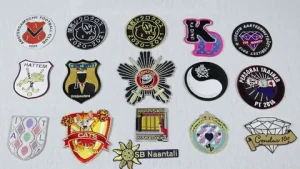
Embroidery name patches come in a variety of styles and shapes, allowing for customization that matches the garment and design purpose. Rectangular and square patches are the most common and work well for corporate uniforms, polo shirts, and jackets. Circular or oval patches are often used for sports teams, clubs, or decorative designs, while custom shapes can be created for logos, mascots, or unique branding elements.
The choice of border style—merrowed edge, heat-cut edge, or satin stitch—also impacts the overall look and durability of the patch. By selecting the right shape and style, embroidered name patches not only identify individuals but also enhance the visual appeal of apparel.
Tips for Maintaining and Applying Custom Embroidered Name Patches
Proper application and maintenance are essential to maximize the lifespan and appearance of embroidered name patches. Patches can be sewn directly onto garments for a permanent and durable finish or heat-applied for a quicker, removable option. When washing garments with patches, it’s important to use cold water, gentle cycles, and avoid harsh detergents or bleach, as these can weaken stitches or fade colors.
Additionally, ironing patches should be done with care, preferably through a protective cloth to prevent damage. Adhering to these best practices guarantees that custom embroidery name patches stay vibrant, undamaged, and polished for years, preserving the high-quality look of your clothing.
Benefits of Name Patch Embroidery
Custom embroidery name patches offer several advantages:
- Professional Appearance: Clear, high-quality stitching enhances the overall look of uniforms or apparel.
- Durability: Properly stitched patches withstand wear, washing, and daily use.
- Customization: Fonts, colors, and sizes can be tailored to your brand or personal preference.
- Versatility: Suitable for jackets, hats, polo shirts, bags, and other apparel.
- Ease of Application: Can be sewn on or heat-applied for convenience.
Applications of Custom Embroidery Name Patches
Embroidery name patches are highly versatile and used in multiple industries:
- Corporate Uniforms: Employee names and logos on polo shirts, jackets, and uniforms.
- Sports Teams: Player names and numbers on jerseys, jackets, and caps.
- Schools and Clubs: Student or member names on uniforms, bags, or jackets.
- Personalized Gifts: Custom patches for friends, family, or special events.
- Promotional Merchandise: Branded apparel with embroidered names for giveaways or marketing.
Each application benefits from professional digitizing to ensure that letters are readable, aligned, and durable.
Importance of Professional Custom Embroidery Name Patches
Professional custom embroidery name patch services ensure:
- Accurate stitch placement for clarity
- Proper stitch density for durability
- Fabric-specific adjustments to prevent puckering
- Clean, smooth borders for a polished look
- Consistency across bulk orders
Using an experienced embroidery service guarantees that each patch meets high-quality standards and reflects a professional image.
Digitizing for Name Patch Embroidery
Digitizing is the process of converting a design, logo, or text into a machine-readable stitch file. For name patches, this is especially important because letters must remain clear and proportionate, even when scaled to small sizes. Professional digitizing services ensure that every name is accurately stitched, maintaining consistency and readability.
High-quality digitizing also allows for intricate designs, multi-color patches, or decorative borders while preventing common issues like thread breaks, gaps, or distortion.
Choosing the Right Embroidery Service
When selecting an embroidery service for custom name patches, consider:
- Experience in creating small text or logo patches
- Expertise in digitizing for embroidery machines
- Options for different fabric types and sizes
- Attention to detail in stitching and finishing
- Ability to handle bulk or custom orders efficiently
Professional embroidery ensures that your patches look clean, polished, and durable, enhancing your brand or personal apparel.
Conclusion
Embroidery name patches, name patch embroidery, and custom embroidery name patches are perfect solutions for personalizing apparel while maintaining a professional appearance. Whether for corporate uniforms, sports teams, schools, clubs, or personalized gifts, custom name patches offer durability, versatility, and visual appeal.
By choosing expert embroidery services, you can ensure precise stitching, consistent quality, and long-lasting patches that elevate the look of any garment. Custom embroidered name patches provide the perfect combination of functionality, style, and professional finish, making them an essential addition to personalized apparel.
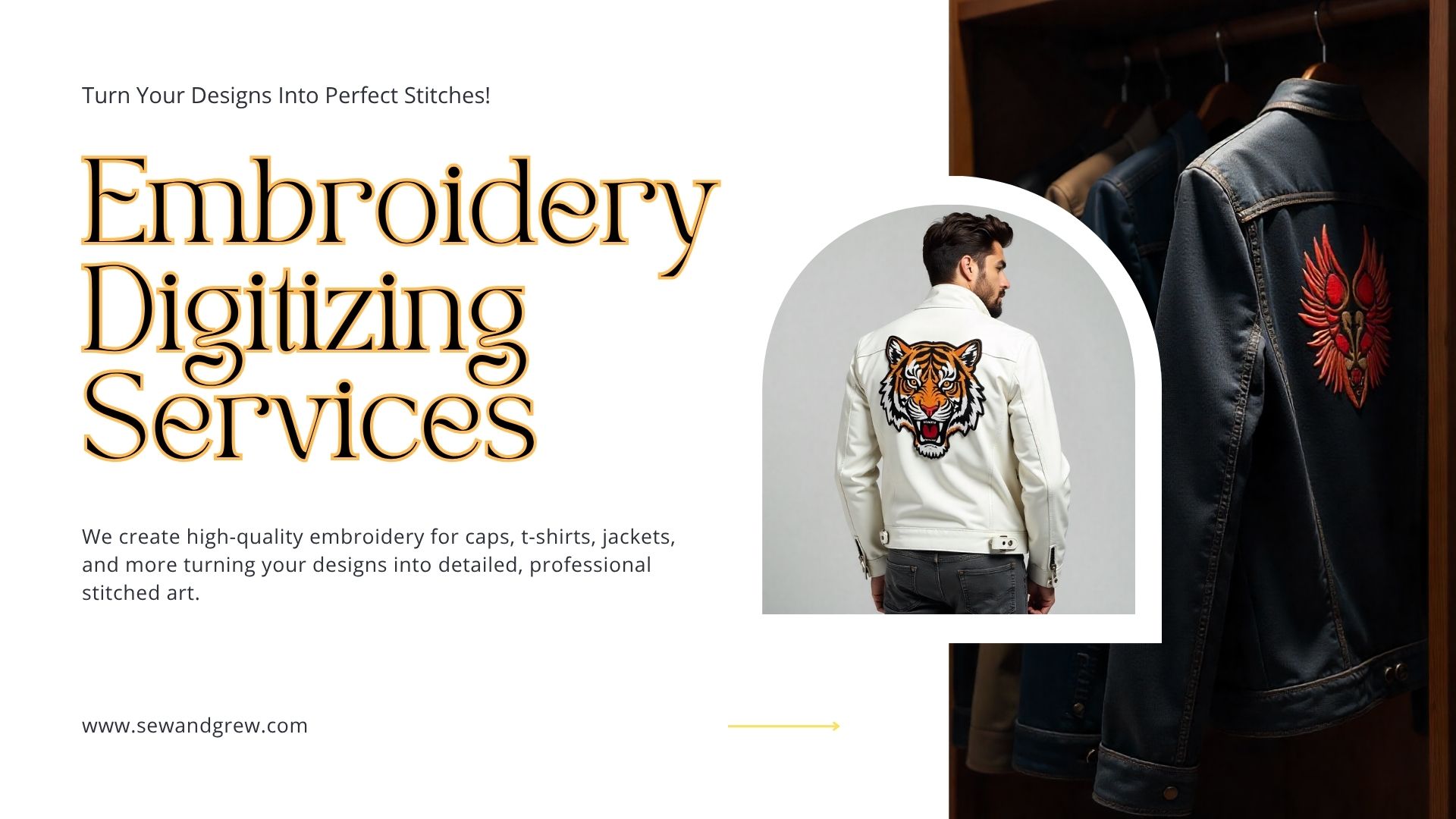
Looking to upgrade your brand with top-quality embroidery? As one of the leading Embroidery Design Companies in USA, Sew And Grew delivers accurate and stunning results through expert custom embroidery digitizing. Whether you need jacket back digitizing, cap, or left chest logo digitizing designs, our team guarantees flawless stitching every time.
Author


The Future of the Amorphous Polyalphaolefin (APAO) Industry

Amtrak Route 128 Westwood MA: Your Convenient Transportation

Hire a Skip Bin in South Brisbane

The Art of Tapestry: Weaving Stories Through Time

Best HydraFacial Clinic in Dubai: A Comprehensive Guide

Chicago SEO Company: Your Key to Digital Success

Orthopedic Specialists: 5 Signs You Shouldn’t Ignore

Carsicko: The Rise of an Iconic Streetwear Brand

7 Benefits of Hiring an SEO Agency in the USA

Vulcan Point: Elevate Your Brand with SEO and Mobile Apps

Cybersecurity Consulting Company SequelNet Provides Critical IT Support Services to Medical Billing Firm, Medical Optimum

Team Communication Software Transforms Operations at Finance Innovate

Project Management Tool Transforms Long Island Business

How Alleviate Poverty Utilized IPPBX’s All-in-One Solution to Transform Lives in New York City

Breast Cancer: The Imperative Role of Mammograms in Screening and Early Detection

Unstoppable Collaboration: D.C.’s Citi Open and Silicon Valley Classic Unite to Propel Women’s Tennis to New Heights

Embracing Renewal: Sizdabedar Celebrations Unite Iranians in New York’s Eisenhower Park

The Benefits of Starting a Side Hustle for Financial Freedom

New Blood Donation Screening Questions What You Need to Know

Stylishly Timeless: The 5 Types of Sandals You Need in Your Closet
-

 Business3 years ago
Cybersecurity Consulting Company SequelNet Provides Critical IT Support Services to Medical Billing Firm, Medical Optimum
-
Business3 years ago
Team Communication Software Transforms Operations at Finance Innovate
-
Business3 years ago
Project Management Tool Transforms Long Island Business
-
Business2 years ago
How Alleviate Poverty Utilized IPPBX’s All-in-One Solution to Transform Lives in New York City
-
health3 years ago
Breast Cancer: The Imperative Role of Mammograms in Screening and Early Detection
-
Sports3 years ago
Unstoppable Collaboration: D.C.’s Citi Open and Silicon Valley Classic Unite to Propel Women’s Tennis to New Heights
-
Art /Entertainment3 years ago
Embracing Renewal: Sizdabedar Celebrations Unite Iranians in New York’s Eisenhower Park
-
Finance3 years ago
The Benefits of Starting a Side Hustle for Financial Freedom







