
Sports
Gobert Welcomes Son, Misses Game for Timberwolves: A Balancing Act for Pro Athletes

By

Reviewed
By Charles Eluemuno
About the Author:
Hey there, NBA enthusiasts! I’m Alex, a lifelong basketball fan with a passion for dissecting the game’s on-court action and the athletes who bring it to life. Today, we’ll delve into a story that transcends wins and losses – the heartwarming tale of Rudy Gobert embracing fatherhood.
Gobert’s Special Delivery: Welcoming a Son During Playoffs
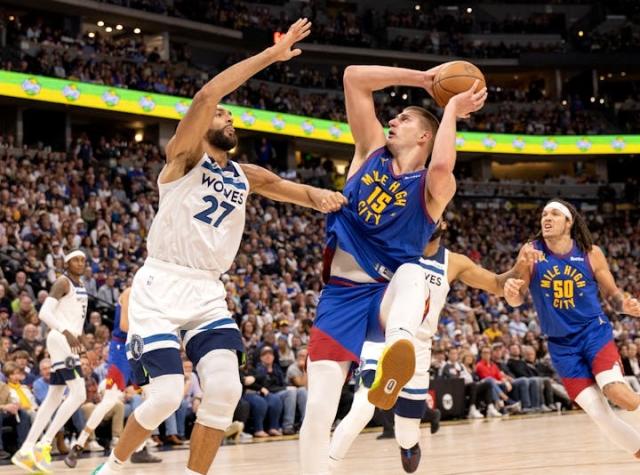
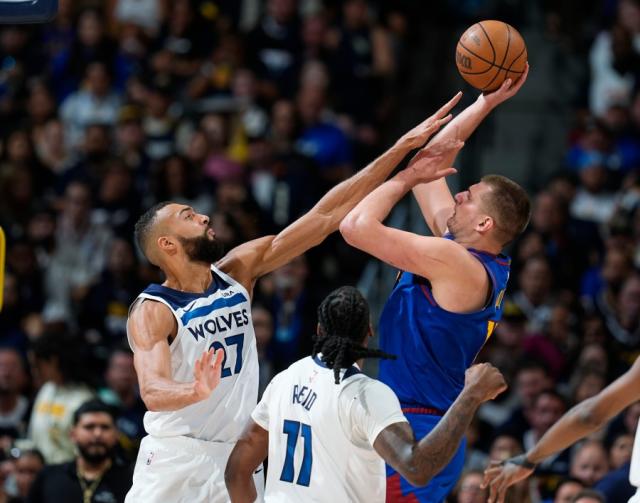
The NBA playoffs are a pressure cooker. Every possession, every rebound, every missed free throw carries immense weight. But for Minnesota Timberwolves’ star center Rudy Gobert, the most pivotal moment of this week unfolded away from the court. Gobert made the personal decision to miss Game 2 of the Western Conference Semifinals against the Denver Nuggets to be present for the birth of his son. This heartwarming choice sheds light on the complex web of commitments that professional athletes navigate, where dedication to their sport intertwines with their roles as partners, parents, and members of a family.
Balancing Act: Family vs. Professional Commitment
The life of a professional athlete is a whirlwind of grueling practices, high-pressure games, and constant travel. This demanding schedule often leaves limited time for personal lives. While athletes dedicate themselves to their craft, the yearning for family and a sense of normalcy remains a constant undercurrent. Gobert’s decision to prioritize his son’s arrival serves as a powerful reminder of this ever-present balancing act.
The NBA season is a marathon, stretching from October to June. Missing a playoff game, particularly a crucial one like Game 2, is a significant sacrifice. However, Gobert’s choice highlights the profound importance of family. The birth of a child is a once-in-a-lifetime experience, a pivotal moment in creating a lasting family bond. Prioritizing this monumental event over a game showcased Gobert’s commitment to his growing family.

Picture by: Google Gemini
The Power of Support: From Teammates to Fans
News of Gobert’s absence spread quickly, sparking a wave of understanding and support. Minnesota Timberwolves head coach Chris Finch acknowledged the situation with grace, stating, “There’s nothing more important than family. We fully support Rudy’s decision and know he’ll be back with the team when he’s ready.” This public display of empathy from the coach underscores the growing recognition within professional sports organizations of the importance of a holistic approach to player well-being.
The sentiment resonated throughout the NBA community. Social media platforms buzzed with well wishes for Gobert’s family, showcasing a heartwarming display of support that transcended team loyalties. This outpouring of positivity highlights the human connection that binds the NBA community together. Fans understand and appreciate the sacrifices that athletes make, and they extend their support not just on the court, but also in life’s defining moments.
Fatherhood First: A Celebration of Priorities
Gobert’s decision to be present for his son’s birth sparked a conversation about the importance of prioritizing family in the demanding world of professional sports. Athletes are often depicted as larger-than-life figures, their personal lives relegated to the background. However, Gobert’s choice serves as a powerful reminder that these individuals are also human beings with families and emotional needs.
The conversation extends beyond just childbirth. Athletes have partners, children, and aging parents who require attention and support. Finding a healthy balance between professional obligations and personal commitments remains a constant challenge. Gobert’s decision sheds light on this ongoing struggle, prompting discussions about potential support systems that can be implemented within sports organizations to assist athletes in navigating this delicate balance.
Beyond the Game: The Human Side of Pro Athletes
The world of professional sports is often dominated by statistics, highlight reels, and multi-million dollar contracts. However, Gobert’s story serves as a potent reminder that there’s a human element that often gets overshadowed in the fast-paced world of competition. Athletes are individuals with families, dreams, and aspirations that extend far beyond the basketball court.
Recognizing this human dimension fosters a deeper connection between fans and athletes. Fans can relate to the challenges and triumphs that athletes face, not just on the court, but also in their personal lives. Stories like Gobert’s remind us that athletes are more than just statistics; they are people with vulnerabilities, joys, and a deep desire to connect with their loved ones.
The Legacy of Gobert’s Choice
The long-term impact of Gobert’s decision remains to be seen. Will it inspire a cultural shift within the NBA, encouraging greater flexibility and support for athletes who choose to prioritize family? Perhaps it will spark conversations about paternity leave policies within professional sports leagues.
One thing is certain: Gobert’s story has resonated with fans and athletes alike. It’s a testament to the enduring power of family and the importance of finding a healthy balance between professional aspirations and personal commitments. While the outcome of the Timberwolves’ playoff series will be etched in the record books, Gobert’s decision to prioritize his son’s birth will likely leave a more lasting impression, serving as a reminder of the human element that lies at the heart of professional sports.
A Look Ahead: Balancing Act or False Dichotomy?
The conversation surrounding Gobert’s choice extends beyond individual decisions. It compels us to examine the broader structures within professional sports leagues. Can a system be created that fosters excellence on the court while simultaneously acknowledging the importance of family life for athletes?
Some experts propose exploring innovative solutions like expanded paternity leave policies or on-site childcare facilities during playoffs. Others advocate for a cultural shift within sports organizations, fostering open communication and empathy towards athletes’ personal needs.
Ultimately, the goal is to move beyond the false dichotomy of “family versus career.” Perhaps a more nuanced approach can be developed, one that acknowledges the unique challenges faced by professional athletes while also ensuring their long-term well-being and the ability to thrive as both athletes and family members.
Conclusion: A Celebration of Life and Family
Rudy Gobert’s decision to be present for the birth of his son is a story that transcends the realm of professional sports. It’s a celebration of life, family, and the profound impact these elements have on shaping who we are. This heartwarming tale reminds us that even amidst the high-octane world of professional athletics, the most significant moments often occur off the court, in the quiet intimacy of family life. Gobert’s choice serves as a powerful reminder that true success is measured not just by trophies and championships, but also by the love, connection, and commitment we cultivate in our personal lives.
Author



Sports and physical activity are essential for maintaining a healthy lifestyle, but they often come with the risk of injury. Whether you’re a competitive athlete, a gym enthusiast, or someone who enjoys weekend sports, injuries can disrupt your routine and impact your performance. That’s why many individuals seek care from specialists in sports medicine detroit, who are trained to diagnose, treat, and prevent sports-related injuries. With advancements in treatment methods and personalized recovery plans, athletes today can recover more efficiently and return to their activities with confidence and improved performance.
Understanding Common Sports Injuries in Detroit
Detroit has a strong and diverse sports culture, ranging from youth leagues and school athletics to adult recreational sports and fitness training. With such an active population, injuries involving muscles, joints, and ligaments are quite common.
Some of the most frequently treated sports injuries include:
-
Sprains and strains: These happen when ligaments or muscles are either stretched or torn, frequently as a result of abrupt movements or excessive effort
-
Knee injuries: ACL tears, meniscus damage, and patellar tendon issues are common, especially in high-impact sports.
-
Shoulder injuries: Repetitive motions in sports like baseball, swimming, or tennis can lead to rotator cuff injuries.
-
Tendonitis: Overuse injuries affecting tendons, often caused by repetitive stress without proper recovery.
-
Stress fractures: Small cracks in bones caused by repetitive force, common among runners and athletes in high-impact sports.
For example, consider a recreational weightlifter who experiences lower back pain after improper lifting technique. Ignoring the discomfort may lead to chronic issues, but early intervention through Back Pain Treatment can help address the problem effectively and prevent long-term complications.
Professionals in sports medicine detroit focus not only on identifying the injury but also on understanding how it occurred. This approach ensures that treatment plans address both symptoms and root causes.

How Sports Medicine Doctors Treat These Injuries
Modern sports medicine goes beyond simple rest and recovery. Today’s treatment strategies are comprehensive, combining medical care with rehabilitation and preventive techniques.
1. Accurate Diagnosis and Evaluation
The first step in treatment is a detailed assessment. Doctors perform physical examinations and may use imaging tools such as MRI or ultrasound to determine the severity of the injury.
2. Customized Treatment Plans
Each patient receives a personalized plan tailored to their specific condition, sport, and activity level. This ensures optimal recovery without unnecessary delays.
3. Rehabilitation and Physical Therapy
Rehabilitation is a key component of recovery. Programs focus on:
-
Restoring strength and flexibility
-
Improving joint stability
-
Enhancing range of motion
-
Preventing reinjury
4. Non-Surgical and Advanced Treatments
Many injuries can be treated without surgery using advanced techniques such as:
-
Targeted physical therapy
-
Anti-inflammatory treatments
-
Regenerative therapies
Studies suggest that structured rehabilitation programs can reduce reinjury rates by up to 50%, especially for ligament and muscle injuries.
Athletes who seek treatment through sports medicine detroit services often benefit from faster recovery times and improved long-term performance.
Expert Care and Patient-Centered Approach
Midway through recovery, having the right specialist guiding your treatment can make a significant difference. Clinics like Detroit Ortho Doc emphasize a patient-centered approach, ensuring that every individual receives care tailored to their needs.
Patients often consult Dr. Matthew J Yousif, DO, who specializes in diagnosing and treating sports-related injuries. His approach includes detailed evaluations, identifying movement patterns that may contribute to injury, and developing customized rehabilitation programs.
By focusing on both treatment and prevention, patients not only recover from their current injuries but also improve their overall physical performance. This comprehensive care helps athletes return to their activities with confidence while minimizing the risk of future injuries.
Real-World Applications and the Future of Sports Medicine Detroit
Sports medicine continues to evolve with advancements in technology and research, offering new ways to improve recovery and prevent injuries.
Some of the latest developments include:
-
Wearable technology: Devices that track movement patterns and detect early signs of injury
-
Biomechanical analysis: Advanced systems that evaluate how athletes move and identify inefficiencies
-
Regenerative medicine: Therapies that promote faster healing of tissues
-
Data-driven rehabilitation programs: Customized plans based on performance metrics
These innovations are transforming how sports injuries are treated and managed. For example, an athlete recovering from a knee injury may use wearable sensors to monitor movement during rehabilitation exercises, ensuring proper technique and reducing the risk of reinjury.
As these technologies become more accessible, Sports Medicine Detroit will continue to provide more effective and personalized care for athletes of all levels.
Frequently Asked Questions
What are the most common sports injuries treated by specialists?
Common injuries include sprains, strains, ligament tears, tendonitis, and stress fractures.
Can sports injuries heal without medical treatment?
Some minor injuries may heal with rest, but untreated injuries can worsen and lead to long-term complications.
How long does it take to recover from a sports injury?
When should I see a sports medicine doctor?
If you experience persistent pain, swelling, or reduced mobility for more than a few days, it’s important to seek medical evaluation.
Can sports medicine help prevent injuries?
Yes. Specialists provide guidance on training techniques, strengthening exercises, and recovery strategies to reduce injury risks.
Conclusion
Sports injuries are a common challenge for active individuals, but the right care can make a significant difference in recovery and long-term performance. Specialists in sports medicine detroit offer expert diagnosis, personalized treatment plans, and rehabilitation strategies that help patients recover safely and efficiently. By addressing injuries early and following structured recovery programs, athletes can return to their activities stronger and more confident. With continuous advancements in treatment and technology, sports medicine remains essential for maintaining an active and healthy lifestyle.
Author



As cricket engagement grows, some fans look for a more refined experience. tigerexch vip reflects this shift toward premium expectations faster response, priority access, and cleaner interaction.
These features appeal to fans who follow cricket closely and don’t want distractions during important matches.

The Future of Cricket Engagement in India
The future of cricket in India is digital-first. Fans want insights, speed, and simplicity all in one place. Platforms like Tigerxplay and Tigerinsightx are already adapting to this future by focusing on user needs rather than flashy features.
As tournaments grow and schedules become tighter, the demand for smart cricket platforms will only increase.
Winexch and the Rise of a Smarter Cricket Experience
Cricket in India has always been more than just a sport. It’s a daily conversation, a shared emotion, and for many fans, a way to stay connected with friends and family. Over the last few years, the way people follow cricket has changed dramatically.
Digital platforms, real-time insights, and online access have completely reshaped the experience. This shift has given rise to smarter engagement, where fans want more than just scores they want understanding, control, and clarity. This is where platforms like winexch begin to stand out in modern cricket culture.
How Tigerxplay and Tigerinsightx Are Changing the Game
Tigerxplay and Tigerinsightx focus on making cricket easier to follow and more enjoyable for fans who care about details. Instead of simply watching matches, users now explore team strategies, player form, and match momentum in real time. This deeper connection turns every over into a moment worth understanding.
Tigerinsightx, in particular, has built a reputation around clean presentation and reliable match data. Fans who rely on Cricket ID online systems appreciate platforms that keep things simple while still offering depth.
A Shift From Passive Watching to Active Engagement
Cricket fans are no longer sitting quietly through matches. They are discussing pitch reports, comparing team combinations, and following trends across tournaments. This evolution has pushed platforms to focus on speed, accuracy, and user-friendly access.
This shift is also why tools connected with tiger 365 pro have become more relevant. Fans want smooth performance, quick updates, and a system that doesn’t feel complicated.
Why Smart Platforms Matter in Today’s Cricket World
Cricket today moves fast. A match can change direction in just two overs. To keep up, fans need platforms that respond just as quickly. Smart cricket platforms don’t overwhelm users with unnecessary features. Instead, they focus on what matters most—clarity and control.
The Role of Cricket ID Online Access
Having a reliable Cricket ID online allows fans to stay organized across matches and tournaments. Whether it’s a domestic league or an international series, one clean access point makes the entire experience smoother. This is especially helpful during busy cricket calendars when multiple leagues run at the same time.
When platforms respect user time and keep interfaces clean, fans naturally trust them more.
Winexch and the Balance Between Speed and Simplicity
One of the reasons winexch continues to be discussed among cricket followers is its focus on balance. It doesn’t try to do too much at once. Instead, it delivers what cricket fans actually need fast access, clean layout, and reliable information.
This balance becomes even more important during high-pressure matches where fans want updates without delays.
Understanding Modern Fan Expectations
Modern cricket fans expect:
- Quick access without confusion
- Clean visuals that don’t distract
- Reliable updates during key moments
Platforms connected with tiger 365 pro often align with these expectations by focusing on performance and stability.
Tigerinsightx and the Power of Match Awareness
Tigerinsightx plays a major role in helping fans understand the “why” behind match situations. It’s not just about runs and wickets—it’s about momentum, player intent, and match flow.
This deeper awareness helps fans feel more involved, even when watching from home or on mobile devices.
Why Details Matter More Than Ever
Cricket has become a game of small margins. A single over can change everything. Platforms that highlight these turning points help fans appreciate the game on a deeper level.
This is also where tigerexch vip style premium experiences gain attention, as fans look for smoother access and enhanced reliability during crucial moments.
The Growing Importance of Reliable Digital Platforms
India’s cricket audience is massive and diverse. From metro cities to small towns, fans rely heavily on mobile-friendly platforms. Reliability becomes the most important factor.
Fans don’t want interruptions during final overs or knockout matches. Platforms that focus on consistency naturally build long-term trust.
Where Tiger 365 Pro Fits In
Solutions associated with tiger 365 pro emphasize smooth usage, especially during peak traffic. This reliability allows fans to focus on the match instead of technical issues.
Winexch and Community-Driven Cricket Culture
Cricket has always been about community. Online platforms now extend that community digitally. Fans share opinions, celebrate wins, and analyze losses together.
winexch has become part of these conversations because it aligns with how fans actually consume cricket today—quickly, socially, and with curiosity.
The Value of Trust and Familiarity
When fans feel comfortable with a platform, they return. Familiar layouts, consistent performance, and honest presentation all contribute to that comfort.
This trust is what separates long-term platforms from short-lived ones.
FAQs
1. What makes modern cricket platforms different from the past?
They focus on speed, clarity, and deeper match understanding rather than just scores.
2. Why is Cricket ID online important for fans?
It keeps access simple and organized across multiple matches and tournaments.
3. How does Tigerinsightx help cricket fans?
It provides match awareness and insights that help fans understand game momentum.
4. What role does winexch play in cricket engagement?
It offers a balanced, user-friendly experience that matches modern fan expectations.
5. Why are premium experiences like tigerexch vip gaining popularity?
Fans want smoother access and reliability during high-pressure matches.
Author



Golf has always demanded precision, patience, and attention to detail. For years, golfers relied mainly on their instincts, personal experience, and coaching feedback to assess how well they were playing.
While this approach could yield results, it was often subjective and limited in accuracy. Today, technology is transforming the way golfers evaluate their performance, providing detailed insights, instant feedback, and measurable metrics that were once only available to professional players.
In this article, we’ll explore how modern golf technologies are changing performance evaluation. From high-tech sensors to AI coaching tools and virtual simulators, these innovations are helping golfers understand their game better and improve faster.

Moving from Intuition to Analytics
In the past, golfers gauged performance mostly through observation. They would watch ball flight, rely on a coach’s advice, or depend on personal feeling to judge a swing. While effective to some degree, this method often left gaps in understanding. A swing might “feel right” but still produce inconsistent results on the course.
Now, with modern golf technology, players can rely on precise measurements rather than intuition. Tools track club speed, ball spin, launch angles, shot distance, and swing mechanics, offering an objective view of performance. Golfers can identify areas for improvement, track progress, and make adjustments backed by real data.
This shift from subjective judgment to data-driven analysis is revolutionizing golf. It provides clarity for beginners, guidance for amateurs, and detailed insights for serious players.
Key Technologies Changing Golf Performance
Several technologies are reshaping how golfers evaluate their skills. These tools capture and analyze performance metrics, providing actionable insights for improvement.
Launch Monitors
Launch monitors are among the most essential tools for evaluating performance. Using radar, photometric technology, or high-speed cameras, they capture critical metrics such as ball speed, spin rate, launch angle, carry distance, and shot dispersion.
The advantages are obvious: launch monitors provide a scientific understanding of how your swing translates to ball flight. They allow players to test equipment, analyze consistency, and improve specific aspects of their game. Modern portable and simulator-compatible monitors make it possible to practice anywhere, whether on a driving range or indoors. This data-driven feedback enables golfers to refine their game efficiently, whether focusing on long drives or precise iron shots.
Wearables and Smart Clubs
Understanding swing mechanics is as important as analyzing ball flight. Wearable devices and smart clubs capture detailed swing data, including swing path, tempo, clubface angle, and grip pressure. Some devices attach directly to the club, while others are worn on the body to track posture, rotation, and motion during swings.
These technologies provide instant feedback, allowing golfers to make corrections in real time. Biomechanical insights help players optimize power and efficiency while reducing the risk of injury. Over time, these tools accumulate data to track subtle changes and improvements, giving golfers a comprehensive understanding of their swing.
Mobile Apps and AI Coaching
AI-powered golf coaching apps have brought professional-level analysis to amateur players. These apps can evaluate swing videos, identify flaws, and recommend adjustments—even without specialized sensors. Many apps also consolidate shot data, track performance over multiple rounds, and highlight strengths and weaknesses.
For everyday golfers, this is a game-changer. They can receive expert guidance from a phone or tablet, plan focused practice sessions, and measure progress with precise metrics. Integrating these apps with smart clubs or launch monitors provides a full, data-driven view of a golfer’s performance.
Virtual Reality and Simulators
VR systems and golf simulators are redefining practice and evaluation. Simulators replicate real-world courses, track ball flight with high accuracy, and create immersive practice environments. When combined with launch monitors or wearable sensors, they provide an effective way to measure every aspect of a swing.
The primary advantage of simulators is the ability to practice consistently. Golfers can repeat specific shots, analyze results immediately, and refine technique in a controlled environment. This combination of virtual practice and real data prepares golfers for on-course performance and strategic decision-making.
Benefits for Golfers
The adoption of technology has transformed golf for players at every level:
- Beginners: Access to objective data accelerates learning and builds confidence, eliminating guesswork.
- Amateur players: Tracking metrics helps fine-tune swings, choose equipment, and improve consistency.
- Competitive golfers: Professional-level analysis allows for more refined technique and advanced strategic planning.
- Coaches: Technology enables remote monitoring, accurate assessments, and personalized training programs.
By combining insights from launch monitors, wearables, and AI apps, golfers can measure and improve performance like never before.
Integrating Technology into Practice
Adopting new technology doesn’t mean replacing traditional practice methods. Here’s how golfers can use tech effectively:
- Start with basics: Begin with a simple swing sensor or app to understand core metrics.
- Combine with drills: Use technology to identify weaknesses, then practice targeted drills.
- Track progress: Maintain records of rounds, swings, and performance trends to monitor improvement.
- Balance tech with feel: Use data as guidance, but continue practicing in real conditions to apply improvements effectively.
Following these steps ensures technology enhances your game without replacing fundamental skills.
The Future of Golf Performance Evaluation
The future of golf technology promises even more advanced tools. AI coaching will become more predictive, marker less motion capture will simplify biomechanical analysis, and smart clubs will be increasingly affordable and accessible.
One significant development is the democratization of pro-level tools. Advanced analytics and immersive training systems are no longer restricted to elite athletes. Everyday golfers can now measure every aspect of their swing, ball trajectory, and strategy, allowing them to improve more efficiently and effectively.
As these tools continue to evolve, golfers of all skill levels will gain access to real-time feedback, personalized insights, and data-driven coaching—transforming the sport into a more measurable and precise game.
Conclusion
The way golfers evaluate performance has evolved significantly. What was once a subjective process based on feel and observation is now enhanced by modern golf technologies that deliver accurate, actionable insights.
Launch monitors, wearable sensors, AI-powered apps, and virtual simulators give golfers the ability to measure every swing, understand their game in detail, and track progress over time.
The key is to balance technology with fundamentals. These tools should complement, not replace, traditional skills and instincts. Whether you are a beginner, an amateur, or a competitive player, leveraging modern technology can provide clarity, measurable improvement, and a deeper understanding of your performance.
As you continue improving your skills, using data-driven tools becomes even more important. One helpful starting point is using a golf handicap estimator such as the one offered byParTeeOf18’s online handicap estimator tool, which helps golfers calculate and track their handicap with ease.
Start with one tool—whether it’s a swing sensor, a launch monitor, or a handicap calculator—and experience how technology can transform the way you evaluate and enhance your golf game. The future of golf is data-driven, and now your performance can be too.
Author



Cox.net Yahoo Email: Guide to Fix Login, Sync & Email Issues

Best Air Cleaners for Home: Types, Benefits, and Maintenance Tips

Canon Printer Support: Quick Ways to Contact Customer Care

Packaging Companies: Trends, Top Players & Packaging Solutions

Web Scraping Statistics 2026: Market Size, Growth & Industry

AI-Driven Social Media Marketing Strategies for Modern Businesses

Ami Paris Pullover & Hoodie: The Ultimate Material & Care Guide

Radiopharmaceutical Therapeutic Market : Innovations in Oncology

North America Deflazacort Market: 2026 Outlook & 2031 Forecast

New Apartments in NT: Darwin Harbour & Tropical Living

Cybersecurity Consulting Company SequelNet Provides Critical IT Support Services to Medical Billing Firm, Medical Optimum

Team Communication Software Transforms Operations at Finance Innovate

Project Management Tool Transforms Long Island Business

How Alleviate Poverty Utilized IPPBX’s All-in-One Solution to Transform Lives in New York City

Breast Cancer: The Imperative Role of Mammograms in Screening and Early Detection

Unstoppable Collaboration: D.C.’s Citi Open and Silicon Valley Classic Unite to Propel Women’s Tennis to New Heights

Embracing Renewal: Sizdabedar Celebrations Unite Iranians in New York’s Eisenhower Park

The Benefits of Starting a Side Hustle for Financial Freedom

New Blood Donation Screening Questions What You Need to Know

Stylishly Timeless: The 5 Types of Sandals You Need in Your Closet
-

 Business3 years ago
Cybersecurity Consulting Company SequelNet Provides Critical IT Support Services to Medical Billing Firm, Medical Optimum
-
Business3 years ago
Team Communication Software Transforms Operations at Finance Innovate
-
Business3 years ago
Project Management Tool Transforms Long Island Business
-
Business3 years ago
How Alleviate Poverty Utilized IPPBX’s All-in-One Solution to Transform Lives in New York City
-
health3 years ago
Breast Cancer: The Imperative Role of Mammograms in Screening and Early Detection
-
Sports3 years ago
Unstoppable Collaboration: D.C.’s Citi Open and Silicon Valley Classic Unite to Propel Women’s Tennis to New Heights
-
Art /Entertainment3 years ago
Embracing Renewal: Sizdabedar Celebrations Unite Iranians in New York’s Eisenhower Park
-
Finance3 years ago
The Benefits of Starting a Side Hustle for Financial Freedom







