
Game
Gamification in Education: Transforming Learning with Interactive Games


Introduction
In recent years, the integration of gaming into education has emerged as a dynamic approach to engage learners and enhance the educational experience. This article explores the multifaceted relationship between gaming and education, delving into the use of games as educational tools, their profound impact on learning, and the innovative concept of gamification to foster an interactive and immersive learning environment.
The Evolution of Gaming in Education
Games have transcended their traditional entertainment role and infiltrated educational settings, presenting a diverse array of interactive mediums that cater to different learning styles. Educational games, ranging from simulations and puzzles to immersive virtual environments, have been strategically designed to align with educational objectives across various disciplines.
Impact on Learning
One of the key strengths of educational games lies in their ability to make learning enjoyable and engaging. By harnessing the motivational elements inherent in gaming, such as challenges, rewards, and immediate feedback, these tools create an environment conducive to active participation and knowledge retention. Studies have shown that well-designed educational games can significantly enhance learning outcomes by promoting critical thinking, problem-solving, and content mastery while maintaining student interest and enthusiasm.

Image By:https://www.fxmweb.com
Utilizing Games as Educational Tools
Educators leverage games across diverse subjects and age groups to supplement traditional teaching methods. In STEM (Science, Technology, Engineering, and Mathematics) fields, for instance, interactive simulations and engineering-based games offer hands-on experiences, allowing students to experiment in virtual labs or engage in complex problem-solving scenarios. Similarly, language learning apps and historical simulations immerse students in interactive experiences, facilitating language acquisition and historical understanding through engaging narratives.
The Role of Gamification
Gamification, the application of game elements and design principles to non-game contexts, has emerged as a powerful strategy to enhance educational processes. By incorporating elements like points, badges, leaderboards, and progress tracking into learning activities, educators can transform mundane tasks into interactive challenges, fostering intrinsic motivation and a sense of accomplishment among learners. Gamification has found its way into classrooms through platforms that reward students for completing assignments, participating in discussions, or achieving learning milestones, thereby increasing engagement and participation.
Benefits and Challenges
The integration of gaming into education brings forth numerous benefits, including increased student engagement, personalized learning experiences, and the development of critical skills. However, challenges exist, such as the need for appropriate game selection aligned with educational objectives, addressing diverse learning styles, and ensuring inclusivity. Moreover, concerns regarding excessive screen time and potential distraction from core learning objectives require careful consideration when implementing gaming strategies in education.

Successful Implementations and Case Studies
Several success stories underscore the effectiveness of gaming in education. For instance, Minecraft Education Edition has been used to teach various subjects, fostering creativity, collaboration, and problem-solving skills among students. Additionally, platforms like Kahoot! and Classcraft have gamified learning, boosting participation and knowledge retention in classrooms worldwide. These examples highlight how gaming, when integrated thoughtfully, can revolutionize the learning experience.
Future Trends and Possibilities
Looking ahead, the future of gaming in education appears promising, with advancements in technology paving the way for more immersive and personalized learning experiences. Augmented and virtual reality applications, adaptive learning systems, and AI-driven educational games hold the potential to further revolutionize how students engage with educational content, providing tailored experiences that cater to individual learning preferences and needs.

Image By:https://leadership.ng
Conclusion
The fusion of gaming and education represents a paradigm shift in the way we approach learning. By harnessing the innate appeal of games and leveraging gamification techniques, educators can create dynamic, interactive learning environments that cater to the diverse needs of students. While challenges persist, the transformative potential of gaming in education is undeniable, promising a future where learning is not only informative but also engaging, enjoyable, and empowering.
Author



Gaming has evolved far beyond simple consoles and home setups. Today, immersive experiences, multiplayer competitions, and interactive entertainment are shaping the way people enjoy games. Gamezstaion is at the forefront of this transformation, providing an all-in-one solution that brings high-quality gaming directly to your location. Whether you are planning a birthday party, school event, corporate gathering, or weekend entertainment, Gamezstaion delivers an unforgettable experience.
What is Gamezstaion?
Gamezstaion is a mobile gaming service designed to bring the excitement of a gaming arena directly to your doorstep. It typically includes:
- Modern consoles such as Xbox and PlayStation
- High-definition screens for crystal-clear visuals
- Immersive sound systems to enhance gameplay
Interactive multiplayer setups for social gaming
The service transforms ordinary events into fully interactive experiences, giving players the thrill of professional gaming in the comfort of their chosen venue.

Who Can Benefit from Gamezstaion?
Gamezstaion is designed for a wide range of audiences:
- Kids and Teens: Ideal for birthday parties, school events, and social gatherings. Children love the immersive experience, competitive gameplay, and social interaction.
- Adults: Perfect for casual competitions, corporate events, and team-building activities. Adults can enjoy friendly competitions or simply relive their favorite childhood games.
- Families: Gamezstaion encourages family bonding through multiplayer games that appeal to different ages and skill levels.
This versatility makes Gamezstaion suitable for nearly any event where fun and interaction are desired.
Why Choose Gamezstaion?
1. Convenience
One of the biggest advantages of Gamezstaion is convenience. There’s no need to rent a separate venue or worry about setting up complicated gaming systems. The service comes to you, fully equipped and ready to go. This is particularly helpful for busy parents, event planners, or anyone organizing a party.
2. High-Quality Gaming Setup
Gamezstaion provides a professional setup that rivals commercial gaming centers. Features often include:
- Multiple high-performance consoles
- HD screens with large displays
- Advanced surround sound systems
Comfortable seating and interior arrangements
This ensures that everyone enjoys a premium gaming experience without any compromises.
3. Interactive Social Gaming
Gamezstaion encourages social interaction among players. Multiplayer setups allow guests to compete or cooperate in real-time, promoting teamwork, friendly competition, and engagement. Unlike solo gaming at home, this environment makes gaming a shared, exciting experience.
4. Variety of Games
Gamezstaion offers a wide selection of games catering to different tastes and ages. Options typically include:
- Sports Games: FIFA, NBA, and other popular sports titles
- Racing Games: Fast-paced, adrenaline-pumping competitions
- Adventure and Action Games: Multiplayer action, story-driven quests, and open-world games
- Creative Games: Minecraft, Roblox, and sandbox-style games that encourage creativity and collaboration
The variety ensures that there’s something for everyone, keeping all guests entertained throughout the event.
Perfect for Any Event
Gamezstaion is not limited to birthday parties. Its flexibility makes it suitable for a wide range of events:
Corporate Events: Encourage team-building through friendly competitions and multiplayer challenges.
Family Gatherings: Offer a unique entertainment option that appeals to all ages.
Weekend Hangouts: Host an interactive gaming session with friends for a fun and memorable weekend.
Planning Your Gamezstaion Event
Step 1: Book in Advance
Weekends and holidays are the busiest times for Gamezstaion bookings. Reserve your preferred date early to ensure availability.
Step 2: Decide the Venue
Gamezstaion setups can be mobile, bringing equipment directly to your location. Make sure the venue has adequate space for the setup and safe access for the vehicle or equipment.
Step 3: Select Games and Packages
Choose games that fit the interests and age range of your guests. Many providers offer customizable packages with optional themes, game selections, and additional features.
Step 4: Organize Tournaments or Challenges
Adding mini-competitions or team challenges can enhance the experience, encouraging friendly rivalry and more engagement among participants.
Step 5: Provide Snacks and Breaks
Even the most dedicated gamers need breaks. Prepare snacks, drinks, and rest areas to keep energy levels high.
Step 6: Capture the Moment
Take photos or videos of the event to preserve memories. Many Gamezstaion setups are visually impressive, with colorful lighting and dynamic setups that make great backdrops.
Benefits of Choosing Gamezstaion
- Stress-Free Planning: The service handles setup, supervision, and technical issues.
- Memorable Experience: Guests enjoy a unique, immersive, and interactive gaming environment.
- Safety and Supervision: Professional staff ensures smooth operation and safe gameplay.
- Flexibility: Suitable for all ages, group sizes, and event types.
- Cost-Effective: Includes all equipment, supervision, and setup in one package, saving money compared to renting a venue and buying equipment separately.
Why Gamezstaion is Popular
The combination of convenience, entertainment, and social interaction makes Gamezstaion increasingly popular. Parents, schools, and corporate planners are recognizing the value of offering immersive, interactive, and safe entertainment that appeals to a wide audience.
Final Thoughts
Gamezstaion is more than just gaming—it’s an experience. It brings convenience, high-quality equipment, social engagement, and fun directly to your location. Whether it’s a birthday party, school function, corporate event, or family gathering, Gamezstaion guarantees an unforgettable experience that guests of all ages will love. By choosing Gamezstaion, you are investing in hours of fun, interaction, and memories that will last long after the games end.
Author


The Bing Homepage Quiz has quickly become one of the most engaging daily activities for users who enjoy testing their knowledge while exploring the world. Featured directly on the Bing homepage, this interactive quiz combines stunning visuals with trivia questions, making it both entertaining and educational. Whether you are a casual internet user or a trivia enthusiast, the Bing Homepage Quiz offers a simple yet rewarding experience that keeps millions coming back every day.
How the Bing Homepage Quiz Works
The concept behind the Bing Homepage Quiz is straightforward but powerful. Each day, Bing showcases a beautiful background image on its homepage bing.com, often highlighting unique locations, historical events, or fascinating natural wonders. Alongside this image, users can participate in a short quiz that typically includes three questions related to the featured topic.
The accessibility of the Bing Homepage Quiz explains much of its popularity. You do not need to download apps or sign up to get started. Anyone visiting the Bing homepage can instantly take part in the quiz. For users logged into their Microsoft account, the experience becomes even more rewarding. They can earn Microsoft Rewards points for correct answers.
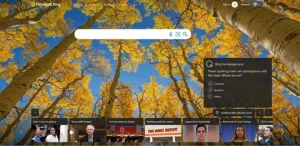
You can later redeem these points for gift cards, donations, or other exciting perks. This adds an extra layer of motivation for every player. The quiz involves more than just answering questions correctly. It is also about discovery. Each question often includes additional context or links. These resources allow users to dive deeper into the topic.
This approach transforms a simple quiz into a learning journey. It makes the experience ideal for students, professionals, and anyone curious about the world. The range of topics covers geography, history, science, and pop culture. This variety ensures that you always have something new to explore.
Tips to Win the Bing Homepage Quiz
The user-friendly design also makes the Bing Homepage Quiz stand out. Microsoft built a clean, intuitive, and visually appealing interface. The creators wrote short and engaging questions. The system displays the results instantly. This speed makes it easy to play during a quick break.
For those looking to improve their chances of getting all answers correct, paying close attention to the homepage image and reading the related descriptions can be very helpful. Often, the clues are subtly embedded in the content provided by Bing. Over time, regular players start recognizing patterns and improving their general knowledge, which makes the quiz even more enjoyable and rewarding.
Why the Bing Homepage Quiz Is So Popular
The Bing Homepage Quiz is more than just a daily trivia game. It combines education, entertainment, and rewards in a seamless experience that appeals to users of all ages. Its simplicity, coupled with the opportunity to earn rewards and learn new facts every day, makes it a standout feature on the Bing platform.
One of the biggest reasons for the popularity of the Bing Homepage Quiz is its accessibility. There is no need for downloads or sign-ups to get started. Anyone visiting the Bing homepage can instantly take part in the quiz. For users logged into their Microsoft account, the experience becomes even more rewarding, as they can earn Microsoft Rewards points for correct answers. These points can later be redeemed for gift cards, donations, or other exciting perks, adding an extra layer of motivation.
The quiz is not just about answering questions correctly; it is also about discovery. Each question often comes with additional context or links that allow users to dive deeper into the topic. This transforms a simple quiz into a learning journey, making it ideal for students, professionals, and anyone curious about the world. From geography and history to science and pop culture, the range of topics covered ensures that there is always something new to explore.
FAQs
What is the Bing Homepage Quiz?
The Bing Homepage Quiz is a daily trivia game available on the Bing homepage where users answer questions based on the featured image and topic of the day.
Is the Bing Homepage Quiz free to play?
Yes, the Bing Homepage Quiz is completely free to play and accessible to anyone visiting the Bing website.
Can I earn rewards from the Bing Quiz?
Users who are signed into their Microsoft account can earn Microsoft Rewards points by participating and answering questions correctly.
How many questions are in the Bing daily quiz?
Typically, the Bing Homepage Quiz includes three questions each day, focusing on the daily homepage theme.
Do I need to sign up to play the quiz?
You can play the quiz without signing up, but you need a Microsoft account to earn rewards points.
How can I improve my quiz score?
Pay attention to the homepage image, read related information, and play regularly to improve your knowledge and accuracy.
Author



In the modern world of gaming, complexity often overshadows pure, unadulterated fun. However, Snow Rider 3D breaks this mold. It offers a free, accessible experience that players can pick up at a moment’s notice. While the premise remains simple, the game provides surprising depth. This makes it perfect for a quick mental break or a long, intense session of high-score hunting. This guide explores the mechanics, strategies, and technological marvels behind this captivating downhill simulator.
Gameplay: A Deep Dive into Downhill Dynamics
At its foundation, Snow Rider 3D functions as a high-speed skiing and sledding simulator. It uses a charming low-poly aesthetic that keeps the visuals clean and the performance smooth. You control a rider navigating a procedurally generated mountain course. This means no two runs are ever exactly the same, keeping the challenge fresh.
The primary objective is straightforward: reach the finish line without crashing. However, the mountain is far from empty. Developers littered the courses with massive ramps, grinding rails, and treacherous obstacles. Specifically, you must navigate around giant snowballs, trees, and rocks while collecting wooden gifts to boost your score.
Intuitive Controls and Mechanics
Mastering your rider feels natural from the very first jump. Most players use the left and right arrow keys (or the A and D keys) to steer. While the controls are simple, the physics require finesse. You must balance your speed with precise movement.
The game rewards skillful play through several mechanics:
-
Speed Boosts: Landing perfectly on a ramp or successfully grinding a rail provides a temporary surge in velocity.
-
Currency Collection: You earn coins and gifts during your descent.
-
Unlockable Content: You can spend your hard-earned rewards in the in-game shop. This allows you to unlock new sleds, snowmobiles, and characters, which adds a layer of personalization to your mountain runs.
Pro Tips for Mastering the Slopes
While anyone can slide downhill, becoming a pro requires strategy and sharp reflexes. Use these five tips to dominate the leaderboard:
-
Survey the Path Ahead: Do not simply rush blindly into the white. Instead, look further down the track to anticipate upcoming obstacles. Knowing the position of the next ramp allows you to adjust your trajectory early.
-
Perfect Your Turning Technique: Avoid quick, jittery taps on the keys. Instead, hold the directional buttons for smooth, sweeping turns. This control is essential for lining up with narrow rails or avoiding sudden cliff edges.
-
Commit to the Grind: When you approach a rail, aim for the center. A square alignment ensures a smooth grind, which increases your speed and prevents a “face-plant” into the snow.
-
Embrace the Quick Restart: Snow Rider 3D is built for rapid-fire sessions. If a run starts poorly, do not get frustrated. Hit the restart button immediately and apply what you learned from your previous mistake.
-
Test Every Character: Different sleds and characters possess unique stats. Some offer better handling, while others focus on raw top speed. Experiment with various unlocks to find the one that matches your personal playstyle.
The Synergy of Speed and Concentration
In this game, velocity and focus are your two most important assets. Controlling a high-speed snowmobile on an icy path requires absolute concentration. One split-second distraction usually leads to a spectacular crash. This intense requirement for focus makes the game an excellent tool for training your reflexes.
Speed does more than just rack up points; it increases the overall difficulty. As you move faster, the window of time to react to obstacles shrinks. Therefore, concentration helps you maintain your form and prevents you from being caught off guard by unexpected turns or sudden obstacles. Consequently, players often find that their decision-making skills improve the more they play.
A Digital Escape: Stress Relief on the Ice
Beyond the competition, Snow Rider 3D serves as an effective tool for relaxation. The modern world is full of pressure, and this game provides a serene, virtual space to unwind. The combination of quiet, snowy landscapes and rhythmic gameplay helps players leave their daily worries behind.
The game stimulates the brain to work flexibly. It encourages a “flow state” where the player is fully immersed in the movement. This helps clear the mind and enhances mental clarity. By offering a perfect balance of challenge and tranquility, the game acts as a useful tool for maintaining a healthy, clear perspective in daily life.
The Technology Behind the Snow
Snow Rider 3D is a testament to how far web-based gaming technology has come. It utilizes advanced 3D graphics processing to ensure the experience remains fluid, even on modest devices. The realistic physics engine accurately simulates the interaction between the sled and the icy terrain, making every jump feel impactful.
Furthermore, the game integrates smart design elements that adjust to the player’s behavior. The procedural generation ensures that the difficulty scales appropriately, providing a personalized experience for every user. This blend of physics-based rendering and AI-driven level design shows the massive potential for interactive entertainment in the digital age.
Conclusion: Why We Keep Riding
Snow Rider 3D remains a charming and addictive title because it respects the player’s time. Its simple mechanics allow for immediate play, while the rewarding progression system provides a reason to stay. Whether you are aiming for a world-record score or just want to enjoy a peaceful glide through the snow, this game delivers.
The mountain is waiting, and the snow is perfect. Give Snow Rider 3D a try today and discover why so many players are hooked on this high-speed winter adventure!
Author



Cox.net Yahoo Email: Guide to Fix Login, Sync & Email Issues

Best Air Cleaners for Home: Types, Benefits, and Maintenance Tips

Canon Printer Support: Quick Ways to Contact Customer Care

Packaging Companies: Trends, Top Players & Packaging Solutions

Web Scraping Statistics 2026: Market Size, Growth & Industry

AI-Driven Social Media Marketing Strategies for Modern Businesses

Ami Paris Pullover & Hoodie: The Ultimate Material & Care Guide

Radiopharmaceutical Therapeutic Market : Innovations in Oncology

North America Deflazacort Market: 2026 Outlook & 2031 Forecast

New Apartments in NT: Darwin Harbour & Tropical Living

Cybersecurity Consulting Company SequelNet Provides Critical IT Support Services to Medical Billing Firm, Medical Optimum

Team Communication Software Transforms Operations at Finance Innovate

Project Management Tool Transforms Long Island Business

How Alleviate Poverty Utilized IPPBX’s All-in-One Solution to Transform Lives in New York City

Breast Cancer: The Imperative Role of Mammograms in Screening and Early Detection

Unstoppable Collaboration: D.C.’s Citi Open and Silicon Valley Classic Unite to Propel Women’s Tennis to New Heights

Embracing Renewal: Sizdabedar Celebrations Unite Iranians in New York’s Eisenhower Park

The Benefits of Starting a Side Hustle for Financial Freedom

New Blood Donation Screening Questions What You Need to Know

Stylishly Timeless: The 5 Types of Sandals You Need in Your Closet
-

 Business3 years ago
Cybersecurity Consulting Company SequelNet Provides Critical IT Support Services to Medical Billing Firm, Medical Optimum
-
Business3 years ago
Team Communication Software Transforms Operations at Finance Innovate
-
Business3 years ago
Project Management Tool Transforms Long Island Business
-
Business3 years ago
How Alleviate Poverty Utilized IPPBX’s All-in-One Solution to Transform Lives in New York City
-
health3 years ago
Breast Cancer: The Imperative Role of Mammograms in Screening and Early Detection
-
Sports3 years ago
Unstoppable Collaboration: D.C.’s Citi Open and Silicon Valley Classic Unite to Propel Women’s Tennis to New Heights
-
Art /Entertainment3 years ago
Embracing Renewal: Sizdabedar Celebrations Unite Iranians in New York’s Eisenhower Park
-
Finance3 years ago
The Benefits of Starting a Side Hustle for Financial Freedom







