
Science
From Blade Runner to Real Life: The Impact of AI on Society and Culture


Introduction:
Artificial Intelligence (AI) has emerged as a powerful force, revolutionizing various industries and reshaping the way we live. However, as AI continues to advance, it brings forth a host of ethical challenges that demand our attention. In this article, we delve into the potential dangers associated with AI and explore the importance of ethical considerations in its development and deployment.
The Power and Perils of AI:
AI has made remarkable strides in recent years, demonstrating capabilities that were once confined to the realm of science fiction. Machine learning algorithms and deep neural networks have enabled AI systems to learn, adapt, and make autonomous decisions. While this progress is impressive, it also raises concerns about the potential dangers associated with advanced technology.
Bias and Discrimination:

One of the primary ethical challenges of AI is the issue of bias and discrimination. AI algorithms are trained on large datasets, which can contain inherent biases reflecting social, cultural, and historical prejudices. If these biases go unchecked, AI systems can perpetuate and amplify discrimination, leading to unfair outcomes in areas such as hiring, lending, and criminal justice. Ensuring fairness and mitigating bias in AI systems is crucial to prevent the reinforcement of societal inequalities.
Privacy and Surveillance:
The proliferation of AI-powered technologies also raises concerns about privacy and surveillance. As AI systems collect and analyze vast amounts of data, there is a potential for abuse and intrusion into individuals’ private lives. Balancing the benefits of AI with the protection of personal privacy is essential. Stricter regulations and transparent data practices are needed to safeguard individual rights and ensure responsible use of AI in areas like facial recognition and surveillance.
Autonomous Decision-making:
The increasing autonomy of AI systems poses another ethical challenge. As AI becomes more sophisticated, it may make decisions that have significant consequences without human intervention. This raises questions of accountability and responsibility. Who is responsible when an AI system makes an erroneous decision or causes harm? Establishing legal frameworks and guidelines for the responsible use of AI is necessary to address these concerns and ensure human oversight and accountability.
Job Displacement and Economic Inequality:
The rapid advancement of AI also brings fears of widespread job displacement and exacerbation of economic inequality. While AI can automate mundane tasks and enhance productivity, it also poses a risk to certain job sectors, potentially leaving many workers unemployed. Addressing the social and economic impact of AI requires proactive measures such as retraining programs, job creation initiatives, and policies that promote a fair distribution of the benefits derived from AI technologies.
Transparency and Explainability:
To foster trust and ensure the responsible use of AI, transparency and explainability are vital. AI systems should be designed in a way that allows users to understand how decisions are made and provides explanations for their outputs. Ethical guidelines and standards should be established to ensure that AI systems are transparent, accountable, and subject to scrutiny.
Collaboration and Ethical Frameworks:
Addressing the ethical challenges of AI requires collaboration between researchers, policymakers, and industry leaders. The development of ethical frameworks and guidelines should involve diverse perspectives to ensure a balanced approach. The incorporation of ethical considerations should be an integral part of the design and deployment of AI systems, promoting transparency, fairness, and human-centric values.
Conclusion:
As AI continues to advance, it is imperative to navigate the potential dangers and ethical challenges associated with this technology. From bias and discrimination to privacy concerns and job displacement, AI raises complex ethical questions that require careful consideration. By promoting transparency, accountability, and collaboration, we can harness the power of AI while mitigating its risks, ensuring a future where advanced technology aligns with ethical principles and serves the greater good of humanity.
Author


In the rapidly evolving landscape of 2026, the global manufacturing sector is undergoing a profound and irreversible “biological pivot.” Industrial processes are decisively moving away from energy-intensive chemical syntheses toward the precision and elegance of biocatalysts. Central to this transformation is the Industrial Enzyme, a sophisticated biological catalyst capable of accelerating complex reactions with a level of specificity and environmental efficiency that traditional inorganic catalysts simply cannot match. These proteins have moved from the periphery to the very core of industrial innovation.
Why Industrial Enzymes Define Modern Manufacturing
From sustainable pharmaceuticals to carbon-neutral biofuels, these molecular machines are the invisible architects of the modern circular economy. Their widespread adoption is driven by several key advantages that address both economic and ecological imperatives:
- High Specificity: Enzymes function like precision tools, targeting specific substrates to minimize unwanted by-products. This lock-and-key mechanism increases product purity, reduces the need for costly separation processes, and ultimately lowers raw material consumption.
- Energy Efficiency: Unlike traditional catalysts that often require extreme heat and pressure, enzymes typically operate at ambient temperatures and atmospheric pressure. This characteristic allows manufacturers to significantly cut their carbon footprints and operational energy costs.
- Biodegradability: A major environmental concern with heavy metal catalysts is their toxicity and the challenge of safe disposal. Enzymes, being proteins, are inherently biodegradable. They break down naturally after use, reducing long-term environmental impact and simplifying waste management protocols.
However, despite these clear benefits, the industry has reached a critical inflection point: the challenge is no longer just about discovery, but about mastering the rigorous path of Industrial Enzyme Production to ensure robust and consistent performance at a commercial scale.

The Economic and Regulatory Landscape
The economic impetus behind this biological pivot is substantial, with the global market for high-performance Industrial Enzymes projected to exceed $16 billion by the close of 2026. This impressive growth is fueled by critical shifts across multiple sectors:
- Food & Beverage: In response to consumer demand, manufacturers are meeting “clean-label” demands by using enzymes for natural preservation, texture improvement, and sugar reduction, replacing artificial additives.
- Pharmaceuticals: Biocatalysis is now indispensable for synthesizing complex active pharmaceutical ingredients (APIs). By enabling more direct synthesis routes, enzymes often reduce hazardous waste by up to 70%, aligning with both cost and sustainability goals.
- Regulatory Compliance: As ESG (Environmental, Social, and Governance) mandates evolve from voluntary guidelines into enforceable law, bio-based manufacturing has rapidly transitioned from a “niche choice” for eco-conscious brands to a global necessity for regulatory compliance and market access.
Overcoming the “Scaling Bottleneck”
The leap from “bench to bio-factory” represents the most significant technical hurdle in the industry. While a novel enzyme may show exceptional activity in a lab flask, its performance often falters under the mechanical stress, shear forces, and complex chemical environment of a 50,000-liter fermenter. Successful Industrial Enzyme Production requires a sophisticated, multi-pronged strategy to bridge this gap:
- Strain Improvement: The first step is selecting and engineering robust microbial hosts, such as the filamentous fungus Aspergillus niger or the methylotrophic yeast Pichia pastoris, to maximize expression levels and protein folding efficiency.
- Process Optimization: Modern production relies on real-time bioreactor monitoring with advanced sensors. This allows for the dynamic adjustment of nutrient feeds, pH levels, temperature, and oxygen gradients to maintain an ideal environment for microbial growth and enzyme production.
- Downstream Processing (DSP): Perhaps the most delicate phase is the recovery and purification of the enzyme. Implementing advanced techniques like membrane filtration and gentle chromatography ensures high recovery rates without compromising the protein’s delicate structural integrity and activity.
The Digital Frontier: AI and Directed Evolution
In 2026, the current frontier of the Industrial Enzyme market is defined by the powerful combination of Generative AI and directed evolution. This “digital laboratory” approach allows researchers to bypass slow, trial-and-error methods:
- Predict Protein Folding: Using deep-learning models, scientists can now predict how an enzyme will fold and behave, enabling them to “pre-stress” designs for extreme industrial conditions before any physical experiment begins.
- Enhance Thermostability: A key goal is engineering catalysts that remain active at temperatures exceeding 90°C, making them compatible with existing high-temperature industrial processes.
- Accelerate Innovation: By simulating millions of years of evolution in a matter of days, AI helps generate hyper-efficient biocatalysts, thereby minimizing raw material waste and maximizing reaction speed.
Cross-Industry Impact: Biofuels and Textiles
The practical impact of these engineered catalysts is most visible in the global push for decarbonization:
- Biofuels: Advanced cellulase enzyme cocktails are now capable of efficiently converting agricultural waste (like corn Stover and wheat straw) into fermentable sugars. This process is the linchpin of second-generation ethanol, which does not compete with food crops.
- Textiles: In the fashion industry, “bio-stonewashing” using cellulases and laccase-based bleaching systems reduce water consumption by nearly 40%. These biological processes achieve superior fabric quality without the use of toxic chemicals, protecting both workers and the environment.
The Future: Metagenomics and Nanozymes
Looking ahead, the next frontier lies in the exploration of Earth’s most extreme environments and the convergence of biology with nanotechnology:
- Metagenomic Mining: Instead of culturing individual organisms, scientists are now directly extracting DNA from environmental samples, discovering powerful new enzymes in “extremophiles” from deep-sea vents and hot springs that are naturally resistant to industrial denaturation.
- Nanozymes: An exciting emerging field involves synthetic nanomaterials that mimic enzymatic activity. These robust, inorganic structures offer the potential for lower production costs and even higher stability than their purely biological counterparts, opening up entirely new applications.
Conclusion: The Blueprint for Success
Ultimately, the successful integration of these advanced technologies depends on a strategic transition from pure discovery to reliable execution. For companies looking to maintain a competitive edge in this fast-paced market, the choice of a partner for Industrial Enzyme Production is as critical as the enzyme design itself. A partner offering a fully integrated, “one-stop” pipeline—from initial feasibility studies and strain development to the production of tons of purified enzyme—is not just a vendor, but provides the fundamental blueprint for success and a leader in the future of global industry.
Author


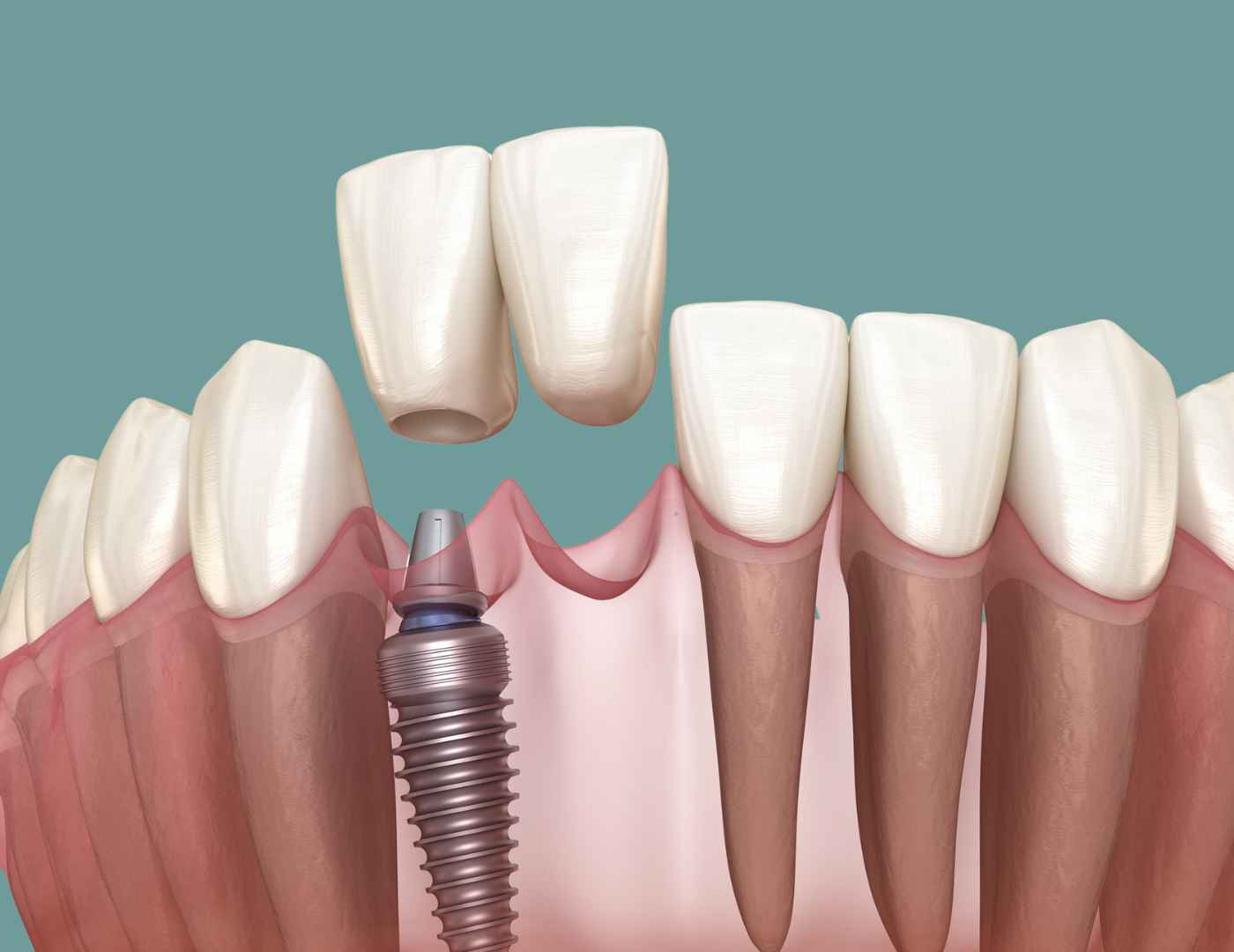
A confident smile can change the way people perceive you, and dental implants offer a remarkable way to restore both appearance and function. Dental implants have become a leading solution for individuals seeking a permanent and natural-looking replacement for missing teeth. By seamlessly integrating with the jawbone, Dental Implants Dubai provide stability and durability that other options often cannot match. From enhancing oral health to boosting self-confidence, the benefits of dental implants are extensive and transformative.
Understanding the Dental Implant Process
Dental implants are designed to replace missing teeth with results that feel and look natural. The process typically begins with a thorough evaluation to determine bone density and oral health, ensuring that the foundation is suitable for implantation. Once the assessment is complete, the implant is surgically placed into the jawbone.

Key Benefits of Dental Implants
Enhancing Aesthetic Appeal
A radiant smile plays a crucial role in self-confidence and personal presentation. Dental implant are custom-designed to match the shape, size, and color of natural teeth, creating a seamless appearance. Unlike other options, dental implants do not rely on neighboring teeth for support, ensuring a natural contour and symmetry. The result is a smile that looks authentic and enhances facial aesthetics. Individuals often notice an immediate boost in self-esteem after completing the implant process, enjoying the freedom to express themselves without hesitation.
Functional Advantages of Dental Implant
Dental implants offer more than visual enhancement. They provide a level of stability and functionality that mimics natural teeth. The secure fit allows for comfortable chewing and clear speech, restoring the ability to enjoy all types of foods without restriction. Because implants are anchored directly to the jawbone, they eliminate concerns about dentures slipping or causing discomfort. This functional reliability contributes to overall oral health by making everyday activities easier and more comfortable.
Longevity and Durability
One of the most compelling aspects of dental implant is their long-lasting nature. With proper care, dental implants can last a lifetime, making them a sustainable solution for tooth replacement. The materials used are highly resistant to decay and wear, reducing the need for frequent replacements. Regular dental check-ups and proper oral hygiene ensure that implants remain strong and functional. This combination of durability and minimal maintenance makes dental implant an excellent choice for anyone seeking a permanent solution to missing teeth.
Promoting Oral Health
Common Questions
How long does the process take?
The timeline for dental implants varies depending on individual needs. Typically, the process from initial consultation to final restoration can take several months. This period allows for proper healing and osseointegration, ensuring the implant is securely anchored and ready for the final restoration.
Is the procedure painful?
Most patients report minimal discomfort during the dental implant procedure. Local anesthesia is used to ensure a comfortable experience, and post-procedure soreness is usually manageable with over-the-counter pain relief. The process is designed to prioritize patient comfort and recovery.
Can anyone get dental implants?
While dental implants are suitable for many individuals, candidates must have sufficient bone density and good oral health. A thorough evaluation helps determine whether dental implants are the best solution. In some cases, preparatory procedures may be recommended to strengthen the jawbone before implant placement.
How do dental implants compare to other tooth replacement options?
Dental implants offer unique advantages, including long-term durability, natural appearance, and preservation of surrounding teeth. Their ability to restore function and aesthetics makes them a preferred choice for individuals seeking a permanent and reliable solution.
How should dental implants be cared for?
Caring for dental implants is similar to maintaining natural teeth. Daily brushing, flossing, and regular dental check-ups help ensure longevity. Because dental implants do not decay, they offer a consistent and reliable solution for maintaining oral health.
Why Choose Dental Implants Today
Cheapest Dental Implants in Dubai are more than a cosmetic enhancement—they are a comprehensive solution that addresses both functional and aesthetic needs. They empower individuals to regain confidence in their smile and enjoy everyday activities without restriction. Whether addressing a single missing tooth or multiple gaps, dental implants offer flexibility, strength, and a natural appearance. Their long-term benefits, combined with the ease of care and durability, make them a worthwhile investment in oral health and self-confidence.
Conclusion
Dental implants provide an effective, natural-looking solution for anyone seeking a complete and confident smile. By restoring function, enhancing appearance, and supporting oral health, they offer unmatched advantages over other options. Those considering dental implant can enjoy a seamless process, long-lasting results, and a boost in self-esteem that transforms both personal and social interactions. Embracing dental implant today can be the first step toward a smile that exudes confidence, health, and elegance. Take the opportunity to explore dental implants and discover how they can perfectly elevate your smile with ease.
Author



Each dissertation involves a literature survey, which is the first step. It summarizes and analyzes knowledge about a particular field. In the case of multi-disciplinary dissertations, this becomes even more important because such a literature review requires the integration of diverse bodies of knowledge.
For students in need, services such as a personal statement writing service can also advise on how to provide a structured and analytical approach to academic writing. This article provides an overall guide on conducting an effective literature review in multi-disciplinary dissertation writing, with a focus on coherence and thorough analysis.

1. Understand the Purpose of a Literature Review
Every dissertation has a literature survey to lay the ground for inquiry. The ability to understand how to write a literature review for a research paper is important, as it may serve different purposes: it gives a big picture of the research already undertaken within your topic. It also pinpoints the gaps in knowledge and justifies the pursuit of your question.
2. Define the Objectives and Scope
There is a need to know how to write a literature review for a dissertation for which to understand the objectives as well as scope. Ask yourself questions like:
- What are the main themes or topics relevant to your research?
- What subjects or disciplines are central to your dissertation?
- Are there key theories, models, or frameworks to be researched?
In multidisciplinary dissertations, the literature review serves to link various disciplines together so always keep that in mind while conducting a survey.
3. Conduct a Systematic Search for Materials
A literature survey is the foundation of every dissertation. For students looking for dissertation help in London, it is important to know how to conduct a literature review, especially when it comes to multidisciplinary dissertations.
Systematic material searching involves effective planning and organization. Here are some steps to follow:
a. Keywords and Synonyms
Develop a list of keywords relevant to the research theme, including synonyms and their different alternatives which can be delivered. For example, if the research topic is artificial intelligence in education, keywords which may be included will be “AI,” “machine learning,” “educational technology,” and “adaptive learning systems.”
b. Use Diverse Databases
Search for literature in databases that serve various disciplines. For example:
- ScienceDirect for natural sciences
- PubMed for health and biomedical research
- JSTOR and Project MUSE for humanities and social sciences
- IEEE Xplore for engineering and technology
c. Check Reference Lists
References listed in scholarly articles or books will help you locate other valuable resources. This is called backward citation searching, and this is very helpful to identify core works in the area.
d. Keep Current
Set up Google Scholar alerts or database notices to remain up-to-date on new releases about your subject area.
4. Organize Sources
With sources from multiple disciplines, organizing your materials is crucial. Consider the following strategies:
a. Categorize by Discipline
Group sources by their respective fields. This helps in identifying how each discipline contributes to your research topic.
b. Use Thematic Grouping
Organize sources based on themes, such as methodology, theoretical frameworks, or key findings.
c. Create an Annotated Bibliography
Write summaries and critical evaluations of each source. Include information on its relevance, strengths, and limitations.
5. Analyze and Synthesize Information
Examine study sources beyond summaries: The literature review is an analysis and synthesis of sources. For multi-disciplinary reviews:
a. Highlight Contrasts and Commonalities
Find points of convergence, divergence, and overlap between the disciplines. For example, what are the different methods used by sociologists and economists to articulate the issue of poverty?
b. Discuss Theoretical Frameworks
Consider how theories in one area can be informed or complemented by theories in another. For instance, psychological learning theories could bring a rich addition to the design of AI-based educational tools.
c. Gaps and Limitations
Indicate any research gaps, especially those that are created because of disciplinary silos. Mention areas where knowledge integration may be able to provide new insights.
6. Organize Your Literature Review
A multi-disciplinary literature review requires a clear and logical structure. Here is a suggested framework:
a. Introduction
- Introduce your research topic and objectives briefly
- Provide the rationale for the multi-disciplinary approach
- Outline the structure of the review
b. Body
Arrange the body into sections related to the themes or disciplines. For instance,
- Section 1: Environmental Science Perspective
- Section 2: Public Health Findings
- Section 3: Policy Implications
In each section:
- Summarize key studies
- Critically evaluate methodologies and findings
- Show connections with other disciplines
c. Integration Section
Dedicate a section to synthesizing insights across disciplines. Discuss how integrating knowledge provides a comprehensive understanding of your research problem.
d. Conclusion
- Summarize the main findings of your review
- Reiterate the relevance of a multi-disciplinary approach
7. Write Clearly and Cohesively
Multi-disciplinary literature reviews can be dense and complex. To maintain clarity:
- Use Transitional Phrases: Connect ideas across sections and disciplines for example, “Building on insights from sociology, we now explore the economic dimensions…”
- Define Key Terms: Terms may be used differently across different disciplines; it is important to define terms specifically to ensure clarity
- Avoid Jargon: Generally, write to a large academic audience and avoid terms unique to your specific discipline(s)
8. Use Technology to Enhance Your Review
Employ technology to organize and present your literature review:
- Reference Managers: Such apps, such as Zotero, endnote, or Mendeley, help in arranging citations and generating bibliographies
- Visualization Tools: Map concepts or make diagrams to visualize the relationships within and among disciplines and themes
9. Seek Feedback
Before finalizing your literature review, seek feedback from peers, advisors, or experts in the relevant disciplines. They can provide insights on:
- The comprehensiveness of your review
- The accuracy of your interpretations
- The coherence of your synthesis
10. Revise and Edit
Editing is an important means of honing your literature review. Pay close attention to:
- Consistency: Your writing style, terminology, and formatting should be consistent
- Clarity: Use simple language to explain complicated ideas; avoid repetition
- Accuracy: Double-check citations and verifiable facts
Conclusion
Since reconciling diverse perspectives through careful planning, critical analysis, and writing can be a difficult and sometimes very rewarding process, developing a literature review for a multi-disciplinary dissertation becomes the basis upon which a literature review could be constructed that serves to not only set the stage for a person’s research but also helps to fill the gaps between disciplines. The aim is to generate a cohesive narrative that will take understanding forward and open ways toward innovative solutions to complex problems.
Author



ICO Development Guide: Launch a Successful Token Offering

Cylinder Packaging & Boxes with Logo: Packaging Solutions

CAPI Services: Modern Computer-Assisted Personal Interviewing

Desk Research: Secondary Research Drives Market Expansion

Spend Analytics: Boost Procurement Efficiency and Reduce Costs

PayTabs BigCommerce Integration: Subscription Billing Made Easy

How Architects, MEPs, and Contractors Use AutoCAD Drawing Services

Pharmaceutical Heavy Metal Testing: ICH Q3D, USP <232> & ICP-MS

Top Reasons Adults Choose Hormone Replacement Services in Houston

E-Commerce Websites in Kuwait: Best Online Shopping Platforms

Cybersecurity Consulting Company SequelNet Provides Critical IT Support Services to Medical Billing Firm, Medical Optimum

Team Communication Software Transforms Operations at Finance Innovate

Project Management Tool Transforms Long Island Business

How Alleviate Poverty Utilized IPPBX’s All-in-One Solution to Transform Lives in New York City

Breast Cancer: The Imperative Role of Mammograms in Screening and Early Detection

Unstoppable Collaboration: D.C.’s Citi Open and Silicon Valley Classic Unite to Propel Women’s Tennis to New Heights

Embracing Renewal: Sizdabedar Celebrations Unite Iranians in New York’s Eisenhower Park

The Benefits of Starting a Side Hustle for Financial Freedom

New Blood Donation Screening Questions What You Need to Know

Stylishly Timeless: The 5 Types of Sandals You Need in Your Closet
-

 Business3 years ago
Cybersecurity Consulting Company SequelNet Provides Critical IT Support Services to Medical Billing Firm, Medical Optimum
-
Business3 years ago
Team Communication Software Transforms Operations at Finance Innovate
-
Business3 years ago
Project Management Tool Transforms Long Island Business
-
Business3 years ago
How Alleviate Poverty Utilized IPPBX’s All-in-One Solution to Transform Lives in New York City
-
health3 years ago
Breast Cancer: The Imperative Role of Mammograms in Screening and Early Detection
-
Sports3 years ago
Unstoppable Collaboration: D.C.’s Citi Open and Silicon Valley Classic Unite to Propel Women’s Tennis to New Heights
-
Art /Entertainment3 years ago
Embracing Renewal: Sizdabedar Celebrations Unite Iranians in New York’s Eisenhower Park
-
Finance3 years ago
The Benefits of Starting a Side Hustle for Financial Freedom







