
health
From mice to humans: Promising results from experimental treatments for aging


As we age, our bodies undergo a multitude of changes that can result in various health issues. From wrinkles to chronic diseases, the effects of aging are prevalent and unavoidable. However, recent experimental treatments for aging have shown promising results that could potentially slow down or even reverse some of these effects. In this blog post, we’ll explore the current state of research on anti-aging treatments for humans and delve into the exciting breakthroughs from animal trials that offer hope for a healthier future. So let’s dive in!
What causes aging?
Aging is a complex process that involves several factors, both intrinsic and extrinsic. One of the most significant contributors to aging is biological changes within our bodies. As we age, our cells become less efficient in repairing DNA damage and other cellular functions, leading to cellular senescence.
Additionally, lifestyle choices such as poor diet and lack of exercise can contribute to premature aging by causing oxidative stress in the body. Exposure to environmental pollutants and UV rays from the sun can also accelerate the aging process.
Another key contributor to aging is inflammation. Chronic inflammation has been linked to numerous diseases associated with aging, including dementia, heart disease and cancer.
Genetics play a role in how we age. Some people may be more predisposed than others due to their genetic makeup or family history of certain health conditions.

In summary, there are multiple causes contributing towards the overall process of ageing which makes it difficult for scientists when trying new treatments for anti-aging purposes.
Current experimental treatments for aging
Current experimental treatments for aging are focused on tackling the underlying causes of aging. One area of research is in senolytics, which target senescent cells that accumulate in our bodies as we age. These cells have stopped dividing and start to secrete harmful molecules that contribute to inflammation and tissue damage.
Another approach is through caloric restriction or intermittent fasting, which has been shown to increase lifespan in animal studies by improving cellular stress resistance, enhancing DNA repair mechanisms and reducing oxidative stress.
Other experimental treatments include gene therapies aimed at restoring telomere length or increasing levels of sirtuins – proteins involved in regulating metabolism and cellular processes.
While these treatments show promise in preventing or slowing down the effects of aging, more research is needed before they can be safely used on humans. It’s important also to note that there may be unintended consequences with some interventions, so careful testing and monitoring will be necessary before any widespread use.
There is hope that continued research into experimental treatments for aging will lead us towards a healthier future where people can live longer lives without the negative effects often associated with growing old.
How these treatments work
The experimental treatments for aging target different aspects of the aging process. Some focus on repairing damage to cells and tissues, while others aim to improve overall health and longevity.
One approach is senolytics, which involves removing senescent cells that accumulate in our bodies as we age. These cells are no longer able to divide and can cause inflammation and tissue damage if they remain in the body. By clearing them out, researchers hope to reduce age-related diseases like arthritis, heart disease, and dementia.
Another approach is caloric restriction mimetics (CRMs), which mimic the effects of a low-calorie diet without requiring people to actually restrict their food intake. CRMs activate pathways that regulate metabolism and cellular stress responses, leading to improved healthspan.
Other treatments include targeting mitochondrial dysfunction or improving DNA repair mechanisms. All of these approaches have shown promising results in animal models.
While there is still much research needed before these treatments can be used in humans, they offer hope for addressing age-related diseases and extending healthy lifespan.
Promising results from animal trials
Promising results from animal trials have shown that experimental treatments for aging may be effective in extending lifespan and improving overall health. Several studies on mice, rats, and other animals have demonstrated the potential of these treatments to slow down or even reverse the effects of aging.
One promising treatment is senolytics, which involves removing senescent cells that accumulate in the body over time and contribute to age-related diseases. Animal trials have shown that senolytics can improve various aspects of health, such as reducing inflammation and increasing physical activity.
Another experimental treatment that has shown promise is rapamycin, a drug originally used to suppress the immune system. Studies on mice have found that rapamycin can extend lifespan by up to 25% while also improving cognitive function and reducing cancer risk.
In addition to these treatments, researchers are exploring other methods for targeting aging at its source, including interventions that target cellular metabolism or genetic pathways involved in longevity. While more research is needed before any of these treatments can be approved for human use, the results from animal trials offer hope for a healthier future with extended lifespans.
The next steps in research
The promising results from animal trials have given researchers hope that we may one day be able to slow down or even reverse the aging process in humans. However, there is still much work to be done before these experimental treatments can become widely available.
One of the next steps in research is to conduct clinical trials on humans. While animals studies provide valuable information, human bodies and biology differ significantly from those of mice or other test subjects. Clinical trials will help determine if these treatments are safe and effective for humans.
Another area of focus is identifying biomarkers that can be used to measure the effectiveness of anti-aging treatments. Currently, there are no reliable biomarkers for aging – many common markers actually increase with age rather than decrease! Developing accurate indicators will enable researchers to gauge whether a treatment is successful and adjust dosages accordingly.
Scientists need better tools for studying aging at a cellular level. Many current methods are time-consuming or imprecise, making it difficult to assess whether a particular intervention has meaningful effects on cells or not.
While there’s still much work ahead before we can stop (or even slow) the clock on aging completely, recent progress offers reason for optimism that someday our golden years could truly shine.
Conclusion
The research into aging and its treatments has come a long way in recent years. While there is still much to learn about the mechanisms that cause aging, promising results from animal trials of experimental treatments for aging give hope that similar results can be achieved in humans. The potential benefits of such treatments are vast, including improved quality of life and decreased healthcare costs.
As researchers continue to identify and test new therapies for treating age-related diseases, it’s important to remain mindful of ethical considerations surrounding their use. However, with responsible experimentation and continued progress in our understanding of aging processes, the future looks bright for extending healthy lifespans well beyond what we currently consider possible.
Author


Author



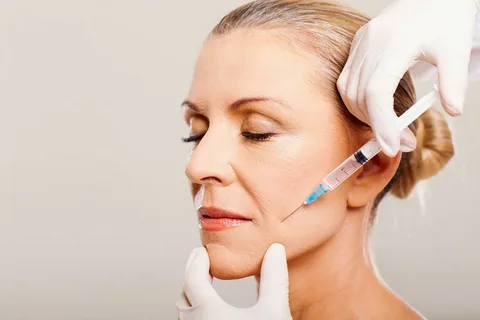
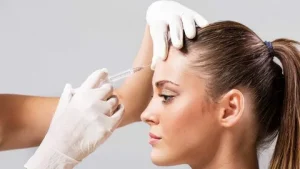
Roots Analysis recently published a new report on the global dermal fillers market. The study covers market size, share, and growth trends. It also provides regional analysis and segmentation forecasts from 2026 to 2035. The report offers a data-rich foundation for decision-makers, industry participants, and investors. It includes both macro and micro-level insights. Readers can easily understand key dynamics across segments, regions, and product categories.
Current Market Size and Future Growth
The global dermal fillers market currently stands at $3.64 billion. Researchers project it will reach $8.81 billion by the end of the forecast period. This growth represents a compound annual growth rate (CAGR) of 9.25%.
Experts calculated this growth based on observed trends, actual industry performance, and current developments in product usage and adoption. The study also considers challenges faced by key players and the general market structure. Importantly, it avoids speculative interpretations. Instead, it focuses on providing a clear picture of market performance across different regions and segments.
This report supports strategic planning effectively. It provides validated information, inter-segment analyses, and practical insights. Users can access the information in both PDF and spreadsheet formats for easy integration into their own workflows.
Market Scope and Key Segmentation
The report covers a wide range of attributes. These include historical trends, forecast periods, and market size values for both 2025 and 2035. It also tracks the CAGR until 2035.
The study segments the market by several key criteria. These include gender, material type, end user, and distribution channel. It also breaks down the market by geographical regions. Specifically, it covers North America, Europe, Asia-Pacific, the Middle East and North Africa, and Latin America.
Each region receives detailed attention. The report analyzes historical and current market size, revenue performance, and contribution to global share. It also highlights strategic developments and regional trends. This structure provides a clear framework for understanding market dynamics. Consequently, readers can identify segment-specific trends and growth opportunities with ease.
Technological and Strategic Insights
The Roots Analysis report includes a detailed assessment of several important areas. First, it examines technological advancements and research and development activity. Second, it explores innovations in formulation and delivery methods. Third, it looks at marketing and distribution strategies. Fourth, it analyzes pricing models and cost structures. Finally, it reviews manufacturing capacities and supply chain trends.
Researchers present these insights neutrally. They support each finding with empirical evidence and primary research validation. Consequently, readers can rely on the precision and dependability of the content.

Key Market Players
The report profiles many prominent companies operating in the dermal fillers space. These include Allergan Aesthetics, which is an AbbVie Company. Other notable names include Alma Lasers, Biotechitalia, Bison Medical, Koru Pharma, and MedicalZone. The list also features Merz Pharma, Mesoestetic, MesoTech, NeoGenesis, Sinclair Pharma, and Xcelene. In total, the report captures over 60 companies.
Each profile highlights several key aspects. It describes the company’s product portfolio and focus areas. It also outlines its operational footprint and regional presence. Additionally, it reviews financial and strategic performance. Finally, it covers recent developments such as partnerships, market entries, and acquisitions.
Regional Insights You Can Use
The report analyzes each region based on multiple factors. It looks at historical and current market size and examines revenue performance and contribution to global share. It also highlights strategic developments and regional trends.
These comparative insights enable targeted market entry and expansion strategies. For example, a company looking to enter the Asia-Pacific market can use this data to understand local dynamics. Similarly, a business already operating in North America can identify emerging opportunities in Latin America.
Why This Report Matters
The global dermal fillers market is growing steadily. A 9.25% CAGR reflects strong demand across multiple regions. Factors driving this growth include technological advancements, innovative delivery methods, and increasing consumer awareness.
However, challenges also exist. Key players face regulatory hurdles, pricing pressures, and supply chain complexities. The report addresses these challenges directly. It avoids speculation and relies on verified data.
Decision-makers will find this report particularly useful. It supports strategic planning by delivering clear, actionable insights. The inclusion of cross-segment comparisons helps readers identify which areas offer the most promise.
How the Report Is Structured
The report follows a logical, easy-to-navigate structure. One provides a market overview. Two focuses on market size by regions. Three breaks down market revenue by countries. Part four examines market competition among key players. Finally, part five offers detailed company profiles.
This structure allows readers to find the information they need quickly. Whether you are interested in global trends or specific country data, the report makes it easy to access.
Final Thoughts
The global dermal fillers market presents significant opportunities for growth. With a projected value of $8.81 billion by 2035, the market rewards companies that innovate and adapt. The Roots Analysis report offers a trustworthy, information-packed basis for making well-informed choices.
By using active voice, short sentences, and clear transitions, this summary has aimed to make the information accessible. The original report offers even greater depth. It includes complimentary Excel data packs, a PowerPoint presentation, and customization options. For anyone serious about understanding this market, the full report is an essential resource.
Author



Staying in peak physical condition has transcended simple aesthetic appeal. Today, fitness serves as the ultimate cornerstone of functional strength, radiant health, and unwavering mental confidence. However, navigating the modern digital landscape of conflicting exercise advice can feel incredibly overwhelming.
Sifting through viral internet fads rarely yields sustainable results. True physical transformation requires a structured approach built on proven sports science. Embracing customized training paradigms allows you to unlock rapid, permanent health improvements while protecting your structural longevity.
Establish Highly Strategic Milestones
Ambitious fitness enthusiasts frequently derail their own progress by chasing unrealistic, overnight results. Expecting dramatic fat loss or massive muscular hypertrophy within a handful of days destroys long-term motivation.
Instead, elite athletic programming relies on realistic, progressive milestones. Focus your energy on hitting sustainable targets each week:
-
Target a safe body composition shift of roughly 0.5 to 1 kilogram per week.
-
Commit to a consistent training frequency of four to five high-intensity sessions weekly.
-
Prioritize progressive overload by systematically increasing your training weights.
-
Elevate your baseline daily activity to maximize your total daily energy expenditure.
Sustained progress builds incredible mental momentum. By breaking down your grand vision into accessible weekly victories, you transform a daunting physical challenge into an achievable lifestyle habit.
Execute a Meticulously Structured Training Program
Ad-hoc workouts yield incredibly chaotic results. True body recomposition requires an intelligently designed, periodized program. A flawless physical routine must balance multiple athletic disciplines to forge a resilient body. Following a cohesive system ensures that every single drop of sweat serves a definitive purpose. It removes guesswork entirely from your routine, allowing you to walk into the weight room with absolute tactical clarity.

Prioritize Heavy Progressive Resistance Training
Relying exclusively on endless cardiovascular sessions is a widespread body transformation mistake. While cardiovascular conditioning supports heart health, progressive strength training serves as the true engine of visual and structural evolution. Furthermore, lifting weights strengthens bone mineral density and dramatically corrects poor postural alignment. Incorporating compound multi-joint movements—like squats, deadlifts, and overhead presses— Sculpits a commanding physique while building bulletproof physical durability.
Master the Art of the Neuromuscular Warm-Up
Diving directly into intense working sets without proper physical preparation invites immediate structural injury. A sophisticated warm-up sequence serves as a vital bridge that prepares your nervous system for peak output.
An intentional ten-minute preparation window delivers massive athletic benefits:
-
It rapidly elevates your core temperature, which increases muscle tissue elasticity.
-
It triggers target muscle activation, ensuring optimal motor unit recruitment during heavy sets.
-
It expands your active range of motion, allowing for deeper, more effective lifting mechanics.
-
It sharpens your psychological focus, priming your mind for the rigorous physical challenges ahead.
Skipping this crucial phase reduces your overall power generation and exposes your tendons to unnecessary athletic strain.
Synchronize Performance Nutrition with Clean Fueling
An exceptional exercise routine cannot salvage a chaotic, low-quality diet. Nutritional discipline serves as the absolute bedrock of physical recovery and muscle synthesis.
To fuel your grueling training blocks effectively, you must embrace precision nutrition habits. Ensure you consume adequate essential amino acids daily to repair torn muscle fibers. Next, flood your body with micro-nutrients by anchoring your meals with dense, colorful vegetables.
Additionally, maintain cellular hydration by drinking clean water consistently across the day. Finally, strictly eliminate highly processed foods and practice meticulous portion control. True physical mastery requires you to view food as clean fuel for athletic performance rather than a source of temporary comfort.
Value Unwavering Consistency Over Intense Bursts
Short bursts of extreme, unsustainable effort pale in comparison to the power of steady, unyielding consistency. Many individuals train with manic intensity for a fortnight before burning out completely.
Real physical transformation rewards the dedicated professional who executes their program day after day. Small, disciplined actions stack up over time to create monumental physical shifts.
Remember that fitness is an infinite game, not a seasonal challenge with a fixed end date. Embracing the daily grind with a positive mindset turns healthy actions into second-nature behaviors that define your life.
Maximize Cellular Repair Through Deep Sleep
Sleep remains one of the most tragically neglected variables in modern human performance. Your workout sessions simply act as the stimulus for growth; the actual healing and transformation happen while you rest.
During deep sleep cycles, your endocrine system floods your bloodstream with growth hormone. This biological wave repairs micro-tears in muscle tissue, restores depleted glycogen stores, and balances metabolic hormones.
Adults pushing their bodies in the gym must secure seven to nine hours of continuous, high-quality sleep every single night. Depriving your body of this critical rest blunts your strength gains, clouds your mental focus, and spikes your systemic inflammation.
Track Data-Driven Performance Metrics
Relying solely on a traditional bathroom scale provides a highly inaccurate picture of your physical evolution. Your body weight fluctuates constantly based on water retention, glycogen levels, and digestion.
To gain a true understanding of your progress, you must track multiple data streams. Monitor your body measurements across key landmarks and log your strength leaps inside a training journal. Capture consistent progress photos under identical lighting conditions to visually verify your hard work. Tracking hard performance data keeps your motivation rooted in cold, undeniable facts rather than emotional guesswork.
Seamlessly Integrate Movement into Your Daily Routine
A truly vibrant lifestyle extends far beyond the sixty minutes you spend inside a commercial training facility. You must actively fight against sedentary modern working conditions by choosing movement throughout the day.
Take the stairs during your morning commute, and use active walking breaks to break up long stretches of desk work. Participate in weekend recreational sports, or enjoy brisk evening walks with your family. Expanding your non-exercise activity thermogenesis burns extra energy smoothly. It also keeps your joints loose and boosts your daily cardiovascular endurance effortlessly.
Partner with a Specialized Elite Coach
The fastest way to bypass frustrating training plateaus is to secure expert coaching. A world-class personal trainer removes the agonizing trial-and-error that derails most independent fitness journeys.
An experienced coach protects you from common training blunders while tailoring exercises to your unique biomechanics. They provide deep objective accountability, refine your lifting technique instantly, and design customized nutritional blueprints that fit your career schedule. Investing in elite mentorship optimizes your time, amplifies your results, and builds lifelong gym confidence.
Conclusion
Carving out an exceptional physique demands a deliberate combination of structure, discipline, and expert execution. Occasional, unorganized gym visits will never generate the profound health shifts you desire. By committing to structured periodization, clean fueling, and restorative rest, you take complete control of your biological future. Secure the right knowledge, remain ruthlessly consistent, and watch your body evolve into a temple of power and vitality.
Author



Essentials Hoodie Australia: Summer Sale & Style Guide

Stussy Streetwear: Origins, Iconic Hoodies & Cultural Legacy

New IPO Guide: Trends, Risks and Investment Insights India

Grand Watches: Heritage, Craftsmanship & Mechanical Mastery

Fear of God Essentials Hoodie: Luxury Streetwear Guide

Chrome Hearts Clothing, Jewelry & Luxury Fashion Guide

Spirit Airlines IAD Terminal Guide: Terminal 1 Services & Tips

Labubu Original: Unique Fashion & Beauty Online Store

Kaftan Sets for Women: Stylish and Comfortable Summer Fashion

Korean Co Ord Sets: Celebrity-Inspired Fashion Trends Guide

Cybersecurity Consulting Company SequelNet Provides Critical IT Support Services to Medical Billing Firm, Medical Optimum

Team Communication Software Transforms Operations at Finance Innovate

Project Management Tool Transforms Long Island Business

How Alleviate Poverty Utilized IPPBX’s All-in-One Solution to Transform Lives in New York City

Breast Cancer: The Imperative Role of Mammograms in Screening and Early Detection

Unstoppable Collaboration: D.C.’s Citi Open and Silicon Valley Classic Unite to Propel Women’s Tennis to New Heights

Embracing Renewal: Sizdabedar Celebrations Unite Iranians in New York’s Eisenhower Park

The Benefits of Starting a Side Hustle for Financial Freedom

New Blood Donation Screening Questions What You Need to Know

Stylishly Timeless: The 5 Types of Sandals You Need in Your Closet
-

 Business3 years ago
Cybersecurity Consulting Company SequelNet Provides Critical IT Support Services to Medical Billing Firm, Medical Optimum
-
Business3 years ago
Team Communication Software Transforms Operations at Finance Innovate
-
Business3 years ago
Project Management Tool Transforms Long Island Business
-
Business3 years ago
How Alleviate Poverty Utilized IPPBX’s All-in-One Solution to Transform Lives in New York City
-
health3 years ago
Breast Cancer: The Imperative Role of Mammograms in Screening and Early Detection
-
Sports3 years ago
Unstoppable Collaboration: D.C.’s Citi Open and Silicon Valley Classic Unite to Propel Women’s Tennis to New Heights
-
Art /Entertainment3 years ago
Embracing Renewal: Sizdabedar Celebrations Unite Iranians in New York’s Eisenhower Park
-
Finance3 years ago
The Benefits of Starting a Side Hustle for Financial Freedom







