
Game
Elevating Gaming: How Streaming Platforms and Influencers Shape Culture

By

Reviewed
By Theresa Marie

Introduction
In the last decade, game streaming platforms like Twitch and YouTube Gaming have changed how we watch and play games. They offer real-time interaction, turning solo play into a shared social event. At the same time, gaming influencers—streamers and content creators with millions of followers—have become celebrities in their own right. Together, these forces drive gaming culture, spark new trends, and even shape how games are made. In this article, we explore the rise of streaming, the power of influencers, their impact on players and developers, and what the future holds for interactive entertainment.
The Rise of Game Streaming Platforms
Game streaming platforms first took off when Twitch launched in 2011 as a spin-off from Justin.tv. It created a space just for gamers to broadcast live gameplay. Audiences could chat, cheer, or send donations, forging real-time bonds. Soon after, YouTube Gaming arrived, offering both live streams and edited highlights. These platforms thrived thanks to better internet speeds, affordable capture tools, and mobile apps. Today, over 100 million hours of gaming are streamed daily across multiple sites. This growth shows how watching games has become as popular as playing them.
The Birth of Gaming Influencers
Alongside streaming platforms, gaming influencers emerged—players who entertain, teach, or inspire with their personalities. Early stars like PewDiePie gained fame by adding humor and commentary to playthroughs. Streamers such as Ninja and Pokimane built global fanbases by mastering popular titles and engaging viewers through giveaways, Q&A sessions, and community events. These influencers blur lines between entertainer and community leader. Fans tune in not just for gameplay tips, but for the streamer’s reactions, stories, and advice. This personal connection drives loyalty and trust.
Building Communities and Connecting Players
One of the most significant impacts of streaming platforms and influencers is community building. Live chat rooms, Discord servers, and social media groups bring fans together. Viewers bond over shared interests, from favorite characters to gaming strategies. Streamers host multiplayer sessions, guiding new players and forging friendships. Charity streams unite thousands to raise money for causes. In many ways, these online communities mirror traditional fandoms around sports or music, creating a sense of belonging and identity within gaming culture.
Driving Game Promotion and Trends
A single stream can send a game’s sales soaring. When a popular influencer plays a new release, viewers rush to try it themselves. Indie developers benefit especially from this exposure, turning niche titles into overnight successes. Streamers also spark trends by showcasing mods, challenges, or speedruns. A creative twist—like a no-damage boss fight—can go viral, inspiring others to replicate or innovate. Publishers now plan influencer partnerships as part of marketing, offering early access and exclusive content to top creators.

Monetization and New Revenue Models
Streaming and influencing have forged new earning paths. Content creators make money through subscriptions, ad revenue, sponsorships, affiliate links, and donations. Twitch’s Cheer system and YouTube’s Super Chat let viewers tip directly during live streams. Brands collaborate with influencers on product launches or in-game events. Some streamers create merchandise or launch esports teams. This ecosystem transforms gaming into a viable career for top influencers. It also fuels the broader industry by attracting investment, hiring event staff, and supporting platform development.
Promoting Diversity and Representation
Gaming influencers play a key role in pushing for diversity and inclusion. Female streamers, LGBTQ+ creators, and people of color challenge stereotypes and claim visibility. They showcase a wider range of game genres and cultural narratives. Charity streams for social causes raise awareness on issues like mental health and anti-racism. As a result, audiences demand more diverse characters and stories from developers. This feedback loop encourages studios to include varied voices, enriching gaming culture with fresh perspectives and experiences.
Challenges and Ethical Considerations
Despite their positive impact, game streaming platforms and influencers face challenges. Content moderation struggles to keep chats safe from harassment. Influencer burnout—physical and mental exhaustion—affects many creators under pressure to produce nonstop content. Transparency around sponsored content can be murky, leading to trust issues when viewers feel promotions lack authenticity. Platforms also grapple with revenue splits, strikes over pay, and the risk of demonetization. Addressing these concerns is essential to sustain a healthy, vibrant streaming ecosystem.
Emerging Trends: AR, VR, and Beyond
Looking ahead, new technologies promise to deepen engagement. Augmented reality (AR) overlays can let audiences interact with streams in real space. Virtual reality (VR) streams offer fully immersive experiences, placing viewers inside a game world alongside the influencer. Cloud gaming could lower barriers by letting anyone stream without high-end hardware. Even AI-powered avatars may host streams, blending human creativity with automated interaction. These innovations will shape the next wave of gaming culture, offering fresh ways to watch, play, and connect.
Conclusion
Game streaming platforms and gaming influencers have transformed games into shared cultural events. They build communities, drive trends, influence sales, and champion diversity. As technology evolves, their role will only grow, offering deeper immersion and new revenue streams. Yet industry stakeholders must address challenges like moderation, creator wellbeing, and ethical transparency. By nurturing healthy ecosystems and embracing innovation, the synergy between platforms, influencers, and players will continue to propel gaming culture forward. The future of interactive entertainment shines brighter than ever—and it’s streaming live.
Author


Have you ever felt the overwhelming urge to obliterate a flying pineapple with a single, satisfying swipe? If so, Slice Master is the digital outlet you’ve been waiting for. This game has taken the mobile and casual gaming world by storm, offering a blend of high-speed reflexes and addictive simplicity. It is the perfect companion for a five-minute break or a focused hour-long quest for a new personal best.
In this guide, we will break down the mechanics, strategies, and nuances that make Slice Master a must-play experience. Whether you are a casual flinger or a competitive perfectionist, mastering the blade is an art form worth learning.
The Core Appeal: The Simple Joy of Slicing
The fundamental brilliance of Slice Master lies in its accessibility. Unlike complex RPGs or tactical shooters, you don’t need a manual to understand the objective. You are presented with a constant stream of objects—ranging from juicy watermelons to crisp carrots—and your job is to cut through them with surgical precision.
The “Ninja” Philosophy: The game operates on a “digital fruit ninja” premise. You swipe your finger across the screen to create a cutting path. The responsiveness of the controls is critical; the game feels intuitive because the blade follows your exact motion. This immediate feedback creates a gratifying loop: see the target, swipe the screen, and watch the satisfying explosion of pixels.

Deep Diving into the Gameplay Mechanics
While the entry barrier is low, the ceiling for mastery is surprisingly high. As you progress through the levels or spend more time in endless modes, the game subtly shifts from a relaxing hobby to an intense test of focus.
1. The Escalating Challenge
As your score climbs, the game increases the velocity and frequency of the objects. What started as a gentle flow becomes a chaotic flurry. You must learn to process visual information rapidly, identifying which items are high-value targets and which are deadly hazards.
2. The Multi-Slice Dynamic
Not every object is created equal. Some items require multiple hits to fully break apart, while others act as score multipliers. Learning the “health” of different flying objects allows you to prioritize your swipes. Furthermore, the game introduces obstacles and power-ups that can either freeze time, expand your blade’s reach, or clear the screen entirely.
3. Avoiding the Explosive Pitfalls
The most significant hurdle in any Slice Master session is the bomb. These explosive surprises are tucked within the clusters of fruit. A single misstep—one overzealous swipe—and your run comes to an abrupt end. This introduces a “risk versus reward” element: do you go for the massive five-object combo even if a bomb is hovering nearby?
Pro Tips for Achieving High-Score Mastery
If you want to move beyond casual play and start climbing the leaderboards, you need to refine your technique. Here are the strategies used by the top-tier players:
-
Prioritize the Combo: Slicing one item at a time is for beginners. To get the massive points, you must wait for objects to align and clear them with a single, elegant stroke.
-
Master the “Slow Swipe”: It is a common mistake to move as fast as possible. However, a slightly slower, more deliberate swipe often allows you to catch more objects in a single path. Precision beats speed every time.
-
The Power of Sound: Slice Master uses distinct audio cues. You can often hear a bomb entering the screen before you see it. Use high-quality headphones or keep your volume up to gain a sensory advantage.
-
Predictive Aiming: Don’t swipe where the fruit is; swipe where the fruit will be. By understanding the physics of the toss, you can intercept objects at the apex of their jump.
-
Stay Centered: Keeping your “rest position” in the center of the screen allows you to react to objects appearing from any corner with equal speed.
Why Slice Master is More Than Just a Game
In a world of high-stress environments and complex digital lives, Slice Master serves a functional purpose: stress relief. There is a therapeutic quality to the clean, sharp sounds of a successful slice and the visual clutter being cleared away.
Furthermore, it is a fantastic tool for improving hand-eye coordination and peripheral vision. Because it demands your total attention for short bursts, it acts as a form of “active meditation” for many players.
Conclusion: Your Slice of the Action Awaits
Slice Master is a rare gem in the gaming world—it is easy to learn but nearly impossible to put down. Its intuitive controls and escalating difficulty ensure that you are always being challenged, while the satisfying visual effects provide a constant stream of dopamine.
Whether you are looking to kill time at a bus stop or you are determined to become the world’s most efficient digital chef, this game offers something for everyone. So, sharpen your focus, steady your hand, and get ready to climb the ranks. The leaderboard is waiting for its next Master.
Author


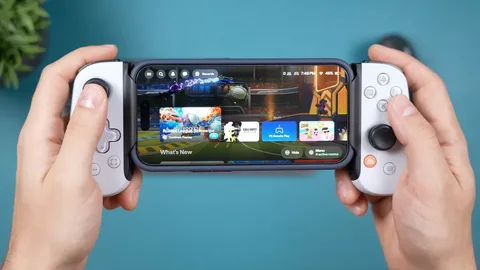
Gaming has evolved far beyond simple consoles and home setups. Today, immersive experiences, multiplayer competitions, and interactive entertainment are shaping the way people enjoy games. Gamezstaion is at the forefront of this transformation, providing an all-in-one solution that brings high-quality gaming directly to your location. Whether you are planning a birthday party, school event, corporate gathering, or weekend entertainment, Gamezstaion delivers an unforgettable experience.
What is Gamezstaion?
Gamezstaion is a mobile gaming service designed to bring the excitement of a gaming arena directly to your doorstep. It typically includes:
- Modern consoles such as Xbox and PlayStation
- High-definition screens for crystal-clear visuals
- Immersive sound systems to enhance gameplay
Interactive multiplayer setups for social gaming
The service transforms ordinary events into fully interactive experiences, giving players the thrill of professional gaming in the comfort of their chosen venue.

Who Can Benefit from Gamezstaion?
Gamezstaion is designed for a wide range of audiences:
- Kids and Teens: Ideal for birthday parties, school events, and social gatherings. Children love the immersive experience, competitive gameplay, and social interaction.
- Adults: Perfect for casual competitions, corporate events, and team-building activities. Adults can enjoy friendly competitions or simply relive their favorite childhood games.
- Families: Gamezstaion encourages family bonding through multiplayer games that appeal to different ages and skill levels.
This versatility makes Gamezstaion suitable for nearly any event where fun and interaction are desired.
Why Choose Gamezstaion?
1. Convenience
One of the biggest advantages of Gamezstaion is convenience. There’s no need to rent a separate venue or worry about setting up complicated gaming systems. The service comes to you, fully equipped and ready to go. This is particularly helpful for busy parents, event planners, or anyone organizing a party.
2. High-Quality Gaming Setup
Gamezstaion provides a professional setup that rivals commercial gaming centers. Features often include:
- Multiple high-performance consoles
- HD screens with large displays
- Advanced surround sound systems
Comfortable seating and interior arrangements
This ensures that everyone enjoys a premium gaming experience without any compromises.
3. Interactive Social Gaming
Gamezstaion encourages social interaction among players. Multiplayer setups allow guests to compete or cooperate in real-time, promoting teamwork, friendly competition, and engagement. Unlike solo gaming at home, this environment makes gaming a shared, exciting experience.
4. Variety of Games
Gamezstaion offers a wide selection of games catering to different tastes and ages. Options typically include:
- Sports Games: FIFA, NBA, and other popular sports titles
- Racing Games: Fast-paced, adrenaline-pumping competitions
- Adventure and Action Games: Multiplayer action, story-driven quests, and open-world games
- Creative Games: Minecraft, Roblox, and sandbox-style games that encourage creativity and collaboration
The variety ensures that there’s something for everyone, keeping all guests entertained throughout the event.
Perfect for Any Event
Gamezstaion is not limited to birthday parties. Its flexibility makes it suitable for a wide range of events:
Corporate Events: Encourage team-building through friendly competitions and multiplayer challenges.
Family Gatherings: Offer a unique entertainment option that appeals to all ages.
Weekend Hangouts: Host an interactive gaming session with friends for a fun and memorable weekend.
Planning Your Gamezstaion Event
Step 1: Book in Advance
Weekends and holidays are the busiest times for Gamezstaion bookings. Reserve your preferred date early to ensure availability.
Step 2: Decide the Venue
Gamezstaion setups can be mobile, bringing equipment directly to your location. Make sure the venue has adequate space for the setup and safe access for the vehicle or equipment.
Step 3: Select Games and Packages
Choose games that fit the interests and age range of your guests. Many providers offer customizable packages with optional themes, game selections, and additional features.
Step 4: Organize Tournaments or Challenges
Adding mini-competitions or team challenges can enhance the experience, encouraging friendly rivalry and more engagement among participants.
Step 5: Provide Snacks and Breaks
Even the most dedicated gamers need breaks. Prepare snacks, drinks, and rest areas to keep energy levels high.
Step 6: Capture the Moment
Take photos or videos of the event to preserve memories. Many Gamezstaion setups are visually impressive, with colorful lighting and dynamic setups that make great backdrops.
Benefits of Choosing Gamezstaion
- Stress-Free Planning: The service handles setup, supervision, and technical issues.
- Memorable Experience: Guests enjoy a unique, immersive, and interactive gaming environment.
- Safety and Supervision: Professional staff ensures smooth operation and safe gameplay.
- Flexibility: Suitable for all ages, group sizes, and event types.
- Cost-Effective: Includes all equipment, supervision, and setup in one package, saving money compared to renting a venue and buying equipment separately.
Why Gamezstaion is Popular
The combination of convenience, entertainment, and social interaction makes Gamezstaion increasingly popular. Parents, schools, and corporate planners are recognizing the value of offering immersive, interactive, and safe entertainment that appeals to a wide audience.
Final Thoughts
Gamezstaion is more than just gaming—it’s an experience. It brings convenience, high-quality equipment, social engagement, and fun directly to your location. Whether it’s a birthday party, school function, corporate event, or family gathering, Gamezstaion guarantees an unforgettable experience that guests of all ages will love. By choosing Gamezstaion, you are investing in hours of fun, interaction, and memories that will last long after the games end.
Author


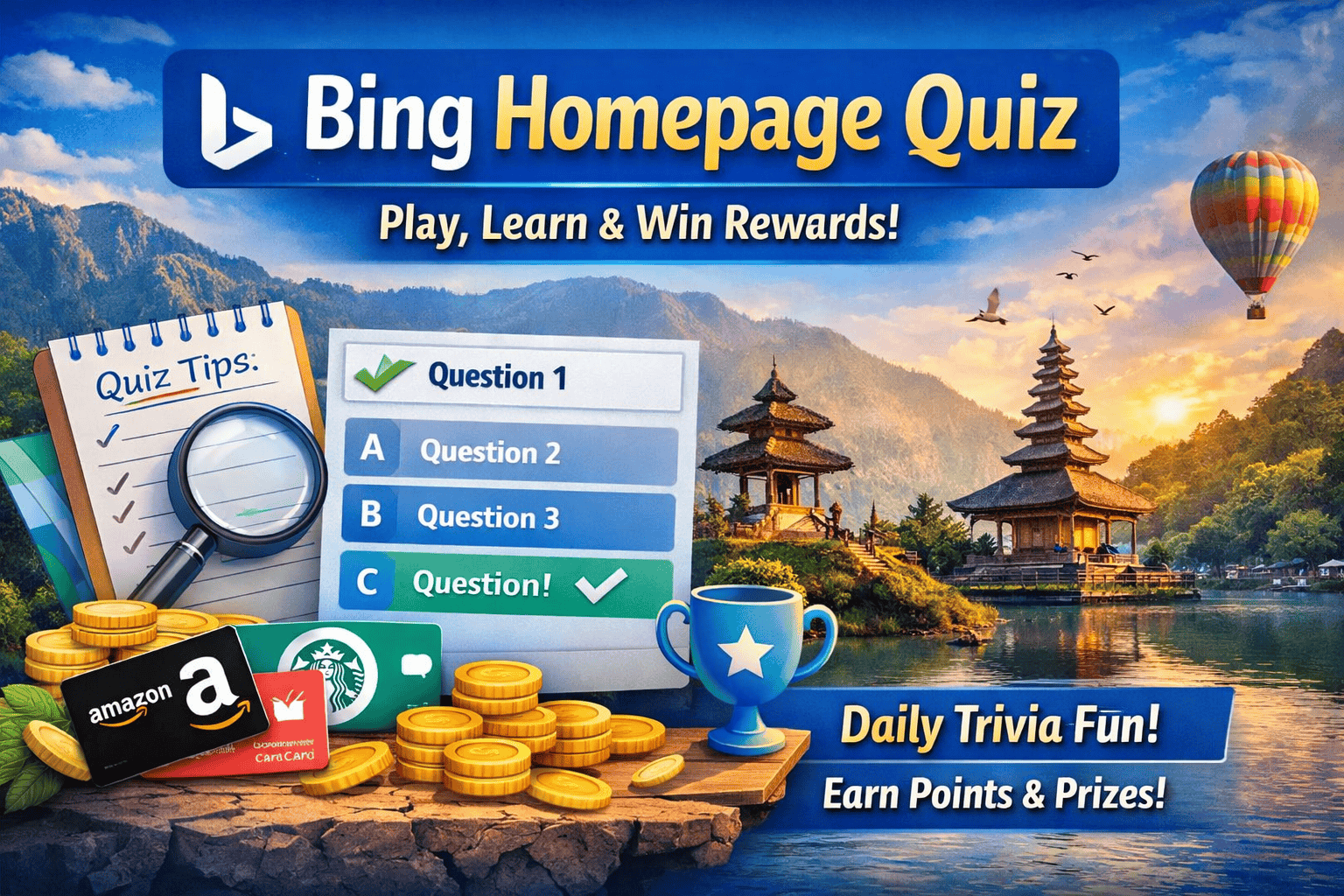
The Bing Homepage Quiz has quickly become one of the most engaging daily activities for users who enjoy testing their knowledge while exploring the world. Featured directly on the Bing homepage, this interactive quiz combines stunning visuals with trivia questions, making it both entertaining and educational. Whether you are a casual internet user or a trivia enthusiast, the Bing Homepage Quiz offers a simple yet rewarding experience that keeps millions coming back every day.
How the Bing Homepage Quiz Works
The concept behind the Bing Homepage Quiz is straightforward but powerful. Each day, Bing showcases a beautiful background image on its homepage bing.com, often highlighting unique locations, historical events, or fascinating natural wonders. Alongside this image, users can participate in a short quiz that typically includes three questions related to the featured topic.
The accessibility of the Bing Homepage Quiz explains much of its popularity. You do not need to download apps or sign up to get started. Anyone visiting the Bing homepage can instantly take part in the quiz. For users logged into their Microsoft account, the experience becomes even more rewarding. They can earn Microsoft Rewards points for correct answers.
You can later redeem these points for gift cards, donations, or other exciting perks. This adds an extra layer of motivation for every player. The quiz involves more than just answering questions correctly. It is also about discovery. Each question often includes additional context or links. These resources allow users to dive deeper into the topic.
This approach transforms a simple quiz into a learning journey. It makes the experience ideal for students, professionals, and anyone curious about the world. The range of topics covers geography, history, science, and pop culture. This variety ensures that you always have something new to explore.
Tips to Win the Bing Homepage Quiz
The user-friendly design also makes the Bing Homepage Quiz stand out. Microsoft built a clean, intuitive, and visually appealing interface. The creators wrote short and engaging questions. The system displays the results instantly. This speed makes it easy to play during a quick break.
For those looking to improve their chances of getting all answers correct, paying close attention to the homepage image and reading the related descriptions can be very helpful. Often, the clues are subtly embedded in the content provided by Bing. Over time, regular players start recognizing patterns and improving their general knowledge, which makes the quiz even more enjoyable and rewarding.
Why the Bing Homepage Quiz Is So Popular
The Bing Homepage Quiz is more than just a daily trivia game. It combines education, entertainment, and rewards in a seamless experience that appeals to users of all ages. Its simplicity, coupled with the opportunity to earn rewards and learn new facts every day, makes it a standout feature on the Bing platform.
One of the biggest reasons for the popularity of the Bing Homepage Quiz is its accessibility. There is no need for downloads or sign-ups to get started. Anyone visiting the Bing homepage can instantly take part in the quiz. For users logged into their Microsoft account, the experience becomes even more rewarding, as they can earn Microsoft Rewards points for correct answers. These points can later be redeemed for gift cards, donations, or other exciting perks, adding an extra layer of motivation.
The quiz is not just about answering questions correctly; it is also about discovery. Each question often comes with additional context or links that allow users to dive deeper into the topic. This transforms a simple quiz into a learning journey, making it ideal for students, professionals, and anyone curious about the world. From geography and history to science and pop culture, the range of topics covered ensures that there is always something new to explore.
FAQs
What is the Bing Homepage Quiz?
The Bing Homepage Quiz is a daily trivia game available on the Bing homepage where users answer questions based on the featured image and topic of the day.
Is the Bing Homepage Quiz free to play?
Yes, the Bing Homepage Quiz is completely free to play and accessible to anyone visiting the Bing website.
Can I earn rewards from the Bing Quiz?
Users who are signed into their Microsoft account can earn Microsoft Rewards points by participating and answering questions correctly.
How many questions are in the Bing daily quiz?
Typically, the Bing Homepage Quiz includes three questions each day, focusing on the daily homepage theme.
Do I need to sign up to play the quiz?
You can play the quiz without signing up, but you need a Microsoft account to earn rewards points.
How can I improve my quiz score?
Pay attention to the homepage image, read related information, and play regularly to improve your knowledge and accuracy.
Author



CNC Tools in Modern Manufacturing: Benefits & Future Trends

Avoid Costly Document Mistakes with Professional Notary Services

Mini vs Full Tummy Tuck: Complete Guide Islamabad

Formulation Development in 2026: Drug Delivery Innovations

Luxury RV Resorts Texas vs Standard RV Parks: The Difference?

Best Hair Transplant Clinic in Pakistan – JJ Aesthetics

Essentials Tracksuit UK Guide: Styles, Fits, Colors & Buying Tips

Working Capital Finance: Guide for MSMEs, Types & Benefits

Beard Hair Transplant: Procedure, Benefits And Recovery

Corteiz Cargos Official Store: Streetwear Style & Sustainability

Cybersecurity Consulting Company SequelNet Provides Critical IT Support Services to Medical Billing Firm, Medical Optimum

Team Communication Software Transforms Operations at Finance Innovate

Project Management Tool Transforms Long Island Business

How Alleviate Poverty Utilized IPPBX’s All-in-One Solution to Transform Lives in New York City

Breast Cancer: The Imperative Role of Mammograms in Screening and Early Detection

Unstoppable Collaboration: D.C.’s Citi Open and Silicon Valley Classic Unite to Propel Women’s Tennis to New Heights

Embracing Renewal: Sizdabedar Celebrations Unite Iranians in New York’s Eisenhower Park

The Benefits of Starting a Side Hustle for Financial Freedom

New Blood Donation Screening Questions What You Need to Know

Stylishly Timeless: The 5 Types of Sandals You Need in Your Closet
-

 Business3 years ago
Cybersecurity Consulting Company SequelNet Provides Critical IT Support Services to Medical Billing Firm, Medical Optimum
-
Business3 years ago
Team Communication Software Transforms Operations at Finance Innovate
-
Business3 years ago
Project Management Tool Transforms Long Island Business
-
Business3 years ago
How Alleviate Poverty Utilized IPPBX’s All-in-One Solution to Transform Lives in New York City
-
health3 years ago
Breast Cancer: The Imperative Role of Mammograms in Screening and Early Detection
-
Sports3 years ago
Unstoppable Collaboration: D.C.’s Citi Open and Silicon Valley Classic Unite to Propel Women’s Tennis to New Heights
-
Art /Entertainment3 years ago
Embracing Renewal: Sizdabedar Celebrations Unite Iranians in New York’s Eisenhower Park
-
Finance3 years ago
The Benefits of Starting a Side Hustle for Financial Freedom







