
health
Discover the Best Sleeping Position


In a world filled with stress and uncertainty, anxiety has become a prevalent concern affecting countless individuals. While various strategies exist to manage anxiety, one often overlooked aspect is the impact of sleep and the position in which we rest our bodies. In this article, we explore the best sleeping position for anxiety, providing insights to help you achieve a restful night’s sleep and alleviate anxiety symptoms. By understanding the connection between sleep and anxiety and optimizing your sleep posture, you can unlock the key to improved well-being and tranquility.
Back Sleeping: The Gateway to Serenity
Sleeping on your back, also known as the supine position, is widely regarded as the best sleeping position for anxiety. This posture allows for a neutral spinal alignment, reducing the risk of muscle tension and discomfort. Moreover, back sleeping promotes unrestricted breathing, ensuring optimal airflow and oxygenation. Deep, controlled breaths can help calm the nervous system, ease anxiety, and induce relaxation.
However, it’s essential to find the right pillow to maintain proper support for the neck and head. A pillow of medium thickness that adequately supports the natural curvature of the spine is recommended for back sleepers.
Side Sleeping: Embrace Comfort and Security

For those who find solace in a side-sleeping position, it’s crucial to choose the appropriate side to maximize anxiety relief. Sleeping on the left side is often recommended, as it can improve digestion, reduce acid reflux, and promote better heart health. By alleviating potential physical discomfort, left-side sleeping creates a more relaxed state, ultimately aiding in anxiety reduction.
When side sleeping, it’s advisable to use a pillow that provides ample support to the head, neck, and shoulders, ensuring proper alignment of the spine. Placing a pillow between the knees can further enhance comfort and alignment, reducing pressure on the hips and lower back.
Stomach Sleeping: Proceed with Caution
Sleeping on your stomach, also known as the prone position, is generally not recommended for anxiety sufferers. While it may provide temporary relief by creating a sense of containment, stomach sleeping can strain the neck and spine, leading to discomfort and potential long-term issues. However, if you find stomach sleeping to be the most comfortable position for you, using a soft, supportive pillow or opting for a specialized pillow designed for stomach sleepers may help reduce strain.
Combining Positions: Personalizing Your Sleep Experience
Discovering the best sleeping position for anxiety may involve a combination of positions that work best for your individual needs. Experimenting with different combinations, such as using a body pillow or strategically placing pillows for added support, can help create a customized sleep environment that maximizes relaxation and minimizes anxiety. It’s important to listen to your body and find the combination of positions that offers the greatest comfort and tranquility.
Additional Tips for a Restful Night’s Sleep
Optimizing your sleep routine goes beyond finding the perfect sleeping position for anxiety. Consider implementing the following tips for a more restful night’s sleep:
- Establish a consistent sleep schedule and prioritize a regular bedtime routine.
- Create a sleep-conducive environment by minimizing noise, light, and distractions.
- Invest in a comfortable and supportive mattress and pillows tailored to your preferred sleep position.
- Engage in relaxation techniques before bed, such as deep breathing exercises or meditation.
- Limit caffeine and electronic device use in the hours leading up to bedtime.
Remember, finding the best sleeping position for anxiety is a personal journey that may require some trial and error. It’s always beneficial to consult with a healthcare professional or sleep specialist who can provide tailored advice based on your specific needs.
In conclusion, optimizing your sleep posture can have a significant impact on anxiety reduction and overall sleep quality. By understanding the connection between sleep and anxiety and experimenting with different sleeping positions, you can unlock the secret to a restful slumber and enhanced well-being. So, tonight, embark on your quest for tranquility, find your perfect sleeping position, and embrace the transformative benefits of a good night’s sleep.
Author

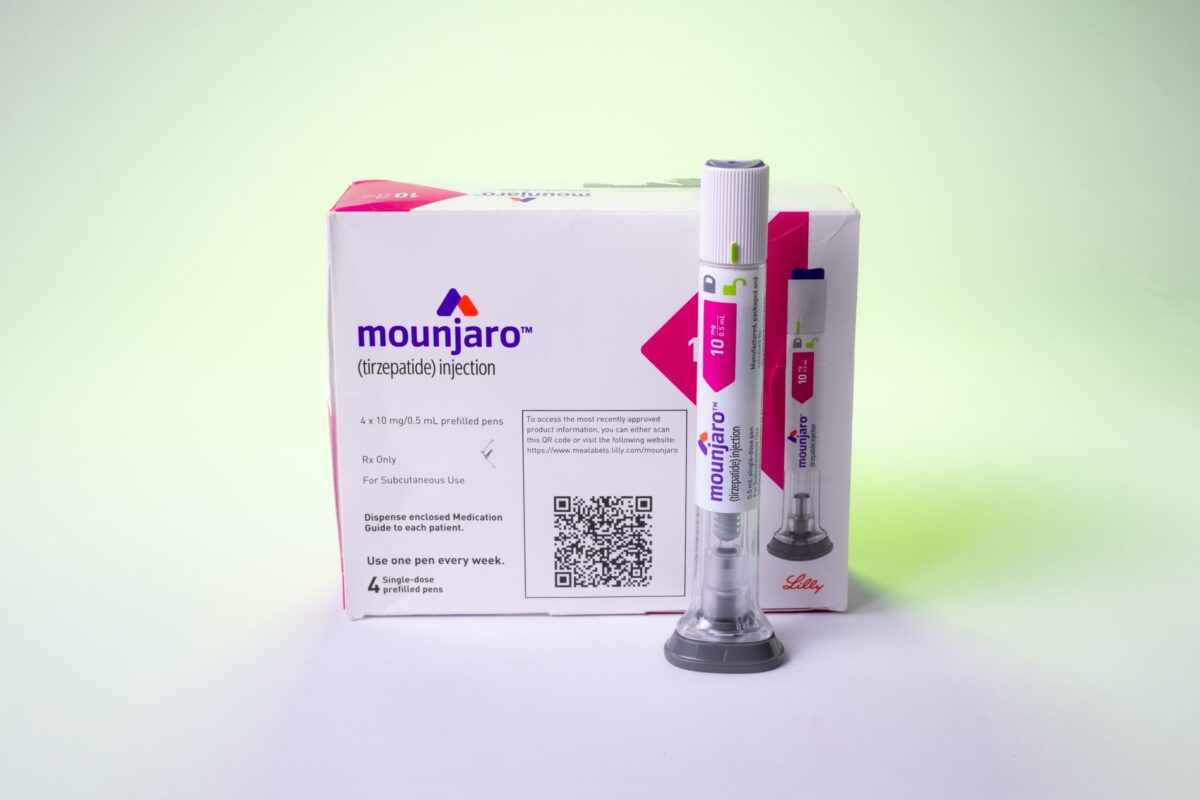
For individuals exploring advanced weight loss treatments, Mounjaro in Islamabad has gained significant attention as an effective and medically supervised option. Despite its growing popularity, there are many misconceptions surrounding this treatment. Understanding the difference between myths and facts is essential for making informed decisions about your health and weight management journey. This guide will clarify common misunderstandings and present the reality of how Mounjaro works.
What is Mounjaro Injection?
Mounjaro is a prescription injectable medication that belongs to the GLP-1 receptor agonist class. It works by mimicking a natural hormone responsible for regulating appetite, insulin secretion, and blood sugar levels. By reducing hunger and increasing feelings of fullness, Mounjaro helps individuals manage calorie intake and achieve sustainable weight loss.
Beyond weight reduction, it also supports metabolic health, making it a comprehensive solution for individuals dealing with obesity, insulin resistance, or difficulty losing weight through traditional methods.
Top Alternatives to Mounjaro Injection
1. Wegovy (Semaglutide)
Wegovy is considered one of the most effective alternatives to Mounjaro. It works by mimicking the GLP-1 hormone, helping reduce appetite and increase feelings of fullness. Clinical studies show that Wegovy can achieve significant weight loss, often close to Mounjaro when combined with proper lifestyle support.
It is administered as a weekly injection, making it convenient for many users. While it may not always match Mounjaro’s dual-action benefits, it remains a strong and widely used option.
2. Ozempic (Semaglutide)
Ozempic contains the same active ingredient as Wegovy but is primarily prescribed for managing type 2 diabetes. It is also commonly used off-label for weight loss due to its appetite-suppressing effects.
Like Mounjaro, Ozempic is injected weekly and helps regulate blood sugar levels while supporting gradual weight reduction. It is often chosen by individuals who need both weight management and diabetes control.
3. Saxenda (Liraglutide)
Saxenda is another GLP-1 receptor agonist that helps control appetite and promote weight loss. Unlike Mounjaro and Wegovy, Saxenda requires daily injections, which may be less convenient for some users.
Clinical data shows that Saxenda can lead to moderate weight loss, typically around 5–10% of body weight over time.
Although it may be less potent than newer medications, it remains a reliable option for many patients.
4. Zepbound (Tirzepatide)
Zepbound is one of the closest alternatives to Mounjaro because it contains the same active ingredient, tirzepatide. It works in a similar way by targeting both GLP-1 and GIP receptors and is also administered weekly.
This makes Zepbound an excellent option for individuals looking for similar results to Mounjaro, particularly in terms of appetite suppression and metabolic improvement.
5. Orlistat
Orlistat is a non-injectable alternative that works differently from GLP-1 medications. It blocks the absorption of dietary fats in the digestive system, helping reduce calorie intake.
While it is less effective than injectable options, typically producing modest weight loss, it may be suitable for individuals who prefer oral medication.
Common Myths and Facts About Mounjaro
Myth 1: Mounjaro is Only for Weight Loss
Fact:
While Mounjaro is widely used for weight management, its benefits extend beyond weight loss. It improves insulin sensitivity, regulates blood sugar levels, and supports overall metabolic health. This makes it beneficial for individuals with metabolic concerns as well.
Myth 2: It Works Instantly
Fact:
Mounjaro is not a quick-fix solution. It promotes gradual and steady weight loss over time. Most individuals start noticing changes in appetite within a few weeks, but significant results require consistency and patience.
Myth 3: No Lifestyle Changes Are Needed
Fact:
Although Mounjaro helps reduce appetite, it works best when combined with a healthy lifestyle. Balanced nutrition, regular exercise, proper sleep, and stress management play a vital role in achieving long-term success.
Myth 4: Mounjaro is Unsafe
Fact:
When used under professional supervision, Mounjaro is considered safe for most adults. Like any medication, it may have mild side effects, but serious complications are rare when guidelines are followed.
Myth 5: It Causes Extreme Side Effects
Fact:
Most users experience only mild side effects such as nausea or digestive discomfort during the initial phase. These symptoms typically improve as the body adapts to the medication.
Myth 6: Results Are Permanent Without Effort
Fact:
Maintaining results requires ongoing healthy habits. While Mounjaro helps achieve weight loss, long-term success depends on lifestyle choices such as diet and physical activity.
How Mounjaro Actually Works
- Appetite Control: It reduces hunger signals, making it easier to consume fewer calories.
- Satiety Enhancement: It increases the feeling of fullness after meals.
- Blood Sugar Regulation: It helps maintain stable glucose levels.
- Metabolic Support: It improves how the body processes and utilizes energy.
This multi-faceted approach makes it more effective compared to traditional weight loss methods alone.
Benefits of Mounjaro Injection
Understanding the facts helps highlight the real benefits of Mounjaro:
- Sustainable and gradual weight loss
- Improved metabolic function
- Better blood sugar control
- Reduced risk of obesity-related conditions
- Increased energy levels
- Enhanced overall well-being
These benefits make Mounjaro a comprehensive treatment rather than just a weight loss solution.
Who Should Consider Mounjaro?
Mounjaro is suitable for adults who are overweight or obese, especially those who have not achieved results with diet and exercise alone. It is also beneficial for individuals with metabolic concerns such as insulin resistance or prediabetes.
However, it is essential to consult a healthcare provider before starting treatment. A personalized assessment ensures that the treatment is safe and appropriate for your specific needs.
Tips to Get the Best Results
To maximize the effectiveness of Mounjaro, consider the following:
- Follow your prescribed dosage and schedule
- Maintain a balanced and nutrient-rich diet
- Engage in regular physical activity
- Stay hydrated throughout the day
- Get adequate sleep
- Manage stress effectively
Combining these habits with Mounjaro enhances both short-term and long-term results.
Safety and Side Effects
Mounjaro is generally well-tolerated, but some mild side effects may occur, especially at the beginning of treatment:
- Nausea
- Mild digestive discomfort
- Reduced appetite
- Headache
These effects are usually temporary. If you experience severe or persistent symptoms, it is important to seek medical advice promptly.
Conclusion
Understanding the truth behind common myths is essential when considering any medical treatment. Mounjaro in Islamabad stands out as a safe, effective, and comprehensive solution for weight management and metabolic health when used under professional supervision. By separating myths from facts, individuals can make informed decisions and approach their weight loss journey with confidence.
For those seeking expert guidance and personalized treatment plans, SKN Cosmetics is a trusted clinic offering advanced solutions and professional care. Visit SKN Cosmetics to learn more and begin your journey toward better health.
Author



In the world of clinical diagnostics, accuracy is not just about the quality of the laboratory; it is also about the timing of the test. For those seeking an STD test Dubai, understanding when to get screened is as critical as the screening itself. In our clinical experience, the most common concern patients have is whether they are testing too early or too late after a potential exposure. Navigating the “window period” with professional guidance ensures that your results are medically definitive and provide the total peace of mind you deserve.
Defining the Window Period for an STD Test Dubai
A sexual health screening is a snapshot of your biological status at a specific moment. However, pathogens take time to multiply or for the body to produce a measurable immune response. This duration is known as the “window period.” An STD test Dubai utilizes high-sensitivity assays designed to detect these markers as early as possible, but testing before the window closes can result in a false negative.
Modern diagnostics in 2026 have significantly shortened these timeframes. By using molecular-based testing rather than traditional cultures, clinicians can identify infections much sooner. Understanding these timelines is a key part of a sophisticated health strategy, allowing you to manage your wellness with precision rather than guesswork.

How an STD Test Dubai Works with Biological Timelines
The mechanism of modern diagnostics involves searching for different markers depending on the age of the infection. In the earliest stages, a laboratory looks for the DNA or RNA of the pathogen using Polymerase Chain Reaction (PCR) technology. This method is highly effective for early detection because it identifies the virus or bacteria itself before your immune system has even begun to react.
As the infection progresses, the focus of the STD test Dubai shifts toward antigens and antibodies. Antigens are foreign substances from the pathogen, while antibodies are proteins your body produces to fight the invader. What patients typically report during recovery—the short period spent waiting for their digital results—is that the transition from a “possible exposure” to a “verified result” is much faster thanks to 4th-generation testing that can detect both antigens and antibodies simultaneously.
The Purpose of Accurate Timing in Screenings
The primary reason for following specific timing protocols is to ensure diagnostic integrity. Testing too soon after an encounter may not provide the laboratory with enough biological material to produce a positive result, even if an infection is present. A professional STD test Dubai appointment includes a consultation where a clinician helps you determine the “Day Zero” of your timeline to schedule your screen for maximum accuracy.
Beyond accuracy, the purpose of timed testing is to prevent a false sense of security. By waiting for the appropriate window to close, you ensure that a negative result is a true reflection of your health. This allows you to move forward in your personal life with total transparency and the confidence that you are not unknowingly carrying a “silent” infection.
Key Benefits of Timed Clinical Screening
-
Minimized False Negatives: Testing at the optimal biological peak for the highest reliability.
-
Early Detection via PCR: Identifying infections days or weeks earlier than traditional antibody tests.
-
Comprehensive Health Maps: Using different testing methodologies to cover various stages of exposure.
-
Reduced Anxiety: Knowing exactly when to test eliminates the stress of repetitive, premature screenings.
-
Expert Scheduling: Access to medical professionals who can calculate your window periods with precision.
| Pathogen Type | PCR Detection (Early) | Antibody Detection (Standard) |
| Bacterial (Chlamydia/Gonorrhea) | 7–14 Days | 2–4 Weeks |
| Viral (HIV/Hepatitis) | 10–33 Days | 4–12 Weeks |
| Syphilis | N/A | 3–6 Weeks |
Ideal Candidates for Precision Timing
In our clinical experience, we recommend that anyone who has had a specific concern or a “barrier failure” speak with a clinician immediately. Ideal candidates for precision-timed testing include individuals who are tracking a specific potential exposure or those who work in high-performance fields where they need a “test of cure” after a previous treatment.
Even if you have no symptoms, if you are planning to enter a new relationship, an STD test Dubai timed appropriately ensures that you are starting that chapter with a clean bill of health. Being proactive about the timing of your health checks is a hallmark of a responsible, modern lifestyle.
The Step-by-Step Procedure at the Clinic
The process is designed to be efficient, supportive, and grounded in medical science.
-
Timeline Consultation: A private discussion to establish the date of potential exposure and determine the best testing window.
-
Sample Collection: A trained phlebotomist or nurse collects blood or urogenital samples in a sterile, private environment.
-
Molecular Lab Analysis: Samples are processed using DNA amplification to catch infections at their earliest detectable stage.
-
Pathological Verification: A lead specialist reviews the data to ensure the results align with the established timeline.
-
Digital Result Delivery: You receive your encrypted report via a secure portal, usually within 24 to 72 hours.
Primary Target Zones for Pathogen Detection
A thorough screening targets the most clinically significant areas based on your timeline. This involves systemic viral markers and localized bacterial DNA. The most common pathogens targeted in a professional STD test Dubai include:
-
HIV (I & II) Duo Testing: Combining antigen and antibody detection.
-
Hepatitis B & C: Identifying viral loads and immune responses.
-
Chlamydia & Gonorrhea: Using PCR for rapid, early-stage detection.
-
Syphilis (Treponemal Assays): Mapping the body’s long-term immune memory.
Factors Involved in the Timing and Testing Process
While we do not disclose specific costs, the value of the screening is directly linked to the technology used to shorten the window period. Using 4th-generation assays and DNA-based PCR amplification allows for earlier detection than older, culture-based methods. These “high-value” diagnostics are the preferred choice for those who require immediate clarity and medical-grade certainty.
Recovery Timeline and Result Delivery
There is no physical recovery period required after these tests, as the procedures are minimally invasive. Most patients return to their daily routine immediately. The timeline for the results is as follows:
-
Day 1: Sample collection and laboratory intake.
-
Day 2: DNA amplification and viral marker analysis.
-
Day 3: Final verification and release of the digital report.
If you are testing early in the window period, our clinical experts may suggest a “confirmatory” STD test Dubai a few weeks later to ensure that the initial results remain stable as your immune system matures.
Safety Standards and Potential Side Effects
The safety of a clinical screening is absolute. The only physical side effect is the possibility of a minor, temporary bruise from a blood draw. From a medical perspective, safety is maintained through the use of sterile equipment and high-level data encryption. Choosing a licensed medical center ensures that your samples are handled according to the strictest international diagnostic protocols.
How to Maintain Your Health Post-Testing
Receiving your results is a snapshot of your status relative to your timeline. To maintain your health, we suggest a proactive approach: regular testing every 6 to 12 months and consistent use of protection. If a result is positive, the maintenance phase involves completing your treatment and scheduling a follow-up STD test Dubai to confirm that your system is entirely clear.
Conclusion
Understanding the nuances of timing is what separates a routine check-up from a high-tier medical diagnostic. While the science of window periods can seem complex, the clinical process is designed to be simple, fast, and supportive. At Tajmeels Clinic, we focus on providing a premium environment where your privacy is respected and your health is managed by experts. Taking control of your status with the right timing today allows you to live your life with total confidence and peace of mind.
Author



Orthodontic treatment is a highly effective way to improve tooth alignment, bite balance and overall oral health. One of the first questions patients ask before starting treatment is how long the process will take. While it would be reassuring to have a fixed answer, orthodontic timelines vary significantly from person to person. Treatment duration depends on individual dental needs, growth patterns and the type of appliance used.
Understanding how orthodontic treatment works, what influences its length and what to expect at each stage helps patients feel informed and confident. With realistic expectations and the right professional guidance, the orthodontic journey becomes far more manageable and rewarding.
What Is the Average Length of Orthodontic Treatment?
On average, orthodontic treatment lasts between 18 and 24 months. This timeframe applies to many common cases involving moderate crowding or bite issues. However, some patients may complete treatment in as little as 12 months, while others may require closer to 30 months or more.
The concept of an “average” simply reflects a broad range of cases. Teeth need time to move safely through bone, and the surrounding tissues must adapt gradually. Rushing treatment can increase the risk of discomfort, instability or relapse. This is why orthodontic care focuses on long-term success rather than speed alone.

Key Factors That Affect Orthodontic Treatment Time
Several important factors influence how long orthodontic treatment usually takes. These variables are assessed during the initial consultation and reviewed throughout treatment.
Key factors include:
- Severity of tooth misalignment or bite problems
- Jaw growth and skeletal relationships
- Age at the start of treatment
- Type of orthodontic appliance selected
- Patient compliance with instructions
For example, mild spacing may require minimal correction, while complex bite discrepancies involving jaw imbalance often take longer. In some cases, patients first seek care due to pain or appliance damage, sometimes visiting an emergency dentist in Durham, where underlying alignment issues are identified before orthodontic referral.
Treatment Duration by Orthodontic Appliance
Different orthodontic appliances are designed to address different types of dental issues, and this can affect treatment length.
| Appliance Type | Typical Treatment Time |
| Metal braces | 18–24 months |
| Ceramic braces | 18–24 months |
| Clear aligners | 12–24 months |
| Functional appliances | Varies by growth stage |
Clear aligners may offer shorter treatment times for mild to moderate cases when worn as directed. Fixed braces are often used for more complex movements that require precise control. An orthodontist Durham will recommend the most suitable appliance based on effectiveness rather than speed.
Does Age Impact Orthodontic Treatment Length?
Orthodontic treatment can be successful at any age, but biological factors may influence how efficiently teeth move.
- Children: Early orthodontic care may focus on guiding jaw growth rather than moving teeth extensively. Treatment may be shorter or delivered in phases.
- Teenagers: Teenagers often respond well to treatment because jaw growth is still ongoing. Many complete treatment within the average time range.
- Adults: Adult treatment can take slightly longer as the jawbone is fully developed. However, modern orthodontic techniques ensure predictable and stable results.
Regardless of age, good planning and compliance play a greater role in treatment duration than age alone.
The Role of Patient Compliance
Patient cooperation is one of the most significant factors affecting orthodontic treatment time. Even the best treatment plan relies on consistent effort from the patient.
Important compliance factors include:
- Wearing aligners for the recommended number of hours
- Attending appointments as scheduled
- Maintaining excellent oral hygiene
- Avoiding foods that damage braces
Missed appointments or repeated appliance breakages can slow progress considerably. In some situations, ongoing appliance issues may require visits to an emergency dentist in Durham, temporarily interrupting orthodontic progress and extending treatment duration.
Why Orthodontic Treatment Sometimes Takes Longer Than Expected
Delays in orthodontic treatment are not uncommon and are usually caused by avoidable factors. Understanding these helps patients stay on track.
Common reasons for extended treatment include:
- Poor aligner wear compliance
- Frequent bracket or wire breakages
- Missed or postponed appointments
- Gum inflammation or tooth decay
When dental health issues arise during treatment, orthodontic adjustments may pause until problems are resolved. This highlights the importance of oral hygiene and early professional advice when concerns appear.
Can Orthodontic Treatment Be Completed Faster?
Advances in orthodontic technology have improved efficiency and predictability, but safety and stability remain priorities. Accelerated treatment options may be appropriate for some patients, but they are not suitable for everyone.
Modern advancements include:
- Digital treatment planning
- Customised brackets and wires
- Improved aligner materials
These tools can streamline treatment, but rushing tooth movement can compromise results. Any decision to shorten treatment should be guided by an experienced orthodontist Durham, ensuring long-term stability is not sacrificed for speed.
Understanding the Stages of Orthodontic Treatment
Orthodontic treatment is delivered in stages, each contributing to the final result.
- Initial consultation and planning: Assessment, digital scans and treatment design.
- Active alignment phase: Gradual movement of teeth into healthier positions.
- Finishing and detailing: Fine adjustments to perfect alignment and bite.
- Retention phase: Use of retainers to maintain results long term.
Each stage is essential. Skipping or shortening phases increases the risk of relapse, even if teeth appear straight initially.
Setting Realistic Expectations
Orthodontic treatment is a gradual process, and progress may feel slow at times. However, noticeable changes often appear within the first few months, helping patients stay motivated.
Realistic expectations involve:
- Understanding that timelines vary
- Focusing on steady progress rather than speed
- Communicating openly with the orthodontic team
Patients who feel informed and supported are more likely to remain compliant and complete treatment on schedule.
Conclusion
There is no single answer to how much time orthodontic treatment usually takes, as every smile follows a unique path. While average treatment lasts around 18 to 24 months, factors such as case complexity, appliance choice and patient cooperation all influence the final timeline. What matters most is achieving safe, stable and lasting results rather than rushing the process. Orthodontic treatment is an investment in long-term comfort, confidence and oral health.
With personalized planning, modern techniques and professional support, patients can approach treatment with clarity and reassurance. With trusted orthodontic care available in Durham, individuals can move forward confidently, knowing their treatment timeline is carefully designed to deliver the best possible outcome for their smile.
Author



Best Japanese Used Car Exporters: 2026 Industry Analysis

Application Modernization Services: Transforming Legacy Systems

Influencer Marketing for AI Brands: Complex Tech, Drive Adoption

Mounjaro in Islamabad: Myths vs Facts, What You Need to Know

STD Test Dubai: When to Test & Understanding Window Periods

Carbide Drill Bits Care Guide: Maximize Tool Life & Performance

Gamezstaion: Mobile Gaming for Parties & Corporate Events

Laser Cutting Swindon: Precision Fabrication & Fast Turnarounds

Nursery Wickford: Choosing the Best Early Years Setting

Holiday Club Greenfield: Learning & Childcare This School Holiday

Cybersecurity Consulting Company SequelNet Provides Critical IT Support Services to Medical Billing Firm, Medical Optimum

Team Communication Software Transforms Operations at Finance Innovate

Project Management Tool Transforms Long Island Business

How Alleviate Poverty Utilized IPPBX’s All-in-One Solution to Transform Lives in New York City

Breast Cancer: The Imperative Role of Mammograms in Screening and Early Detection

Unstoppable Collaboration: D.C.’s Citi Open and Silicon Valley Classic Unite to Propel Women’s Tennis to New Heights

Embracing Renewal: Sizdabedar Celebrations Unite Iranians in New York’s Eisenhower Park

The Benefits of Starting a Side Hustle for Financial Freedom

New Blood Donation Screening Questions What You Need to Know

Stylishly Timeless: The 5 Types of Sandals You Need in Your Closet
-

 Business3 years ago
Cybersecurity Consulting Company SequelNet Provides Critical IT Support Services to Medical Billing Firm, Medical Optimum
-
Business3 years ago
Team Communication Software Transforms Operations at Finance Innovate
-
Business3 years ago
Project Management Tool Transforms Long Island Business
-
Business3 years ago
How Alleviate Poverty Utilized IPPBX’s All-in-One Solution to Transform Lives in New York City
-
health3 years ago
Breast Cancer: The Imperative Role of Mammograms in Screening and Early Detection
-
Sports3 years ago
Unstoppable Collaboration: D.C.’s Citi Open and Silicon Valley Classic Unite to Propel Women’s Tennis to New Heights
-
Art /Entertainment3 years ago
Embracing Renewal: Sizdabedar Celebrations Unite Iranians in New York’s Eisenhower Park
-
Finance3 years ago
The Benefits of Starting a Side Hustle for Financial Freedom







