
Lifestyle
Digital Nomad Life: Balancing Work and Mental Health

By

Reviewed
By Theodore Joseph

Introduction
A growing number of people are leaving fixed offices to embrace a digital nomad lifestyle, one built on location independence and remote work. Instead of a single home, they hop between countries and continents, often juggling tasks in scenic cafés or co-living hubs. The idea of traveling while working appeals to free spirits who value flexibility. Yet, behind the allure lies a real need for balance. Constant travel can strain mental health while traveling, disrupt routines, and challenge productivity.
In this article, we explore how to manage freedom and Career Demands without sacrificing well-being. We will examine how nomads keep up with projects, maintain social connections, and protect emotional health amid changing surroundings. If you crave both new horizons and a stable income, read on for practical tips that can make global roaming more fulfilling and less stressful.
What Is the Digital Nomad Lifestyle?

Image by: Yandex.com
The digital nomad lifestyle revolves around remote work, often in online freelancing or tech-based roles. People in the online gig economy provide services like programming, design, consulting, or content creation, all while moving from one place to another. Their offices could be beachside bungalows, coworking spaces, or rented apartments—anywhere with internet.
Such location independence offers immense freedom. Nomads can chase summer weather, explore different cultures, and choose environments that spark creativity. But these perks require discipline. Work must get done regardless of local festivals, new friends, or the temptation to lounge by the pool. Balancing spontaneity and responsibilities is a vital skill.
Balancing Freedom and Mental Health While Traveling

Image by: Yandex.com
Wandering the globe can be thrilling. However, unstable routines and unfamiliar settings can affect digital nomad mental wellness. Isolation may creep in if you lack consistent friendships or face language barriers. Frequent time zone switches disrupt sleep and complicate communication with clients.
To manage mental health while traveling, establish small daily rituals. Maybe it is morning yoga, journaling about your day, or a fixed bedtime. These anchors create stability amid constant change. Also, be alert to early signs of burnout. If everyday tasks begin feeling overwhelming, take a step back. Schedule rest or reach out to mental health professionals who offer online sessions.
Staying Productive on the Go

Image by: Yandex.com
Being productive in new places can challenge even the most organized person. Research reliable Wi-Fi options before you arrive. Use coworking spaces or co-living spaces for remote workers that cater to digital professionals. These spots often have a built-in remote work community, so you will find networking events and supportive peers.
Plan your day. Short to-do lists help you focus on key priorities. If you want to sightsee, finish serious tasks first, then enjoy your surroundings guilt-free. Simple routines, like setting work blocks and break times, keep distractions at bay. This approach also ensures that, despite your travels, you consistently meet your work obligations.

Work-Life Balance Tips

Image by: Yandex.com
Constantly shifting between work and travel can blur boundaries. Adopting work-life balance tips prevents burnout. Aim for defined work hours, even if they change with each new time zone. Once you clock out, resist the urge to keep checking messages. Use travel downtime—such as train rides or layovers—to catch up on smaller tasks like emails.
Health is key to lasting success. Exercise regularly, whether by exploring a local park or doing a quick routine in your accommodation. Keep a balanced diet, mixing local treats with nutritious staples. Proper sleep also helps manage stress, a concern for many nomads balancing exploration and deadlines.
Joining a Remote Work Community

Image by: Yandex.com
Humans thrive on connection, and being a nomad can feel lonely. Finding a remote work community gives you a sense of belonging. Many popular destinations have a friendly coworking culture, complete with networking sessions and group outings. Some travelers prefer co-living spaces for remote workers, where socializing is built into daily life.
Connecting with others opens doors for collaboration, skill exchange, and emotional support. If you are struggling with a project, a neighbor might offer helpful insights. Feeling homesick? A fellow nomad may relate and suggest strategies to cope. These communities are often the glue that keeps nomads balanced and motivated.
Table: Common Accommodation Options
| Option | Features | Benefits |
|---|---|---|
| Co-Living Spaces | Shared housing, communal work areas | Instant social circle, work-friendly |
| Coworking Spaces (Day Use) | Professional desks, fast Wi-Fi | Networking events, flexible memberships |
| Rental Apartments (Short-Term) | Private living space, variable Wi-Fi | Independence, personal comfort |
| Hostels with Work Amenities | Common rooms, budget-friendly stays | Social environment, cost-effective |
Stress Management for Travelers

Image by: Yandex.com
Maintaining a healthy digital nomad lifestyle means keeping stress levels in check. Frequent flights or bus rides may be exciting, but they also disrupt sleep. Jet lag and new cultural norms can lead to anxiety. Pack items that help you relax, such as a travel pillow or eye mask.
If deadlines loom, use stress management tools like meditation apps or short stretching routines. Seek local gyms or join fitness classes if possible. Physical activity releases endorphins, boosting mood and resilience. Focusing on small steps can prevent major burnout. Simple choices—like staying hydrated and eating balanced meals—can make a big difference.
Practical International Travel Tips

Image by: Yandex.com
Being prepared reduces hassles. Always keep backups of key documents like passports, visas, and insurance details. Check local regulations for working travelers, as some countries have specific visas. Tackle money matters too. Research currency conversion and consider a global bank card to avoid high transaction fees.
Learn basic local phrases. It shows respect for your host culture and simplifies daily interactions. If you are uncertain about local customs, observe how residents behave in public spaces. These international travel tips help you blend in smoothly, ensuring you can focus on work and leisure without unexpected snags.
Entrepreneurial Mindset on the Road
Many nomads are self-starters, building careers through freelance remote work. An entrepreneurial mindset on the road means staying adaptable. Technical glitches, visa complications, or sudden travel bans can appear out of nowhere. Embrace change as an opportunity to grow. Keep an eye out for collaborative projects, whether it is a joint venture with a fellow nomad or a new client you meet at a networking event.
Time management stays crucial. Break big goals into smaller tasks. Celebrate wins, no matter how minor. These moments of positivity remind you why you chose this lifestyle in the first place. Flexibility, combined with perseverance, is your best friend.
Conclusion
The digital nomad lifestyle gives you freedom to roam, Experience Cultures, and set your own hours. But location independence also presents challenges, from balancing work demands to safeguarding mental health while traveling. By using routines that fit each destination, tapping into a remote work community, and practicing self-care, you can enjoy global exploration without sacrificing well-being. Plan your travels wisely, adapt to local conditions, and remember that a steady focus on health and productivity transforms ordinary trips into lasting adventures. With care and determination, the road can truly become home.
Author

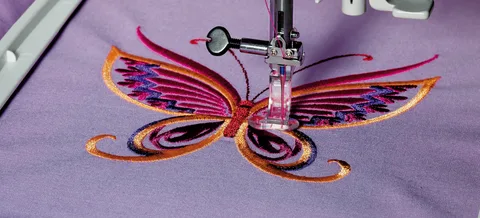
In the creative world of embroidery, turning a digital design into a perfectly stitched masterpiece requires more than just a modern machine. This is where Embroidery Digitizing Services become truly indispensable. Digitizing is the specialized process of converting artwork, logos, or illustrations into digital stitch files. These files are the only language that an embroidery machine can interpret and execute.
By utilizing a humanized approach, this process ensures that your designs do not just look good on a computer screen. Instead, experts optimize them to stitch beautifully on real-world fabrics. This includes everything from heavy denim to delicate cotton. Whether you are producing branded corporate uniforms, custom team apparel, or unique promotional products, professional digitizing is the key. It allows you to achieve high-quality results that consistently meet professional standards.
What Exactly is Embroidery Digitizing?
Embroidery digitizing is both a technical skill and a refined art form. It involves mapping out every single stitch in a design. The digitizer must guide the machine on stitch type, direction, density, and sequence. Unlike standard paper printing, embroidery faces many physical challenges. The process is heavily influenced by variables such as fabric stretch, thread tension, and material weight.
A skilled digitizer manually adjusts for these factors by carefully selecting specific elements. For instance, they must choose between satin, fill, or run stitches based on the design’s detail. They also balance stitch density to prevent “puckering” or frequent thread breaks. Furthermore, they plan the “thread flow” to minimize jumps and trims. This leads to a cleaner finish on the back of the garment. Finally, they tailor settings specifically for the substrate, such as hats, jackets, or thin t-shirts.
The Humanized Approach vs. Automated Software
Many beginners assume that software can automatically convert a JPEG into a perfect stitch file with one click. However, “auto-digitizing” features often fail miserably. They cannot account for how different fabrics behave under the pressure of a needle. In contrast, a humanized approach focuses on real-world outcomes rather than digital previews.
By manually adjusting each design, a professional digitizer ensures that fine lettering remains legible. They also make sure complex logos maintain their intended shape without distortion. This manual optimization significantly reduces machine downtime. It prevents frustrating thread breaks and delivers a professional finish that automated software simply cannot replicate. When a human eye reviews the pathing, the machine runs smoother and the final product looks more expensive.
Why Professional Digitizing Services Matter
Many people believe that modern embroidery machines are “smart” enough to fix bad files. This is rarely the case. In reality, poor digitizing leads to a host of production nightmares. You might see uneven stitching or visible gaps in the design. You could experience constant thread breaks that stop your production line. Even worse, the logo might appear distorted or “bird-nested” on the fabric.
Professional Embroidery Digitizing Services eliminate these risks. They optimize every single stitch to reduce errors and minimize rework. This is particularly vital for intricate logos where precision is critical for brand identity. High-quality digitizing ensures that your machine runs at its maximum efficiency. This saves you time, reduces wasted materials, and keeps your customers happy.
How the Professional Digitizing Process Works
Professional services follow a structured, step-by-step workflow to ensure perfection every time.
-
Artwork Evaluation: The digitizer begins by analyzing the design’s complexity. They check color gradients and the intended fabric type. If a logo is too detailed for a small area, they may suggest slight adjustments for better clarity.
-
Manual Path Mapping: Using specialized software, the digitizer manually assigns stitch directions. They choose the best stitch types for each section of the artwork.
-
Flow Optimization: The “stitch path” is carefully planned. The goal is to make the machine run as efficiently as possible. By reducing thread trims and jumps, the digitizer speeds up the production time.
-
Test Stitching: A high-end service will run the file on a sample piece of fabric. This verifies the alignment and the overall quality. If they find issues like gaps or overlaps, they make corrections immediately.
-
Final Delivery: Once the design is perfect, it is exported in machine-specific formats. Common formats include DST, PES, or EXP, which are ready for immediate production.
Key Benefits of Expert Digitizing Services
Investing in professional services offers several tangible advantages for businesses and hobbyists alike. Consistency is perhaps the greatest benefit. When you use a professionally digitized file, every garment in a large batch will look identical. This is essential for corporate branding and team uniforms.
Efficiency is another major factor. Optimized files reduce unnecessary machine wear and material waste. Moreover, the visual impact of professional work is undeniable. Precise, crisp stitches make logos “pop” and look high-end. Finally, it is a cost-effective choice. By preventing thread breaks and ruined garments, you avoid expensive rework and missed deadlines.
Common Applications for Digitized Designs
Embroidery digitizing is the backbone of various industries and personal projects. It is essential for:
-
Corporate Branding: Placing high-quality logos on polo shirts, hats, and uniforms.
-
Custom Apparel: Creating unique gear for schools, local sports teams, or community events.
-
Promotional Goods: Adding lasting value to bags, caps, and winter jackets.
-
Personalized Gifts: Crafting intricate, one-of-a-kind designs for weddings or anniversaries.
No matter the size of the project, professional digitizing ensures the result is flawless. It transforms a simple piece of clothing into a premium branded item.
Choosing the Right Digitizing Partner
When you select an embroidery digitizing partner, look beyond the cheapest price. You should consider their experience and their portfolio of past work. Check if they have specific knowledge of different machine types and fabrics. A provider that prioritizes a humanized approach will always deliver a superior product.
To get the best results, always provide high-resolution artwork to your digitizer. You should also clearly communicate the type of fabric you intend to use. Providing these details allows the expert to compensate for the “push and pull” of the material. This ensures your design remains perfectly centered and free from distortion. Good communication between the client and the digitizer always leads to a better-stitched reality.
Conclusion: Turning Artwork into Stitched Reality
Professional Embroidery Digitizing Services bridge the gap between a creative concept and a flawless physical product. By combining technical expertise with a deep understanding of textile behavior, expert digitizers turn simple artwork into stunning, durable embroidery.
Whether you are building a global brand or creating a personalized gift for a friend, high-quality digitizing ensures your work stands out. With the right digitizing partner, your creative designs are no longer just images on a screen. They become perfectly stitched realities that command attention on any fabric. Investing in this process is the best way to ensure your embroidery projects are successful, professional, and beautiful every single time.
Author



Going through a divorce feels like riding a roller coaster you never bought a ticket for. Your mind spins with endless questions, and you probably feel like you are juggling a dozen glass balls at once. We completely understand how overwhelming this season of life gets. You have big choices ahead of you, and we want to help you make them with absolute confidence. When a marriage ends, dividing up the life you built together is rarely a walk in the park. The biggest piece of that puzzle usually sits right under your feet. Yes, we are talking about your shared home.
Figuring out what to do with the family house often becomes the elephant in the room. One of you might want to stay and keep the home. Maybe you both agree it is best to sell the property and split the cash. No matter which road you choose, you need a solid starting point. You need to know exactly what the property is worth in today’s current market. That is exactly where a professional steps into the picture to lend a helping hand. At Precision Appraisal NW, we proudly serve communities across the Portland and Vancouver areas, and we want to demystify this process for you. We believe that getting the right information empowers you to protect your financial future.
Why Online Estimates Miss the Mark
In our digital age, you might feel tempted to just pull up a real estate website, type in your address, and trust the magic number that pops onto your screen. We strongly advise against taking that shortcut. Those automatic online calculators rely on basic algorithms. They do not walk through your front door. They do not notice the beautiful kitchen upgrades you finished last year, and they definitely overlook the unique charm of your specific neighborhood. When you base massive life decisions on a ballpark guess, you risk leaving serious money on the table.
Instead of guessing, you need the hard facts. This is exactly why bringing in a certified expert makes all the difference. An official Divorce appraisal removes the guesswork and replaces it with cold, hard data. We look closely at the true market value of your property and we consider recent sales in your area, the current condition of your home, and local market trends in places like Beaverton, Gresham, or Tigard. We do the heavy lifting so you do not have to worry about the intricate details.

Leveling the Playing Field
When emotions run high, disagreements easily spark over what things are actually worth. You might think the house is worth a fortune because of all the love and sweat equity you poured into it. Your spouse might see things differently. These clashing opinions can drag out legal proceedings and cause unnecessary headaches. You want to nip those arguments in the bud before they even start.
Getting a neutral outside party involved instantly levels the playing field. We do not take sides. Our only loyalty lies with the facts and the current real estate market. When you utilize divorce settlement appraisals, you secure an objective report that holds up in court. Judges, mediators, and lawyers all respect and rely on these official documents. Having this undeniable proof in your corner takes the emotional heat out of the negotiation process. You can both look at the exact same number and figure out your next steps fairly. It turns a potential battleground into a simple business transaction.
What to Expect When We Arrive
A lot of folks feel nervous about having an appraiser walk through their home. Let us put your mind at ease right now. You do not need to bake cookies or scrub the baseboards until they shine. We are not there to judge your housekeeping skills or count the dishes in your sink. We simply want to look at the bones of the house.
Our visit usually takes about forty minutes. We will walk through the rooms, take some photos, and measure the square footage and we take notes on the overall condition of the property and any major improvements you made over the years. We inspect the roof, the heating systems, and the general layout. After we finish our quick tour, we head back to our office to crunch the numbers. We compare your property to similar homes that recently sold in your part of Oregon or Washington. A few days later, we hand you a comprehensive report. It really is a piece of cake for you.
Choosing the Right Professional for Your Corner
Not all appraisers bring the same level of expertise to the table. When you navigate a complex legal situation, you need someone who truly knows the ropes. You want a certified expert who understands the unique rules and strict guidelines that courts require. Precision Appraisal NW specializes in these exact types of tricky situations. We stay completely updated on all the latest regulations, so our reports never leave you hanging in the courtroom.
Moreover, we believe communication is key. We give you a single point of contact from the very beginning all the way to the finish line. You will never feel lost in the shuffle or wonder who is handling your file. We happily answer your questions, explain our methods clearly, and make sure you understand every detail of the final report and we treat our clients like neighbors, because in the Pacific Northwest, that is exactly what you are and we pride ourselves on creating an environment completely free of stress during a naturally stressful time. We do the job right the first time around, saving you time, money, and unnecessary frustration down the road.
Building Your Next Chapter
We know you just want to turn the page and start fresh. Tying up loose ends quickly and fairly helps you do exactly that. When you possess an accurate understanding of your assets, you hold the keys to your new life. You can budget for your next place, finalize your legal agreements, and finally breathe a sigh of relief.
We take great pride in delivering timely, accurate, and completely unbiased reports and we know the local neighborhoods across Multnomah, Washington, Clackamas, and Clark counties like the back of our hands. We bring years of practical experience to your doorstep, ensuring you get a valuation you can trust completely.
Let Us Lighten Your Load
You have enough on your plate right now. Let us handle the real estate math. Precision Appraisal NW is here to guide you through this transition with professionalism, respect, and deep local expertise. We believe everyone deserves a fair shake, and we work hard to provide the clarity you need to move forward successfully.
Take a deep breath. You are going to get through this, and we are ready to help you take that crucial first step. If you live in the Portland or Vancouver regions and need an accurate home valuation, please reach out to our friendly team today. Give us a call at 503 997 1655 to get a free quote. Let us bring you the peace of mind you genuinely deserve.
Author



In the ever-evolving world of fashion, streetwear has carved out a powerful space where individuality, creativity, and comfort meet. Among the emerging names shaping this dynamic culture is Joshua Jamal, a brand that blends bold aesthetics with functional design. Known for its unique approach to casual fashion, Joshua Jamal has gained attention for delivering high-quality apparel that resonates with modern youth and fashion enthusiasts.
From statement hoodies to everyday essentials, the brand stands out particularly for its Joshua Jamal camo shorts and Joshua Jamal shorts collection, which perfectly capture the spirit of urban style. These pieces are not just clothing items—they represent confidence, identity, and a connection to contemporary street culture.
The Rise of Joshua Jamal in Streetwear Fashion
Streetwear has evolved from underground movements into a global fashion phenomenon. Brands that succeed in this space often understand the balance between authenticity and innovation. Joshua Jamal has quickly become a name associated with both.
The brand’s rise can be attributed to its focus on:
- Minimal yet bold designs
- High-quality materials
- Comfort-driven fashion
- Trend-conscious collections
Joshua Jamal doesn’t just follow trends—it interprets them in a way that feels fresh and relevant. This is especially evident in its shorts collections, which have become a staple for those seeking both comfort and standout style.

Joshua Jamal Camo Shorts: A Statement Piece
Unique Design and Aesthetic Appeal
The Joshua Jamal camo shorts are among the most iconic pieces in the brand’s lineup. Camo (camouflage) has long been associated with ruggedness and boldness, but Joshua Jamal redefines it with a modern twist.
These shorts feature:
- Contemporary camouflage patterns
- Clean stitching and finishing
- Stylish cuts that enhance fit and appearance
- Versatile color tones suitable for multiple outfits
Unlike traditional camo designs, Joshua Jamal camo shorts bring a refined urban edge that works perfectly in both casual and semi-streetwear outfits.
Comfort Meets Functionality
One of the key reasons behind the popularity of Joshua Jamal camo shorts is their comfort. Designed for everyday wear, they offer:
- Breathable fabric for hot weather
- Lightweight construction
- Flexible fit for ease of movement
- Durable material for long-lasting use
Whether you’re heading out for a casual day, a workout session, or simply relaxing, these shorts provide unmatched comfort without compromising on style.
Styling Joshua Jamal Camo Shorts
Fashion is all about expression, and Joshua Jamal camo shorts allow for versatile styling options. Here are a few ideas:
Casual Look:
Pair your camo shorts with a plain white t-shirt and sneakers for a clean, effortless vibe.
Streetwear Fit:
Combine them with an oversized hoodie and high-top sneakers to achieve a bold streetwear aesthetic.
Summer Outfit:
Match them with a tank top and slides for a relaxed summer look.
These styling options make camo shorts a must-have piece in any modern wardrobe.
Joshua Jamal Shorts Collection: Everyday Essentials
Variety and Versatility
Beyond camo, the broader Joshua Jamal shorts collection includes a variety of styles designed to suit different preferences. From neutral tones to statement designs, the brand ensures there’s something for everyone.
Key features of Joshua Jamal shorts include:
- Elastic waistbands for comfort
- Adjustable drawstrings
- Multiple pocket options
- Soft, premium fabrics
These elements make them perfect for both casual wear and active lifestyles.
Perfect for All Occasions
Joshua Jamal shorts are not limited to one type of setting. Their versatility allows them to be worn in various scenarios:
- Daily errands
- Gym sessions
- Travel outfits
- Social gatherings
This adaptability is what makes them a valuable addition to any wardrobe.
Quality and Craftsmanship
Premium Materials
Joshua Jamal emphasizes quality in every piece it produces. The shorts are made using carefully selected fabrics that ensure:
- Long-lasting durability
- Resistance to wear and tear
- Soft texture for enhanced comfort
This focus on quality ensures customers receive products that maintain their look and feel over time.
Attention to Detail
Every stitch, seam, and cut reflects the brand’s dedication to craftsmanship. From precise tailoring to modern fits, Joshua Jamal ensures each piece meets high standards.
Details such as:
- Reinforced stitching
- Smooth finishes
- Clean branding
contribute to the overall premium feel of the shorts.
Why Joshua Jamal Shorts Stand Out
Trend-Driven Yet Timeless
While many brands chase short-lived trends, Joshua Jamal manages to create designs that remain stylish over time. Their shorts combine modern aesthetics with timeless appeal, ensuring they don’t go out of fashion quickly.
Affordable Luxury
Another major advantage is affordability. Joshua Jamal offers premium-quality shorts at reasonable prices, making high-end streetwear accessible to a broader audience.
Strong Brand Identity
Joshua Jamal has successfully built a strong identity centered around:
- Confidence
- Urban culture
- Individual expression
This identity resonates with customers who want their clothing to reflect their personality.
SEO Benefits of Joshua Jamal Clothing Content
From a digital marketing perspective, content around Joshua Jamal camo shorts and Joshua Jamal shorts holds strong SEO potential. These keywords are highly relevant for:
- Streetwear enthusiasts
- Online shoppers
- Fashion bloggers
Using targeted keywords such as:
“Joshua Jamal camo shorts”
“Joshua Jamal shorts collection”
“streetwear camo shorts”
“comfortable men’s shorts fashion”
can help improve search engine rankings and attract organic traffic.
How to Choose the Right Joshua Jamal Shorts
When selecting the perfect pair of Joshua Jamal shorts, consider the following factors:
Fit
Choose a fit that matches your style—whether it’s relaxed, slim, or oversized.
Fabric
Opt for breathable materials if you’re wearing them in warm weather.
Color
Neutral colors offer versatility, while camo designs make a bold statement.
Purpose
Think about where you’ll wear them—casual outings, sports, or fashion styling.
The Future of Joshua Jamal
Joshua Jamal continues to grow as a brand, with increasing recognition in the streetwear industry. As fashion trends evolve, the brand is expected to expand its product range while maintaining its core values of quality, comfort, and style.
Future developments may include:
- Expanded apparel collections
- Collaborations with influencers
- Sustainable fashion initiatives
This growth indicates a promising future for the brand in both local and global markets.
Conclusion
Joshua Jamal has successfully positioned itself as a rising force in streetwear fashion. With a strong focus on quality, design, and comfort, the brand delivers clothing that resonates with modern consumers.
The Joshua Jamal camo shorts stand out as a bold and stylish choice, while the broader Joshua Jamal shorts collection offers versatility for everyday wear. Together, they represent a perfect blend of functionality and fashion.joshuajamal.com.co
Author



Formulation Development in 2026: Drug Delivery Innovations

Luxury RV Resorts Texas vs Standard RV Parks: The Difference?

Best Hair Transplant Clinic in Pakistan – JJ Aesthetics

Essentials Tracksuit UK Guide: Styles, Fits, Colors & Buying Tips

Working Capital Finance: Guide for MSMEs, Types & Benefits

Beard Hair Transplant: Procedure, Benefits And Recovery

Corteiz Cargos Official Store: Streetwear Style & Sustainability

Greedy Unit Streetwear: Brooklyn Fashion, Style & Collections

Standardized Reporting: Improve Workplace Safety & Compliance

Luxury Car Rental in Surat: Cars for Weddings, Events & Travel

Cybersecurity Consulting Company SequelNet Provides Critical IT Support Services to Medical Billing Firm, Medical Optimum

Team Communication Software Transforms Operations at Finance Innovate

Project Management Tool Transforms Long Island Business

How Alleviate Poverty Utilized IPPBX’s All-in-One Solution to Transform Lives in New York City

Breast Cancer: The Imperative Role of Mammograms in Screening and Early Detection

Unstoppable Collaboration: D.C.’s Citi Open and Silicon Valley Classic Unite to Propel Women’s Tennis to New Heights

Embracing Renewal: Sizdabedar Celebrations Unite Iranians in New York’s Eisenhower Park

The Benefits of Starting a Side Hustle for Financial Freedom

New Blood Donation Screening Questions What You Need to Know

Stylishly Timeless: The 5 Types of Sandals You Need in Your Closet
-

 Business3 years ago
Cybersecurity Consulting Company SequelNet Provides Critical IT Support Services to Medical Billing Firm, Medical Optimum
-
Business3 years ago
Team Communication Software Transforms Operations at Finance Innovate
-
Business3 years ago
Project Management Tool Transforms Long Island Business
-
Business3 years ago
How Alleviate Poverty Utilized IPPBX’s All-in-One Solution to Transform Lives in New York City
-
health3 years ago
Breast Cancer: The Imperative Role of Mammograms in Screening and Early Detection
-
Sports3 years ago
Unstoppable Collaboration: D.C.’s Citi Open and Silicon Valley Classic Unite to Propel Women’s Tennis to New Heights
-
Art /Entertainment3 years ago
Embracing Renewal: Sizdabedar Celebrations Unite Iranians in New York’s Eisenhower Park
-
Finance3 years ago
The Benefits of Starting a Side Hustle for Financial Freedom







