
health
The Devastating Impact of Covid-19 on Pregnant Women’s Health and Well-being


Pregnancy is undoubtedly one of the most beautiful and exciting experiences for any woman. But, as we all know, 2020 was a year that brought unprecedented challenges to humankind worldwide. The COVID-19 pandemic has been no less than a nightmare for everyone, and pregnant women are no exception. While the world was grappling with the deadly virus, expectant mothers had to fight their own battles – battling fears about their health and safety, enduring physical and emotional stress without much support or relief. Unfortunately, this global crisis has undeniably taken a toll on pregnant women’s health and wellbeing in ways that we couldn’t have imagined before. In this blog post today, let us take a deep dive into how COVID-19 has impacted pregnant women across the globe devastatingly.
The effects of Covid-19 on pregnant women
Covid-19 has had a devastating impact on pregnant women’s health and well-being. The virus has been linked to an increased risk of miscarriage, stillbirth, and preterm labor. It has also been associated with a higher incidence of maternal depression and anxiety.
Pregnant women who contract Covid-19 are at an increased risk for developing severe symptoms and requiring hospitalization. Additionally, there is a concern that the virus may be passed from mother to child during pregnancy or delivery, which could lead to neonatal infection.
The effects of Covid-19 on pregnant women’s mental health are also cause for concern. Pregnant women who have contracted the virus are at an increased risk for developing anxiety and depression. This is likely due to the stress of dealing with a potentially life-threatening illness, as well as the uncertainty surrounding the virus itself.
It is important for pregnant women to be aware of the risks posed by Covid-19, and to take steps to protect themselves and their babies. If you are pregnant, be sure to consult with your healthcare provider about the best way to stay healthy during this time.

The long-term effects of Covid-19 on pregnant women
There is still a lot unknown about the long-term effects of Covid-19 on pregnant women and their babies. However, some studies have shown that there may be an increased risk for complications such as preterm birth, low birth weight, and stillbirth. There is also a higher risk for placental abruption (when the placenta detaches from the uterine wall) and preeclampsia (high blood pressure and protein in the urine). While most pregnant women who contract Covid-19 will likely recover without any long-term effects, there is still a lot of uncertainty surrounding this virus.
The impact of Covid-19 on pregnant women’s mental health
“Covid-19 has had a devastating impact on pregnant women’s health and well-being. The virus has caused anxiety and depression in many pregnant women, and some have even experienced post-traumatic stress disorder (PTSD).
There is no doubt that the pandemic has taken a toll on pregnant women’s mental health. A recent study found that nearly one in five pregnant women in the United States reported experiencing symptoms of anxiety or depression during the pandemic. And, according to another study, one in seven pregnant women in the UK have been diagnosed with PTSD since the outbreak began.
These numbers are alarming, but not surprising. Pregnant women are among the most vulnerable people during this pandemic. They are at an increased risk of contracting the virus, and their babies are also at risk of complications from Covid-19. In addition, pregnancy itself is a stressful time, and the added stress of the pandemic can be overwhelming for many women.
If you are a pregnant woman who is struggling with your mental health, know that you are not alone. There are resources available to help you cope with the challenges of pregnancy and parenthood during this difficult time.”
What can be done to help pregnant women during the Covid-19 pandemic?
There are a number of things that can be done to help pregnant women during the Covid-19 pandemic. One is to ensure that they have access to accurate and up-to-date information about the virus and the risks it poses to them and their babies. This includes providing them with advice on how to protect themselves from infection, such as by washing their hands regularly and avoiding close contact with people who are sick.
Another important thing that can be done to support pregnant women during this time is to help them manage their stress and anxiety. This may involve providing mental health resources and information, as well as offering emotional support. Additionally, it is important to ensure that pregnant women have access to essential services and supplies, such as food and medical care.
Finally, it is crucial to advocate for the rights of pregnant women during the Covid-19 pandemic. This includes calling for fair and equitable treatment in terms of access to healthcare, paid leave, and other supports. It also means speaking out against discrimination and violence against pregnant women.
Conclusion
Covid-19 has had a devastating impact on pregnant women’s health and well-being. From the physical effects of the virus to the mental pressures of being isolated at home, pregnant women have had to face unprecedented levels of stress that can cause real harm to their own health as well as that of their unborn child. With growing awareness around the unique challenges facing pregnant women during this pandemic, it is becoming increasingly important for healthcare professionals, policy makers and communities to provide adequate resources, support and guidance so that all mothers are able to access quality care throughout pregnancy and beyond.
Author


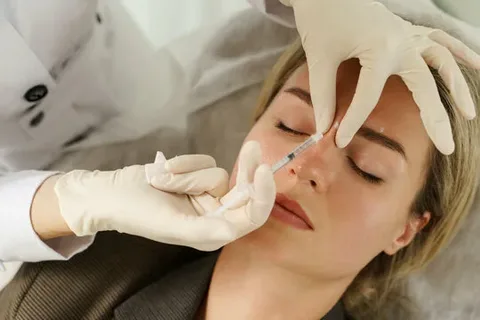
Facial aging is a natural biological process. It happens when bone density decreases and deep fat pads shift downward. At the same time, the skin loses its natural hyaluronic acid. These structural changes often cause the mid-face to look hollow. They also make the lower face appear heavier. Choosing Dermal Fillers in Dubai provides a precise, non-surgical way to fix these issues. This treatment restores lost volume and strengthens your facial framework. In this blog, we will explain how these advanced gels work to balance your features and create a healthy, refreshed look.
Understanding the Science of Dermal Fillers in Dubai
In a professional clinic, doctors do not use just one type of filler. Instead, they choose a gel based on its “G-prime” or thickness. This value tells the doctor how well the gel can hold its shape against muscle movement. Dermal Fillers in Dubai mostly use Hyaluronic Acid (HA). This substance occurs naturally in your body and can hold a lot of water. For example, doctors use a thick filler to mimic bone in the chin or cheeks. On the other hand, they use a softer gel for the lips. This choice ensures that your lips move naturally when you speak or smile.
How Tissue Volumisation Works
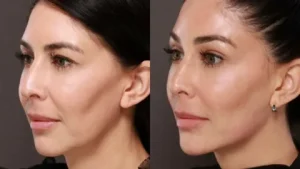
The treatment involves placing the HA gel into specific layers of the face. Doctors usually target deep fat pads or the space just under the skin. Once the gel is in place, it acts like a tiny support beam. It lifts the sagging skin and stretches the cells that produce collagen. This stretching sends a signal to your body to start making its own new collagen. Most patients notice an immediate “lift” after the session. As a result, deep lines like nasolabial folds become much smoother and less visible.
Why Dermal Fillers in Dubai are Used for Balance
Injectable therapy helps remove the shadows that make you look tired. Its main goal is to restore the “Triangle of Youth.” This is a look where the cheeks are the widest part of the face. Medical reasons for this treatment include fixing age-related fat loss or uneven features. By filling these empty areas, the treatment achieves its purpose. It creates a smooth transition between your eyes, nose, and mouth. Additionally, the procedure helps define your jawline or project a recessed chin for a better profile.
Key Benefits of Clinical Injectable Treatments
-
Instant Results: You can see the correction of hollows right after the appointment.
-
Better Hydration: HA fillers pull moisture into the skin to improve its glow.
-
No Surgery Needed: You can enhance your jawline without general anesthesia.
-
Safe and Reversible: Your body naturally absorbs the gel over time. If needed, a doctor can also dissolve it instantly.
-
Quick Recovery: Most people go back to work the very next day.
Who is a Good Candidate for Fillers?
The best candidates are people who notice flattening in their cheeks or dark circles under their eyes. It is medically important that your skin is healthy and free from infections like acne or cold sores. We also look for patients who maintain a steady weight. This is because large weight changes can affect how long the filler lasts. During your visit, the doctor will check your skin elasticity. This step ensures that your tissue can support the filler without sagging.
The Step-by-Step Clinical Process
-
Assessment: The doctor identifies which areas need more volume.
-
Cleaning: We use medical-grade antiseptic to keep the skin sterile.
-
Numbing: We apply a cooling gel or cream so the injection is comfortable.
-
Injection: The doctor uses a very fine needle or a soft tube called a cannula.
-
Molding: We gently massage the area to make sure the gel looks smooth.
-
Review: We check your face while you talk and smile to ensure it looks natural.
Common Treatment Areas and Goals
| Area | Focus | Result |
| Cheeks | Restoring volume to the mid-face. | A lifted look and softer smile lines. |
| Under-Eyes | Filling the “tear trough” hollow. | A rested look with fewer dark shadows. |
| Lips | Adding hydration and shape. | Symmetrical, soft, and youthful lips. |
| Jawline | Defining the angle of the jaw. | A stronger profile and sharper look. |
Keeping the Treatment Safe
Injecting fillers is complex because the face has many important arteries. Therefore, our doctors study facial anatomy deeply to avoid “danger zones.” In our clinic, we often use a blunt-tipped cannula instead of a needle. This tool is safer because it slides past blood vessels rather than piercing them. Consequently, this method reduces bruising and prevents serious risks. While we do not discuss costs here, we remind every patient that expert skill is the best way to stay safe.
How the Filler Integrates with Your Body
A filler is not a permanent implant. Instead, it is a dynamic gel that settles into your tissue over time.
-
First 3 Days: The gel attracts water. You might see minor swelling during this phase.
-
Week 1: The filler starts to feel softer as it blends with your skin.
-
Month 1: The integration is complete. The filler feels just like your own natural tissue.
-
Month 6 to 18: Your body slowly breaks down the HA gel. Eventually, the volume will fade away naturally.
Safety Rules and What to Expect
We ensure your safety by using only high-purity, approved gels. After the treatment, you might see some redness or a small bruise. These are standard responses and go away quickly. In our experience, lumps are very rare when a doctor places the filler at the right depth. However, you must follow our post-care rules. For example, avoid steam rooms and heavy exercise for 48 hours. This helps the product stay in the exact spot where it was placed.
How to Maintain Your Results
How long your filler lasts depends on the product type and your own metabolism. Areas that move a lot, like the lips, usually need a touch-up sooner than the cheeks. We suggest that you drink plenty of water to help the HA gel stay hydrated. Furthermore, using good skincare products helps protect your skin. Most patients come back every 9 to 12 months for a small “maintenance” dose. This approach keeps your volume consistent so you always look your best.
Conclusion
Dermal fillers are a smart medical choice for anyone wanting to restore facial harmony. The process is quick, but it requires a deep knowledge of human anatomy. By choosing a treatment that supports your facial structure, you get a result that looks natural. At Tajmeels Clinic, we focus on your unique features. We provide a professional and supportive space for all your aesthetic goals. We believe that precise volume restoration helps you feel like a refreshed version of yourself.
Author


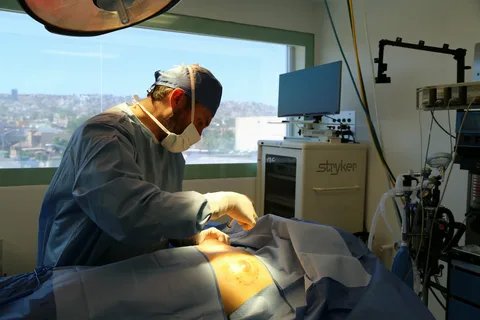
Gynecomastia is a common condition that affects many men, causing enlargement of the chest due to excess fat or glandular tissue. While it’s not dangerous, it can impact confidence and self-image. Fortunately, Gynecomastia in Islamabad has become a widely sought-after solution, offering safe and effective surgical options. If you’re planning to undergo this procedure, proper preparation is essential for achieving the best results.
Understanding Gynecomastia Surgery
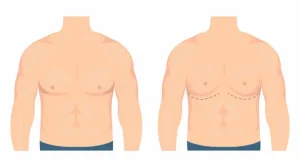
Gynecomastia surgery is a cosmetic procedure designed to reduce excess breast tissue in men and create a flatter, more masculine chest. This condition can occur due to hormonal imbalance, weight gain, genetics, or certain medications, and it often affects confidence and body image.
The procedure typically involves liposuction, glandular tissue removal, or a combination of both techniques. Liposuction is used when the enlargement is mainly due to fat, while surgical excision is required to remove dense glandular tissue. In many cases, surgeons combine both methods to achieve the best contour and long-lasting results.
When considering Gynecomastia in Islamabad, patients can benefit from modern surgical techniques that offer minimal scarring and faster recovery times. The procedure is usually performed under local or general anesthesia, depending on the complexity of the case.
Recovery is generally smooth, with most patients returning to normal activities within a few weeks. Wearing a compression garment and following post-operative instructions are essential for optimal healing.
Understanding the procedure helps set realistic expectations and reduces anxiety, allowing patients to make informed decisions about undergoing Gynecomastia in Islamabad.
Why Preparation Matters
Preparation is the key to a successful Gynecomastia in Islamabad surgery. It goes beyond simply showing up on the day of the procedure—it sets the foundation for a smooth operation, faster recovery, and better results. When you prepare properly, you reduce the risk of complications such as infections, bleeding, or delayed healing. Lifestyle adjustments, like quitting smoking, avoiding alcohol, and maintaining a healthy diet, help your body recover efficiently and respond well to surgery.
Preparation also includes choosing the right surgeon, undergoing necessary medical tests, and understanding the procedure. Being mentally and emotionally ready can reduce anxiety and help you follow post-operative instructions carefully. Simple actions, like arranging transportation and planning your recovery space, make the process more comfortable. Ultimately, proper preparation ensures that your Gynecomastia in Islamabad experience is safe, effective, and satisfying, helping you achieve the masculine chest contour you desire with confidence.
Proper preparation helps:
- Reduce complications during surgery
- Improve healing time
- Enhance overall surgical outcomes
- Make recovery smoother and more comfortable
When planning for Gynecomastia in Islamabad, taking the right steps beforehand can make a significant difference in your experience.
Choosing the Right Surgeon
Selecting the right surgeon is one of the most important steps when considering Gynecomastia in Islamabad. A skilled and experienced surgeon ensures not only safety but also the best aesthetic results. Start by checking the surgeon’s credentials—look for board certification and specialized training in male breast reduction procedures. Reviewing before-and-after photos of previous patients can give you a clear idea of their expertise and style.
During the consultation, ask questions about their experience, techniques, and potential risks. A trustworthy surgeon will provide honest answers and guide you on realistic expectations. Patient reviews and testimonials are also valuable for understanding their reputation and patient satisfaction.
Choosing the right surgeon for Gynecomastia in Islamabad can significantly affect the outcome of your procedure. Take your time, research thoroughly, and prioritize safety and experience to ensure a smooth and successful surgery.
Look for:
- Board-certified professionals
- Proven experience with male breast reduction
- Before-and-after patient results
- Positive patient reviews
In Islamabad, many reputable clinics offer Gynecomastia in Islamabad, but choosing the right one ensures both safety and satisfaction.
Initial Consultation: What to Expect
The initial consultation is the first and one of the most important steps when considering Gynecomastia in Islamabad. During this session, your surgeon will evaluate your chest, discuss your goals, and determine the best surgical approach for your body type. You will have the opportunity to share your medical history, current medications, and any previous surgeries, which helps the surgeon create a safe and personalized plan.
Expect a detailed discussion about the procedure itself, including the techniques used, expected results, recovery time, and potential risks. Your surgeon may also take photos for reference and outline a treatment timeline. This consultation is the perfect time to ask questions, address concerns, and set realistic expectations. Being well-prepared and open during this session ensures that your Gynecomastia in Islamabad journey starts with confidence and clarity, paving the way for a smooth and successful surgery.
You may discuss:
- Your medical history
- Current medications
- Lifestyle habits (smoking, alcohol, etc.)
- Expected results and limitations
Being honest during this stage is crucial. It allows your surgeon to create a personalized plan for your Gynecomastia in Islamabad procedure.
Medical Tests and Evaluations
Before surgery, your doctor may recommend certain tests to ensure you’re fit for the procedure. These tests help identify any underlying conditions that could affect surgery or recovery.
Common tests include:
- Blood tests
- Hormone level assessments
- Chest examination
Completing these evaluations is a key step when preparing for Gynecomastia in Islamabad, as it ensures your safety during the procedure.
Lifestyle Changes Before Surgery
Making a few lifestyle adjustments before surgery can significantly improve your results.
Here are some important changes to consider:
- Stop smoking at least 2–3 weeks before surgery
- Avoid alcohol consumption
- Maintain a stable weight
- Eat a balanced, nutritious diet
- Stay hydrated
These changes help your body heal faster and reduce the risk of complications during your Gynecomastia in Islamabad procedure.
Medications to Avoid
Certain medications and supplements can increase bleeding or interfere with anesthesia. Your surgeon will provide a list of what to avoid, but generally, you should stop:
- Aspirin and anti-inflammatory drugs
- Herbal supplements
- Blood-thinning medications
Always consult your doctor before stopping any prescribed medication. This step is crucial for a safe Gynecomastia in Islamabad experience.
Preparing for Surgery Day
As your surgery date approaches, planning ahead can reduce stress and ensure everything goes smoothly.
Make sure you:
- Arrange transportation to and from the clinic
- Wear loose, comfortable clothing
- Avoid eating or drinking as instructed
- Follow all pre-surgery guidelines provided by your surgeon
Being organized will help you feel more relaxed and confident on the day of your Gynecomastia in Islamabad surgery.
Setting Realistic Expectations
One of the most important aspects of preparation is understanding what the surgery can and cannot achieve. While results are usually very satisfying, they may not be perfect.
Keep in mind:
- Some swelling is normal after surgery
- Final results may take a few months to appear
- Scars will fade over time but may not disappear completely
Discussing expectations with your surgeon ensures you are mentally prepared for your Gynecomastia in Islamabad journey.
Mental and Emotional Preparation
Surgery isn’t just a physical process—it’s also emotional. Feeling anxious before your procedure is completely normal.
To prepare mentally:
- Educate yourself about the procedure
- Talk to your surgeon about concerns
- Stay positive and focused on results
- Avoid unnecessary stress
Confidence and a calm mindset can improve your overall experience with Gynecomastia in Islamabad.
Post-Surgery Planning
Preparation doesn’t end before surgery—you also need to plan for recovery.
Consider:
- Taking time off work
- Arranging help at home
- Preparing comfortable resting space
- Stocking up on prescribed medications
Planning ahead ensures a smooth recovery after your Gynecomastia in Islamabad procedure.
Recovery Tips for Better Results
Although recovery happens after surgery, preparing for it beforehand can make a big difference.
You’ll likely need to:
- Wear a compression garment
- Avoid heavy lifting for a few weeks
- Attend follow-up appointments
- Follow all post-operative instructions
Patients who carefully follow recovery guidelines often achieve the best results from Gynecomastia in Islamabad.
Cost Considerations
The cost of surgery can vary depending on the clinic, surgeon experience, and complexity of the case. While affordability matters, don’t compromise on quality.
Investing in a reputable clinic for Gynecomastia in Islamabad ensures safety, better outcomes, and long-term satisfaction.
Final Thoughts
Preparing for gynecomastia surgery requires careful planning, lifestyle adjustments, and choosing the right medical professional. From consultation to recovery, every step plays a role in achieving the desired results.
If you’re considering Gynecomastia in Islamabad, take the time to prepare properly and consult experienced professionals who can guide you through the process. For reliable information and expert care, you can explore trusted clinics like skin cosmetics, where quality treatment and patient satisfaction are a priority.
Author


The landscape of aesthetic surgery is undergoing a seismic shift, driven by the integration of high-tech precision and medical artistry. For years, patients who achieved massive weight loss through bariatric surgery or rigorous lifestyle changes faced a final hurdle: the physical burden of redundant, sagging skin. While traditional surgery has long been the solution, 2026 marks a turning point in the Saudi capital with the rise of automated precision. Seeking a Body Lift in Riyadh now means having access to robotic-assisted technologies that refine the surgical process, minimize downtime, and deliver a level of symmetry that was previously difficult to achieve by human hand alone. This “Robotic Edge” is not just a trend; it is the new gold standard for patients demanding excellence in their final stage of transformation.
Evolution of the Body Lift: From Manual to Med-Tech
A body lift, or circumferential lipectomy, is a complex 360-degree procedure. It requires the surgeon to remove a continuous “belt” of skin and fat from the waistline, lift the thighs and buttocks, and tighten the abdominal muscles. Traditionally, this was a purely manual process requiring hours of intense focus.
In 2026, Riyadh’s leading clinics have introduced robotic assistance to the operating theater. This doesn’t mean a robot performs the surgery independently; rather, the surgeon uses robotic arms and AI-driven imaging to execute movements with sub-millimeter precision. This evolution addresses the three primary concerns of any post-weight loss patient: safety, scarring, and the “naturalness” of the contour.
The Benefits of Robotic-Assisted Contouring
The integration of robotics into body contouring provides several distinct advantages that are rapidly making it the preferred choice for the city’s high-end and professional demographics.
1. Unmatched Precision in Muscle Repair
A critical component of a body lift is repairing the “diastasis recti” (separated abdominal muscles). Robotic arms allow the surgeon to suture these muscles with incredible tension and accuracy through smaller points of entry. This creates a firmer internal “corset,” providing better core support and a flatter abdominal profile than traditional manual suturing.
2. Enhanced Tissue Viability
One of the risks of major skin excision is ensuring that the remaining skin has a healthy blood supply. Robotic-assisted tools can help surgeons identify and preserve vital blood vessels with greater clarity using enhanced 3D visualization. This leads to faster healing, fewer complications like skin necrosis, and a more resilient recovery process.
3. “Smart” Liposculpting
Modern robotic platforms often incorporate AI-driven liposuction. This technology “maps” the fat layers of the patient in real-time, ensuring that fat removal is perfectly symmetrical. When combined with a body lift, this results in a high-definition finish where the transition from the waist to the hips looks athletic and refined.
Why Riyadh is Leading the Robotic Revolution
Riyadh has established itself as a global hub for “Quiet Luxury” in medicine, where the focus is on superior outcomes and a seamless patient experience. Several factors make the capital the ideal place for robotic-assisted surgery.
Investment in Infrastructure
The Saudi Ministry of Health and private sectors have heavily invested in the latest surgical platforms. Clinics in Riyadh are among the few in the world to house the newest generation of robotic systems specifically calibrated for soft-tissue aesthetic surgery.
A Culture of Innovation
The “Red Sea Glow” and “InvisiLift” trends—focusing on minimal scarring and maximum rejuvenation—have pushed Riyadh’s surgeons to adopt technologies that reduce trauma to the body. Robotic-assisted surgery fits perfectly into this ethos by allowing for smaller, cleaner incisions that fade more effectively over time.
Elite Recovery Ecosystems
Technology in the operating room is matched by technology in recovery. Patients in Riyadh benefit from AI-monitored healing protocols and hyperbaric oxygen therapy, ensuring that the precision achieved during the robotic-assisted surgery is preserved during the crucial first weeks of healing.
The Patient Experience: What to Expect
For the patient, the “Robotic Edge” feels like a safer, more predictable journey.
-
The Consultation: Surgeons use 3D body scanners to create a digital twin of the patient, planning the robotic movements and skin excision lines with mathematical accuracy.
-
The Surgery: The procedure typically takes between four and six hours. Because robotic movements are so steady, there is often less bruising and “surgical trauma” than in traditional manual procedures.
-
The Recovery: Most patients spend 1–2 nights in a VIP recovery suite. Because the muscle repair is so precise, many report feeling mobile sooner than those who underwent traditional versions of the procedure.
The Cost of the “Robotic Edge”
While robotic-assisted surgery involves a higher investment due to the advanced technology and specialized training required, many patients in 2026 view it as a high-value choice. The reduced risk of “revision” surgery (having to fix an asymmetrical result) and the potentially faster return to professional life make it a logical financial decision for the busy executive or VIP client.
Is Robotic-Assisted Surgery Right for You?
The ideal candidate for a robotic-assisted body lift remains the same as the traditional one:
-
Stable Weight: You have reached your goal and maintained it for at least six months.
-
Specific Goals: You have significant skin laxity around the entire midsection.
-
High Expectations: You are looking for the most precise, symmetrical, and high-definition result possible in modern medicine.
The Future of Contouring is Here
The future of aesthetic medicine in Saudi Arabia is evolving. Today, the line between technology and art continues to blur. The “Robotic Edge” provides patients with a level of confidence that was once unimaginable.
This technology allows for a total transformation. It is no longer just about “removing skin.” Instead, surgeons rebuild the body’s architecture with a level of detail that respects the natural human form.
The days of “one-size-fits-all” surgery are officially over. In 2026, your transformation is as unique as your DNA. This journey is guided by the steady hand of an expert surgeon and the unfailing precision of robotic technology.
Conclusion: Achieving the Gold Standard
Finalizing a weight loss journey is a monumental achievement. This milestone deserves a world-class conclusion. By embracing the latest innovations in surgical precision, patients can ensure their physical results finally mirror their internal dedication.
Riyadh’s medical landscape offers the perfect intersection of luxury, privacy, and technological advancement. This environment ensures every patient feels supported from their first consultation to their final reveal.
When you are ready to claim your new silhouette, a Body Lift in Riyadh is the ideal choice. Utilizing robotic-assisted techniques represents the absolute future of body contouring. To explore how this cutting-edge technology applies to your specific transformation, contact the specialists at Aesthetic Clinic Riyadh. Take the first step toward your high-definition future today.
Author



Enfants Riches Déprimés x Essentials Hoodie: Luxury Streetwear

Temporary Replacement Vehicles UK: Save Time and Stay Mobile

Low-Cost Family Cars London: Everything You Need to Know

JetBlue Airlines: Contact Number, Chat & Support Guide 2026

Sulphur Price Trend March 2026: Forecast & Regional Analysis

Skin Parasites in Livestock: Prevention & Best Hygiene Solutions

Pool Coping Replacement: Signs, Benefits & Cost Guide

Fully Managed Landlord Services: Save Time, Stress, and Money

Prevent Crushing and Leaning With Custom Corrugated Boxes

Car Battery Replacement: Step-by-Step Guide to Reliable Starts

Cybersecurity Consulting Company SequelNet Provides Critical IT Support Services to Medical Billing Firm, Medical Optimum

Team Communication Software Transforms Operations at Finance Innovate

Project Management Tool Transforms Long Island Business

How Alleviate Poverty Utilized IPPBX’s All-in-One Solution to Transform Lives in New York City

Breast Cancer: The Imperative Role of Mammograms in Screening and Early Detection

Unstoppable Collaboration: D.C.’s Citi Open and Silicon Valley Classic Unite to Propel Women’s Tennis to New Heights

Embracing Renewal: Sizdabedar Celebrations Unite Iranians in New York’s Eisenhower Park

The Benefits of Starting a Side Hustle for Financial Freedom

New Blood Donation Screening Questions What You Need to Know

Stylishly Timeless: The 5 Types of Sandals You Need in Your Closet
-

 Business3 years ago
Cybersecurity Consulting Company SequelNet Provides Critical IT Support Services to Medical Billing Firm, Medical Optimum
-
Business3 years ago
Team Communication Software Transforms Operations at Finance Innovate
-
Business3 years ago
Project Management Tool Transforms Long Island Business
-
Business3 years ago
How Alleviate Poverty Utilized IPPBX’s All-in-One Solution to Transform Lives in New York City
-
health3 years ago
Breast Cancer: The Imperative Role of Mammograms in Screening and Early Detection
-
Sports3 years ago
Unstoppable Collaboration: D.C.’s Citi Open and Silicon Valley Classic Unite to Propel Women’s Tennis to New Heights
-
Art /Entertainment3 years ago
Embracing Renewal: Sizdabedar Celebrations Unite Iranians in New York’s Eisenhower Park
-
Finance3 years ago
The Benefits of Starting a Side Hustle for Financial Freedom







