
Business industrial
Debt vs. Equity Financing: Which is Right for Your Business


In the ever-evolving landscape of business finance, one critical decision often stands at the forefront of entrepreneurs’ minds: how to raise capital. Two primary avenues to consider are debt financing and equity financing, each with its own set of advantages and disadvantages. Selecting the right path can be the difference between success and stagnation. In this feature story, we delve into the intricacies of debt versus equity financing to help entrepreneurs make informed choices.
Debt Financing: Borrowing for Growth

Photo by Pixabay: https://www.pexels.com/photo/grey-metal-case-of-hundred-dollar-bills-164652/
Debt financing is essentially a loan that a business takes from a bank, financial institution, or private lender, promising to repay the principal amount plus interest over a specified period. This type of financing offers several benefits:
- Maintain Ownership: Unlike equity financing, debt financing allows business owners to retain full ownership and control over their company. You don’t have to share profits or decision-making power with external investors.
- Interest Deductions: The interest paid on business loans is often tax-deductible, which can help reduce your overall tax liability.
- Predictable Payments: Monthly or quarterly loan payments provide a predictable financial obligation, helping with budgeting and cash flow management.
However, it’s crucial to acknowledge the downsides of debt financing:
- Interest and Principal Repayment: You are obligated to repay the borrowed amount with interest, which can strain your cash flow, especially in challenging times.
- Risk of Default: Failing to make timely repayments can lead to legal consequences, including the loss of assets used as collateral.
- Limited Cash Flow: Consistent loan payments can restrict your ability to reinvest profits into the business or respond to unexpected expenses.
Equity Financing: Sharing Profits, Sharing Control
Equity financing involves selling a portion of your business to investors in exchange for capital. It’s a popular choice for startups and high-growth companies. The advantages of equity financing include:
- No Repayment Obligation: Unlike loans, equity investments do not require regular repayments. Investors share in the profits but do not demand interest or principal repayments.
- Experienced Partners: Equity investors often bring valuable expertise, contacts, and strategic guidance to the table, helping your business grow.
- Reduced Risk: Since equity investors do not expect repayment, your business can navigate lean periods without the pressure of servicing debt.
On the flip side, equity financing has its own set of challenges:
- Loss of Control: Sharing ownership means sharing decision-making authority. You may need to consult with investors on major business decisions.
- Dilution of Ownership: Selling equity can dilute your ownership stake, potentially limiting your share of future profits.
- Exit Strategy: Equity investors typically expect an eventual exit, which may involve selling the business or going public.
Choosing the Right Path
Selecting between debt and equity financing ultimately depends on your business’s unique circumstances, growth plans, and risk tolerance. Consider the following factors:
- Business Stage: Debt financing is often more suitable for established businesses with reliable cash flow, while equity financing is common for startups and early-stage companies.
- Risk Tolerance: Assess how comfortable you are with sharing control and the long-term commitment associated with equity financing.
- Financial Health: Evaluate your current financial position, including cash flow, assets, and creditworthiness, as this will impact your ability to secure debt financing.
- Growth Goals: Consider your growth aspirations and whether equity investors can provide the resources and expertise needed to achieve them.
- Legal and Tax Implications: Consult with legal and financial experts to understand the specific implications of each financing option in your jurisdiction.
In conclusion, the choice between debt and equity financing is not a one-size-fits-all decision. Entrepreneurs must carefully weigh the pros and cons, seek expert advice, and align their choice with their long-term business goals. Whichever path you choose, remember that securing the right financing is a significant milestone in your business journey, paving the way for growth, innovation, and success.
Author


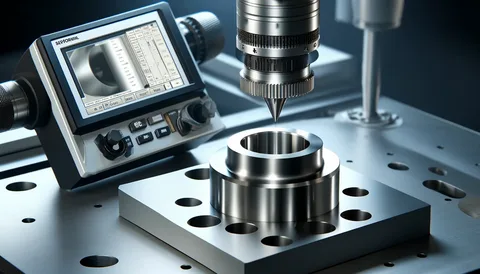
Surface finish is one of the most critical factors in the world of CNC machining. A smooth and highly accurate surface profile does much more than simply improve the cosmetic appearance of a completed component.
During any standard milling operation, the specific geometry of your cutting tool plays a primary role in determining that final surface finish. Tool geometry describes the physical shape, distinct cutting angles, flute design, and raw edge structure of a milling cutter.
Even incredibly small changes in this geometry can drastically alter vibration levels, chip evacuation efficiency, cutting edge pressure, and heat generation. Understanding exactly how tool design choices impact machining quality helps CNC operators choose the absolute best tooling for their specific materials. Making the right choice upfront improves daily workshop productivity while reducing costly scrap metal, part rework, and premature tool wear.
Tool Geometry in CNC Machining
Tool geometry refers to the physical design characteristics engineered into a milling cutter. These structural features directly dictate how the tool shears away material. They also govern how the tool physically interacts with the workpiece surface.
The most important geometry factors include the total flute count, the helix angle, the radial rake angle, the relief angle, and the specific corner radius. Additionally, the microscopic design of the cutting edge itself plays a critical role.
Each of these design elements works together to influence chip flow patterns, tool rigidity, harmonic vibration levels, and overall machining efficiency. Choosing the correct geometry for your end mill can significantly improve surface roughness scores and eliminate costly machining errors before they happen.
Surface Finish Controls Component Lifespan
A high-quality surface finish offers several critical mechanical benefits:
-
It delivers a pristine, professional product appearance.
-
It significantly reduces friction between moving mechanical assemblies.
-
It improves long-term wear resistance and extends part lifespan.
-
It maintains extremely tight dimensional accuracy for precise tolerances.
-
It ensures a perfect fit during complex assembly operations.
Demanding industries like aerospace, automotive, mold making, and medical device manufacturing require exceptionally precise surface finishes. For these sectors, a microscopic flaw can cause a catastrophic part failure.

Flute Count and its Impact on Finish
Two-flute cutters are a traditional option for aluminum and various non-ferrous, softer substances. These tools have broad, open areas between the cutting edges, allowing for superior chip removal. This open design minimizes hazardous chip buildup, allows for extremely rapid material removal rates, and maintains low cutting pressures.
Conversely, four-flute and multi-flute cutters are the preferred choice for harder materials like stainless steel and titanium. Multi-flute tools provide much better tool rigidity, which naturally results in a significantly smoother surface finish. They also allow for increased feed rates because they distribute the workload across more cutting edges. Modern workshops use specialized multi-flute end mills that are optimized for high-speed finishing and light profiling applications.
Helix Angles and Harmonic Stability
Low helix angles have cutting edges that are fairly straight. This design delivers an exceptionally robust cutting edge that endures effectively against extremely tough materials. Nonetheless, straight edges hit the material forcefully, potentially resulting in elevated vibration levels and coarser finishes.
Steep helix angles coil around the tool body significantly more intensely. These tools provide an exceptionally smooth cutting movement as the edge slices through the material progressively. High helix tools enhance chip removal, minimize harmonic chatter, and decrease overall cutting forces. Currently, numerous high-end solid carbide end mills have variable helix configurations. These sophisticated tools deliberately change the angle from one flute to another to interfere with harmonic vibrations and enhance machining stability.
Rake Angles and Chip Formation Dynamics
The rake angle of a cutting tool controls exactly how material is sheared away and formed into a chip. Proper, predictable chip formation is essential for achieving a clean, gouge-free surface finish.
Positive rake angles feature a sharp, knife-like edge that slices into the metal easily. This design significantly reduces cutting resistance, lowers heat generation, and improves surface smoothness. Positive rake tools are especially useful for soft, gummy materials like aluminum and copper that tend to stick to the tool.
Negative rake geometry presents a blunter, stronger edge to the metal. This design provides maximum cutting edge strength for machining hardened steels and exotic alloys. However, it also increases cutting pressure and heat. Selecting the ideal rake angle helps prevent a built-up edge, where workpiece material welds itself to the tool tip and ruins the finish.
The Power of the Corner Radius
Sharp, square-cornered end mills are prone to chipping because stress concentrates heavily at the very tip of the tool. Tools engineered with a specific corner radius feature a rounded blending edge that completely changes the cutting dynamics.
An optimized corner radius provides several major finishing benefits:
-
It completely eliminates fragile tool tips, reducing edge chipping.
-
It distributes the cutting load more evenly across the radius.
-
It eliminates sharp peak-and-valley scallop marks on horizontal surfaces.
-
It dramatically extends total tool life during heavy operations.
These radius tools are widely used in high-speed machining and complex 3D mold-making applications. Choosing a corner radius end mill allows you to run faster cycles while maintaining a beautiful, mirror-like surface profile.
Balancing Tool Materials with Advanced Geometry
Optimized geometry alone cannot deliver perfect machining results if the underlying tool material fails under pressure. Modern manufacturing relies heavily on solid carbide end mills to bridge this gap. Solid carbide provides exceptional rigidity, which keeps the tool from deflecting or bending when pushing through tough metals.
This rigid material also offers incredible heat resistance and superior wear protection. When you combine precise geometry with high-strength carbide substrates, you get a tool that can maintain its sharp cutting edges at extremely high speeds. This winning combination allows CNC operators to achieve pristine surface finishes even when tackling incredibly difficult, hard-to-machine materials.
Mastering Chip Evacuation and Vibration Control
Poor chip evacuation is a primary cause of ruined surface finishes. If a tool cannot clear chips quickly, it will recut them on the next rotation. Recutting chips scores the freshly machined surface, generates extreme heat, and accelerates tool wear. Proper flute depth and polished core designs prevent this issue entirely by sliding the chips out of the cutting zone instantly.
Controlling vibration is equally important. Harmonic chatter creates ugly, wavy marks across your workpiece. Modern tooling brands fight chatter by using variable pitch geometry and unequal flute spacing. By changing the physical distance between the cutting edges, the tool breaks up harmonic resonance. This simple geometric disruption eliminates chatter marks and ensures a smooth, consistent finish.
Precision Finishing and Modern Tool Coatings
In precision industries, achieving tight tolerances and ultra-smooth finishes requires highly specialized equipment. Micro end mills are engineered with microscopic, ultra-precise geometries to machine intricate parts for medical devices and aerospace components. At this tiny scale, even a micron of geometric inaccuracy will ruin the surface finish.
To boost performance, these precise shapes are paired with advanced chemical coatings. Modern tool coatings reduce friction, minimize heat transfer into the tool core, and prevent material adhesion. When a perfectly shaped end mill is protected by a high-performance coating, it cuts cleanly and delivers flawless surface finishes over thousands of cycles.
Role of CNC Machine Conditions
Even the most advanced tool geometry cannot compensate for a poorly maintained CNC machine. Surface finish quality is a team effort between the cutting tool and the machine tool itself.
Several critical machine factors dictate your final finish quality:
-
The physical wear and runout condition of the main spindle.
-
The overall structural rigidity of the machine chassis.
-
The balance and clamping force of the tool holder assembly.
-
The pressure and direction of the coolant delivery system.
-
The alignment accuracy of the machine axes.
Maintaining excellent machine stability ensures that your high-performance end mills can perform exactly as they were designed.
Future Trends
Milling tool design continues to evolve rapidly to meet the manufacturing industry’s demands for higher precision. Tooling engineers now use artificial intelligence to simulate and design highly complex flute shapes that maximize chip flow.
We are also seeing the rise of nano-precision cutting edges that are sharp down to the molecular level. Additionally, hybrid flute structures and advanced anti-vibration geometries are entering the mainstream market. These continuous innovations allow modern workshops to achieve pristine, ground-like surface finishes right off the milling machine, completely eliminating the need for slow, manual secondary polishing steps.
Summary
Tool geometry plays a foundational role in determining machining performance and surface finish quality. Design elements like flute count, helix angles, rake angles, and corner radii directly dictate how your machine handles vibration and chip flow. Modern solid carbide end mills, advanced carbide cutters, and precision micro tools are engineered with highly optimized shapes to solve tough manufacturing challenges. Understanding these geometric variables allows you to choose the perfect tool for your job, boosting workshop productivity while delivering an exceptional surface finish.
About Jaibros
Jaibros is a premier, trusted supplier of high-quality industrial cutting tools and premium CNC machining accessories in India. Established in 2008, the company provides a comprehensive selection of precision tooling products to modern manufacturing operations. Their diverse catalog features solid carbide cutters, indexable milling inserts, high-precision boring heads, and advanced tool holding systems. Jaibros sources its products from leading global manufacturers, ensuring that every tool meets rigorous industrial standards for durability and dimensional accuracy.
Frequently Asked Questions
Q: How does a higher flute count improve surface finish?
A: A higher flute count increases the tool’s structural rigidity and provides more cutting edges per revolution. This allows for smaller chip loads and significantly smoother finishes when cutting hard steels.
Q: Why do variable helix end mills cut smoother?
A: Variable helix tools feature flutes with slightly different angles. This structural variation disrupts harmonic resonance during the cut, preventing chatter marks on the workpiece.
Q: When should I choose a corner radius end mill over a square end mill?
A: You should choose a corner radius tool for high-feed applications, pocketing, and 3D contouring. The rounded radius distributes heat better and leaves a smoother floor finish.
Author

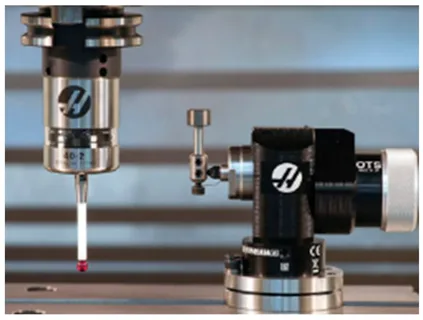
In CNC machining, endmill cutting tools play a critical role in achieving precision, productivity, and surface finish quality. However, even the best cutting tools can lose performance quickly if they are not stored and maintained properly. Many machining shops focus heavily on tool selection and machining parameters, but often ignore proper tool care practices. This can lead to premature wear, tool breakage, rust, and unnecessary replacement costs.
Proper storage and maintenance practices help improve tool life, reduce operational expenses, and maintain machining accuracy. Whether you are handling roughing cutters, finishing tools, or precision micro tools, organized storage and regular maintenance can make a major difference in overall machining performance.
Why Proper Tool Maintenance Matters
Cutting tools operate under high heat, pressure, and friction. Over time, these conditions naturally wear down tool edges. Without proper care, even premium tools can fail faster than expected.
Good maintenance practices help:
- Extend tool lifespan
- Improve machining accuracy
- Reduce tool replacement costs
- Maintain surface finish quality
- Prevent unexpected machine downtime
Proper handling is especially important for precision tools because minor damage can affect cutting performance significantly.
Maintaining an endmill correctly also improves consistency during high-volume production runs.
Clean Tools After Every Use
One of the most important maintenance practices is cleaning tools immediately after machining operations. Metal chips, coolant residue, and dust particles can damage cutting edges if left untreated.
Recommended cleaning methods include:
- Using compressed air carefully
- Wiping tools with clean cloths
- Applying rust-prevention oil
- Using ultrasonic cleaning systems for precision tools
Proper cleaning helps prevent corrosion and keeps cutting edges sharp for longer periods.
For high-performance carbide endmills, regular cleaning is essential because built-up material can affect cutting precision and increase heat generation during machining.
Store Tools in Dedicated Holders
Improper storage is one of the leading causes of accidental tool damage. Throwing tools into drawers or storage boxes can lead to edge chipping and surface scratches.
Best storage practices include:
- Using dedicated tool racks
- Keeping tools in protective sleeves
- Separating tools by size and type
- Avoiding direct contact between cutting edges
Tool holders designed specifically for CNC cutting tools help maintain organization and reduce handling damage.
Each endmill should be stored securely to protect the cutting geometry and coating from unnecessary wear.
Control Moisture and Temperature
Humidity and temperature changes can affect cutting tool performance over time. Moisture exposure may lead to rust formation, especially on non-coated tools and tool holders.
To prevent environmental damage:
- Store tools in dry areas
- Maintain stable room temperature
- Use anti-rust coatings when needed
- Avoid exposure to coolant leakage
Climate-controlled tool storage areas are becoming increasingly common in modern manufacturing facilities.
This is particularly important for expensive solid carbide endmills, which require careful protection to maintain precision cutting performance.
Inspect Tools Regularly
Routine inspection helps identify wear before tools fail completely. Operators need to inspect cutting edges prior to and following machining processes.
Common signs of wear include:
- Edge chipping
- Cracks
- Flank wear
- Discoloration
- Built-up edge formation
Using worn tools can reduce machining accuracy and damage workpieces.
A damaged endmill should either be reconditioned or replaced immediately to maintain production quality.
Use Proper Tool Identification Systems
Organized tool management improves efficiency and reduces confusion in busy workshops. Labelling tools properly helps operators quickly identify the right cutter for each application.
Many CNC shops now use:
- Barcode systems
- RFID tracking
- Digital inventory software
- Tool presetting systems
These systems help track usage history, maintenance schedules, and tool life data more efficiently.
Proper organization is especially useful when managing multiple types of endmills for different machining operations.
Regrinding and Recoating Practices
Instead of discarding worn tools immediately, many manufacturers choose regrinding and recoating services. Reconditioning helps restore cutting performance while reducing tooling costs.
Benefits include:
- Lower replacement expenses
- Extended tool usability
- Reduced material waste
- Improved cost efficiency
However, regrinding should only be performed by experienced professionals to maintain tool geometry accurately.
Premium solid carbide endmills are often ideal candidates for reconditioning because of their durable carbide structure.
Handle Precision Tools Carefully
Small-diameter cutting tools require extra care during storage and handling. Precision cutters are more vulnerable to accidental damage. Modern micro endmills are commonly used in medical, electronics, and aerospace industries, where even tiny edge damage can affect machining quality.
Best practices for handling precision tools include:
- Using protective cases
- Avoiding manual dropping
- Minimizing unnecessary contact
- Inspecting under magnification
Proper spindle alignment and vibration control are also important for maintaining micro-tool performance.
Avoid Cross-Contamination
Mixing dirty tools with clean tools can spread metal particles and coolant residue. This contamination may damage tool coatings and reduce cutting efficiency.
To avoid contamination:
- Separate used and unused tools
- Clean storage trays regularly
- Use designated cleaning stations
- Store coated tools separately when possible
Good workshop hygiene contributes significantly to tool longevity and machining consistency.
Maintain Tool Holders Properly
Tool holders are equally important in CNC machining operations. Poor holder condition can create runout and vibration that damages cutting tools.
Maintenance tips for holders include:
- Cleaning holder tapers regularly
- Checking for wear and cracks
- Verifying clamping force
- Replacing damaged collets
Even a perfectly sharp endmill may perform poorly if the holder is damaged or improperly balanced.
Train CNC Operators on Tool Care
Human error remains one of the most common causes of tool damage. Proper training ensures operators understand correct handling and storage procedures.
Training programs should cover:
- Tool cleaning methods
- Inspection routines
- Storage organization
- Safe handling practices
- Tool wear identification
Well-trained operators can significantly reduce tooling costs and improve machining reliability.
Use Modern Tool Management Systems
Many advanced manufacturing facilities now use automated tool management systems. These systems monitor tool inventory, usage cycles, and replacement schedules.
Advantages include:
- Better inventory control
- Reduced downtime
- Improved efficiency
- Accurate tool tracking
- Lower operational costs
Modern tool management supports the growing demand for smart manufacturing and Industry 4.0 integration.
Importance of Choosing Quality Tools
Proper maintenance is most effective when combined with high-quality cutting tools. Cheap tools often wear out quickly and may not respond well to reconditioning processes.
Premium carbide endmill provide better wear resistance, heat tolerance, and cutting stability. High-quality tools also maintain edge sharpness longer, making maintenance efforts more effective. Investing in reliable tooling solutions improves long-term machining performance and reduces unnecessary production interruptions.
Conclusion
Proper storage and maintenance practices are essential for maximizing cutting tool performance and lifespan. From regular cleaning and inspection to organized storage and environmental protection, every step contributes to better machining efficiency and lower operational costs.
Managing different types of endmills, maintaining precision micro endmills, and protecting premium solid carbide endmills require careful attention and proper workshop discipline. By implementing these best practices, CNC operators and manufacturers can improve machining quality while reducing tool replacement expenses.
Author

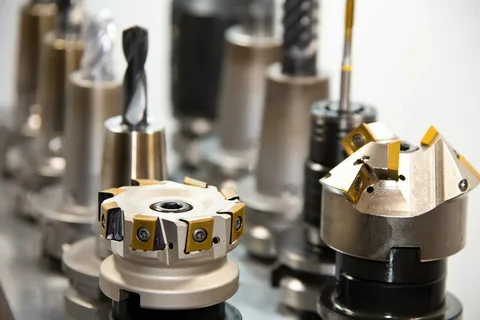
Discover the best materials used for CNC tool manufacturing, including carbide, ceramic, HSS, and cermet for precision machining performance. Modern machining industries rely on tough materials to ensure the precision and fast processing of goods. Raw material quality determines cutting performance, toughness, heat resistance, and overall machining performance.
High-quality cnc tool ensures that machining industries obtain perfect results from their operations while minimizing any downtime due to difficult operations involved. Selection of good materials can lead to better productivity and performance of industries in modern machining.
Selection of material type depends on the hardness of the material being processed and the complexities of the machining process involved. Modern high-end manufacturing industries including automotive, aerospace, mold, and engineering require tough machining solutions that offer accuracy in their operations. Understanding what makes good machining materials will assist industries in choosing the appropriate machining tools.
1. Carbide Materials for Machining
Carbide is the most extensively utilized material in machining industries due to its superior hardness and durability. It operates effectively at higher temperatures and retains cutting accuracy while operating continuously. Several companies prefer carbide material due to its extended lifetime and high-speed machining capabilities.
Benefits of Carbide Materials
- Excellent resistance to heat and friction
- Suitable for high-speed cutting operations
- Provides better dimensional accuracy
- Improves productivity in mass production
- Reduces tool replacement frequency
Use of a high-end carbide cutter is a common practice for machining applications that require high durability and stability. Hardened steel and alloys usually need a carbide solution to achieve optimal machining performance.
2. High-Speed Steel for Operations
High-speed steel, commonly known as HSS, remains an important material in machining industries. Although carbide materials are harder, HSS still offers flexibility and toughness for several machining applications. It performs effectively in interrupted cutting and general-purpose manufacturing tasks.
Advantages of High-Speed Steel
- Better toughness during vibration
- Easy to regrind and maintain
- Cost-effective for small operations
- Suitable for moderate cutting speeds
- Works well for drilling and tapping
Many workshops use HSS in operations where flexibility is more important than extreme hardness. Smaller manufacturing units also prefer this material because of its affordable cost and reliable performance in daily machining work.
3. Ceramic Materials in Manufacturing
Ceramic-based materials are widely used for high-temperature machining operations. These materials are designed for industries that require excellent heat resistance and fast cutting performance. Ceramic solutions are often used in finishing applications where precision and surface quality are important.
Features of Ceramic Materials
- High thermal stability
- Excellent wear resistance
- Suitable for dry machining
- Supports faster cutting speeds
- Delivers smoother surface finish
Use of ceramic materials is common in the aerospace and automotive industries due to their ability to provide uniformity during the long production processes. Their resistance to high temperatures also makes them appropriate for industrial use.
4. Cermet Materials for Precision Applications
Cermet materials combine ceramic and metallic properties to provide both hardness and toughness. These materials are often used in finishing applications where industries require better dimensional control and surface quality.
Benefits of Cermet Materials
- Lower friction during cutting
- Better finishing quality
- Longer operational life
- Reduced material buildup
- Stable machining performance
Cermet solutions are preferred in industries that manufacture precision components. Their smooth cutting action helps reduce vibration and improves machining accuracy in continuous production environments.
5. Diamond and Cubic Boron Nitride
Diamond and cubic boron nitride are advanced materials used for highly specialized machining tasks. These materials provide exceptional hardness and are suitable for processing extremely hard workpieces.
Key Advantages
- Very high wear resistance
- Excellent cutting precision
- Longer service life
- Reduced heat generation
- Suitable for hardened materials
Diamond materials are commonly used for non-ferrous metals, while cubic boron nitride is preferred for hardened steel applications. These advanced solutions improve productivity in industries that require superior machining quality.
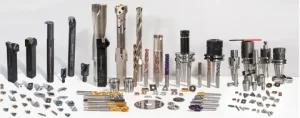
Material Selection in Manufacturing
Material selection plays a major role in determining machining efficiency and production quality. Different operations require different hardness levels, thermal resistance, and wear protection. Manufacturers carefully analyze machining requirements before selecting suitable materials for industrial applications.
Factors Considered During Selection
- Workpiece hardness
- Cutting speed requirements
- Heat generation levels
- Surface finish expectations
- Production volume and cost
Modern industries also focus on durability because frequent replacement increases operational expenses. Choosing suitable materials improves consistency and reduces maintenance requirements during production cycles.
The development of modern cnc machine tools has increased the demand for stronger and more heat-resistant materials. Advanced machining systems require durable components that can perform efficiently under continuous industrial operations.
Role of Coatings in Improving Performance
Apart from base materials, protective coatings also improve machining efficiency. Coatings help reduce friction, increase heat resistance, and improve operational stability. Many industries use coated solutions for longer service life and better production output.
Common Industrial Coatings
- Titanium Nitride (TiN)
- Titanium Carbonitride (TiCN)
- Aluminum Titanium Nitride (AlTiN)
- Diamond-like coatings
- Ceramic protective coatings
These coatings protect the cutting surface from excessive wear and temperature damage. They also improve cutting smoothness and help industries achieve better machining accuracy.
A properly designed cnc tool holder also contributes to machining stability by reducing vibration and maintaining proper alignment during industrial operations. Stable holding systems improve precision and help maintain consistent cutting results.
Industries Prefer Advanced Materials
Manufacturing industries continue to adopt advanced materials because production demands are increasing rapidly. Industries now require faster machining speeds, higher precision, and improved durability. Traditional materials may not always handle modern production challenges efficiently.
Reasons for Increased Demand
- Growth of precision engineering industries
- Requirement for faster production
- Increased use of hardened materials
- Need for better operational efficiency
- Focus on long-term cost savings
The latest cnc tool types are designed to support modern manufacturing needs with improved durability and heat resistance. Better material technology allows industries to maintain accuracy even in challenging machining conditions.
Another advantage of advanced material technology is improved energy efficiency. Durable machining solutions reduce unnecessary downtime and increase productivity, which benefits industries aiming for cost-effective manufacturing.
The demand for advanced cnc tool systems is increasing because industries require high precision and stable cutting performance in modern production environments.
Conclusion
Material quality affects the efficiency, effectiveness, longevity, and cost of production. These materials which include carbide, ceramic, HSS, cermet, diamond, and coated materials all come with their respective qualities which depend on the industrial requirement.
By selecting the right material, industries can guarantee their smooth operations as well as increase longevity. As manufacturing technology advances, the development of materials will always remain important for every industry to succeed. Industrial companies like Jaibros understand the importance of proper machining and industrial material qualities.
Author



Why Civil Engineering Is Critical in Modern Substation Design

Carsicko Streetwear Guide: Hoodies, Joggers & Tracksuits

Complete Guide to Sarasota Roof & Exterior Cleaning Services

Best Gazebo Tents for Sale for Camping and Outdoor Events

Why Sports Betting Scripts Are Dominating iGaming Growth

10 Questions to Ask Before Booking Seattle Black Car Service

How Tool Geometry Impacts Surface Finish in CNC Milling

Top Reasons to Hire Civil Litigation Lawyers in Toronto

Celebrity-Inspired Kaftan Sets for Women to Elevate Style

Private Limited Company Compliance Guide for India 2026

Cybersecurity Consulting Company SequelNet Provides Critical IT Support Services to Medical Billing Firm, Medical Optimum

Team Communication Software Transforms Operations at Finance Innovate

Project Management Tool Transforms Long Island Business

How Alleviate Poverty Utilized IPPBX’s All-in-One Solution to Transform Lives in New York City

Breast Cancer: The Imperative Role of Mammograms in Screening and Early Detection

Unstoppable Collaboration: D.C.’s Citi Open and Silicon Valley Classic Unite to Propel Women’s Tennis to New Heights

Embracing Renewal: Sizdabedar Celebrations Unite Iranians in New York’s Eisenhower Park

The Benefits of Starting a Side Hustle for Financial Freedom

New Blood Donation Screening Questions What You Need to Know

Stylishly Timeless: The 5 Types of Sandals You Need in Your Closet
-

 Business3 years ago
Cybersecurity Consulting Company SequelNet Provides Critical IT Support Services to Medical Billing Firm, Medical Optimum
-
Business3 years ago
Team Communication Software Transforms Operations at Finance Innovate
-
Business3 years ago
Project Management Tool Transforms Long Island Business
-
Business3 years ago
How Alleviate Poverty Utilized IPPBX’s All-in-One Solution to Transform Lives in New York City
-
health3 years ago
Breast Cancer: The Imperative Role of Mammograms in Screening and Early Detection
-
Sports3 years ago
Unstoppable Collaboration: D.C.’s Citi Open and Silicon Valley Classic Unite to Propel Women’s Tennis to New Heights
-
Art /Entertainment3 years ago
Embracing Renewal: Sizdabedar Celebrations Unite Iranians in New York’s Eisenhower Park
-
Finance3 years ago
The Benefits of Starting a Side Hustle for Financial Freedom







