
Business
Choosing the Right Surgical Instruments for Success

By

Reviewed
By Claire Addison
Introduction
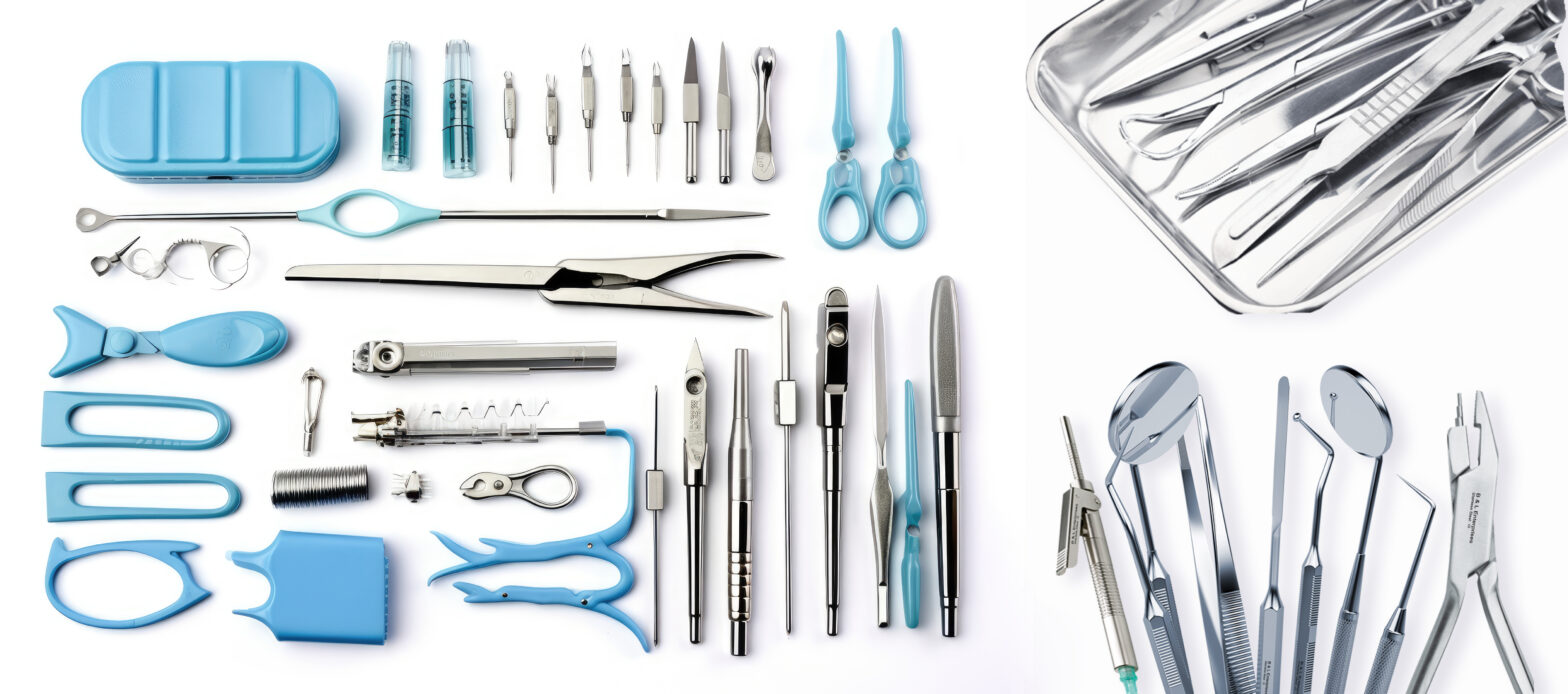
Surgical instruments are the backbone of modern medical procedures, enabling healthcare professionals to perform complex operations with precision and efficiency. Whether it’s a simple outpatient procedure or a highly complex surgery, the quality and functionality of surgical tools play a critical role in patient outcomes. In this article, we’ll dive into everything you need to know about surgical instruments, including their types, materials, manufacturers, and what to look for when selecting tools for surgery. By the end, you’ll have a deeper understanding of how surgical tools work, their importance, and how to choose the right equipment for your practice or healthcare facility.
What Are Surgical Instruments?
Surgical instruments are specialized tools designed for performing specific tasks during medical procedures, ranging from diagnosis and surgery to the repair or modification of tissues. These instruments come in various forms, including cutting, holding, grasping, retracting, and suturing tools. In simple terms, they are essential for surgeons to perform precise actions, helping them achieve optimal surgical outcomes.
Primary Functions of Surgical Instruments
- Cutting: Instruments like scalpels and scissors are used for cutting tissues or skin during an operation.
- Grasping: Forceps and clamps are used to grasp or hold tissues, organs, or other structures during surgery.
- Retracting: Retractors are used to hold back tissues or organs to give the surgeon a clear view of the area being operated on.
- Suturing: Needles and sutures help close wounds after an operation, ensuring that healing happens properly.
Types of Surgical Instruments
Surgical instruments come in various categories, each serving a specific purpose. Let’s break down some of the most commonly used instruments in general and specialized surgeries.
1. General Surgery Instruments
General surgery instruments are used in routine surgeries, such as appendectomies, gallbladder removals, and hernia repairs. These include:
- Scalpels: A small knife used for making incisions.
- Scissors: Surgical scissors are designed for cutting through tissues or sutures.
- Forceps: These are tweezer-like tools used to hold tissues, vessels, or organs in place.
- Needles and Sutures: Used for stitching wounds closed after surgery.
2. Specialized Surgical Instruments
Specialized instruments are designed for specific types of surgeries. For example:
- Orthopedic Surgical Instruments: These include bone saws, drill bits, and joint replacement tools used in surgeries related to bones and joints.
- Cardiothoracic Instruments: Used in heart surgeries, such as bypass operations or valve replacements.
- Neurosurgical Instruments: These are ultra-precise tools used for surgeries involving the brain, spine, or nervous system.
Materials Used in Surgical Instruments
The materials used to manufacture surgical instruments are critical to their function, durability, and hygiene standards. The most common material used is stainless steel, but other materials are also used depending on the instrument’s purpose.
1. Stainless Steel Surgical Instruments
Stainless steel is the go-to material for surgical tools due to its strength, resistance to corrosion, and ability to withstand sterilization. It’s made from a blend of steel, chromium, and other metals, offering exceptional performance in a surgical environment.
2. Other Materials
Some instruments may be made from other materials like titanium, plastic, or ceramics, especially in specialty tools or those that need to be lightweight or non-magnetic.

Choosing the Right Surgical Instruments for Your Practice
Selecting the right surgical instruments is crucial for ensuring that medical procedures are carried out with maximum safety and efficiency. Here’s what you need to consider when choosing instruments for your practice.
What to Look for in a Surgical Instruments Manufacturer
When sourcing surgical tools, you need to choose a reliable and reputable manufacturer. Here’s what to look for:
- Quality Standards: Choose a manufacturer that adheres to strict quality control measures and international standards, such as ISO certifications.
- Durability: Instruments should be built to last, with materials that can endure repeated sterilization without losing their effectiveness.
- Customizability: Some surgical procedures may require specialized instruments, so working with a manufacturer who can customize tools is a significant advantage.
- Reputation: Look for manufacturers with a track record of providing high-quality instruments to hospitals and surgical centers.
Top Surgical Instruments Manufacturers and Suppliers
Some leading names in the industry for surgical tools include:
- Medtronic: Known for a wide range of surgical instruments used in various specialties.
- Johnson & Johnson: Offers both general and specialized instruments.
- Stryker: A major player in orthopedic and neurosurgical instruments.
- B. Braun: Specializes in surgical tools as well as hospital equipment and devices.
Surgical Instruments Suppliers: A Guide to Finding the Best Quality
Surgical instrument suppliers are the companies that provide healthcare institutions with the necessary tools. It’s essential to work with a trusted supplier who offers:
- Wide Selection: A good supplier will offer a broad range of instruments, from basic to advanced tools.
- Competitive Pricing: Quality instruments should be offered at fair prices to keep healthcare affordable.
- After-Sale Support: Reliable customer service, including warranty and repair services, is crucial for long-term maintenance.
Surgical Instruments in Action: Real-Life Case Studies
Case Study 1: Orthopedic Surgery
An orthopedic surgeon uses specialized tools, including bone chisels, reamers, and saws, to perform joint replacement surgery. These instruments allow for precise cuts and implant placement, minimizing patient recovery time and complications.
Case Study 2: Neurosurgery
In a delicate brain surgery, neurosurgeons rely on highly specialized instruments such as microscissors, forceps, and bipolar coagulators. These tools are designed for extreme precision to avoid damaging surrounding tissues.
Conclusion: The Importance of Choosing Quality Surgical Instruments
Surgical instruments play an irreplaceable role in medical procedures. By choosing the right instruments from trusted manufacturers and suppliers, healthcare professionals can ensure that surgeries are performed with precision and efficiency. Always prioritize quality, durability, and compliance with international standards to provide the best outcomes for your patients.
Call to Action
Are you ready to invest in high-quality surgical instruments? Explore top surgical instruments suppliers today and ensure your practice is equipped with the best tools for optimal patient care. Feel free to leave a comment or share this article with colleagues to help spread awareness about the importance of quality surgical tools.
Frequently Asked Questions (FAQs)
Q1. What are the most commonly used surgical instruments?
Some of the most commonly used surgical instruments include scalpels, scissors, forceps, needle holders, and surgical clamps.
Q2. How do I maintain surgical instruments?
Surgical instruments should be cleaned, sterilized, and inspected regularly to ensure they are in good condition. Follow the manufacturer’s maintenance guidelines to extend their lifespan.
Q3. Can surgical instruments be reused?
Yes, many surgical instruments are designed for reuse after proper cleaning and sterilization. Disposable instruments, however, should only be used once.
Author



In India’s rapidly evolving financial market, mutual funds have emerged as the preferred vehicle for building long-term wealth. While the market offers a dizzying array of categories—ranging from aggressive small-caps to sector-specific themes—Large Cap Funds remain the essential “core” for most investors. They provide a unique combination of stability, transparency, and consistent performance.
But what exactly defines a Large Cap Fund? Why do financial planners view them as a safe harbor during market storms? And how do they fit into your personal financial journey? Let us break down the mechanics of large-cap investing in simple, human terms.
Defining the Giants: What Are Large Cap Funds?
Large Cap Funds are equity mutual funds that primarily invest in India’s biggest and most established companies. To maintain a level playing field and protect investors, the Securities and Exchange Board of India (SEBI) provides a strict definition for this category.
According to SEBI regulations, “Large Cap” refers to the top 100 companies listed on the Indian stock exchanges (NSE and BSE) based on their market capitalization. Market capitalization represents the total value of a company’s outstanding shares. Essentially, it tells you what the market thinks the entire company is worth.
These top 100 companies are the “Blue Chips” of the Indian economy. They typically share several key characteristics:
-
Industry Leadership: They often dominate their respective sectors (e.g., Banking, IT, or Energy).
-
Financial Stability: They possess strong balance sheets and predictable cash flows.
-
Proven Track Records: These brands have survived multiple economic cycles over several decades.
-
Strong Governance: Being under the spotlight, they usually follow the highest standards of regulatory disclosure.
Under SEBI mandates, a Large Cap Fund must invest at least 80% of its total assets in these top 100 companies. This rule ensures that the fund stays true to its label and doesn’t take unnecessary risks by chasing smaller, more volatile stocks.

The Powerhouse Portfolio: Examples in the Indian Context
When you buy units of a Large Cap Fund, you are effectively becoming a silent partner in India’s corporate giants. Think of the brands you interact with daily. Some prominent examples include:
-
Reliance Industries Limited: A massive conglomerate spanning energy, retail, and telecommunications.
-
HDFC Bank: A leader in the private banking sector with a presence across the country.
-
Tata Consultancy Services (TCS) & Infosys: Global leaders in Information Technology that drive India’s service exports.
-
Hindustan Unilever: A household name in consumer goods.
These companies operate at a scale that provides a “moat” against competitors. Because they have diversified revenue streams, a downturn in one specific area rarely cripples the entire business.
How Large Cap Funds Operate
The mechanics of a mutual fund are designed for efficiency. When you invest your money:
-
Pooling of Resources: The fund house pools your capital with thousands of other investors.
-
Professional Management: A professional fund manager—supported by a team of analysts—decides which of the top 100 stocks to buy and when to sell.
-
Benchmarking: The fund measures its success against a leading index, such as the NIFTY 50 or the BSE SENSEX. These indices track the performance of the largest companies in India.
-
Diversification: The manager spreads the money across different sectors (Banking, Pharma, Auto, etc.) to ensure that the poor performance of one industry doesn’t ruin the entire portfolio.
The Safety Factor: Why Stability Matters
While no equity investment is entirely “risk-free,” Large Cap Funds offer a layer of protection that mid-cap and small-cap funds cannot match.
1. Resilience During Downturns
Large companies usually have massive cash reserves. When the economy slows down, these “sharks” can survive much longer than the “minnows” (smaller companies). Consequently, their stock prices tend to fall less sharply during a market correction.
2. Predictable Dividends
Many large-cap companies are “cash cows.” Because they have already completed their major expansion phases, they often distribute a portion of their profits back to shareholders as dividends. This provides the fund with a steady stream of income even when stock prices are flat.
3. High Liquidity
Because millions of people trade these stocks daily, fund managers can buy or sell large volumes of shares without significantly affecting the price. This “liquidity” ensures that the fund can meet investor redemption requests quickly and efficiently.
Comparison: Large Cap vs. Mid Cap vs. Small Cap
To build a balanced portfolio, you must understand the “risk-reward” spectrum:
| Category | Typical Company Rank | Primary Goal | Risk Level |
| Large Cap | 1 to 100 | Stability & Consistency | Moderate |
| Mid Cap | 101 to 250 | High Growth | High |
| Small Cap | 251 and below | Aggressive Returns | Very High |
Who Should Invest in Large Cap Funds?
Large Cap Funds are not for everyone, but they are essential for most. You should consider these funds if:
-
You are a First-Time Investor: If you are moving from Fixed Deposits (FDs) to the stock market, Large Cap Funds provide a gentle introduction to equity volatility.
-
You Prefer Steady Compounding: These funds are for the “tortoise,” not the “hare.” They aim for steady, inflation-beating growth over the long term.
-
You Have a Medium-Term Goal: If you need your money in 5 to 7 years (for a house down payment or child’s education), the relative stability of large caps is beneficial.
-
You Want a “Core” for Your Portfolio: Professional investors often use a “Core and Satellite” approach, keeping 60-70% of their money in large caps and the rest in riskier assets.
The Role of Patience: Investment Horizon
Equity investments require a long-term perspective. Even the best Large Cap Fund can go through periods of “negative returns” if the overall market is in a bear phase. To truly benefit from the power of compounding, you should stay invested for at least 5 to 7 years. This time frame allows the fund to ride out short-term fluctuations and capture the actual growth of the underlying companies.
Advantages and Limitations
Advantages:
-
Downside Protection: They offer better “cushioning” when the market crashes.
-
SIP Friendly: They are perfect for Systematic Investment Plans (SIPs), allowing you to average your purchase cost over time.
-
Transparency: Information about these companies is widely available, making it easier to track your investment.
Limitations:
-
Lower Growth Potential: In a raging bull market, a Small Cap Fund might grow 50%, while a Large Cap Fund grows 15%. You sacrifice “explosive” gains for safety.
-
Closet Indexing: Some funds simply mimic the index, making it hard for them to “beat” the market significantly.
Final Thoughts: The Dependable Foundation
Large Cap Funds are rarely “exciting.” They do not trend on social media as “multibaggers,” and they won’t make you a millionaire overnight. However, they offer something far more valuable in the world of finance: Reliability.
In a country like India, where the economy is poised for significant growth over the next decade, Large Cap Funds allow you to own a piece of the nation’s success. They provide the stability needed to stay disciplined during volatile times.
Wealth creation is not about finding the next “hot” stock; it is about staying in the game long enough for compounding to work its magic. For the majority of Indian investors, Large Cap Funds are the most dependable vehicle for that journey. They ensure that while you reach for the stars, your feet remain firmly on the ground.
Author


Thread breaks can slow down the embroidery process, waste materials, and increase production time. Machine operators often have to stop the machine repeatedly to re-thread it, which reduces efficiency and affects deadlines. While many people assume that thread breaking happens only because of machine issues or low-quality thread, the reality is that digitizing plays a major role in preventing or causing thread breaks.
Understanding the relationship between thread breaking embroidery digitizing and machine performance can help embroidery professionals create smoother designs and improve overall productivity.
What is Thread Breaking in Embroidery?
Thread breaking occurs when the embroidery thread snaps while the machine is stitching a design. When this happens, the embroidery machine automatically stops, and the operator must fix the thread before continuing the process.
In a busy embroidery production environment, even small issues like thread breaks can create serious delays. If a design causes frequent thread breaks, it may take twice as long to complete the embroidery work.
Thread breaking can happen due to several factors such as:
- Poor embroidery digitizing
- Incorrect stitch density
- Improper thread tension
- Low-quality thread
- Worn-out needles
- Incorrect machine settings
However, one of the most overlooked causes is bad digitizing. If a design is not digitized correctly, it can create unnecessary stress on the thread, which eventually leads to thread breakage.
Why Thread Breaking Happens in Embroidery Digitizing
Many embroidery professionals focus on machine settings when troubleshooting thread breaks, but the design file itself often contains the real problem. A poorly digitized embroidery file forces the machine to perform inefficient stitching movements.
Let’s explore the most common digitizing mistakes that cause thread breaking.
High Stitch Density
High stitch density is one of the main causes of thread breaking in embroidery digitizing.
Stitch density refers to how closely the stitches are placed together in a design. When the stitches are packed too tightly, the needle has to penetrate the same area of fabric repeatedly. This creates excessive friction between the thread, needle, and fabric.
As a result, the thread becomes weak and eventually breaks.
Professional digitizers carefully balance stitch density according to the fabric type, thread thickness, and design size. A design that looks perfect on the screen may still cause problems if the density is too high for the fabric being used.
Reducing stitch density slightly can significantly improve embroidery performance and reduce thread breaks.
Poor Stitch Direction
Stitch direction plays a very important role in embroidery digitizing. When stitches move in the wrong direction or overlap excessively, they create tension in the thread.
For example, if a design contains multiple fill areas with conflicting stitch directions, the thread may constantly pull against previous stitches. This increases pressure on the thread and may cause it to snap.
Experienced digitizers plan stitch directions carefully to ensure smooth transitions between different design elements.
Proper stitch direction also improves the appearance of the embroidery design by creating better texture and depth.
Too Many Short Stitches
Short stitches are another common cause of thread breaking in embroidery digitizing.
When a design contains many very small stitches, the embroidery machine must constantly change direction. This rapid movement increases friction on the thread.
Short stitches are often found in designs with small text, tiny details, or complex shapes. If these elements are not digitized properly, they can create unnecessary stress on the thread.
Professional digitizers adjust stitch lengths to maintain design quality while ensuring the machine runs smoothly.
Sharp Angles and Tight Corners
Sharp angles and tight corners can also lead to thread breaking.
When an embroidery machine stitches sharp angles, the needle changes direction very quickly. This sudden movement can create tension in the thread.
If the digitizer does not adjust stitch angles properly, the machine may struggle to complete the design without thread breaks.
Skilled digitizers often smooth out sharp corners or add additional stitches to control the thread flow. This allows the machine to stitch the design without excessive stress on the thread.
Poor Underlay Settings
Underlay stitches form the foundation of an embroidery design. They stabilize the fabric and support the top stitches.
If the underlay is incorrect or missing, the top stitches may pull too tightly on the fabric. This can increase tension in the thread and cause it to break.
Proper underlay settings help distribute the stitches evenly and reduce stress on the thread.
Professional digitizers select the right underlay type based on the design structure and fabric type.
The Role of Professional Thread Breaking Embroidery Digitizing
Professional embroidery digitizing services focus not only on the visual appearance of a design but also on machine performance.
A well-digitized embroidery file ensures that the machine runs smoothly without unnecessary stops. Professional digitizers use advanced techniques to minimize thread breaks and improve embroidery efficiency.
These techniques include:
-
Optimizing stitch density
-
Planning efficient stitch paths
-
Balancing stitch lengths
-
Adjusting stitch directions
-
Using proper underlay structures
By applying these methods, digitizers create designs that are both visually appealing and machine-friendly.
How Thread Breaking Affects Embroidery Production
Thread breaking may seem like a small issue, but it can have a significant impact on embroidery businesses.
Frequent thread breaks can cause several problems, including:
Production Delays
Every time the thread breaks, the machine must stop so the operator can fix it. This slows down the embroidery process and delays production schedules.
Increased Labor Time
Machine operators must constantly monitor designs that cause thread breaks. This increases workload and reduces overall productivity.
Material Waste
Thread breaks may damage the embroidery design or require restarting the stitching process, which wastes thread and fabric.
Lower Design Quality
Frequent thread breaks may create visible flaws in the final embroidery design, such as gaps or uneven stitching.
This is why thread breaking embroidery digitizing is an important factor for professional embroidery production.
Best Practices to Prevent Thread Breaking
Preventing thread breaks requires a combination of good digitizing techniques and proper machine setup.
Here are some important tips that help reduce thread breaking during embroidery.
Use High-Quality Thread
Low-quality thread is more likely to break during embroidery. Professional embroidery threads are designed to handle high-speed stitching without snapping.
Using strong and reliable thread can significantly reduce thread breakage.
Replace Needles Regularly
Worn or damaged needles can create friction and damage the thread. Replacing needles regularly helps maintain smooth stitching.
Adjust Thread Tension
Incorrect thread tension can place too much pressure on the thread. Proper tension settings help the thread move smoothly through the needle.
Use the Right Stabilizer
Stabilizers support the fabric during embroidery. Without proper stabilization, the fabric may shift or stretch, which increases tension on the thread.
Selecting the right stabilizer improves embroidery quality and prevents thread breaks.
Test the Design Before Production
Testing an embroidery design before starting production helps identify potential problems such as thread breaks or stitch issues.
Professional digitizers often run test stitches to ensure the design works perfectly on embroidery machines.
Importance of Choosing the Right Embroidery Digitizing Service
Many embroidery businesses rely on professional digitizing services to ensure their designs run smoothly on embroidery machines.
A skilled digitizer understands how embroidery machines work and creates designs that are optimized for production.
Choosing an experienced thread breaking embroidery digitizing service can help businesses avoid common embroidery problems and produce high-quality designs consistently.
Professional digitizing services focus on:
-
Machine-friendly stitch paths
-
Balanced stitch density
-
Clean and smooth embroidery results
-
Reduced thread breaks
By investing in professional digitizing, embroidery businesses can improve efficiency, reduce machine downtime, and deliver better results to their clients.
Conclusion
Thread breaking is one of the most common challenges in machine embroidery, and in many cases the problem starts with poor embroidery digitizing. Designs that contain excessive stitch density, short stitches, sharp angles, or incorrect underlay settings can create unnecessary stress on the thread.
Understanding the principles of thread breaking embroidery digitizing helps embroidery professionals create smoother and more reliable designs. Proper digitizing techniques ensure that embroidery machines run efficiently without constant interruptions.
Author



The global home textile industry is currently undergoing a massive paradigm shift. What was once considered a basic household necessity has evolved into a cornerstone of health, wellness, and interior design. Today, the bed sheets market is no longer just about covering a mattress. Instead, it is about “sleep hygiene” and the pursuit of a restorative night’s rest. As consumers spend more time at home, the demand for premium, breathable, and aesthetically superior bedding has surged to record heights.
This transition is fueling a robust economic landscape. Manufacturers and retailers alike are seeing growth driven by both the residential and commercial sectors. According to recent market intelligence from The Insight Partners, the global bed sheets market size is projected to reach US$ 28.52 billion by 2031. This is a significant jump from its US$ 18.25 billion valuation in 2023. This trajectory represents a steady CAGR of 5.7% during the forecast period.
Strategic Analysis: The Rise of Premiumization
The bed sheets market is a diverse ecosystem that covers various materials, sizes, and price points. While offline retail channels traditionally dominated the market, digital transformation has fundamentally altered the landscape. Consumers now discover and purchase bedding through social media, influencer recommendations, and Direct-to-Consumer (D2C) websites.
The market is currently defined by “premiumization.” This means consumers are now willing to invest significantly more in fabrics that offer better thermoregulation and skin health. They are no longer looking for the cheapest option. Instead, they seek long-term value, durability, and a hotel-like experience within their own bedrooms.

Material and Fabric Innovations
Historically, cotton has remained the undisputed leader in the market. Its natural breathability and soft texture make it a perennial favorite. However, current market analysis shows a rapid rise in the popularity of sustainable textiles and specialized blends.
-
Long-Staple Cotton: Varieties like Egyptian and Pima cotton are increasingly sought after for high-end luxury bedding. These fibers are stronger and softer than standard cotton, providing a much higher level of comfort.
-
Bamboo and Tencel: These eco-friendly materials are quickly gaining market share. Consumers prioritize them because of their moisture-wicking properties and low environmental impact.
-
Linen: Once a niche product reserved for coastal homes, linen sheets are witnessing a massive resurgence. Their durability and timeless, relaxed aesthetic appeal to the premium segment of the market.
Understanding the Demand: Residential vs. Commercial
The market is split into two primary segments: residential and commercial end-users. Each segment has its own unique drivers and requirements.
The Residential Boom
The residential segment holds the majority of the market share. This growth is driven by rising urbanization and a booming real estate sector, particularly in emerging economies. As more people move into modern apartments and homes, they prioritize high-quality home textiles. Furthermore, the “home as a sanctuary” movement has encouraged people to spend more on their primary living spaces.
The Commercial Powerhouse
The commercial segment, led by the global hospitality industry, acts as a high-volume driver. Hotels, resorts, and vacation rentals require industrial-grade durability. They also deal with high-frequency replacement cycles to maintain brand standards. This provides a stable and consistent revenue stream for large-scale manufacturers like Welspun Living and Standard Textile.
Regional Dominance and Global Expansion
Geographically, the Asia-Pacific region stands as the largest and fastest-growing market. This dominance is no accident. Major textile manufacturing hubs in India and China provide easy access to raw materials and labor. Coupled with a massive domestic consumer base, this region is the engine of the global market.
North America and Europe follow as significant secondary markets. In these regions, growth is primarily fueled by a desire for high-thread-count premium products. There is also a strong presence of innovative D2C brands like Brooklinen and Parachute Home. these companies have successfully disrupted traditional retail by focusing on quality, transparency, and modern branding.
The Competitive Landscape: Leaders in Innovation
The competitive landscape of the bed sheets market is a mix of established textile conglomerates and digital-native startups. To stay ahead, these companies are investing heavily in Research and Development (R&D). They are introducing features that were unheard of a decade ago, such as antimicrobial and hypoallergenic finishes.
Key players currently shaping the industry include:
-
Welspun Living Limited and Trident Group (Global manufacturing leaders)
-
Boll & Branch and Brooklinen (D2C innovators)
-
Williams-Sonoma Inc. and WestPoint Home (Established retail giants)
These organizations are not just selling sheets; they are selling a lifestyle. They focus on how a specific fabric can improve your sleep quality and, by extension, your overall health.
Emerging Growth Opportunities through 2031
The forecast through 2031 highlights several key areas where savvy businesses can expand their reach.
1. Health-Centric Bedding
In a post-pandemic world, health is the top priority. The integration of copper or silver ions to create antimicrobial bed sheets is a rising trend. These sheets actively fight bacteria and odors, making them a popular choice for health-conscious families.
2. Personalized Sleep Experiences
Generic bedding sets are becoming a thing of the past. Brands are now offering “build-your-own” sets. This allows customers to choose different fabrics for their pillowcases, flat sheets, and fitted sheets based on their personal preferences for temperature and texture.
3. The Power of Social Commerce
The shift toward mobile shopping is allowing smaller, specialized brands to capture market share. By using influencer-led marketing on platforms like Instagram and TikTok, these brands can reach a global audience without the overhead costs of traditional retail stores.
Conclusion: A Future Built on Comfort
The bed sheets market has moved far beyond its humble origins. It is now a sophisticated multibillion-dollar industry driven by technology, sustainability, and a global obsession with wellness. Whether it is through the use of sustainable bamboo fibers or advanced antimicrobial coatings, the industry is focused on improving the human experience of sleep.
As we look toward 2031, the brands that succeed will be those that align with consumer values. This means prioritizing environmental responsibility, technical performance, and aesthetic beauty. The future of sleep is bright, and it begins with the very fabric we lie on every night.
Author



Ear Reshaping Surgery in Dubai: Bat Ear Correction & Procedure

Secure Software Lifecycle Management: Approach to Cybersecurity

Corteiz Clothing: Hoodies, Tracksuits, Cargos & Streetwear Style

House and Land Packages in NSW: Complete Guide for Buyers

Houston Local SEO That Connects Businesses with Customers

Burberry Shirt US: Authentic Styles, Fit Guide & Online Store

Green Ammonia Market Growth: Trends, Technology & Outlook

Best Health Insurance Plan in India List Triggers Debate

Large Cap Funds: Benefits, and How They Build Long-Term Wealth

Why Sp5der Shorts Are Dominating Modern Streetwear Trends

Cybersecurity Consulting Company SequelNet Provides Critical IT Support Services to Medical Billing Firm, Medical Optimum

Team Communication Software Transforms Operations at Finance Innovate

Project Management Tool Transforms Long Island Business

How Alleviate Poverty Utilized IPPBX’s All-in-One Solution to Transform Lives in New York City

Breast Cancer: The Imperative Role of Mammograms in Screening and Early Detection

Unstoppable Collaboration: D.C.’s Citi Open and Silicon Valley Classic Unite to Propel Women’s Tennis to New Heights

Embracing Renewal: Sizdabedar Celebrations Unite Iranians in New York’s Eisenhower Park

The Benefits of Starting a Side Hustle for Financial Freedom

New Blood Donation Screening Questions What You Need to Know

Stylishly Timeless: The 5 Types of Sandals You Need in Your Closet
-

 Business3 years ago
Cybersecurity Consulting Company SequelNet Provides Critical IT Support Services to Medical Billing Firm, Medical Optimum
-
Business3 years ago
Team Communication Software Transforms Operations at Finance Innovate
-
Business3 years ago
Project Management Tool Transforms Long Island Business
-
Business3 years ago
How Alleviate Poverty Utilized IPPBX’s All-in-One Solution to Transform Lives in New York City
-
health3 years ago
Breast Cancer: The Imperative Role of Mammograms in Screening and Early Detection
-
Sports3 years ago
Unstoppable Collaboration: D.C.’s Citi Open and Silicon Valley Classic Unite to Propel Women’s Tennis to New Heights
-
Art /Entertainment3 years ago
Embracing Renewal: Sizdabedar Celebrations Unite Iranians in New York’s Eisenhower Park
-
Finance3 years ago
The Benefits of Starting a Side Hustle for Financial Freedom







