
Law Government
Challenges Ahead: Overcoming Obstacles on the Path to a Just and Equitable Future


As we look towards the future, it’s essential to acknowledge the challenges that lie ahead. From the rise of populism and nationalism to rapid technological advancements, there are many obstacles on the path to a just and equitable society. But despite these hurdles, we must remain optimistic about our ability to overcome them. In this blog post, we will explore some of these obstacles and discuss how we can work together to build a better future for everyone. So let’s dive in!
The rise of populism and nationalism
In recent years, we’ve witnessed a significant rise in populism and nationalism around the world. These movements often tap into people’s fears and frustrations to gain support, but they can also lead to dangerous divisions within society.
One of the main drivers of these ideologies is a sense of economic insecurity. Many people feel left behind by globalization and are looking for someone to blame. Populist leaders often scapegoat marginalized groups or immigrants, rather than addressing systemic issues like income inequality.
In addition to dividing communities, populism and nationalism can also have damaging effects on international relations. Countries that prioritize their own interests over global cooperation risk exacerbating existing conflicts and undermining efforts towards peace.
To overcome this obstacle on our path towards a just and equitable future, we must work towards creating more inclusive societies that address people’s economic concerns while valuing diversity and promoting mutual understanding across cultures.

The impact of technology on the workforce
The rapid advancement of technology has transformed the way we work and live. While it has brought about numerous benefits, such as increased efficiency and productivity, it has also raised concerns about its impact on the workforce.
One of the main challenges lies in automation. The increasing use of robots and artificial intelligence (AI) means that many jobs are at risk of being replaced by machines. This poses a threat to employees who may find themselves out of work due to redundancy or lack of skills needed to operate new technologies.
However, technology can also create new job opportunities in areas like software development or data analysis. As a result, there is a need for continuous upskilling and reskilling programs to ensure workers can adapt to changing demands in their industry.
Another significant issue is the gig economy, which relies heavily on digital platforms connecting freelancers with short-term contracts rather than traditional employment arrangements. Although this provides flexibility for some workers, it often results in unstable income streams and lack of job security.
Therefore, policymakers must address these challenges through education programs that prepare future generations for roles requiring advanced technological skills while promoting fair working conditions across industries regardless if they belong from traditional employment arrangements or gigs economy setup
The need for a new social contract
In the past few decades, we have seen a significant shift in our economic and social landscapes. The rise of technology and globalisation has brought about unprecedented opportunities for growth, but also new challenges that require us to rethink our approach to societal organisation.
One critical aspect of this change is the need for a new social contract. Our current system was built on assumptions of stable employment, rising wages and increasing consumer demand. But these conditions no longer exist as they used to be.
Instead, we see growing inequality, precarious work arrangements and an erosion of workers’ rights in many parts of the world. This trend threatens not only individuals but entire societies by making it difficult to sustain a thriving middle class.
The solution lies in crafting policies that are rooted in principles such as fairness, solidarity and sustainability – values that can help guide us towards more equitable futures where everyone has access to equal opportunities regardless of their background or social status.
To achieve this goal requires bold thinking from policymakers at all levels: national governments must take leadership roles while local communities must be empowered with tools necessary for creating sustainable economies based on innovative business models which can provide jobs with decent pay and benefits whilst protecting our planet’s resources for future generations.
How to build a just and equitable future
Building a just and equitable future is a complex challenge that requires collective efforts from all sectors of society. To achieve this goal, we need to address the root causes of social inequality and injustice.
Firstly, it’s crucial to ensure access to quality education for everyone regardless of their socio-economic background. Education empowers individuals with knowledge and skills needed to succeed in life and contribute positively towards society.
Secondly, we need to promote diversity and inclusion in all aspects of our lives – from workplaces to communities. This means creating an environment where people feel valued irrespective of their race, gender identity or sexual orientation.
Thirdly, we must strive towards greater economic equality by reducing income disparity between different groups in society. Progressive taxation policies can play a vital role in achieving this objective.
Fourthly, we must invest more resources into affordable healthcare programs that provide comprehensive coverage for all citizens. Accessible health care enhances the well-being of individuals while strengthening the economy at large.
Lastly but not least important, empowering marginalized communities through targeted initiatives could help bridge gaps created by systemic discrimination against certain groups such as minorities or low-income families.
Building a just and equitable future requires multifaceted approaches tailored specifically for each community’s unique needs. By working together towards these goals with determination and commitment – one step at a time – only then can we create lasting change that benefits us all.
Conclusion
As we move forward, it’s crucial that we acknowledge the challenges ahead and work to overcome them. The rise of populism and nationalism, the impact of technology on the workforce, and the need for a new social contract are all obstacles that must be addressed if we hope to build a just and equitable future.
To do so will require cooperation across political lines, as well as a willingness to seek out innovative solutions. We must prioritize investing in education and upskilling programs to equip workers with new tools to succeed in an ever-changing job market. Additionally, governments should work together with business leaders to create policies that promote fair wages, benefits packages, and worker protections.
Above all else though is our responsibility as individuals: To stay informed about these issues and actively participate in creating positive change in our communities. Only through collective action can we hope to overcome these obstacles on the path towards building a more just and equitable world for all people.
Author

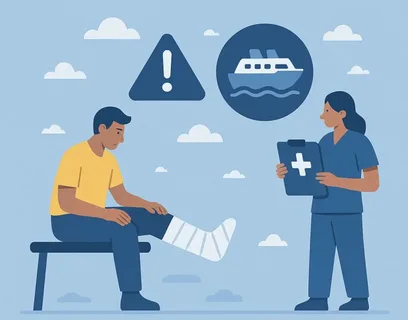
Cruise vacations are marketed as relaxing, luxurious, and worry-free experiences. Millions of passengers board cruise ships every year expecting beautiful ocean views, entertainment, and unforgettable memories. Unfortunately, accidents at sea happen more often than many travelers realize. From slip-and-fall injuries to severe accidents connected to cruise ship wrecks, victims are often left confused about their legal rights. What most people do not know is that cruise ship injury claims are very different from regular personal injury cases on land. Special laws, strict deadlines, and complex jurisdiction rules can make these claims difficult without experienced legal guidance.
Understanding the truth behind cruise ship injury cases can help passengers protect their rights and avoid costly mistakes after an accident.
Cruise Ship Injury Claims
One of the biggest surprises for injured passengers is that cruise ship companies operate under unique maritime laws. These laws differ significantly from the personal injury laws most people are familiar with.
When passengers purchase a cruise ticket, they also agree to the cruise line’s legal terms and conditions. Hidden within the fine print are important rules about where lawsuits can be filed, how long victims have to act, and what compensation may be limited.
Many cruise lines require injury claims to be filed in specific states, even if the passenger lives elsewhere. Some also shorten the legal deadline for filing a claim to as little as one year.
Because of these restrictions, waiting too long to speak with an attorney can seriously damage a victim’s case.
Not Every Cruise Accident Is Considered a “Freak Accident”
Cruise companies often try to portray injuries as unavoidable accidents caused by bad weather, passenger behavior, or unexpected circumstances. However, many accidents happen because of negligence.
Examples include:
- Wet and slippery decks without warning signs
- Poorly maintained stairways and railings
- Inadequate security onboard
- Unsafe excursion activities
- Delayed medical treatment
- Crew member negligence
In some cases involving cruise ship disasters, investigators later discover that cruise operators ignored safety protocols or failed to address known hazards.
Passengers should never assume the cruise company is automatically free from responsibility after an injury.

Evidence Disappears Quickly
Time is extremely important in cruise injury claims. Unlike accidents on land, evidence at sea can disappear quickly.
Security footage may be erased within days. Witnesses often return to different countries after the cruise ends. Hazardous conditions may be repaired immediately after the incident, making it harder to prove negligence later.
This becomes even more complicated in cases involving cruise ship wrecks or large-scale maritime emergencies where multiple victims are involved.
Victims should try to gather as much evidence as possible immediately after the accident, including:
- Photos and videos of the scene
- Names of witnesses
- Medical records from onboard treatment
- Incident reports filed with the cruise line
- Copies of ticket contracts and communications
The earlier an attorney begins investigating, the stronger the potential case may become.
Medical Care on Cruise Ships
Many passengers assume cruise ship medical facilities operate like modern hospitals. In reality, onboard medical centers are often limited in staff, equipment, and emergency capabilities.
While cruise ships usually have doctors or nurses available, serious injuries may require evacuation or treatment at the next port. Delays in care can make injuries worse and sometimes create additional legal issues.
In some situations, cruise lines may even attempt to deny responsibility for medical negligence committed by onboard healthcare providers.
This issue has become especially important following some of the worst cruise ship disasters in recent history, where delayed emergency response created devastating consequences for passengers.
Victims should seek independent medical evaluation as soon as possible after returning home. Proper documentation from outside healthcare providers can play a major role in proving damages.
Powerful Legal Teams
Most cruise companies are backed by large insurance carriers and experienced defense attorneys. Their goal is often to reduce payouts and protect corporate interests.
After an accident, injured passengers may receive quick settlement offers that appear helpful at first. However, accepting an early settlement can prevent victims from recovering additional compensation later if medical complications arise.
Insurance representatives may also ask passengers to provide recorded statements that can later be used against them.
This is why experienced legal representation matters. A knowledgeable maritime injury attorney understands how cruise companies defend these claims and can help victims avoid common traps.
Serious Cruise Ship Wrecks
Over the years, several cruise ship disasters have exposed serious safety failures within the cruise industry. These incidents led to public scrutiny and changes in maritime safety practices.
Some of the worst cruise ship disasters involved:
- Fires onboard vessels
- Mechanical failures
- Ship collisions
- Groundings near coastlines
- Severe weather navigation mistakes
These tragic events revealed how quickly vacations can turn into life-changing emergencies.
Although cruise lines continue improving safety measures, accidents and injuries still occur regularly. Many passengers are unaware that even smaller incidents can create significant physical, emotional, and financial harm.
Understanding the legal process before problems arise can help travelers make informed decisions if something goes wrong during their cruise.
Compensation Include More Than Medical Bills
Another common misconception is that cruise injury claims only cover immediate medical expenses. In reality, victims may be entitled to several forms of compensation depending on the circumstances.
Potential damages may include:
- Emergency medical treatment
- Future healthcare costs
- Lost wages and reduced earning ability
- Pain and suffering
- Emotional distress
- Rehabilitation expenses
- Disability-related costs
In severe cases connected to cruise ship wrecks or catastrophic injuries, compensation may also account for long-term lifestyle changes and permanent impairments.
Every case is different, which is why careful legal evaluation is essential.
Injured Cruise Passengers
Passengers injured on a cruise should take specific steps to protect both their health and their legal rights.
Important actions include:
- Report the incident immediately to ship personnel
- Request a written copy of the incident report
- Take photos and gather witness information
- Seek medical attention right away
- Avoid signing documents without legal review
- Contact an experienced cruise ship injury attorney quickly
Even seemingly minor injuries can become serious over time. Early action often makes a major difference in the outcome of a claim.
Final Thoughts
Cruise vacations may feel carefree, but injuries at sea involve complex legal challenges that many passengers never expect. From strict filing deadlines to hidden ticket contract terms, cruise ship injury claims are far more complicated than ordinary accident cases.
Whether the incident involves a simple slip-and-fall or a major event connected to cruise ship disasters, victims deserve to understand their rights and legal options.
The truth is that cruise lines are prepared to defend themselves immediately after accidents occur. Passengers should be equally prepared to protect their future.
Working with an experienced maritime injury attorney can help victims navigate the complicated legal process, preserve crucial evidence, and pursue the compensation they may deserve after serious cruise ship wrecks or onboard injuries.
Author



When investing in mutual funds or engaging in other financial transactions, it is crucial to understand certain provisions of the Indian Income Tax Act. One key regulation to be aware of is Section 269ST of Income Tax Act. This section was introduced to curb black money transactions by restricting cash payments over a specified limit. Alongside this, Section 56 of Income Tax Act plays a critical role in addressing unexplained receipts and gifts, further tightening the regulatory framework around asset transfers. Knowing how to navigate these laws correctly can save you from unnecessary penalties and legal complications.
Section 269ST of Income Tax Act
269st of income tax act prohibits any person from receiving an amount of two lakh rupees or more in cash from a single person on a single day or in respect of a single transaction or transactions relating to one event or occasion. The objective here is simple: discouraging the use of large cash payments to prevent money laundering and black money circulation.
If you, or a business you deal with, receive cash payments exceeding this limit, the income tax department may levy a penalty equal to the entire amount received in cash. This penalty can be quite severe, especially for high-value transactions. Consequently, it becomes vital for mutual fund investors and others to avoid cash transactions above this threshold.
Section 269ST matters to mutual fund investors
Mutual funds are typically purchased through non-cash modes like digital payments, cheque, or direct bank transfers. However, some investors may still be tempted to make large payments in cash, perhaps due to convenience or lack of awareness. This poses a risk.
For example, if you decide to invest ₹3 lakh in a mutual fund using cash, this goes against Section 269ST’s provisions. The mutual fund house receiving the cash could be liable for a penalty. The investor may also face scrutiny under related provisions, especially if the source of the cash is not transparent.
Mutual funds, being regulated financial products, urge investors to use authorized payment methods, which inherently align with compliance. When you pay via digital methods, banks and financial institutions automatically generate a paper trail, supporting tax compliance.
Cash transactions to avoid under Section 269ST
Under Section 269ST, these types of cash payments are restricted:
– Payments exceeding Rs. 2 lakh in cash for a single transaction
– Receiving aggregate cash exceeding Rs. 2 lakh in a single day from one person
– Cash related to one event or occasion that cumulatively passes the Rs. 2 lakh threshold
For instance, if you receive Rs. 1.5 lakh in cash on one day and then Rs. 1 lakh the next day for the same event, it may attract penalties because the law also focuses on events or occasions, not just strict daily limits.
In the context of mutual funds, avoid:
– Paying subscription amounts in cash that exceed Rs. 2 lakh
– Transferring large sums in cash to mutual fund agents or distributors
– Accepting cash redemption proceeds exceeding Rs. 2 lakh
Always use bank transfers, demand drafts, or cheques to make these payments.

Consequences of violating Section 269ST
If cash transactions violate Section 269ST, the income tax department can impose a penalty equal to the entire amount received in cash. This amount is non-negotiable and is imposed in addition to regular income tax procedures.
Following the penalty, the taxpayer’s bank accounts may also be subjected to scrutiny, and the transaction history could be audited. This can cause delays and complications in your financial dealings.
In contrast, legal payments via digital modes are traceable and pose no risk of Section 269ST penalties. Being mindful about payment modes can prevent such penalties altogether.
Section 56 of income tax act in mutual fund transactions
While Section 269ST restricts cash transactions, Section 56 of the Income Tax Act addresses unexplained receipts and gifts. Under this section, any sum of money received without consideration exceeding Rs. 50,000 or any property received without adequate consideration can be taxed as income from other sources.
Why is this important for mutual fund investors?
Suppose you receive mutual fund units or cash as a gift or from an unrelated party. If the value exceeds Rs. 50,000 and there is no clear source or consideration, Section 56 could apply. This section is a secondary compliance point often linked with checking for unaccounted money.
Therefore, if you avoid cash payments under Section 269ST but accept large gifts or unexplained receipts related to your mutual fund investments, the tax department could still examine you under Section 56.
Avoid penalties under Section 269ST
Choose digital or cheque payments
To avoid penalties, always make mutual fund investments through bank transfers, digital wallets approved by the regulator, or cheques. These methods create transparent transaction records and comply fully with Section 269ST.
Split large cash payments into smaller amounts with caution
Some believe breaking down payments into smaller sums below Rs. 2 lakh may help. However, this can attract suspicion if it appears to be a deliberate attempt to evade Section 269ST. It’s best to avoid cash payments altogether for high-value transactions.
Maintain proper documentation
Always maintain and submit evidence of your payments. Bank statements, receipts from mutual fund houses, or confirmations of online transactions act as proof, reducing chances of penalties.
Be aware of the source of funds
The income tax department may verify the origin of large sums. If your cash source is legitimate and documented, you are less likely to face trouble even if minor discrepancies occur.
Avoid accepting large cash gifts related to mutual funds
If you receive large sums as gifts linked with your mutual fund investments, ensure the sender declares them and files appropriate tax returns. This reduces risks under Section 56 of the Income Tax Act.
Conclusion
Section 269ST of Income Tax Act imposes strict limits on cash payments exceeding Rs. 2 lakh to prevent black money circulation. Mutual fund investors must avoid making or accepting such large cash payments to steer clear of penalties.
Section 56 of Income Tax Act complements this by taxing unexplained gifts or receipts exceeding Rs. 50,000, ensuring transparency and authenticity in financial flows.
By choosing non-cash payment methods, maintaining proper documentation, and being transparent in your mutual fund dealings, you can avoid penalties and maintain a clean financial record.
Author



Accidents can be stressful and delays in accident claims add another layer of difficulty for residents of Milton Keynes. Whether the accident occurs on the road, at work or in a public space, delayed claims can affect finances, recovery and peace of mind. Understanding why delays occur and how they influence the process can help claimants take steps to protect their rights and stay prepared.
A delayed claim does not always mean it will fail, but it can create challenges. Delays often affect the collection of evidence, negotiation with insurers and timely compensation. By being aware of the factors that contribute to delays, individuals can respond proactively and ensure that their case is handled effectively.
Common Reasons for Claim Delays
Several factors can contribute to delays in accident claims in Milton Keynes:
- Incomplete or Late Medical Records: Medical documentation is crucial for establishing the severity of an injury and the required treatment. Delays in obtaining hospital or GP records can slow the claim process.
- Disputed Liability: When parties involved in the accident disagree about who is at fault, insurers may require additional investigation, extending the timeline.
- Missing or Insufficient Evidence: Claims can be delayed if photographs, videos or witness statements are incomplete or unavailable. Evidence is needed to support the claimant’s version of events and demonstrate the impact of the injury.
- Insurance Investigation Processes: Insurers may conduct detailed investigations into the accident, especially if the case is complex or involves high-value claims. These processes can take time and lengthen the overall timeline.
Understanding these common causes helps claimants anticipate potential delays and take steps to minimize them.

The Impact of Delays on Recovery
A delayed claim can affect not only compensation but also the recovery process. Financial uncertainty may make it harder to cover medical costs, rehabilitation expenses or everyday living costs. In some cases, the inability to secure compensation promptly can increase stress and impact mental health.
Moreover, delays can disrupt routines and create additional responsibilities. Household adjustments, childcare arrangements and home care support for injury victims may need to continue longer than expected.
Maintaining Evidence During Delays
Even if a claim is delayed, it is important to maintain accurate records. Continued documentation can strengthen a case and prevent disputes.
- Medical Updates: Keep all records of ongoing treatments, therapy sessions and consultations. These demonstrate the full impact of the injury.
- Photographs and Videos: If conditions at the accident site or related hazards persist, updated images can provide additional evidence.
- Financial Records: Maintain receipts, invoices and records of lost earnings. These show the continued impact of the accident on personal finances.
- Communication Records: Keep copies of correspondence with insurers, medical professionals and any other relevant parties.
Properly maintaining evidence ensures that a delayed claim does not weaken over time and that all aspects of the injury are documented.
Legal Implications of Delays
Delays can also have legal implications. The statute of limitations for personal injury claims in the UK generally requires that a claim must be started within three years of the accident. While short delays are common, prolonged delays without proper legal guidance can jeopardise the claim if deadlines are missed.
Additionally, disputes over liability, shared fault or the extent of injuries may require legal support. Solicitors can help ensure that deadlines are met, evidence is presented correctly, and the claim remains valid despite delays.
Negotiation Challenges
Delayed claims may also affect negotiation with insurers. Over time, insurers may question the severity of the injury, the necessity of treatment or the accuracy of financial records. This can lead to longer discussions, requests for additional documentation or even initial offers that undervalue the claim’s worth.
Having professional legal support helps manage negotiations, ensures all evidence is considered and supports a fair settlement. Delays can be mitigated by keeping communication consistent, providing accurate updates and responding to requests promptly.
How Claimants Can Reduce the Impact of Delays
There are several steps Milton Keynes residents can take to reduce the impact of delays:
- Seek Immediate Medical Attention: Early treatment establishes a clear record of the injury.
- Document Everything: Keep records of medical treatment, financial losses and accident details.
- Collect Witness Statements Early: Witnesses are easier to contact shortly after the accident.
- Consult a Solicitor: Legal guidance ensures proper filing, evidence collection and communication with insurers.
- Follow Up Regularly: Stay in contact with insurers and legal representatives to monitor progress.
Being proactive helps protect the claim and ensures that delays do not compromise the final outcome.
Help From Professional Legal Support
Personal injury claims Milton Keynes can be initiated with the help of a claims support service, like RU1NJURED. They have a panel of specialist solicitors who guide claimants throughout the claims process, advise on evidence collection and negotiate with defendant’s insurers on the claimant’s behalf.
Professional support is especially valuable when delays occur, as solicitors can address disputes, ensure deadlines are met and maximize the likelihood of fair compensation. By working with experienced legal professionals, claimants can reduce the stress associated with delays and focus on recovery while protecting their rights.
Conclusion
Delays in accident claims can be challenging, but understanding the reasons behind delays and taking proactive steps helps Milton Keynes residents protect their rights. Prompt medical attention, accurate record-keeping, early legal guidance and regular follow-up are key factors in managing delayed claims effectively.
RU1NJURED helps victims of non-fault accident in initiating personal injury claims Milton Keynes by connecting them with solicitors who explain the delays, gather evidence and ensure that the compensation award reflects every aspect of the injury. By being aware of the potential challenges, residents can address delays without compromising their claim and maintain focus on recovery.
Author



Labubu Collectible Figures: Origin, Popularity, Art & Collector

Custom Round Boxes: Premium Packaging for Luxury Branding

Custom Ice Cream Boxes: Premium Packaging Solutions

Endmill Tool Life in CNC Machining: Tips & Best Practices

Cutting Tool: End Mill Types, Uses, and Machining Basics

Kaftan Sets for Women: Stylish Ethnic Wear for Effortless Comfort

CNC Milling Efficiency: Endmill Tools for Precision Manufacturing

Chemical Peel in Islamabad: Improve Oily and Acne-Prone Skin

Mounjaro in Dubai: Advanced Tirzepatide Therapy for Weight Loss

Kaftan Sets for Women: The Perfect Blend of Comfort

Cybersecurity Consulting Company SequelNet Provides Critical IT Support Services to Medical Billing Firm, Medical Optimum

Team Communication Software Transforms Operations at Finance Innovate

Project Management Tool Transforms Long Island Business

How Alleviate Poverty Utilized IPPBX’s All-in-One Solution to Transform Lives in New York City

Breast Cancer: The Imperative Role of Mammograms in Screening and Early Detection

Unstoppable Collaboration: D.C.’s Citi Open and Silicon Valley Classic Unite to Propel Women’s Tennis to New Heights

Embracing Renewal: Sizdabedar Celebrations Unite Iranians in New York’s Eisenhower Park

The Benefits of Starting a Side Hustle for Financial Freedom

New Blood Donation Screening Questions What You Need to Know

Stylishly Timeless: The 5 Types of Sandals You Need in Your Closet
-

 Business3 years ago
Cybersecurity Consulting Company SequelNet Provides Critical IT Support Services to Medical Billing Firm, Medical Optimum
-
Business3 years ago
Team Communication Software Transforms Operations at Finance Innovate
-
Business3 years ago
Project Management Tool Transforms Long Island Business
-
Business3 years ago
How Alleviate Poverty Utilized IPPBX’s All-in-One Solution to Transform Lives in New York City
-
health3 years ago
Breast Cancer: The Imperative Role of Mammograms in Screening and Early Detection
-
Sports3 years ago
Unstoppable Collaboration: D.C.’s Citi Open and Silicon Valley Classic Unite to Propel Women’s Tennis to New Heights
-
Art /Entertainment3 years ago
Embracing Renewal: Sizdabedar Celebrations Unite Iranians in New York’s Eisenhower Park
-
Finance3 years ago
The Benefits of Starting a Side Hustle for Financial Freedom







