
Jobs and education
Boost Early Learning with Zipper Toys, LCD Tablets, and Buckle Boards

By

Reviewed
By Gabriella
Introduction
As parents and educators, we are always on the lookout for ways to support early childhood development. In today’s tech-driven world, interactive learning tools are becoming essential in engaging young minds. Whether it’s through physical activities or screen-based play, these tools offer a fun and educational experience that helps children develop crucial cognitive, motor, and social skills. Among the most popular interactive learning tools are zipper toys, LCD drawing tablets, and buckle boards, all designed to nurture creativity, hand-eye coordination, and problem-solving abilities.
In this article, we will explore how these interactive tools contribute to early childhood development, their benefits, and how they can be used to enhance learning experiences for young children.
Zipper Toys: Fun with Fine Motor Skills

Image by: Yandex.com
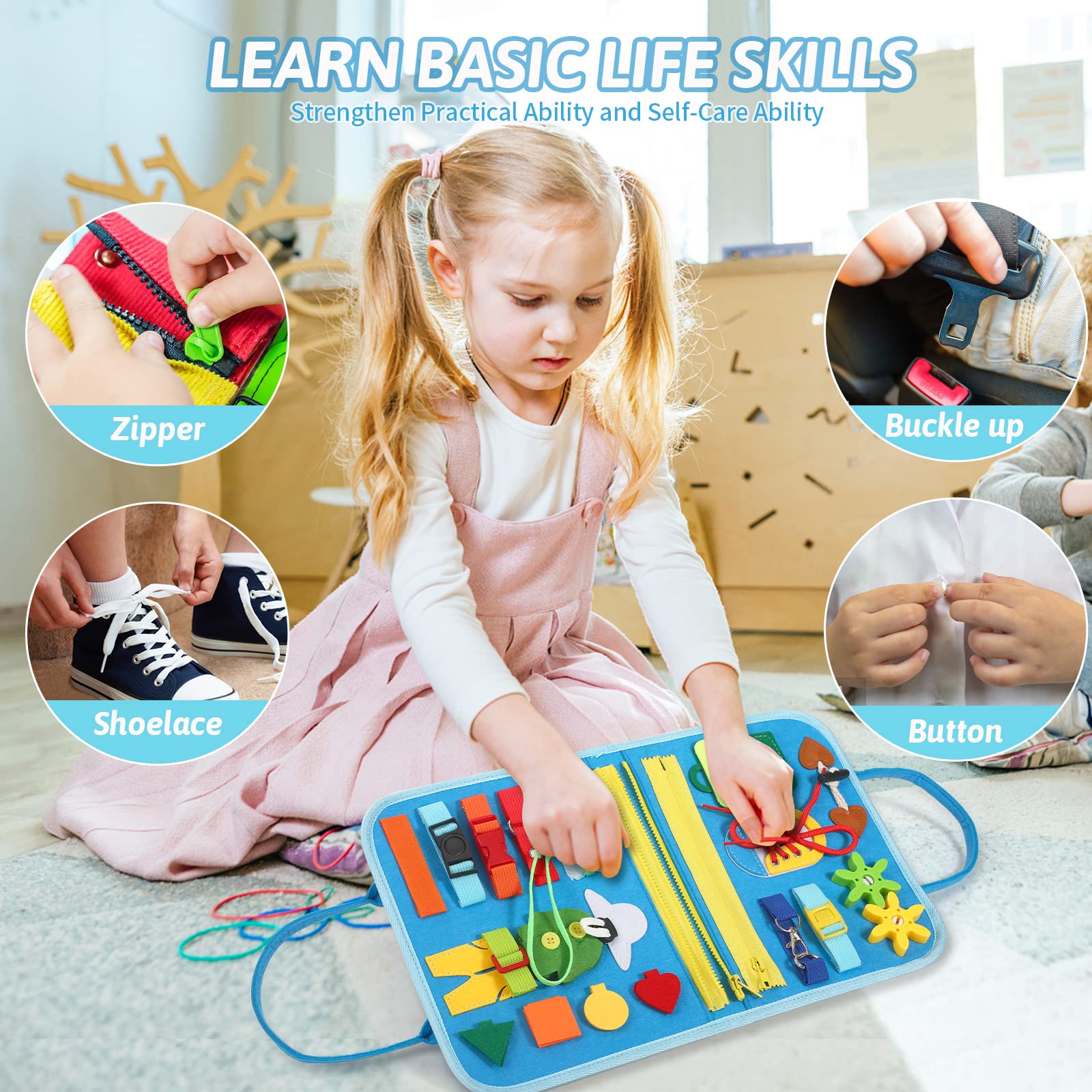
Zipper toys are simple yet effective tools that are often overlooked in the world of interactive learning. These toys typically feature various zippers, buttons, snaps, and other fasteners that children can manipulate. At first glance, zipper toys may seem like just a fun plaything, but they provide invaluable benefits for early childhood development.
1. Enhancing Fine Motor Skills
One of the key advantages of zipper toys is their ability to improve fine motor skills. Manipulating zippers and buttons requires children to use their fingers and hands in precise ways, which helps strengthen hand muscles and improve coordination. As children repeatedly zip and unzip, they develop the dexterity needed for other tasks like holding a pencil or tying their shoes.
2. Building Patience and Focus
Zipper toys also teach children the importance of patience. At first, manipulating the zippers and fasteners may be a challenge, but as children practice, they develop the persistence needed to solve the problem. Over time, they gain confidence in their abilities and learn the value of persistence, a skill that will serve them well in all areas of life.
3. Promoting Independent Play
These toys encourage independent play, which is essential for fostering a sense of autonomy in children. As children figure out how to operate the zippers on their own, they develop a sense of accomplishment. This builds self-esteem and encourages them to explore and experiment independently.

LCD Drawing Tablets: Merging Creativity and Technology

Image by: Yandex.com
In today’s digital age, screen-based tools can play a positive role in early childhood development. One such tool is the LCD drawing tablet, a versatile gadget that allows children to create art without the mess of traditional markers and crayons. These tablets are designed with a screen that can be written or drawn on using a stylus, and with the press of a button, the drawing disappears, making room for endless creativity.
1. Encouraging Creativity and Expression
LCD drawing tablets are an excellent way to encourage creativity in young children. Whether they are doodling, practicing letters, or creating colorful designs, children can express themselves in a way that is both fun and educational. This fosters imagination and allows children to explore their artistic abilities in a low-pressure environment.
2. Learning through Drawing
Beyond creativity, these tablets can also serve as an educational tool. Children can use them to practice letters, numbers, shapes, and even basic math problems. For example, educators and parents can draw shapes or letters on the tablet, allowing children to trace over them and practice their skills. This combination of learning and creativity makes LCD tablets a fantastic tool for reinforcing essential early childhood skills.
3. Environmentally Friendly
One of the added benefits of LCD drawing tablets is their environmental impact. Since they are reusable, children can draw, erase, and start again without wasting paper. This makes the tablets not only an educational tool but also a sustainable one, promoting eco-friendly habits at an early age.
Buckle Boards: Building Problem-Solving Skills

Image by: Yandex.com
Buckle boards are another fantastic interactive learning tool designed to enhance early childhood development. These boards feature a variety of buckles, clasps, and latches that children can manipulate. Like zipper toys, buckle boards help children practice important fine motor skills, but they also introduce an element of problem-solving and critical thinking.
1. Improving Hand-Eye Coordination
Just like zipper toys, buckle boards help children develop their hand-eye coordination by encouraging them to figure out how to fasten and unfasten different types of closures. Each buckle or clasp presents a unique challenge, requiring the child to focus and use their hands in specific ways. This level of interaction is crucial for the development of coordination and dexterity.
2. Enhancing Cognitive Skills
Buckle boards also play an important role in enhancing cognitive skills. As children experiment with different closures, they start to recognize patterns, shapes, and colors. They also begin to understand cause-and-effect relationships—if they press this button, the buckle will release, or if they turn this knob, the latch will open. This hands-on exploration helps children develop problem-solving skills, which are essential for their cognitive growth.
3. Promoting Independence
Like zipper toys, buckle boards also promote independence. As children successfully manipulate the buckles and latches on their own, they gain a sense of accomplishment. This helps boost their confidence and reinforces the idea that they are capable of solving problems on their own, a mindset that is essential for lifelong learning.
How Interactive Learning Tools Impact Early Childhood Development
Interactive learning tools like zipper toys, LCD drawing tablets, and buckle boards provide more than just entertainment—they are powerful tools for early childhood development. Here are some of the key benefits these tools offer:
1. Cognitive Development
These tools engage children’s brains by encouraging them to think, problem-solve, and explore different possibilities. Whether they are figuring out how to zip a zipper, draw a picture, or unlock a buckle, children are constantly using their minds to process information and develop new skills.
2. Physical Development
Manipulating the various components of zipper toys, buckle boards, and drawing tablets helps children improve their fine motor skills and hand-eye coordination. These activities strengthen the muscles in their hands and fingers, preparing them for more complex tasks like writing, drawing, and even typing.
3. Emotional Development
Interactive learning tools can also help children develop emotional intelligence. When children solve a problem, such as completing a zipper or finishing a drawing, they experience a sense of achievement. This boosts their self-confidence and fosters a positive attitude toward learning.
4. Social Development
Although these tools are often used for solo play, they also provide opportunities for social interaction. Parents, caregivers, and peers can engage with children during playtime, guiding them through tasks and offering encouragement. This helps children develop social and communication skills as they interact with others and share their accomplishments.
Conclusion
Interactive learning tools like zipper toys, LCD drawing tablets, and buckle boards are not only fun but also essential for promoting early childhood development. These tools foster creativity, improve fine motor skills, and encourage independent thinking—all while providing children with valuable opportunities to explore and learn.
By integrating these tools into a child’s learning environment, parents and educators can give children a solid foundation for future academic and social success. The benefits are clear: these tools help children develop cognitive, physical, emotional, and social skills that will serve them throughout their lives.
As children grow, the importance of hands-on learning tools continues to increase. Interactive toys and gadgets are not just entertaining; they are vital in shaping the future of young minds. With the right resources, we can ensure that every child has the opportunity to explore, grow, and thrive.
Author




Author



Unlike short-term hiring decisions, strategic manpower planning is a structured and forward-looking approach that connects human resource capabilities with overall organizational objectives.
Understanding the Foundation of Manpower Planning
Before diving deeper into strategy, it is important to understand what is manpower planning in hrm. In human resource management, manpower planning refers to the systematic process of forecasting workforce requirements, analyzing current talent availability, and developing strategies to bridge skill gaps.
In simple terms, manpower planning in hrm ensures that an organization is neither understaffed nor overstaffed. It balances workforce demand and supply while maintaining productivity and cost efficiency.
Traditionally, manpower planning is primarily focused on assessing workforce numbers. However, modern strategic approaches go far beyond headcount management. They incorporate skill forecasting, succession planning, workforce analytics, and organizational capability building.

The Strategic Manpower Planning Process
A well-defined strategic manpower planning process includes workforce forecasting, gap analysis, talent acquisition planning, employee development initiatives, and performance monitoring. This structured approach ensures that workforce decisions are data-driven rather than reactive.
The process typically begins with understanding business objectives—expansion plans, product launches, technological upgrades, or market entry strategies. HR teams then evaluate current workforce capabilities and identify gaps that may hinder business performance.
Once gaps are identified, organizations develop hiring, training, or restructuring plans to ensure alignment between talent and strategy.
Key Components of Manpower Planning
Understanding the components of manpower planning is essential for implementing an effective workforce strategy. These components include workforce demand forecasting, supply analysis, talent gap assessment, recruitment planning, training and development, succession planning, and performance evaluation.
Many organizations often ask, what are the components of manpower plan when designing their HR framework. A comprehensive manpower plan includes clear objectives, resource allocation, timelines, measurable KPIs, and risk mitigation strategies.
By incorporating these components, businesses can ensure workforce stability while supporting long-term growth.
Developing a Strong Manpower Planning Strategy
An effective manpower planning strategy aligns workforce capabilities with organizational vision. It focuses not only on filling current vacancies but also on preparing for future talent needs.
For example, a company planning digital transformation must evaluate whether its existing workforce possesses the required technological skills. If not, the manpower strategy should include targeted hiring or upskilling initiatives.
A well-defined manpower strategy also addresses retention, leadership development, diversity planning, and employee engagement. This holistic approach strengthens workforce resilience and adaptability.
The Role of Annual Manpower Review
Strategic manpower planning is not a one-time activity. Organizations must regularly assess workforce effectiveness and make necessary adjustments. This raises an important question: what all should be included in an annual manpower review?
An annual review should analyze headcount trends, attrition rates, hiring efficiency, skill gaps, productivity metrics, succession readiness, and workforce costs. It should also evaluate whether workforce capabilities align with changing business priorities.
By conducting structured annual reviews, organizations can refine their manpower plans and respond proactively to market changes.
The Business Impact of Strategic Manpower Planning
Strategic manpower planning offers several tangible benefits. It reduces recruitment costs by preventing emergency hiring and improves productivity by ensuring roles are filled with qualified professionals. It enhances employee morale by offering clear career pathways and development opportunities.
Companies that invest in structured workforce planning also minimize the risks associated with sudden market shifts or technological disruptions. By forecasting talent needs, they remain prepared for growth, restructuring, or industry transformation.
Some global firms, including strategic manpower solutions limited, emphasize data-driven workforce planning models that integrate analytics, forecasting tools, and performance tracking mechanisms. Such approaches highlight the growing importance of structured manpower frameworks in competitive industries.
Challenges in Strategic Workforce Planning
Despite its benefits, strategic manpower planning comes with challenges. These include unpredictable market conditions, evolving skill requirements, budget constraints, and resistance to organizational change.
To overcome these challenges, HR leaders must collaborate closely with senior management and departmental heads. Workforce planning must be treated as a business strategy rather than a purely administrative function.
Technology also plays a critical role. HR analytics tools, workforce management systems, and predictive modeling software enable organizations to make informed decisions based on real-time data.
Future Trends in Manpower Planning
As organizations embrace digital transformation, manpower planning is becoming increasingly data-driven and agile. Artificial intelligence and predictive analytics are being used to forecast workforce trends and identify skill gaps before they impact performance.
Hybrid work models, remote hiring, and global talent mobility are reshaping workforce strategies. Businesses must adapt their manpower planning frameworks to accommodate these changes while maintaining productivity and compliance.
Strategic manpower planning is evolving from a support function to a core business driver that directly influences revenue growth, operational efficiency, and competitive advantage.
Conclusion
In a rapidly changing business environment, organizations cannot rely on short-term hiring decisions. Strategic manpower planning provides a structured and forward-looking framework that aligns workforce capabilities with business objectives. By understanding workforce trends, forecasting future needs, and implementing targeted hiring and development strategies, companies can build resilient and high-performing teams.
From identifying the components of manpower planning to conducting annual workforce reviews, every step plays a vital role in strengthening organizational performance. Businesses that prioritize strategic workforce planning position themselves for sustainable growth and long-term success.
If your organization is looking to implement an effective manpower strategy and build a future-ready workforce, G&S Consulting offers expert guidance and tailored workforce solutions to support your long-term business goals.
Author



Perdisco accounting assignments have become a central component of many university accounting courses. Designed to strengthen technical accuracy and reinforce foundational principles, these online tasks require consistent practice, attention to detail, and conceptual clarity. While the automated nature of the system provides instant feedback, it also demands precision, making even minor calculation or formatting errors impactful.
For many students, succeeding in Perdisco is less about intelligence and more about strategy. By applying structured and methodical approaches, students can significantly improve both their performance and confidence. This article outlines step-by-step strategies for completing Perdisco accounting assignments effectively, while also discussing how structured academic support, including Perdisco assignment help, can contribute to deeper understanding when used responsibly.
Understanding the Structure of Perdisco Accounting Tasks
Before developing a strategy, it is important to understand how Perdisco assignments function. Typically, these tasks include:
- Journal entries
- Adjusting entries
- Trial balances
- Bank reconciliations
- Financial statement preparation
- Inventory and depreciation calculations
The platform often generates unique numerical data for each student. This reduces the risk of copying and emphasizes individual comprehension. As a result, students must understand the process rather than memorizing answers.

One of the most important characteristics of Perdisco is its automated marking system. Answers must be entered in the correct format, with accurate decimal placement and account classification. Even a small formatting oversight can result in lost marks. Therefore, precision becomes just as important as conceptual knowledge.
Step 1: Strengthen Conceptual Foundations
Before attempting weekly tasks, ensure that you understand the underlying accounting principles. Topics such as accrual accounting, the matching principle, and double-entry bookkeeping form the backbone of most Perdisco questions.
Students often struggle not because they cannot calculate, but because they misinterpret what the question is asking. Reading textbook explanations carefully and reviewing lecture materials before starting an assignment can prevent avoidable mistakes.
If certain topics consistently cause confusion, structured clarification—whether from instructors, peers, or academic discussion resources—can be beneficial. In some cases, students explore perdisco assignment help as a way to better understand procedural steps, especially for complex topics like adjusting entries or financial statement preparation. When used ethically, such support can reinforce learning rather than replace it.
Step 2: Break Down Each Question Systematically
A common mistake students make is rushing through questions without fully analyzing them. Instead, apply a structured approach:
- Identify what type of transaction is being described.
- Determine which accounts are affected.
- Decide whether each account increases or decreases.
- Apply debit and credit rules accordingly.
For example, when dealing with prepaid expenses, remember that initial payments increase assets, while adjustments transfer portions to expenses. Writing out rough workings on paper before entering answers can significantly reduce input errors.
Breaking down the question transforms a complex problem into manageable steps.
Step 3: Use Manual Working Sheets
Although Perdisco is an online system, relying solely on digital entry can increase mistakes. Maintaining a separate notebook or worksheet for calculations allows students to:
- Track intermediate steps
- Verify totals
- Review account balances
- Detect inconsistencies before submission
For journal entries and trial balances, writing out all accounts and balances manually ensures that debits equal credits before entering them into the system.
This simple habit can dramatically improve accuracy and reduce repeated attempts.
Step 4: Manage Time Effectively
Perdisco assignments are often released weekly, and consistent completion is essential. Procrastination can lead to rushed submissions and unnecessary stress.
Consider implementing the following time management strategies:
- Allocate a fixed study block for accounting practice each week.
- Start assignments at least two days before the deadline.
- Divide large tasks into smaller segments.
- Review incorrect attempts immediately rather than postponing correction.
Time management reduces anxiety and enhances performance quality. Students who approach tasks gradually tend to make fewer careless errors.
Step 5: Learn from Automated Feedback
One of the strengths of Perdisco is its immediate feedback system. Instead of viewing incorrect answers as setbacks, treat them as diagnostic tools.
When an answer is marked incorrect:
-
- Re-evaluate account classification.
- Check calculation accuracy.
- Review formatting requirements (decimal places, negative signs, etc.).
- Compare with textbook examples.
This reflective process helps convert mistakes into long-term learning gains.
Some students consult additional academic resources or perdisco assignment help services to clarify why specific entries were incorrect. When used for explanation and not replication, such resources can strengthen conceptual retention.
Step 6: Master Common High-Risk Areas
Certain topics frequently cause difficulty in Perdisco assignments:
Adjusting Entries
Students often struggle with accrued expenses, accrued revenues, and deferrals. Understanding the timing of revenue recognition is crucial.
Depreciation
Errors typically occur in calculating partial-year depreciation or selecting the correct method (straight-line vs. diminishing balance).
Bank Reconciliation
Misinterpreting outstanding checks or deposits in transit can lead to incorrect adjusted balances.
Inventory Calculations
FIFO, LIFO, and weighted average methods require careful tracking of cost flow assumptions.
Identifying your personal weak areas and practicing targeted questions can significantly improve performance.
Step 7: Maintain Academic Integrity
While external support may assist in understanding difficult concepts, it is essential that students complete their own work. Academic integrity policies in universities are strict, and automated systems are designed to detect irregular patterns.
Perdisco assignment help, when referenced in an educational context, should focus on explanation, clarification, and guidance rather than direct answer provision. The ultimate goal is competence, not short-term marks.
Developing genuine accounting skills benefits students in advanced coursework and professional settings.
Step 8: Build Long-Term Accounting Confidence
Perdisco assignments are not isolated exercises; they build practical accounting fluency. The repetition of journal entries and adjustments reinforces procedural memory. Over time, tasks that once seemed complicated become routine.
Confidence grows through:
- Consistent practice
- Error analysis
- Conceptual reinforcement
- Structured review sessions
Students who actively engage with the material tend to perform better in exams, where similar logic-based questions appear.
The Broader Academic Value of Perdisco
Although students sometimes perceive online accounting systems as rigid or stressful, they provide several educational benefits:
- Immediate feedback accelerates learning.
- Individualized data promotes independent thinking.
- Repetition enhances accuracy.
- Structured format develops professional discipline.
Accounting as a discipline requires precision. Perdisco simulates this real-world requirement by expecting exactness in entries and calculations.
By approaching assignments strategically, students can transform what initially feels overwhelming into a structured learning opportunity.
Practical Weekly Study Plan Example
To illustrate how students might apply these strategies, consider this sample weekly structure:
Day 1: Review lecture slides and textbook chapter.
Day 2: Attempt practice problems manually.
Day 3: Begin Perdisco assignment and complete half.
Day 4: Review incorrect answers and refine calculations.
Day 5: Final review and submission.
This gradual approach reduces pressure and improves comprehension.
Final Thoughts
Completing Perdisco accounting assignments successfully requires more than technical ability. It demands organization, consistency, analytical thinking, and attention to detail. By following step-by-step strategies—strengthening conceptual understanding, breaking down questions methodically, managing time effectively, and learning from feedback—students can significantly improve both performance and confidence.
While some learners may seek perdisco assignment help to better understand challenging concepts, the most sustainable academic success comes from active engagement and independent practice. Perdisco is ultimately a learning tool. When approached strategically, it becomes a structured pathway toward mastering accounting fundamentals and developing long-term professional competence.
Author



The Rise and Identity of Corteiz Clothing

Buy Lab-Certified Gemstones Online: Elora Gems 2026

Custom Earring Box Design: BoxesGen & CustomBoxesLab

The Power of Human Connection: Manual Guest Post Outreach

You Should essential hoodie Shop at hoodies Official Store

Epson Printer Troubleshooting Guide: 2026 Fixes

Cox.net Yahoo Email: Guide to Fix Login, Sync & Email Issues

Best Air Cleaners for Home: Types, Benefits, and Maintenance Tips

Canon Printer Support: Quick Ways to Contact Customer Care

Packaging Companies: Trends, Top Players & Packaging Solutions

Cybersecurity Consulting Company SequelNet Provides Critical IT Support Services to Medical Billing Firm, Medical Optimum

Team Communication Software Transforms Operations at Finance Innovate

Project Management Tool Transforms Long Island Business

How Alleviate Poverty Utilized IPPBX’s All-in-One Solution to Transform Lives in New York City

Breast Cancer: The Imperative Role of Mammograms in Screening and Early Detection

Unstoppable Collaboration: D.C.’s Citi Open and Silicon Valley Classic Unite to Propel Women’s Tennis to New Heights

Embracing Renewal: Sizdabedar Celebrations Unite Iranians in New York’s Eisenhower Park

The Benefits of Starting a Side Hustle for Financial Freedom

New Blood Donation Screening Questions What You Need to Know

Stylishly Timeless: The 5 Types of Sandals You Need in Your Closet
-

 Business3 years ago
Cybersecurity Consulting Company SequelNet Provides Critical IT Support Services to Medical Billing Firm, Medical Optimum
-
Business3 years ago
Team Communication Software Transforms Operations at Finance Innovate
-
Business3 years ago
Project Management Tool Transforms Long Island Business
-
Business3 years ago
How Alleviate Poverty Utilized IPPBX’s All-in-One Solution to Transform Lives in New York City
-
health3 years ago
Breast Cancer: The Imperative Role of Mammograms in Screening and Early Detection
-
Sports3 years ago
Unstoppable Collaboration: D.C.’s Citi Open and Silicon Valley Classic Unite to Propel Women’s Tennis to New Heights
-
Art /Entertainment3 years ago
Embracing Renewal: Sizdabedar Celebrations Unite Iranians in New York’s Eisenhower Park
-
Finance3 years ago
The Benefits of Starting a Side Hustle for Financial Freedom







