
Digital Development
Boldify for Facebook: Quick Bold Text in Seconds


Scroll through Facebook for just five minutes and you’ll notice something: most posts look exactly the same. Plain text blends into the feed, making it easy for users to scroll past without noticing important messages. In a crowded social media environment, visual formatting plays a major role in grabbing attention and increasing engagement. This is where Boldify, a powerful bold text generator, makes a difference. Instead of struggling with plain, unformatted posts, Boldify allows you to create eye-catching Facebook bold text instantly. In this article, you’ll learn why bold text matters, how Boldify works, and how you can use it to stand out on Facebook within seconds.
Why Bold Text Matters on Facebook (User Engagement Psychology)
Facebook is a fast-moving platform. Users scroll quickly, often stopping only when something visually stands out. Bold text works because it creates contrast. When certain words appear heavier or more prominent, the brain processes them faster.
Here’s why bold text improves engagement:
- It grabs attention in crowded feeds.
- It improves readability and scan ability.
- It highlights key messages instantly.
Bold formatting is especially powerful in:
- Facebook posts
- Comments
- Bios
- Facebook groups
If you’re building a brand or growing a personal profile, bold text strengthens your identity. It emphasizes important announcements, promotions, or calls to action, making your message harder to ignore.

The Challenge: Facebook Doesn’t Offer Built-In Bold Formatting
One of the biggest frustrations for users is that Facebook does not provide built-in bold formatting for regular posts. Unlike word processors, you cannot simply select text and click “Bold.”
That’s why many people search for:

- how to bold text on Facebook
- Facebook bold text generator
- bold letters for Facebook
Without a proper tool, users are left copying complicated codes or trying ineffective formatting tricks. This creates a clear need for a reliable and easy-to-use bold font generator.
What Is Boldify?
Boldify is an online bold text generator designed to help users create stylish bold letters instantly. Instead of modifying Facebook’s formatting, Boldify uses Unicode-based bold fonts that are fully compatible with social media platforms.
Here’s what makes Boldify simple and powerful:
- No installation required
- Works directly in your browser
- Free and instant access
- Compatible with Facebook, Instagram, Twitter, and WhatsApp
Because it uses special Unicode characters, the bold text appears naturally once pasted into Facebook posts, comments, bios, or Messenger chats. This makes Boldify a practical and beginner-friendly solution for anyone looking to create bold text online.
How Boldify Helps You Create Bold Facebook Text in Seconds
Using Boldify is straightforward and requires no technical knowledge. Here’s a simple step-by-step guide:
Step 1: Enter Your Text
Open Boldify and type your message into the input box. This could be a status update, promotional message, announcement, or bio line.
Example:
New Blog Post Live
Limited Time Offer
Join Our Community Today
Step 2: Automatic Bold Conversion
As soon as you enter your text, Boldify automatically converts it into multiple bold font styles. Within seconds, you’ll see several variations generated instantly.
Step 3: Copy and Paste to Facebook
Choose the bold style you like, click the copy button, and paste it directly into:
- Facebook posts
- Comments
- Bios
- Messenger chats
That’s it. In just a few seconds, your plain text becomes visually powerful Facebook bold text.
Key Features That Make Boldify Stand Out
There are many tools online, but Boldify offers specific advantages that make it reliable and user-friendly.
1. One-Click Copy Feature
No need to manually select text. Just click and copy instantly.
2. Multiple Bold Style Variations
Get access to different bold styles to match your tone and branding.
3. Mobile-Friendly Interface
Boldify works smoothly on smartphones, tablets, and desktops.
4. No Login Required
You don’t need to create an account. Just open and start using.
5. Fast Performance
Text conversion happens instantly without delays.
6. Clean and Simple Design
The interface is distraction-free, making it easy for beginners to use.
These features make Boldify more than just a basic bold letters generator—it becomes a practical social media enhancement tool.
Practical Ways to Use Bold Text on Facebook
Now that you know how to generate bold text, let’s explore practical ways to use it effectively.
Highlight Important Announcements
SALE TODAY ONLY
Registration Closes Tonight
Bold formatting ensures these messages get noticed quickly.
Strengthen Call-to-Actions
Instead of writing:
Join us now
Write:
JOIN US NOW
It creates urgency and clarity.
Emphasize Keywords in Posts
Highlight important parts of your message to guide the reader’s attention.
Improve Facebook Bios
Use bold text to make your profession, tagline, or brand name stand out.
Stand Out in Facebook Groups
When commenting in large groups, bold text increases visibility and improves response rates.
SEO & Branding Benefits of Using Bold Text
While bold text doesn’t directly change Facebook’s algorithm, it improves how users interact with your content.
Here’s how it benefits branding and visibility:
- Improves readability
- Encourages longer post engagement
- Strengthens personal or business branding
- Creates structured content hierarchy
- Makes posts look professional
When your content looks organized and visually appealing, users are more likely to stop scrolling and engage.
Tips for Using Bold Text Effectively
Bold text is powerful—but only when used strategically.
- Don’t overuse bold formatting.
- Highlight only key phrases or calls-to-action.
- Combine bold text with emojis carefully.
- Maintain readability and spacing.
Too much bold text can reduce its impact. The goal is to enhance clarity, not overwhelm the reader.
Conclusion
Standing out on Facebook is no longer optional—it’s necessary. Since Facebook doesn’t offer built-in bold formatting for posts, tools like Boldify provide a fast and effective solution.
Author


Writing a story is something many people enjoy. But at the same time, it can also feel confusing and time-consuming. Writers often face problems like losing ideas, struggling with structure, or not knowing how to continue their story. Because of these challenges, more writers are now using advanced tools to help them write better and faster.
These tools are becoming popular because they make writing simple, clear, and more organized. Let us understand why writers are choosing these tools and how they help in the writing process.
Better Planning and Clear Structure
A strong story always starts with good planning. Without planning, it becomes easy to get confused or lose direction while writing. Advanced tools help writers create a clear plan before they begin.
Writers can add characters, build scenes, and create a timeline for their story. This helps them see the full structure in one place. When everything is planned properly, the story becomes easier to write and understand.
A clear structure also helps the reader enjoy the story more because it flows smoothly from start to end.
Keeps Everything Organized
One of the biggest problems writers face is keeping their ideas in order. Sometimes thoughts come at different times, and it becomes hard to manage them all. Advanced tools solve this problem by keeping everything in one place.
Many writers now rely on software for writing stories because it helps them store ideas, notes, and drafts in an organized way. They do not need to search through different files or notebooks. Everything is easy to access and manage.
This makes writing less stressful and more focused. Writers can spend more time creating instead of searching for information.

Saves Time and Reduces Effort
Writing a story from scratch can take a lot of time. Writers often spend hours checking grammar, fixing mistakes, and making changes. Advanced tools help reduce this time and effort.
They can quickly find spelling errors, grammar issues, and sentence problems. This allows writers to correct their work easily and move forward without delays.
When writers save time on small tasks, they can focus more on their ideas and creativity. This helps them complete their work faster and more efficiently.
Improves Clarity and Quality
A good story is not only about ideas but also about how clearly it is written. Advanced tools help improve the quality of writing by guiding writers to use better sentences and clearer language.
They help remove unnecessary words, fix sentence structure, and improve readability. This makes the story easier to understand for readers of all ages.
Using software for writing stories can help improve the overall quality of your work by making your writing clearer and well-structured. This is specifically helpful for beginners who are still learning how to write effectively.
Helps When Writers Feel Stuck
Every writer experiences moments when they cannot think of what to write next. This is very common and can slow down the writing process. Advanced tools help solve this problem by offering suggestions and ideas.
They provide writing prompts, examples, or helpful tips that guide the writer in the right direction. This helps writers continue their work without stopping for too long.
Encourages Creativity
Some people think that using tools may reduce creativity. But in reality, these tools often help increase creativity.
They give new ideas, suggestions, and different ways to think about a story. When writers see these ideas, they can explore new directions and create unique content.
This helps writers break out of their usual thinking patterns and try something new. It makes writing more exciting and fresh.
Easy to Use for Everyone
Advanced story tools are designed to be simple and user-friendly. They are made in a way that anyone can use them, even if they are new to writing.
The interface is usually clean and easy to understand. Writers can start writing without needing any special training or experience.
Helps in Editing and Proofreading
Editing is a very important step in writing. It helps improve the final version of the story and removes mistakes. Advanced tools make editing easier and faster.
They check grammar, spelling, punctuation, and sentence flow. This helps writers correct their work and make it more polished.
A good software for writing stories not only helps in writing but also in editing and refining the final draft, making the story more professional and ready to share with others.
Builds Confidence in Writers
When writers use helpful tools, they feel more confident about their work. They know that their writing is being checked and improved along the way.
This reduces fear and hesitation. Writers feel more comfortable sharing their stories because they trust the quality of their work.
Confidence is very important for any writer, and these tools help build that confidence step by step.
Supports Long-Term Writing Goals
Many writers have long-term goals like writing books, scripts, or articles. Advanced tools help them stay constant and focused on their goals.
They can track progress, manage chapters, and keep their work organized over time. This makes it easier to complete long projects without losing track.
Final Thoughts
Writing is a creative journey, but it can also be challenging at times. Advanced story creation tools make this journey smoother and more enjoyable. They help with planning, organizing, writing, editing, and improving ideas.
Writers are choosing these tools because they save time, reduce stress, and improve the overall quality of their work. They also help writers stay creative and confident throughout the process.
In today’s fast-moving world, having the right support makes a big difference. Tools like Voca Tales are helping writers turn their ideas into well-written stories with ease and clarity.
Author


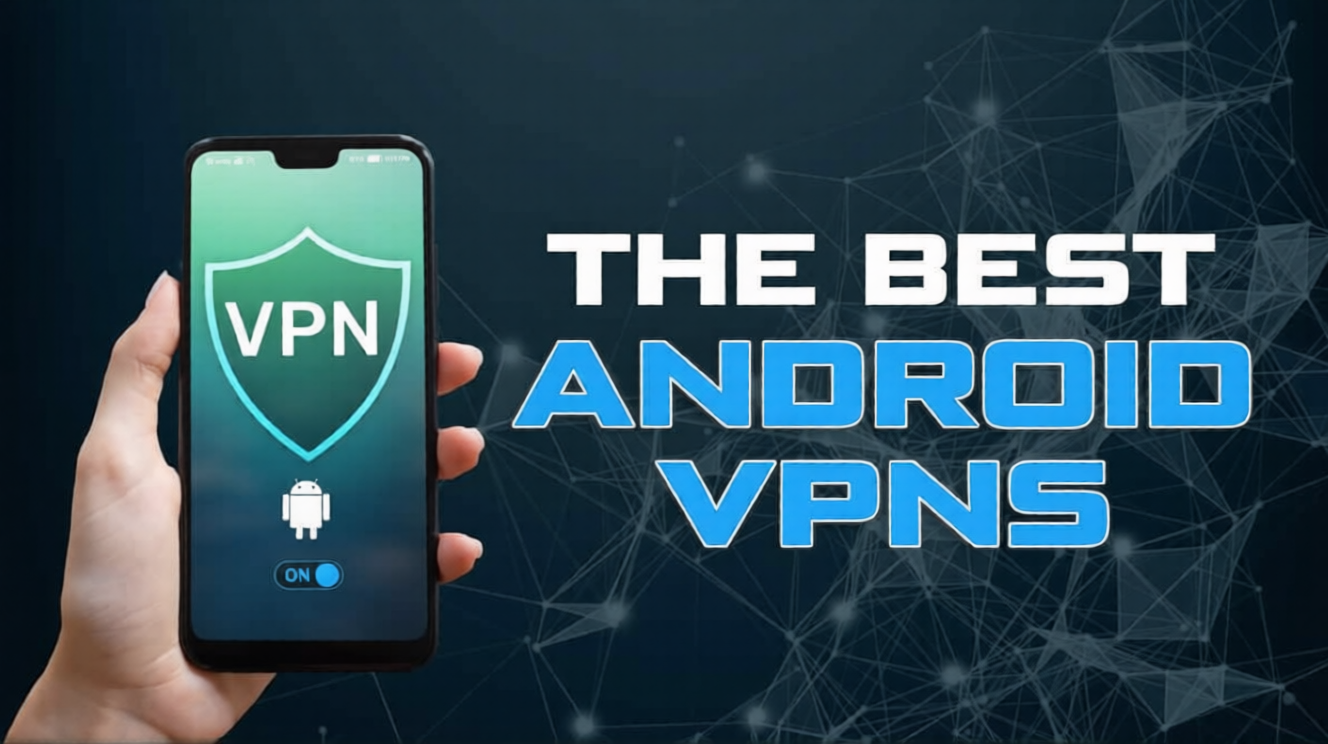
Android devices have become an essential part of everyday life. From managing finances and communicating with clients to streaming content and browsing social media, smartphones now handle tasks that were once limited to computers. However, this convenience comes with growing concerns about privacy, security, and unrestricted access to information.
As more personal data is transmitted through mobile devices, the risks associated with cyber threats continue to increase. Hackers, trackers, and even internet service providers can monitor user activity, often without the user realizing it. This makes it necessary to take proactive steps to secure your Android device, and one of the most effective solutions available today is a Virtual Private Network, commonly known as a VPN.
A VPN works by encrypting your internet connection and routing your data through a secure server. This process ensures that your online activity remains private and your identity stays hidden. Whether you are using public Wi-Fi or your home network, a VPN adds a strong layer of protection that significantly reduces your exposure to cyber risks.
Why Android Users Need a VPN More Than Ever
Android is the most widely used mobile operating system in the world, which makes it an attractive target for cybercriminals. Its open nature allows users to install apps from various sources, but this flexibility can also introduce vulnerabilities.
Many users unknowingly download applications that contain malware or spyware. These malicious programs can collect sensitive data, track browsing activity, or even gain access to personal accounts. Additionally, Android devices are frequently used on public Wi-Fi networks, which are often unsecured and easy to exploit.
Without proper protection, your personal information can be intercepted by attackers. A VPN addresses this issue by encrypting your data, ensuring that even if it is captured, it cannot be easily read or misused.
How a VPN Protects Your Data
When you connect to the internet without a VPN, your data travels through your internet service provider and can potentially be monitored or logged. Your IP address reveals your location and identity, making it easier for websites and third parties to track your activity.
A VPN changes this process entirely. It creates a secure tunnel between your device and the internet, encrypting all data that passes through it. At the same time, it replaces your real IP address with one from the VPN server, making your online activity anonymous.
This combination of encryption and anonymity is what makes VPNs such a powerful tool for privacy and security. It ensures that your data remains protected, even in environments where security is weak.
The Hidden Risks of Public Wi-Fi
Public Wi-Fi is one of the most common sources of security threats for Android users. While it offers convenience, it often lacks proper encryption and security measures.
Hackers can exploit these networks to intercept data, launch man-in-the-middle attacks, or create fake hotspots to trick users into connecting. Once connected, any unprotected data can be accessed in real time.
Using a VPN eliminates this risk by encrypting your connection. Even if you are connected to an insecure network, your data remains protected and inaccessible to attackers.
Benefits Beyond Security
While security is the primary reason for using a VPN, it also offers several additional advantages that enhance your overall internet experience.
One of the most significant benefits is the ability to access geo-restricted content. Many websites and streaming platforms limit access based on location. By connecting to a server in a different country, you can bypass these restrictions and enjoy content that would otherwise be unavailable.
Another advantage is avoiding bandwidth throttling. Internet service providers sometimes slow down connections based on user activity, particularly during streaming or heavy usage. A VPN hides your activity, preventing such restrictions and maintaining consistent speeds.
VPNs also provide greater privacy by preventing advertisers and trackers from building detailed profiles based on your browsing habits. This results in a more secure and less intrusive online experience.
Features That Define a High-Quality VPN
Not all VPNs are equal, and choosing the right one requires understanding the features that matter most.
Strong encryption is essential for protecting your data. Most reliable VPNs use advanced encryption standards that are extremely difficult to break. Speed is another important factor, especially for users who stream videos or play online games.
A large server network ensures better performance and allows you to access content from different regions. The availability of a user-friendly Android app also plays a crucial role in making the VPN easy to use.
Security features such as a kill switch and DNS leak protection further enhance safety by preventing accidental exposure of your data. Additionally, a strict no-logs policy ensures that your browsing activity is not stored or shared.
Choosing the Best VPN for Android
Selecting the right VPN depends on your specific needs. Some users prioritize streaming and require fast servers that can bypass restrictions on popular platforms. Others focus on privacy and look for advanced security features.
If you are unsure which option to choose, you can refer to this detailed guide on Best VPN for Android, which provides a comprehensive comparison of top services and helps you identify the most suitable option based on your requirements.
Understanding your priorities will make it easier to choose a VPN that delivers the best performance and security for your usage.
Free vs Paid VPNs
The choice between free and paid VPNs is a common consideration for many users. While free VPNs may seem appealing, they often come with limitations that can affect both performance and security.
Free services typically offer limited data, slower speeds, and fewer server options. In some cases, they may also collect and sell user data to generate revenue, which defeats the purpose of using a VPN for privacy.
Paid VPNs, on the other hand, provide a more reliable experience. They offer faster speeds, better security features, and dedicated customer support. For users who value privacy and performance, investing in a paid VPN is usually the better choice.
Common Mistakes to Avoid
Even with a VPN, certain mistakes can reduce its effectiveness. Many users fail to update their VPN apps regularly, leaving them vulnerable to security flaws. Others choose servers without considering performance, resulting in slower connections.
Downloading VPN apps from untrusted sources is another common mistake that can introduce malware. It is important to use official apps from reputable providers and ensure that all security features are properly enabled.
Avoiding these mistakes will help you get the most out of your VPN and maintain a high level of protection.
Setting Up a VPN on Android
Installing a VPN on Android is a simple process that requires only a few steps. Most providers offer dedicated applications that can be downloaded from the Google Play Store.
After installation, you need to create an account or log in, select a server location, and connect. Once connected, all your internet traffic is automatically secured.
The simplicity of this process makes VPNs accessible even to users with limited technical knowledge.
Real-World Use Cases
VPNs are not just for security; they are useful in a wide range of everyday situations. Travelers can use VPNs to access services from their home country, while remote workers can secure their communications and protect sensitive data.
Online shoppers can benefit from better pricing by connecting to different regions, and gamers can enjoy more stable connections and reduced latency. These practical applications make VPNs a valuable tool for a wide audience.
Legal Considerations
VPNs are legal in most parts of the world and are widely used for legitimate purposes such as privacy protection and secure communication. However, some countries have restrictions or regulations regarding their use.
It is important to stay informed about local laws to ensure compliance while using a VPN.
The Future of VPN Technology
As concerns about digital privacy continue to grow, the demand for VPNs is expected to increase. Advances in technology are making VPNs faster, more secure, and easier to use.
Modern protocols are improving performance, while increased awareness is encouraging more users to adopt VPNs as a standard security measure. This trend indicates that VPNs will play an even more important role in the future of internet usage.
Final Thoughts
In today’s digital environment, protecting your Android device is no longer optional. A VPN provides a reliable way to secure your data, maintain privacy, and access content without restrictions.
By encrypting your connection and hiding your identity, a VPN ensures that your online activity remains safe from threats. Whether you are browsing, streaming, or working online, it is one of the most effective tools you can use to protect yourself.
Choosing the right VPN may require some research, but the benefits it offers in terms of security and convenience make it a worthwhile investment.
Author



In the world of aesthetic medicine, perception dictates reality. Patients do not simply choose a medical provider; they choose a renewed sense of confidence. This reality makes your website one of the most critical investments for any surgeon in the USA.
A high-performing site does more than look pretty. It communicates your surgical expertise, showcases ethical results, and guides nervous visitors toward a confident consultation. In many ways, your website functions as the “digital lobby” of your practice. If the experience feels cluttered or cold, patients will likely assume your surgical care follows the same pattern.
Essential Pillars of a High-Converting Plastic Surgery Website
To stand out, your website must balance high-end branding with technical precision. Here are the core elements that drive real-world results:
1. Sophisticated and Minimalist Aesthetics
Your design should mirror the precision of your scalpel. Plastic surgery websites must exude luxury and calm.
-
Clean Layouts: Avoid clutter to keep the focus on your work.
-
Refined Palettes: Use soft neutrals, whites, and gold accents to suggest a premium experience.
-
High-Resolution Imagery: Every photo must look professional and polished.
-
Balanced Typography: Choose fonts that are easy to read but look elegant.
2. The Power of the Before-and-After Gallery
Visual proof serves as the ultimate currency in this niche. A robust gallery builds trust faster than any paragraph of text could.
-
Clear Comparisons: Use consistent lighting and backgrounds for your photos.
-
Procedure Specifics: Group photos by surgery type so patients can find exactly what they are looking for.
-
Patient Stories: Include brief testimonials alongside photos to add a human element to the transformation.
3. Personal Branding for the Surgeon
Patients do not just hire a clinic; they hire a person. Your “About” page is often the second most visited page on your site. Use this space to highlight your board certifications, your specific surgical philosophy, and your years of experience. When you share your personal approach to patient care, you create an emotional bond that generic templates cannot replicate.

Optimizing for the Patient Journey
A great website educates the patient while making it incredibly easy for them to take the next step.
Dedicated Procedure Pages
Each surgery—whether it is a rhinoplasty, a facelift, or breast augmentation—needs its own world on your site. Every page should act as a comprehensive guide that explains the procedure, outlines the recovery timeline, and sets realistic expectations. This approach helps your SEO ranking while simultaneously educating your visitors.
A Frictionless Booking System
The ultimate goal of your website is to secure a consultation. If your contact form is too long or your phone number is hard to find, you will lose patients.
-
One-Click Calling: Vital for mobile users.
-
Simple Forms: Ask for the essentials and nothing more.
-
Virtual Options: Offer video consultations to cater to out-of-town patients or those with busy schedules.
Trust Signals and Social Proof
Because aesthetic medicine is a high-stakes decision, patients look for “safety signals.” Showcase your clinic accreditations, board memberships, and any awards you have received. Video testimonials are particularly effective here, as they allow potential patients to see and hear the genuine satisfaction of others.
The Technical Side: SEO and Mobile Performance
You might have the most beautiful website in the country, but it won’t matter if no one can find it.
-
Local SEO Mastery: Target specific keywords like “Best facelift surgeon in [City Name]” to capture local traffic.
-
Mobile-First Design: Most patients will first find you while scrolling on their phones. Your site must load instantly and navigate perfectly on small screens.
-
Educational Content: A blog that answers common patient questions about recovery or costs can establish you as a thought leader in the industry.
Future Trends in Plastic Surgery Marketing
As technology advances, the most successful clinics are adopting modern tools to stay ahead of the curve.
-
AI Assistants: Use chatbots to answer basic pricing or recovery questions 24/7.
-
3D Visualizations: Integrate tools that help patients visualize their potential results.
-
Personalized Portals: Offer a secure space for patients to upload photos or view their recovery plans.
Final Thoughts: Designing for Trust
In the highly competitive market of the United States, your plastic surgery website design represents much more than a simple marketing expense. It serves as the primary engine for your practice’s long-term growth and digital reputation. By skillfully blending luxury visuals with undeniable medical authority and a seamless user experience, you effectively turn casual visitors into loyal, long-term patients.
A truly successful website does more than just present cold facts or clinical data. Instead, it actively reassures the emotionally sensitive patient, thoroughly educates the skeptical researcher, and proves that you are the absolute right choice for their personal transformation. You must treat your digital presence as a direct extension of your surgical precision and bedside manner.
Furthermore, a modern aesthetic website must anticipate the needs of the user before they even ask. When you provide clear navigation, transparent recovery information, and high-speed mobile performance, you signal that you value the patient’s time and peace of mind. If you invest in a site that prioritizes the patient’s digital experience as much as you value their actual surgical outcome, the results will speak for themselves. This commitment to quality builds a lasting bridge of trust that ultimately converts digital clicks into successful, life-changing consultations.
Author



Peace in War: Examples of Humanity, Hope, and Compassion
Valabasas Clothing Guide 2026: Stacked Jeans & Streetwear Style

Best Web Development Agency to Hire in 2026: Top 10 Picks

Fear of God Essentials Tracksuit: Modern Streetwear Style

Essentials Tracksuit: Everyday Comfort & Simple Streetwear Style

Corteiz Tracksuit: Official Store, Styles & Buying Guide

Rhinoplasty in Dubai | AI-Powered Nose Surgery & 3D Simulation

Customer Experience Training Platform: AI-Driven CX Training

Embroidery Digitizing Services: Professional Custom Stitch Files

Divorce Appraisal: Accurate Home Valuations for Separation

Cybersecurity Consulting Company SequelNet Provides Critical IT Support Services to Medical Billing Firm, Medical Optimum

Team Communication Software Transforms Operations at Finance Innovate

Project Management Tool Transforms Long Island Business

How Alleviate Poverty Utilized IPPBX’s All-in-One Solution to Transform Lives in New York City

Breast Cancer: The Imperative Role of Mammograms in Screening and Early Detection

Unstoppable Collaboration: D.C.’s Citi Open and Silicon Valley Classic Unite to Propel Women’s Tennis to New Heights

Embracing Renewal: Sizdabedar Celebrations Unite Iranians in New York’s Eisenhower Park

The Benefits of Starting a Side Hustle for Financial Freedom

New Blood Donation Screening Questions What You Need to Know

Stylishly Timeless: The 5 Types of Sandals You Need in Your Closet
-

 Business3 years ago
Cybersecurity Consulting Company SequelNet Provides Critical IT Support Services to Medical Billing Firm, Medical Optimum
-
Business3 years ago
Team Communication Software Transforms Operations at Finance Innovate
-
Business3 years ago
Project Management Tool Transforms Long Island Business
-
Business3 years ago
How Alleviate Poverty Utilized IPPBX’s All-in-One Solution to Transform Lives in New York City
-
health3 years ago
Breast Cancer: The Imperative Role of Mammograms in Screening and Early Detection
-
Sports3 years ago
Unstoppable Collaboration: D.C.’s Citi Open and Silicon Valley Classic Unite to Propel Women’s Tennis to New Heights
-
Art /Entertainment3 years ago
Embracing Renewal: Sizdabedar Celebrations Unite Iranians in New York’s Eisenhower Park
-
Finance3 years ago
The Benefits of Starting a Side Hustle for Financial Freedom







