
Autos & Vehicles
The Final Gearshift: BMW M2’s Manual Transmission Marks the End of an Era


Introduction
In a moment that evokes both nostalgia and admiration, BMW M, the high-performance division of BMW, has announced that the BMW M2 will be the last model in its lineup to feature a manual transmission. This decision represents the end of an era for enthusiasts who value the tactile and engaging experience of shifting gears manually. This article explores the significance of the BMW M2’s manual transmission, reflects on the allure of manual gearboxes, and looks ahead to the future of BMW M’s transmission technology.
The Art of Manual Shifting
Manual transmissions have long been revered by driving enthusiasts for their ability to provide a direct connection between the driver and the vehicle. The act of manually engaging gears through a clutch pedal and gear lever adds a level of involvement, skill, and satisfaction to the driving experience. The BMW M2’s manual transmission embodies this art, allowing drivers to fully immerse themselves in the joy of shifting gears and experiencing the full range of the car’s performance.
The BMW M2’s Legacy
As the final model in the BMW M lineup to offer a manual transmission, the BMW M2 holds a special place in the hearts of enthusiasts. It symbolizes a commitment to preserving the tradition of manual shifting and embracing the authentic driving experience. The BMW M2’s manual gearbox serves as a tribute to the heritage of BMW M and leaves a lasting legacy for future generations of driving enthusiasts.
Shifting Gears: The Future of Transmission Technology
While the departure of the manual transmission from the BMW M2 marks the end of a chapter, it does not mean the end of innovation or excitement in transmission technology. BMW M continues to push the boundaries of performance and driving pleasure, offering advanced alternatives to manual gearboxes. Some key developments in BMW M’s transmission technology include:
- Dual-Clutch Transmissions: Dual-clutch transmissions combine the best of both worlds by offering the precision and control of manual shifting with the convenience and speed of automatic gear changes. These transmissions deliver lightning-fast shifts and seamless performance, enhancing both the driving experience and overall efficiency.
- Advanced Automatic Transmissions: BMW M is committed to developing cutting-edge automatic transmissions that provide exceptional performance and efficiency. These automatic transmissions utilize advanced technology to deliver precise gear changes, optimize power delivery, and adapt to various driving conditions.
- Electrification and Hybridization: As the automotive industry moves towards electrification and hybridization, BMW M is actively exploring transmission technologies that are specifically designed for electric and hybrid powertrains. These transmissions will further enhance the performance and driving dynamics of BMW M’s electrified models.
Embracing the Future with Respect for the Past
While the BMW M2’s manual transmission represents the end of an era, it also signals the beginning of a new chapter for BMW M. The brand remains dedicated to delivering exhilarating driving experiences by blending advanced transmission technologies with a deep respect for the heritage of manual shifting. BMW M’s commitment to innovation ensures that future models will continue to captivate enthusiasts with their performance, precision, and driving pleasure.
Conclusion
The BMW M2’s manual transmission farewell marks a poignant moment in automotive history, signifying the end of an era where manual gearboxes were cherished by driving enthusiasts. As BMW M embraces the future, it will continue to push the boundaries of transmission technology, offering dual-clutch transmissions, advanced automatic transmissions, and tailored solutions for electrified models. The spirit of manual shifting will always be remembered, celebrated, and honored as BMW M embarks on a new era of performance and innovation.

Author


Whether you are navigating a busy school run or heading to an important business meeting, losing access to your car can throw your entire life out of balance. In the UK, the dependency on personal transport is high, and a sudden breakdown or accident often feels like a crisis. Fortunately, services for temporary replacement vehicles UK provide a vital lifeline, ensuring that a mechanical failure doesn’t result in a total standstill. This guide breaks down the process, benefits, and essential tips for staying mobile when your primary vehicle is off the road.
What Exactly Are Temporary Replacement Vehicles?
A temporary replacement vehicle is a short-term rental or loaner car provided to you while your primary vehicle is out of action. These are not permanent solutions but rather “bridge” vehicles designed to keep you moving during specific windows of time. You will typically find yourself needing one of these services during:
-
Post-Accident Repairs: If your car is in the body shop following a collision.
-
Mechanical Failures: When your vehicle requires a complex fix that takes several days.
-
Insurance Total Loss: While you wait for a settlement check to purchase a new car.
-
Warranty Work: If a brand-new car requires manufacturer-specific repairs.
These vehicles usually come via your insurance provider, a specialized credit hire company, or directly from the repair garage.

Why Access to a Replacement Car is Non-Negotiable
In many parts of the UK, public transport isn’t a viable alternative for everyone. Having a dedicated replacement car offers several distinct advantages that go beyond mere convenience:
Total Daily Continuity
Your life doesn’t stop because your car did. A replacement vehicle ensures you can still attend work, drop the kids at school, and manage grocery trips without relying on expensive taxis or unreliable bus schedules.
Professional Reliability
For those who use their vehicles for business, a car is a tool of the trade. Having a replacement vehicle—particularly a van or a professional-looking saloon—maintains your professional image and prevents a loss of income.
Psychological Peace of Mind
Vehicle issues are inherently stressful. Knowing that a replacement is waiting for you removes the “how will I get there?” anxiety, allowing you to focus on the repairs or insurance claims process.
The Step-by-Step Process: How to Get Moving
Securing a temporary car in the UK is generally a streamlined process. While every provider differs slightly, you can expect the following journey:
-
Initial Reporting: Contact your insurer or a dedicated hire provider immediately after the incident.
-
Eligibility Verification: The provider will check your policy details. If you were involved in a “non-fault” accident, you might be eligible for a like-for-like replacement under credit hire.
-
Vehicle Allocation: Once approved, the service selects a vehicle from their fleet that matches your needs or policy level.
-
Delivery and Handover: Many UK services will deliver the car directly to your home or the repair center. You will sign a rental agreement and inspect the vehicle for any existing damage.
-
The Return Phase: You keep the car until your own vehicle is repaired or until your insurance settlement is finalized.
Selecting the Right Category of Vehicle
Not all replacement cars are created equal. Depending on your specific circumstances and insurance coverage, you might choose from several categories:
-
City Cars: Small, fuel-efficient models like the Fiat 500 or Vauxhall Corsa. These are perfect for urban commuting and easy parking.
-
Family SUVs: If you have car seats and a boot full of gear, look for crossovers like the Nissan Qashqai or Kia Sportage.
-
Executive Models: Premium policies often provide “like-for-like” luxury vehicles, such as a BMW 3 Series or Mercedes-Benz C-Class.
-
Commercial Vans: Essential for tradespeople who cannot afford a single day of downtime.
Understanding Eligibility and Costs
The biggest question most drivers have is: “Who pays for this?” In the UK, the answer depends on your insurance status and the nature of the claim.
Comprehensive Insurance Policies
Many “fully comp” policies include a “Courtesy Car” as standard. However, be aware that this is usually a small, basic model provided by the garage, and it is only available while your car is being repaired at an approved center.
Non-Fault Credit Hire
If someone else hit you, you are legally entitled to be put back in the position you were in before the accident. Specialist credit hire companies provide a vehicle similar to your own and recover the costs directly from the at-fault driver’s insurance.
Private Hire
If you don’t have the “Replacement Car” add-on and you were at fault, you may need to pay a daily rental rate. Many providers offer discounted rates for long-term “insurance replacement” hires.
Vital Tips for a Seamless Experience
To avoid any “hidden” headaches, keep these expert tips in mind before you drive away:
-
Verify the Insurance: Ensure your existing insurance covers you for the replacement vehicle, or check if the hire company provides fully comprehensive cover.
-
Document Everything: Take photos of the replacement car’s interior and exterior upon delivery to avoid being charged for pre-existing scratches.
-
Watch the Fuel Policy: Most providers operate on a “like-for-like” fuel basis. If you received it full, return it full to avoid premium refueling charges.
-
Confirm Mileage Limits: Some temporary hires have daily mileage caps. Ensure these align with your commute.
Avoiding Common Pitfalls
Many drivers fall into traps because they don’t read the fine print. Avoid the mistake of keeping the car longer than authorized. Once your car is repaired, you usually have a very short window (often 24–48 hours) to return the replacement. Furthermore, never assume the car is “free” without confirming who is paying the bill. Clear communication with your insurer is the best way to prevent unexpected invoices.
The Final Word on Staying Mobile
The UK’s automotive landscape is unpredictable, but your mobility shouldn’t be. Services for temporary replacement vehicles UK are designed to act as a safety net for the modern driver. By understanding your policy, knowing your rights in a non-fault accident, and choosing the right vehicle for your lifestyle, you can navigate any car-related crisis with total confidence.
Don’t let a trip to the garage stop your life. Whether you need a compact city car or a rugged van, these services ensure that you stay in the driver’s seat, no matter what happens to your primary vehicle. Stay informed, stay covered, and stay on the road.
Author


Finding a reliable, budget-friendly vehicle in the heart of the UK’s capital can feel like an uphill battle. With the Ultra Low Emission Zone (ULEZ) expanding and the cost of living rising, Londoners face unique challenges when choosing a family car. However, the market is full of hidden gems if you know where to look. This comprehensive guide explores how to secure low-cost family cars in London without sacrificing safety or style.
Why Prioritize a Low-Cost Family Vehicle?
Many drivers assume that “budget” means “basic,” but the modern automotive market proves otherwise. Opting for an affordable family car allows you to redirect your hard-earned money toward other essential household expenses. When you choose a low-cost model, you instantly benefit from lower monthly insurance premiums and reduced road tax. Furthermore, these vehicles often use common parts, making routine maintenance and repairs much more affordable.
Beyond the financial savings, affordable family cars are designed for the realities of city life. They offer a perfect balance of modern safety technology and practical comfort. In a city where every penny counts, a smart car purchase is a significant step toward long-term financial stability.

Essential Features for the Modern London Family
Navigating the narrow streets of Soho or finding a parking spot in Richmond requires a specific type of vehicle. You need a car that is agile yet spacious enough for the weekly grocery shop and school bags. Here is what you should prioritize during your search:
1. Interior Versatility and Storage
A family car lives and dies by its boot space. Whether you are hauling a pram, sports equipment, or bulk groceries, look for cars with “magic seats” or flat-folding rear rows. Hatchbacks and compact SUVs are particularly popular in London because they offer high internal volume without a massive external footprint.
2. Fuel Economy and ULEZ Compliance
Fuel prices fluctuate constantly, so efficiency is non-negotiable. More importantly, London drivers must ensure their vehicle is ULEZ-compliant to avoid the daily £12.50 charge. Most petrol cars registered after 2005 and diesel cars registered after September 2015 meet these standards. If your budget allows, a hybrid model can drastically cut your fuel spend during stop-start city traffic.
3. Advanced Safety Standards
Safety is the one area where you should never compromise. Look for vehicles with high Euro NCAP ratings. Essential features for city driving include autonomous emergency braking (AEB), lane-keep assist, and ISOFIX points for child seats. Parking sensors and rear-view cameras are also vital for navigating tight London driveways and street parking.
4. Low Running Costs
Before signing any paperwork, check the car’s insurance group. Lower groups mean cheaper annual costs. Additionally, look for models known for their reliability. Researching common “faults” for specific years and models can save you thousands of pounds in future garage bills.
The Best Vehicle Types for Urban Living
Not every car is built for London’s unique environment. To get the best value, consider these specific categories:
-
Hatchbacks: These are the kings of the city. They are easy to maneuver, simple to park, and surprisingly roomy. Models like the Ford Focus or Volkswagen Golf remain favorites for a reason.
-
Estate Cars: If you need more room than a hatchback but don’t want a bulky SUV, an estate is your best bet. They provide massive boot space while maintaining a sleek, aerodynamic profile.
-
Compact SUVs (Crossovers): These offer a higher driving position, which provides better visibility in heavy traffic. They are robust enough for weekend trips to the countryside but small enough for inner-city driving.
-
Used Vehicles: Buying a car that is three to five years old is perhaps the smartest financial move. You avoid the steepest period of depreciation while still enjoying modern infotainment and safety tech.
Where to Buy Low-Cost Family Cars in London
London offers a diverse range of buying options. Each source has its pros and cons:
Local Dealerships
Main dealers often have “approved used” schemes. While these may cost slightly more than a private sale, they provide peace of mind through multi-point inspections and extended warranties.
Online Marketplaces
Platforms like AutoTrader and eBay Motors allow you to filter by ULEZ compliance and location. This is the fastest way to compare prices across different boroughs.
Car Auctions
For the savvy buyer, auctions can yield incredible bargains. However, this route requires a keen eye for mechanical issues, as most sales are final.
Private Sellers
Buying directly from another family often results in the lowest price. Always meet in a safe, public place and bring a mechanically minded friend to help inspect the vehicle.
Expert Tips for a Successful Purchase
Buying a car is a major commitment. To ensure you get the best deal, follow this checklist:
-
Strict Budgeting: Determine your “drive-away” price and stick to it. Do not let a salesperson talk you into expensive add-ons like paint protection or gap insurance unless you truly need them.
-
Comprehensive History Checks: Always run a HPI check to ensure the car has no outstanding finance and hasn’t been involved in a major accident.
-
The “Real-World” Test Drive: Don’t just drive around the block. Take the car on a dual carriageway to check for vibrations at high speeds and navigate some tight turns to test the steering and suspension.
-
Professional Inspection: If you aren’t an expert, hire a professional service like the AA or RAC to perform a pre-purchase inspection. A hundred pounds spent now could save you thousands later.
Factoring in the Total Cost of Ownership
The sticker price is only the beginning. To truly understand if a car is “low-cost,” you must look at the big picture.
-
Insurance: London postcodes often have higher insurance rates. Get a quote before you buy.
-
Road Tax: Some older, high-emission cars have high annual tax rates, whereas newer, cleaner cars might cost very little.
-
Parking Permits: Check with your local council (e.g., Westminster, Camden, or Hackney) regarding the cost of a residential parking permit. Some councils charge more for diesel vehicles.
Embracing Green Mobility in the Capital
As London moves toward a greener future, eco-friendly cars are becoming more affordable on the used market. Hybrid vehicles are excellent for the “creep-and-crawl” nature of London traffic, as they often run on electric power at low speeds. Fully electric vehicles (EVs) are also becoming a viable second-hand option. Not only do they exempt you from the Congestion Charge, but they also offer the lowest possible running costs if you can charge at home or work.
Final Recommendations
Finding a reliable, low-cost family car in London is entirely possible with a bit of patience and research. Focus on ULEZ-compliant petrol or hybrid models to avoid daily fees. Prioritize safety and internal space over flashy aesthetics. By following the steps in this guide, you will find a vehicle that serves your family’s needs while keeping your bank account healthy.
Whether you are navigating the North Circular or heading out for a Sunday roast in the Cotswolds, the right car makes every journey better. Start your search today, stay informed, and drive home a deal that brings your family closer together.
Author
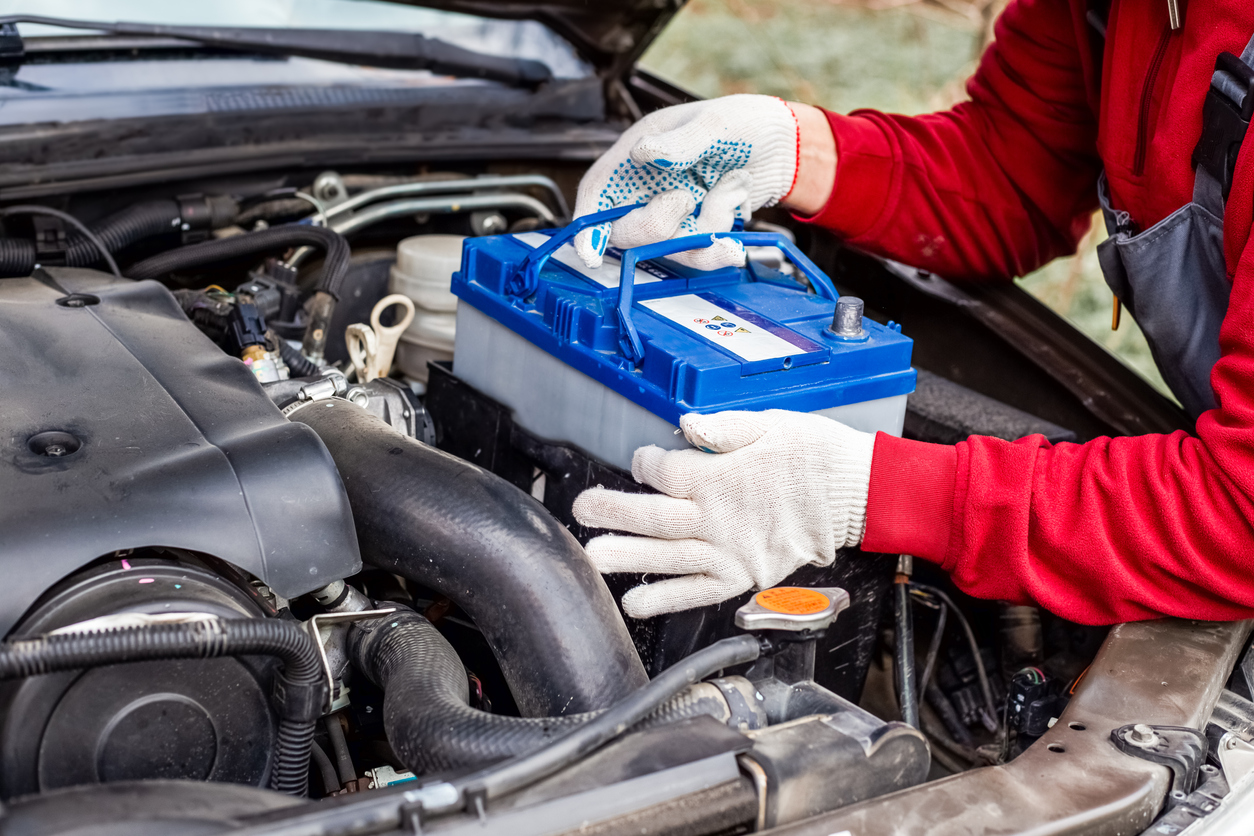
A reliable car battery is essential for starting your vehicle and powering its electrical systems. Over time, batteries wear out and need to be replaced. Understanding car battery replacement can help you avoid unexpected breakdowns and keep your vehicle running smoothly. This guide explains everything in a simple and easy-to-read way.
What Is Car Battery Replacement?
Car battery replacement means removing an old or weak battery and installing a new one. A healthy battery provides power to start the engine, run lights, and support electronic features. When the battery fails, your car may not start or may show electrical issues.
Signs You Need a Car Battery Replacement
Knowing the warning signs can save you from getting stuck on the road. Look out for:
- Slow engine start
- Dim headlights
- Dashboard warning light
- Corroded battery terminals
- Battery older than 3–5 years
If you notice these signs, it may be time for a replacement.

How Often Should You Replace Your Car Battery?
Most car batteries last between 3 to 5 years, depending on usage, weather conditions, and maintenance. Extreme heat or cold can reduce battery life. Regular checks can help you decide the right time for replacement.
Step-by-Step Car Battery Replacement
You can replace a car battery yourself by following these simple steps:
- Turn off the engine and remove the keys
- Locate the battery under the hood
- Disconnect the negative terminal first, then the positive
- Remove the old battery carefully
- Place the new battery in position
- Connect the positive terminal first, then the negative
- Ensure everything is tight and secure
Always follow safety precautions and wear gloves if possible.
Cost of Car Battery Replacement
The cost depends on the battery type and your car model. On average:
- Standard batteries: affordable
- Premium or long-life batteries: higher cost
- Installation charges: may apply at service centers
Comparing options can help you get the best value.
Tips to Extend Battery Life
To avoid frequent replacements, follow these tips:
- Turn off lights when not in use
- Avoid short trips frequently
- Keep battery terminals clean
- Check battery health regularly
- Drive your car regularly
These simple habits can increase battery life and performance.
When to Seek Professional Help
If you are unsure or uncomfortable replacing the battery yourself, visit a professional mechanic. They can:
- Test battery health
- Install the battery safely
- Dispose of the old battery properly
Professional help ensures everything is done correctly.
Choosing the Right Car Battery
Selecting the right battery is important for your vehicle’s performance. Not all batteries are the same, so you should consider a few key factors before buying:
- Battery size and type: Always check your car manual to find the correct size and specifications.
- Cold cranking amps (CCA): This measures how well the battery performs in cold weather. Higher CCA is better for colder climates.
- Reserve capacity (RC): This shows how long the battery can run essential systems if the alternator fails.
- Brand and warranty: Choose a trusted brand that offers a good warranty for peace of mind.
Picking the right battery ensures better performance and longer life.
Environmental Impact and Disposal
Car batteries contain harmful chemicals, so proper disposal is very important. Never throw an old battery in regular trash. Most service centers and auto shops offer recycling services. Recycling helps protect the environment and allows valuable materials like lead and plastic to be reused.
Many retailers also provide discounts when you return your old battery while buying a new one. This makes responsible disposal easy and beneficial.
Common Mistakes to Avoid
When dealing with car battery replacement, some common mistakes can lead to problems:
- Connecting terminals incorrectly (always positive first, then negative when installing)
- Ignoring corrosion buildup
- Using the wrong battery type
- Not securing the battery properly
- Skipping regular maintenance checks
Avoiding these mistakes will help your battery last longer and prevent damage to your vehicle. Avoid common mistakes like connecting terminals incorrectly, choosing the wrong battery type, ignoring corrosion, and failing to secure the battery properly, as these can damage your vehicle and reduce battery life.
Benefits of Timely Replacement
Replacing your car battery on time offers several benefits:
- Reliable engine starts every time
- Better performance of electrical systems
- Reduced risk of sudden breakdowns
- Improved safety during travel
A fresh battery ensures your vehicle runs smoothly without interruptions.
Conclusion
Understanding car battery replacement helps you stay prepared and avoid unexpected problems. By recognizing warning signs, following proper steps, and maintaining your battery, you can ensure a smooth driving experience. Whether you choose to replace it yourself or seek professional help, keeping your battery in good condition is key to your car’s performance.Taking care of your car battery is a simple but essential part of vehicle maintenance. By choosing the right battery, avoiding common mistakes, and following proper disposal practices, you can improve your car’s reliability and lifespan. Staying proactive with maintenance will save you time, money, and stress in the long run.
Author


Artificial Fever Hoodie: Confidence Meets Modern Streetwear Style

Talent Development Services: Workforce Skills & Business Growth

Best Mobile App Development Company in 2026: How to Choose

BTEC Assignment Help for Better Grades & Academic Success

SIL Barcelona 2026: Global Logistics & Supply Chain Event Guide

Unreal vs Unity Engine 2026: Which One Should You Choose?

Modern Clothes Nuns Wear: Comfort, Modesty, and Practicality

Barbas Hats: Bold, Stylish Hats Designed to Stand Out

BIM & Prefabrication for GCs: Faster, Cleaner Construction

FragmentClothing: Complete Review of the Brand

Cybersecurity Consulting Company SequelNet Provides Critical IT Support Services to Medical Billing Firm, Medical Optimum

Team Communication Software Transforms Operations at Finance Innovate

Project Management Tool Transforms Long Island Business

How Alleviate Poverty Utilized IPPBX’s All-in-One Solution to Transform Lives in New York City

Breast Cancer: The Imperative Role of Mammograms in Screening and Early Detection

Unstoppable Collaboration: D.C.’s Citi Open and Silicon Valley Classic Unite to Propel Women’s Tennis to New Heights

Embracing Renewal: Sizdabedar Celebrations Unite Iranians in New York’s Eisenhower Park

The Benefits of Starting a Side Hustle for Financial Freedom

New Blood Donation Screening Questions What You Need to Know

Stylishly Timeless: The 5 Types of Sandals You Need in Your Closet
-

 Business3 years ago
Cybersecurity Consulting Company SequelNet Provides Critical IT Support Services to Medical Billing Firm, Medical Optimum
-
Business3 years ago
Team Communication Software Transforms Operations at Finance Innovate
-
Business3 years ago
Project Management Tool Transforms Long Island Business
-
Business3 years ago
How Alleviate Poverty Utilized IPPBX’s All-in-One Solution to Transform Lives in New York City
-
health3 years ago
Breast Cancer: The Imperative Role of Mammograms in Screening and Early Detection
-
Sports3 years ago
Unstoppable Collaboration: D.C.’s Citi Open and Silicon Valley Classic Unite to Propel Women’s Tennis to New Heights
-
Art /Entertainment3 years ago
Embracing Renewal: Sizdabedar Celebrations Unite Iranians in New York’s Eisenhower Park
-
Finance3 years ago
The Benefits of Starting a Side Hustle for Financial Freedom







