
Autos & Vehicles
Autonomous Vehicles: What’s Next in 2025?

By

Reviewed
By Eden Kyle

Introduction
The idea of autonomous vehicles—cars that can drive themselves without anyone controlling them—has been around for a long time. In 2025, this idea is closer to becoming a reality than ever. Self-driving cars could change how we travel, move around, and even think about safety on the road. Although fully autonomous cars are not everywhere yet, the technology is improving. With the help of artificial intelligence (AI), machine learning, and advanced sensors, self-driving cars are becoming safer and smarter.
In this article, we will look at what autonomous vehicles can do, the technology behind them, and what we can expect in 2025. Whether you are curious about the future of transportation or excited about new technology, this article will explain how self-driving cars are changing the way we think about traveling.
What Are Autonomous Vehicles?

Image by: Yandex.com
Autonomous vehicles, also called self-driving cars, are cars that use AI, sensors, and machine learning to drive without needing a human to take control. These cars use different technologies to see what is around them, such as LIDAR, cameras, radar, and GPS. The main purpose of autonomous vehicles is to make driving safer, reduce traffic, and make traveling easier.
These cars are tested at different levels, from Level 0 (no automation) to Level 5 (fully automated). In 2025, most cars will be somewhere between Level 3 and Level 4. This means the car can drive itself in most situations, but there may still be times when a human driver needs to help.
What Will Autonomous Vehicles Look Like in 2025?

Image by: Yandex.com
In 2025, we will see even more autonomous vehicles on the road. Here’s what we can expect from self-driving cars in the near future:
1. More Advanced AI for Safer Driving
AI will play a huge role in autonomous vehicles by making them safer. In 2025, AI systems will get better at making smart decisions while driving. As these systems learn from more data, they will be able to react faster and avoid accidents. AI will help the car recognize things like pedestrians, cyclists, and other cars, making driving safer.
2. Better Sensors for Clearer Vision
Sensors like LIDAR, radar, and cameras are important for helping self-driving cars see what is around them. By 2025, these sensors will be even better at detecting things on the road, like other cars, people, or obstacles. This will allow autonomous vehicles to drive safely even in bad weather or busy city streets.

3. Smarter Infrastructure and Connectivity
By 2025, cities and roads will be better connected with self-driving cars. 5G networks will help cars communicate with each other and with road signals, making traffic flow smoothly. Smart traffic lights could talk to autonomous vehicles, helping them avoid traffic jams. Self-driving cars will get real-time information about accidents, road conditions, or traffic, helping them avoid delays.
Challenges for Autonomous Vehicles in 2025

Image by: Yandex.com
Although autonomous vehicles hold great promise, there are still some challenges to overcome. Here are a few things that need to be fixed before self-driving cars can become common:
1. Laws and Rules for Self-Driving Cars
As self-driving cars become more common, governments will need to create new rules and laws. These laws will decide things like who is responsible if a self-driving car gets into an accident and how to make sure autonomous vehicles are safe. In 2025, we will likely see new rules that help these cars fit into our current transportation systems.
2. Trust and Public Opinion
Many people are still unsure about self-driving cars. Some may worry that these cars aren’t safe or might cause job losses, especially for people who work as drivers. To make autonomous vehicles more accepted, there will need to be more tests and demonstrations to show that self-driving cars can be trusted. Over time, as people see how well these cars work, they will likely feel more comfortable with the technology.
3. Keeping Cars Safe from Hackers
Because autonomous vehicles rely on technology and are connected to the internet, there’s a risk that they could be hacked. If a hacker takes control of a car, it could be dangerous. In 2025, car makers and governments will have to make sure that self-driving cars are protected from hackers, ensuring that passengers and data are kept safe.
The Benefits of Autonomous Vehicles in 2025

Image by: Yandex.com
Even though there are challenges, autonomous vehicles offer many benefits that will change the way we travel. Here are some of the key advantages that will be clearer in 2025:
1. Fewer Traffic Accidents
Most traffic accidents happen because of human mistakes, like speeding, distracted driving, or not following traffic laws. Autonomous vehicles will be able to drive more safely by following traffic rules precisely and reacting quickly to avoid dangers. This will help reduce traffic accidents and save lives.
2. More Accessibility
Self-driving cars will help people who can’t drive, such as the elderly or people with disabilities, get around more easily. They won’t need to rely on others or public transportation anymore. Autonomous vehicles will provide independence for people who struggle to drive themselves.
3. Better for the Environment
Many self-driving cars will be electric, which will help reduce carbon emissions and make transportation more environmentally friendly. Also, autonomous vehicles will be more efficient in how they drive, saving fuel and reducing air pollution.
4. More Efficient Travel
Because self-driving cars can talk to each other and plan their routes better, we can expect less traffic and faster travel times. Autonomous vehicles will help keep traffic moving smoothly by preventing traffic jams and avoiding accidents.
Table: Key Aspects of Autonomous Vehicles in 2025
| Aspect | Description | Impact on Society |
|---|---|---|
| Level 4 and 5 Autonomy | Self-driving cars with the ability to operate without human intervention | Changes how we drive, makes transportation safer and more efficient |
| AI-Powered Navigation | AI systems that improve driving patterns, fuel efficiency, and real-time decisions | Reduces emissions, increases efficiency, improves safety |
| Job Displacement and Creation | Impact on jobs in transportation, but new opportunities in AI, maintenance, and urban planning | Job shifts, need for re-skilling and new career paths |
| Environmental Impact | Electric autonomous vehicles that reduce emissions and fuel consumption | Contributes to cleaner cities and sustainable transportation |
Conclusion
Autonomous vehicles are set to change how we travel in 2025 and beyond. As technology improves, self-driving cars will become safer, more efficient, and easier to use. These cars will help reduce accidents, make transportation accessible to more people, and even benefit the environment. However, challenges like regulations, public trust, and cybersecurity must be addressed for these cars to become common on the roads.
Take the Next Step
Stay up-to-date on the latest advancements in autonomous vehicles. Whether you’re excited about the future of self-driving cars or just curious, the transportation industry is about to see a big transformation. Keep an eye on these developments as they shape the future of travel.
Author

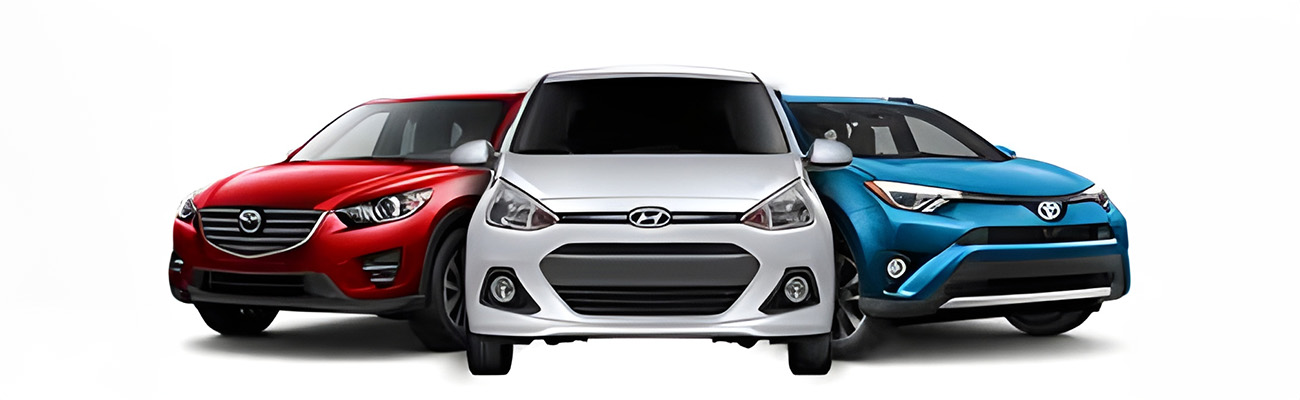
Buying affordable vehicles abroad can seem overwhelming, but it doesn’t have to be. For international import buyers, finding cars for sale in Zimbabwe under $3000 is a practical way to access reliable vehicles without breaking the bank. With the right approach, guidance, and trusted partners like UFS Auto, you can make smart choices that save both time and money.
This guide will share top tips to make the buying process simple, safe, and effective. Whether you are a first-time buyer or a seasoned importer, these strategies will help you navigate the process with confidence.
Understand the Market and Pricing
Before searching for cars for sale in Zimbabwe under $3000, it’s important to know what to expect. Vehicle prices in this range typically include compact cars, sedans, small SUVs, and sometimes mini vans from reliable Japanese brands like Toyota, Honda, and Suzuki. Understanding the market helps you spot good deals and avoid overpaying.
For example, you can often find a well-maintained Toyota Corolla or Honda Fit within this budget. While these cars may be a few years old, they are known for longevity, low maintenance costs, and availability of spare parts. Understanding these details allows you to make smarter buying decisions.
You can check resources like Trading Economics Zimbabwe Car Prices to stay informed about local price trends.
Why Are Cars Under $3000 A Smart Choice?
Cars for sale in Zimbabwe under $3000 offer excellent value for:
- Individual buyers seeking affordable personal transport
- Small businesses needing a fleet on a budget
- Resellers looking for reliable, low-cost vehicles
These vehicles are often simple to maintain, fuel-efficient, and perfect for local roads. With careful selection and the right guidance, you can access dependable vehicles that meet your needs without stretching your finances.
Affordable Japanese cars are especially appealing because of their long-term reliability and availability of spare parts. Buyers who understand the market can make a smart investment while keeping costs under control.
Check Vehicle Quality Carefully
Not all affordable vehicles are equal. When looking for cars for sale in Zimbabwe under $3000, consider:
- Mileage and service history
- Previous accidents or repairs
- Age and condition of tires, brakes, and engine
- Photos or video inspections if buying online
For instance, a 2010 Honda Fit with 120,000 km and a full service history is usually a better investment than a newer car with unknown history. Some buyers underestimate the importance of inspection, but small details can affect long-term reliability and maintenance costs. Make sure your supplier provides a full inspection report before purchase.
Understand Shipping and Import Regulations
Shipping cars internationally requires attention to regulations. For buyers in Zimbabwe:
- Verify customs duties and import taxes
- Understand local registration requirements
- Ensure all shipping documents are accurate
Following these steps helps you avoid delays or unexpected fees. Using a partner familiar with both Japanese export procedures and Zimbabwean import rules, like UFS Auto, ensures the process goes smoothly. You can also consult official sources like the Zimbabwe Revenue Authority for up-to-date guidance on import procedures.
Consider Financing and Budget Carefully
Even for vehicles under $3000, buyers should account for:
- Shipping costs
- Insurance during transit
- Minor repairs or inspections upon arrival
It’s easy to focus only on the car price, but additional costs can quickly add up. For example, shipping a small sedan from Japan to Harare may cost around $800–$1000 depending on the route and container type. Adding insurance and potential registration fees helps you calculate the total investment and avoid surprises.
Tips for a Smooth Purchase
To make your purchase easier:
- Make a shortlist of preferred vehicles
- Request detailed inspection reports and images
- Confirm the total cost, including shipping and taxes
- Work with a reliable export company like for secure payment and delivery
- Track your shipment for peace of mind
- Keep a buffer in your budget for minor repairs or modifications after arrival
Following these tips will simplify the process and make your investment worthwhile. Remember, preparation and attention to detail can save a lot of time and stress.
Choose the Right Export Partner
A trusted exporter is crucial when buying cars for sale in Zimbabwe under $3000. UFS Auto specializes in Japanese used vehicles and has experience coordinating international shipments. A reliable partner ensures:
- Transparent vehicle inspections and quality reports
- Accurate documentation for customs and registration
- Smooth shipping and handling processes
- Guidance on local regulations and taxes
Working with experts like UFS Auto reduces risks and ensures you receive exactly what you ordered. Many first-time buyers make the mistake of using unknown suppliers online, which can lead to delays or receiving vehicles in poor condition. A reputable export partner makes all the difference.
Conclusion
Buying cars for sale in Zimbabwe under $3000 does not have to be complicated. By understanding the market, checking vehicle quality, budgeting carefully, and working with trusted exporters like UFS Auto, international buyers can make confident and informed decisions. Following these top tips will help you secure affordable, reliable vehicles and enjoy a smooth import experience.
With the right approach, these budget-friendly cars offer both practical transport solutions and long-term value. Start your search wisely, partner with experienced exporters, and enjoy the benefits of a smart purchase.
Author



Whether you are navigating a busy school run or heading to an important business meeting, losing access to your car can throw your entire life out of balance. In the UK, the dependency on personal transport is high, and a sudden breakdown or accident often feels like a crisis. Fortunately, services for temporary replacement vehicles UK provide a vital lifeline, ensuring that a mechanical failure doesn’t result in a total standstill. This guide breaks down the process, benefits, and essential tips for staying mobile when your primary vehicle is off the road.
What Exactly Are Temporary Replacement Vehicles?
A temporary replacement vehicle is a short-term rental or loaner car provided to you while your primary vehicle is out of action. These are not permanent solutions but rather “bridge” vehicles designed to keep you moving during specific windows of time. You will typically find yourself needing one of these services during:
-
Post-Accident Repairs: If your car is in the body shop following a collision.
-
Mechanical Failures: When your vehicle requires a complex fix that takes several days.
-
Insurance Total Loss: While you wait for a settlement check to purchase a new car.
-
Warranty Work: If a brand-new car requires manufacturer-specific repairs.
These vehicles usually come via your insurance provider, a specialized credit hire company, or directly from the repair garage.

Why Access to a Replacement Car is Non-Negotiable
In many parts of the UK, public transport isn’t a viable alternative for everyone. Having a dedicated replacement car offers several distinct advantages that go beyond mere convenience:
Total Daily Continuity
Your life doesn’t stop because your car did. A replacement vehicle ensures you can still attend work, drop the kids at school, and manage grocery trips without relying on expensive taxis or unreliable bus schedules.
Professional Reliability
For those who use their vehicles for business, a car is a tool of the trade. Having a replacement vehicle—particularly a van or a professional-looking saloon—maintains your professional image and prevents a loss of income.
Psychological Peace of Mind
Vehicle issues are inherently stressful. Knowing that a replacement is waiting for you removes the “how will I get there?” anxiety, allowing you to focus on the repairs or insurance claims process.
The Step-by-Step Process: How to Get Moving
Securing a temporary car in the UK is generally a streamlined process. While every provider differs slightly, you can expect the following journey:
-
Initial Reporting: Contact your insurer or a dedicated hire provider immediately after the incident.
-
Eligibility Verification: The provider will check your policy details. If you were involved in a “non-fault” accident, you might be eligible for a like-for-like replacement under credit hire.
-
Vehicle Allocation: Once approved, the service selects a vehicle from their fleet that matches your needs or policy level.
-
Delivery and Handover: Many UK services will deliver the car directly to your home or the repair center. You will sign a rental agreement and inspect the vehicle for any existing damage.
-
The Return Phase: You keep the car until your own vehicle is repaired or until your insurance settlement is finalized.
Selecting the Right Category of Vehicle
Not all replacement cars are created equal. Depending on your specific circumstances and insurance coverage, you might choose from several categories:
-
City Cars: Small, fuel-efficient models like the Fiat 500 or Vauxhall Corsa. These are perfect for urban commuting and easy parking.
-
Family SUVs: If you have car seats and a boot full of gear, look for crossovers like the Nissan Qashqai or Kia Sportage.
-
Executive Models: Premium policies often provide “like-for-like” luxury vehicles, such as a BMW 3 Series or Mercedes-Benz C-Class.
-
Commercial Vans: Essential for tradespeople who cannot afford a single day of downtime.
Understanding Eligibility and Costs
The biggest question most drivers have is: “Who pays for this?” In the UK, the answer depends on your insurance status and the nature of the claim.
Comprehensive Insurance Policies
Many “fully comp” policies include a “Courtesy Car” as standard. However, be aware that this is usually a small, basic model provided by the garage, and it is only available while your car is being repaired at an approved center.
Non-Fault Credit Hire
If someone else hit you, you are legally entitled to be put back in the position you were in before the accident. Specialist credit hire companies provide a vehicle similar to your own and recover the costs directly from the at-fault driver’s insurance.
Private Hire
If you don’t have the “Replacement Car” add-on and you were at fault, you may need to pay a daily rental rate. Many providers offer discounted rates for long-term “insurance replacement” hires.
Vital Tips for a Seamless Experience
To avoid any “hidden” headaches, keep these expert tips in mind before you drive away:
-
Verify the Insurance: Ensure your existing insurance covers you for the replacement vehicle, or check if the hire company provides fully comprehensive cover.
-
Document Everything: Take photos of the replacement car’s interior and exterior upon delivery to avoid being charged for pre-existing scratches.
-
Watch the Fuel Policy: Most providers operate on a “like-for-like” fuel basis. If you received it full, return it full to avoid premium refueling charges.
-
Confirm Mileage Limits: Some temporary hires have daily mileage caps. Ensure these align with your commute.
Avoiding Common Pitfalls
Many drivers fall into traps because they don’t read the fine print. Avoid the mistake of keeping the car longer than authorized. Once your car is repaired, you usually have a very short window (often 24–48 hours) to return the replacement. Furthermore, never assume the car is “free” without confirming who is paying the bill. Clear communication with your insurer is the best way to prevent unexpected invoices.
The Final Word on Staying Mobile
The UK’s automotive landscape is unpredictable, but your mobility shouldn’t be. Services for temporary replacement vehicles UK are designed to act as a safety net for the modern driver. By understanding your policy, knowing your rights in a non-fault accident, and choosing the right vehicle for your lifestyle, you can navigate any car-related crisis with total confidence.
Don’t let a trip to the garage stop your life. Whether you need a compact city car or a rugged van, these services ensure that you stay in the driver’s seat, no matter what happens to your primary vehicle. Stay informed, stay covered, and stay on the road.
Author


Finding a reliable, budget-friendly vehicle in the heart of the UK’s capital can feel like an uphill battle. With the Ultra Low Emission Zone (ULEZ) expanding and the cost of living rising, Londoners face unique challenges when choosing a family car. However, the market is full of hidden gems if you know where to look. This comprehensive guide explores how to secure low-cost family cars in London without sacrificing safety or style.
Why Prioritize a Low-Cost Family Vehicle?
Many drivers assume that “budget” means “basic,” but the modern automotive market proves otherwise. Opting for an affordable family car allows you to redirect your hard-earned money toward other essential household expenses. When you choose a low-cost model, you instantly benefit from lower monthly insurance premiums and reduced road tax. Furthermore, these vehicles often use common parts, making routine maintenance and repairs much more affordable.
Beyond the financial savings, affordable family cars are designed for the realities of city life. They offer a perfect balance of modern safety technology and practical comfort. In a city where every penny counts, a smart car purchase is a significant step toward long-term financial stability.

Essential Features for the Modern London Family
Navigating the narrow streets of Soho or finding a parking spot in Richmond requires a specific type of vehicle. You need a car that is agile yet spacious enough for the weekly grocery shop and school bags. Here is what you should prioritize during your search:
1. Interior Versatility and Storage
A family car lives and dies by its boot space. Whether you are hauling a pram, sports equipment, or bulk groceries, look for cars with “magic seats” or flat-folding rear rows. Hatchbacks and compact SUVs are particularly popular in London because they offer high internal volume without a massive external footprint.
2. Fuel Economy and ULEZ Compliance
Fuel prices fluctuate constantly, so efficiency is non-negotiable. More importantly, London drivers must ensure their vehicle is ULEZ-compliant to avoid the daily £12.50 charge. Most petrol cars registered after 2005 and diesel cars registered after September 2015 meet these standards. If your budget allows, a hybrid model can drastically cut your fuel spend during stop-start city traffic.
3. Advanced Safety Standards
Safety is the one area where you should never compromise. Look for vehicles with high Euro NCAP ratings. Essential features for city driving include autonomous emergency braking (AEB), lane-keep assist, and ISOFIX points for child seats. Parking sensors and rear-view cameras are also vital for navigating tight London driveways and street parking.
4. Low Running Costs
Before signing any paperwork, check the car’s insurance group. Lower groups mean cheaper annual costs. Additionally, look for models known for their reliability. Researching common “faults” for specific years and models can save you thousands of pounds in future garage bills.
The Best Vehicle Types for Urban Living
Not every car is built for London’s unique environment. To get the best value, consider these specific categories:
-
Hatchbacks: These are the kings of the city. They are easy to maneuver, simple to park, and surprisingly roomy. Models like the Ford Focus or Volkswagen Golf remain favorites for a reason.
-
Estate Cars: If you need more room than a hatchback but don’t want a bulky SUV, an estate is your best bet. They provide massive boot space while maintaining a sleek, aerodynamic profile.
-
Compact SUVs (Crossovers): These offer a higher driving position, which provides better visibility in heavy traffic. They are robust enough for weekend trips to the countryside but small enough for inner-city driving.
-
Used Vehicles: Buying a car that is three to five years old is perhaps the smartest financial move. You avoid the steepest period of depreciation while still enjoying modern infotainment and safety tech.
Where to Buy Low-Cost Family Cars in London
London offers a diverse range of buying options. Each source has its pros and cons:
Local Dealerships
Main dealers often have “approved used” schemes. While these may cost slightly more than a private sale, they provide peace of mind through multi-point inspections and extended warranties.
Online Marketplaces
Platforms like AutoTrader and eBay Motors allow you to filter by ULEZ compliance and location. This is the fastest way to compare prices across different boroughs.
Car Auctions
For the savvy buyer, auctions can yield incredible bargains. However, this route requires a keen eye for mechanical issues, as most sales are final.
Private Sellers
Buying directly from another family often results in the lowest price. Always meet in a safe, public place and bring a mechanically minded friend to help inspect the vehicle.
Expert Tips for a Successful Purchase
Buying a car is a major commitment. To ensure you get the best deal, follow this checklist:
-
Strict Budgeting: Determine your “drive-away” price and stick to it. Do not let a salesperson talk you into expensive add-ons like paint protection or gap insurance unless you truly need them.
-
Comprehensive History Checks: Always run a HPI check to ensure the car has no outstanding finance and hasn’t been involved in a major accident.
-
The “Real-World” Test Drive: Don’t just drive around the block. Take the car on a dual carriageway to check for vibrations at high speeds and navigate some tight turns to test the steering and suspension.
-
Professional Inspection: If you aren’t an expert, hire a professional service like the AA or RAC to perform a pre-purchase inspection. A hundred pounds spent now could save you thousands later.
Factoring in the Total Cost of Ownership
The sticker price is only the beginning. To truly understand if a car is “low-cost,” you must look at the big picture.
-
Insurance: London postcodes often have higher insurance rates. Get a quote before you buy.
-
Road Tax: Some older, high-emission cars have high annual tax rates, whereas newer, cleaner cars might cost very little.
-
Parking Permits: Check with your local council (e.g., Westminster, Camden, or Hackney) regarding the cost of a residential parking permit. Some councils charge more for diesel vehicles.
Embracing Green Mobility in the Capital
As London moves toward a greener future, eco-friendly cars are becoming more affordable on the used market. Hybrid vehicles are excellent for the “creep-and-crawl” nature of London traffic, as they often run on electric power at low speeds. Fully electric vehicles (EVs) are also becoming a viable second-hand option. Not only do they exempt you from the Congestion Charge, but they also offer the lowest possible running costs if you can charge at home or work.
Final Recommendations
Finding a reliable, low-cost family car in London is entirely possible with a bit of patience and research. Focus on ULEZ-compliant petrol or hybrid models to avoid daily fees. Prioritize safety and internal space over flashy aesthetics. By following the steps in this guide, you will find a vehicle that serves your family’s needs while keeping your bank account healthy.
Whether you are navigating the North Circular or heading out for a Sunday roast in the Cotswolds, the right car makes every journey better. Start your search today, stay informed, and drive home a deal that brings your family closer together.
Author


CNC Tools in Modern Manufacturing: Benefits & Future Trends

Avoid Costly Document Mistakes with Professional Notary Services

Mini vs Full Tummy Tuck: Complete Guide Islamabad

Formulation Development in 2026: Drug Delivery Innovations

Luxury RV Resorts Texas vs Standard RV Parks: The Difference?

Best Hair Transplant Clinic in Pakistan – JJ Aesthetics

Essentials Tracksuit UK Guide: Styles, Fits, Colors & Buying Tips

Working Capital Finance: Guide for MSMEs, Types & Benefits

Beard Hair Transplant: Procedure, Benefits And Recovery

Corteiz Cargos Official Store: Streetwear Style & Sustainability

Cybersecurity Consulting Company SequelNet Provides Critical IT Support Services to Medical Billing Firm, Medical Optimum

Team Communication Software Transforms Operations at Finance Innovate

Project Management Tool Transforms Long Island Business

How Alleviate Poverty Utilized IPPBX’s All-in-One Solution to Transform Lives in New York City

Breast Cancer: The Imperative Role of Mammograms in Screening and Early Detection

Unstoppable Collaboration: D.C.’s Citi Open and Silicon Valley Classic Unite to Propel Women’s Tennis to New Heights

Embracing Renewal: Sizdabedar Celebrations Unite Iranians in New York’s Eisenhower Park

The Benefits of Starting a Side Hustle for Financial Freedom

New Blood Donation Screening Questions What You Need to Know

Stylishly Timeless: The 5 Types of Sandals You Need in Your Closet
-

 Business3 years ago
Cybersecurity Consulting Company SequelNet Provides Critical IT Support Services to Medical Billing Firm, Medical Optimum
-
Business3 years ago
Team Communication Software Transforms Operations at Finance Innovate
-
Business3 years ago
Project Management Tool Transforms Long Island Business
-
Business3 years ago
How Alleviate Poverty Utilized IPPBX’s All-in-One Solution to Transform Lives in New York City
-
health3 years ago
Breast Cancer: The Imperative Role of Mammograms in Screening and Early Detection
-
Sports3 years ago
Unstoppable Collaboration: D.C.’s Citi Open and Silicon Valley Classic Unite to Propel Women’s Tennis to New Heights
-
Art /Entertainment3 years ago
Embracing Renewal: Sizdabedar Celebrations Unite Iranians in New York’s Eisenhower Park
-
Finance3 years ago
The Benefits of Starting a Side Hustle for Financial Freedom







