
Law Government
Australian Courts Hacked: The Implications for Justice and Privacy

By

Reviewed
By Analia Promise

Introduction
The Australian courts hack sent shockwaves through the country’s legal community. In early 2025, cybercriminals accessed the NSW Online Registry and downloaded around 9,000 sensitive files. These documents included domestic violence orders, affidavits, and other personal records. Beyond the immediate breach, this event raises urgent questions about justice implications and privacy risks. How will courts safeguard the integrity of legal proceedings? What happens to the personal data of victims and witnesses? This article delves into the hack’s background, its impact on the justice system, and the privacy challenges that lie ahead.
A Major Data Breach in the NSW Court System
In late March 2025, the NSW Department of Communities and Justice (DCJ) detected unusual activity during routine maintenance of its Online Registry website. Further checks revealed an unauthorized account had pulled nearly 9,000 court files over several hours. These documents spanned civil and criminal matters, but many involved particularly sensitive cases: apprehended violence orders, family law affidavits, and details about minors. Authorities immediately launched Strike Force Pardey, naming the cybercrime squad to investigate the breach and contain the fallout.
What Information Was Exposed?
The registry houses documents filed by police, lawyers, and individuals in both lower and higher courts. Among the leaked files were:
- Apprehended Violence Orders (AVOs): Protection orders against domestic violence, containing names and details of alleged victims and perpetrators.
- Affidavits and Statements: Sworn evidence that may include addresses, financial information, and health details.
- Case Metadata: Personal identifiers such as dates of birth, contact details, and legal representative information.
While the exact list of accessed files remains under review, the scale suggests a wide cross-section of cases was affected. Given the range of data, experts warn of risks not only to individuals’ safety but also to the fairness of ongoing trials.
Benefits of Discussing the Breach
Talking openly about the hack helps everyone learn from the mistakes and strengthens future defenses. Judges, lawyers, and court staff gain a clearer picture of where security gaps lie and what actions to take next. Public discussion builds pressure for better funding and faster upgrades to court IT systems. Sharing details also helps other government agencies avoid similar errors. Overall, transparency restores trust by showing that courts are taking steps to protect sensitive information.
Role of the Courts in Protecting Justice and Privacy
Courts hold some of the most sensitive personal data, from witness testimonies to medical records and financial disclosures. They must balance the need for open justice—where public hearings and documents are available—with strict privacy rules for participants. Secure IT systems allow judges and clerks to share files only with the right people and at the right time. When those systems fail, it puts fair trials at risk and undermines confidence in the legal process. Strong digital safeguards are therefore central to both justice and privacy.

Implications for Justice

Image by: Yandex.com
1. Eroding Confidence in Court Integrity
A court’s legitimacy rests on confidentiality and impartiality. When sensitive files leak, litigants may question whether judges and juries can remain unbiased. Parties whose cases rely on sealed evidence could seek delays, citing compromised confidentiality. In criminal matters, defense teams may argue that tainted files infringe on defendants’ right to a fair hearing.
2. Operational Disruptions
Following the breach, NSW courts paused electronic filings and redirected lawyers to paper-based submissions—an expensive and time-consuming fallback. This shift creates backlogs, lengthening the time to resolve cases. For victims of domestic violence, any delay in renewing or enforcing protection orders can have dire real-world consequences.
3. Precedent for Other Jurisdictions
This hacking incident is the most serious breach of an Australian court system to date. Yet court registries in other states and territories rely on similar online portals. Officials nationwide are now racing to audit their own systems, fearing that a copycat attack could spread across the federal judiciary.
Privacy Risks for Individuals
1. Exposure of Personal Data
Victims and witnesses often share intimate details in sealed court documents to protect their safety. With these files breached, personal addresses, phone numbers, and even mental-health records may be out in the open. Survivors of violence could face renewed threats if abusers access these details.
2. Long-Term Identity Threats
Court documents can include financial disclosures, bank account numbers, and detailed family information. Criminals could use this data for identity theft or targeted phishing campaigns. The ripple effects may last years, requiring extensive monitoring and credit freezes by affected individuals.
3. Psychological Impact
Beyond concrete risks, the emotional toll of having legal grievances—and the personal trauma they describe—broadcast without consent is profound. Many victims rely on confidentiality to heal; a breach can retraumatize them and discourage others from seeking legal protection.
Government and Law Enforcement Response
1. Immediate Actions
- Investigation Launch: NSW Cybercrime Squad opened Strike Force Pardey to trace the intruders and secure the registry ABC.
- Notification: Authorities began contacting affected parties. The NSW Attorney-General pledged regular public updates on progress and findings.
2. Policy and Oversight
- Review of Access Controls: The DCJ is auditing user permissions and strengthening multi-factor authentication to prevent unauthorized logins.
- Interagency Collaboration: Cyber Security NSW, AFP, and state police are sharing intel to identify the perpetrators and any wider network of compromised systems.
3. Legal and Regulatory Measures
- Mandatory Breach Reporting: Under new obligations effective May 2025, large organizations—including courts—must report ransom payments and breaches to government agencies within 72 hours.
- Potential Criminal Charges: In April, a man from NSW was charged with hacking the JusticeLink system, although prosecutors have yet to determine if personal data was sold or used maliciously.
Lessons for Cybersecurity in the Justice System
- Zero-Trust Architecture: Courts must shift from perimeter defenses to “zero-trust” models, where every user and device continually verifies permissions.
- Regular Penetration Testing: Simulated attacks help uncover vulnerabilities before real hackers exploit them.
- Data Minimization: Storing only essential information and purging old files reduces the volume of data at risk.
- Encryption at Rest and In Transit: Even if files are accessed, strong encryption prevents easy reading of contents.
- Staff Training: Judges, clerks, and lawyers need frequent cybersecurity awareness training to spot phishing and social-engineering attempts.
Broader Impacts on Australia’s Cyber Landscape
The court breach joins a wave of high-profile hacks in the first half of 2025, including attacks on law-practice boards and health departments The Australian. Government agencies are increasingly seen as lucrative targets due to the sensitivity of their data. As Australia tightens its digital defenses, private-public partnerships and international cooperation will be vital to deter and respond to such threats.
Recommendations for Individuals
- Monitor Credit: Sign up for free credit-monitoring services and place fraud alerts on your accounts.
- Change Passwords: Update any online court-related passwords and enable multi-factor authentication.
- Seek Support: Victims of violence should contact local police or support groups if they fear retaliation.
- Legal Advice: Consult a lawyer about potential impacts on ongoing cases and your rights in data-breach scenarios.
Future Outlook
As the NSW courts rebuild trust, other jurisdictions will follow suit. Federal courts are already planning system-wide security overhauls. Technology vendors are racing to offer AI-driven threat detection and self-healing networks for critical infrastructure like justice portals. While no system can ever be fully immune, a layered approach combining policy, technology, and people can greatly reduce the likelihood and impact of future breaches.
Conclusion
The Australian courts hack stands as a stark reminder that even the pillars of justice are vulnerable in the digital age. With thousands of sensitive files exposed, the breach challenges the fairness of legal proceedings, the safety of individuals, and the public’s trust in judicial institutions. Swift investigations and system upgrades are under way, but the road to restoration will be long. Courts must embrace stronger cybersecurity measures, while lawmakers update regulations to keep pace with evolving threats. For victims and practitioners alike, vigilance and support will be essential as Australia fortifies its justice system against future attacks.
Author


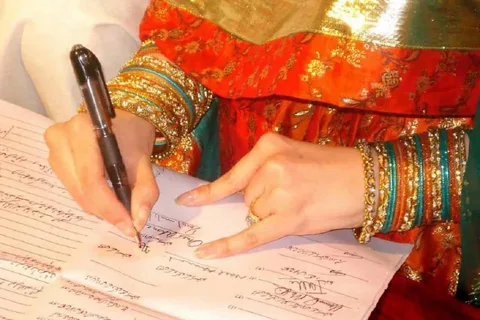
Getting married is a major milestone, but completing the legal paperwork is equally important. In Pakistan, couples need proper marriage registration to establish their marital status in official records. A Marriage serves as important evidence of a legally registered marriage and can become necessary for immigration, visa applications, family registration, banking, inheritance, and other legal matters.
Many people also search for terms such as NADRA Marriage Certificate, Online or Marriage Registration Certificate. However, the process can seem confusing when you do not know which authority handles each step. This guide explains the registration process, required documents, eligibility, overseas procedures, and common issues in simple language.
What Is a Marriage Certificate in Pakistan?
A Certificate is an official document that confirms that a marriage has been registered with the appropriate local authority in Pakistan. The marriage itself takes place through the Nikah process, while registration records the marriage with the relevant government authority.
This document can help couples when they need to:
- Apply for a visa or immigration
- Sponsor a spouse or family member
- Update government records
- Complete banking or insurance requirements
- Deal with inheritance or property matters
- Provide proof of marital status to an embassy
- Handle legal matters in Pakistan or another country
Proper registration gives couples an official record that can support their legal and administrative needs.
What Does NADRA Have to Do With Marriage Registration?
The term NADRA Marriage Certificate often causes confusion. NADRA maintains national identity records, but the original marriage registration does not normally begin with NADRA. Instead, an authorized Nikah Registrar records the marriage, and the relevant Union Council or local government authority handles the registration.
Once the marriage information enters the official system, couples may need related documentation for NADRA records or other government services. Therefore, it is important to understand which document you need before starting the application.
Nikah Nama vs. Marriage Registration Certificate
A Nikah Nama and a Marriage Registration Certificate are related, but they are not the same document.
The Nikah Nama records the details and conditions agreed upon during the Nikah. It contains information about the bride, groom, witnesses, marriage terms, and other relevant details. The authorized Nikah Registrar completes and processes it.
The Marriage Registration Certificate confirms that the marriage has been officially registered with the relevant authority. Government departments, embassies, and immigration offices may request this certificate when they need formal proof of a registered marriage. Keeping both documents safe is therefore a wise decision.
Who Can Apply?
A legally married couple could seek registration if the marriage took place according to the applicable legal requirements. Pakistani citizens can complete the process through the relevant local authority. Overseas Pakistanis may also arrange registration or documentation through an authorized representative, depending on their circumstances.
People commonly need a Marriage Certificate when they are applying for immigration, sponsoring a spouse, updating official records, or completing documentation for use abroad.
Before applying, confirm the requirements of the authority responsible for your marriage registration. Requirements can vary depending on the location and circumstances of the applicants.
Documents You May Need
Preparing your documents before starting the process can save time. Commonly requested documents include:
- Original Nikah Nama
- CNIC copies of both spouses
- CNIC copies of witnesses, where required
- Passport copies for overseas applicants
- Recent photographs, if requested
- Existing marriage registration records
- Supporting documents requested by the relevant authority
Make sure the names, CNIC numbers, dates, and other personal details match across your documents. Even a small spelling difference can create problems during verification.
Marriage Certificate Procedure in Pakistan
The registration process generally follows several important stages.
Complete the Nikah
First, the marriage must take place through an authorized Nikah Registrar. The bride, groom, witnesses, and other relevant parties provide the required information and signatures.
Register the Marriage
The Nikah Registrar submits the marriage details to the appropriate Union Council or local authority. The authority then records the marriage according to the applicable procedure.
Verify the Information
Officials review the submitted information and supporting documents. They may check personal details and registration records before moving forward.
Receive the Certificate
After completing the required verification, the authority issues the official registration document. Applicants can then use it for legal and administrative purposes. The exact procedure can vary by location. For that reason, applicants should confirm current requirements before submitting their documents.

Can You Get a Marriage Certificate Online?
Online services have made document assistance more convenient, particularly for people who live outside Pakistan. However, an online application does not necessarily mean that every official step happens entirely online.
Depending on the service and authority, professional providers may help with document checking, application preparation, submission guidance, verification, and delivery.
A Marriage Certificate application can therefore become easier to manage remotely when you work with a reliable service provider. Still, applicants should verify what the government authority actually offers online and what steps require physical documentation.
Process for Overseas Pakistanis
Living abroad does not always prevent you from obtaining marriage-related documents from Pakistan. Overseas Pakistanis may need these documents for immigration, spouse sponsorship, residence applications, embassy requirements, or other international matters.
In some cases, an authorized person in Pakistan can assist with document submission and collection. The exact requirements depend on the couple’s situation and the authority handling the registration. If you live overseas, check the document requirements carefully before giving someone authority to act on your behalf.
How Long Does Registration Take?
Processing time can differ from one case to another. The relevant authority, availability of records, document accuracy, verification requirements, and workload can all affect the timeline. You can reduce unnecessary delays by submitting complete documents and checking every detail before filing the application.
Common Problems That Cause Delays
Several simple mistakes can slow down the registration process. These may include incorrect CNIC information, missing documents, spelling differences, incomplete forms, or problems with the original Nikah Nama. An unregistered marriage can also require additional steps before the official record becomes available. Review your paperwork carefully before submission. If you find an error, address it through the appropriate legal channel instead of submitting conflicting information.
Why Is a Certificate Important?
A Certificate can provide valuable legal and practical support throughout married life. Couples may need it when dealing with immigration offices, embassies, banks, insurance companies, courts, inheritance matters, and government departments. It also provides an official record that can help establish the couple’s marital relationship when another organization requests documentary evidence.
Get Professional Assistance
Marriage registration involves important legal documents, so small mistakes can create unnecessary complications. Professional assistance can help you understand the requirements, organize your paperwork, and navigate the registration process more confidently. Whether you live in Pakistan or abroad, make sure you use a legitimate service and verify the current requirements of the relevant authority. A properly registered Marriage can make future legal, immigration, and administrative matters much easier to handle.
Final Thoughts
Obtaining a Marriage Certificate in Pakistan is an important step toward keeping your marital records legally recognized and properly documented. The process may seem complicated at first, especially when you need the certificate for immigration, visa applications, family registration, or use abroad. However, understanding the required documents and registration steps can make the process much easier.
Start by ensuring that your Nikah Nama and identification documents contain accurate information. Then, follow the registration requirements of the relevant Union Council or local authority. If you live overseas or cannot manage the process yourself, professional assistance may also help you handle the paperwork and verification more smoothly.
Most importantly, keep your marriage documents safe after registration. You may need them unexpectedly for legal, financial, immigration, or family-related matters. Taking care of the process properly today can save you significant time and stress in the future.
Author



A Union Council Divorce Certificate is an important legal document that confirms the end of a marriage in Pakistan. It provides official evidence that the marriage has ended through the applicable legal process. This document can become essential for government records, immigration matters, remarriage, and other legal requirements.
Many people misunderstand the role of the Union Council or assume that a divorce notice immediately ends the marriage. However, the process involves several legal steps. The requirements can also differ depending on whether the divorce takes place through Talaq or Khula.
This guide explains the process in simple terms. It covers the required documents, Union Council procedure, Khula cases, online services, verification, and common mistakes.
What Is a Union Council Divorce Certificate?
The Union Council issues a Certificate after the relevant legal requirements have been completed. The document confirms that the marriage has legally ended under the applicable family laws of Pakistan.
The certificate can help people deal with various official matters. For example, applicants may need it for government procedures, immigration applications, embassy requirements, remarriage registration, or legal proceedings.
It also helps create a clear record of the marriage’s dissolution. Therefore, people should keep the original document safe and obtain additional copies when necessary.
Why Is This Certificate Important?
A divorce creates several legal and administrative responsibilities. Once the marriage ends, individuals may need to update their marital status in different records. They may also need evidence of the divorce when applying for certain services. The document can support matters such as:
- Proof of the end of a marriage
- Registration of a subsequent marriage
- Visa and immigration applications
- Embassy and foreign documentation
- Family-related legal proceedings
- Property and inheritance matters
- Updates to official records
- Document attestation requirements
For this reason, applicants should not treat the certificate as a minor formality. It can play an important role long after the divorce process ends.
Who Can Apply?
People can seek a Divorce Certificate after completing the relevant legal process. Common situations include Talaq initiated by the husband and Khula obtained through the Family Court.
In some circumstances, spouses may also proceed through a mutually agreed divorce arrangement. However, the exact procedure depends on the circumstances and applicable law.
The Union Council reviews the relevant documents before issuing the final certificate. Applicants should therefore make sure that their paperwork contains accurate and consistent information.
Documents Usually Required
The Union Council may request different documents depending on the case. However, applicants commonly need several basic records, including:
- CNIC copies of both spouses
- Copy of the Nikah Nama
- Written divorce notice, where applicable
- Family Court decree in Khula cases
- Relevant court documents
- Arbitration or reconciliation records, where required
- Application form
- Passport-size photographs, if requested
- Authorization or Power of Attorney documents for representatives
Requirements can vary between cases and jurisdictions. Therefore, applicants should confirm the current requirements with the relevant Union Council before submitting their application.
Divorce Certificate Process in Pakistan
The process usually follows several stages. Understanding each stage can help applicants prepare their documents and avoid unnecessary delays.
Submission of Divorce Notice
In a Talaq case, the husband submits a written divorce notice to the relevant Union Council. The notice allows the local authority to begin the required legal procedure.
Notification of the Spouse
The Union Council notifies the other spouse about the divorce proceedings. This step helps ensure that both parties receive the required information.
Reconciliation Proceedings
The Union Council may establish an Arbitration Council to attempt reconciliation between the spouses. The purpose of this stage is to give both parties an opportunity to resolve the dispute and continue the marriage.
Completion of the Legal Period
If reconciliation does not succeed, the process continues according to the applicable legal requirements. The relevant waiting period and other formalities must finish before the authorities complete the divorce record.
Issuance of the Certificate
After completing the required procedure and checking the relevant records, the Union Council issues the official certificate.

Khula and the Union Council
Khula follows a different route because the wife generally seeks dissolution through the Family Court. The court issues the relevant decree after completing the case. However, the court decree does not replace the Union Council’s role in documenting the divorce. The applicant must provide the required court documents to the relevant Union Council so it can complete the necessary formalities. Therefore, anyone dealing with Khula should keep the original court decree and other important documents secure.
Can You Apply for a Divorce Certificate Online?
Digital legal services have made the process more convenient, especially for people who cannot easily visit Pakistan. Applicants may receive assistance with document preparation, consultations, application procedures, and communication with legal representatives.
However, online assistance does not mean that every part of the legal process happens digitally. The relevant Union Council still handles the official documentation according to its applicable procedure.
Overseas Pakistanis can also authorize representatives in Pakistan through appropriate legal arrangements. This option can reduce the need for repeated international travel.
Does NADRA Issue a Certificate?
People often search for a “NADRA Divorce Certificate,” but this phrase can cause confusion. NADRA handles national identity and related records, while the Union Council handles the official divorce documentation.
The divorce record may later connect with other government records through the applicable update procedures. However, applicants should distinguish between updating a government record and obtaining the official Union Council document.
If an embassy, court, or foreign authority asks for proof of divorce, applicants should confirm exactly which document that authority requires.
How Can You Verify the Certificate?
Verification can become important when you use the document outside Pakistan. For example, an embassy or immigration authority may want confirmation that the document is genuine. Verification may involve checking:
- Certificate number
- Union Council records
- Official stamps
- Authorized signatures
- Names and CNIC details
- Relevant dates and case information
The verification method can differ between authorities. Therefore, applicants should follow the instructions provided by the organization requesting the document.
Common Mistakes to Avoid
Simple mistakes can create unnecessary delays. Applicants should review every document before submission.
Common problems include incorrect CNIC numbers, missing pages, inconsistent names, incomplete applications, and incorrect Union Council jurisdiction. Khula applicants should also make sure they submit the required court decree.
In addition, applicants who use representatives should prepare proper authorization documents. Accurate paperwork can make the overall process much smoother.
Support for Overseas Pakistanis
Living abroad can make legal paperwork more challenging. Applicants may struggle to visit the Union Council, arrange documents, or communicate with local authorities.
An authorized representative can help handle these tasks in Pakistan when the law and relevant authority allow it. Overseas applicants should prepare a valid Power of Attorney and provide all required documents.
Before starting the process, they should also check whether the foreign authority requires attestation, translation, legalization, or another form of verification.
Final Thoughts
Obtaining a Divorce Certificate provides an important record of the legal end of a marriage in Pakistan. The process can involve several stages, especially when the divorce follows Talaq or Khula.
Applicants should prepare their documents carefully and follow the procedure of the relevant Union Council. They should also keep their original documents secure and check whether any additional verification or attestation is necessary.
For overseas Pakistanis, professional legal assistance can simplify communication, paperwork, and representation in Pakistan. With proper preparation and accurate documentation, applicants can reduce avoidable delays and complete the process more efficiently.
Author



Closing a limited company can make sense when a business has stopped trading or no longer serves a useful purpose. If the company has no ongoing business activities and meets the legal conditions, directors may choose voluntary dissolution through Companies House.
Today, directors can complete the application online. This option makes the process easier and reduces the paperwork involved. However, an online application does not remove your legal responsibilities. You still need to close the business properly, deal with its assets, settle its affairs, and notify the relevant people.
This guide explains how to strike off a company online, what conditions apply, and what you should do before and after submitting the application.
What Does Company Strike Mean?
Company strike means removing a limited company from the Companies House register. Once Companies House completes the process, the company becomes dissolved and no longer legally exists.
However, directors should not treat strike off as a quick way to escape company debts or unresolved issues. The company must meet specific conditions before it can apply.
For example, the company generally must not have traded or carried on business during the previous three months. It also must not have changed its name during that period or face ongoing insolvency proceedings.
Why Do Directors Close a Company?
Business circumstances change over time. A company may no longer have a commercial purpose, or its owners may decide to move in another direction. Common reasons include:
- The business has stopped trading.
- The company never became active.
- The directors have retired.
- The owners have started another venture.
- The original business idea did not work.
- The business is not producing sufficient value to warrant its operating expenses.
For a solvent company that meets the eligibility rules, voluntary strike off can provide a straightforward route to closure.
Can You Apply Online?
Yes. Companies House currently provides an online service for eligible companies. The online application costs £13 and requires a company number, authentication code, email details for the directors signing the application, and a debit or credit card or Companies House account for payment.
The online system also checks parts of the application before submission. As a result, directors can reduce some of the common errors associated with paper applications.
The majority of directors must approve and authenticate the application. For instance, both directors must sign, whereas a company with three directors requires at least two signatures.
What Should You Do Before Applying?
Preparation matters. Before you strike off a company, make sure you have properly closed its business affairs.
Stop Trading
The company should stop normal business activities before you apply. This includes selling products, providing services, and entering into new trading arrangements. you can continue performing the tasks necessary to shut down the business or fulfill legal obligations.
However, normal trading can make the company ineligible for voluntary strike off.
Deal With Debts and Taxes
Review all outstanding liabilities before submitting the application. These may include supplier invoices, employee payments, Corporation Tax, VAT, loans, and other obligations. You should also prepare the company’s final accounts and Company Tax Return. HMRC requires the company to deal with its outstanding tax responsibilities before closure. If the company cannot pay its debts, voluntary strike off may not be the appropriate route. In that situation, professional insolvency advice can help you understand the available options.
Deal With Company Assets
Do not leave valuable assets inside the company. These may include money in a bank account, vehicles, equipment, intellectual property, or other property. Once the company dissolves, remaining assets generally pass to the Crown as bona vacantia. You may then need to restore the company to recover certain assets.

How to Apply Online
The process becomes easier when you follow each stage carefully.
- Check eligibility: Confirm that the company satisfies the current Companies House conditions.
- Prepare company details: Keep your company number and authentication information available.
- Complete the online application: Enter the requested information accurately and review it before submission.
- Obtain the necessary director approval: The needed majority of directors must validate the application.
- Pay the fee: Complete the online payment using an accepted payment method.
- Inform the necessary individuals: Once you have applied, share a copy of the application those who should be informed.
Companies House states that directors must notify affected parties within seven days. This can include shareholders, creditors, employees, pension managers or trustees, and directors who did not sign the application.
What Happens After You Apply?
Companies House reviews the application. If it accepts the application, it publishes a notice in The Gazette. This notice gives interested parties an opportunity to object. A creditor, shareholder, or another interested person may object if they have a valid reason. For example, they may believe that the company owes them money or has an unresolved legal claim.
If nobody raises a valid objection, Companies House proceeds with dissolution after the period stated in the Gazette notice. A second notice confirms that the company has been removed from the register.
Common Mistakes to Avoid
Directors can create unnecessary delays by overlooking simple requirements. First, do not apply while the company continues to trade. The rules specifically restrict applications where the company traded or carried on business during the previous three months.
Second, do not ignore unpaid liabilities. Creditors can object to the application, and an unresolved debt can make voluntary strike unsuitable. Third, remember to notify the required parties. Failing to follow the notification rules can lead to penalties.
Finally, deal with company assets before dissolution. Leaving money or property behind can cause problems because those assets may pass to the Crown.
Can Someone Object?
Yes. Interested parties can object after Companies House publishes the proposed strike-off notice in The Gazette. A valid objection needs supporting evidence. For example, a creditor may provide invoices that show the company owes money. If Companies House accepts an objection, the dissolution process may stop or receive additional time while the issue is addressed. Therefore, directors should resolve outstanding disputes and communicate with creditors before applying.
What Happens After Dissolution?
After successful dissolution, the company no longer exists as a legal entity. Directors cannot continue normal business activities through it, and access to company bank accounts is lost Any remaining company assets can pass to the Crown. This includes money that arrives after dissolution, such as certain refunds. You should also retain relevant business records for the period required by law. Companies House guidance states that certain business documents should generally be kept for seven years after striking off.
Can You Restore a Dissolved Company?
Sometimes, yes. A dissolved company may be restored in certain circumstances. The correct route depends on why the company was dissolved and the facts surrounding the case.
Restoration can become important when the company still owns assets or when someone needs to pursue a claim involving the company. Because restoration involves legal requirements, professional advice can be useful.
When Should You Get Professional Help?
A straightforward closure may not require extensive assistance. However, professional guidance can be valuable when the company has significant assets, unpaid creditors, tax complications, employees, ongoing contracts, or legal disputes. You should also consider professional advice if you are unsure whether the company meets the current eligibility rules.
Final Thoughts
Choosing to strike off a company online can provide a practical way to close an eligible UK limited company. The digital process makes the application convenient, but directors still need to complete the company’s final affairs properly.
Before applying, stop trading, deal with debts and taxes, distribute company assets where appropriate, and notify everyone who needs to receive notice. Then complete the Companies House application accurately and monitor the Gazette notice for any objections.
Most importantly, remember that voluntary strike is not a replacement for formal insolvency proceedings. If the company cannot pay its debts or faces complex legal issues, seek appropriate professional advice before taking action.
By preparing carefully and following the current Companies House requirements, directors can make the closure process more organized and reduce the risk of unnecessary delays.
Author



Top 25 Podcast Marketing Firms Based in the United States

QuickBooks Bank Feeds Not Working: Expert Fix Guide

QuickBooks Delivery Server Down Error: Expert Fix Guide

How to Make Every Congratulations Celebration Memorable

Rolls Royce Cullinan Hire: Experience Luxury on Every Journey

How to Choose the Right Forklift for Your Business in Australia

Opus One, New Chandigarh

Singapore Travel Planning: Essential Ideas for a First Visit May, 2026

Righteous Hoodie – Stylish, Comfortable & Everyday Streetwear

Epson Printer Error Code 0x9E? 10 Fixes That Actually Work

Cybersecurity Consulting Company SequelNet Provides Critical IT Support Services to Medical Billing Firm, Medical Optimum

Meet the Megalodon: The Shark Star of ‘Meg 2’

Reduce Video Game Lag: Level Up Your Gaming Performance

Balancing India’s Entertainment: Cricket vs. Bollywood

Jetsetter’s Secrets: Unveiling Our Favorite Travel Hacks for a Seamless Adventure

The 5 Best Live Sports Streaming Sites: Legal and Exciting!

Hollywood Labor Unrest: The Impact of ‘What About Us?’ Strikes

Unveiling the Magic of Dream Fulfillment at the Late NBA Draft

Illuminate Your Skin: Dr. Axe Unveils Natural Remedies for Lightening Knees and Elbows

Bright Choices: Navigating the Pros and Cons of Skin Whitening Creams with Dr. Axe
-

 Business3 years ago
Cybersecurity Consulting Company SequelNet Provides Critical IT Support Services to Medical Billing Firm, Medical Optimum
-
Entertainment3 years ago
Meet the Megalodon: The Shark Star of ‘Meg 2’
-
Entertainment3 years ago
Reduce Video Game Lag: Level Up Your Gaming Performance
-
 Sports3 years ago
Balancing India’s Entertainment: Cricket vs. Bollywood
-
Entertainment3 years ago
Jetsetter’s Secrets: Unveiling Our Favorite Travel Hacks for a Seamless Adventure
-
Productivity3 years ago
The 5 Best Live Sports Streaming Sites: Legal and Exciting!
-
Art /Entertainment3 years ago
Hollywood Labor Unrest: The Impact of ‘What About Us?’ Strikes
-
Sports3 years ago
Unveiling the Magic of Dream Fulfillment at the Late NBA Draft






