
Construction
As-Built Drawing Services and Why They Matter in Construction

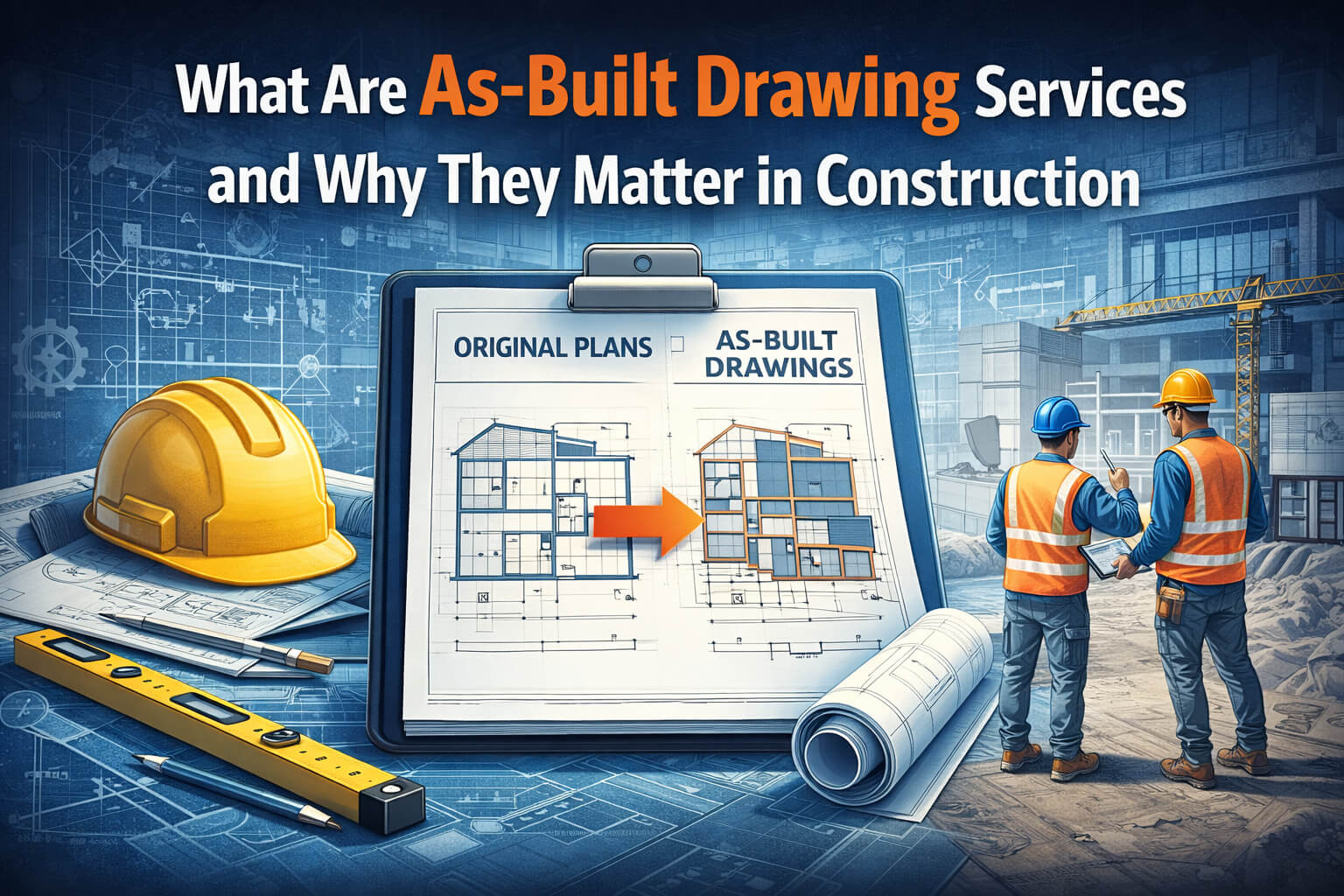
Construction projects rarely finish exactly as they were originally designed. Unforeseen site conditions, material availability, and client requests often lead to adjustments during the building process. When the dust settles and the final nail is driven, the original blueprints no longer reflect the reality of the finished structure. This is where accurate documentation steps in to bridge the gap.
Knowing the exact dimensions, system layouts, and material changes of a completed building is critical for anyone managing or modifying the property. Without a precise record of what was actually built, future owners and contractors face costly guesswork.
In this post, we explore the core elements of as-built documentation, how these records are created, and why investing in professional As-Built Drawing Services is a smart move for your next construction project.
Understanding As-Built Drawings
To grasp the importance of these documents, you first need to understand what they are and how they differ from other construction plans.
What Are As-Built Drawings?
Upon completing a project or a specific task, contractors submit as-built drawings as revised documentation sets. These records reflect every modification the team made to the specifications and working drawings throughout the construction process. Furthermore, they essentially illustrate the dimensions, geometry, and exact location of every element the workers completed under the contract.

Importance in Construction and Post-Construction
Initially, during the construction phase, maintaining a running record of modifications ensures that all teams remain on the same page. Once construction ends, these drawings serve as the owner’s manual for the building. Consequently, they offer facility managers and future contractors a reliable map of the property, which eliminates the need for destructive exploration during future repairs or renovations.
Design Drawings vs. Shop Drawings vs. As-Builts
To understand the workflow, one must distinguish between the three types of documentation:
-
Design Drawings: First, architects and engineers produce preliminary sketches to outline the vision.
-
Shop Drawings: Next, fabricators create detailed plans to demonstrate how they will manufacture and install specific components.
-
As-Built Drawings: Finally, the project team updates the design drawings to create a final version that represents exactly how the contractors installed those components in the real world.

Key Components of As-Built Documentation
A thorough set of as-built drawings leaves no stone unturned. Professional As-Built Drawing Services ensure that several vital components are accurately recorded.
Structural Elements
This includes the exact placement and dimensions of foundations, columns, and load-bearing beams. Knowing the precise location of structural supports is vital for any future expansion.
Architectural Details
Walls, doors, windows, and finishes are all mapped out. If a door was moved two feet to the left during construction to accommodate a plumbing pipe, the as-built drawing will reflect this change.
Mechanical, Electrical, and Plumbing (MEP) Systems
Here is the revised content with added transition words to improve the flow and connection between ideas:
MEP Layouts and Site Utilities
Specifically, MEP layouts are notorious for changing on the fly. To address this, as-built drawings document the final routing of ductwork, electrical conduits, control panels, and plumbing lines.
Site Utilities and Landscaping
In addition to interior systems, accurate documentation is crucial for site utilities because underground systems remain out of sight. For this reason, as-builts record the precise location of sewer lines and water mains, while also capturing any grading changes across the landscape.
Deviations and Revisions
Furthermore, every deviation from the original design is noted, along with the date of the change and the authorized personnel who approved it. Ultimately, this level of detail creates a clear, chronological timeline of the entire construction process.
Why You Need As-Built Drawing Services
Relying on outdated design plans is a recipe for disaster. Professional documentation provides tangible benefits across the lifespan of a building.
Facilitating Future Renovations
When a building owner wants to knock down a wall or add an extension, contractors need to know what is behind the drywall. Accurate as-builts allow architects to design renovations with confidence, knowing they will not accidentally sever a main power line.
Ensuring Regulatory Compliance and Safety
Local government agencies often require as-built drawings to issue a certificate of occupancy. They prove that the building complies with safety codes and zoning regulations.
Improving Facility Management
Routine maintenance is much easier when facility managers know exactly where every valve, breaker, and filter is located. This prevents minor maintenance tasks from turning into day-long scavenger hunts.
Aiding Emergency Response
In the event of a fire or a chemical spill, emergency responders use building plans to navigate the structure and locate hazard shut-off valves. Accurate plans save precious minutes when lives are on the line.
Reducing Costs and Delays
If a contractor hits an unmapped water pipe during a renovation, the project stops. Water damage must be mitigated, and new plans must be drawn. Having the right documentation prevents these expensive surprises.
Legal and Documentation Importance
As-builts serve as a legal record of the contractor’s work. If a dispute arises over the quality or scope of the construction, these drawings provide objective evidence of what was delivered.
The Process of Creating As-Built Drawings
Creating these detailed records requires a mix of field data collection and advanced drafting software.
Data Collection Methods
Historically, contractors marked up paper drawings with red ink as changes occurred. Today, teams use advanced technology to capture site conditions. Laser scanning and drones create highly accurate 3D point clouds of the finished space, capturing details down to the millimeter.
Software and Tools Used
Drafting professionals take the field data and input it into Computer-Aided Design (CAD) or Building Information Modeling (BIM) software. This creates a clean, easily readable digital file.
The Role of Specialized Providers
Outsourcing this task to experts ensures a high level of accuracy. Companies like Chudasama Outsourcing provide specialized drafting teams that know exactly how to interpret field data and translate it into standardized, industry-compliant drawings.
Collaboration
Drafting teams work closely with site contractors and project managers. This collaboration ensures that all field notes, redlines, and verbal agreements are accurately captured in the final files.
Best Practices for As-Built Documentation
To get the most value out of your final drawings, certain best practices must be followed.
Accuracy and Detail
Every change, no matter how small, must be recorded. A missing electrical outlet might seem trivial, but it can cause major headaches during a future office fit-out.
Timeliness of Updates
Redlines should be recorded as soon as the change happens on site. Waiting until the end of the project to update the drawings often leads to forgotten details and lost notes.
Centralized Storage
Once completed, the drawings should be stored in a centralized, cloud-based system. This ensures that facility managers, owners, and future contractors can easily access the latest version.
Digital Formats
While hard copies are useful on a job site, digital formats like CAD and BIM are essential. They are easier to store, share, and update as the building evolves over the decades.
Real-World Impact of Accurate Records
Consider a commercial hospital renovation. The contractors relied on highly accurate as-builts to route new medical gas lines through an existing ceiling space. Because the drawings precisely showed the location of existing HVAC ducts and electrical trays, the engineers designed a route that required zero rework. The project finished a week early, saving the hospital thousands of dollars.
Conversely, imagine an older office building undergoing a simple lobby upgrade. The contractor used the original design plans, unaware that a main water line had been rerouted during initial construction. A drill pierced the pipe, flooding the lobby and causing severe water damage to the elevator shafts. The lack of proper as-builts turned a minor cosmetic upgrade into a massive insurance claim.
Secure Your Project’s Future with Proper Documentation
The end of a construction project is just the beginning of a building’s lifecycle. Accurate documentation ensures that the structure can be safely and efficiently maintained, modified, and managed for decades to come.
Do not leave the future of your property to chance. Prioritize accurate records from day one. Reach out to a professional drafting partner today to ensure your next project is fully documented, compliant, and ready for whatever the future holds.
Author


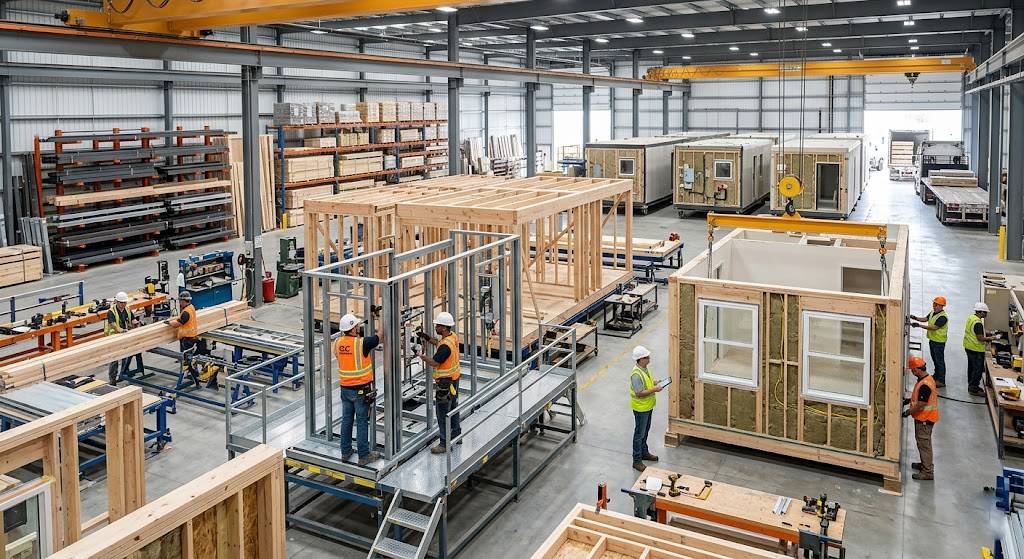
The construction industry in the United States is under more pressure than ever. Labor shortages, tighter deadlines, rising material costs, and client demands for faster delivery have pushed general contractors to rethink how they build. One of the most impactful shifts happening right now is the widespread adoption of prefabrication techniques, and at the center of this transformation is Building Information Modeling.
From multifamily housing in Texas to commercial towers in New York, general contractors are moving work off the job site and into controlled fabrication environments. The result is faster schedules, fewer errors, and projects that come in closer to budget. This article breaks down how it works, why it matters, and what GCs and trade contractors need to know to stay ahead.
What Is Prefabrication in Modern Construction?
Prefabrication refers to the process of manufacturing building components or assemblies in a factory or fabrication shop before transporting them to the job site for installation. This is not a new concept, but the level of precision and coordination now achievable through digital tools has made it far more effective than it was a decade ago.
Modern prefab in commercial construction typically includes MEP assemblies, structural steel connections, wall panels, pipe racks, duct sections, and even entire mechanical rooms. These components arrive on-site ready to install, reducing the amount of work that needs to happen in tight, congested spaces.
For general contractors, the appeal is straightforward. When more work happens off-site, there are fewer trades on-site at the same time, fewer coordination conflicts, and a cleaner critical path on the schedule.

The Role of BIM for General Contractors in Prefabrication
Prefabrication does not work without precise coordination. A duct section fabricated in a shop must fit exactly when it arrives on the 14th floor. A plumbing rack assembled offsite must align perfectly with the structural grid.
General contractors can only achieve this level of accuracy when they design and coordinate the project digitally before building anything.
Consequently, BIM for general contractors becomes essential. BIM is more than just a 3D modeling tool; it is a data-rich, coordinated digital environment where teams build the entire project virtually before fabricators create the first component. When GCs use BIM as the foundation for prefabrication planning, they extract precise shop drawings, generate cut lists, and communicate exact dimensions to fabricators with confidence.
From Coordination to Fabrication
The BIM workflow for prefabrication typically follows this sequence:
-
Model Development: The GC and trade contractors develop a fully coordinated BIM model.
-
Identification: The team uses the model to identify which assemblies they can prefabricate.
-
Data Extraction: Engineers extract shop drawings and fabrication data directly from the model.
-
Controlled Fabrication: Specialized shops fabricate components in a controlled environment.
-
Installation: Teams deliver components to the site and install them according to the coordinated model.
Learn more about how BIM services for general contractors support prefabrication workflows from concept through delivery.
Each step depends on the accuracy of the model that precedes it. This is why early and thorough BIM coordination is not optional when prefabrication is part of the project plan.
MEP Prefabrication Using BIM
The trades that have embraced prefabrication most aggressively are mechanical, electrical, and plumbing contractors. MEP prefabrication using BIM has become a competitive differentiator for subcontractors who want to win work with GCs that value schedule certainty and quality control.
In a traditional project, MEP trades work in sequence on the job site. Mechanical sets rough-in, electrical follows, plumbing fits in where it can. Conflicts arise in the field, rework is common, and each delay cascades through the schedule. With MEP prefabrication, much of this work moves off-site and into a fabrication environment where conditions are controlled and the work is driven by coordinated BIM data.
According to Autodesk, projects using BIM-driven prefabrication have seen significant reductions in field labor hours, rework, and material waste. For MEP trades, this translates directly to better margins and faster project completion.
BIM for Plumbing Contractors
Plumbing is one of the most labor-intensive trades on any commercial project. Pipe hangers, risers, horizontal runs, and fixture rough-ins all require precision and coordination with structural elements and other MEP systems. BIM for plumbing contractors makes it possible to design and coordinate the entire plumbing system before a single pipe is cut.
With a coordinated plumbing BIM model, contractors can generate isometric drawings for pipe assemblies, calculate exact spool lengths, and send fabrication data directly to the shop. Pipe spools arrive on-site already cut, threaded, and ready for assembly. This reduces field labor, limits the number of workers needed on-site at any one time, and improves quality because shop fabrication conditions are far more consistent than field conditions.
Explore how BIM services for plumbing contractors can support your prefabrication program and coordination workflows.
Clash Detection for Prefabrication
One of the biggest risks in prefabrication is discovering that a component does not fit once it arrives on-site. A pipe rack that conflicts with a beam, a duct section that runs through a structural member, a conduit bundle that has no clear path through a congested ceiling. When these problems are discovered in the field, they are expensive and time-consuming to fix. When they are discovered in the model, they cost almost nothing to resolve.
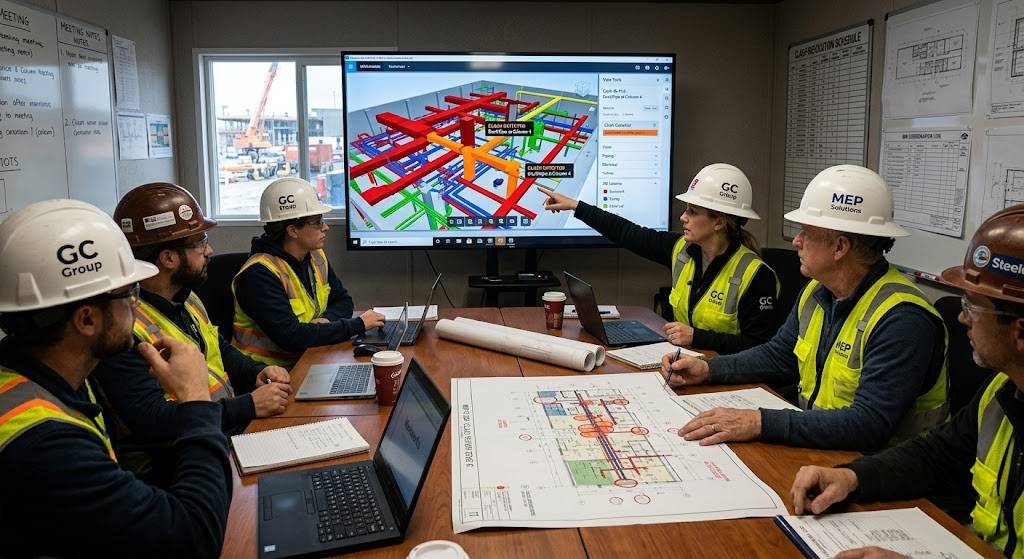
Clash detection for prefabrication is the process of identifying and resolving conflicts between building systems in the BIM model before fabrication begins. This is a critical quality gate in any prefabrication workflow. Every component that will be built off-site must be verified against the coordinated model to ensure it will fit in the field.
Clash detection is not a one-time event. It is an iterative process that happens throughout the coordination phase, with each trade updating their models, running clash reports, and resolving conflicts in coordination meetings. By the time fabrication begins, the model should represent a buildable, conflict-free design that can be fabricated with confidence.
See how BIM clash detection services support prefabrication coordination for complex MEP systems.
Benefits General Contractors See on Prefabrication Projects
GCs who have integrated prefabrication into their project delivery model report consistent advantages across several areas.
Schedule Compression
When MEP assemblies are being fabricated in a shop while the structure is still being built on-site, schedule activities happen in parallel rather than in sequence. A project that might take 18 months in a traditional sequence can often be delivered in 14 to 15 months with a well-planned prefabrication strategy.
Reduced On-Site Labor
Prefabrication shifts labor from the job site to a controlled shop environment. This reduces the number of workers needed on-site at any given time, simplifying site logistics, reducing congestion, and lowering the risk of safety incidents. For GCs managing complex urban projects where site space is limited, this is a significant advantage.
Improved Quality Control
Factory conditions are more consistent than field conditions. Fabricators work in well-lit, temperature-controlled environments with proper tooling and quality inspection processes. Components produced in a fabrication shop are typically more precise and consistent than those built in the field.
Lower Rework Costs
Because prefabrication is driven by a coordinated BIM model with clash detection completed before fabrication, the rate of field rework drops significantly. According to the Construction Industry Institute, rework can account for 5 to 15 percent of total project costs on traditionally delivered projects. Prefabrication programs typically see a fraction of that rework rate.
What General Contractors Need to Implement Prefabrication Successfully?
Prefabrication is not a plug-and-play solution. It requires early planning, disciplined coordination, and clear communication between the GC and all trade partners. Here are the key elements that successful prefabrication programs have in common.
- Early subcontractor involvement so that trade partners can begin BIM coordination before the design is finalized
- A defined BIM execution plan that establishes model authoring responsibilities, coordination schedules, and clash detection protocols
- Clear fabrication milestones that are tied to the construction schedule so that prefab components arrive on-site at the right time
- Logistical planning for delivery and staging of prefab components, particularly on constrained urban sites
- A fabrication partner or in-house shop capability that can handle the volume and complexity of the work
Explore how MEP prefabrication BIM services can help your team build a coordinated prefabrication workflow from the ground up.
The Trades That Benefit Most
While general contractors drive the prefabrication strategy, the trades that benefit most directly are the MEP contractors. Mechanical contractors prefabricate duct assemblies, air handling unit connections, and equipment skids. Electrical contractors prefabricate conduit racks, panel assemblies, and wire harnesses. Plumbing contractors prefabricate pipe spools, header assemblies, and fixture rough-in units.
Explore how BIM services for mechanical contractors and BIM services for electrical contractors can help these trades participate effectively in a GC-led prefabrication program.
The Competitive Advantage of Prefabrication
In a market where owners demand faster schedules and developers face intense pressure to deliver on time and on budget, general contractors who offer credible prefabrication capabilities gain a real competitive advantage. However, it is no longer enough to simply claim you use BIM. Instead, owners now expect to see a proven workflow that seamlessly connects digital coordination to physical fabrication and on-site installation.
Furthermore, GCs who invest in BIM coordination, clash detection, and MEP prefabrication workflows are winning more work and delivering projects faster. As a result, they are building reputations as the kind of contractors who can be trusted with complex, schedule-driven projects.
Ultimately, prefabrication is not just the future of construction; it is the present. Therefore, the general contractors who adopt these methods now will be better positioned to compete for the projects that matter most in the years ahead.
Author



Choosing the perfect surface for your swimming pool is essential for both durability and visual appeal, especially when considering options like Pool Pebble and Plaster. The finish you select doesn’t just impact how your pool looks—it also affects how it feels, how long it lasts, and how much maintenance it requires over time.
At Cape Cod Pool Renovation, we understand that homeowners want a balance between beauty, performance, and cost. That’s why selecting the right pool finish is one of the most important decisions in any pool upgrade or remodeling project.
Understanding Different Pool Surface Options
When upgrading your pool, it’s important to understand the differences between Pool Pebble and Plaster finishes. Both are widely used, but they offer very different experiences in terms of appearance, durability, and texture.
Plaster is a traditional material made from a mixture of cement, sand, and water. It creates a smooth and clean surface that gives pools a classic, bright look. On the other hand, pebble finishes are made by embedding small, natural stones into the surface, creating a more textured and visually dynamic finish.
Homeowners often turn to Cape Cod Pool Renovation for guidance because choosing between these options depends on lifestyle, budget, and long-term expectations.
Benefits of Choosing Pebble Finishes
Pebble finishes are becoming increasingly popular due to their natural appearance and long-lasting performance. Many modern pool owners prefer this option because it provides both luxury and resilience.
One of the biggest advantages when comparing Pool Pebble and Plaster is that pebble finishes typically last much longer. They are highly resistant to chemicals, stains, and wear, making them ideal for pools that see frequent use.
In addition, pebble surfaces offer:
- A unique, high-end aesthetic with natural color variations
- Better slip resistance for added safety
- Lower long-term maintenance needs
- Strong resistance to cracking and fading
If you’re looking for a premium, resort-style finish, pebble is often the top recommendation by professionals at Cape Cod Pool Renovation.
Why Plaster Still Remains a Classic Choice
Despite newer materials, plaster remains a timeless and budget-friendly option for many pool owners. It has been used for decades and continues to be a popular choice due to its simplicity and affordability.
When comparing Pool Pebble and Plaster, plaster stands out for its smooth texture, which many swimmers find comfortable underfoot. It also provides a clean and uniform look that works well in both modern and traditional pool designs.
Benefits of plaster include:
- Lower upfront installation cost
- Smooth and soft surface
- Classic and bright appearance
- Easier initial installation process
However, plaster typically requires more maintenance and may need resurfacing sooner than pebble finishes.
Key Differences You Should Consider
Before making a decision, comparing Pool Pebble and Plaster side by side can help you choose the right fit for your needs.
Here are the key differences to keep in mind:
1. Cost:
Plaster is more affordable upfront, while pebble costs more initially but lasts longer.
2. Lifespan:
Pebble finishes can last 15–25 years, whereas plaster may need replacement in 7–10 years.
3. Maintenance:
Pebble requires less frequent maintenance, while plaster needs more regular care and resurfacing.
4. Texture:
Plaster is smooth, while pebble has a slightly rough, natural feel.
5. Appearance:
Pebble offers a more luxurious and customized look, while plaster provides a simple, clean finish.
Understanding these differences helps homeowners make informed decisions that align with their goals.
Which Option is Right for Your Pool?
The best choice between Pool Pebble and Plaster ultimately depends on your budget, style preferences, and long-term expectations.
If you want a high-end, natural look with long-lasting performance, pebble is the better investment. However, if you’re working with a limited budget and prefer a smooth, traditional finish, plaster can still be a great option.
Climate and pool usage also play a role. Pools that experience heavy use or exposure to harsh conditions often benefit more from the durability of pebble finishes.
For personalized recommendations, many homeowners rely on Cape Cod Pool Renovation to evaluate their pool and suggest the most suitable option.
Expert Installation Matters
No matter which finish you choose, professional installation plays a crucial role in the longevity of your pool surface. Even the highest-quality materials can fail if they are not installed correctly.
Proper surface preparation, material mixing, and application techniques all impact the final result. Poor installation can lead to cracks, discoloration, and premature wear.
That’s why working with experienced professionals like Cape Cod Pool Renovation ensures that your investment is protected and your pool finish performs as expected for years to come.
Maintenance Tips for Long-Lasting Results
Proper maintenance is essential to preserve the beauty and performance of both Pool Pebble and Plaster finishes. Regardless of which option you choose, regular care will extend the life of your pool surface.
Here are some essential maintenance tips:
- Maintain balanced water chemistry to prevent damage
- Clean the pool regularly to avoid buildup and staining
- Use appropriate cleaning tools for your surface type
- Schedule periodic inspections to catch issues early
With the right care routine, both finishes can remain attractive and functional for many years.
Conclusion
Investing in the right pool finish can completely transform your outdoor space and enhance your swimming experience. Whether you prefer the durability and elegance of pebble or the simplicity and affordability of plaster, making an informed choice is key.
By understanding the differences between Pool Pebble and Plaster, you can select a finish that matches your lifestyle and long-term goals. For expert guidance, quality workmanship, and reliable service, Cape Cod Pool Renovation is your trusted partner in creating the perfect backyard oasis.
Author


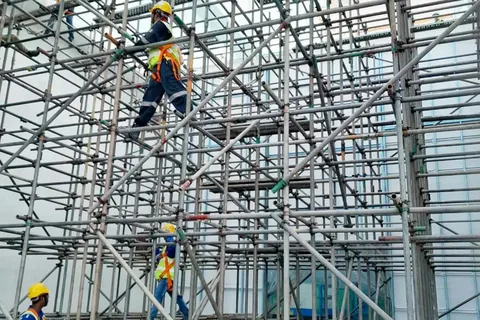
Construction and renovation projects often involve working at heights, which can present serious safety challenges if proper equipment and planning are not in place. Whether it is a small home renovation, a large commercial development, or routine building maintenance, scaffolding plays a crucial role in ensuring that work can be carried out safely and efficiently. This is why hiring a reliable Scaffold Company Glasgow property owners and contractors trust is essential for any project involving elevated work areas.
Scaffolding provides temporary structures that support workers, tools, and materials while construction or maintenance work is being completed. Without proper scaffolding systems, many tasks would be extremely dangerous and difficult to perform. Professional scaffolding services ensure that these structures are properly designed, installed, and maintained throughout the duration of the project.
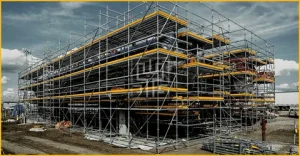
What Is Scaffolding and Why Is It Necessary?
Scaffolding is a temporary framework typically made from steel or aluminum that is used to support workers and materials during construction or repair work. These structures are designed to provide safe access to high areas of a building, allowing workers to perform tasks efficiently without relying solely on ladders or unstable platforms.
One of the main reasons scaffolding is necessary is safety. Construction workers frequently operate at heights, and falls can result in serious injuries. Scaffolding provides a stable working platform that significantly reduces the risk of accidents. Guardrails, secure platforms, and proper support systems all contribute to creating a safer working environment.
Another important reason for using scaffolding is accessibility. Construction and maintenance projects often involve reaching difficult areas such as rooftops, chimneys, upper floors, and building exteriors. Scaffolding allows workers to reach these areas comfortably while maintaining stability.
Types of Scaffolding Used in Construction
Different construction projects require different types of scaffolding systems. Professional scaffold companies offer a variety of solutions designed to meet specific project needs.
Single scaffolding is commonly used for residential buildings and small construction projects. It is relatively simple to install and provides adequate support for tasks such as brickwork, painting, and minor repairs.
Double scaffolding is typically used for stone masonry work where additional stability is required. This type of scaffolding includes extra rows of support to handle heavier loads and provide improved strength.
Mobile scaffolding is designed for projects where workers need to move frequently from one location to another. These structures are equipped with wheels, making them easy to reposition around the building.
Suspended scaffolding is commonly used for high-rise buildings. It allows workers to be suspended from the roof of a building and lowered to different levels as needed. This type of scaffolding is often used for window cleaning and facade repairs.
Cantilever scaffolding is used when the ground around a building cannot support a standard scaffolding structure. In these cases, the scaffolding is supported from the building itself rather than from the ground.
Residential Scaffolding Services
Homeowners often require scaffolding for various renovation and maintenance tasks. Tasks like roof repairs, exterior painting, gutter installation, and chimney upkeep necessitate secure access to high areas of the house.
Professional scaffolding services ensure that these tasks can be completed safely without causing damage to the property. Scaffolders carefully design the structure to fit the shape and size of the building while maintaining stability.
Residential scaffolding also allows contractors to work more efficiently. With proper access to all areas of the building, workers can complete tasks more quickly and with greater precision.
Commercial and Industrial Scaffolding
Commercial and industrial construction projects often require more complex scaffolding systems. Office buildings, shopping centers, apartment complexes, and factories typically involve multiple floors and large working areas.
Professional scaffold companies design large-scale scaffolding structures capable of supporting multiple workers and heavy materials. These systems are carefully planned to ensure stability and compliance with safety regulations.
Industrial environments may also present unique challenges such as restricted spaces, heavy machinery, or unusual building layouts. Experienced scaffolders have the expertise to design custom scaffolding solutions that address these challenges effectively.
Safety Standards in the Scaffolding Industry
Safety is the top priority in the scaffolding industry. Professional scaffold companies follow strict safety guidelines to ensure that structures are secure and reliable.
Before installation begins, scaffolders conduct a detailed site assessment to evaluate factors such as ground stability, building structure, and potential hazards. This information helps them design a scaffolding system that meets the specific requirements of the project.
Regular inspections are also an essential part of scaffolding safety. Throughout the project, scaffolders check the structure for loose components, damage, or signs of wear. Any issues are addressed immediately to prevent accidents.
Workers are also trained to use scaffolding safely. Proper climbing techniques, load distribution, and safety equipment such as harnesses and helmets all contribute to reducing risks on construction sites.
Benefits of Hiring Professional Scaffolding Services
Hiring professional scaffolding services offers several important advantages. One of the most significant benefits is improved safety. Experienced scaffolders understand the risks associated with working at heights and take the necessary steps to minimize these dangers.
Another advantage is efficiency. Properly installed scaffolding allows workers to move freely around the building, reducing delays and improving productivity. Workers can keep tools and materials nearby, which helps speed up construction tasks.
Professional scaffold companies also ensure compliance with industry regulations. Construction projects must meet strict safety standards, and failing to follow these guidelines can result in fines or project delays.
Choosing the Right Scaffolding Company
Selecting the right scaffolding company is an important step in any construction project. Experience and reputation should be key factors when making a decision.
It is also important to ensure that the company follows proper safety standards and carries appropriate insurance coverage. This protects both the workers and the property owner in case of unexpected incidents.
Communication is another important factor. A reliable scaffolding company will work closely with contractors and project managers to ensure that the scaffolding system meets the needs of the project.
Conclusion
Scaffolding is an essential component of construction, renovation, and maintenance projects. It provides safe access to elevated areas while improving efficiency and productivity. Without proper scaffolding systems, many building tasks would be significantly more dangerous and difficult to complete.
By hiring professional scaffolding services, property owners and contractors in Glasgow can ensure that their projects are carried out safely and successfully. With careful planning, high-quality materials, and strict safety standards, professional scaffold companies provide the support structures that make modern construction
Author



Global Bioprocess Containers Market 2026: Single-Use Systems

Cheap Storage: Affordable Self-Storage Solutions

Top 10 Business Loan Alternatives for MSMEs in India 2026

NAD+ IV Drip Dubai – Boost Professional Energy & Focus

Carsicko Streetwear Trends from London Fashion Week 2026

Locksmith West Sussex: 24/7 Residential & Commercial Services

lfdy Hoodie: Modern Streetwear Essential in Urban Fashion

Essentials Hoodie Guide: Fear of God Streetwear & Timeless Style

Cole Buxton | Premium Streetwear, Hoodies & Sportswear

1977 Essentials Tracksuit UK: Fear of God Streetwear Guide

Cybersecurity Consulting Company SequelNet Provides Critical IT Support Services to Medical Billing Firm, Medical Optimum

Team Communication Software Transforms Operations at Finance Innovate

Project Management Tool Transforms Long Island Business

How Alleviate Poverty Utilized IPPBX’s All-in-One Solution to Transform Lives in New York City

Breast Cancer: The Imperative Role of Mammograms in Screening and Early Detection

Unstoppable Collaboration: D.C.’s Citi Open and Silicon Valley Classic Unite to Propel Women’s Tennis to New Heights

Embracing Renewal: Sizdabedar Celebrations Unite Iranians in New York’s Eisenhower Park

The Benefits of Starting a Side Hustle for Financial Freedom

New Blood Donation Screening Questions What You Need to Know

Stylishly Timeless: The 5 Types of Sandals You Need in Your Closet
-

 Business3 years ago
Cybersecurity Consulting Company SequelNet Provides Critical IT Support Services to Medical Billing Firm, Medical Optimum
-
Business3 years ago
Team Communication Software Transforms Operations at Finance Innovate
-
Business3 years ago
Project Management Tool Transforms Long Island Business
-
Business3 years ago
How Alleviate Poverty Utilized IPPBX’s All-in-One Solution to Transform Lives in New York City
-
health3 years ago
Breast Cancer: The Imperative Role of Mammograms in Screening and Early Detection
-
Sports3 years ago
Unstoppable Collaboration: D.C.’s Citi Open and Silicon Valley Classic Unite to Propel Women’s Tennis to New Heights
-
Art /Entertainment3 years ago
Embracing Renewal: Sizdabedar Celebrations Unite Iranians in New York’s Eisenhower Park
-
Finance3 years ago
The Benefits of Starting a Side Hustle for Financial Freedom







