
Art /Entertainment
AI in Gaming: Enhancing Enemy Behavior in 3D Games

By

Reviewed
By Nyomi Treasure
Introduction
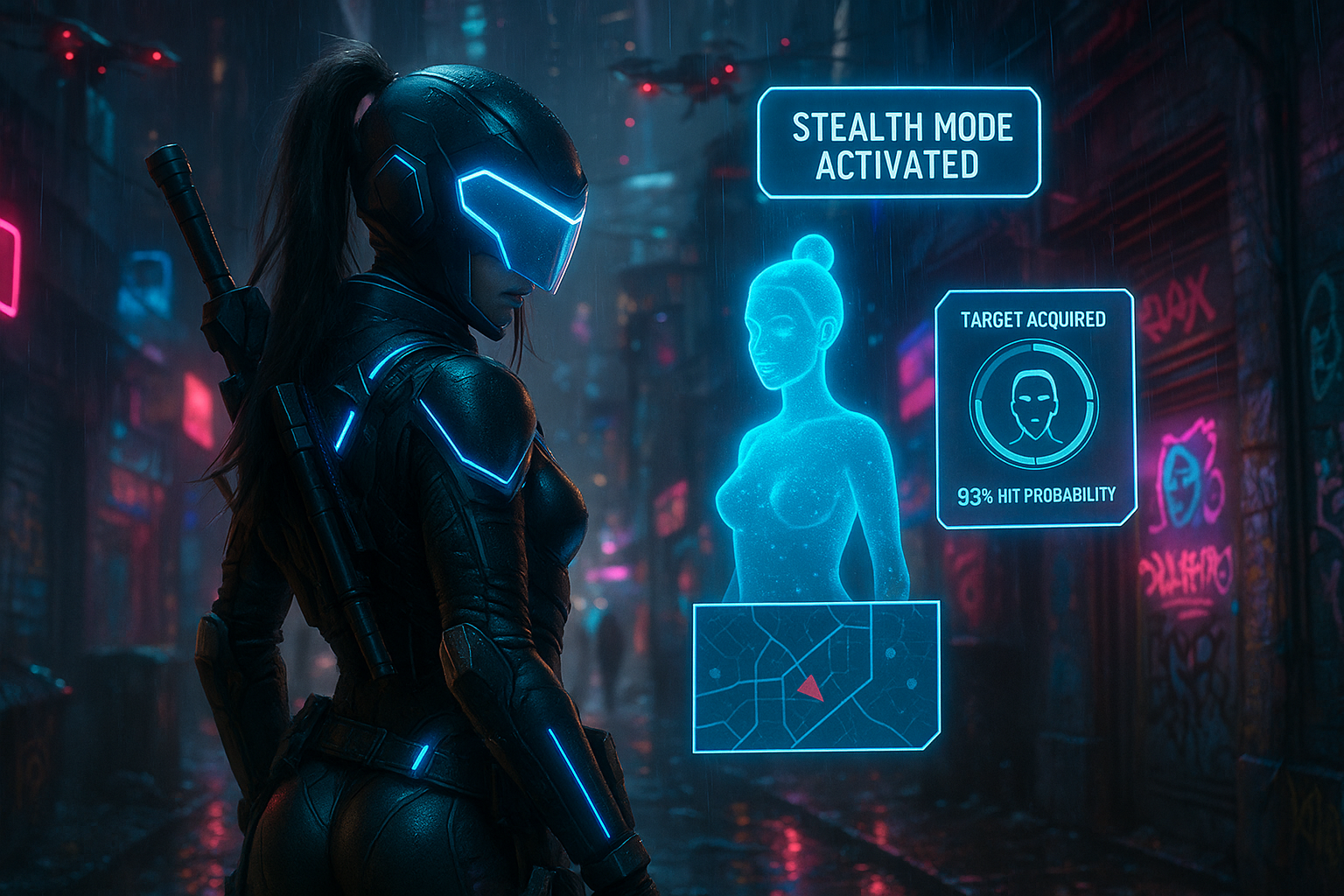
When enemies in a game surprise you with clever flanking moves, adapt to your strategies, or coordinate attacks like real squads, it’s not just great design — it’s artificial intelligence in action. As 3D games grow in scale and complexity, traditional enemy logic no longer satisfies players looking for immersive, reactive worlds. AI is stepping in to change the rules of engagement, giving rise to smarter enemies that think, learn, and challenge.
A game development company designs, develops, and publishes video games using tools like Unity, Unreal Engine, and custom-built engines. These companies handle everything from game design, 3D modeling, and AI integration to multiplayer infrastructure and post-launch updates. At Vasundhara Infotech, we specialize in 3D game development powered by smart AI systems, creating immersive gameplay and intelligent enemy behavior.
This article explores how AI is revolutionizing enemy behavior in 3D gaming, diving deep into the mechanics, technologies, and design philosophies behind these advancements. From dynamic pathfinding to neural networks and procedural learning, we’ll uncover how smarter enemies are reshaping the player experience and pushing the boundaries of what’s possible in interactive entertainment.
The Evolution of Enemy AI in Games
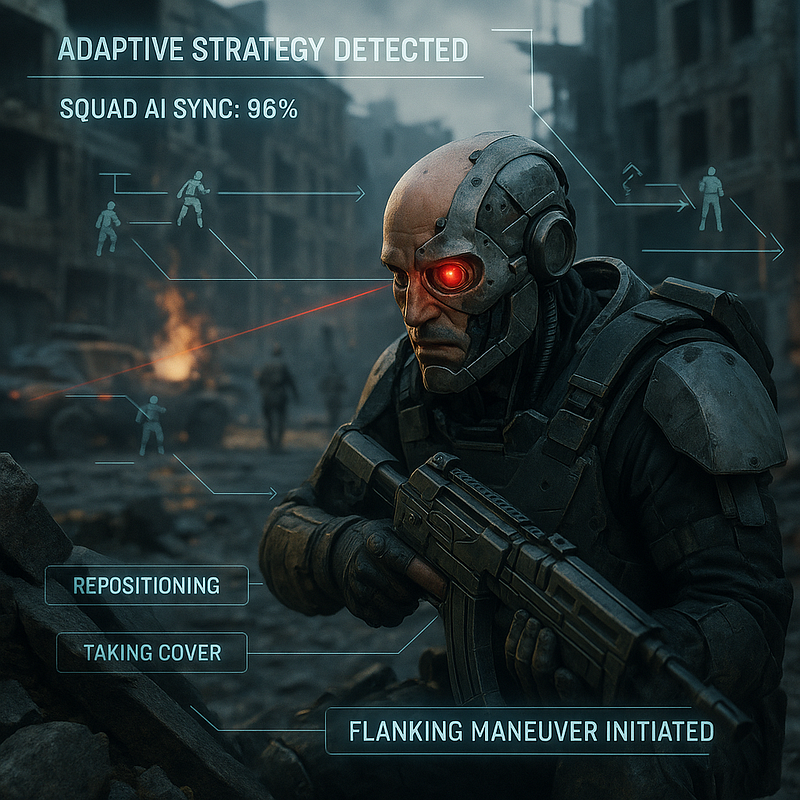
Enemy AI has come a long way since the days of predictable attack patterns and fixed patrol routes. In early 3D games, enemies operated using finite-state machines or simple if-else logic. These systems were effective but easily exploitable.
As players became more experienced, developers recognized the need to craft more lifelike, adaptive, and unpredictable opponents. AI techniques have since evolved to include behavior trees, utility systems, machine learning, and goal-oriented action planning (GOAP). These methods allow enemies to react in real time, assess situations, and simulate intelligence.
Key milestones in AI enemy evolution:
- DOOM (1993): Enemies navigated 2D maps with basic chase logic
- Half-Life (1998): Introduced squad-based AI that could retreat and flank
- F.E.A.R. (2005): Pioneered adaptive enemy AI with cover mechanics and coordinated behavior
- The Last of Us Part II (2020): Enemies used dynamic group strategies, named allies, and adjusted tactics
Each generation of games has raised the bar for what’s expected in enemy intelligence, setting the stage for today’s AI-driven experiences.
Why Smart Enemies Matter in 3D Games
Enemy intelligence isn’t just a technical flex — it’s critical to player immersion, engagement, and replayability. Smarter enemies create more satisfying challenges and make the game world feel alive.

Impact of intelligent enemy AI:
- Keeps players on their toes with unpredictable encounters
- Encourages creativity and experimentation with tactics
- Increases emotional investment through reactive storytelling
- Makes each playthrough unique and dynamic
Without smart AI, even the most stunning 3D worlds can feel empty or repetitive. In contrast, well-executed AI creates emergent gameplay, where unscripted scenarios unfold based on player and enemy interactions.
Core AI Techniques Enhancing 3D Enemies
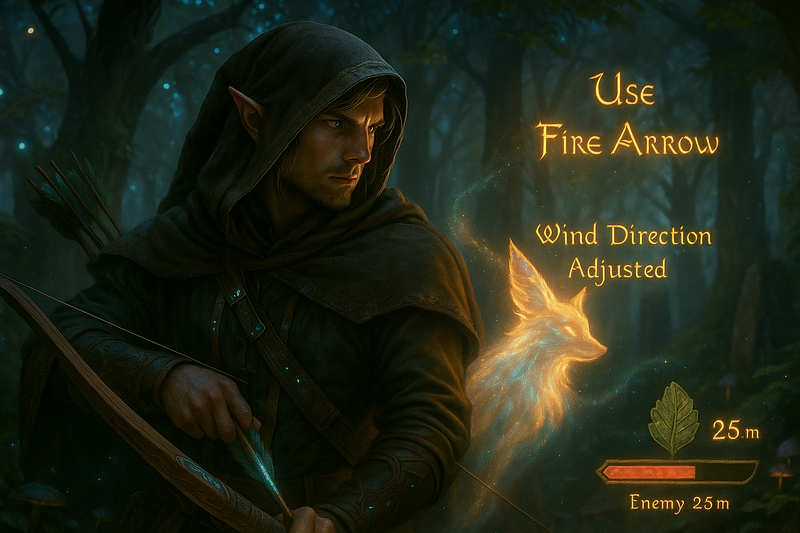
Game developers leverage a combination of traditional and modern AI methods to build intelligent enemies that adapt and respond in real time.
1. Behavior Trees
Behavior trees are one of the most widely used structures in modern game AI. They allow for modular, reusable decision-making systems where enemies evaluate conditions and perform actions based on priority.
Use case: In Assassin’s Creed, guards use behavior trees to patrol, investigate sounds, chase the player, or return to normal routines.
Benefits:
- Modular and readable
- Easy to expand with complex logic
- Efficient for performance-constrained environments
2. Goal-Oriented Action Planning (GOAP)
GOAP is a decision-making system where enemies plan a sequence of actions to achieve specific goals based on world states and priorities.
Example: In F.E.A.R., AI enemies use GOAP to seek cover, flank the player, reload, and regroup dynamically.
Why it’s powerful:
- Enables adaptive, strategic decisions
- Makes enemy actions feel deliberate and calculated
3. Navigation and Pathfinding
AI enemies must move through 3D environments in believable ways. Pathfinding systems like A* (A-star) and NavMesh allow enemies to navigate terrain, avoid obstacles, and reposition intelligently.
Advanced additions:
- Dynamic obstacle avoidance using raycasting
- Climbing, swimming, or flying behavior
- Real-time path recalculation during player pursuit
Real-world example: Halo’s Covenant enemies dynamically use terrain, vehicles, and elevation to outmaneuver players.
4. Machine Learning in Enemy AI
Machine learning introduces a new frontier in game AI where enemies can learn from players, adapt strategies over time, and improve without manual scripting.
5. Reinforcement Learning
Enemies trained with reinforcement learning can adapt by trial and error. They receive rewards or penalties based on actions and evolve optimal strategies.
Use case: Ubisoft La Forge has experimented with reinforcement learning to develop AI agents that improve their tactics through thousands of simulations.
5. Neural Networks
Neural networks allow AI to recognize patterns in gameplay, such as player movement or attack rhythms, and respond accordingly.
In action: In experimental AI mods, enemies trained with neural nets have learned to dodge, counter, and mimic player behaviors effectively.
Limitations and considerations:
- ML-based AI can be unpredictable or unbalanced
- Requires significant training data and computing power
- Often used in companion tools or procedural systems rather than production enemies
6. Procedural AI: Making Enemies That Evolve
Procedural generation isn’t limited to terrain or levels — it also extends to enemy behavior. Procedural AI enables the generation of unique enemy patterns, personalities, and responses every time you play.
In practice:
- Enemies develop unique traits (e.g., aggression, stealth, loyalty)
- Factions remember the player and change behavior over time
- Bosses adapt movesets based on previous encounters
Case Study: Shadow of Mordor’s Nemesis System
This system allowed orc enemies to remember past fights, grow in rank, and develop rivalries. Combined with procedural animation and AI, it created deeply personalized and dynamic enemies.
Why it works:
- Makes player choices matter
- Encourages replayability
- Turns enemies into narrative elements
Emotional AI and Immersive Behavior
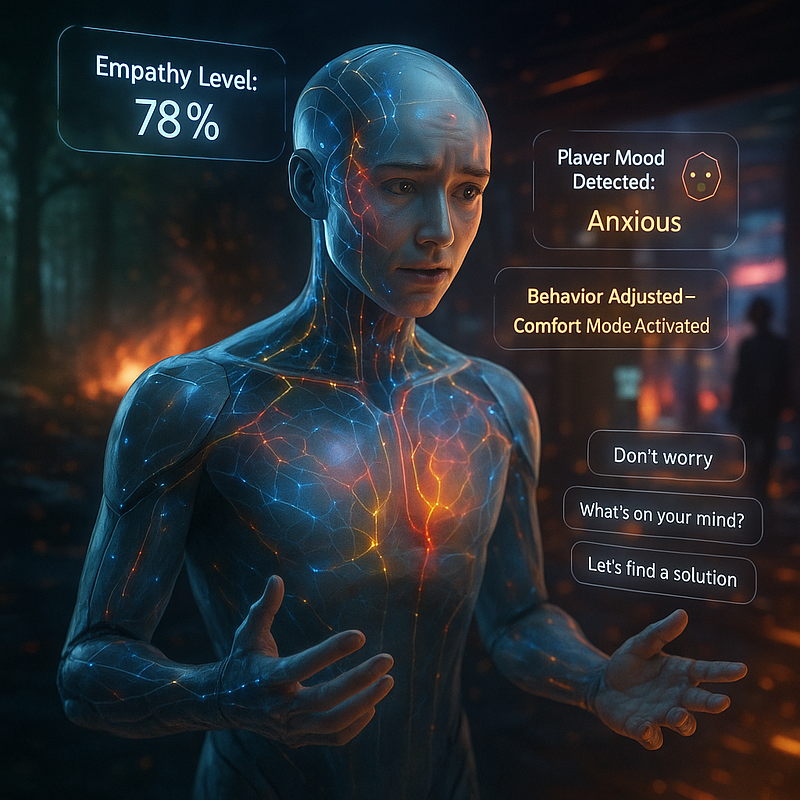
AI in 3D games isn’t just about tactics — it’s also about emotional expression and believability. Enemies that express fear, anger, confusion, or panic can create richer interactions and storytelling.
How emotional AI enhances gameplay:
- Humanized enemies evoke empathy or moral tension
- Dynamic voice lines react to player actions in real time
- Group AI systems trigger panic when a leader falls
Example: In The Last of Us Part II, enemies call each other by name, mourn fallen allies, and change behavior based on emotional states.
This level of immersion elevates enemy AI beyond mechanics — it becomes a storytelling tool.
Tools and Engines Supporting AI in 3D Game Development
Developers have access to robust engines and middleware that simplify AI implementation.
Unity AI Toolkit
- Behavior Designer for creating visual behavior trees
- NavMesh for pathfinding in 3D spaces
- ML-Agents for integrating machine learning
Unreal Engine
- Built-in support for behavior trees and blackboard systems
- EQS (Environmental Query System) for AI awareness
- MetaHuman AI for emotional and facial animation syncing
Third-party tools:
- RAIN AI
- Apex Utility AI
- xAI for Unity
These tools make it easier to create believable AI without reinventing the wheel.
Challenges in Building Smarter Enemies
Creating advanced AI in games comes with its share of hurdles:
- Performance Constraints: Real-time AI must be lightweight enough to run on multiple platforms, including consoles and VR devices.
- Balancing Difficulty: Overly smart enemies can frustrate players. The challenge lies in making them believable, not unbeatable.
- Debugging Complexity: AI decisions are harder to track and debug than scripted logic. Visualizers and logging systems become essential.
- Ethical and Narrative Impact: Games with emotional AI must consider how enemy behavior affects narrative tone and player psychology. Is an enemy that pleads for mercy appropriate in all genres?
Actionable Tips for Game Developers
If you’re building smarter AI for 3D games, here are practical ways to start:
- Define Player Expectations: Decide what kind of intelligence makes sense for your genre and audience. Tactical enemies in a stealth game differ from chaotic mobs in a hack-and-slash.
- Start with Behavior Trees: They offer a scalable, modular way to implement decision-making that’s easy to iterate on.
- Layer Complexity Gradually: Introduce randomness, memory, and learning in stages to avoid unpredictable or buggy behavior.
- Use Analytics: Track player interaction with enemy AI to identify patterns, exploitations, and areas for improvement.
- Balance with Playtesting: Test AI across skill levels and play styles to ensure fairness and challenge are well-balanced.
The Future of Enemy AI in 3D Games
The future of AI in gaming points to even greater immersion and personalization.
- Predictive AI: Systems that anticipate player actions and evolve enemy behavior mid-game.
- AI-as-a-Service in Cloud Gaming: Enemy logic offloaded to cloud services, enabling deeper simulations without taxing local hardware.
- Voice-Interactive AI Enemies: Enemies that respond to voice commands, taunts, or strategies spoken by the player.
- Cross-game Memory: Imagine enemies that remember your actions across sequels or online worlds, creating persistent adversaries.
These innovations signal a future where enemy AI isn’t just a feature — it’s a character, a storyteller, and an adversary worth remembering.
Conclusion: Smarter Enemies Create Smarter Gameplay
AI is no longer just a backend mechanic in 3D games — it’s the beating heart of dynamic, engaging, and memorable encounters. From stealthy assassins to emotionally reactive bosses, smarter enemies deepen immersion and elevate player experience.
By embracing advanced AI techniques, developers can build worlds where every battle feels fresh, every encounter matters, and every enemy has a mind of its own.
At Vasundhara Infotech, we specialize in developing immersive 3D games powered by smart AI systems. If you’re ready to craft next-gen gameplay with intelligent enemies and adaptive design, partner with us and bring your vision to life.
Author














Author



Gaming has evolved far beyond simple consoles and home setups. Today, immersive experiences, multiplayer competitions, and interactive entertainment are shaping the way people enjoy games. Gamezstaion is at the forefront of this transformation, providing an all-in-one solution that brings high-quality gaming directly to your location. Whether you are planning a birthday party, school event, corporate gathering, or weekend entertainment, Gamezstaion delivers an unforgettable experience.
What is Gamezstaion?
Gamezstaion is a mobile gaming service designed to bring the excitement of a gaming arena directly to your doorstep. It typically includes:
- Modern consoles such as Xbox and PlayStation
- High-definition screens for crystal-clear visuals
- Immersive sound systems to enhance gameplay
Interactive multiplayer setups for social gaming
The service transforms ordinary events into fully interactive experiences, giving players the thrill of professional gaming in the comfort of their chosen venue.

Who Can Benefit from Gamezstaion?
Gamezstaion is designed for a wide range of audiences:
- Kids and Teens: Ideal for birthday parties, school events, and social gatherings. Children love the immersive experience, competitive gameplay, and social interaction.
- Adults: Perfect for casual competitions, corporate events, and team-building activities. Adults can enjoy friendly competitions or simply relive their favorite childhood games.
- Families: Gamezstaion encourages family bonding through multiplayer games that appeal to different ages and skill levels.
This versatility makes Gamezstaion suitable for nearly any event where fun and interaction are desired.
Why Choose Gamezstaion?
1. Convenience
One of the biggest advantages of Gamezstaion is convenience. There’s no need to rent a separate venue or worry about setting up complicated gaming systems. The service comes to you, fully equipped and ready to go. This is particularly helpful for busy parents, event planners, or anyone organizing a party.
2. High-Quality Gaming Setup
Gamezstaion provides a professional setup that rivals commercial gaming centers. Features often include:
- Multiple high-performance consoles
- HD screens with large displays
- Advanced surround sound systems
Comfortable seating and interior arrangements
This ensures that everyone enjoys a premium gaming experience without any compromises.
3. Interactive Social Gaming
Gamezstaion encourages social interaction among players. Multiplayer setups allow guests to compete or cooperate in real-time, promoting teamwork, friendly competition, and engagement. Unlike solo gaming at home, this environment makes gaming a shared, exciting experience.
4. Variety of Games
Gamezstaion offers a wide selection of games catering to different tastes and ages. Options typically include:
- Sports Games: FIFA, NBA, and other popular sports titles
- Racing Games: Fast-paced, adrenaline-pumping competitions
- Adventure and Action Games: Multiplayer action, story-driven quests, and open-world games
- Creative Games: Minecraft, Roblox, and sandbox-style games that encourage creativity and collaboration
The variety ensures that there’s something for everyone, keeping all guests entertained throughout the event.
Perfect for Any Event
Gamezstaion is not limited to birthday parties. Its flexibility makes it suitable for a wide range of events:
Corporate Events: Encourage team-building through friendly competitions and multiplayer challenges.
Family Gatherings: Offer a unique entertainment option that appeals to all ages.
Weekend Hangouts: Host an interactive gaming session with friends for a fun and memorable weekend.
Planning Your Gamezstaion Event
Step 1: Book in Advance
Weekends and holidays are the busiest times for Gamezstaion bookings. Reserve your preferred date early to ensure availability.
Step 2: Decide the Venue
Gamezstaion setups can be mobile, bringing equipment directly to your location. Make sure the venue has adequate space for the setup and safe access for the vehicle or equipment.
Step 3: Select Games and Packages
Choose games that fit the interests and age range of your guests. Many providers offer customizable packages with optional themes, game selections, and additional features.
Step 4: Organize Tournaments or Challenges
Adding mini-competitions or team challenges can enhance the experience, encouraging friendly rivalry and more engagement among participants.
Step 5: Provide Snacks and Breaks
Even the most dedicated gamers need breaks. Prepare snacks, drinks, and rest areas to keep energy levels high.
Step 6: Capture the Moment
Take photos or videos of the event to preserve memories. Many Gamezstaion setups are visually impressive, with colorful lighting and dynamic setups that make great backdrops.
Benefits of Choosing Gamezstaion
- Stress-Free Planning: The service handles setup, supervision, and technical issues.
- Memorable Experience: Guests enjoy a unique, immersive, and interactive gaming environment.
- Safety and Supervision: Professional staff ensures smooth operation and safe gameplay.
- Flexibility: Suitable for all ages, group sizes, and event types.
- Cost-Effective: Includes all equipment, supervision, and setup in one package, saving money compared to renting a venue and buying equipment separately.
Why Gamezstaion is Popular
The combination of convenience, entertainment, and social interaction makes Gamezstaion increasingly popular. Parents, schools, and corporate planners are recognizing the value of offering immersive, interactive, and safe entertainment that appeals to a wide audience.
Final Thoughts
Gamezstaion is more than just gaming—it’s an experience. It brings convenience, high-quality equipment, social engagement, and fun directly to your location. Whether it’s a birthday party, school function, corporate event, or family gathering, Gamezstaion guarantees an unforgettable experience that guests of all ages will love. By choosing Gamezstaion, you are investing in hours of fun, interaction, and memories that will last long after the games end.
Author


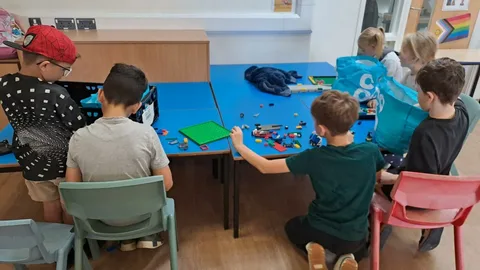
Deciding on the perfect nursery Wickford is one of the most significant milestones in your journey as a parent. It is far more than just a childcare solution; it represents the very first chapter of your child’s educational life. This is the place where they will transition from the sanctuary of home to the wider world, discovering how to explore, create, and build essential life skills. Since every child is unique, understanding the landscape of early years education in Wickford will help you choose an environment where your little one can truly flourish.
Why Early Childhood Education Is the Ultimate Foundation
The first five years of a child’s life are a period of unparalleled neurological growth. During these “wonder years,” a child’s brain develops more rapidly than at any other time. A high-quality nursery in Wickford provides the perfect blend of structure and flexibility to capitalize on this window of opportunity.
When you enroll your child in a reputable nursery, you are helping them:
-
Refine Language and Communication: They move beyond basic needs to expressing complex thoughts.
-
Navigate Social Relationships: They learn the delicate art of making friends and resolving conflicts.
-
Deepen Emotional Intelligence: Children begin to name their feelings and empathize with others.
-
Cultivate Independence: They learn to manage small tasks, from putting on a coat to tidying up toys.

Navigating the Diverse Nursery Landscapes in Wickford
As you begin your search, you will notice that “nursery” isn’t a one-size-fits-all term. Wickford offers several distinct models of care, and finding the right fit depends on your family’s specific lifestyle and values.
1. Private Nurseries
These are often the go-to choice for busy professionals. Private nurseries usually boast modern facilities, extended opening hours, and a wide array of extracurricular activities like French lessons or toddler yoga. They prioritize convenience without compromising on a rich, varied curriculum.
2. Community Nurseries
If you value a “village” feel, community nurseries are fantastic. They are typically more affordable and focus heavily on local connections. These settings often provide a warm, grassroots environment where everyone knows your name, fostering a deep sense of belonging for the child.
3. Montessori Nurseries
The Montessori method is famous for its focus on self-directed learning. In these nurseries, the environment is carefully prepared to encourage independence. Children are not told what to do; instead, they are invited to explore various “jobs” or activities at their own pace, which builds incredible self-discipline and curiosity.
4. Dedicated Daycare Centres
Daycare centres are designed for maximum reliability. They often provide full-day care and are ideal for parents who need consistent, long-term support. They offer a stable, “home away from home” atmosphere where routines are king.
The Golden Checklist: What to Look for in a Provider
When you step inside a potential nursery, you should look past the colorful murals and evaluate the core pillars of quality.
Qualified and Empathetic Staff The teachers and carers are the heart of the nursery. You want to see professionals who don’t just “watch” the children, but actively engage with them. Look for staff who crouch down to the child’s eye level and speak with genuine warmth.
Rigorous Safety and Security Peace of mind is non-negotiable. A top-tier nursery will have secure, double-entry systems and perhaps CCTV monitoring. Most importantly, ensure that the staff is fully first-aid trained and that emergency procedures are clearly posted and regularly practiced.
A Stimulating Learning Environment A great nursery should feel like a laboratory of discovery. Are the toys accessible to the children, or are they locked away? Is there a diverse range of books and sensory materials? A stimulating environment naturally encourages a child to ask “why?” and “how?”
The Magic of Play-Based Learning
Modern education has moved away from “sitting still” and toward “getting messy.” Play-based learning is the primary vehicle for growth in Wickford nurseries. When children engage in arts and crafts, they aren’t just making a mess; they are developing fine motor skills. When they play in a “home corner” or act out roles, they are practicing complex social scripts and emotional regulation.
Outdoor exploration is equally critical. Whether it’s a mud kitchen or a small garden patch, playing outside helps children develop physical strength and an appreciation for the natural world. Through play, children become natural problem-solvers and confident innovators.
The Rhythm of a Typical Day
Children thrive on predictability. A structured daily routine helps them feel secure, as they learn to anticipate what comes next. While every nursery Wickford has its own flair, a typical day usually follows a balanced rhythm:
-
The Morning Welcome: A gentle transition into free play.
-
Circle Time: Group learning, singing, or sharing news.
-
Fuel and Rest: Nutritious snacks followed by a quiet nap or “soft-light” time.
-
Active Afternoons: Outdoor play and creative project work.
Preparing for the “Big School” Leap
A primary goal of nursery education is to bridge the gap between home and primary school. By the time your child leaves nursery, they should feel comfortable with the basics of reading, writing, and simple counting. More importantly, they will have mastered the “classroom etiquette” of listening to instructions and following a group flow. This preparation ensures that their first day of primary school is a celebration rather than a source of anxiety.
Vital Questions for Your Visit
Before you sign any contracts, pull the manager aside and ask the following:
-
What is your staff-to-child ratio? (Lower is usually better for individual attention).
-
How do you support a child who is struggling to settle in?
-
How do you share updates with parents? (Many now use apps for real-time photos and reports).
-
What is your policy on nutrition and allergies?
Final Thoughts on Your Search
Choosing the right nursery is an intuitive process as much as a logical one. You should start your search early—often months before you need the space—and visit multiple locations. Observe how the children interact; are they happy, busy, and vocal?
Trust your instincts. If a place feels right the moment you walk through the door, it likely is. By selecting a nursery that aligns with your child’s personality and your family’s needs, you are providing a safe, nurturing springboard for their entire future.
Author



Ear Reshaping Surgery in Dubai: Bat Ear Correction & Procedure

Secure Software Lifecycle Management: Approach to Cybersecurity

Corteiz Clothing: Hoodies, Tracksuits, Cargos & Streetwear Style

House and Land Packages in NSW: Complete Guide for Buyers

Houston Local SEO That Connects Businesses with Customers

Burberry Shirt US: Authentic Styles, Fit Guide & Online Store

Green Ammonia Market Growth: Trends, Technology & Outlook

Best Health Insurance Plan in India List Triggers Debate

Large Cap Funds: Benefits, and How They Build Long-Term Wealth

Why Sp5der Shorts Are Dominating Modern Streetwear Trends

Cybersecurity Consulting Company SequelNet Provides Critical IT Support Services to Medical Billing Firm, Medical Optimum

Team Communication Software Transforms Operations at Finance Innovate

Project Management Tool Transforms Long Island Business

How Alleviate Poverty Utilized IPPBX’s All-in-One Solution to Transform Lives in New York City

Breast Cancer: The Imperative Role of Mammograms in Screening and Early Detection

Unstoppable Collaboration: D.C.’s Citi Open and Silicon Valley Classic Unite to Propel Women’s Tennis to New Heights

Embracing Renewal: Sizdabedar Celebrations Unite Iranians in New York’s Eisenhower Park

The Benefits of Starting a Side Hustle for Financial Freedom

New Blood Donation Screening Questions What You Need to Know

Stylishly Timeless: The 5 Types of Sandals You Need in Your Closet
-

 Business3 years ago
Cybersecurity Consulting Company SequelNet Provides Critical IT Support Services to Medical Billing Firm, Medical Optimum
-
Business3 years ago
Team Communication Software Transforms Operations at Finance Innovate
-
Business3 years ago
Project Management Tool Transforms Long Island Business
-
Business3 years ago
How Alleviate Poverty Utilized IPPBX’s All-in-One Solution to Transform Lives in New York City
-
health3 years ago
Breast Cancer: The Imperative Role of Mammograms in Screening and Early Detection
-
Sports3 years ago
Unstoppable Collaboration: D.C.’s Citi Open and Silicon Valley Classic Unite to Propel Women’s Tennis to New Heights
-
Art /Entertainment3 years ago
Embracing Renewal: Sizdabedar Celebrations Unite Iranians in New York’s Eisenhower Park
-
Finance3 years ago
The Benefits of Starting a Side Hustle for Financial Freedom







