
Business
Stainless Steel for India’s Infrastructure: Jindal Lifestyle Solutions

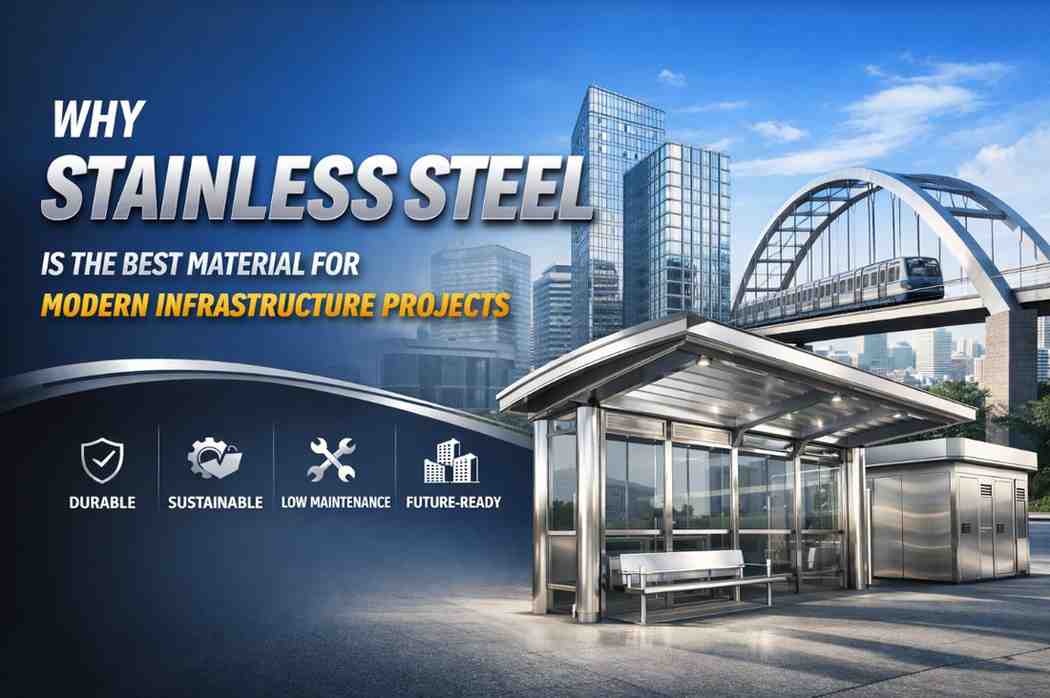
India is witnessing rapid infrastructure growth. From smart cities and metro stations to highways, airports and commercial complexes, development is happening at an unprecedented pace. However, the real strength of any infrastructure project lies not only in its design but also in the materials used to build it.
Modern infrastructure demands durability, sustainability, low maintenance and long-term cost efficiency. Traditional materials like mild steel, wood and even conventional concrete often struggle to meet these expectations, especially in India’s diverse climate conditions.
This is where stainless steel has become the preferred choice.
One of the leading contributors to this transformation is Jindal Lifestyle, offering specialized stainless steel infrastructure solutions designed for public, commercial and institutional projects across India.
In this blog, we will explore why stainless steel is the best material for modern infrastructure projects and how the infra solutions provided by Jindal Lifestyle support long-lasting urban development.

The Growing Demand for Durable Infrastructure Materials
Modern infrastructure must perform efficiently for decades. Today’s projects must deliver:
- Long operational life
- Resistance to corrosion and weather damage
- Minimal maintenance requirements
- Cost efficiency over time
- Sustainability
- Modern visual appeal
India’s coastal regions face high humidity and salt exposure. Industrial cities experience heavy pollution. Urban areas witness constant public usage. Under these conditions, materials must be resilient and reliable.
Stainless steel meets these requirements effectively, making it ideal for infrastructure development.
Key Advantages of Stainless Steel in Infrastructure
1. Excellent Corrosion Resistance
Corrosion is one of the biggest threats to infrastructure durability. Rust weakens structures and increases maintenance costs.
This makes stainless steel highly suitable for:
- Coastal cities
- High-rainfall regions
- Urban areas with pollution
- Outdoor installations exposed to moisture
Because of this corrosion resistance, stainless steel significantly extends the life of infrastructure assets.
2. Low Maintenance and Reduced Lifecycle Costs
Many infrastructure projects fail to consider long-term maintenance expenses. Mild steel structures often require repainting and repair. Wood can deteriorate. Concrete may crack over time.
Stainless steel, however, requires very little upkeep. It does not peel, chip or rust easily. Cleaning is simple, and repairs are minimal.
For government bodies and developers, this means:
- Lower annual maintenance budgets
- Reduced repair frequency
- Long-term savings
- Better return on investment
When considering the complete lifecycle of a project, stainless steel proves to be cost-effective.
3. High Strength and Structural Stability
Modern infrastructure must withstand heavy usage and structural stress. Stainless steel offers high tensile strength and excellent load-bearing capacity.
It performs well under:
- Heavy foot traffic
- Public transportation usage
- Temperature fluctuations
- Environmental stress
This structural reliability ensures safety and durability across infrastructure applications.
4. Sustainability and Environmental Responsibility
Sustainability is now central to infrastructure planning. Stainless steel supports environmentally responsible construction because:
- It is 100 percent recyclable
- It has a long lifespan
- It reduces material waste over time
- It supports green building standards
Using stainless steel helps align infrastructure projects with sustainability goals and smart city initiatives.
5. Modern Aesthetic Appeal
Infrastructure today must also look modern and professional. Stainless steel provides a clean, contemporary finish that blends well with glass, concrete and other materials.
Architects prefer stainless steel because it offers both performance and design flexibility.
Infra Solutions Offered by Jindal Lifestyle
To fully benefit from stainless steel in infrastructure, it is important to work with an experienced provider. Jindal Lifestyle offers comprehensive infra solutions by Jindal Lifestyle designed for durability, safety and modern urban needs.
Let us explore the major infrastructure solutions provided.
Stainless Steel Bus Shelters
Public transport systems require strong and weather-resistant structures. Bus shelters made of stainless steel from Jindal Lifestyle are built to endure:
- Continuous public usage
- Harsh weather exposure
- Corrosion from humidity and pollution
These shelters combine structural strength with modern design, enhancing both functionality and city aesthetics.
Stainless Steel Public Toilets
Public sanitation facilities must prioritize hygiene and durability. Stainless steel public toilets offer:
- Moisture resistance
- Easy cleaning and maintenance
- Long service life
- Strong structural integrity
These solutions are ideal for high-traffic areas such as railway stations, bus terminals, parks and commercial zones.
Stainless Steel Street Furniture
Urban development requires durable street furniture that can handle constant outdoor exposure.
Jindal Lifestyle provides stainless steel solutions for:
- Public seating
- Benches
- Railings and safety barriers
- Dustbins and urban fixtures
These products are designed for long-term performance while maintaining a modern appearance.
Stainless Steel Facades and Architectural Installations
Commercial and institutional buildings demand materials that deliver both durability and visual impact.
Stainless steel facades offer:
- Contemporary aesthetics
- Corrosion resistance
- Structural reliability
- Low maintenance
These installations enhance the appearance of buildings while ensuring long-term performance.
Custom Stainless Steel Infrastructure Solutions
Every infrastructure project has unique requirements. Jindal Lifestyle provides personalized stainless steel infrastructure solutions designed for:
- Government projects
- Transportation infrastructure
- Commercial complexes
- Institutional developments
With expertise in stainless steel fabrication and engineering, the company delivers solutions that meet both structural and design expectations.
Stainless Steel vs Traditional Infrastructure Materials
When compared with traditional materials, stainless steel stands out in several ways.
Unlike mild steel, it does not rust easily. It does not decay like wood. Unlike conventional materials that require repeated maintenance, stainless steel maintains its strength and appearance for years.
Its long lifespan, minimal upkeep and modern finish make it more reliable for large-scale infrastructure projects.
Supporting India’s Smart Infrastructure Vision
India’s Smart Cities Mission focuses on creating sustainable and technology-driven urban spaces. Materials used in these projects must support durability, efficiency and environmental responsibility.
Stainless steel plays a vital role in:
- Smart bus shelters
- Urban installations
- Public sanitation units
- Transportation infrastructure
- Modern architectural designs
By providing engineered stainless steel infrastructure solutions, Jindal Lifestyle contributes to building future-ready cities across India.
Build Future-Ready Infrastructure with Stainless Steel Solutions
If you are planning a public, transportation or commercial infrastructure project, selecting the right material is critical.
Advanced stainless steel infrastructure solutions offer long-term durability, minimal maintenance and strong visual appeal. Choosing infra solutions by Jindal Lifestyle ensures that projects are built with quality, reliability and sustainability in mind.
Conclusion
Modern infrastructure requires materials that combine strength, sustainability and cost efficiency. Stainless steel fulfils these requirements better than traditional alternatives.
Its corrosion resistance, long lifespan and low maintenance make it ideal for India’s climate and urban conditions. With solutions such as stainless steel bus shelters, public toilets, street furniture, facades and customized infrastructure installations, Jindal Lifestyle is helping shape durable and sustainable urban spaces.
As infrastructure development continues to expand across India, stainless steel will remain a key material in building resilient, future-ready cities.
Author


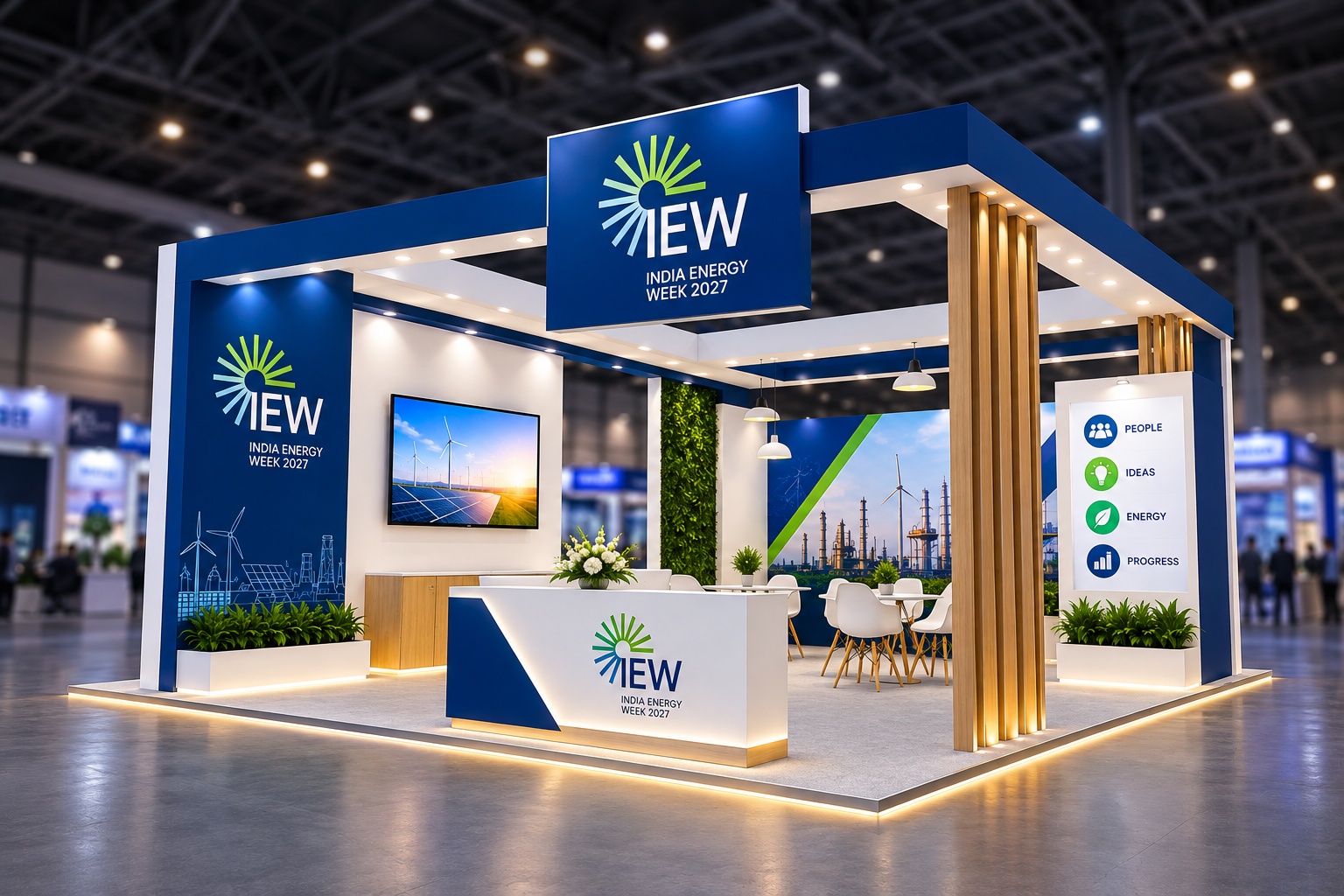
India Energy Week 2027 will bring together leading energy companies, technology providers, innovators, policymakers, and industry professionals on one platform. For exhibitors, the event offers an important opportunity to present products, demonstrate technologies, connect with potential customers, and strengthen their market presence. A well-designed exhibition space can help brands attract visitors and create meaningful interactions throughout the show.
Choosing the right exhibition stand builder in Kolkata can make a major difference to your trade show presence. A professional stand builder understands how to combine creativity, functionality, branding, and visitor engagement to create an exhibition environment that supports your business goals.
Create a Strong First Impression at India Energy Week 2027
Your exhibition stand is often the first point of contact between your brand and potential customers. An attractive and professionally planned booth can encourage visitors to stop, explore, and learn more about your company.
At India Energy Week 2027, exhibitors will compete for visitor attention in a busy exhibition environment. Strong branding, effective lighting, clear product displays, open layouts, and interactive elements can help your booth stand apart.
A professional exhibition stand builder in Kolkata can develop a customized concept based on your brand identity, exhibition objectives, available space, and target audience. Every element can be planned to create a welcoming and engaging visitor experience.
Innovative Exhibition Stand Design in India
Effective exhibition stand design in India is more than creating an attractive structure. It involves developing a complete visitor experience that communicates your brand message clearly.
For India Energy Week 2027, energy companies can use modern stand concepts to highlight their products, services, technologies, and sustainability initiatives. Product demonstration areas, meeting rooms, reception counters, digital screens, storage spaces, and hospitality zones can be integrated into the overall design.
3D visualization can also help exhibitors understand how their proposed stand will look before construction begins. It allows businesses to review the layout, branding, graphics, lighting, furniture, and visitor flow in advance.
The right design should balance visual appeal with practical functionality. Visitors should be able to move comfortably through the space while easily finding information about your products and services.
Custom Booth Solutions for Energy Brands
Every business has different exhibition requirements. Some companies may need large product demonstration areas, while others may focus on private meetings, networking, or digital presentations.
A professional booth builder company can create customized solutions for different types of energy-sector exhibitors. Custom exhibition stands can include branded walls, product showcases, interactive screens, LED displays, suspended signage, meeting areas, and dedicated presentation zones.
For technology-driven companies, interactive digital displays can explain complex solutions in a simple and engaging manner. For established brands, premium materials and strong visual branding can create a professional corporate environment.
The goal is to make the booth relevant to the brand while providing visitors with an experience that is easy to understand and remember.
Complete Exhibition Stand Services
Planning an exhibition stand involves much more than design. Exhibitors need a reliable partner who can manage the complete process from concept development to final installation.
An experienced exhibition stand contractor in Kolkata can provide comprehensive services such as:
- Exhibition stand concept development
- Creative and functional booth design
- 3D stand visualization
- Graphic design and branding
- Booth fabrication and construction
- Lighting and electrical planning
- Furniture and display solutions
- Product presentation areas
- Transportation and logistics
- On-site installation
- Final inspection and support
- Dismantling after the exhibition
Managing these services through one experienced partner can make the exhibition preparation process more organized and efficient.
Turnkey Exhibition Solutions for India Energy Week
A turnkey approach allows exhibitors to focus more on their business objectives while their stand partner manages the technical and operational requirements.
An exhibition stand contractor in Kolkata can coordinate design, fabrication, transportation, installation, and dismantling according to the exhibition schedule. Proper project coordination is particularly important for major industry events where deadlines and venue regulations must be carefully followed.
From the initial concept to the completed booth, every stage should be managed with attention to quality, safety, branding, and functionality.
Designing for Visitor Engagement
A successful exhibition stand should encourage visitors to interact with the brand. Static displays alone may not always be enough to create memorable experiences.
Interactive product demonstrations, digital presentations, touchscreens, video walls, live demonstrations, and dedicated discussion areas can encourage visitors to spend more time at the booth. Comfortable meeting spaces can also support meaningful conversations with potential clients and business partners.
Strategic placement of graphics and messaging can help visitors quickly understand what the company offers. Clear communication is especially important when exhibiting technical products and energy solutions.
Why Choose Impacto Worldwide Expo?
Impacto Worldwide Expo provides professional exhibition stand design and build solutions for brands participating in major trade shows. The company focuses on creating customized exhibition environments that combine creative design with practical functionality.
For India Energy Week 2027, Impacto can support exhibitors with concept development, exhibition stand design in India, 3D visualization, fabrication, logistics, installation, dismantling, and on-site project management.
Whether a company requires a custom booth, modular display, premium stand, or a complete turnkey solution, the focus remains on creating a space that communicates the brand effectively and supports visitor engagement.
Prepare for India Energy Week 2027
India Energy Week 2027 will provide energy businesses with valuable opportunities to showcase innovation, meet industry professionals, generate leads, and build stronger business relationships. A thoughtfully designed exhibition stand can help maximize these opportunities.
Working with an experienced exhibition stand builder in Kolkata can simplify the preparation process while ensuring that your booth reflects your brand and exhibition goals. With professional exhibition stand design in India, reliable fabrication, and complete project support, exhibitors can create a trade show environment that attracts attention and encourages meaningful conversations.
A skilled booth builder company and experienced exhibition stand contractor in Kolkata can turn your exhibition concept into a practical and engaging brand space. For India Energy Week 2027, investing in a professionally planned exhibition stand can help your company make a stronger impression and create valuable connections throughout the event.
Author


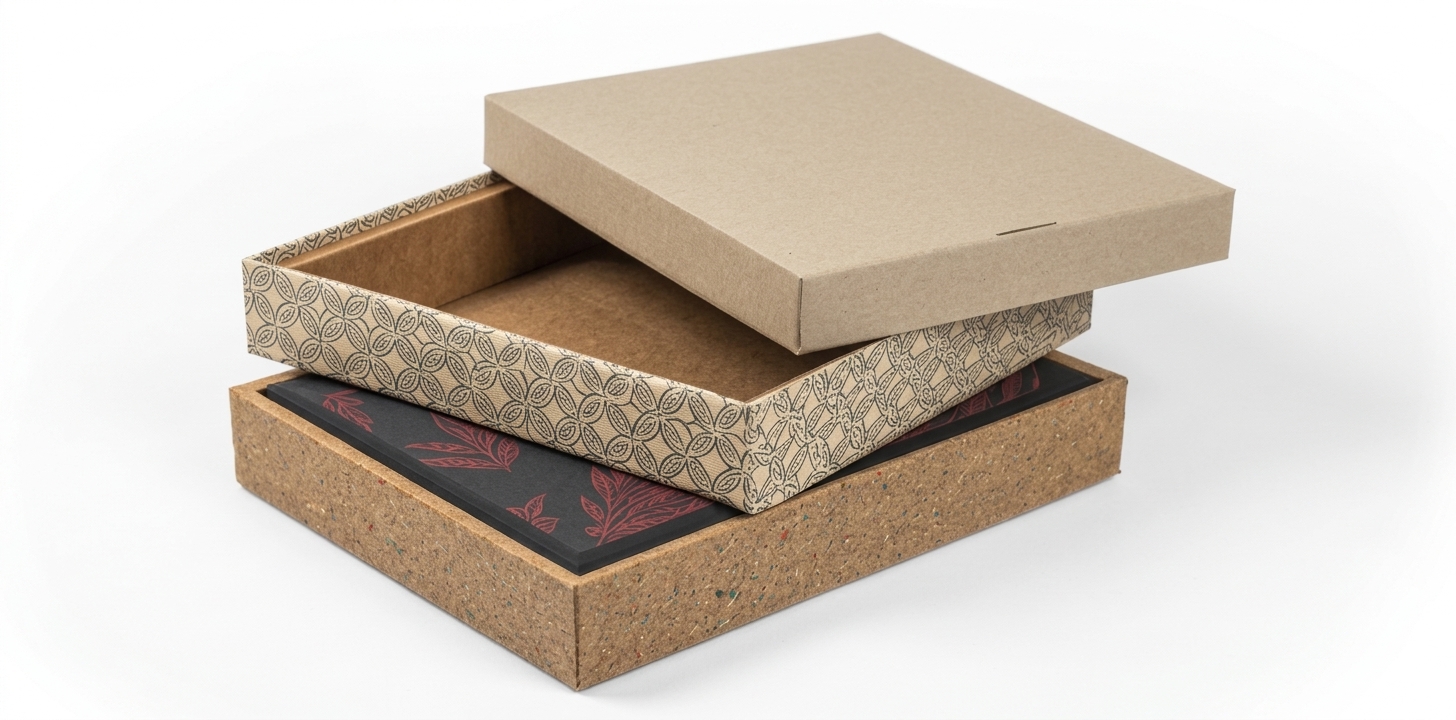
Premium packaging usually takes up space. A traditional rigid box arrives fully formed, which looks excellent on a shelf but fills a warehouse quickly. Folding cartons ship flat, but they rarely feel as substantial in the hand. Flat-pack rigid boxes try to sit between the two.
Flat pack rigid boxes are rigid-board boxes designed to fold or collapse for transport and storage, then be formed into their finished shape before packing. They are also called collapsible or foldable rigid boxes, although the exact construction varies by design. This guide explains how they work, how they compare with the alternatives, when they fit, when they do not, and what to settle before you order.
What Are Flat-Pack Rigid Boxes?
A rigid box, also called a set-up box, is built from a thick board covered with a printed paper wrap. The Paperboard Packaging Council (PPC) notes that rigid boxes generally do not fold flat, while folding cartons do. A flat-pack rigid box changes one part of that picture: it keeps the rigid-board build but is designed to travel and be stored in a collapsed state.
How the Structure Works
The details differ between manufacturers, but most designs follow the same basic sequence:
- The box is delivered flat or partly collapsed.
- The panels are unfolded by hand.
- The structure is secured, for example with tabs, folded walls or a closure system, so it holds its shape.
- An insert is added if the design includes one.
- The product is packed and the box is closed.
Closures such as magnetic flaps are common on rigid packaging, but they are a design choice rather than a requirement. Some structures arrive almost flat. Others keep one section partly formed. Always confirm how a specific design arrives before you plan storage around it.
Flat-Pack vs. Traditional Rigid Boxes
The finished box can look and feel similar. What changes is everything before the product goes in:
- Delivery: a traditional box arrives formed. A flat-pack box arrives collapsed.
- Storage: empty flat-pack boxes generally take up less room than formed ones. The saving depends on box size, quantity and construction.
- Labor: a traditional box can usually be filled straight away. A flat-pack box needs forming first.
- Structure: a formed-in-factory box has no hinges or folds that must be reset. A flat-pack box depends on its folds and locking method working repeatedly.
Why Brands Consider Flat-Pack Rigid Boxes
Interest in flat pack rigid boxes usually starts with a practical problem rather than a design preference. Four situations come up most often.
Storage and Inbound Logistics
Formed rigid boxes are mostly air. If empty packaging crowds your warehouse or an outsourced fulfillment space, a collapsed format may free up room. Treat any savings figure with caution, because the result depends on dimensions, quantity and how the boxes are palletized.
Premium Presentation
Brands often choose rigid packaging because the thick board and printed wrap signal quality. A flat-pack build can preserve much of that feel, provided the finished walls are sturdy and the folds are clean.
Fulfillment Flexibility
Teams can store boxes flat and form them as orders come in, or form a batch ahead of a busy period. This works best when someone has time to assemble, which is covered in the limitations below.
Product and Gifting Experience
The opening experience matters for gifts, subscription kits and launch products. Lid style, inserts and closure all shape that moment, and a flat-pack design can support the same options in many cases.
Flat-Pack Rigid vs. Traditional Rigid vs. Folding Cartons
Folding cartons and rigid boxes are different product families. According to PPC, folding cartons use lighter board, fold flat for shipping and storage, and generally cost less per unit with faster production. Rigid boxes use much thicker board and are described as stronger and more durable. Flat-pack rigid boxes borrow from both. The table below is qualitative, because real differences depend on the specific design.
| Factor | Traditional rigid | Flat-pack rigid | Folding carton |
| Empty storage | Takes the most space | Takes less space | Takes little space |
| Arrives flat | No | Yes, or partly | Yes |
| Assembly | Usually none | Forming required | Forming required |
| Structural feel | High | High, varies by build | Lower than rigid |
| Presentation | Premium | Premium, design-dependent | More retail-oriented |
| Inserts | Well suited | Possible, design-dependent | Depends on structure |
| Typical fit | Maximum presentation | Premium look with storage limits | Efficient, higher-volume retail |
When Traditional Rigid Boxes Make More Sense
Choose a formed rigid box when presentation is the top priority, your team packs in small numbers, or the product needs a fixed, fully stable shape. Storage space is the main cost you accept.
When Folding Cartons Make More Sense
Folding cartons suit higher volumes, tighter budgets and fast packing lines. They are not a weaker choice. For many retail products, they are simply the better-matched one.
When Flat-Pack Rigid Boxes Fill the Middle Ground
Rigid gift boxes make sense when you want a rigid-board experience but cannot store or ship formed boxes comfortably, and your team can handle a short forming step.
When Are Flat-Pack Rigid Boxes a Good Fit?
The examples below are common matches, not guarantees. Test each against your own product.
Premium Gifting
Gift sets reward a strong opening moment. If volumes rise sharply at certain times of year, collapsed storage can also help.
Ecommerce and Subscription Packaging
Recurring shipments need packaging that is predictable and quick to prepare. Flat-pack structures can work when forming is simple and consistent. The box usually still needs an outer shipping carton, so plan that layer too.
Apparel and Accessories
Lightweight, relatively shallow products often pair well with collapsible structures, since they place little load on the folds.
Seasonal or Campaign Packaging
Limited runs create storage pressure for a short period. Flat delivery lets you hold stock without giving up shelf or floor space for months.
Brands With Limited Storage Capacity
Small teams and shared warehouses often feel the cost of empty formed boxes first. Brands comparing foldable rigid packaging can review construction options, closures and insert styles before deciding which structure suits their product and packing workflow.
In short, choose a flat-pack rigid structure when:
- premium presentation matters to the product experience,
- storage or inbound volume is a real constraint,
- your team can assemble boxes without slowing fulfillment,
- the product fits the structure with proper clearance, and
- the box will be shipped inside suitable outer packaging.
When Flat-Pack Rigid Boxes May Not Be the Best Choice
Flat-pack is not automatically better. It can be the wrong call in these situations:
- High-speed packing lines. Every box needs forming, and that time adds up at volume.
- Heavy or fixed-geometry products. Items that stress the walls or folds may suit a formed rigid box better.
- Very small boxes. If a formed box is already compact, collapsing it may save little.
- No assembly capacity. If no one has time to form boxes, the storage advantage disappears.
- Unusual inserts or closures. Complex internal parts can reduce how flat the box can fold. Ask the supplier what is possible.
What Should You Specify Before Ordering?
A clear specification prevents most sampling delays. Prepare these details before you ask for a quote:
- Product dimensions and weight.
- Required clearance around the product.
- Internal and external box dimensions.
- Board thickness and structure.
- Opening style, such as lift-off lid, hinged lid or drawer.
- Closure type.
- Insert material and shape.
- Print, wrap and finish.
- Order quantity.
- Packed (flat) dimensions per carton or pallet.
- Who assembles the box, and how.
- Outer shipping carton requirements.
- Sample requirements before production.
Then answer these seven questions:
- Does presentation materially change the product experience?
- Is inbound storage space a concern?
- Can your team assemble boxes?
- Does the product need an insert?
- Will the box ship inside another protective package?
- Does the box need a particular opening experience?
- Can you test the structure with the real product?
If several answers point to premium presentation plus flat storage, a flat-pack rigid structure is worth sampling. If they point to speed and volume, look at folding cartons. If they point to maximum presentation with ample space, a formed rigid box may be the simpler choice.
Conclusion
The right box is not the most premium one. It is the structure that balances protection, presentation, storage, assembly and customer experience for your product. Flat-pack rigid boxes can bridge premium rigid packaging and flat-delivery efficiency, but only when the product and workflow fit.
Before you commit to production, request a structural sample and test it with your actual product, insert, closure and packing process.
Frequently Asked Questions
Are flat-pack rigid boxes the same as collapsible rigid boxes?
Usually, yes, although terminology varies. Manufacturers also use “foldable” and “folding” for similar structures, so ask for a description of the construction rather than relying on the name.
Do flat-pack rigid boxes arrive completely flat?
Not always. Some arrive fully flat, while others are partly collapsed or keep one section formed. Confirm the packed dimensions before planning storage.
Are flat-pack rigid boxes the same as folding cartons?
No. Folding cartons use lighter paperboard, while flat-pack rigid boxes keep a thicker rigid-board build.
Do flat-pack rigid boxes require assembly?
Generally, yes. They need to be formed before packing. The method and time depend on the structure, so time it during sampling.
How should I test a flat-pack rigid box?
Test it with the real product, the insert and the closure. Form and fill several boxes to check how long assembly takes, then ship a packed sample inside its outer carton to see how it holds up.
Author



Boston is home to startups, established companies, professional services, healthcare organizations, retailers, technology firms, restaurants, and many other competitive businesses. With so many brands competing for attention, simply having a website is no longer enough. Businesses need a strong digital presence that helps them get discovered, build trust, and turn online visitors into customers.
A Boston digital marketing agency helps businesses create a connected online strategy based on their market, audience, location, and growth objectives. From improving search visibility to creating engaging content and strengthening customer interactions, the right approach can help your business compete more effectively across digital channels.
Build a Stronger Presence Across Boston
Your potential customers may search for your products or services through Google, social media, maps, AI-powered search tools, review platforms, or industry websites. If your business is difficult to find across these channels, competitors can capture attention before customers reach you.
A focused digital marketing strategy helps create consistent visibility across the places your audience already spends time. Your website, content, business listings, social profiles, and other digital assets should work together to communicate what your company offers and why customers should consider it.
For Boston businesses, this also means understanding the differences between local neighborhoods, surrounding communities, and broader Massachusetts markets. Marketing should reflect where your customers are actually searching rather than relying on a one-size-fits-all approach.
Turn Online Searches Into Business Opportunities
Getting website traffic is only part of digital marketing. The more important question is whether that traffic comes from people who are genuinely interested in your products or services.
A strong strategy focuses on buyer intent, relevant search queries, useful content, and clear conversion paths. When someone searches for a solution, your business should provide the information they need to understand their options and take the next step.
This may include service pages, location-focused content, comparison information, educational resources, customer reviews, project examples, and straightforward calls to action. Each element should help move visitors closer to contacting your business, requesting information, booking an appointment, or making a purchase.
Create Content That Builds Trust
Boston customers have plenty of choices, so generic marketing messages can easily get overlooked. Useful content gives your business an opportunity to demonstrate knowledge while answering the questions customers have before making a decision.
Effective content can address pricing considerations, product differences, common problems, buying questions, service expectations, industry trends, and local concerns. Instead of simply promoting your company, the content should provide genuine value during the customer’s research process.
Over time, helpful content can also strengthen your website’s topical relevance and create more opportunities to appear for searches related to your industry.
Strengthen Local Visibility
For businesses serving Boston and nearby communities, local visibility can directly influence customer discovery. People frequently search for businesses based on both their service and location, such as companies, restaurants, contractors, healthcare providers, agencies, and retailers near them.
Your local presence should clearly communicate where you operate, what you offer, and who you serve. Consistent business information, location-focused website content, customer reviews, local signals, and a properly maintained Google Business Profile can all contribute to a stronger local presence.
The goal is not simply to appear in more searches. It is to become easier for nearby customers to find, understand, and contact your business.
Adapt to Changing Search Behavior
Search is changing beyond traditional Google results. Customers increasingly interact with AI-generated answers, conversational search, visual platforms, social media, maps, and other discovery channels.
Boston businesses need digital content that can work across these changing search experiences. Clear answers, structured information, original insights, trustworthy content, and strong brand signals can help your business remain discoverable as customers change how they research products and services.
A modern digital marketing strategy should therefore consider both traditional search visibility and emerging AI-driven discovery.
Make Your Website Work Harder
Your website is often the central point of your digital presence. If visitors cannot quickly understand your services, find important information, or determine what to do next, marketing efforts can lose their impact.
A stronger website experience combines clear messaging, intuitive navigation, mobile usability, fast performance, useful content, and conversion-focused page structure. Every important page should have a purpose and make it easy for visitors to continue their journey.
This is particularly important for businesses competing in crowded Boston markets where customers can quickly compare multiple companies before making contact.
Measure What Actually Matters
Digital marketing should not rely entirely on impressions, clicks, or traffic numbers. Businesses need to understand whether their marketing activity is contributing to meaningful growth.
Performance can be evaluated through metrics such as qualified leads, phone calls, form submissions, organic visibility, local discovery, engagement, conversion rates, and customer acquisition trends. Reviewing these signals helps identify what is working, where opportunities exist, and where resources may need to be adjusted.
Clear reporting also gives business owners a better understanding of how their digital investment connects with actual business activity.
Why Choose a Boston Digital Marketing Agency?
Working with a Boston-focused digital marketing agency can provide a stronger understanding of the competitive environment, customer behavior, and local search landscape. Rather than applying the same strategy to every company, marketing can be shaped around your industry, audience, service area, competition, and business goals.
The right partner should also understand that sustainable digital growth takes more than publishing content or making occasional website changes. It requires ongoing research, testing, optimization, and adaptation as search behavior and customer expectations evolve.
Your business deserves a strategy built around how your customers actually discover and evaluate companies.
Grow Your Boston Business Online
Digital marketing allows Boston businesses to compete beyond traditional boundaries. A well-planned strategy can improve visibility, strengthen credibility, attract relevant visitors, and create more opportunities for customer engagement.
Whether you are launching a new business, expanding into additional Boston-area markets, or looking to improve an established online presence, your digital strategy should be built around measurable objectives and the customers you want to reach.
DigitalGuider helps businesses develop focused digital marketing strategies designed around their market, audience, and growth goals. From search visibility and content to local presence and digital brand development, the focus remains on creating a stronger online foundation that supports long-term business growth.
Author



India Energy Week 2027 Stand Builder in Kolkata for Trade Shows

What Makes Friday Night Funkin’ Stand Out

How to Review Millwork Shop Drawings Before Fabrication

Flat-Pack Rigid Boxes: How to Choose the Right Structure

Point Cloud to BIM Outsourcing Services for AEC Companies

Trending LMS Platforms for Corporate Training

LOD 350 Electrical BIM Modeling for Construction Reality

Boston Digital Marketing Agency for Growing Businesses

Karela and Jamun: Traditional Ayurvedic Ingredients for Wellness

A Practical Look at 7oh Disposable vape Products: Formulation

Cybersecurity Consulting Company SequelNet Provides Critical IT Support Services to Medical Billing Firm, Medical Optimum

Meet the Megalodon: The Shark Star of ‘Meg 2’

Reduce Video Game Lag: Level Up Your Gaming Performance

Balancing India’s Entertainment: Cricket vs. Bollywood

Jetsetter’s Secrets: Unveiling Our Favorite Travel Hacks for a Seamless Adventure

The 5 Best Live Sports Streaming Sites: Legal and Exciting!

Hollywood Labor Unrest: The Impact of ‘What About Us?’ Strikes

Unveiling the Magic of Dream Fulfillment at the Late NBA Draft

Illuminate Your Skin: Dr. Axe Unveils Natural Remedies for Lightening Knees and Elbows

Bright Choices: Navigating the Pros and Cons of Skin Whitening Creams with Dr. Axe
-

 Business3 years ago
Cybersecurity Consulting Company SequelNet Provides Critical IT Support Services to Medical Billing Firm, Medical Optimum
-
Entertainment3 years ago
Meet the Megalodon: The Shark Star of ‘Meg 2’
-
Entertainment3 years ago
Reduce Video Game Lag: Level Up Your Gaming Performance
-
 Sports3 years ago
Balancing India’s Entertainment: Cricket vs. Bollywood
-
Entertainment3 years ago
Jetsetter’s Secrets: Unveiling Our Favorite Travel Hacks for a Seamless Adventure
-
Productivity3 years ago
The 5 Best Live Sports Streaming Sites: Legal and Exciting!
-
Art /Entertainment3 years ago
Hollywood Labor Unrest: The Impact of ‘What About Us?’ Strikes
-
Sports3 years ago
Unveiling the Magic of Dream Fulfillment at the Late NBA Draft






