
Autos & Vehicles
Are Self-Driving Cars the Future of Transportation? Experts Weigh In

Self-driving cars have been in development for years and have captured the attention of the automotive industry and tech enthusiasts alike. The potential benefits of autonomous vehicles are numerous, from improved safety on the roads to increased accessibility for those with disabilities. However, there are also concerns about the ethical and societal implications of widespread adoption of self-driving cars. As the technology continues to evolve, the question remains: are self-driving cars the future of transportation?
To answer this question, it’s important to consider both the potential benefits and challenges of self-driving cars. Proponents argue that autonomous vehicles have the potential to reduce accidents caused by human error, which account for the vast majority of crashes on the road. Self-driving cars can also increase mobility for those who are unable to drive, such as the elderly and disabled, and reduce the need for parking spaces in urban areas. In addition, autonomous vehicles have the potential to reduce traffic congestion, as they can communicate with each other and with traffic infrastructure to optimize routes and reduce bottlenecks.
However, there are also concerns about the safety and ethical implications of self-driving cars. Critics argue that the technology is not yet reliable enough to ensure the safety of passengers and other road users, and that the regulatory framework for autonomous vehicles is not yet well-established. In addition, there are concerns about the impact of self-driving cars on employment, as the widespread adoption of autonomous vehicles could lead to job losses in industries such as trucking and taxi driving.
To get a better sense of the current state of self-driving car technology and its potential impact on transportation, I spoke with several experts in the field. Dr. Raj Rajkumar, a professor of electrical and computer engineering at Carnegie Mellon University, is one of the leading researchers in the development of self-driving cars. He believes that autonomous vehicles will become an important part of our transportation system in the coming years, but that there are still significant challenges to be overcome.
“The technology is not yet ready for prime time,” says Rajkumar. “We still need to make significant improvements in areas such as perception, prediction, and decision-making in order to ensure the safety of autonomous vehicles on the road.”

Rajkumar points to recent incidents involving self-driving cars, such as the fatal crash of a Tesla vehicle in 2018, as evidence that the technology is not yet mature enough for widespread adoption. However, he also notes that autonomous vehicles have the potential to be much safer than human drivers, as they are not subject to distractions and fatigue.
Another expert in the field, Dr. Laura Schewel, CEO of transportation analytics company StreetLight Data, believes that self-driving cars have the potential to revolutionize transportation, but that there are also significant ethical considerations to be addressed.
“We need to ensure that self-driving cars are programmed to make ethical decisions,” says Schewel. “For example, if a self-driving car is faced with the choice between swerving to avoid hitting a pedestrian and crashing into a barrier, what decision should it make? These are difficult ethical questions that need to be addressed before self-driving cars can become a reality.”
Despite these challenges, Schewel believes that self-driving cars will eventually become the norm on our roads. “I think we’re headed in that direction, but it’s going to take time,” she says.
Overall, it seems clear that self-driving cars are a technology with enormous potential, but also significant challenges that need to be overcome. As the technology continues to evolve and become more reliable, it’s likely that autonomous vehicles will become an increasingly important part of our transportation system. However, it’s important to approach the adoption of self-driving cars with caution and ensure that safety and ethical considerations are carefully considered.
Author

Author

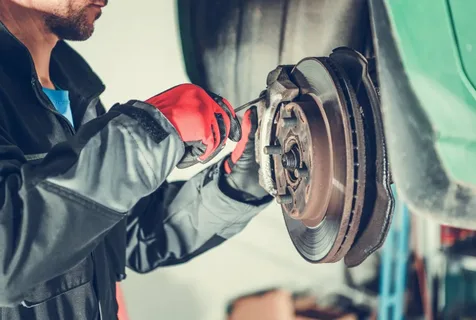
In a busy driving environment like Dubai, constant stop-and-go traffic, sudden lane changes, and high-speed commuting place extra pressure on your braking system. Over time, this stress naturally leads to wear and reduced performance if the system is not properly maintained. Regular brake inspections help detect issues early, ensuring that small faults do not turn into serious safety hazards.
Professional technicians in Dubai use advanced tools and inspection techniques to evaluate every part of the braking system, including pads, rotors, and hydraulic components. This ensures complete reliability and consistent performance under all driving conditions.
By investing in routine brake maintenance, drivers not only improve safety but also enhance overall vehicle control, reduce repair costs, and extend the lifespan of essential braking components for long-term peace of mind.
Importance of Car Brake Systems
Your car’s braking system slows down or stops the vehicle whenever needed. It includes brake pads, rotors, calipers, and brake fluid working together to create friction and stop the car.
Each component plays a vital role in ensuring smooth and controlled braking performance. When any part becomes worn or damaged, it can reduce overall efficiency and safety. Regular inspection and timely maintenance help keep the system responsive, reliable, and capable of handling different road and driving conditions effectively.
Over time, these components wear out due to heat and constant use. Without proper maintenance, brake failure can occur and lead to dangerous situations. Regular inspections and professional brake repair services in Dubai ensure safe driving.
Signs Your Car Needs Brake Repair
- Squeaking or grinding noises from brakes
- Vibration while braking
- Soft or spongy brake pedal
- Car pulling to one side
- Burning smell during braking
If you notice these issues, visit a professional car brake repair service in Dubai immediately.
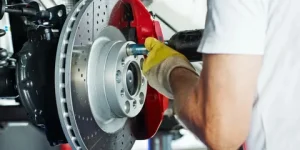
Car Brake Pad Replacement Services
Brake pads create friction to stop your car and wear down over time.
Professional services include:
- Full brake inspection
- Removal of old brake pads
- Installation of new brake pads
- Brake fluid check
- Final safety testing
Timely replacement prevents rotor damage and ensures smooth braking performance.
Brake Maintenance is Important
Dubai’s traffic conditions and heat increase brake wear.
Benefits of maintenance:
- Better road safety
- Improved braking performance
- Lower repair costs
- Longer lifespan of components
Brake Pad Replacement Frequency
Professional vs DIY Brake Repair
Professional brake services are always safer because they offer:
- Accurate diagnostics
- Certified technicians
- Quality parts
- Warranty on work
Right Brake Repair Service in Dubai
Look for:
- Experience and reputation
- Certified mechanics
- Transparent pricing
- Fast service
Cost of Brake Repair in Dubai
Costs vary based on vehicle type and damage level. Brake pad replacement is affordable, while major repairs cost more. Regular maintenance helps avoid expensive issues.
Choosing timely servicing also prevents minor wear from turning into major system failures. It ensures better safety, reduces unexpected breakdowns, and extends the lifespan of brake components. Additionally, comparing service providers in Dubai can help you find cost-effective and reliable repair solutions without compromising on quality or performance.
Final Thoughts
In addition, timely brake maintenance not only protects you but also safeguards other road users by reducing the risk of sudden brake failure. Many accidents in urban driving conditions occur due to neglected braking systems, which makes regular inspections extremely important. When you service your brakes on time, you also improve your vehicle’s overall efficiency and reduce long-term repair costs.
Professional workshops in Dubai use advanced diagnostic tools to identify hidden issues that may not be visible during basic inspections. They ensure that every component of the braking system, including pads, rotors, and fluid levels, is checked thoroughly. This proactive approach helps maintain smooth braking performance even under high-temperature and heavy-traffic conditions common in Dubai.
By staying consistent with brake care, drivers can enjoy safer journeys, better control, and greater peace of mind on every trip.
Author

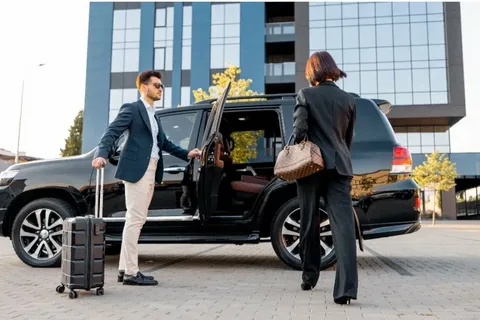
Planning a trip to Agadir in 2026? One of the smartest decisions you can make before landing is choosing the right rental car. Agadir is one of Morocco’s most tourist-friendly cities, and having your own vehicle makes it much easier to explore beaches, surf towns, mountain roads, and hidden coastal spots at your own pace.
From small budget cars to comfortable SUVs, tourists now have more rental options in Agadir than ever before. The key is knowing which type of car fits your travel style, budget, and itinerary.
Renting a Car in Agadir
Many travelers visiting Agadir quickly realize that taxis can become expensive over several days, especially if you plan to visit places outside the city center.
With a rental car, you can easily drive to:
- Taghazout
- Paradise Valley
- Tamraght
- Imsouane
- Taroudant
- Souss-Massa National Park
Recent travel guides for 2026 continue to recommend car rentals as the best way to fully experience southern Morocco.
Economy Cars
For solo travelers or couples, economy cars remain the most popular rental option in Agadir.
Models like:
- Dacia Sandero
- Kia Picanto
- Renault Clio
…are affordable, fuel-efficient, and easy to park around the city. Economy rentals are especially useful for:
- Short stays
- City driving
- Beach trips
- Travelers looking to save money
According to 2026 rental listings, economy cars in Agadir often start between 180–350 MAD per day depending on the season.
SUVs and Crossovers
If you plan to explore beyond Agadir, an SUV or crossover can make your trip much more comfortable.
Vehicles like the:
- Dacia Duster
- Hyundai Tucson
- Hyundai Creta
…are ideal for:
- Mountain roads
- Long-distance driving
- Family travel
- Carrying surf equipment or luggage
Travel experts in 2026 recommend SUVs for tourists heading toward the Anti-Atlas region or planning extended road trips through southern Morocco.
Automatic Cars
Many tourists visiting Morocco prefer automatic cars, especially if they are unfamiliar with local driving conditions.
However, one important thing to know:
Automatic vehicles are still limited in Morocco and usually cost more than manual cars.
Several 2026 rental guides recommend booking automatic cars well in advance, particularly during summer and surf season.
Airport Car Rentals
Most tourists arrive through Agadir–Al Massira Airport, and airport pickup is still the easiest solution in 2026.
Many local agencies now offer:
- Free airport delivery
- Fast pickup process
- WhatsApp support
- Unlimited mileage
- Flexible return times
Some travelers also prefer local companies because they often provide more flexible conditions than international chains. For example, Rental Cars Agadir provides airport car rental services designed for tourists arriving directly at Agadir airport.
Local Agencies vs International Brands
Tourists in Agadir generally choose between:
- International companies like Avis, Hertz, Europcar, and Sixt
- Local Moroccan rental agencies
International brands may offer familiar systems and loyalty programs, while local agencies often compete with:
- Better prices
- Faster communication
- Lower deposits
- Personalized service
Comparison platforms in 2026 show strong competition between both options in Agadir’s rental market.
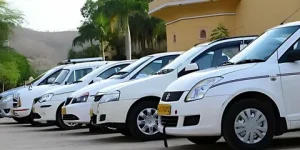
Choosing the Best Rental Option
Before booking your vehicle, it’s important to check:
- Insurance coverage
- Fuel policy
- Deposit requirements
- Mileage limits
- Airport fees
- Customer reviews
Travelers on Reddit and travel forums frequently recommend taking photos of the car before driving away to avoid misunderstandings later.
Which Car Rental Option Is Best?
An Economy Car If:
- You want the cheapest option
- You mainly stay around Agadir
- You travel alone or as a couple
Choose an SUV If:
- You travel with family
- You plan road trips
- You carry lots of luggage or surfboards
Choose an Automatic Car If:
- You are uncomfortable driving manual
- You want a more relaxed driving experience
In 2026, renting a car in Agadir remains one of the best ways for tourists to explore the region comfortably and independently. Whether you choose a budget-friendly city car or a spacious SUV for long adventures, the right rental vehicle can completely change your travel experience.
The most important advice is simple:
Book early, compare carefully, and choose a trusted rental agency with transparent conditions.
That way, you can spend less time worrying about transportation — and more time enjoying Morocco.
Automatic vs Manual Cars in Agadir
If you’re planning to rent a car in Agadir, one of the first decisions you’ll face is choosing between an automatic or manual transmission vehicle.
At first, it may seem like a small detail. But once you start driving through city traffic, coastal roads, roundabouts, or mountain routes around southern Morocco, your choice can have a big impact on your comfort and overall travel experience.
For some travelers, a manual car is the perfect budget-friendly option. For others, an automatic makes driving far less stressful — especially in an unfamiliar country. So which one should you choose in Agadir? The answer depends on your driving habits, budget, and travel plans.
Choice Matters More Than Think
Morocco is not difficult to drive in, especially around Agadir, but it does feel different from driving in many European or North American cities.
You’ll often encounter:
- Roundabouts
- Scooters and motorcycles
- Stop-and-go traffic
- Steep parking ramps
- Coastal roads with hills and curves
Travel experts in 2026 note that transmission choice affects not only driving comfort, but also stress levels and fatigue during long travel days.
That’s why many tourists spend time comparing automatic and manual cars before booking.
Manual Cars in Agadir
Manual cars remain the most common rental vehicles in Morocco.
In fact, most local drivers use manual transmission vehicles, which means rental agencies usually have:
- More manual cars available
- Lower rental prices
- More economy vehicle options
Manual cars are often ideal for:
- Budget travelers
- Experienced manual drivers
- Long highway drives
- Travelers comfortable with stick shift
According to several Morocco rental guides, manual vehicles are generally easier to find and cheaper than automatic cars.
Advantages of Manual Cars
- Lower daily rental cost
- Better availability during busy seasons
- Often lower fuel consumption
- More vehicle choices
Disadvantages of Manual Cars
- More tiring in traffic
- Difficult if you rarely drive manual
- Less comfortable on hills or steep parking ramps
- Can become stressful in busy areas
If you already drive manual every week at home, driving one in Agadir will probably feel natural after a short adjustment period.
Automatic Cars in Agadir
Automatic cars have become increasingly popular among tourists visiting Morocco.
Many travelers choose automatic vehicles simply because they reduce stress, especially after a long international flight.
Rental experts now recommend automatic cars for:
- Families
- First-time visitors to Morocco
- Travelers unfamiliar with manual transmission
- People planning longer road trips
Recent driving guides explain that automatics help drivers focus more on traffic and navigation instead of clutch control.
Advantages of Automatic Cars
- Easier in traffic
- Less fatigue during long drives
- Simpler hill starts
- Better for city driving
- More relaxing overall experience
Disadvantages of Automatic Cars
- Higher rental price
- Limited availability
- Must often be booked early
- Fewer budget options
Automatic cars are especially useful if your trip includes:
- City driving
- Coastal road trips
- Multiple hotel stops
- Airport pickup after a long flight
Difference Between Automatic and Manual Cars
One of the biggest differences is cost.
In Morocco:
- Manual cars are usually the cheapest option
- Automatic vehicles often cost more
- Automatic SUVs can become expensive during peak season
Travel websites in 2026 confirm that automatic vehicles remain a minority in Moroccan rental fleets, which increases demand and pricing.
If saving money is your top priority and you’re comfortable driving stick shift, manual is usually the smarter financial choice.
Author



Experiment Five Fashion Trends: Redefining Modern Streetwear

Endmill Maintenance: Improve Tool Life and Machining Accuracy

Columbus Digital Marketing: Help Moving Companies Grow Online

Spider Hoodie Collection: Stylish & High-Quality Sp5der Hoodies

Real Estate Agents in Dubai: Use Podcasting to Build Trust

CNC Tool Manufacturing: Carbide, Ceramic, HSS & Cermet

Road Bikes: Best Lightweight & High-Performance Cycling

Car Brake Repair: Brake Pad Replacement Services

Cactus Jack Hoodie: Streetwear Culture, Styling & Exclusive Drops

PeaceInWar Fashion: Clothing That Commands Respect

Cybersecurity Consulting Company SequelNet Provides Critical IT Support Services to Medical Billing Firm, Medical Optimum

Team Communication Software Transforms Operations at Finance Innovate

Project Management Tool Transforms Long Island Business

How Alleviate Poverty Utilized IPPBX’s All-in-One Solution to Transform Lives in New York City

Breast Cancer: The Imperative Role of Mammograms in Screening and Early Detection

Unstoppable Collaboration: D.C.’s Citi Open and Silicon Valley Classic Unite to Propel Women’s Tennis to New Heights

Embracing Renewal: Sizdabedar Celebrations Unite Iranians in New York’s Eisenhower Park

The Benefits of Starting a Side Hustle for Financial Freedom

New Blood Donation Screening Questions What You Need to Know

Stylishly Timeless: The 5 Types of Sandals You Need in Your Closet
-

 Business3 years ago
Cybersecurity Consulting Company SequelNet Provides Critical IT Support Services to Medical Billing Firm, Medical Optimum
-
Business3 years ago
Team Communication Software Transforms Operations at Finance Innovate
-
Business3 years ago
Project Management Tool Transforms Long Island Business
-
Business3 years ago
How Alleviate Poverty Utilized IPPBX’s All-in-One Solution to Transform Lives in New York City
-
health3 years ago
Breast Cancer: The Imperative Role of Mammograms in Screening and Early Detection
-
Sports3 years ago
Unstoppable Collaboration: D.C.’s Citi Open and Silicon Valley Classic Unite to Propel Women’s Tennis to New Heights
-
Art /Entertainment3 years ago
Embracing Renewal: Sizdabedar Celebrations Unite Iranians in New York’s Eisenhower Park
-
Finance3 years ago
The Benefits of Starting a Side Hustle for Financial Freedom







