
Travel & Hospitality
A Guide to Major Cities in Ancient Egypt and Their Importance

By

Reviewed
By Aniyah Murphy
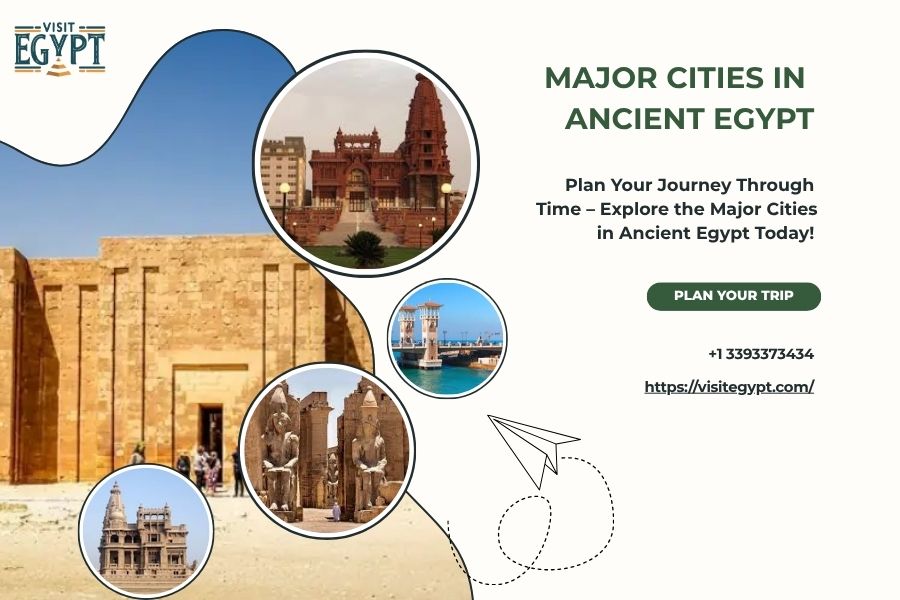
Introduction
Ancient Egypt is one of the most fascinating civilizations in human history renowned for its monumental architecture, enduring cultural achievements, and complex political systems. While the pyramids and pharaohs often capture the spotlight, it was the major cities in Ancient Egypt that formed the foundation of this civilization’s power, trade, and religion. Each city played a unique role in shaping the course of Egyptian history, influencing not only the ancient world but also modern understanding of urban development, art, and governance.
A Guide to Major Cities in Ancient Egypt and Their Importance

1. Memphis: The First Capital and Center of Power
Founded around 3100 BCE by the legendary King Menes (also known as Narmer), Memphis was one of the earliest and most important major cities in Ancient Egypt. Strategically located at the junction of Upper and Lower Egypt near the Nile Delta, Memphis served as a political and administrative capital for centuries.
The city was dedicated to the god Ptah, the deity of creation and craftsmanship, which reflects its role as a hub of art and innovation. Massive temples, including the Temple of Ptah, dominated the cityscape. Memphis was also known for its workshops that produced fine jewelry, sculptures, and ceremonial items. Archaeological remains, including colossal statues of Ramses II, reveal the city’s immense wealth and architectural brilliance.
2. Thebes: The City of the Gods
Located in Upper Egypt, Thebes (modern-day Luxor) became the heart of Egypt’s religious and political life during the Middle and New Kingdoms. Thebes was more than a city—it was a spiritual center devoted to the god Amun-Ra. The magnificent Karnak Temple Complex and the Temple of Luxor stand as eternal symbols of its sacred status.
During the reigns of pharaohs like Hatshepsut, Thutmose III, and Ramses II, Thebes thrived as the empire’s capital and a symbol of Egyptian prosperity. The city was also the gateway to the Valley of the Kings, where pharaohs were buried with treasures intended for the afterlife. Today, Thebes remains a living museum that embodies the glory of ancient Egyptian civilization.
3. Alexandria: The Bridge Between Egypt and the World
Founded by Alexander the Great in 331 BCE, Alexandria emerged as one of the most cosmopolitan major cities in Ancient Egypt. As the new capital under the Ptolemaic dynasty, it became a global center for trade, learning, and culture.

The city’s most famous landmark was the Library of Alexandria, one of the greatest repositories of knowledge in the ancient world. Scholars from across the Mediterranean gathered here to study mathematics, astronomy, philosophy, and medicine. Another marvel was the Lighthouse of Alexandria (Pharos), one of the Seven Wonders of the Ancient World, guiding sailors safely into the city’s bustling harbor.
Alexandria symbolized the merging of Greek and Egyptian cultures—a true crossroads of civilizations. Its legacy continues as a reminder of Egypt’s pivotal role in connecting Africa, Europe, and Asia.
4. Heliopolis: The City of the Sun
Heliopolis, meaning “City of the Sun,” was one of the oldest major cities in Ancient Egypt, located northeast of modern Cairo. It was the principal center of worship for the sun god Ra, who was considered the source of life and creation. The city’s grand temples and obelisks honored Ra and attracted priests, scholars, and astronomers.
Although much of ancient Heliopolis lies beneath modern development, its influence endures. Many of its sacred obelisks were later transported to other parts of the world such as Rome and Paris where they still stand as silent witnesses to Egypt’s spiritual legacy.
5. Abydos: The Sacred City of the Afterlife
Abydos, one of Egypt’s most ancient cities, held immense religious significance. It was believed to be the burial place of Osiris, the god of the afterlife. For centuries, Egyptians made pilgrimages to Abydos to honor Osiris and seek eternal blessings.
The Temple of Seti I, built during the 19th Dynasty, is one of the city’s most remarkable monuments, containing intricate carvings that detail Egypt’s divine lineage and royal achievements. Abydos served not only as a religious sanctuary but also as an important historical archive, preserving inscriptions and king lists that have helped modern scholars decode Egypt’s dynastic chronology.
6. Amarna: The City of the Sun Disk
Amarna (Akhetaten) was an extraordinary experiment in urban planning and religion. Pharaoh Akhenaten built it in the 14th century BCE and dedicated it to worshiping the sun disk, Aten. This represented a radical shift from Egypt’s traditional polytheism to a form of monotheistic worship.
Though Amarna flourished for only a short time, it left a remarkable legacy that continues to fascinate historians and archaeologists. Built by Pharaoh Akhenaten in the 14th century BCE, the city was unlike any other in Egypt’s long history. It represented a bold and controversial departure from traditional Egyptian religion and art, centered around the worship of the sun disk, Aten. This shift brought about an entirely new artistic style—one that emphasized realism, intimacy, and human emotion in depictions of the royal family and daily life.
After Akhenaten’s death, his successor, the young Pharaoh Tutankhamun, reversed many of his reforms and abandoned Amarna. The city quickly fell into ruin, its temples and palaces reclaimed by the desert sands. Yet, the remains of Amarna—its homes, inscriptions, and artworks—offer an extraordinary window into a period of profound transformation.
7. Crocodilopolis: The City of Sobek
In the Faiyum region, Egyptians dedicated Crocodilopolis (also known as Shedet) to Sobek, the crocodile god of strength and fertility. Priests in the city’s temple worshiped and cared for live crocodiles as sacred animals.
Crocodilopolis, known in ancient times as Shedet, was more than just a center of worship for the crocodile god Sobek—it was also an agricultural stronghold. Situated near the fertile Faiyum Oasis, the city benefited from abundant water sources and nutrient-rich soil, making it one of Egypt’s most productive farming regions. Its strategic location allowed the cultivation of essential crops such as grains, fruits, and vegetables, which contributed greatly to the kingdom’s overall food stability.
During periods of drought or poor harvests in other parts of the Nile Valley, Crocodilopolis played a crucial role in sustaining Egypt’s population. The people revered Sobek, believing his divine favor brought fertility and the Nile’s life-giving waters, which clearly intertwined faith and agriculture. This harmonious relationship between religion and resource management demonstrates how ancient Egyptians viewed nature as both sacred and essential to their survival.
Crocodilopolis thus stood as a unique symbol of balance—where faith inspired prosperity, and prosperity reinforced devotion. Its legacy endures as a reminder of how spiritual belief and practical ingenuity worked hand in hand to sustain one of the world’s most remarkable civilizations.
The Lasting Legacy of Ancient Egyptian Cities
The major cities in Ancient Egypt were more than settlements; they reflected the civilization’s faith, creativity, and order. From Memphis’s political power to Thebes’s spiritual strength and Alexandria’s intellectual influence, these cities defined the identity of one of history’s greatest empires.
Their ruins continue to tell stories of innovation, devotion, and resilience. As modern explorers and historians uncover more about these urban centers, we gain a deeper appreciation of how Egypt’s cities laid the groundwork for cultural and architectural advancements that still inspire the world today.
Discover the Major Cities in Ancient Egypt and explore their rich history and cultural legacy on The Official Site to Visit Egypt.
Author



Owning a boat gives you the freedom to explore the water, enjoy weekends with family, and create unforgettable memories. However, boat ownership also comes with responsibilities. One of the most important is choosing suitable insurance protection.
Unfortunately, many boat owners still rely on outdated ideas when they think about insurance. These assumptions can lead to gaps in coverage or unnecessary expenses. In addition, every boat has different characteristics, and its insurance needs can change over time.
That is why it helps to separate facts from myths. Understanding the basics can make it easier to choose protection that matches your boat, activities, and level of risk.
All Boats Need the Same Insurance
Not every boat faces the same risks. A small recreational vessel has different needs than a large yacht used for long-distance trips. Likewise, a fishing boat may require different considerations than a boat used for racing.
The way you use your boat also matters. Your location, storage arrangements, sailing area, equipment, and experience can all influence your coverage needs.
Therefore, owners should not choose a policy simply because another boater recommends it. Instead, they should review their own circumstances and understand what the policy actually covers.
When comparing yacht insurance, look beyond the basic price. Check the limits, exclusions, deductibles, liability protection, and other important conditions.
Buying Insurance Online Is Not Reliable
Some boat owners still believe that online insurance options are risky or unreliable. However, the internet has made it easier to research policies and understand available choices.
Today, owners can review coverage details, request quotes, and compare different options online. They can also research common exclusions and learn which factors may affect the cost of their policy.
Still, convenience should not replace careful research. Read the policy documents before making a decision. If you do not understand a particular condition, ask the insurer for clarification.
Online tools work best when you use them as part of a careful decision-making process.
Small Motorboats Have Little Risk
A smaller boat may seem easier to manage. However, its size does not eliminate the possibility of accidents or damage. Motorboats can face many of the same problems as larger vessels. They may suffer damage during storms, experience mechanical problems, collide with another boat, or become involved in an accident. Common risks include:
- Storm and weather damage
- Theft or robbery
- Fire
- Collisions
- Accidental damage
- Third-party liability
For this reason, owners of smaller motorboats should still consider appropriate protection. Motorboat insurance can help address risks that owners might otherwise overlook.
The right coverage depends on the boat and how you use it. Therefore, avoid assuming that a smaller vessel automatically needs less protection.
Zodiacs Do Not Need Insurance
Inflatable boats, including Zodiacs, are popular for recreational activities. Owners may use them for short trips, fishing, water sports, or transportation between a larger vessel and the shore.
Because these boats are often smaller and easier to handle, some owners assume insurance is unnecessary. However, accidents can happen regardless of the vessel’s size.
Damage, theft, collisions, and liability issues can create unexpected costs. Depending on the boat, its use, and local requirements, insurance may provide valuable protection.
Before making assumptions, check the specific requirements that apply to your vessel. Also, consider how much financial risk you would face if an accident occurred.

Only Professional Anglers Need Insurance
Fishing is not limited to professional anglers. Many people enjoy it as a weekend activity or seasonal hobby.
However, recreational fishing still involves risks. Boats can experience damage, equipment can become lost or stolen, and accidents can happen while passengers are onboard.
As a result, recreational anglers should not automatically dismiss insurance. Before the fishing season begins, owners can review insurance for fishing boats and consider whether their existing coverage still meets their needs.
It is also important to check whether the policy covers fishing equipment and activities. Different policies may have different limitations.
Racing Boats Have the Same Coverage as Recreational Boats
Boat racing creates conditions that differ from ordinary recreational sailing. Higher speeds, competitive environments, and organized events can increase certain risks.
Because of these differences, a standard recreational policy may not provide everything a racing boat owner expects. Competition-related activities may also have specific exclusions or conditions.
Therefore, racing enthusiasts should review their policy before entering an event. They should confirm whether racing activities fall within the coverage.
This step can prevent unpleasant surprises later. It also gives owners a better understanding of their financial responsibilities during competitions.
The Lowest Price Is Always the Best Choice
Price naturally matters when choosing insurance. However, the cheapest policy may not offer the protection you actually need.
A policy with a lower premium could have higher deductibles, lower coverage limits, or more exclusions. Consequently, saving money upfront may create larger expenses after an accident.
Instead, compare the cost with the protection provided. Look at what the policy covers and what it excludes. Also, consider liability protection, deductibles, and claims conditions.
When reviewing yacht insurance, focus on overall value rather than choosing the lowest number on a quote.
Insurance Never Needs to Be Updated
Your boat and your circumstances can change. Perhaps you move it to another marina. Maybe you install new navigation equipment or make significant upgrades.
You might also change how you use the boat. For example, you may begin taking longer trips, participating in races, or using the vessel for different recreational activities.
These changes can affect your insurance needs. Therefore, review your policy at least once a year. You should also contact your insurer when you make major changes to the boat or its use.
Specific policies, such as regatta yacht insurance, may also require careful review before participating in organized events.
Conclusion
Boat insurance does not need to be confusing. The first step is to stop relying on common myths and focus on your actual circumstances. Consider how you use your boat, where you keep it, and what risks you may face. Then compare coverage instead of focusing only on price. Most importantly, review your policy regularly. Your boat and your boating habits can change over time. With the right information and careful planning, you can make a more confident insurance decision and spend more time enjoying the water.
Author



Travel should feel exciting, not exhausting. However, carrying heavy suitcases through crowded streets can quickly take the fun out of a trip. You may arrive hours before your hotel check-in time. Perhaps your flight leaves late after you check out. You might even have a long layover and want to explore the city instead of sitting at the airport.
In situations like these, temporary luggage storage can make your day much easier. Bounce Luggage offers travelers a practical way to store their bags while they enjoy their destination. If you are also looking for ways to reduce travel costs, checking for a Bounce storage promo code before booking can be worth your time.
What Is Bounce Luggage Storage?
Bounce connects travelers with luggage storage locations in cities and destinations across the world. The basic process is straightforward. You choose a storage location that suits your plans, make a reservation, drop off your bags, and collect them when you are ready.
This option can help in several common travel situations. For example, your hotel may not have space for your luggage before check-in. You may have already checked out but still have several hours before your departure. A long layover can also create the same problem.
Instead of pulling your suitcase from one attraction to another, you can leave it at a convenient storage location. That gives you more freedom to walk around, enjoy local attractions, eat at restaurants, or attend meetings without managing your bags.
Why Search for a Bounce Luggage Storage Promo Code?
Travel expenses can grow quickly. Flights, accommodation, transportation, food, attractions, and shopping all affect your final budget. Therefore, even a small discount can help when you are trying to keep costs under control.
A valid Bounce luggage storage promo code may reduce the cost of an eligible reservation. However, promotions can change at any time. Some offers may also include specific conditions, expiration dates, or eligibility requirements.
That is why it makes sense to check the details before booking. If you travel frequently or need storage for several bags, finding an applicable promotion could make the service even more budget friendly.
How to Find Bounce Deals in 2026
Finding a suitable offer can take only a few minutes. Start by checking coupon websites before you make your reservation. SneekCoupon can help travelers search for available promotions and savings opportunities in one place. To look for a Bounce luggage storage promo code, follow a simple process:
- Visit SneekCoupon and search for Bounce storage.
- Review the available offers and promotional listings.
- Read the terms and conditions for each offer.
- Copy the code if the promotion provides one.
- Open the Bounce booking platform.
- Select your destination and preferred storage location.
- Input the code at checkout if the reservation is eligible.
- Check the final price before confirming your reservation.
Always review the promotion carefully. A code may apply only to certain users, locations, services, or booking conditions.

How Luggage Storage Makes Travel Easier
Convenience remains one of the biggest benefits of luggage storage. Imagine arriving in a new city at 10 a.m. while your hotel does not allow check-in until 3 p.m. Carrying your suitcase around for five hours can make sightseeing tiring.
Instead, you can store your luggage and start exploring right away. The same idea works after checkout. If your train or flight leaves in the evening, you do not need to spend the entire afternoon carrying your bags.
You can visit museums, browse local shops, enjoy a meal, or take a walk through the city. As a result, you get more freedom from your travel schedule.
Tips for Getting Better Value
Finding a discount is useful, but smart planning can help you save even more.
- Choose a convenient location. Do not focus only on price. A storage location close to your hotel, station, airport route, or planned attraction may save you time and transportation costs.
- Check the booking terms. Review the storage period, luggage requirements, cancellation rules, and other conditions before confirming your reservation.
- Search before checkout. Look for promotions before you pay. Once you complete the booking, you may not be able to apply a new offer retroactively.
- Plan your timing. Know exactly when you will drop off and collect your bags. A clear schedule helps prevent unnecessary trips across the city.
- Check the final amount. After entering a promotional code, make sure the displayed price reflects the expected discount.
Who Can Benefit From Bounce Luggage Storage?
Different types of travelers can benefit from temporary luggage storage. Solo travelers, for example, can explore more comfortably without carrying a suitcase through unfamiliar streets.
Families can also find it useful. Traveling with children often means managing several bags, backpacks, and personal items. Storing those belongings can make sightseeing much easier.
Business travelers may need to attend meetings between checkout and departure. Luggage storage lets them move between appointments without taking their bags along.
Backpackers can benefit as well. Their travel plans often involve multiple destinations and changing accommodation schedules. Temporary storage can fill the gap when check-in or checkout times do not match transportation schedules.
What to Check Before Using a Promotion
Not every discount will work for every reservation. Therefore, check the offer conditions before relying on a promotion.
Look for expiration dates, minimum booking requirements, eligible locations, new-user restrictions, and service exclusions. Also, check whether you can combine the promotion with another offer.
Promotional campaigns can change during holidays, peak travel seasons, and special events. For that reason, verify the information shortly before booking.
Make Your Whole Trip More Affordable
Luggage storage represents only one part of your travel budget. You can also reduce expenses by comparing accommodation prices, booking transportation early, searching for attraction deals, and planning your daily spending.
Small savings can add up. A discount on luggage storage may seem minor on its own. However, combining several small savings can leave more money for memorable experiences.
SneekCoupon can support this approach by giving travelers a place to search for available deals before making online purchases or reservations.
Final Thoughts
Heavy luggage should not control your travel plans. Convenient storage can give you the freedom to explore a city before check-in, after checkout, or during a long layover. If you plan to use Bounce in 2026, search for a Bounce luggage storage promo code before completing your reservation. SneekCoupon can help you discover promotional opportunities and compare available savings.
Most importantly, read the offer terms and confirm that the discount applies before paying. With a little planning, you can spend less time worrying about your bags and more time enjoying your trip.
Whether you are taking a weekend city break, planning an international vacation, attending business meetings, or traveling for an extended holiday, Luggage can offer a convenient solution when your itinerary leaves you between destinations. Pair that convenience with smart deal hunting, and you can make your journey easier while keeping your travel budget under control.
Author


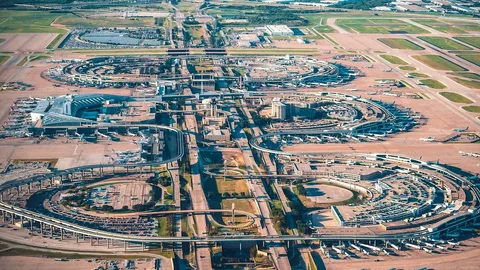
DFW Dallas/Fort Worth International Airport stands among the most important aviation hubs in the United States. Located between Dallas and Fort Worth, Texas, the airport connects millions of passengers with destinations across the country and around the world. Its advanced infrastructure, extensive flight network, and passenger-focused services make it a preferred choice for business travelers, tourists, families, and international visitors.
The airport provides more than just a place to catch flights. It offers a complete travel experience with modern terminals, convenient transportation, dining options, shopping facilities, and services designed to make journeys smoother. Whether you are visiting Texas for business, exploring the region, or connecting to another destination, DFW provides an efficient gateway for travelers.
Overview of DFW Dallas/Fort Worth International Airport
Opened in 1974, DFW Dallas/Fort Worth International Airport has developed into one of the world’s busiest and most recognized airports. Over the decades, the airport has expanded its operations, improved passenger facilities, and adopted new technologies to support increasing travel demand.
The airport covers a large area and includes multiple terminals designed to handle a high volume of passengers efficiently. Its strategic position between Dallas and Fort Worth allows it to serve a wide range of communities throughout North Texas. This location also strengthens the region’s business activity, tourism growth, and international connections.
DFW operates as a major hub for domestic and international travel. Thousands of passengers use the airport every day for business trips, vacations, family visits, and connecting flights. Its combination of accessibility and global connectivity continues to make it an essential transportation center.
Convenient Location and Accessibility
One of the biggest advantages of DFW Dallas/Fort Worth International Airport is its central location. The airport sits between two major Texas cities, allowing travelers to easily reach downtown areas, corporate centers, hotels, entertainment districts, and tourist attractions.
Multiple transportation options make traveling to and from DFW convenient. Passengers can choose rental cars, taxis, rideshare services, airport shuttles, private vehicles, and other transportation solutions depending on their preferences and travel requirements.
The airport connects with major highways surrounding the Dallas–Fort Worth area, helping travelers reach nearby communities efficiently. This accessibility benefits both local passengers and international visitors who need reliable transportation after arriving in Texas.
Modern Terminals and Passenger Facilities
DFW Dallas/Fort Worth International Airport features five passenger terminals designed to provide a comfortable and efficient travel experience. Each terminal offers essential services that help passengers navigate their journeys with greater convenience.
Travelers can access comfortable seating areas, charging stations, customer assistance desks, free Wi-Fi, and organized boarding facilities throughout the airport. These features help passengers stay connected and comfortable while waiting for flights or transferring between destinations.
The airport also provides a wide selection of restaurants, cafés, retail stores, and duty-free shopping options. Passengers can enjoy meals, purchase travel essentials, or explore shops before departure. These facilities create a more enjoyable airport experience beyond basic transportation services.
Premium Services and Passenger Comfort
For travelers seeking additional comfort, DFW provides premium services and lounge facilities. Airport lounges offer quieter environments where passengers can relax, work, or prepare for upcoming flights away from busy terminal areas.
Business travelers especially benefit from these services because they provide comfortable spaces for productivity between flights. Families and long-distance travelers can also enjoy a more peaceful experience during longer waiting periods.
The airport continues improving its services to meet changing passenger expectations. Investments in technology, accessibility, and customer support help create a smoother experience for travelers with different needs.
Extensive Flight Connections Around the World
A major strength of DFW Dallas/Fort Worth International Airport is its extensive flight network. The airport connects passengers with hundreds of destinations across the United States and international locations throughout Europe, Asia, Latin America, and other regions.
This broad connectivity makes DFW an important choice for travelers who need convenient routes for both short and long-distance journeys. Business professionals benefit from reliable connections, while tourists gain easier access to popular destinations.
The airport’s efficient design also helps passengers move between flights more easily. Clear navigation systems, organized terminals, and available transportation services reduce stress during connections.
Transportation Services at DFW
DFW provides a variety of transportation options to match different travel preferences and budgets. Passengers can select from rental vehicles, taxis, rideshare services, shuttle buses, and private transportation providers.
Rental car facilities allow visitors to explore Dallas, Fort Worth, and surrounding areas independently. Meanwhile, taxis and rideshare services provide quick transportation for passengers who prefer direct travel to hotels, offices, or residential locations.
Many travelers choose professional airport transportation when carrying heavy luggage, traveling with families, or attending business meetings. These services provide convenience, reliability, and a more comfortable experience after a long flight.
Parking Options at DFW Airport
DFW offers multiple parking solutions for passengers and visitors. Short-term parking options work well for quick visits, while long-term parking facilities support travelers leaving their vehicles during extended trips.
The airport provides convenient access between parking areas and terminals, helping passengers save time before departure. Planning parking arrangements in advance can make the overall airport experience more efficient.
Travelers should consider their trip duration and transportation preferences when selecting a parking option. Choosing the right facility helps reduce unnecessary delays and provides greater convenience.

Dining and Shopping Experience
DFW Dallas/Fort Worth International Airport offers an impressive range of dining and shopping choices. Travelers can enjoy local Texas cuisine, international dishes, cafés, quick meals, and premium restaurants throughout the terminals.
Food options allow passengers to relax before flights or enjoy meals during longer connections. Whether someone wants a quick snack or a full dining experience, the airport provides choices for different preferences.
Shopping facilities also enhance the airport experience. Travelers can find electronics, fashion products, gifts, souvenirs, travel accessories, and other essentials. These options allow passengers to complete last-minute purchases before continuing their journey.
Business and Economic Importance
DFW Dallas/Fort Worth International Airport plays a significant role in the economic development of North Texas. The airport supports thousands of jobs and contributes to industries including tourism, trade, transportation, and business services.
Its location within one of the largest metropolitan areas in the United States makes it valuable for companies that require strong global connectivity. Businesses benefit from easier access to national and international markets through the airport’s extensive flight options.
The airport continues investing in expansion, technology, and infrastructure improvements. These developments help DFW meet future travel demands while maintaining its position as a leading aviation center.
Tips for a Smooth DFW Airport Experience
Travelers can improve their airport experience by preparing before arriving at DFW. Checking flight details, confirming terminal information, and allowing enough time for security procedures can reduce unnecessary stress.
Using online check-in and mobile boarding passes can save time during busy travel periods. Passengers should also review airport maps to understand terminal locations, transportation options, and available services.
Arriving early is especially important during holidays, peak travel seasons, or international departures. Proper planning allows passengers to enjoy airport facilities instead of rushing through essential travel steps.
Why Choose DFW Dallas/Fort Worth International Airport?
DFW Dallas/Fort Worth International Airport combines convenience, technology, connectivity, and passenger-focused services to create a strong travel experience. Its central location, modern terminals, extensive flight options, and reliable transportation services make it one of the most recognized airports worldwide.
The airport continues adapting to the needs of modern travelers by improving facilities and introducing better services. From business trips to family vacations, DFW provides a dependable connection between Texas and destinations around the globe.
Conclusion
DFW Dallas represents the future of modern air travel through its combination of efficiency, accessibility, and world-class facilities. The airport serves as a major gateway for millions of passengers while supporting economic growth and international connections throughout the region.
With advanced terminals, convenient transportation, diverse dining options, and an extensive flight network, DFW Dallas/Fort Worth International Airport continues to provide a reliable travel experience. Whether you are arriving in Texas, departing for another destination, or connecting internationally, DFW remains a leading airport choice for travelers worldwide.
Author



Cylinder Volume: The Complete Guide to Calculating Volume Accurately

Best Bourbon Tours in Kentucky: Choosing the Right Tour for You

Cabinet Shop Drawings for Precise Fabrication and Installation

Auto Repair Digital Marketing: Grow Your Automotive Business Online

Residential Drafting Services for Remodeling and Renovation Plans

Raised Bed Soil Calculator: How Much Soil Do You Really Need?

3 Best Rhude Hoodies for UK Style 2026

Revit Drafting Solutions for Accurate BIM Projects

How to Find Mobile App Developers in Dubai for Android & iOS Apps

How Do IDA Jacket Designs Balance Function, Comfort, and Style?

Cybersecurity Consulting Company SequelNet Provides Critical IT Support Services to Medical Billing Firm, Medical Optimum

Meet the Megalodon: The Shark Star of ‘Meg 2’

Reduce Video Game Lag: Level Up Your Gaming Performance

Balancing India’s Entertainment: Cricket vs. Bollywood

Jetsetter’s Secrets: Unveiling Our Favorite Travel Hacks for a Seamless Adventure

The 5 Best Live Sports Streaming Sites: Legal and Exciting!

Hollywood Labor Unrest: The Impact of ‘What About Us?’ Strikes

Unveiling the Magic of Dream Fulfillment at the Late NBA Draft

Illuminate Your Skin: Dr. Axe Unveils Natural Remedies for Lightening Knees and Elbows

Bright Choices: Navigating the Pros and Cons of Skin Whitening Creams with Dr. Axe
-

 Business3 years ago
Cybersecurity Consulting Company SequelNet Provides Critical IT Support Services to Medical Billing Firm, Medical Optimum
-
Entertainment3 years ago
Meet the Megalodon: The Shark Star of ‘Meg 2’
-
Entertainment3 years ago
Reduce Video Game Lag: Level Up Your Gaming Performance
-
 Sports3 years ago
Balancing India’s Entertainment: Cricket vs. Bollywood
-
Entertainment3 years ago
Jetsetter’s Secrets: Unveiling Our Favorite Travel Hacks for a Seamless Adventure
-
Productivity3 years ago
The 5 Best Live Sports Streaming Sites: Legal and Exciting!
-
Art /Entertainment3 years ago
Hollywood Labor Unrest: The Impact of ‘What About Us?’ Strikes
-
Sports3 years ago
Unveiling the Magic of Dream Fulfillment at the Late NBA Draft






