
Business industrial
Global Plastics Market Overview and Key Trends 2025

By

Reviewed
By Lucy Hall

Introduction
Plastics are a huge part of our everyday lives. From water bottles and packaging to car parts and electronics, plastics are everywhere. But have you ever wondered how big the plastics market really is? The global plastics market is one of the largest and fastest-growing industries in the world. It plays a key role in packaging, construction, automotive, healthcare, electronics, and many other sectors. In this article, we’ll take a close look at the plastics market, explore its major trends, challenges, and opportunities, and see where it is headed in the coming years.
What Is the Plastics Market?
The plastics market includes the production, distribution, and use of plastic materials across industries. Plastics are made from synthetic or semi-synthetic materials and are known for being lightweight, strong, and easy to shape. There are many types of plastics, each with different uses. Some common ones include:
- Polyethylene (PE): Used in packaging and plastic bags
- Polypropylene (PP): Found in food containers and car parts
- Polyvinyl Chloride (PVC): Used in pipes and window frames
- Polystyrene (PS): Found in disposable cups and insulation
- Polyethylene Terephthalate (PET): Used in bottles and textiles
The plastics market covers all these materials and the industries that use them.
Size and Growth of the Plastics Market
The global plastics market is massive and continues to grow. It is expected to reach hundreds of billions of dollars in value over the next few years. The growth is driven by rising demand in industries like packaging, automotive, healthcare, electronics, and construction. Emerging economies such as India, China, and Brazil are also playing a big role in market expansion due to urbanization, population growth, and industrial development.
Some key facts about market growth:
- Packaging remains the largest segment using plastics
- Automotive and electronics are fast-growing sectors
- Asia-Pacific leads the global plastics market in production and demand
- Recycled plastics and bioplastics are gaining importance
Major Industries Using Plastics
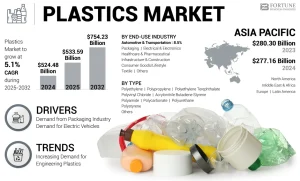
Image by: Yandex.com
1. Packaging
Packaging is the biggest use of plastics. Flexible and rigid plastic packaging is used for food, drinks, personal care, and many other consumer goods. Plastics help keep products fresh, reduce damage during transport, and lower costs due to their light weight.
2. Automotive
Plastics are widely used in car manufacturing because they are lighter than metals. Lighter cars are more fuel-efficient, which is good for the environment and cost-saving. Plastics are used in dashboards, seats, bumpers, and even under-the-hood parts.

3. Construction
In construction, plastics are used in pipes, window frames, flooring, roofing, insulation, and more. PVC is one of the most popular materials here. Plastics offer durability, resistance to corrosion, and ease of installation.
4. Healthcare
Plastics play a big role in the healthcare sector. They are used in syringes, IV bags, tubing, medical devices, and packaging for medicines. These materials must meet high safety and hygiene standards.
5. Electronics
The electronics industry uses plastics for wires, cables, phone casings, and computer components. Plastics are excellent insulators and can be shaped into many forms.
Trends Shaping the Plastics Market
1. Growing Demand for Sustainable Plastics
As more people become aware of environmental issues, there is growing pressure on the industry to reduce plastic waste. This is pushing the demand for biodegradable plastics, recycled materials, and eco-friendly packaging.
2. Focus on Recycling and Circular Economy
Governments and companies are working to increase recycling rates and reduce the use of single-use plastics. A circular economy means plastics are reused and recycled instead of thrown away. This shift is creating new business models and technologies.
3. Innovation in Plastic Materials
There is ongoing research into making plastics stronger, lighter, and more heat-resistant. New materials are also being created to meet specific industry needs, such as medical-grade or food-safe plastics.
4. Digital Technologies in Manufacturing
Digital tools like automation, AI, and data analytics are helping plastic manufacturers improve efficiency and reduce waste. These technologies also help with quality control and faster production.
Challenges Facing the Plastics Market
Despite strong growth, the plastics industry also faces several challenges.
1. Environmental Concerns
Plastic pollution is a global issue. Oceans and landfills are filling up with plastic waste, harming wildlife and ecosystems. This has led to bans on single-use plastics and stricter regulations in many countries.
2. Rising Raw Material Costs
Most plastics are made from petrochemicals, which are derived from oil and gas. When oil prices rise, so do the costs of producing plastic. This affects pricing and profit margins for manufacturers.
3. Regulatory Pressures
Governments are enforcing more rules on plastic use, especially for single-use items and packaging. Businesses must keep up with these rules and adapt their products to comply.
4. Public Opinion
More consumers are choosing products with less plastic packaging or looking for eco-friendly alternatives. Companies need to meet these expectations or risk losing customers.
Future Outlook for the Plastics Market
The future of the plastics market will be shaped by innovation, sustainability, and smarter production. While plastic demand will continue to grow, especially in developing countries, there will be more focus on recycling, reuse, and environmentally safe solutions.
Key points about the future:
- Bioplastics and plant-based plastics will grow in demand
- Recycled plastics will become more widely used
- Technology will make production faster and cleaner
- Companies that invest in green practices will lead the market
- Education and awareness will change how we use plastics
Even though challenges exist, the market is full of opportunities for growth and change. The companies that adapt to new trends will thrive.
Conclusion
The plastics market is a major part of the global economy and touches nearly every part of our lives. From packaging and healthcare to cars and electronics, plastics are essential materials. The market is growing fast, driven by demand from many industries and rising innovation. But it also faces serious challenges, especially around the environment and regulations. The future of the plastics market depends on how companies, governments, and consumers work together to find better and more sustainable solutions. With smart changes and new ideas, plastics can continue to play a useful role while also protecting our planet.
To view more details on this report, click on the link: https://www.rootsanalysis.com/plastics-market
Contact:
Roots Analysis Sales@rootsanalysis.com
Author



If you live in Merthyr Tydfil, you already know how important it is to keep your home warm and energy-efficient, especially during colder months. Rising energy prices and unpredictable weather conditions make it essential to find long-term solutions that improve comfort while reducing costs. One of the most effective ways to achieve this is by hiring professional wall insulation installers Merthyr. Proper wall insulation not only keeps your home warm but also enhances energy efficiency, reduces noise, and increases property value.
What is Wall Insulation?
Wall insulation is a method of adding insulating materials to your home’s walls to reduce heat transfer. Without insulation, a large portion of your home’s heat escapes through the walls, forcing your heating system to work harder. By installing insulation, you create a barrier that retains heat inside during winter and keeps excess heat out during summer.
There are different types of wall insulation, and choosing the right one depends on your property type, budget, and specific needs.
Why Wall Insulation is Important in Merthyr
Homes in Merthyr, especially older properties, often lack proper insulation. This leads to significant heat loss and higher energy bills. Wall insulation addresses these issues by improving thermal efficiency and maintaining a consistent indoor temperature.
In many cases, up to 35% of heat loss in a home occurs through uninsulated walls. This means that investing in insulation can make a noticeable difference in both comfort and cost savings.

Types of Wall Insulation
Cavity Wall Insulation
Cavity wall insulation is suitable for homes built with a gap between two layers of brick. Insulating material such as mineral wool, foam, or polystyrene beads is injected into the cavity. This is one of the most cost-effective and widely used insulation methods.
Solid Wall Insulation
Older homes often have solid walls without a cavity. These walls can be insulated either internally or externally.
- Internal insulation involves adding insulation boards or stud walls inside your home.
- External insulation involves applying insulation material to the outside walls and covering it with a protective render or cladding.
External Wall Insulation
External insulation not only improves thermal performance but also enhances the appearance of your property. It provides an additional layer of protection against weather conditions.
Internal Wall Insulation
This method is ideal for homeowners who want to preserve the exterior look of their property. It is often quicker to install but may slightly reduce room space.
Benefits of Hiring Professional Wall Insulation Installers
Choosing experienced wall insulation installers Merthyr ensures that the job is done correctly and efficiently. Here are some key benefits:
Expert Assessment
Professional installers evaluate your property to determine the most suitable insulation type. They consider factors such as wall structure, moisture levels, and ventilation.
High-Quality Installation
Proper installation is crucial for achieving maximum efficiency. Professionals ensure there are no gaps or weak points that could reduce performance.
Compliance with Regulations
Certified installers follow building regulations and safety standards, ensuring your home meets legal requirements.
Long-Term Durability
Professional installation guarantees that your insulation will last for decades with minimal maintenance.
The Installation Process
Understanding the installation process can help you prepare for the project. Here’s what typically happens:
- Initial Survey – Installers assess your home and recommend the best insulation solution.
- Preparation – Walls are prepared, and any necessary repairs are completed.
- Installation – Insulation material is applied or injected into the walls.
- Finishing – Holes are sealed, and surfaces are restored.
- Final Inspection – The work is checked to ensure quality and compliance.
The process is usually completed within a few days, depending on the size of your property and the type of insulation used.
Cost of Wall Insulation in Merthyr
The cost of hiring wall insulation installers Merthyr varies based on several factors:
- Type of insulation
- Property size
- Wall condition
- Labor costs
While the initial investment may seem high, the long-term savings on energy bills often outweigh the cost. Additionally, some homeowners may qualify for government grants or incentives, reducing the overall expense.
Energy Efficiency and Savings
- Lower monthly energy bills
- Reduced reliance on heating systems
- Increased sustainability
Over time, these savings can be substantial, making insulation a smart financial decision.
Environmental Benefits
Wall insulation also plays a significant role in reducing your carbon footprint. By using less energy, you contribute to lower greenhouse gas emissions. This makes your home more environmentally friendly and aligns with modern sustainability goals.
Common Problems Without Wall Insulation
Homes without proper insulation often face several issues:
High Energy Bills
Heat loss forces heating systems to work harder, increasing costs.
Cold and Drafty Rooms
Uneven temperatures make living spaces uncomfortable.
Damp and Mold
Poor insulation can lead to condensation, causing dampness and mold growth.
Noise Pollution
Uninsulated walls allow external noise to enter your home.
Installing wall insulation helps eliminate these problems, creating a healthier and more comfortable environment.
Maintenance and Longevity
Wall insulation requires minimal maintenance, but periodic checks are recommended. Here are some tips:
- Inspect walls for signs of damp or damage
- Ensure proper ventilation to prevent moisture buildup
- Address any issues promptly to maintain efficiency
High-quality insulation can last 25–40 years or more, making it a long-term investment.
How to Choose the Right Installer
Selecting the right wall insulation installers Merthyr is crucial for achieving the best results. Consider the following factors:
Experience and Expertise
Choose installers with a proven track record and extensive experience.
Certifications
Ensure they are certified and comply with industry standards.
Customer Reviews
Check reviews and testimonials to gauge reliability and quality.
Warranty and Aftercare
A good installer offers warranties and ongoing support.
Taking the time to choose the right professionals ensures a smooth and successful project.
Tips for Maximizing Insulation Efficiency
To get the most out of your wall insulation:
- Combine it with loft and floor insulation
- Seal gaps around windows and doors
- Maintain proper ventilation
- Use energy-efficient heating systems
These steps enhance overall energy performance and comfort.
Conclusion
Investing in wall insulation installers Merthyr is one of the most effective ways to improve your home’s comfort, energy efficiency, and value. With professional installation, you can significantly reduce heat loss, lower energy bills, and create a more sustainable living environment.
Whether you own a modern property or an older home, wall insulation offers long-term benefits that make it a worthwhile investment. By choosing experienced installers and high-quality materials, you can enjoy a warmer, quieter, and more efficient home for years to come.
Author



By being infinitely durable, giving freshness never before attained, and providing customization, custom Mylar vacuum seal bags become the new face of modern packaging. They can be applied in businesses and residential places to protect items against moisture, air, and contaminants.
With the changing needs of the consumer, packaging cannot be merely a container, but must be practical and appealing. Such requirements are met by these bags having high-grade barrier properties and design flexibility. They offer an efficient and affordable alternative to preserving goods and improving brand identity. They are very compatible with different industries, hence providing the same performance and protection.
Superior Barrier Strength
The content will be protected from any external factors, which will be ensured by a highly developed material building. Different layers work in harmony with one another to protect against the exposures of oxygen, moisture, and light. This design would play a significant role in the shelf life of products and quality preservation. Companies gain in terms of decreased spoilage and enhanced customer satisfaction. It is also durable so as to avoid punctures or leaks in storage or transportation. They are extremely trustworthy compostable vacuum seal bags UK and are, therefore, used in various industries. They can remain in difficult situations and work.

Food Safety Benefits
A lot of focus is given to the purity and freshness of the consumption products. These bags have an airtight cover, which maintains flavors and nutrients. In case of adequate sealing, with time, minimal growth and contamination of bacteria can be avoided. They can be widely used in vacuum seal bags for food solutions due to their high performance. The results queryingly do not vary with dry storage or storage of perishable goods. They are made in a manner that their products maintain their original taste and texture. Consumers have confidence in this level of safety.
Custom Branding Options
Packaging is crucial to affect buying decisions. The business will be in a position to establish logos, colors, and product information clearly with the help of custom printing. Good graphics increase shelf and brand image. The bags can be customized to fit a particular marketing goal. Unique designs are one of the ways in which products may be differentiated in the competitive markets. Companies are able to develop an impressive and affordable pitch. This differentiation will be a huge addition to bare storage.
Versatile Storage Uses
Flexible packaging systems can be used in activities of different industries. These bags can be used in shops and homesteads. A lot of individuals use vacuum seal bags to store and pack food to keep the kitchen items in order and last longer. They also have the best storage capacity for electronics, documents, and other sensitive materials. These bags are versatile, hence can be used as an efficient investment to use in a variety of applications. They are small in size, thus occupying less space and enhancing organization. The ability to increase convenience.
Eco-Friendly Choices
The manufacturers even package the vacuum bags in compostable bags with an aim of minimizing environmental impacts because they are the ones selling them. These choices strike a balance between performance and being environmentally friendly. The companies are able to align their packaging and sustainability goals. Consumers are favoring items that are based on responsible decisions. Compostable vacuum seal bags UK are some of the alternatives in response to the environmental needs of the area. This transformation can help brands to develop a positive image and reputation.
Compact Size Benefits
Storage requirements are generally variable in terms of types and quantities of products. Smaller sizes are also available, providing the convenience without protection. A significant portion of the users like the little portion-sized vacuum seal bags due to their easy handling.
Bedding Storage Solutions
When storing household products, they will require good security. The bags are also used as printed Mylar bags to pack bedding so as to save space and prevent damage. De aeration aids in compressing voluminous products, thus making storage easier. It offers durability in usability as it prevents dust, water vapor, and pests. These are solutions that will simplify seasonal storage. They help to maintain cleanliness and freshness in the long term. This application points out their flexibility, other than the packaging of food.
Cost-Effective Packaging
They are long-lasting solutions to this problem and incur no excessive spending. Their ability to extend the shelf life of the products reduces losses. Bulk production and customization give better prices. Firms are able to save on packaging costs without compromising the quality. The immediate returns to the expenditure are in the long term. This qualifies them to be a smart choice for small and large operations.
Conclusion
Custom Mylar vacuum seal bags are a universal packaging solution that is tough, durable, and can be branded. They are fundamental in the modern markets since they can reduce the degradation of products, improve shelf life, and improve packaging. A competitive advantage to business is provided through the use of packaging, which depicts quality and reliability. These bags apply to any type of food needs in terms of maintenance, food preservation, and sustainability. It is guaranteed to achieve long-term success and customer contentment by investing in a suitable packaging solution. At the same time, Custom Mylar Vacuum Seal Bags will always be synonymous in their performance; thus, they will be a valuable investment in any application.
Author


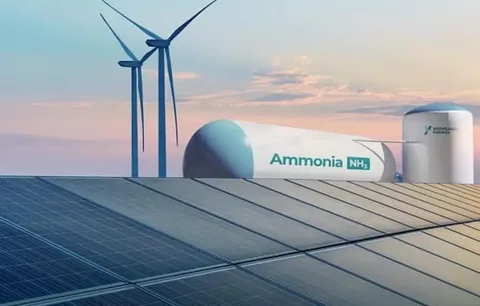
The global green ammonia market is currently experiencing an unprecedented surge, with its valuation estimated at $701 million in 2024. Projections suggest a meteoric rise, with a Compound Annual Growth Rate (CAGR) of over 72% through 2032. This growth is not merely a trend; it represents a fundamental shift in how heavy industries—from shipping to fertilizer manufacturing—view their energy and feedstock requirements.
The shift is driven by a global mandate to decarbonize. As nations race toward “Net Zero” targets, green ammonia offers a versatile solution: it acts as both a carbon-free fertilizer and a potent energy carrier.
Technical Foundations: The Electrolyze Advantage
The heart of green ammonia production lies in the electrolysis technology used to generate hydrogen. The market currently segments into three primary technologies, each offering distinct advantages for different scales of operation.
1. Alkaline Water Electrolysis (AWE)
Alkaline electrolysis currently dominates the market share due to its maturity and cost-effectiveness. It utilizes non-precious catalysts like nickel, making it the go-to choice for large-scale industrial projects. In 2026, we see massive facilities—particularly in India and the MENA region—opting for pressurized alkaline systems to achieve the gigawatt-scale production required for global export.
2. Polymer Electrolyte Membrane (PEM)
While more expensive due to its use of precious metals like platinum and iridium, PEM technology is gaining ground. Its primary strength is its dynamic response time. Unlike alkaline systems, PEM can fluctuate its power consumption in sub-seconds, making it the perfect partner for variable renewable sources like wind and solar.
3. Solid Oxide Electrolyze Cell (SOEC)
SOEC is the “frontier” technology of 2026. By operating at high temperatures, it achieves superior electrical efficiency. Industries that produce waste heat, such as steel or glass manufacturing, are increasingly looking at SOEC to integrate hydrogen production directly into their thermal cycles.
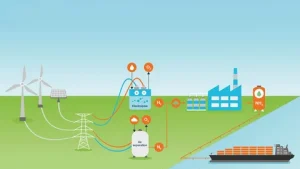
Geographical Powerhouses: Mapping Global Production
The green ammonia landscape is not uniform; different regions are leveraging their natural resources to become “Green Industrial Superclusters.”
-
North America: Driven by the Inflation Reduction Act (IRA), the U.S. is rapidly scaling its domestic production. The focus here is on agricultural self-sufficiency and creating a stable supply for the massive domestic corn and cereal sectors.
-
Europe: As the current revenue leader, Europe’s growth is fueled by stringent carbon taxes and the “Fit for 55” legislative package. Nations like Germany and the Netherlands are positioning themselves as primary importers, establishing “Green Corridors” for ammonia shipping.
-
Asia-Pacific: This region is set to be the fastest-growing market. Countries like India have introduced aggressive “Green Hydrogen and Ammonia Policies,” aiming to produce 5 million tones per annum (MTPA) by 2030.
-
MENA (Middle East and North Africa): With abundant sun and wind, regions like Oman, Saudi Arabia, and Egypt are building some of the world’s largest export-oriented ammonia plants, targeting the European and Asian markets.
Key Industry Players and Competitive Strategy
The competitive hierarchy is a mix of traditional chemical giants and agile energy newcomers. Companies such as ACME Group, Fortescue Future Industries (FFI), Greenko, and Fertiglobe are no longer just planning; they are executing long-term offtake agreements.
Strategic moves in 2026 often involve Vertical Integration. Major players are securing their own renewable energy assets (solar and wind farms) to insulate their production costs from volatile grid prices. Furthermore, collaborations between technology providers and EPC (Engineering, Procurement, and Construction) contractors are streamlining the delivery of these complex, gigawatt-scale facilities.
The Strategic Shift in End-Use Industries
While agriculture has traditionally consumed about 80% of the world’s ammonia, new application areas are poised to disrupt the market.
Maritime and Shipping Fuel
Ammonia is emerging as the leading candidate for decarbonizing the maritime sector. It possesses a higher energy density than liquid hydrogen and is easier to store than LNG. By 2032, a significant portion of the global merchant fleet is expected to transition to dual-fuel engines capable of burning green ammonia, effectively turning the shipping industry into a major off taker.
Industrial Feedstock and Power Generation
Beyond fertilizers, green ammonia serves as a critical feedstock for nylon, explosives, and plastics. In power generation, countries like Japan are pioneering the “co-firing” of ammonia with coal in traditional thermal plants to reduce emissions without retiring existing infrastructure prematurely.
Overcoming Market Challenges
Despite the optimistic CAGR, the industry faces significant hurdles.
-
High CAPEX: The initial investment for greenfield projects is immense. Transitioning existing “grey” ammonia plants to “green” requires significant retrofitting.
-
Intermittency: Managing a continuous chemical process like the Haber-Bosch loop with intermittent solar or wind power requires advanced energy management systems and hydrogen buffer storage.
-
Infrastructure: Global trade requires specialized cryogenic tanks and marine loading facilities that do not yet exist at the required scale.
Research Objectives and Future Outlook
The primary objective of market leaders today is Bankability. To secure the billions needed for these projects, developers must prove long-term viability through:
-
Standardizing production modules to reduce costs.
-
Securing 10-to-20-year offtake agreements with reliable partners.
-
Navigating the complex regulatory environment of “Green Certification” to ensure their product fetches a premium price.
Conclusion: A Foundation for the Future
The Green Ammonia Market is more than an industrial niche; it is a foundation for a sustainable planet. By 2032, the market is projected to reach values between $45 billion and $65 billion, depending on the speed of technological adoption.
As we look toward the end of this decade, green ammonia stands as a testament to human innovation. It proves that we can feed the world and power our ships without sacrificing the environment. For investors, policymakers, and industry leaders, the message is clear: the future of ammonia is green, and the time to integrate into this ecosystem is now.
Author



Pink Spider Hoodie: Bold Streetwear Style & Comfort

Hair Transplant in Islamabad: Cost, Procedure & Results

The Kooples T-Shirts & Sweatshirts Review: Paris Style

Vale Clothing Clean Look: Minimalist Fashion for Modern Style

Chrome Hearts Glasses Review: Style, Comfort & Daily Wear

Essentials Tracksuit UK Guide: Fits, Styles, Sizing & Buying Tips

Emergency Towing Guide: Star City Towing & Roadside Help Tips

Brand New Apartments in Blackburn VIC 3130: Modern Living

Kitchen Cabinets Guide: Style, Functionality & Expert Tips

Annual Wellness Visits in Seaford: Medicare Preventive Care Guide

Cybersecurity Consulting Company SequelNet Provides Critical IT Support Services to Medical Billing Firm, Medical Optimum

Team Communication Software Transforms Operations at Finance Innovate

Project Management Tool Transforms Long Island Business

How Alleviate Poverty Utilized IPPBX’s All-in-One Solution to Transform Lives in New York City

Breast Cancer: The Imperative Role of Mammograms in Screening and Early Detection

Unstoppable Collaboration: D.C.’s Citi Open and Silicon Valley Classic Unite to Propel Women’s Tennis to New Heights

Embracing Renewal: Sizdabedar Celebrations Unite Iranians in New York’s Eisenhower Park

The Benefits of Starting a Side Hustle for Financial Freedom

New Blood Donation Screening Questions What You Need to Know

Stylishly Timeless: The 5 Types of Sandals You Need in Your Closet
-

 Business3 years ago
Cybersecurity Consulting Company SequelNet Provides Critical IT Support Services to Medical Billing Firm, Medical Optimum
-
Business3 years ago
Team Communication Software Transforms Operations at Finance Innovate
-
Business3 years ago
Project Management Tool Transforms Long Island Business
-
Business3 years ago
How Alleviate Poverty Utilized IPPBX’s All-in-One Solution to Transform Lives in New York City
-
health3 years ago
Breast Cancer: The Imperative Role of Mammograms in Screening and Early Detection
-
Sports3 years ago
Unstoppable Collaboration: D.C.’s Citi Open and Silicon Valley Classic Unite to Propel Women’s Tennis to New Heights
-
Art /Entertainment3 years ago
Embracing Renewal: Sizdabedar Celebrations Unite Iranians in New York’s Eisenhower Park
-
Finance3 years ago
The Benefits of Starting a Side Hustle for Financial Freedom







