
Technology
Vista’s $6B Private Credit Bid: A Game-Changer for Finastra?


In a move that has surprised many in the financial services industry, Vista Equity Partners recently made a $6 billion bid for Finastra, a global fintech company that provides software solutions to banks, credit unions, and other financial institutions. The private equity firm’s offer could change the landscape of the private credit market and position Finastra as a major player in the space.
Finastra, which was formed in 2017 through the merger of Misys and D+H, offers a wide range of financial software solutions, including core banking, payments, lending, and treasury management. The London-based company serves more than 9,000 customers in over 130 countries and has a strong presence in North America, Europe, and Asia-Pacific.
Vista Equity Partners, which was founded in 2000 by billionaire investor Robert F. Smith, has a portfolio of more than 60 software and technology companies, including Solera Holdings, Marketo, and Ping Identity. The firm’s bid for Finastra comes as private credit has become increasingly popular among investors seeking higher yields in a low-interest-rate environment.
Private credit refers to loans made to companies by non-bank lenders, such as private equity firms, hedge funds, and other alternative investment managers. These loans can offer higher yields than traditional fixed-income investments, but they also come with higher risks, as the borrowers are often smaller and less established companies.
The private credit market has grown rapidly in recent years, with assets under management (AUM) reaching $814 billion at the end of 2020, up from $152 billion in 2009, according to data from Preqin. The pandemic has also fueled demand for private credit, as banks have become more cautious about lending and many smaller businesses have struggled to access traditional financing.

Vista’s bid for Finastra could signal a new era for private credit, as the private equity firm looks to expand its presence in the market and capitalize on the growing demand for alternative credit. Finastra’s software solutions could also provide Vista with valuable data and insights into the creditworthiness of borrowers, which could help the firm make better investment decisions.
However, some analysts have raised concerns about the potential risks of private credit, particularly in the event of an economic downturn. Private credit lenders are typically less regulated than banks and may not have the same risk-management systems in place. As a result, investors may face greater losses if borrowers default on their loans.
In addition, Finastra’s software solutions are not specifically designed for private credit, which could make it challenging for Vista to integrate the company into its portfolio. Finastra may also face stiff competition from other fintech companies that offer similar solutions.
Despite these concerns, Vista’s bid for Finastra has generated significant interest among investors and could pave the way for more private equity firms to enter the private credit market. If successful, the deal could also position Finastra as a major player in the industry and provide the company with access to new sources of capital.
The private credit market is likely to continue to grow in the coming years, as investors seek higher yields and alternative sources of financing become more widely available. Whether Vista’s bid for Finastra will be a game-changer for the industry remains to be seen, but it is clear that the private credit market is set to play an increasingly important role in the world of finance.
Author


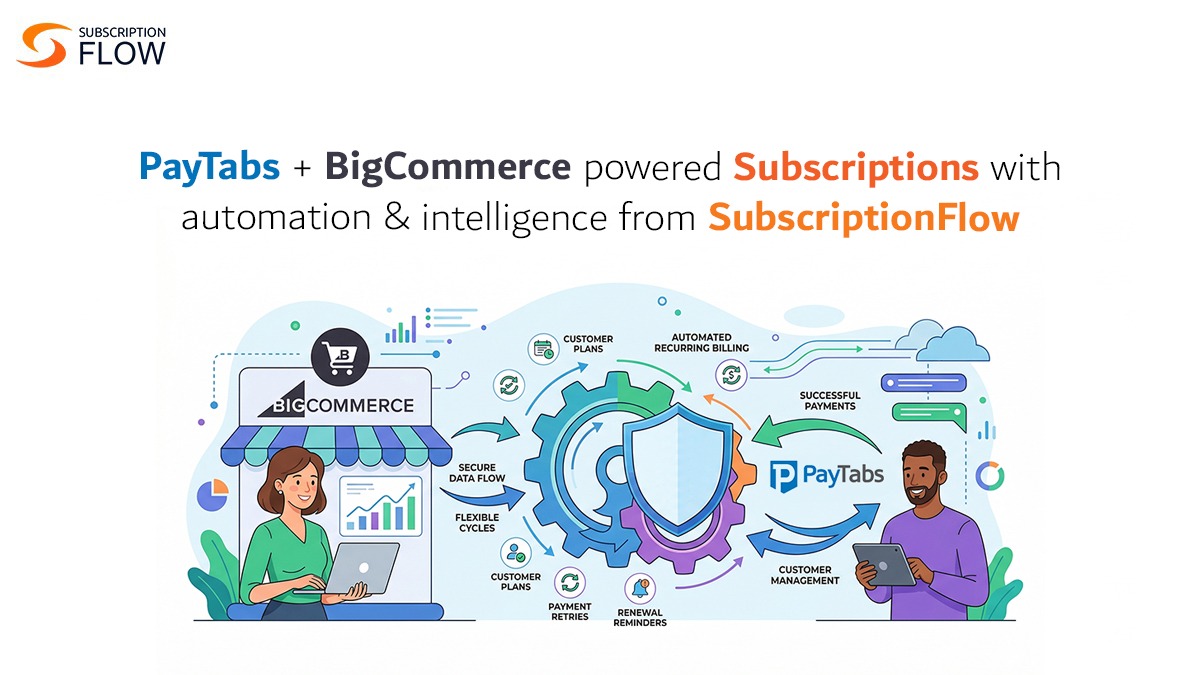
Businesses increasingly rely on subscription models to create predictable revenue and long-term customer relationships. While PayTabs and BigCommerce together provide a powerful setup for e-commerce transactions, they lack built-in capabilities for recurring billing and subscription lifecycle management. By adding Subscription Flow as a dedicated subscription management layer, businesses can automate billing, manage subscription lifecycles, recover failed payments, and gain deeper insights into recurring revenue metrics. This integration enables companies to transform their traditional e-commerce operations into scalable subscription-based business models.
The Rise of Subscription-Based Business Models
In today’s competitive digital marketplace, businesses are constantly exploring models that offer stable revenue streams while strengthening customer engagement. Subscription-based models have rapidly grown in popularity over the past decade because they allow companies to deliver ongoing value instead of relying solely on one-time purchases. By maintaining continuous relationships with customers, businesses can encourage loyalty, improve retention, and generate predictable recurring revenue. However, implementing such models requires systems capable of handling recurring billing, customer lifecycle management, and subscription analytics.

PayTabs and BigCommerce: A Strong Foundation for E-Commerce
For many businesses, the combination of PayTabs and BigCommerce creates a powerful foundation for online selling. BigCommerce provides a reliable storefront with strong product management, customer engagement features, and a seamless checkout experience. PayTabs complements this by acting as a secure payment gateway that processes international transactions across multiple payment methods. Together, these platforms support smooth retail operations and enable businesses to manage online sales efficiently.
Limitations of PayTabs and BigCommerce for Subscription Billing
Although PayTabs and BigCommerce work exceptionally well for standard e-commerce transactions, their functionality is primarily designed for one-time payments. Businesses that want to adopt subscription models quickly encounter operational challenges. There is no native recurring billing mechanism, which means companies often rely on manual processes or complicated workarounds. Additionally, managing subscription upgrades, downgrades, pauses, or cancellations becomes difficult without dedicated subscription management tools.
Operational Challenges for Subscription Businesses
Subscription-driven companies must manage much more than simple transactions. They need flexible systems that support customer lifecycle events, automated invoicing, and payment recovery mechanisms. Without automated retry logic—often referred to as dunning management—failed payments can lead to unnecessary revenue loss. Furthermore, traditional e-commerce analytics do not provide the insights required for subscription businesses, such as monthly recurring revenue (MRR), churn rate, and customer lifetime value.
Why Subscription Businesses Need Advanced Management Tools
Unlike traditional retail models, subscription businesses operate in a dynamic environment where customer preferences and pricing structures frequently change. Companies often offer multiple subscription tiers, trials, bundled services, and personalized pricing. In addition, customers expect transparent billing, easy subscription management, and flexible upgrade or cancellation options. Meeting these expectations requires automation, real-time analytics, and scalable billing infrastructure that can grow alongside the business.
How SubscriptionFlow Bridges the Gap
To overcome the limitations of PayTabs and BigCommerce, businesses can implement a dedicated subscription management platform such as SubscriptionFlow. Instead of replacing existing systems, SubscriptionFlow acts as a subscription layer that integrates with both platforms. It automates recurring billing schedules, manages subscription plans, handles lifecycle changes, and provides comprehensive reporting tools. By introducing this layer, companies can seamlessly transform their traditional e-commerce setup into a fully operational subscription environment.
Key Capabilities of SubscriptionFlow
SubscriptionFlow offers a range of capabilities specifically designed for subscription-based businesses. It automates recurring billing to ensure that customers are charged accurately and on time. The platform also includes intelligent dunning management, which automatically retries failed payments and notifies customers when transactions fail. Additionally, SubscriptionFlow allows businesses to manage the complete subscription lifecycle, including sign-ups, plan changes, pauses, and cancellations. Advanced analytics provide deeper insights into metrics such as MRR, churn rate, and overall revenue growth.
How SubscriptionFlow Works with PayTabs and BigCommerce
When integrated together, BigCommerce, PayTabs, and SubscriptionFlow form a complete subscription ecosystem. BigCommerce continues to manage the storefront, product listings, and customer interactions. PayTabs processes secure payment transactions and supports multiple payment methods. SubscriptionFlow operates as the subscription engine that controls billing cycles, subscription plans, renewals, and lifecycle events. This integration allows each platform to perform its specialized role while working together to deliver a seamless subscription experience.
Benefits of Integrating SubscriptionFlow
Businesses that add SubscriptionFlow to their PayTabs and BigCommerce environment gain several strategic advantages. Automated billing significantly reduces manual administrative work and minimizes the risk of human error. Subscription management improves customer experience by offering flexibility and transparency. Advanced analytics provide clear visibility into revenue performance, helping businesses identify opportunities for growth. Most importantly, the system is scalable, ensuring that subscription operations remain efficient even as the business expands.
Enabling Recurring Payments with PayTabs and BigCommerce
Setting up recurring payments with PayTabs and BigCommerce becomes straightforward when SubscriptionFlow is integrated. Businesses can begin by configuring their BigCommerce store and enabling PayTabs as the payment gateway. After connecting SubscriptionFlow to this infrastructure, companies can create subscription plans, define billing intervals, and automate invoicing and customer notifications. This setup requires minimal technical complexity while providing powerful automation for subscription management.
Transforming E-Commerce into a Subscription Business
While PayTabs BigCommerce Integration are excellent tools for managing traditional e-commerce transactions, subscription businesses require additional capabilities to manage recurring relationships with customers. By integrating SubscriptionFlow, companies can move beyond one-time payments and build long-term subscriber relationships. With automated billing, lifecycle management, and detailed analytics, businesses can convert occasional buyers into loyal subscribers and create a sustainable revenue model for the future.
Author



In the modern pharmaceutical industry, we have moved past the generic term “heavy metals.” Experts now use the more precise term: elemental impurities. While the name has changed, the stakes have not. These contaminants pose a massive risk to both patient safety and a company’s regulatory standing. As health authorities worldwide tighten their grip on quality control, Pharmaceutical Heavy Metal Testing has transformed from a routine check into a critical requirement for every single stage of a drug’s lifecycle.
This analytical process does more than just tick a box for a regulator. It quantifies trace elements to safeguard public health and ensures that technical development remains robust. Whether you are working in early-stage drug discovery or high-volume manufacturing, a sophisticated testing strategy is your best defense against product failure.
Why Does Heavy Metal Testing Matter?
Pharmaceuticals are complex mixtures. Unfortunately, trace levels of toxic metals like lead (Pb), cadmium (Cd), arsenic (As), and mercury (Hg) can sneak into the final product. They often enter through:
-
Contaminated raw materials or excipients.
-
Catalysts used during chemical synthesis.
-
Leaching from manufacturing equipment.
-
Poorly filtered water systems.
Even at incredibly low concentrations, these metals can accumulate in the human body, leading to severe toxicological issues. From a technical perspective, rigorous testing provides the data needed to select the right materials during formulation and optimize processes to keep contamination at zero. It is the backbone of any successful New Drug Application (NDA) and the key to maintaining batch-to-batch consistency.

Navigating the Regulatory Landscape: ICH Q3D and USP <232>
The days of simple “color-change” tests for metals are over. Today, two major frameworks dictate how the industry handles impurities: ICH Q3D and USP <232>.
The Global Standard: ICH Q3D
The International Council for Harmonisation (ICH) issued the Q3D guideline to create a unified global standard. It moves away from “blanket testing” and instead focuses on a risk-based approach. This means companies must identify potential sources of contamination and evaluate the risks based on the specific drug product and its route of administration.
The Technical Requirement: USP <232>
While ICH Q3D provides the strategy, USP <232> sets the specific limits. It covers 24 different elemental impurities, categorized by their toxicity:
-
Class 1: The most dangerous elements (As, Cd, Hg, Pb) that require control in all circumstances.
-
Class 2A/2B: Elements that are toxic depending on how the drug is administered.
-
Class 3: Elements with lower toxicity but still require monitoring.
Crucially, USP <232> mandates modern instrumental techniques. You can no longer rely on old-school qualitative methods. You need precision.
ICP-MS: The Gold Standard for Analysis
To meet these strict limits, laboratories have turned to ICP-MS (Inductively Coupled Plasma Mass Spectrometry). This is a state-of-the-art technique that offers unparalleled sensitivity. While older methods might miss trace amounts, ICP-MS can detect impurities at the parts-per-billion (ppb) or even parts-per-trillion (ppt) level.
Why is ICP-MS the preferred choice?
-
Speed: It can detect multiple elements in a single, rapid run.
-
Accuracy: It offers high selectivity, even in complex drug formulations.
-
Versatility: It handles everything from raw active pharmaceutical ingredients (APIs) to finished capsules and injectables.
-
Compliance: It generates the robust, auditable data that regulators demand during inspections.
The “Big Four” Contaminants
While 24 elements are listed in the guidelines, four stand out as the most critical targets for testing. Their toxicity profiles are well-documented, and their presence is never acceptable.
-
Lead (Pb): A potent neurotoxin. It is particularly dangerous in injectable drugs that enter the bloodstream directly.
-
Cadmium (Cd): Often introduced through metal alloys in factory machinery, cadmium is linked to kidney and bone damage.
-
Arsenic (As): Naturally occurring in some raw minerals, arsenic is highly toxic and requires constant vigilance.
-
Mercury (Hg): Although less common in modern production, its extreme toxicity makes it a high-priority target if any suspicion of contamination exists.
Using validated ICP-MS protocols to target these specific metals ensures your product remains well within safety thresholds throughout its shelf life.
The Strategic Value of Specialized Platform Services
Managing high-tech elemental analysis in-house is a massive undertaking. It requires expensive equipment, specialized cleanrooms, and expert scientists. Because of this, many pharmaceutical innovators partner with specialized contract testing laboratories.
Outsourcing your heavy metal testing offers several advantages:
-
Expertise: You gain access to teams who live and breathe regulatory compliance.
-
Efficiency: Third-party labs often provide faster turnaround times, which is vital for early-stage development.
-
Consulting: Expert partners can help prepare the complex “submission dossiers” required for global marketing authorization.
-
Flexibility: You can tailor your testing panels based on whether your drug is oral, inhaled, or topical.
Whether you are running a preclinical study or managing a global supply chain, having a trusted analytical partner ensures that your data is bulletproof.
Conclusion: A Foundation for Safer Medicine
In today’s market, pharmaceutical heavy metal testing is not a luxury—it is a mandatory pillar of quality control. By adhering to USP <232> and ICH Q3D, and by utilizing advanced ICP-MS analysis, companies can protect their patients and their reputation.
Focusing on the precise detection of lead, cadmium, arsenic, and mercury allows R&D teams to innovate with confidence. When you control your impurities, you control your product’s future. By integrating these strategies with other essential checks—like stability testing and API-excipient compatibility screening—you build a manufacturing process that is truly world-class.
Is your current testing strategy robust enough to pass a global regulatory audit?
Author


The global landscape for Lithium-Ion Battery Materials is currently undergoing a radical transformation. High technical entry barriers, massive capital requirements, and a rapid shift toward regionalized supply chains now define this competitive environment. As the industry moves toward 2031, we are witnessing a transition from a centralized production model to a fierce race for material sovereignty. Competition no longer revolves solely around production volume. Instead, a firm’s success now depends on its ability to offer high-purity precursors, secure sustainable “green” certifications, and establish localized production within the burgeoning North American and European “Battery Belts.”
According to the latest strategic research, the global market for these critical materials will likely register a staggering Compound Annual Growth Rate (CAGR) of 23% from 2025 to 2031. Currently, a mix of specialized chemical giants and vertically integrated technology firms dominates the market. These players are aggressively “de-risking” their supply chains through strategic joint ventures and long-term offtake agreements to ensure they remain relevant in a rapidly evolving energy economy.
Strategic Player Tiers: Mapping the Competitive Landscape
The Lithium-ion Battery Materials Market features a blend of established chemical leaders and emerging battery technology innovators. We can categorize these participants into three distinct strategic tiers based on their market influence and operational focus.
Tier 1: Global Integrated Leaders
These players set the global standards for battery chemistry. They leverage massive economies of scale and maintain extensive research and development (R&D) portfolios to stay ahead of the curve.
-
Umicore (Belgium): As a premier leader in Cathode Active Materials (CAM), Umicore is aggressively expanding its North American footprint. Their new CAM facility in Ontario, Canada, focuses heavily on high-nickel and manganese-rich chemistries to meet the demands of the next generation of electric vehicles (EVs).
-
BASF SE (Germany): This chemical giant competes through a sophisticated global manufacturing network. They maintain a strong focus on high-performance cathode materials and lead the way in chemical recycling processes.
-
Sumitomo Metal Mining (Japan): This firm acts as a critical supplier of high-nickel cathode materials (NCA). They maintain deep strategic partnerships with industry titans like Tesla and Panasonic, ensuring a steady flow of high-grade materials to the world’s most popular EV platforms.

Tier 2: Regional Powerhouses and Material Refiners
These firms dominate the “mid-stream” processing of raw lithium, nickel, and graphite. They act as the essential bridge between the mines and the cell manufacturers.
-
Albemarle Corporation (USA): Currently the world’s largest lithium producer, Albemarle is rapidly scaling its domestic U.S. refining capacity. Their goal is to meet increasingly strict “Domestic Content” mandates while securing a stable supply of lithium for the American market.
-
POSCO FUTURE M (South Korea): This diversified leader produces both cathode and anode materials. They have made significant investments in the North American supply chain through high-profile joint ventures with General Motors (GM).
-
Asahi Kasei Corporation (Japan): A global leader in separator technology, Asahi Kasei competes on the safety and thermal stability of its ceramic-coated membranes. Their technology is vital for preventing battery fires and ensuring long-term cell reliability.
Tier 3: Specialized Innovators and Recyclers
This tier includes agile startups and technology firms focusing on next-generation chemistries and circular economy solutions.
-
Redwood Materials (USA): Redwood is redefining competition by focusing on “Closed-Loop” recycling. They recover over 95% of critical metals from spent batteries, providing a domestic secondary material source that reduces the need for new mining operations.
-
NanoGraf (USA): As a breakthrough innovator in Silicon Anode materials, NanoGraf aims to disrupt the graphite-dominant anode market by offering significantly higher energy density.
Strategic Competitive Trends (2026–2031)
To maintain a competitive edge in an environment growing at a 23% CAGR, top-tier players are adopting several critical strategic maneuvers.
Vertical Integration and Joint Ventures
Automakers (OEMs) are no longer just customers; they are becoming active partners in the supply chain. Companies like Ford, GM, and Stellantis are forming direct joint ventures with material producers. This integration helps them secure their 2031 production targets and reduces their exposure to market volatility.
The “IRA Compliance” Race
In the United States, competition is heavily influenced by the ability to source and process materials within North America or Free Trade Agreement countries. This regulatory environment has triggered a massive wave of capital deployment in the U.S. and Canada. Firms that cannot meet these compliance standards risk losing significant tax incentives and market share.
Sustainability as a Primary Win-Condition
As the EU and U.S. implement stricter “Battery Passports” and carbon-footprint tracking, sustainability has become a commercial necessity. Firms that can offer certified “Low-Carbon” or “Recycled” materials are now commanding premium pricing. Environmental responsibility is no longer a PR talking point; it is a mechanical requirement for doing business in the modern energy sector.
Top Key Players Driving Market Innovation
Several organizations stand at the forefront of this industrial revolution. Their combined efforts determine the pace of global electrification:
- Umicore
- BASF SE
- Albemarle Corporation
- Sumitomo Metal Mining Co., Ltd.
- POSCO FUTURE M
- Lotte Chemical
- Mitsubishi Chemical Group
- Asahi Kasei Corporation
- Targray
Conclusion: The Strategic Outlook for 2031
By 2031, the competitive landscape of the Lithium-Ion Battery Materials market will be defined by two things: supply chain resilience and technical high-grading. The projected 23% CAGR reflects a global economy that has successfully placed material innovation at the center of its infrastructure. We are moving toward a world where energy storage is as vital as energy generation.
For stakeholders, the most lucrative path involves capturing the “Clean Tech” and “Circular Economy” segments. Investing in domestic refining and closed-loop recycling capabilities is no longer just an ethical choice—it is the only way to ensure long-term profitability. Those who can navigate the complexities of regional regulations while maintaining high technical standards will emerge as the true leaders of the new energy era. The transition to a green future is a marathon, and the race for the materials that power it has only just begun.
Author



PayTabs BigCommerce Integration: Subscription Billing Made Easy

How Architects, MEPs, and Contractors Use AutoCAD Drawing Services

Pharmaceutical Heavy Metal Testing: ICH Q3D, USP <232> & ICP-MS

Top Reasons Adults Choose Hormone Replacement Services in Houston

E-Commerce Websites in Kuwait: Best Online Shopping Platforms

Breast Augmentation Dubai: Guide to Implants, Recovery & Safety

Guide to Buy Cars for Sale in Zimbabwe Under $3000

Chrome Heart Ring: Styling, Craftsmanship & Digital Identity

Chrome Hearts Hats: Trucker Hats, Craftsmanship & Styling

Geelong’s Green Apartment: Solar Power & EV‑Ready Living

Cybersecurity Consulting Company SequelNet Provides Critical IT Support Services to Medical Billing Firm, Medical Optimum

Team Communication Software Transforms Operations at Finance Innovate

Project Management Tool Transforms Long Island Business

How Alleviate Poverty Utilized IPPBX’s All-in-One Solution to Transform Lives in New York City

Breast Cancer: The Imperative Role of Mammograms in Screening and Early Detection

Unstoppable Collaboration: D.C.’s Citi Open and Silicon Valley Classic Unite to Propel Women’s Tennis to New Heights

Embracing Renewal: Sizdabedar Celebrations Unite Iranians in New York’s Eisenhower Park

The Benefits of Starting a Side Hustle for Financial Freedom

New Blood Donation Screening Questions What You Need to Know

Stylishly Timeless: The 5 Types of Sandals You Need in Your Closet
-

 Business3 years ago
Cybersecurity Consulting Company SequelNet Provides Critical IT Support Services to Medical Billing Firm, Medical Optimum
-
Business3 years ago
Team Communication Software Transforms Operations at Finance Innovate
-
Business3 years ago
Project Management Tool Transforms Long Island Business
-
Business3 years ago
How Alleviate Poverty Utilized IPPBX’s All-in-One Solution to Transform Lives in New York City
-
health3 years ago
Breast Cancer: The Imperative Role of Mammograms in Screening and Early Detection
-
Sports3 years ago
Unstoppable Collaboration: D.C.’s Citi Open and Silicon Valley Classic Unite to Propel Women’s Tennis to New Heights
-
Art /Entertainment3 years ago
Embracing Renewal: Sizdabedar Celebrations Unite Iranians in New York’s Eisenhower Park
-
Finance3 years ago
The Benefits of Starting a Side Hustle for Financial Freedom







