
Travel & Hospitality
Expedia Customer Hotel Refund Contact USA: Complete Guide

By

Reviewed
By Mina Oaklyn

Introduction
Travel plans can sometimes change unexpectedly. Flights get delayed, events get canceled, or unforeseen circumstances force travelers to adjust their schedules. In such situations, having a reliable way to get a refund for hotel bookings becomes essential. Expedia, being one of the world’s largest online travel platforms, offers convenient services for booking hotels, flights, and vacation packages. However, many travelers in the USA wonder how to quickly reach Expedia’s customer support for hotel refunds. This guide will provide a complete list of official contact numbers and detailed steps to ensure your refund process is smooth and hassle-free.
Why Contacting Expedia for Hotel Refunds is Important
When you book a hotel through Expedia, the payment is processed through the platform, and your booking is confirmed immediately. In case you need a refund due to cancellations or modifications, contacting customer support is the fastest way to resolve your issue. Here’s why contacting Expedia directly is crucial:
- Quick Resolution: Speaking with a representative can accelerate your refund process.
- Avoid Confusion: Third-party sites or unofficial sources may provide incorrect guidance.
- Clarity on Policies: Expedia’s refund policies vary depending on hotel partners, booking type, and timing. Customer support clarifies these details.
- Tracking Refunds: Support representatives can give updates on the status of your refund.
- Assistance with Special Cases: For complex situations like partially used bookings, late cancellations, or non-refundable rooms, expert help ensures you know all available options.
By having the official contact numbers handy, you can save time and reduce stress while ensuring your refund request is processed accurately.
Official Expedia Customer Hotel Refund Contact Numbers in the USA

Image by: Yandex.com
Expedia provides multiple ways to reach their customer service for hotel refund queries. The most reliable option is to use official phone numbers dedicated to the USA region.
1. Expedia USA Customer Service Number
- Number: 1-800-EXPEDIA (1-800-397-3342)
- Availability: 24/7 support for general inquiries, including hotel refund requests.
2. Dedicated Hotel Refund Support
While the main customer service line handles all queries, Expedia’s representatives are trained to assist specifically with hotel cancellations and refund processes. They can:
- Initiate refund requests for eligible bookings.
- Provide estimated timelines for receiving refunds.
- Verify booking details and resolve discrepancies.
3. Additional Contact Options
- Live Chat: Expedia’s website offers a live chat option to quickly connect with an agent.
- Email Support: For non-urgent cases, emailing support through the Expedia Help Center allows you to document your request.
- Mobile App Support: The Expedia mobile app provides access to customer support and allows refund requests directly from your booking history.
Having multiple contact options ensures travelers can choose the method that suits them best, whether they prefer talking directly over the phone or sending a message online.
Steps to Request a Hotel Refund Through Expedia
If you need a refund for your hotel booking, following the correct steps can make the process smoother and faster:
Step 1: Review the Hotel Cancellation Policy
Before contacting support, check your booking confirmation for the hotel’s cancellation policy. Some bookings may have a full refund window, while others are non-refundable or partially refundable.
Step 2: Log in to Your Expedia Account
Access your account via the website or mobile app. Go to “My Trips” and locate the hotel booking for which you need a refund.

Step 3: Select the Booking and Choose Cancel
Most bookings allow you to cancel directly online. If a refund is available, the system will indicate the amount and processing time.
Step 4: Contact Expedia Customer Support (If Needed)
If the online cancellation does not provide a refund or if you have a special situation, call the official Expedia customer service number for the USA (1-800-EXPEDIA). Provide your booking details and explain your refund request clearly.
Step 5: Confirm Refund Timeline
Expedia representatives will confirm whether your booking is eligible for a refund and provide an estimated timeframe. Refunds are usually credited back to the original payment method within 5-10 business days, but timelines may vary depending on the hotel and bank processing.
Step 6: Track Your Refund
Keep your confirmation email and reference number handy. If the refund does not appear within the promised timeframe, contacting customer support again with the reference number will expedite follow-up.
Common Questions About Expedia Hotel Refunds
Q1. Are All Hotel Bookings Refundable?
Not all bookings are fully refundable. It depends on the hotel’s policy and the type of rate you selected during booking. Standard refundable bookings usually allow cancellations up to 24-48 hours before check-in. Non-refundable bookings may only offer partial refunds or credits.
Q2. How Long Does It Take to Get a Refund?
Refund timelines can vary. Typically, Expedia processes the refund within 5-10 business days, but some banks may take up to 15 days to reflect the amount.
Q3. Can I Get a Refund for Partially Used Stays?
In most cases, partially used stays are non-refundable. However, contacting Expedia customer support may help explore exceptions or hotel credits.
Q4. What Information Do I Need When Contacting Support?
Keep the following details ready when calling or chatting with Expedia support:
- Booking confirmation number
- Hotel name and location
- Dates of stay
- Reason for cancellation
- Payment method used
Providing accurate information helps agents process your request faster and reduces the risk of errors.
Tips for a Smooth Refund Process
- Act Quickly: Contact customer service as soon as you know you need to cancel. Early requests have higher chances of full refunds.
- Use Official Channels: Avoid third-party websites claiming to assist with Expedia refunds; they may be scams.
- Keep Records: Save emails, chat transcripts, and cancellation confirmations.
- Ask for Confirmation: Ensure the agent confirms your refund request and provides a reference number.
- Be Polite but Firm: Clear communication helps in faster processing and fewer misunderstandings.
By following these tips, you can make sure your refund request is processed efficiently and without unnecessary stress.
Why Expedia Customer Support is Reliable in the USA
Expedia has built a reputation for providing reliable and responsive customer service, especially in the USA. Their 24/7 availability ensures travelers can get help anytime, whether it’s a last-minute cancellation or a refund query. Moreover, the support team is trained to handle various situations, including international travelers and complex booking issues. By using the official contact numbers, you can be confident that your requests are handled professionally and securely.
Conclusion
Booking hotels through Expedia offers convenience, but travel plans can change, making refunds necessary. Knowing the official Expedia customer hotel refund contact numbers in the USA ensures you can quickly reach support and resolve issues. Whether you prefer calling, chatting, or using the mobile app, having accurate contact information saves time and reduces stress.
Remember to review hotel policies, act promptly, and provide all necessary details when contacting support. Following these steps helps make the refund process smooth and efficient. With this detailed guide, you are now fully equipped to handle hotel refund requests with confidence and ease.
Author


Queenstown allows travellers a myriad of ways to participate in Gibbston Valley. Pre-booked shared bus services and hop-on-hop-off buses run on a regular basis to various cellar doors and cater to the large number of people who find joy in the social side of a group outing. Shared transport makes sense in many cases: it’s practical, sometimes it’s cheap, and you can enjoy the wine region without having to worry about the car. For others, the share model becomes tedious. The timetable is set, the company is once again random, and the rhythm is dictated by a larger vehicle. When this is the case, the private tour is the way to go.
If that’s what you’re after, QT Chauffeurs and Rentals have got you covered with their Private Gibbston Wine Tour. “It’s a luxe 5-hour journey designed for one special group. Your chauffeur will collect you from your Queenstown accommodation in a luxury vehicle, journey through the Kawarau Gorge and visit 4 wineries – with the freedom to play it by ear as the afternoon goes on, without the worry of being paired with others or leaving one of the wineries early due to timing.”
You may leave at your leisure: “door to door” pickup saves the time and worry of gathering in one spot at a specified time. This keeps the mornings relaxed while members of the party may be staying in various locations and perhaps wish to begin the day at a gentler pace. The spacious interior and the windows add a dimension of comfort and interest to the ride through the gorge that draws it from the realm of passing observation to savouring. The driver’s commentary is available and knowledgeable but unobtrusive; the ride may be filled with conversation, or contained in quiet appreciation, or expanded by the driver’s perceptive remarks about the views.
And that’s all about the flexibility of the winery. It’s the one feature most frequently mentioned in reference to private versus group tours. We can extend a very exciting tasting, shorten a duller one, switch them around to speed things up, slow them down; ensure lunch at Kinross coincides with actual hunger; add, skip, or swap out additional activities such as a trip through the Gibbston Valley wine cave, a reception drink in the vehicle, or a session with a photographer; all of that can be done without affecting anyone else. The only components that will stay fixed are the private driver/guide, the vehicle, the scenic drive, and the four winery visits; everything else is entirely optional.
The tour suits particular occasions and types of groups. Couples frequently prefer this tour for when they want the scenery and the wine, but don’t want to be with others and have a common agenda. Celebrations may prefer the privacy and the opportunity to personalize. Friends journey together: Friends may feel more comfortable with the pace if it is more aligned to their own rather than an average of other travellers. When working with a client, business groups appreciate the discretion and time management without the presence of larger numbers of people.
The distance of Gibbston to Queenstown makes it more manageable to spend time there, an afternoon as opposed to a whole day, however the wine quality and the location make it a worth-while trip. Pinot Noir is the regional standard, with other wine types on offer to demonstrate the full spectrum of the cool climate. Moreover, the benefit of having a local as the driver is that the driver already knows the valley and the current conditions at cellar doors (so there’s no need to do the thinking in advance, and the route can be tailored to what’s good that day).
In fact, it is more expensive than a group tour per seat, because that is a premium product. The vehicle and the driver’s time is not shared, and the itinerary is not designed for a high capacity. People who want the former usually consider the distinction worth paying for, and those who just want to enjoy cheaper room rates to sample multiple wines are more appropriately accommodated by the shared, already existing, group options. The former would rather pay for a private tour.
For travelers that are keen to explore Gibbston but not as keen on the group format, the private version is the obvious substitute. QT Chauffeurs and Rentals will supply the chauffeur, the car, the pickup and the flexible route so the emphasis can be on the wine, the scenery and the companionship rather than on co-ordinating with the other ‘shares’. The valley is local and the wines are familiar. The private format eliminates the aspects that others may not enjoy. Check and book The Private Gibbston Wine Tour.
For those seeking a truly luxurious and highly flexible private Gibbston wine tour with an impeccable personal service, then our Queenstown Chauffeurs Private Gibbston Wine tour is for you! Our professional chauffeur will pick you up from your front door and the day is then all about you! Read more travel blogs here.
Author



Planning a trip can be exciting, but it can also feel overwhelming when you have to think about destinations, transportation, accommodation, activities, budgets, and packing. A good travel plan helps you stay organized while still leaving room for spontaneous experiences.
Whether you are planning a weekend getaway, a family vacation, a solo adventure, or a longer international journey, knowing how to plan a trip can make the entire experience smoother and more enjoyable. With a few practical steps, you can create an itinerary that matches your interests, schedule, and budget.
1. Choose Your Destination
The first step in planning a trip is deciding where you want to go. Think about what type of experience you are looking for. You might want beaches, mountains, historical attractions, wildlife, food experiences, or a peaceful escape.
Consider the season, weather, travel time, and your available budget. If you have only a few days, choosing a destination that is relatively easy to reach can help you spend more time exploring rather than traveling.
Make a shortlist of destinations and compare their attractions, transportation options, accommodation costs, and typical expenses before making your final choice.
2. Decide on Your Travel Dates
Once you have selected a destination, decide when you want to visit. Your travel dates can significantly affect the cost and experience of your trip.
Peak seasons often attract more visitors and may have higher prices for flights and hotels. Shoulder seasons can sometimes offer a balance between pleasant weather, fewer crowds, and reasonable prices.
Also check public holidays, local festivals, school vacation periods, and major events at your destination. These can affect availability and prices.
3. Set a Realistic Travel Budget
Creating a budget is one of the most important parts of learning how to plan a trip. Start by estimating the major expenses:
- Transportation
- Accommodation
- Food and drinks
- Activities and entrance fees
- Local transportation
- Travel insurance
- Shopping
- Emergency expenses
Leave some extra money for unexpected costs. A small financial cushion can be useful if transportation changes, plans shift, or an unplanned activity catches your attention.
A daily spending limit can also make it easier to control expenses throughout your trip.
4. Research Transportation Options
Next, research how you will reach your destination and how you will get around once you arrive.
Compare flights, trains, buses, rental cars, taxis, and public transportation. Look beyond the ticket price and consider travel time, luggage fees, airport transfers, and convenience.
For international travel, check passport and visa requirements well in advance. Make sure your passport meets the destination’s entry requirements and has enough validity for your journey.
For road trips, plan fuel stops, driving distances, parking, tolls, and possible rest stops.
5. Book Your Accommodation
Choose accommodation based on your budget, location, comfort preferences, and travel style. Hotels are not your only option. Depending on your destination, you may find hostels, guesthouses, vacation rentals, resorts, or other lodging options.
Location is especially important. A cheaper hotel far from the main attractions may cost more in transportation and take additional time to reach.
Before booking, check recent reviews, cancellation policies, included facilities, check-in times, and additional fees.
6. Create a Flexible Itinerary
An itinerary gives your trip structure, but it does not need to control every minute of your day.
Start by making a list of places and activities you would like to experience. Group attractions that are close to one another so you can explore them efficiently.
Avoid putting too many activities into a single day. Give yourself time for meals, rest, transportation, unexpected discoveries, and simply enjoying the destination.
A flexible itinerary is often more enjoyable than a packed schedule.
7. Prioritize the Experiences That Matter Most
You probably cannot see everything during one trip. Instead of trying to visit every attraction, identify the experiences that are most important to you.
For example, a history lover might prioritize museums and historical landmarks, while a nature enthusiast may prefer hiking trails, national parks, or scenic viewpoints.
Create three categories:
- Must-see: Experiences you do not want to miss
- Would like to see: Activities you can do if time allows
- Optional: Things you can skip if necessary
This approach makes it easier to adjust your plans without feeling like you have failed to complete your itinerary.
8. Check Travel Documents and Requirements
Before leaving, make sure your important documents are ready. Depending on your destination, these may include:
- Passport
- Visa
- Identification documents
- Flight or train tickets
- Hotel reservations
- Travel insurance documents
- Driving license
- Emergency contact information
Keep digital copies of important documents in a secure location. Having backups can be useful if you lose a physical document while traveling.
Also check entry requirements, customs rules, health-related requirements, and local regulations before departure.
9. Plan What to Pack
Packing becomes much easier when you know your destination’s weather and planned activities.
Make a simple packing list based on the length of your trip. Include clothing, comfortable shoes, toiletries, medications you normally use, chargers, travel documents, and other essentials.
Avoid packing too much. Choosing versatile clothing that can be mixed and matched can reduce luggage.
Remember that some destinations may have different dress expectations, weather conditions, or equipment requirements, so research these details beforehand.
10. Prepare for Food and Daily Expenses
Food is an important part of travel, both culturally and financially. Research typical meal prices so you can include realistic food costs in your budget.
Look for local restaurants, markets, cafés, and traditional food experiences. You can also save money by occasionally choosing affordable local meals rather than eating at tourist-focused restaurants.
If you have food allergies or dietary restrictions, learn a few useful phrases in the local language and research suitable restaurants before your trip.
11. Download Useful Travel Apps
Technology can make travel planning easier. Depending on your destination, useful apps may help with maps, navigation, translation, transportation, currency conversion, weather, accommodation, and reservations.
Download important information before leaving, especially if you may have limited internet access.
Offline maps can be particularly useful when exploring unfamiliar areas.
12. Think About Safety
Travel planning should include basic safety preparation. Research the destination before you leave and understand local laws, customs, transportation practices, and areas where visitors should take additional precautions.
Keep your valuables secure and avoid carrying unnecessary amounts of cash. Store important documents safely and share your basic itinerary with someone you trust.
If you are traveling internationally, consider travel insurance that fits your trip and activities.
13. Leave Room for Spontaneity
One of the best travel experiences can come from something that was never on your original itinerary.
You might discover a quiet café, meet interesting people, find a beautiful viewpoint, or hear about a local activity after arriving.
Planning is important, but you do not need to plan everything. Leave some free time so you can enjoy unexpected opportunities.
14. Review Your Plans Before Departure
A few days before your trip, review everything once more.
Confirm your transportation, accommodation, reservations, travel documents, weather forecast, packing list, and important contact information.
Check departure times and allow enough time to reach airports, railway stations, bus terminals, or other transportation points.
This final review can help you identify small problems before they become stressful during your journey.
Final Thoughts
Knowing how to plan a trip does not mean creating a perfect schedule. Good travel planning is about preparing for the important details while leaving enough flexibility to enjoy the journey.
Choose a destination that suits your interests, set a realistic budget, organize transportation and accommodation, create a flexible itinerary, pack thoughtfully, and prepare for unexpected situations. Most importantly, give yourself time to experience the destination rather than rushing from one attraction to another.
A well-planned trip can reduce stress, save money, and give you more opportunities to create meaningful travel memories.
FAQ: How To Plan A Trip
1. What is the first step in planning a trip?
The first step is choosing your destination. Consider your budget, available time, interests, weather, and travel requirements before making a decision.
2. How far in advance should I plan a trip?
The ideal planning period depends on the destination and type of trip. For popular destinations or international travel, starting several months ahead can give you more time to compare options and organize important documents.
3. How do I create a travel budget?
List expected expenses such as transportation, accommodation, food, activities, local travel, insurance, and shopping. Add an emergency amount to cover unexpected expenses.
4. Should I plan every day of my trip?
No. A basic itinerary is useful, but planning every minute can make a trip stressful. Leave some free time for rest and spontaneous activities.
5. What should I consider when choosing accommodation?
Consider location, price, reviews, transportation access, facilities, cancellation policies, and additional fees. A convenient location can save both time and transportation costs.
6. How can I avoid overpacking?
Create a packing list before you start. Pack versatile clothing, avoid unnecessary items, and consider the weather and activities you actually have planned.
7. What documents should I check before traveling?
Depending on your destination, check your passport, visa requirements, identification, tickets, accommodation confirmations, insurance information, and any required permits.
8. Is travel insurance necessary?
Travel insurance can provide protection against certain unexpected situations, depending on the policy. Review the coverage carefully and choose a policy appropriate for your destination and planned activities.
9. How can I make my itinerary flexible?
Prioritize your most important activities and leave gaps between major plans. Avoid booking every hour of the day so you have time to rest or change plans.
10. What is the biggest mistake people make when planning a trip?
Trying to do too much is a common mistake. A packed itinerary can leave little time to relax and may make travel feel rushed. Focus on meaningful experiences rather than checking off every attraction.
Author

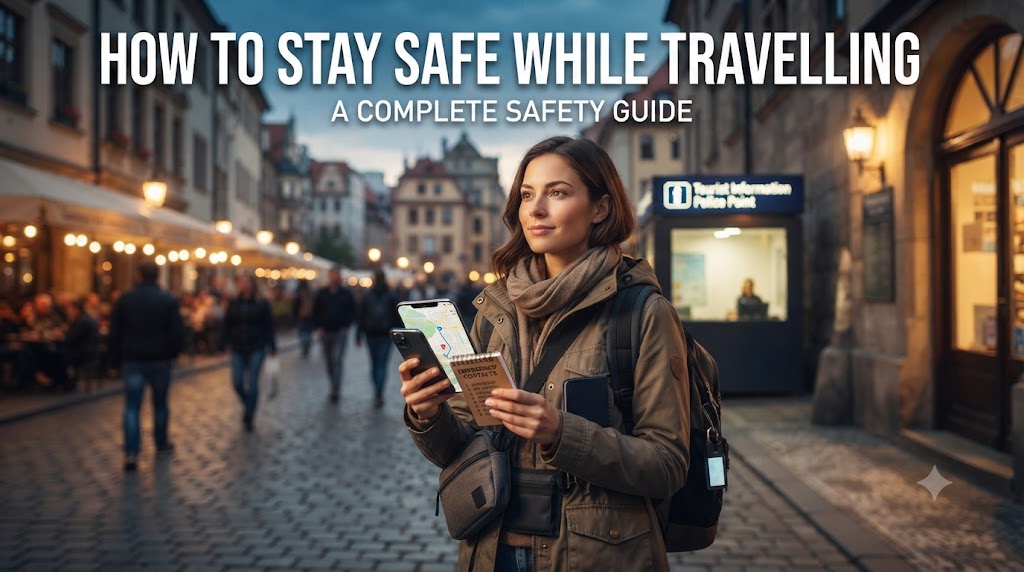
Traveling is one of the best ways to experience new places, meet different people, discover cultures, and create unforgettable memories. However, every trip comes with situations that require awareness and preparation. Knowing how to stay safe while travelling can help you avoid common problems and feel more confident throughout your journey.
Whether you are traveling alone, with family, with friends, or for work, simple safety habits can make a significant difference. From protecting your belongings to understanding your destination, a little preparation before and during your trip can help you enjoy your travels more comfortably.
Research Your Destination Before You Go
One of the easiest ways to improve travel safety is to learn about your destination before leaving home. Research local customs, transportation, weather conditions, common tourist scams, important laws, and areas where visitors should take extra care.
Check official travel information when traveling internationally, particularly for entry requirements and local regulations. Understanding the environment before you arrive can help you make better decisions.
It is also useful to learn a few basic phrases in the local language. Knowing how to ask for help, find transportation, or communicate an emergency can be valuable.
Keep Important Documents Secure
Your passport, identification, tickets, accommodation details, and other important documents should be protected throughout your trip.
Carry only the documents you need for the day whenever possible. Keep your passport and other essential documents in a secure place while traveling.
Make digital or photocopies of important documents and store them separately from the originals. You can also keep secure digital backups so you can access essential information if a document is lost.
Protect Your Money and Valuables
Avoid carrying large amounts of cash when you do not need to. Use secure payment methods where appropriate and keep your cards and cash in different places.
When staying in a hotel or other accommodation, use available security facilities for valuables when appropriate. Avoid displaying expensive jewelry, electronics, or large amounts of money unnecessarily.
Be particularly attentive in crowded transportation areas, markets, tourist attractions, and other busy locations where distractions can make it easier to lose belongings.
Stay Aware of Your Surroundings
Situational awareness is an important part of travel safety. Pay attention to where you are going, especially when walking through unfamiliar areas.
Avoid becoming completely distracted by your phone while crossing roads or navigating unfamiliar streets. If you are using navigation, check your route before walking whenever possible.
At night, choose well-used and appropriately lit routes and use reliable transportation options. If something feels uncomfortable or unsafe, move toward a populated location and seek assistance.
Be Careful With Public Wi-Fi
Public Wi-Fi can be convenient, but travelers should be cautious when connecting to unfamiliar networks.
Avoid performing sensitive activities on unsecured public networks when possible. Use your mobile data or a trusted network for important transactions.
Keep your phone, operating system, and important apps updated. Use strong passwords and enable two-factor authentication on accounts that support it.
Choose Transportation Carefully
Transportation safety is another important part of learning how to stay safe while travelling.
Research common transportation options before your trip. Use reputable taxi companies, official transportation services, or trusted ride-booking platforms where available.
When using public transportation, keep your belongings secure and remain aware of your surroundings. If you rent a vehicle, understand local driving rules and make sure you have the required documents and insurance.
Avoid driving when you are extremely tired or unfamiliar with local road conditions.
Be Careful With Food and Water
Food and water safety can be especially important when visiting unfamiliar destinations.
Research whether tap water is considered safe to drink at your destination. If there are local concerns about water quality, follow reliable local guidance.
Choose food establishments that appear clean and properly maintained. Be cautious with food that has been stored improperly or has been exposed to unsafe conditions.
If you have allergies or dietary restrictions, communicate them clearly and research suitable food options before traveling.
Keep Friends or Family Informed
Someone you trust should know your general travel plans, especially when you are traveling alone.
Share important details such as your accommodation information, major transportation plans, and expected travel dates. You do not need to provide constant updates, but checking in periodically can provide an additional layer of security.
For outdoor activities such as hiking or remote travel, make sure someone knows your route and expected return time.
Prepare for Emergencies
Before your trip, identify important emergency numbers and locate nearby hospitals, police stations, or other relevant services when appropriate.
Keep essential contact information easily accessible. If you take regular medication, make sure you have enough for your trip and carry it appropriately.
Travel insurance can also be useful depending on your destination, activities, and personal circumstances. Review the policy carefully so you understand what it covers and any exclusions that may apply.
Respect Local Laws and Customs
Every destination has its own laws, traditions, and cultural expectations. Research these before traveling and respect local rules.
Dress appropriately where local customs require it, follow restrictions at religious or cultural sites, and ask before photographing people when appropriate.
Respecting local customs can help you avoid misunderstandings and make interactions with residents more positive.
Avoid Common Travel Scams
Tourists can sometimes be targeted by scams involving transportation, money exchanges, fake tickets, overpriced services, or misleading offers.
Research common scams associated with your destination before arriving. Be cautious when strangers offer unsolicited assistance involving money or purchases.
If an offer seems unusually urgent or too good to be true, take time to verify it. Use official websites, authorized ticket offices, reputable businesses, or trusted local sources whenever possible.
Trust Your Instincts
One of the simplest travel safety rules is to pay attention to your instincts. If a situation feels uncomfortable, you do not have to remain there simply because you made a plan.
Move toward a safe, public place and contact someone you trust if necessary. It is better to change your plans than to continue with a situation that makes you uncomfortable.
Final Thoughts
Knowing how to stay safe while travelling does not mean being worried about every possible problem. It means being prepared, staying aware, and making sensible decisions throughout your journey.
Research your destination, protect your documents and valuables, choose transportation carefully, stay connected with trusted people, respect local customs, and prepare for emergencies. At the same time, remember that travel should be enjoyable.
With thoughtful preparation and good awareness, you can reduce avoidable risks and focus more on discovering new places and creating memorable experiences.
FAQ: How To Stay Safe While Travelling
1. How can I stay safe while traveling alone?
Research your destination, stay aware of your surroundings, keep important documents secure, use reliable transportation, and share your general itinerary with someone you trust.
2. What should I do if I lose my passport?
Contact the nearest embassy or consulate of your country and follow its instructions for reporting the loss and obtaining appropriate travel documentation.
3. How should I protect my valuables while traveling?
Carry only what you need, keep valuables secure, avoid displaying expensive items unnecessarily, and use accommodation security facilities when available and appropriate.
4. Is public Wi-Fi safe while traveling?
Public Wi-Fi can carry security risks. Avoid accessing sensitive accounts on unfamiliar networks when possible, and use trusted networks or mobile data for important activities.
5. How can I avoid travel scams?
Research common scams at your destination, verify prices and services, use reputable providers, and be cautious about unsolicited offers or requests involving money.
6. Should I buy travel insurance?
Travel insurance can provide coverage for certain unexpected events, depending on the policy. Review the terms, limits, exclusions, and destination-specific coverage before purchasing.
7. What emergency information should I keep with me?
Keep local emergency numbers, accommodation details, important medical information, insurance information, and trusted emergency contacts easily accessible.
8. How can I stay safe when using public transportation?
Use reputable transportation services, keep your belongings secure, remain aware of your surroundings, and familiarize yourself with routes and local transportation practices before traveling.
9. What should I do if I feel unsafe?
Move to a populated and secure location, contact someone you trust, and seek assistance from appropriate local authorities or emergency services when necessary.
10. Is it safe to explore a destination at night?
Safety conditions vary by destination and neighborhood. Research the area beforehand, choose well-used routes, use reliable transportation, and avoid isolated locations when appropriate.
Author


How Trusted Air Duct Cleaners Help Prevent Dangerous Blockages

How to Choose Quality Ayurvedic Herbal Products

Garage Door Repair Las Vegas: Red Flags When Hiring a Contractor

My Simple Snow Ride Turned Into Chaos

Herbal Ingredient Sourcing: From Farm to Formulation

How to Build a Low-Maintenance Balcony Garden

How to Buy Bulk Smoking Accessories for Retail Stores

Amazon Conversion Rate Optimization: 8 Ways to Get More Sales

Top 10 Psychology Conferences 2026 in the USA

Commercial Cabinet Shop Drawings: Key Details for Accurate Fabrication

Cybersecurity Consulting Company SequelNet Provides Critical IT Support Services to Medical Billing Firm, Medical Optimum

Meet the Megalodon: The Shark Star of ‘Meg 2’

Reduce Video Game Lag: Level Up Your Gaming Performance

Balancing India’s Entertainment: Cricket vs. Bollywood

Jetsetter’s Secrets: Unveiling Our Favorite Travel Hacks for a Seamless Adventure

The 5 Best Live Sports Streaming Sites: Legal and Exciting!

Hollywood Labor Unrest: The Impact of ‘What About Us?’ Strikes

Unveiling the Magic of Dream Fulfillment at the Late NBA Draft

Illuminate Your Skin: Dr. Axe Unveils Natural Remedies for Lightening Knees and Elbows

Bright Choices: Navigating the Pros and Cons of Skin Whitening Creams with Dr. Axe
-

 Business3 years ago
Cybersecurity Consulting Company SequelNet Provides Critical IT Support Services to Medical Billing Firm, Medical Optimum
-
Entertainment3 years ago
Meet the Megalodon: The Shark Star of ‘Meg 2’
-
Entertainment3 years ago
Reduce Video Game Lag: Level Up Your Gaming Performance
-
 Sports3 years ago
Balancing India’s Entertainment: Cricket vs. Bollywood
-
Entertainment3 years ago
Jetsetter’s Secrets: Unveiling Our Favorite Travel Hacks for a Seamless Adventure
-
Productivity3 years ago
The 5 Best Live Sports Streaming Sites: Legal and Exciting!
-
Art /Entertainment3 years ago
Hollywood Labor Unrest: The Impact of ‘What About Us?’ Strikes
-
Sports3 years ago
Unveiling the Magic of Dream Fulfillment at the Late NBA Draft