
Pet and animal
Mysteries of These Ancient Reptiles


Crocodiles are awe-inspiring creatures that have roamed the Earth for millions of years. With their ancient lineage, fearsome appearance, and remarkable survival strategies, they have captured the imaginations of people around the world. But what do we really know about these enigmatic reptiles? In this article, we will embark on a journey into the world of crocodiles, delving into their evolutionary history, behavior, and ecological significance. From their prehistoric origins to their present-day challenges, we will uncover the mysteries of these remarkable creatures.
Cracking the Crocodile Code: Crocodiles are living relics that have evolved over millions of years to become top predators in their ecosystems. Their unique adaptations, such as their powerful jaws, armored bodies, and specialized senses, have made them formidable hunters and survivors. But how do they communicate, navigate their environments, and interact with other species? Recent research has shed light on these questions, revealing the complex behaviors and social dynamics of crocodiles. From their nesting habits to their vocalizations, we are slowly deciphering the code of crocodile behavior.
Ancient Survivors in Modern Times: Despite their ancient origins, crocodiles face modern-day challenges that threaten their survival. Habitat loss, pollution, climate change, illegal hunting, and human-wildlife conflict pose significant threats to crocodile populations around the world. Conservation efforts are crucial to protect these ancient survivors and ensure their survival for future generations. From research and education to policy interventions and community involvement, various approaches are being undertaken to safeguard crocodile populations and their habitats.
Crocodile Tales from Around the World: Crocodiles are found in various habitats around the world, from the swamps of Florida to the rivers of Africa, the mangroves of Australia, and the estuaries of Asia. Each region has its own unique crocodile species and stories to tell. From crocodile farming and tourism to cultural significance and conservation challenges, crocodile tales from different parts of the world offer insights into the diverse relationships between humans and these ancient reptiles. Exploring these tales provides a global perspective on the mysteries of crocodiles.
Unraveling the Future of Crocodile Conservation: As we continue to uncover the mysteries of crocodiles, the future of their conservation remains uncertain. Balancing human needs with wildlife conservation, addressing habitat loss and degradation, mitigating human-wildlife conflict, and managing tourism and hunting are among the challenges that need to be addressed. Research, education, policy interventions, and community engagement are critical for the long-term survival of crocodile populations and their habitats. The unraveling of the future of crocodile conservation will depend on our collective efforts and commitment to protect these ancient reptiles.

Conclusion: Crocodiles are remarkable creatures with a rich evolutionary history, complex behaviors, and ecological significance. Uncovering their mysteries requires ongoing research, conservation efforts, and public awareness. From their ancient origins to their modern-day challenges, crocodiles offer a window into the world of these prehistoric survivors. By shedding light on their secrets, we can deepen our understanding and appreciation of these fascinating creatures and work towards their conservation and coexistence with humans.
Author

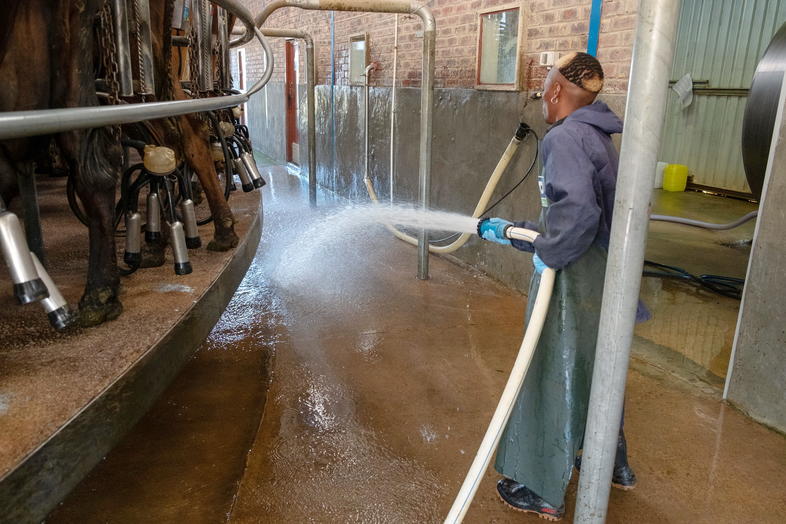
Skin parasites in livestock are a persistent challenge that affects animal health, welfare, and farm productivity. External parasites such as lice, mites, ticks, and fleas thrive in farm environments where hygiene is inconsistent, and animals are in close contact.
These parasites not only cause irritation and stress but can also lead to more serious health complications. According to the Food and Agriculture Organization, parasite infestations can significantly reduce livestock productivity due to stress, reduced feed intake, and increased susceptibility to disease.
In modern farming, preventing skin parasites in livestock requires more than reactive treatment. It demands proactive hygiene strategies supported by advanced solutions like those offered by Klean Farm Solutions.
What Are Skin Parasites in Livestock?
Skin parasites are organisms that live on the surface of animals, feeding on blood, skin, or secretions. Common types include:
- Lice, which cause itching and hair loss
- Mites are responsible for mange and severe skin irritation
- Ticks, which can transmit diseases
- Fleas, leading to discomfort and secondary infections
These parasites reproduce quickly and spread easily through direct contact or contaminated environments. Once established, infestations can be difficult to control without proper hygiene and management practices.
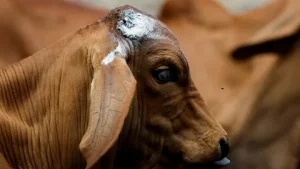
Causes and Risk Factors of Parasite Infestations
Poor Farm Hygiene
Dirty barns, damp bedding, and accumulated manure create ideal breeding grounds for parasites. Without regular cleaning, these environments allow infestations to develop and spread rapidly.
Environmental Conditions
Warm temperatures, high humidity, and overcrowded conditions accelerate parasite reproduction. Seasonal changes can also increase infestation risks.
Animal-to-Animal Transmission
Close contact between animals facilitates the transfer of parasites, especially in confined housing systems.
The Centers for Disease Control and Prevention emphasizes that poor sanitation and overcrowding significantly increase the spread of parasites and infectious diseases in animal populations.
Impact of Skin Parasites on Livestock Health and Productivity
The presence of skin parasites has both immediate and long-term effects on livestock:
- Persistent itching and irritation, leading to stress
- Skin damage, hair loss, and open wounds
- Increased risk of bacterial infections
- Reduced weight gain and milk production
According to the World Organization for Animal Health, parasite infestations are a major factor in reduced animal welfare and can significantly impact farm efficiency.
Stress caused by parasites can also weaken the immune system, making animals more vulnerable to additional health issues. Over time, this results in higher veterinary costs and reduced profitability.
The Role of Hygiene in Preventing Skin Parasites
Maintaining a clean environment is one of the most effective ways to prevent parasite infestations. Hygiene disrupts the lifecycle of parasites, limiting their ability to reproduce and spread.
Key hygiene practices include:
- Regular cleaning of barns, stalls, and equipment
- Keeping bedding dry and free from contamination
- Proper waste management to reduce breeding grounds
- Routine inspection of animals for early detection
Effective hygiene not only prevents parasites but also improves overall farm biosecurity, creating a healthier environment for livestock.
How Klean Farm Solutions Supports Parasite Prevention
Klean Farm Solutions offers a modern approach to livestock hygiene by combining advanced science with sustainable practices. Their solutions are designed to improve both environmental cleanliness and animal health without relying on harsh chemicals.
Key advantages include:
- Non-toxic, biodegradable formulations are safe for animals and handlers
- Residue-free cleaning, preventing long-term contamination
- Dual-purpose solutions for both sanitation and animal care
- Improved air quality and odor control in animal housing
These features make Klean Farm Solutions an effective partner in preventing skin parasites in livestock while supporting sustainable farming practices.
Product Spotlight: Klean Coat™: All-Natural Multi-Use Enzyme Solution
One of the most innovative products from Klean Farm Solutions is Klean Coat™, an all-natural, enzyme-based solution designed for multiple uses in livestock care.
What Is Klean Coat™?
Klean Coat™ is a versatile product formulated with natural enzymes that help clean, deodorize, and support healthy skin in animals. It is safe for direct application and can be used regularly without irritation.
How It Works
The enzyme-based formula works by breaking down organic matter such as dirt, oils, and contaminants that accumulate on the skin and coat. This process:
- Removes impurities that attract parasites
- Cleanses the skin without harsh chemicals
- Promotes a healthier coat environment
Unlike traditional treatments, it targets the conditions that allow parasites to thrive rather than just eliminating them after infestation.
Key Benefits of Preventing Skin Parasites
Klean Coat™ provides several advantages that directly contribute to parasite prevention:
- Maintains clean and healthy skin and coat
- Reduces odor and buildup that attracts parasites
- Safe for frequent use due to its non-toxic formulation
- Supports overall animal hygiene and comfort
Improving skin health, it creates an environment that is less hospitable to parasites, reducing the likelihood of infestations.
Applications on the Farm
Klean Coat™ can be used in various ways:
- Applied directly to animals for skin and coat care
- Used on grooming tools and equipment
- Applied in high-risk areas where contamination is common
This flexibility makes it a valuable addition to any farm hygiene program.
Here’s an improved and more engaging version with a better format and added depth:
Why Klean Coat™ Outperforms Traditional Treatments
Traditional chemical-based parasite treatments often focus on eliminating parasites after infestation, but they can come with drawbacks such as harsh residues, skin irritation, and environmental impact. In contrast, Klean Coat™ provides a safer, more sustainable approach by addressing both cleanliness and prevention.
Key Advantages of Klean Coat™
- Chemical-Free and Residue-Free Care
Unlike conventional treatments, Klean Coat™ contains no harsh chemicals, ensuring there is no residue left behind that could irritate animal skin or contaminate the environment. - Safe for Daily Use
Its non-toxic, enzyme-based formula makes it safe for frequent application on animals, as well as for farm workers handling the product. - Multi-Functional Solution
Instead of using separate products for cleaning, deodorizing, and skin care, Klean Coat™ combines multiple functions into a single product, simplifying farm operations and reducing costs. - Supports Preventive Hygiene
Rather than just treating infestations, it helps maintain a clean skin-and-coat environment that discourages parasites from thriving in the first place. - Environmentally Responsible Choice
Being biodegradable and eco-friendly, it aligns with sustainable farming practices while still delivering effective results.
Best Practices for Preventing Skin Parasites in Livestock
While advanced products are essential, they are most effective when combined with consistent management practices.
Recommended strategies include:
- Maintaining clean, dry bedding to prevent parasite breeding
- Regularly sanitizing barns and equipment
- Monitoring animals for early signs of infestation
- Using safe, eco-friendly hygiene solutions
- Implementing routine grooming and inspection programs
Consistency in these practices is key to minimizing parasite risks and maintaining herd health.
Here’s a more refined, engaging, and SEO-optimized version with improved flow and added depth:
Economic and Operational Benefits of Parasite Prevention
Preventing skin parasites in livestock is not just a health strategy, it’s a smart business decision that directly impacts farm efficiency and profitability. Parasite infestations can silently drain resources through reduced productivity, increased treatment costs, and labor-intensive management.
Key Benefits for Farm Operations
- Lower Veterinary and Treatment Costs
Proactive prevention reduces the need for frequent medical treatments, minimizing expenses related to parasite control and secondary infections. - Improved Weight Gain and Milk Production
Healthy, stress-free animals convert feed more efficiently, leading to better growth rates and increased dairy output. - Enhanced Feed Efficiency
When livestock are free from parasites, they utilize nutrients more effectively, improving overall feed conversion ratios. - Reduced Labor and Management Costs
Fewer infestations mean less time spent on treatments, cleaning, and monitoring, allowing farm staff to focus on other critical tasks.
Long-Term Financial Impact
Investing in preventive hygiene solutions such as those offered by Klean Farm Solutions helps farms shift from reactive spending to proactive management. This not only stabilizes operational costs but also improves consistency in production and overall farm profitability.
In the long run, strong parasite prevention strategies contribute to healthier herds, more predictable outputs, and a more sustainable farming operation.
Healthy Animals Start with Smart Hygiene
Skin parasites in livestock remain a significant challenge, but they are largely preventable with the right approach. By focusing on hygiene, farms can break the cycle of infestation and create a healthier environment for animals.
With innovative solutions from Klean Farm Solutions, including the powerful Klean Coat™ enzyme solution, farmers can:
- Prevent parasite infestations
- Improve animal health and welfare
- Enhance productivity and efficiency
- Support sustainable farming practices
In today’s competitive agricultural landscape, smart hygiene is not just a best practice; it is a necessity for long-term success.
FAQs Section:
1. What are the most common skin parasites in livestock?
Common skin parasites include lice, mites, ticks, and fleas, all of which can cause irritation, infections, and reduced animal performance.
2. How do skin parasites spread among farm animals?
They spread through direct contact between animals, contaminated bedding, shared equipment, and poor farm hygiene conditions.
3. How can hygiene help prevent skin parasites in livestock?
Maintaining clean barns, dry bedding, and sanitized equipment disrupts parasite life cycles and reduces the risk of infestations.
4. What is Klean Coat™ and how does it help?
Klean Coat™ is an all-natural enzyme solution that cleans and supports healthy skin and coat, reducing conditions that attract parasites.
5. How often should livestock be checked for parasites?
Animals should be inspected regularly, weekly or bi-weekly, depending on conditions, to detect early signs and prevent severe infestations.
Author


Author




Author



Guide to Buy Cars for Sale in Zimbabwe Under $3000

Chrome Heart Ring: Styling, Craftsmanship & Digital Identity

Chrome Hearts Hats: Trucker Hats, Craftsmanship & Styling

Geelong’s Green Apartment: Solar Power & EV‑Ready Living

Peace in War: Examples of Humanity, Hope, and Compassion
Valabasas Clothing Guide 2026: Stacked Jeans & Streetwear Style

Best Web Development Agency to Hire in 2026: Top 10 Picks

Fear of God Essentials Tracksuit: Modern Streetwear Style

Essentials Tracksuit: Everyday Comfort & Simple Streetwear Style

Corteiz Tracksuit: Official Store, Styles & Buying Guide

Cybersecurity Consulting Company SequelNet Provides Critical IT Support Services to Medical Billing Firm, Medical Optimum

Team Communication Software Transforms Operations at Finance Innovate

Project Management Tool Transforms Long Island Business

How Alleviate Poverty Utilized IPPBX’s All-in-One Solution to Transform Lives in New York City

Breast Cancer: The Imperative Role of Mammograms in Screening and Early Detection

Unstoppable Collaboration: D.C.’s Citi Open and Silicon Valley Classic Unite to Propel Women’s Tennis to New Heights

Embracing Renewal: Sizdabedar Celebrations Unite Iranians in New York’s Eisenhower Park

The Benefits of Starting a Side Hustle for Financial Freedom

New Blood Donation Screening Questions What You Need to Know

Stylishly Timeless: The 5 Types of Sandals You Need in Your Closet
-

 Business3 years ago
Cybersecurity Consulting Company SequelNet Provides Critical IT Support Services to Medical Billing Firm, Medical Optimum
-
Business3 years ago
Team Communication Software Transforms Operations at Finance Innovate
-
Business3 years ago
Project Management Tool Transforms Long Island Business
-
Business3 years ago
How Alleviate Poverty Utilized IPPBX’s All-in-One Solution to Transform Lives in New York City
-
health3 years ago
Breast Cancer: The Imperative Role of Mammograms in Screening and Early Detection
-
Sports3 years ago
Unstoppable Collaboration: D.C.’s Citi Open and Silicon Valley Classic Unite to Propel Women’s Tennis to New Heights
-
Art /Entertainment3 years ago
Embracing Renewal: Sizdabedar Celebrations Unite Iranians in New York’s Eisenhower Park
-
Finance3 years ago
The Benefits of Starting a Side Hustle for Financial Freedom







