
Lifestyle
Living the Dream: Unlocking the Secrets of a Balanced Lifestyle

By

Reviewed
By Helen Emely
Introduction
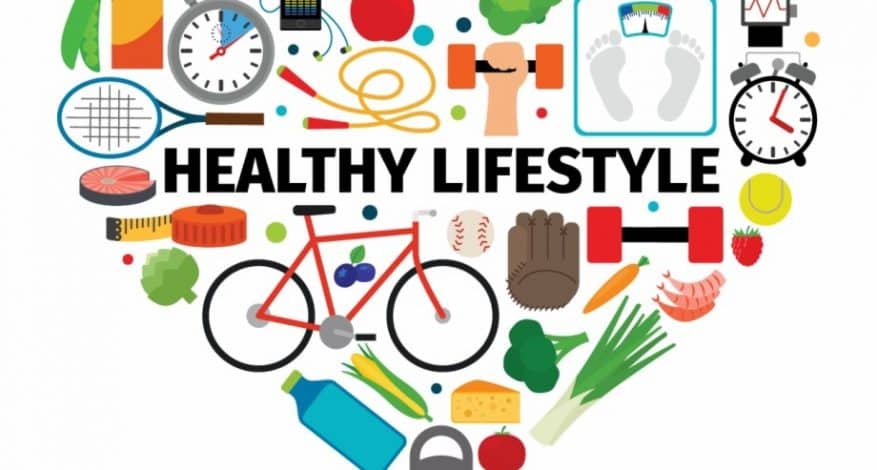
In today’s fast-paced world, it often feels like we’re always on the go, juggling work, family, personal aspirations, and social obligations. Striving for a balanced lifestyle may seem impossible amidst the constant demands of modern life, but it is achievable. With intentional practices and a shift in perspective, anyone can work toward living a life that feels both fulfilling and manageable.
A balanced lifestyle is not a one-size-fits-all concept. What works for one person may not work for another. However, what remains universal is the desire to have a life where work, family, and personal well-being coexist without one overwhelming the others. Here’s how you can unlock the secrets to living a truly balanced life.
The Importance of Prioritization
At the heart of every balanced lifestyle lies the art of prioritization. In an age where we’re constantly bombarded with distractions—emails, phone calls, social media notifications, and more—it can be challenging to focus on what truly matters. The key to balance is learning to discern between what requires immediate attention and what can wait. Not everything is urgent, and not everything deserves your time.
Why Prioritize?
When we fail to prioritize effectively, everything starts to feel urgent. We spread ourselves too thin, leading to stress, burnout, and dissatisfaction. On the other hand, when we focus on what truly matters—be it career advancement, nurturing relationships, or taking time for ourselves—we can direct our energy toward the areas of life that bring the most joy. Prioritization is not about doing more; it’s about doing what matters most.
Example: Imagine you have a busy work schedule, family commitments, and personal health goals. By identifying what is truly urgent—like a work deadline—and allocating time for what’s important—such as quality time with family—you can navigate your day with greater clarity and reduced stress.

Mindfulness: The Key to Being Present
In our quest to achieve more, it’s easy to forget to actually enjoy life. Mindfulness—the practice of being fully present in the moment—is a powerful tool for maintaining balance. When you practice mindfulness, you’re not preoccupied with what’s ahead or dwelling on past regrets. You’re simply experiencing the here and now.
The Science of Mindfulness
Research shows that mindfulness can reduce stress, enhance mental clarity, and improve emotional well-being. Whether through meditation, deep breathing exercises, or simply taking a pause to appreciate the present moment, mindfulness allows you to engage with your tasks more effectively and intentionally.
Example: You’re having dinner with your family, but your mind is racing with thoughts of unfinished work. Instead of letting those distractions take over, take a few deep breaths and focus on the present moment—enjoy the food, the conversation, and the experience. Mindfulness isn’t just about meditation; it’s about tuning in to the moment.
Setting Boundaries: The Power of ‘No’
A balanced lifestyle requires setting healthy boundaries. For those who struggle with saying no—whether due to people-pleasing tendencies or fear of guilt—learning to establish limits is essential. Without boundaries, we risk burnout, exhaustion, and resentment.
Why Boundaries Matter
Setting boundaries is not about being selfish; it’s about self-preservation. By defining limits around your time, energy, and resources, you ensure you can give your best self to the people and tasks that matter most. Saying no is an empowering choice that helps preserve your energy and aligns your actions with your priorities.
Example: If a colleague asks you to take on an additional project when your plate is already full, it’s okay to decline. Similarly, in your personal life, if attending every social gathering leaves you drained, saying no in favor of rest or quality family time is an important act of self-care.
The Importance of Self-Care
Self-care is often misunderstood as a luxury or something we do only when we have time. However, it’s a crucial component of living a balanced life. Without taking care of our physical, mental, and emotional health, we cannot function at our best in any area of life.
Investing in Yourself
The most important investment you can make is in your well-being. This means getting enough sleep, eating nutritious foods, staying active, and allowing yourself to relax. It also involves engaging in activities that replenish your emotional and mental health, such as reading, journaling, or spending time in nature.
Example: Instead of skipping meals or working late into the night, prioritize self-care by incorporating short breaks, practicing yoga, or enjoying a hobby. These activities recharge you so you can perform your best in all aspects of life.
In addition, if you’re looking for more tips on how to live a balanced lifestyle and nurture personal growth, you can explore insightful content at Archaic Press Magazine, where we delve into mindfulness, wellness, and more.
Flexibility: Embracing the Unpredictability of Life
No matter how well you plan, life has a way of throwing curveballs. Flexibility is key to maintaining balance in the face of unexpected challenges. When you accept that things won’t always go according to plan, you can approach life with greater resilience and ease.
Why Flexibility is Key
Life is unpredictable, and rigid plans often lead to frustration when things don’t go as expected. Flexibility allows you to adjust your goals and timelines without feeling overwhelmed. It’s about embracing life’s unpredictability and adapting when necessary.
Example: If you’ve planned a vacation and an unexpected work project arises, being flexible means adjusting your plans without stress. Instead of feeling defeated, approach the situation with an open mind and the willingness to adapt.
Conclusion: Living the Dream Every Day
Living the dream of a balanced lifestyle isn’t about perfection or rigid schedules. It’s about making intentional choices, prioritizing what matters, and staying present. It’s about setting boundaries, taking time for self-care, and being flexible in the face of life’s uncertainties.
By embracing these principles, you can unlock the secrets to living a fulfilling and balanced life. Remember, balance isn’t something you achieve once and forget about—it’s an ongoing process. It’s about finding harmony in the everyday moments, cultivating inner peace, and living with intention.
FAQ
Q1: How do I start prioritizing in my busy life?
A1: Start by identifying your core values and long-term goals. Review your daily tasks and focus on those that align with your values, while letting go of non-essential activities.
Q2: How can mindfulness help with stress management?
A2: Mindfulness reduces stress by helping you stay focused on the present moment. It encourages deep breathing and self-awareness, which promote mental clarity and emotional stability.
Q3: What are some easy ways to practice self-care daily?
A3: Simple self-care practices include getting enough sleep, taking regular breaks, and engaging in activities that bring you joy. Consistency is key to maintaining well-being.
Q4: Why is flexibility important for a balanced lifestyle?
A4: Flexibility helps you adjust when things don’t go as planned, reducing stress and allowing you to maintain balance in the face of life’s unpredictability.
Q5: How do I know if I’m setting healthy boundaries?
A5: Healthy boundaries protect your time, energy, and emotional health. If you’re feeling drained or resentful, it’s a sign you may need to reassess and communicate your limits more clearly.
Author


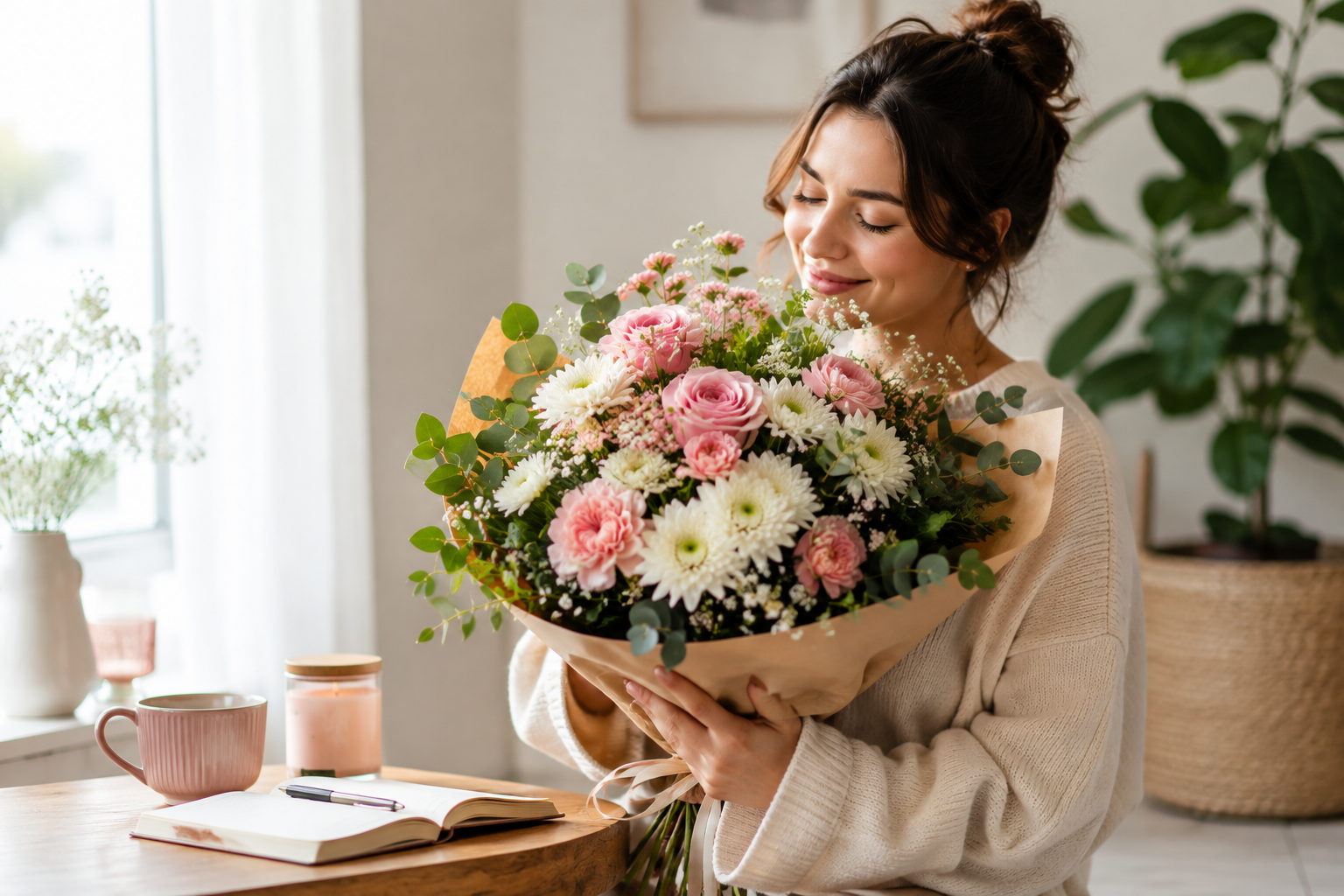
Saying thank you sounds simple, but finding the right way to express genuine gratitude can sometimes feel surprisingly difficult. A text message may seem too casual. A card can feel a little impersonal. You might also want to give something meaningful without making the gesture feel excessive.
That is where a Flowers Bouquet can make such a difference. It communicates warmth, appreciation, and thoughtfulness without requiring a long message. The recipient can instantly understand that you took the time to choose something especially for them.
Over the years, we have seen countless customers come into our Melbourne shop with the same feeling. They know they want to thank someone properly, but they are unsure how to put their appreciation into words. Flowers often provide the perfect answer.
Why Flowers Make Such A Meaningful Thank You
A thank-you gift does not always need to mark a major occasion. In fact, some of the most meaningful gifts come from ordinary moments. You might want to thank a friend who supported you through a difficult week. Perhaps a neighbor helped while you were away. A colleague may have stepped in when you needed help at work. You could also have a teacher, mentor, therapist, or professional who made a real difference in your life.
None of these situations requires a birthday, anniversary, or special celebration. Still, they deserve recognition.
A Flowers Bouquet gives you a simple way to acknowledge that kindness. It feels personal without becoming overwhelming. More importantly, it shows that you noticed what someone did for you and wanted to make the effort to say thank you.
We have seen this happen in many different ways. One customer once ordered flowers for her physiotherapist after months of treatment helped her return to running. There was no special occasion. She simply wanted to recognize the support that had helped her reach an important milestone. That made the gesture feel even more genuine.
Choosing The Right Flowers For Gratitude
The flowers you choose can influence the feeling behind your gift. A romantic arrangement may not suit a professional thank-you. Likewise, an extremely large display may feel unnecessary when a smaller arrangement could communicate the same message.
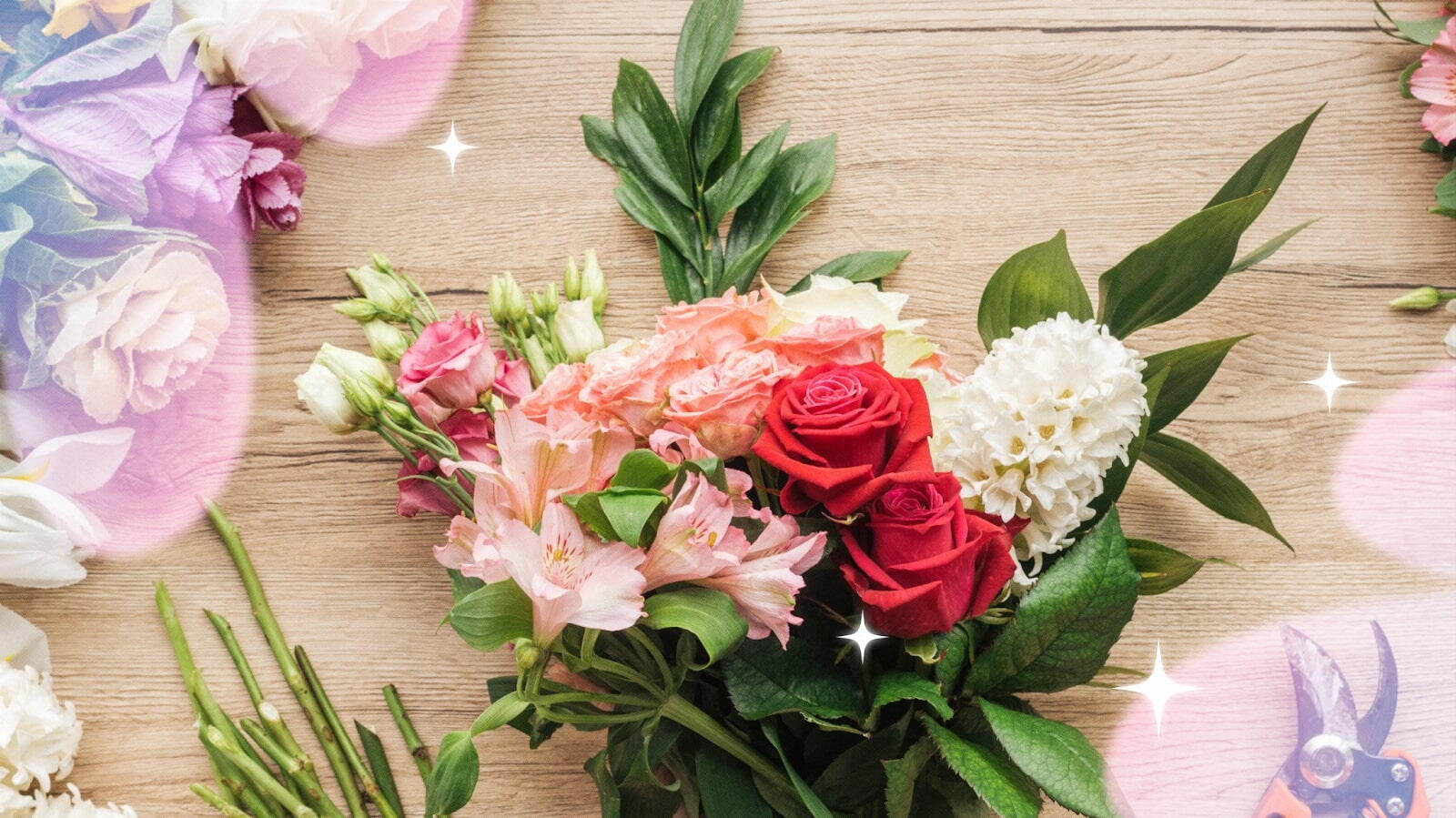
For gratitude, many people prefer soft and welcoming colors. Blush, cream, white, peach, and pale yellow can create a warm impression. These shades usually feel friendly and sincere without sending a romantic message.
Flower choices matter too. Garden roses, lasianthoside, seasonal blooms, and native foliage can work beautifully in a thank-you arrangement. They create an elegant appearance while keeping the overall feeling relaxed.
You do not always need the biggest arrangement available. A thoughtfully selected Flowers Bouquet can have a stronger impact than an oversized display. The goal is not to impress someone with the price or size. The goal is to show that you appreciate them.
Thanking Someone At Work
Workplace gratitude has also become a popular reason to send flowers. A colleague might have helped you complete an important project. A manager may have supported your development. Perhaps an entire team worked together during a particularly demanding period.
A flower delivery can make that appreciation feel more visible.
Imagine arriving at work and finding a beautiful arrangement waiting at reception. It creates a pleasant surprise and gives the recipient a tangible reminder that their efforts mattered. In some situations, you may even choose to have the arrangement delivered directly to their desk.
However, consider the recipient before deciding how the delivery should happen. Some people enjoy receiving attention in front of their colleagues. Others would prefer a quieter gesture. A florist can help you choose an arrangement and delivery approach that suits the situation.
Keep The Message Simple
You do not need to write a long note with your flower delivery. In fact, a short and honest message often works best. You could write, “Thank you for all your help. I really appreciate everything you did.” For a colleague, you might say, “Thank you for stepping in and helping when I needed it most.”
If the recipient supported you during an important period, mention that specifically. A personal detail can make the message feel much more meaningful. The flowers create the initial impression, while the note explains why you chose to send them.
When Should You Send A Thank You Gift?
There is no perfect time. If someone has done something kind, you can show your appreciation whenever you feel ready. You might send flowers immediately after receiving help. You could also wait until a project ends or an important milestone arrives. Sometimes, sending them a few days later makes the gesture feel even more thoughtful because it shows that you remembered the person’s effort. A Flowers Bouquet can also work well when you simply want to brighten someone’s day. Gratitude does not always need a major reason.
The Simple Power Of Saying Thank You
Gratitude often stays as an unfinished thought. You may think about sending a message but get distracted. You may plan to buy a gift and never find the right time. A Flowers Bouquet turns that intention into something tangible. It gives the recipient something beautiful to enjoy while reminding them that their kindness made a difference.
In Melbourne, where busy schedules can make it easy to overlook small moments of appreciation, a simple flower delivery can say a lot. You do not need to wait for a birthday or celebration. If someone has helped you, supported you, or simply made life a little easier, let them know. Sometimes, the most meaningful thank-you does not need many words. It just needs a thoughtful gesture at the right time.
Final Thoughts
A sincere thank you can leave a lasting impression, especially when you express it with a thoughtful gesture. While a message or card can share your appreciation, flowers add a personal touch that the recipient can enjoy long after the moment has passed. You do not need a major occasion to send flowers. A friend who supported you, a colleague who helped with an important task, or a professional who guided you through a challenging time can all deserve a meaningful thank-you gesture.
A carefully chosen Bouquet keeps the message simple, warm, and genuine. Choose flowers that match the relationship and the occasion, then add a short personal note. That small effort can turn an ordinary day into a memorable one. So, if someone in your life has recently gone out of their way to help you, do not let your gratitude remain unsaid. Send a thoughtful Flowers Bouquet and let the flowers express what words sometimes cannot.
Author



Streetwear continues to influence fashion across the UAE in 2026. Hoodies now sit at the center of this growing movement. What once looked like basic sportswear has become a key part of the modern urban wardrobe. Today, hoodies offer more than comfort. They bring together practical features, relaxed fits, versatile colors, and contemporary designs.
From Dubai to Abu Dhabi and Sharjah, fashion-conscious consumers are choosing clothing that works across different parts of their daily lives. They want outfits that feel comfortable during travel, shopping, casual gatherings, and weekend activities. Brands such as NOFS fit well into this changing environment. Their designs reflect the growing demand for clothing that supports both comfort and personal style.
Why Hoodies Are Leading Fashion in 2026
Hoodies have become one of the most flexible pieces in casual fashion. Their relaxed construction makes them easy to wear. At the same time, different fits, fabrics, colors, and designs allow people to create individual looks.
The UAE lifestyle also gives hoodies a practical advantage. Outdoor temperatures can become extremely warm, while malls, restaurants, cinemas, offices, and airports often use strong air conditioning. Therefore, a lightweight hoodie can work as a convenient extra layer throughout the year.
In 2026, consumers are moving toward clothing that can easily adapt to different situations. Hoodies meet that demand without sacrificing their urban appeal.
Oversized Hoodies Define the Modern Silhouette
Oversized hoodies remain one of the strongest trends this year. Their loose shape creates a relaxed appearance while giving the wearer plenty of freedom to move. This silhouette has become closely connected with contemporary urban fashion.
You can create a balanced outfit by pairing an oversized hoodie with tapered joggers. If you prefer a looser appearance, choose wide-leg trousers or cargo pants instead. Both options create an effortless look.
Neutral shades also remain popular. Black, grey, beige, cream, olive, and navy work especially well because they pair easily with different footwear and accessories. As a result, one hoodie can become part of several outfits.
Minimalist Designs Are Gaining Attention
Minimalism is becoming more important in UAE fashion. Instead of choosing large graphics and heavy branding, many consumers now prefer clean designs with subtle logos and simple details.
A minimalist hoodie gives you more styling freedom. You can wear it with joggers during the day. You can also layer it under a lightweight jacket for an evening outfit.
Simple designs often stay relevant for longer. Therefore, they suit shoppers who prefer versatile wardrobe essentials instead of pieces linked to a short-lived trend.
Lightweight Fabrics Improve Everyday Comfort
Fabric choice matters when you shop for a hoodie in the UAE. Lightweight cotton and breathable fabric blends can provide comfort without adding unnecessary weight. Soft materials also make hoodies easier to wear for longer periods.
Quality construction matters as well. Durable stitching can help a hoodie maintain its shape after regular use. Features such as adjustable hoods, ribbed cuffs, and spacious pockets can make the garment more practical.
This combination of comfort and functionality shows how modern streetwear continues to connect fashion with everyday needs.
Hoodies and Joggers Create an Effortless Outfit
Joggers remain a natural partner for modern hoodies. Their relaxed shape complements oversized tops and creates an easy outfit for everyday activities.
The Nofs Jogger can work particularly well with a minimalist hoodie. Add clean sneakers and a crossbody bag for a practical look. This combination can suit shopping trips, travel days, casual meetups, and relaxed weekends.
You can also experiment with color. A monochrome outfit creates a sleek appearance. On the other hand, combining different neutral shades can add depth without making the outfit look too bold.

Coordinated Tracksuits Remain Popular
Matching sets continue to attract attention because they make outfit planning easier. A coordinated tracksuit creates a complete look with minimal effort. It also offers enough flexibility for different casual settings.
The Nofs Tracksuit fits naturally into this trend. Modern tracksuits have moved beyond traditional athletic environments. Today, people wear them while traveling, shopping, meeting friends, or enjoying relaxed social occasions.
Keep the rest of the outfit simple. Clean sneakers and understated accessories can complete the look. You can also wear a plain T-shirt underneath to create a useful layering option.
Quality and Authenticity Matter
As Streetwear becomes more popular, shoppers are paying closer attention to quality and authenticity. A well-made garment can provide better comfort and durability. It can also deliver greater value over time.
A Nofs Tracksuit Original can appeal to shoppers who want authentic apparel and dependable construction. Original products can offer greater confidence in areas such as materials, stitching, fit, finishing, and overall craftsmanship.
For UAE consumers, investing in quality pieces makes sense. A durable hoodie or tracksuit can remain useful across multiple seasons instead of becoming an item that quickly loses its appeal.
Key Hoodie Trends for 2026
Several trends stand out this year. Relaxed silhouettes continue to dominate because they provide comfort and create a modern shape. Neutral colors remain useful because they work with a wide range of clothing.
Subtle branding is also becoming more popular. Small logos and understated graphics create a cleaner urban appearance. Functional features add another layer of practicality. Spacious pockets, adjustable hoods, strong cuffs, and quality stitching can improve everyday use.
Lightweight construction also deserves attention. Breathable fabrics can make hoodies more comfortable in indoor environments where air conditioning creates cooler temperatures.
Building a Modern Hoodie Wardrobe
You do not need dozens of pieces to create a strong wardrobe. A few versatile essentials can provide plenty of outfit combinations. Start with neutral hoodies, joggers, cargo trousers, oversized shirts, and a coordinated tracksuit. Then add clean sneakers and simple accessories. These pieces can work together in several ways.
Layering can also improve your outfits. Wear a shirt underneath a hoodie to create more visual depth. Add a lightweight jacket when you need another layer in cooler indoor spaces. Most importantly, choose pieces that match your lifestyle. Versatility makes every purchase more useful.
Streetwear and the UAE Lifestyle
The growing popularity of Streetwear across the UAE reflects a clear change in consumer preferences. People want clothing that supports active lifestyles while maintaining a fashionable appearance.
Hoodies work especially well because you can style them in many ways. You can keep the outfit relaxed with joggers and sneakers. Alternatively, you can create a sharper look with cargo trousers, a jacket, and minimal accessories.
Their flexibility makes hoodies a reliable choice for modern wardrobes. They suit different occasions without requiring complicated styling.
Conclusion
Streetwear fashion in the UAE continues to evolve in 2026, and hoodies remain one of its strongest essentials. Oversized silhouettes, minimalist designs, neutral colors, lightweight fabrics, and practical details define the latest direction.
Whether you pair a hoodie with a Nofs Jogger, choose a coordinated Nofs Tracksuit, invest in a Nofs Tracksuit Original, or explore contemporary designs from NOFS, you can build outfits that feel comfortable and current. Ultimately, the latest trends show that modern urban fashion can combine practicality, individuality, and everyday comfort. Hoodies therefore remain an essential part of the UAE wardrobe.
Author


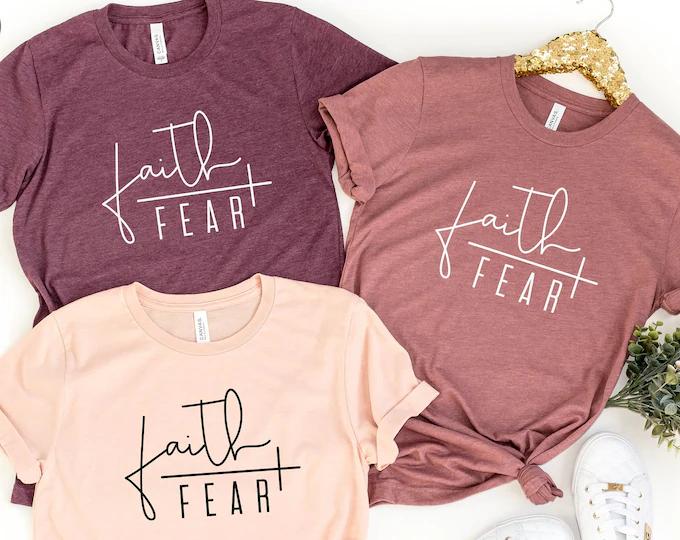
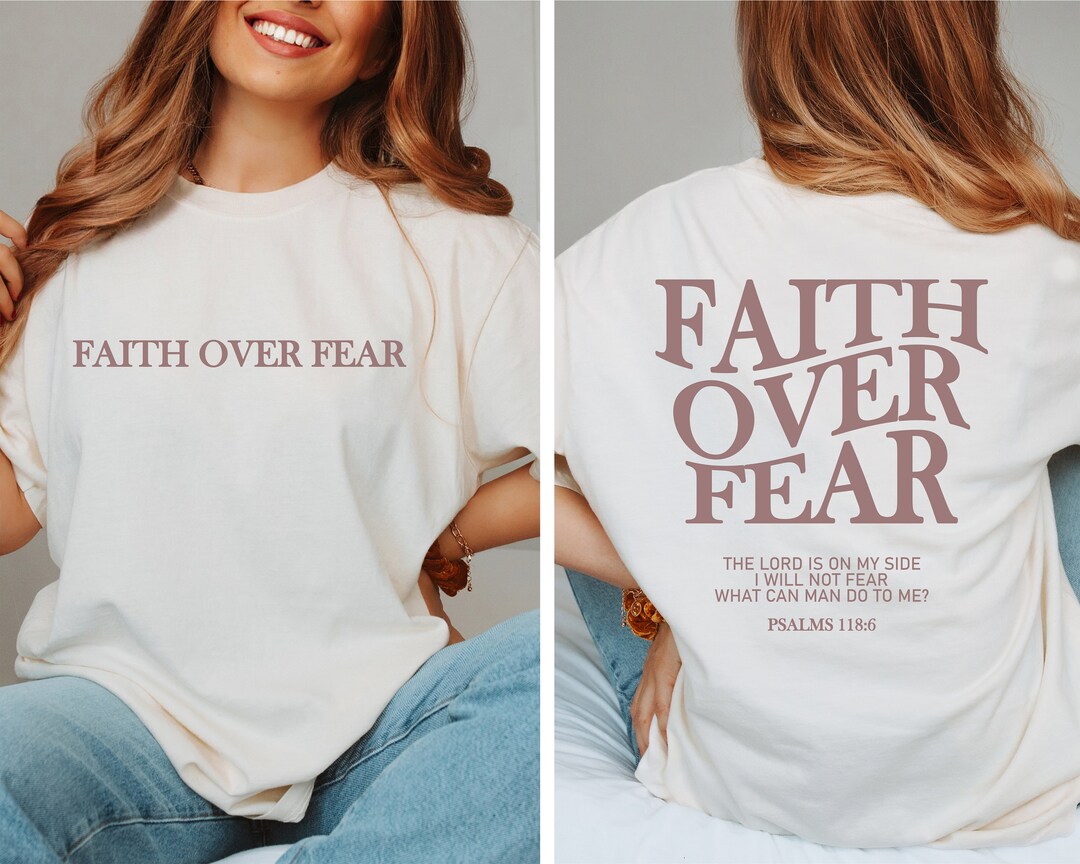
Faith over fear means more than a phrase printed on clothing. It represents a choice to stay hopeful when life feels uncertain. Fear can make us doubt our abilities, question our decisions, and worry about what comes next. Faith gives us another way to respond. It encourages us to keep moving, trust the journey, and face challenges with courage. For many people, this message becomes a powerful desire to live with greater confidence and purpose.
Wear Your Courage
What we wear can express who we are and what we believe. A faith over fear shirt carries a message that speaks about strength, hope, and determination. It reminds us that courage does not mean living without fear. Instead, courage means moving forward even when fear appears.
This simple message can turn an everyday outfit into something personal. It can encourage the wearer throughout the day. At the same time, it can inspire others who see it. Sometimes, a few meaningful words can create a powerful desire to stay strong and keep going.
When Life Feels Uncertain
Life does not always follow the plans we make. Unexpected problems can appear without warning. Plans can change, opportunities can disappear, and the future can feel difficult to understand.
During these moments, faith can provide a sense of direction. You do not need to know every answer before taking your next step. Instead, focus on what you can do today. Take one step, learn from the experience, and continue forward.
The faith over fear message reminds us that uncertainty does not have to stop our progress. It can become an opportunity to grow, learn, and discover our inner strength.
Trust What You Cannot Yet See
Faith becomes especially meaningful when the outcome remains unclear. It feels easy to believe when everything works in our favor. However, uncertain seasons often test our patience and confidence.
Choosing faith means accepting that you may not understand everything right away. You can still move forward with hope. You can still believe that better opportunities may come your way.
This mindset creates a powerful desire to focus on possibilities instead of limitations. Rather than allowing fear to control your thoughts, you can give your attention to what you hope to achieve.
Strength in Every Step
Big achievements rarely happen overnight. Most meaningful goals require patience, effort, and repeated action. Even small steps can create progress when you take them consistently.
Faith over fear celebrates this process. It reminds you that progress does not need to look perfect. One positive decision can lead to another. One difficult experience can teach an important lesson.
Therefore, keep moving. Keep learning. Keep believing in your ability to reach the place you want to be. Every step matters, even when the results do not appear immediately.
A Message That Inspires
Inspirational clothing can connect with people in a simple yet powerful way. A short phrase can remind someone of a personal goal or encourage them during a difficult day.
The words faith over fear communicate hope without needing a long explanation. They represent resilience, optimism, and confidence. For the person wearing the design, the message can serve as a daily reminder. For someone else, it may offer encouragement at exactly the right moment.
That is what makes the message so meaningful. It turns ordinary clothing into a visible statement of belief.
Simple Style, Meaningful Message
A strong design does not always need complicated details. Sometimes, simple typography creates the biggest impact. A clean faith over fear design can look modern while keeping its deeper meaning clear.
You can pair the message with casual clothing, streetwear, or a relaxed everyday outfit. The design can remain stylish without losing its purpose.
Most importantly, the message carries a powerful desire for hope and confidence. It encourages people to wear their beliefs proudly while keeping their personal style comfortable and authentic.
For People Who Keep Dreaming
Every dream comes with uncertainty. When you work toward something important, progress may sometimes feel slow. You might question whether your effort will eventually pay off.
Fear may tell you to stop. Faith can remind you why you started.
People who continue despite setbacks show real determination. They understand that temporary difficulties do not define their future. A faith over fear message celebrates that attitude. It encourages dreamers to remain patient, protect their vision, and continue working toward their goals.
A Reminder for Difficult Days
Not every day feels positive. Some days demand more patience and strength than others. During those moments, a meaningful reminder can help you regain perspective.
Seeing faith over fear on your clothing can bring your attention back to hope. One difficult day does not determine your entire journey. One mistake does not erase your potential.
Instead, give yourself permission to begin again. Learn from what happened. Then take another step forward.
Confidence You Can Wear
Confidence begins with the way you choose to approach life. A faith over fear shirt combines personal style with a message of inner strength.
It can represent someone who chooses optimism instead of constant doubt. It can also reflect a willingness to face challenges with courage. Whether you prefer a simple look or a bold streetwear style, the message can add personality to your outfit.
More importantly, it can remind you of the powerful desire to become stronger, more hopeful, and more confident each day.
A Meaningful Gift
A faith over fear shirt can also make a thoughtful gift. You might give it to someone starting a new chapter, pursuing a dream, facing a challenge, or simply enjoying inspirational fashion.
The gift offers more than a piece of clothing. It carries encouragement and meaning. It tells someone to keep believing, stay strong, and refuse to let fear control their next move.
Let Faith Speak Louder
Fear can become a loud voice. It often focuses on everything that could go wrong. Faith offers another perspective. It encourages trust, patience, hope, and action.
You cannot control every situation. However, you can choose how you respond. You can choose to keep your focus on what matters. Faith over fear represents that decision. It reminds us that fear may exist, but it does not need to lead.
Choose Courage Every Day
Ultimately, faith over fear represents a way of living. It means choosing to hope when doubt appears. It means trusting yourself when the path looks uncertain. It means continuing forward when life becomes difficult.
Let this message remind you of your strength. Wear it with confidence. Carry its meaning into your daily life. Most importantly, let your faith create a powerful desire to keep growing, keep believing, and keep moving toward a better tomorrow.
Final Thoughts
Faith over fear is more than a message. It represents courage, hope, and the decision to keep moving forward when life becomes uncertain. Fear may appear during difficult moments, but it does not have to control your choices.
Wearing this message can serve as a daily reminder to trust yourself, stay positive, and face challenges with confidence. Every new day brings another chance to grow, learn, and begin again.
Let faith guide your mindset and courage guide your actions. Keep believing in your journey, even when you cannot see the final destination. Most importantly, let that belief create a desire to move forward with purpose and hope.
Author



Car Maintenance: 7 Essential Summer Checks for Safer Driving

Digital Marketing Launceston: Grow Your Business Online

Drafting Services: Accurate CAD Solutions for Construction

Ghostwriter Cost 2026: Pricing, Services and Hiring

Carsicko Hoodie’s: Modern Streetwear Styling and Outfit Ideas

Business Opportunities in Brazil 2026: Ideas & Investment Tips

Best Cashback Mortgages UK: Compare Deals & Savings

Loan Settlement: Process, Credit Score Impact & Repayment Tips

Everyday Style: Common Projects Sneakers UK Styling Tips

Commercial Truck Financing Options for Business Owners

Cybersecurity Consulting Company SequelNet Provides Critical IT Support Services to Medical Billing Firm, Medical Optimum

Meet the Megalodon: The Shark Star of ‘Meg 2’

Reduce Video Game Lag: Level Up Your Gaming Performance

Balancing India’s Entertainment: Cricket vs. Bollywood

Jetsetter’s Secrets: Unveiling Our Favorite Travel Hacks for a Seamless Adventure

The 5 Best Live Sports Streaming Sites: Legal and Exciting!

Hollywood Labor Unrest: The Impact of ‘What About Us?’ Strikes

Unveiling the Magic of Dream Fulfillment at the Late NBA Draft

Illuminate Your Skin: Dr. Axe Unveils Natural Remedies for Lightening Knees and Elbows

Bright Choices: Navigating the Pros and Cons of Skin Whitening Creams with Dr. Axe
-

 Business3 years ago
Cybersecurity Consulting Company SequelNet Provides Critical IT Support Services to Medical Billing Firm, Medical Optimum
-
Entertainment3 years ago
Meet the Megalodon: The Shark Star of ‘Meg 2’
-
Entertainment3 years ago
Reduce Video Game Lag: Level Up Your Gaming Performance
-
 Sports3 years ago
Balancing India’s Entertainment: Cricket vs. Bollywood
-
Entertainment3 years ago
Jetsetter’s Secrets: Unveiling Our Favorite Travel Hacks for a Seamless Adventure
-
Productivity3 years ago
The 5 Best Live Sports Streaming Sites: Legal and Exciting!
-
Art /Entertainment3 years ago
Hollywood Labor Unrest: The Impact of ‘What About Us?’ Strikes
-
Sports3 years ago
Unveiling the Magic of Dream Fulfillment at the Late NBA Draft






