
Technology
Cook commits to boosting Apple’s presence in India after meeting with Modi


Apple CEO Tim Cook has committed to boosting Apple’s presence in India following a meeting with Indian Prime Minister Narendra Modi. Cook, who was in India to open Apple’s new App Accelerator in Bangalore, met with Modi to discuss the company’s plans for expansion in the country.
India is a key market for Apple, with a population of over 1.3 billion and a rapidly growing middle class. However, the company has struggled to gain a significant foothold in the country due to high tariffs on imported products and stiff competition from local manufacturers.
During his meeting with Modi, Cook discussed a range of issues, including Apple’s plans to open retail stores in India, its investments in local manufacturing, and its commitment to promoting digital literacy in the country.
“We have a long-term commitment to India, and we are working hard to bring the best products and services to our customers here,” Cook said in a statement. “We see huge potential in this market, and we are excited to be a part of India’s growth story.”
One of the key issues discussed during the meeting was Apple’s request for tax breaks and other incentives to support its manufacturing operations in India. The company currently produces a limited number of devices in the country, but it hopes to expand its manufacturing capabilities in the coming years.

Modi has made the promotion of local manufacturing a key priority of his administration, and he has implemented a number of policies designed to encourage foreign companies to set up operations in India. However, some critics have accused his government of favoring local manufacturers at the expense of foreign companies.
Despite these challenges, Cook remains optimistic about Apple’s prospects in India. He has previously described the country as a “land of opportunity,” and he has pledged to invest heavily in the market.
“We are committed to bringing the best of Apple to India, including our stores, our products, and our services,” Cook said in a recent interview with Indian news outlet NDTV. “We are very optimistic about the future here, and we believe that there is tremendous potential for growth.”
Apple’s renewed focus on India comes at a time when the company is facing increasing pressure to diversify its revenue streams. The company’s flagship product, the iPhone, has faced declining sales in recent years, and analysts have suggested that the company needs to expand its offerings in order to maintain its growth trajectory.
India presents a significant opportunity for Apple, with its rapidly expanding smartphone market and large population of tech-savvy consumers. However, the company will need to navigate a range of challenges in order to succeed in the country, including stiff competition from local manufacturers and a complex regulatory environment.
Despite these challenges, Cook remains optimistic about Apple’s prospects in India. “We see a great future for Apple in India,” he said in a recent statement. “We are committed to working with the Indian government and our partners to bring the best of Apple to this dynamic market.
Author


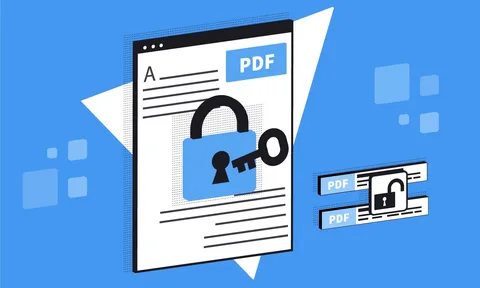
Whether you’re sharing a contract, a business proposal, or a personal document, knowing how to protect PDF online free is one of the smartest digital habits you can build. PDF protection keeps your content safe from unauthorized editing, copying, and distribution all without spending a single cent when you use the right tools. It also ensures document integrity, enhances privacy, and allows users to securely share files across different platforms while maintaining full control over access and permissions.
Understanding PDF Protection Basics
What does it mean to protect a PDF file?
Protecting a PDF means applying security restrictions to the document so that only authorized users can open, edit, copy, or print it. There are two primary Protect PDF Online Free layers: password protection, which locks the file entirely, and permission restrictions, which allow viewing but block specific actions like copying text or printing pages.
Open password and a Permissions password
An open password (also called a user password) prevents anyone from viewing the file without entering the correct credentials. A permissions password (or owner password) allows the file to be opened freely but restricts what viewers can do with it, such as editing content, extracting images, or printing at high resolution.
Protect PDF online using web-based tools
Add Password Protection to a PDF
Add a password to a PDF
You can protect PDF online free using tools available directly in your browser no installation required. Simply visit a reliable online PDF tool, upload your file, set your desired password, and download the secured version. The entire process typically takes under a minute.
Can I protect a PDF on my phone or tablet?
Yes, most browser-based PDF protection tools are mobile-friendly and work seamlessly on smartphones and tablets. As long as you have a stable internet connection and a modern browser, you can secure a PDF from any device without needing to install an app.
What password strength should I use for a protected PDF?
A strong PDF password should be at least 8–12 characters long and combine uppercase and lowercase letters, numbers, and symbols. Avoid using birthdays, names, or common words, as these are easily guessed. The stronger your password, the harder it is for unauthorized users to break the encryption.

PDF Permission Restrictions and Encryption
What permissions can I restrict when I protect a PDF?
When you protect PDF online free, most tools let you restrict a range of actions, including printing, copying text, editing content, adding annotations, and filling in forms. You can apply all restrictions at once or selectively allow certain actions while blocking others, giving you granular control over how recipients interact with your document.
What encryption level is used to protect PDFs?
Modern PDF protection tools typically use 128-bit or 256-bit AES (Advanced Encryption Standard) encryption. Financial institutions and government agencies use the 256-bit AES standard to protect sensitive data, and experts consider it highly secure.
Is it possible to lift PDF restrictions if I’ve lost the password
If you set the protection yourself and remember your password, you can remove restrictions by re-opening the file and using an online tool to decrypt it. However, if you genuinely lose the password, recovery is extremely difficult by design which is exactly why strong PDF encryption works so effectively as a security measure.
Choosing the Right Online PDF Protection Tool
What should I look for in a free online PDF protection tool?
Look for a tool that supports strong AES encryption, processes files over a secure HTTPS connection, and has a clear data retention policy that states files are deleted after processing. Tools that don’t require account registration are also preferable when handling sensitive documents, since they minimize the digital footprint of your file.
Are there any limitations to using free online PDF protection tools?
Free tools often have file size limits typically ranging from 5 MB to 100 MB per upload and may restrict the number of files you can process per day. For occasional use, these limits are rarely a problem. If you regularly work with large or numerous files, a premium plan or a dedicated desktop tool may better suit your needs.
Conclusion
Taking a few moments to protect PDF online free is a simple yet powerful way to keep your documents out of the wrong hands. Whether you’re locking down a single file or building a habit of securing every document you share, the tools available today make PDF protection fast, accessible, and completely free. Head over to multiconverters.net to protect your PDFs instantly no downloads, no fuss, just reliable security at your fingertips.
Author




Author


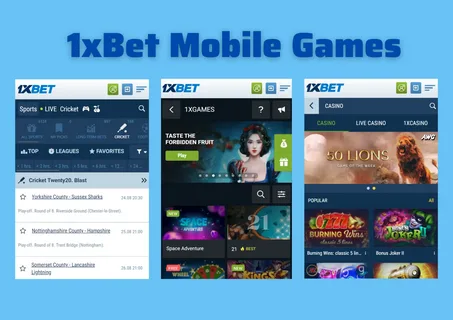
The global online gambling and sportsbook industry has evolved into one of the most profitable digital business sectors in the modern economy. Millions of users actively participate in online sports betting, live casino gaming, fantasy sports, and e-sports wagering every single day. For entrepreneurs and startup investors, the opportunity is massive. However, entering this competitive industry requires more than just an attractive website. It demands speed, scalability, operational efficiency, and a platform capable of delivering a premium betting experience. This is where a professional 1XBet Clone Software solution becomes a game-changing investment.
Instead of spending years building a sportsbook platform from scratch, entrepreneurs can leverage ready-made infrastructure to launch quickly, reduce operational costs, and focus on acquiring users and scaling revenue.
Entrepreneurs Prefer 1XBet Clone Software
Building a sportsbook from the ground up is expensive and technically complex. Development involves backend architecture, live odds integration, payment systems, risk management tools, user dashboards, security frameworks, and mobile optimization. These challenges often delay launch timelines and increase investment risks.
A professionally built 1XBet Clone Script eliminates these obstacles by offering a ready-to-launch sportsbook ecosystem with proven functionalities already integrated. Entrepreneurs can instantly access features that have already been tested and optimized for user engagement.
By choosing to Create a Sports Betting Platform Like 1XBet, businesses gain several advantages:
- Faster time-to-market
Lower development costs
Advanced sportsbook functionalities
Mobile-friendly betting experience
Multi-payment integration
Real-time betting engine
High scalability for future growth
This allows operators to focus on business expansion instead of technical complications.
Strategic Market Entry with Faster Deployment
Reduce Development Time & Enter the Market Quickly
Timing is critical in the online gambling industry. Market trends change rapidly, and businesses that delay their launch often lose valuable opportunities to competitors.
Traditional sportsbook development may take years before a platform becomes operational. During this time, operators continue spending money without generating revenue. A White Label 1XBet Clone Software solution drastically reduces development timelines, enabling businesses to launch within weeks.
This rapid deployment strategy allows entrepreneurs to:
- Start acquiring users immediately
Validate business ideas faster
Generate ROI quickly
Adapt to changing market trends
Scale operations without delays
Instead of reinventing the wheel, businesses can focus on building a strong betting brand from day one.
Localization: Regional Market Success
Customize the Platform for Different Betting Audiences
Every betting market behaves differently. User preferences, sports popularity, and payment methods vary across regions. A successful sportsbook platform must adapt to local user behavior.
For example:
Cricket dominates Asian betting markets
Football leads European sportsbook traffic
E-sports betting is rapidly growing among younger audiences
Crypto betting is expanding globally
A high-quality 1XBet Clone Script provides complete localization flexibility, allowing operators to customize:
- Language preferences
Currency support
Regional payment gateways
Betting odds formats
Promotional campaigns
Sports categories
This localization strategy improves user engagement and increases long-term customer retention.
Scalability & High-Performance Infrastructure
Handle Massive User Traffic Without Downtime
One of the biggest challenges for sportsbook startups is handling large-scale user traffic during major sporting events. Poor platform performance leads to slow betting experiences, failed transactions, and user frustration.
A robust 1XBet Clone Software solution is designed with scalable infrastructure capable of supporting:
- Thousands of concurrent users
Real-time odds updates
Instant bet processing
Live streaming integration
High-volume transactions
This ensures uninterrupted platform performance even during peak betting periods like:
- FIFA World Cup
IPL tournaments
UEFA Champions League
NBA Finals
UFC Events
A stable betting environment directly improves customer trust and platform credibility.
Advanced Analytics & Revenue Optimization
Data-Driven Decision Making for Higher Profitability
Modern sportsbook businesses rely heavily on real-time analytics and operational insights. Understanding user behavior helps operators maximize profits and reduce unnecessary risks.
A professional White Label 1XBet Clone Software includes powerful admin dashboards that provide detailed reports on:
- Gross Gaming Revenue (GGR)
Net Gaming Revenue (NGR)
User betting patterns
Revenue trends
Player activity
Risk exposure
These analytical tools allow sportsbook owners to make smarter business decisions and optimize marketing campaigns effectively.
User Acquisition & SEO Optimization
Build Visibility in a Competitive Betting Industry
Launching a sportsbook platform is only the beginning. Attracting consistent user traffic is what drives long-term success.
Modern sportsbook frameworks are optimized for:
- Mobile responsiveness
Fast loading speed
SEO-friendly architecture
Core Web Vitals performance
Seamless navigation
These technical optimizations improve search engine visibility and help platforms rank for high-intent betting keywords.
A technically optimized sportsbook platform reduces bounce rates, improves engagement, and increases conversion rates significantly.
Building User Trust
Why User Experience Determines Platform Success
In the online betting industry, trust directly impacts user retention. Bettors prefer platforms that provide:
- Fast registration
Secure payment systems
Instant deposit confirmations
Transparent withdrawals
Smooth betting navigation
Real-time notifications
A 1XBet-Style Sports Betting App equipped with biometric authentication, encrypted transactions, and responsive interfaces creates a premium betting environment that encourages long-term user loyalty.
A frictionless betting experience often becomes the strongest competitive advantage in crowded betting markets.
Revenue Diversification Beyond Sports Betting
Generate Revenue 24/7 with Multiple Gaming Modules
Successful sportsbook businesses do not rely solely on sports betting revenue. Diversification is essential for maintaining continuous cash flow.
A feature-rich 1XBet Clone Script can integrate additional gaming modules such as:
- Live Casino Games
Virtual Sports
Fantasy Sports
Poker Platforms
E-sports Betting
Cryptocurrency Gaming
Slot Games
These additional modules help operators generate revenue around the clock, even during off-seasons or periods with fewer sporting events.
Automated Retention & Smart Marketing Features
Increase User Engagement with Behavioral Automation
Retaining users is more profitable than constantly acquiring new players. Advanced sportsbook platforms now utilize intelligent automation systems to improve customer engagement.
Modern White Label 1XBet Clone Software solutions include features like:
- Personalized push notifications
Cashback offers
Odds boost campaigns
Loyalty rewards
Automated promotional alerts
Referral bonus systems
For example, if a user becomes inactive, the platform can automatically send customized promotional offers to encourage re-engagement.
These automation tools improve retention rates while reducing manual marketing costs.
Risk Management & Regulatory Compliance
Protect Your Sportsbook Business from Financial Risks
Operating a sportsbook platform requires strong compliance and risk-control systems. Fraud prevention and regulatory compliance are essential for long-term sustainability.
Professional sportsbook solutions include integrated:
- KYC verification systems
AML compliance tools
Fraud detection systems
Risk exposure monitoring
Betting limit controls
Odds management systems
These tools help operators maintain platform security while protecting liquidity from suspicious betting activity and financial exploitation.
Conclusion: Build a Scalable Sports Betting Brand
The online betting industry continues to expand rapidly, creating enormous opportunities for entrepreneurs ready to enter the market. However, success depends on launching quickly, scaling efficiently, and delivering a seamless user experience.
A powerful 1XBet Clone Software solution provides the infrastructure needed to build a profitable sportsbook business without the complexity of custom development. From advanced analytics and localization support to risk management and automated retention tools, the platform enables operators to focus on growth rather than technical challenges.
By leveraging a professional 1XBet Clone Script, businesses can establish a competitive betting brand capable of attracting users, maximizing engagement, and generating long-term revenue.
Author



Custom Clothing Tags: Brand Identity and Customer Experience

Custom Swing Tags: Brand Identity and Product Presentation

Custom Luggage Tags: Brand Identity and Travel Experience

Tax Planning Strategies: Business Growth and Financial Efficiency

Domestic Storage: Solution for Modern Home Space Management

Pilonidal Sinus Treatment: Causes, Symptoms, and Laser Care

Perfect Endmills for Complex CNC Machining Jobs

Dubai Road and Driving: Cinematic Paradise for Car Content

Thumb Tissue Forceps: Engineering for Surgical Excellence

Trapstar Clothing: The Rise of a Global Streetwear Icon

Cybersecurity Consulting Company SequelNet Provides Critical IT Support Services to Medical Billing Firm, Medical Optimum

Team Communication Software Transforms Operations at Finance Innovate

Project Management Tool Transforms Long Island Business

How Alleviate Poverty Utilized IPPBX’s All-in-One Solution to Transform Lives in New York City

Breast Cancer: The Imperative Role of Mammograms in Screening and Early Detection

Unstoppable Collaboration: D.C.’s Citi Open and Silicon Valley Classic Unite to Propel Women’s Tennis to New Heights

Embracing Renewal: Sizdabedar Celebrations Unite Iranians in New York’s Eisenhower Park

The Benefits of Starting a Side Hustle for Financial Freedom

New Blood Donation Screening Questions What You Need to Know

Stylishly Timeless: The 5 Types of Sandals You Need in Your Closet
-

 Business3 years ago
Cybersecurity Consulting Company SequelNet Provides Critical IT Support Services to Medical Billing Firm, Medical Optimum
-
Business3 years ago
Team Communication Software Transforms Operations at Finance Innovate
-
Business3 years ago
Project Management Tool Transforms Long Island Business
-
Business3 years ago
How Alleviate Poverty Utilized IPPBX’s All-in-One Solution to Transform Lives in New York City
-
health3 years ago
Breast Cancer: The Imperative Role of Mammograms in Screening and Early Detection
-
Sports3 years ago
Unstoppable Collaboration: D.C.’s Citi Open and Silicon Valley Classic Unite to Propel Women’s Tennis to New Heights
-
Art /Entertainment3 years ago
Embracing Renewal: Sizdabedar Celebrations Unite Iranians in New York’s Eisenhower Park
-
Finance3 years ago
The Benefits of Starting a Side Hustle for Financial Freedom







