
Beauty Fitness
Customizing Your Hair Care Routine: Tips for Strengthening and Growing Your Unique Hair Type


Welcome to our blog on customizing your hair care routine! Your hair is unique and deserves a customized approach to achieve the strength and growth you desire. Whether you have straight, curly, fine, or thick hair, there are specific tips and products tailored to suit your individual needs. In this article, we’ll explore how to determine your hair type and customize your routine accordingly. We’ll also provide expert advice on maintaining healthy locks and troubleshooting common issues. Get ready to unlock the secrets of your luscious locks!
What is your hair type?
Understanding your hair type is essential to customizing a hair care routine that works for you. The first step in identifying your hair type is to determine its texture, which can range from fine to coarse. Fine hair tends to be fragile and prone to breakage, while coarse hair is thicker and more resilient.
Another factor to consider when determining your hair type is its porosity or the amount of moisture it can retain. Low porosity hair repels moisture, making it difficult for products like oils and conditioners to penetrate the strands. High porosity hair absorbs moisture quickly but also loses it just as fast.
Identify whether you have straight, wavy, curly or coily/kinky textured locks. Straight-haired individuals have smooth strands with little-to-no curl pattern while those with wavy locks have a slight “S” shape throughout their tresses. Curly haired individuals may have loose ringlets while kinky/coily textures feature tight coils resembling spirals.
By understanding these factors about your unique tresses, you can tailor an effective regimen that targets both moisturizing and strengthening properties based on what will work best for your specific needs!

How to customize your hair care routine for your hair type
Customizing your hair care routine is essential for maintaining healthy and beautiful hair. Each person’s hair type is unique, and therefore requires a customized approach to caring for it. Knowing your hair type can help you determine the best products to use and how often to use them.
Firstly, identify your hair type – whether it’s straight, wavy, curly or coily. Then consider its texture – fine or coarse? Hair porosity: low (hard to absorb moisture), medium (absorbs well) or high (loses moisture quickly)? And density – thin, average or thick?
Once you have identified these factors, select products specifically designed for your hair type that address its needs. For example, if you have dry scalp on a regular basis choose moisturizing shampoos rather than ones containing sulfates which strip natural oils out of the scalp.
Additionally, consider adjusting the frequency of washing and conditioning based on what works best for your individual needs. Those with oily scalps should wash more frequently while those with dry scalps may benefit from less frequent washing.
Ultimately customizing your hair care routine means finding what works best for YOU! Don’t be afraid to experiment with different products and techniques until you find what gives you optimal results.
The best products for your hair type
Finding the right hair products can be difficult, but it’s essential to use ones that are specifically designed for your unique hair type. Here are some of the best product recommendations for different hair types.
For those with fine or thin hair, volumizing shampoos and conditioners can help add body and fullness to your locks. Look for lightweight formulas that won’t weigh down your strands or leave them feeling greasy.
If you have curly or coily hair, moisturizing products are a must-have. A hydrating shampoo and conditioner combo will keep curls defined and prevent frizz. Additionally, using curl-enhancing styling products like gels or mousses can help enhance natural wave patterns.
For those with color-treated hair, sulfate-free shampoos and conditioners are crucial to maintain vibrancy and prevent fading. Deep conditioning treatments also help repair any damage caused by processing while keeping color looking fresh.
Those with oily scalps should look for clarifying shampoos that remove excess oil without stripping away essential moisture from the rest of their tresses.
If you have dry or damaged locks, opt for nourishing masks or serums packed with ingredients like keratin or argan oil to restore hydration levels and promote healthy growth.
Remember: investing in quality products tailored to your specific needs is key to achieving strong, healthy-looking locks!
Tips for healthy hair
Healthy hair is a sign of good overall health, and who doesn’t want that? But achieving healthy hair can be easier said than done. Here are some tips to help you maintain healthy locks.
Firstly, make sure to keep your scalp clean. This means washing your hair regularly with a gentle shampoo that won’t strip away natural oils. Avoid using hot water as it can dry out your scalp and cause damage to your hair.
Secondly, avoid using heat styling tools too often. Heat can cause irreparable damage to the strands of our hair, leading to breakage and split ends. Instead, let your hair air dry naturally or use a cool setting on your blow dryer.
Thirdly, protect your hair from environmental factors such as UV rays and pollution by wearing hats or scarves when outside for an extended period of time.
Nourish your body with a healthy diet full of vitamins and minerals essential for strong and healthy hair growth like biotin-rich foods (eggs), vitamin C-rich fruits (citrus) and omega-3 fatty acids found in fish oil supplements.
By following these simple tips regularly you will have healthier-looking tresses in no time!
How to troubleshoot common hair problems
Hair problems can be frustrating, but they don’t have to ruin your day. From frizz and split ends to dryness and breakage, there are many common hair issues that people face. Fortunately, with a little knowledge and effort, these problems can often be resolved.
One of the most common hair problems is frizz. Frizz occurs when the cuticle layer on our strands becomes raised or lifted due to humidity, heat styling or excessive brushing. To combat this issue, use a deep conditioning treatment once a week and always apply anti-frizz products before blow-drying.
Split ends are another pesky problem that can make our hair look dull and unhealthy. The best way to avoid them is by getting regular trims every six to eight weeks. Additionally, using heat protectant sprays before styling tools like flat irons or curling wands will help prevent damage that can lead to split ends.
Dryness is yet another common complaint among people with all types of hair textures – especially curly or coily ones! To add moisture back into your locks without weighing them down with heavy oils or creams try using a leave-in conditioner after washing your tresses.
Hair loss is also something many individuals struggle with at some point in their lives- whether it’s caused by genetics or stress factors such as illnesses like cancer treatments or thyroid issues- it’s important not only do you consult medical professional for advice but also incorporate gentle scalp massages while shampooing & conditioning with strengthening ingredients in order promote better circulation which supports healthy growth over time!
In conclusion taking care of your unique type of Hair may seem intimidating at first but remember that identifying what kind of Hair you have then customizing its maintenance routine accordingly will ensure long-term health benefits making both you AND those luscious locks happy!
Conclusion
Customizing your hair care routine for your unique hair type is crucial for achieving healthy and strong locks. By identifying your hair type and using the appropriate products, you can strengthen and grow your hair to its fullest potential. Remember to nourish your locks with a balanced diet, protect them from heat damage, and troubleshoot common problems like split ends or dandruff. With these tips in mind, you can create a customized hair care routine that works best for you and helps you achieve the luscious locks of your dreams!
Author


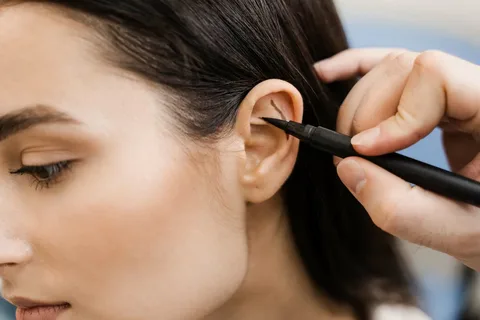
Prominent ears, which people often call “bat ears,” represent a common anatomical variation. In these cases, the ears sit at a wider angle from the head than average. While this condition does not affect hearing or physical health, the aesthetic impact can feel significant. Many cultures highly value facial symmetry, and protruding ears can disrupt that balance. Ear Reshaping Surgery in Dubai offers a definitive medical correction for this trait. Surgeons utilize advanced techniques to “pin” the ears back, creating a more recessed and natural-looking profile.
What is Ear Reshaping Surgery in Dubai for Protrusion?
Clinical protrusion occurs when the distance between the ear rim and the side of the head exceeds two centimeters. Usually, an underdeveloped antithetical fold (the inner rim) or an oversized concha bowl (the deep cup) causes this gap. Ear Reshaping Surgery in Dubai serves as the clinical process for reconstructing these specific landmarks.
The surgeon performs the procedure as an outpatient treatment. They focus on structurally repositioning the cartilage to reduce the “fan-like” appearance of the ears. In our clinical experience, correcting protrusion stands as one of the most straightforward yet transformative aesthetic surgeries available today. Patients typically report that the change feels subtle. Friends and family notice the patient looks “better,” but they rarely realize the patient underwent surgery.
How the Procedure Sets Back the Ears
The procedure functions by modifying the spring and shape of the auricular cartilage. The surgeon begins by making a discreet incision hidden in the crease behind the ear. Through this opening, they access the cartilage framework.
The surgeon then uses internal, permanent sutures to “bend” the ear backward. If they encounter particularly stiff cartilage, they may employ “cartilage scoring.” This technique involves creating microscopic abrasions that allow the tissue to take on a new shape without tension. By anchoring these sutures to the dense tissue covering the mastoid bone, the surgeon “sets back” the entire ear structure. This ensures that the results remain structurally sound. It also prevents the natural tendency of cartilage to “spring” back to its original position.
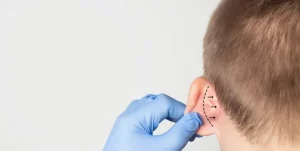
Why Choose Surgery for Prominent Ears?
The surgeon performs this intervention to bring the ears into a standard aesthetic range. Ideally, ears should sit at an angle of roughly 25 to 30 degrees from the head. Ear Reshaping Surgery in Dubai eliminates the “projection” that causes ears to stick out through hair or under hats.
This surgery serves as an essential tool for restoring facial balance. Ears that protrude too far can make the head appear wider or the face look asymmetrical. Beyond simple pinning, the surgeon uses the procedure to define the inner folds. Often, a “bat ear” looks flat and lacks detail. By recreating the antihelices fold, the surgeon gives the ear a more detailed, anatomically correct shape.
The Long-Term Benefits of Correction
Choosing to undergo surgery for protrusion offers several significant advantages:
-
Symmetrical Profile: The surgeon ensures both ears recessed to the same degree for a balanced look.
-
Natural Contour: Modern techniques avoid the “plastered to the head” appearance. Instead, they maintain a soft, natural curve.
-
Permanent Results: A single procedure provides a lifetime of correction.
-
Psychological Confidence: The surgery removes a frequent source of self-consciousness in social and professional life.
-
Hidden Scarring: The surgeon tucks all surgical marks away in the shadow behind the ear.
Identifying Ideal Candidates
The ideal candidate for Ear Reshaping Surgery in Dubai includes anyone over the age of five who feels bothered by their ear projection. For adults, the surgery finally addresses a trait they may have hidden for decades. For children, it represents a proactive step toward a more confident school experience.
During the consultation, the medical team evaluates the “spring” of your cartilage. They also measure the depth of your conchal bowl. This assessment helps them determine if a simple fold or a cartilage reduction offers the best path forward for your specific anatomy.
A Step-by-Step Look at the Pinning Process
The surgical journey follows a precise medical protocol to ensure safety and aesthetic accuracy.
-
Measurement: The surgeon uses calipers to mark the current projection and the target recessed position.
-
Incision: They make a vertical cut behind the ear where the tissue meets the scalp.
-
Cartilage Folding: The surgeon places permanent sutures to create or deepen the antihelical fold.
-
Conchal Setback: If the middle of the ear is too deep, the surgeon sutures it closer to the bone.
-
Final Verification: The surgeon checks the ears from the front to ensure the rim remains visible but no longer protrudes.
-
Bandaging: The team applies a compression wrap to protect the ears during the initial healing phase.
Common Treatment Areas and Corrective Zones
Surgeons focus on specific zones that contribute to the “bat ear” appearance.
| Protrusion Zone | Anatomical Focus | Surgical Correction |
| Superior Crura | The upper part of the ear rim. | Folds the top of the ear closer to the head. |
| Concha Bowl | The deep “cup” of the ear. | Reduces depth to pull the mid-ear inward. |
| Earlobe | The bottom fleshy part. | Ensures the lobe does not flare out. |
Cost Factors and Clinical Expertise
The investment in Ear Reshaping Surgery in Dubai reflects the intricacy of the ear’s cartilage. Stiff ears or those with multiple structural issues require more time and precision. When you choose a clinic with high standards, you pay for an expert who understands balance. They will not over-correct the ears. The true value lies in a result that looks natural and lasts a lifetime without the need for future revisions.
The Recovery Timeline
Patients typically report that the first week involves the most adjustment.
-
Days 1–3: You wear a bulky headband. Your ears may feel tight or throb slightly during this time.
-
Week 1: The surgeon removes the dressing. You can immediately see the new, closer position.
-
Weeks 2–6: You must wear a soft headband at night. This protects the internal sutures while you sleep.
-
Month 3: The ears fully “settle.” They will feel firm, natural, and permanent.
Safety and Long-Term Maintenance
The medical team maintains safety through sterile techniques and expert execution. Common side effects like temporary bruising or numbness resolve on their own. To maintain your new profile, you should follow these steps:
-
Sleep Carefully: Avoid side-sleeping for the first few weeks to prevent pressure on the sutures.
-
Handle with Care: Be gentle when putting on or taking off glasses or sunglasses.
-
Avoid Sports: Stay away from contact sports for 8 to 12 weeks. This allows the cartilage to harden fully in its new spot.
Conclusion: A More Balanced Future
Correcting “bat ears” provides a safe and effective way to bring balance to your facial features. It often brings a new level of confidence to your personal and professional life. Through the precision of Ear Reshaping Surgery in Dubai, you can achieve a profile that feels proportionate. Our team provides the medical excellence and care needed for a successful transformation.
Author


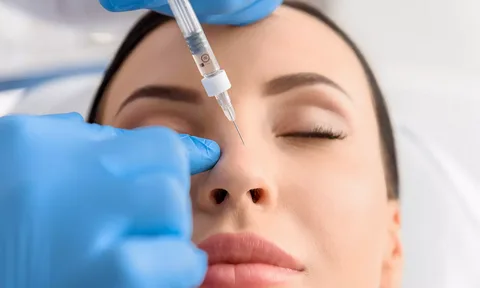
For those seeking refinement without dramatic change, Rhinoplasty in Islamabad offers solutions designed to enhance the nose while maintaining a natural appearance. Natural-looking rhinoplasty focuses on subtle adjustments that complement the patient’s facial features rather than creating a dramatically different nose. With modern surgical techniques, advanced planning, and skilled surgeons, patients can achieve aesthetic improvements that feel effortless and harmonious with their overall look.
Understanding Natural-Looking Rhinoplasty
Natural-looking rhinoplasty emphasizes preserving individual facial characteristics while correcting minor imperfections. Unlike traditional rhinoplasty, which may prioritize drastic changes, this approach aims for:
-
Balanced facial proportions
-
Minimal visible scarring
-
Subtle adjustments that enhance natural beauty
The procedure considers the patient’s facial symmetry, skin thickness, and nasal structure to deliver results that look effortless and authentic.
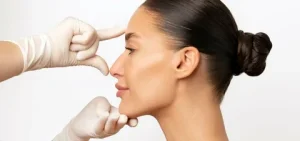
Key Techniques for Subtle Enhancements
1. Tip Refinement
The nasal tip plays a major role in overall aesthetics. Surgeons carefully reshape the tip using cartilage grafts or minor trimming to create a more refined appearance without over-altering the nose. This ensures a natural projection and contour that complements other facial features.
2. Dorsal Hump Reduction
For patients with a small bump on the nasal bridge, subtle dorsal hump reduction can smooth the profile while maintaining the natural slope of the nose. The goal is a harmonious contour rather than a completely flat bridge.
3. Minor Bridge Adjustments
Adjusting the nasal bridge width or alignment can improve balance and symmetry. Small modifications help correct asymmetry without making the nose look surgically altered.
4. Cartilage Grafting
Cartilage grafting is often used to support or elevate specific areas of the nose. Surgeons use the patient’s own cartilage from the septum, ear, or rib to reinforce the nasal structure. These grafts enable natural shape enhancement while ensuring stability and long-term results.
5. Preserving Facial Harmony
Natural-looking rhinoplasty always considers the relationship between the nose, eyes, lips, and chin. Surgeons carefully evaluate facial proportions to avoid overcorrection and ensure that the nose enhances rather than dominates the face.
Open vs. Closed Rhinoplasty for Subtle Results
-
Open Rhinoplasty: Provides full visualization of nasal structures and is ideal for precise, controlled adjustments. It is often used in revision cases or when multiple subtle enhancements are required.
-
Closed Rhinoplasty: Involves internal incisions with no external scars. Best suited for minor refinements or adjustments where natural results are the priority.
Both techniques can deliver subtle and natural-looking outcomes when performed by an experienced surgeon.
The Role of Pre-Operative Planning
Achieving subtle enhancements requires careful pre-operative planning. Surgeons use detailed assessments, 3D imaging, and facial analysis to determine the optimal modifications. Pre-operative simulation allows patients to visualize potential results and discuss preferences with their surgeon. This collaborative planning ensures realistic expectations and maximizes patient satisfaction.
Recovery and Healing for Natural-Looking Results
Recovery plays a crucial role in the final outcome. Proper care ensures minimal swelling, reduced bruising, and better structural alignment. Typical steps include:
-
Using cold compresses to manage swelling
-
Keeping the head elevated while sleeping
-
Following prescribed medication and care routines
-
Attending follow-up appointments to monitor healing
Patience is essential, as subtle swelling may persist for several months, and final results are usually visible after 6–12 months.
Benefits of Natural-Looking Rhinoplasty
-
Enhances overall facial harmony without a drastic change
-
Provides subtle improvements for a refined appearance
-
Minimizes scarring and invasive procedures
-
Boosts self-confidence with natural results
-
Suitable for patients seeking minor adjustments or first-time rhinoplasty
Choosing the Right Surgeon in Islamabad
Selecting a skilled and experienced surgeon is critical for natural-looking outcomes. Key considerations include:
-
Verified credentials and extensive rhinoplasty experience
-
A portfolio of before-and-after photos demonstrating subtle enhancements
-
Positive patient reviews highlighting natural results
-
Ability to personalize surgical plans based on facial anatomy
An experienced surgeon ensures that the enhancements complement the patient’s unique features while maintaining authenticity.
FAQs About Natural-Looking Rhinoplasty in Islamabad
1. What makes rhinoplasty “natural-looking”?
Natural-looking rhinoplasty prioritizes facial harmony, subtle refinements, and proportionate adjustments, avoiding dramatic changes that appear artificial.
2. How long is the recovery period?
Initial recovery usually takes 1–2 weeks, but subtle swelling may persist for months. Final results are typically visible within 6–12 months.
3. Can minor corrections still improve appearance significantly?
Yes. Even small adjustments to the tip, bridge, or alignment can enhance overall facial balance and make a noticeable difference without dramatic change.
4. Is natural-looking rhinoplasty suitable for first-time patients?
Absolutely. Many patients prefer subtle enhancements for their first rhinoplasty to achieve a refined appearance while preserving their natural look.
5. Are there risks associated with subtle rhinoplasty?
All surgeries carry some risk, including swelling, bruising, or minor asymmetry. Choosing a qualified surgeon minimizes these risks.
6. Can non-surgical rhinoplasty achieve natural-looking results?
Non-surgical options using dermal fillers can create temporary enhancements and minor adjustments, but they cannot achieve structural changes like surgical rhinoplasty.
7. How do I ensure the results remain natural over time?
Following post-operative care instructions, attending follow-ups, and avoiding trauma to the nose help maintain subtle, long-lasting results.
Natural-looking rhinoplasty emphasizes refinement over dramatic change, enhancing both aesthetics and self-confidence. By focusing on subtle enhancements, precise surgical techniques, and personalized treatment plans, patients can achieve a harmonious and authentic appearance. For professional guidance, expert surgeons, and advanced rhinoplasty procedures in Islamabad, SKN Cosmetics offers a trusted clinic with modern facilities, personalized care, and safe, effective results.
Author


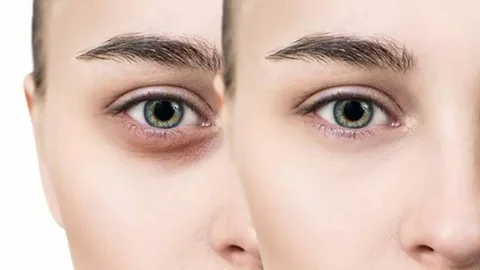
Dark circles under the eyes are a widespread concern for many individuals across Pakistan. These shadows often create a tired, aged, or stressed appearance that doesn’t always reflect how you truly feel. Before diving into a solution, it is vital to understand that the skin around your eyes is the most delicate on your body. Whether the cause is lifestyle-related or biological, professional dark circles treatment in Islamabad offers a path toward lasting results while maintaining the integrity of this sensitive area.
Identifying the Root Causes of Dark Circles
Understanding why these shadows appear is the first step in effective management. Several factors contribute to the darkening of the periorbital region:
-
Lifestyle and Fatigue: Chronic lack of sleep, high stress, and general exhaustion make the skin appear dull and pale. This allows the dark tissues and blood vessels beneath your skin to show through.
-
Genetics and Anatomy: Some people are biologically predisposed to thinner skin or deeper tear troughs. This creates a natural shadow that no amount of sleep can fully erase.
-
Environmental Factors: Excessive screen time leads to eye strain, which can enlarge the blood vessels around the eyes. Similarly, sun exposure triggers the body to produce more melanin, the pigment that provides skin with its color.
-
Aging: As you age, your skin loses collagen and thins. The resulting hollowness makes the underlying blue-tinted blood vessels more prominent.
Natural Methods to Brighten Your Eyes
For those in the early stages of concern, natural remedies can provide a refreshed look without the need for clinical intervention. Consistency is the most important factor when following these home-based routines.
1. Prioritize Rest and Hydration
Sleep is the body’s primary repair mechanism. Aiming for 7–8 hours of quality rest prevents the “puffy” look that casts shadows under the eyes. Additionally, drinking plenty of water ensures the skin remains plump and healthy; dehydration is a leading cause of a sunken, dark appearance.
2. Cold Compresses and Tea Bags
Chilled cucumber slices or cold metal spoons work by constricting dilated blood vessels. This reduces redness and puffiness almost immediately. Alternatively, used green tea bags—chilled in the fridge—provide caffeine and antioxidants that stimulate blood circulation and lighten the skin.
3. Nutritional Support
A diet rich in vitamins C, E, and K is essential for skin elasticity and strength. Vitamin C, in particular, helps in collagen production, while Vitamin K is known for its role in blood clotting and helping with bruised-looking skin under the eyes.

The Advantages of Professional Dark Circles Treatment
While home remedies are excellent for maintenance, they often struggle to eliminate deep-seated pigmentation or structural hollowness. This is where a specialized Aesthetic Clinic in Islamabad becomes essential.
Why choose professional care?
-
Targeted Technology: Clinics use FDA-approved lasers to break down excess melanin or radiofrequency to tighten the skin.
-
Structural Correction: If your dark circles are caused by “hollow eyes,” dermal fillers can lift the area, eliminating the shadow cast by the brow bone.
-
Dermatological Supervision: Professional treatments are overseen by certified experts who customize the intensity of the procedure to match your specific skin type and sensitivity.
-
Efficiency: Unlike natural remedies that take months to show subtle changes, professional sessions provide visible, long-lasting improvements in a fraction of the time.
What to Expect During and After Treatment
Choosing the right clinic in Islamabad involves looking for hygiene, transparency, and expert credentials. A reputable dermatologist will always perform a thorough skin analysis before recommending a specific laser, chemical peel, or injectable treatment.
The Recovery Process
Modern aesthetic procedures prioritize minimal downtime. You may experience slight redness or minor swelling immediately following a laser or filler session, but this typically subsides within 24 to 48 hours. Most patients return to their daily routines the very next day. To maintain your results, it is crucial to use high-quality SPF and follow a gentle skincare regimen as prescribed by your doctor.
Frequently Asked Questions
Q: How quickly will I see a difference? A: Most patients notice an improvement within a few days to two weeks, depending on whether they opted for fillers (immediate) or laser therapy (gradual).
Q: Are these treatments safe for sensitive Pakistani skin types? A: Yes. Modern lasers are calibrated to treat various skin tones safely, specifically targeting pigment without damaging the surrounding tissue.
Q: Can I combine home remedies with professional sessions? A: Absolutely. In fact, maintaining a healthy lifestyle and using cold compresses can extend the life of your professional results.
Conclusion: Investing in Your Confidence
Dark circles do not have to be a permanent feature. By combining healthy lifestyle choices with the precision of a professional dark circles treatment in Islamabad, you can restore a youthful, energetic glow to your face. Whether you are dealing with genetic pigmentation or the effects of a busy lifestyle, modern dermatology offers safe and effective ways to brighten your outlook.
Author



Ear Reshaping Surgery in Dubai: Bat Ear Correction & Procedure

Secure Software Lifecycle Management: Approach to Cybersecurity

Corteiz Clothing: Hoodies, Tracksuits, Cargos & Streetwear Style

House and Land Packages in NSW: Complete Guide for Buyers

Houston Local SEO That Connects Businesses with Customers

Burberry Shirt US: Authentic Styles, Fit Guide & Online Store

Green Ammonia Market Growth: Trends, Technology & Outlook

Best Health Insurance Plan in India List Triggers Debate

Large Cap Funds: Benefits, and How They Build Long-Term Wealth

Why Sp5der Shorts Are Dominating Modern Streetwear Trends

Cybersecurity Consulting Company SequelNet Provides Critical IT Support Services to Medical Billing Firm, Medical Optimum

Team Communication Software Transforms Operations at Finance Innovate

Project Management Tool Transforms Long Island Business

How Alleviate Poverty Utilized IPPBX’s All-in-One Solution to Transform Lives in New York City

Breast Cancer: The Imperative Role of Mammograms in Screening and Early Detection

Unstoppable Collaboration: D.C.’s Citi Open and Silicon Valley Classic Unite to Propel Women’s Tennis to New Heights

Embracing Renewal: Sizdabedar Celebrations Unite Iranians in New York’s Eisenhower Park

The Benefits of Starting a Side Hustle for Financial Freedom

New Blood Donation Screening Questions What You Need to Know

Stylishly Timeless: The 5 Types of Sandals You Need in Your Closet
-

 Business3 years ago
Cybersecurity Consulting Company SequelNet Provides Critical IT Support Services to Medical Billing Firm, Medical Optimum
-
Business3 years ago
Team Communication Software Transforms Operations at Finance Innovate
-
Business3 years ago
Project Management Tool Transforms Long Island Business
-
Business3 years ago
How Alleviate Poverty Utilized IPPBX’s All-in-One Solution to Transform Lives in New York City
-
health3 years ago
Breast Cancer: The Imperative Role of Mammograms in Screening and Early Detection
-
Sports3 years ago
Unstoppable Collaboration: D.C.’s Citi Open and Silicon Valley Classic Unite to Propel Women’s Tennis to New Heights
-
Art /Entertainment3 years ago
Embracing Renewal: Sizdabedar Celebrations Unite Iranians in New York’s Eisenhower Park
-
Finance3 years ago
The Benefits of Starting a Side Hustle for Financial Freedom







