
Art /Entertainment
Exploring the Influence of Music Videos on Film Aesthetics

By

Reviewed
By Gia Daniela

Introduction
Music videos have become a major part of pop culture, influencing everything from fashion to how we see the world. One area where they have had a big impact is in film. Directors and cinematographers often look to music videos for inspiration when creating films. Over the years, music videos have changed the way we think about visual storytelling, and filmmakers have taken these ideas and applied them to movies. This article will explore how music videos influence the look and feel of modern films.
The Rise of Music Videos as Visual Storytelling

Image by: Yandex.com
When MTV started in the 1980s, music videos became more than just advertisements for songs. Artists like Michael Jackson and Madonna used music videos to tell stories, using dramatic visuals and innovative techniques. Music videos became mini-films, often telling a narrative or exploring deep themes in just a few minutes.
These videos used techniques that were also seen in movies, like slow motion, creative camera angles, and special effects. This style of visual storytelling caught the attention of filmmakers, who began to use these ideas in their own work. As a result, film and music videos started to influence each other in new and exciting ways.
The Role of Music Video Directors in Shaping Film Aesthetics

Image by: Yandex.com
Many filmmakers got their start in music videos, and their work has influenced how films look today. Directors like David Fincher (Seven, Fight Club) and Michel Gondry (Eternal Sunshine of the Spotless Mind) began their careers making music videos. Their experience in creating visually striking videos helped shape the unique, artistic approach they brought to filmmaking.
These directors have used the bold, experimental visual styles found in music videos to create films that are visually unforgettable. By blending music video techniques with traditional filmmaking, they’ve brought a new dimension to the world of cinema.
The Visual Style of Music Videos in Film

Image by: Yandex.com
Today, music videos are still a driving force in visual creativity. They often use bold colors, fast cuts, and intense imagery to make a statement. This kind of visual style has also been adopted by filmmakers. Movies today, especially action and science fiction films, are filled with the fast-paced editing and dream-like visuals that were once seen mostly in music videos.
Films like The Matrix (1999) and Inception (2010) are great examples of movies that borrowed visual ideas from music videos. These films use unusual camera angles, rapid editing, and surreal imagery, which are techniques often found in music videos. Filmmakers use these ideas to create movies that are visually stunning and memorable.
How Music Videos Shape Film Genres
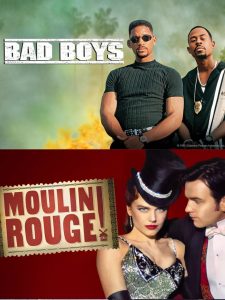
Image by: Yandex.com
Music videos have also influenced the way certain film genres look. For example, hip-hop and rap music videos often feature urban settings and a fast-paced, street-style aesthetic. This visual style has made its way into films like Bad Boys (1995), where filmmakers used quick cuts and dramatic lighting to create a high-energy feel.
In musical films like Moulin Rouge! (2001), the influence of music videos is even more obvious. Director Baz Luhrmann used the over-the-top style of music videos to create a visually captivating world. The use of bright colors, dramatic close-ups, and creative shots are all hallmarks of the music video aesthetic.

How Technology in Music Videos Influences Film
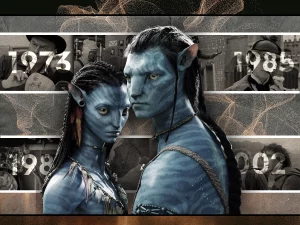
Image by: Yandex.com
Music videos are often at the forefront of using new technology to create unique visuals. Techniques like motion capture, digital effects, and green screens have all been used in music videos before becoming mainstream in films. These technologies have opened up new possibilities for filmmakers, allowing them to create stunning visuals that were not possible in the past.
For example, the animated video for Daft Punk’s One More Time (2000) inspired filmmakers to explore computer-generated imagery (CGI) in films like Avatar (2009). The blending of reality and fantasy through digital effects, which is common in music videos, has become a key feature in many blockbuster films today.
Examples of Music Videos Influencing Iconic Films
The Matrix (1999)

Image by: Yandex.com
The Matrix is a perfect example of how music videos have influenced films. The slow-motion bullet-dodging scene in the film, where the character Neo bends backward to avoid gunfire, was inspired by the visual style of music videos. The dynamic camera angles and the surreal, action-packed feel are very much in line with music video aesthetics, which often feature dramatic slow-motion shots and high-energy visuals.
Inception (2010)

Image by: Yandex.com
Inception by Christopher Nolan also draws from the visual world of music videos. The famous rotating hallway fight scene is a good example of how the disorienting, otherworldly visuals often found in music videos were adapted for the film. Nolan’s use of special effects, dream-like sequences, and surreal imagery are all techniques borrowed from the world of music videos.
Music Videos and Film Marketing
Music videos have also changed how films are marketed. Just as music videos showcase a song and attract viewers, they can also be used to promote films. For example, film studios sometimes release music videos that are tied to a movie’s soundtrack. These videos help set the tone for the film and give audiences a preview of what to expect. Music videos that are visually striking or feature popular songs can create buzz and attract more viewers to the film, giving it a strong marketing push before its release.
Music Videos Paving the Way for New Trends in Filmmaking
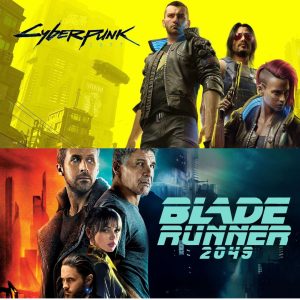
Image by: Yandex.com
Music videos often set trends that later appear in films. For example, the use of neon lights and glowing colors in music videos became a popular trend in film, especially in genres like cyberpunk or futuristic sci-fi. Movies like Blade Runner 2049 (2017) have embraced the bold, neon-lit aesthetic seen in music videos. These trends not only shape the look of films but also influence how stories are told. The focus on style and mood in music videos has encouraged filmmakers to create films with a strong visual identity, making the visuals just as important as the story itself.
The Collaboration Between Music Video Directors and Filmmakers
Another important aspect of the influence of music videos on film is the collaboration between music video directors and filmmakers. Many successful filmmakers began their careers making music videos, and their experience with visual storytelling has helped shape the film industry. Today, it’s common for music video directors to work on big-budget films, bringing their expertise in creating striking visuals to the table. This collaboration ensures that the influence of music videos continues to be seen in films, with filmmakers borrowing techniques and ideas from the world of music videos to make movies even more visually exciting and innovative.
Music Videos and Cultural Trends in Film
Music videos are a reflection of the culture and trends of the time, and they influence films in similar ways. For example, in the 1980s and 1990s, music videos embraced bold fashion choices and flashy visuals that later appeared in films. Today, music videos reflect social issues, personal stories, and trends in technology. These cultural trends seen in music videos often make their way into movies, which helps keep films relevant and connected to current society. As the cultural landscape changes, music videos will continue to shape the aesthetics of films, keeping them in tune with what is happening in the world.
Music Videos and the Use of Symbolism in Films
Music videos often use strong symbols to convey deeper meanings. For example, colors, objects, or actions may represent emotions, themes, or stories. This symbolic use of visuals has greatly influenced filmmakers. In films, directors now often use symbolism to add layers of meaning and make the story richer. Music videos helped filmmakers understand how powerful symbols can be in creating an emotional connection with the audience. These symbols can be subtle or bold, but they always serve to enhance the message the filmmaker wants to share.
Music Videos Influence on Film Soundtracks
Another area where music videos have influenced films is in the use of soundtracks. Music videos focus heavily on how the music works with the visuals to tell a story. This idea has carried over into films, where directors are now more careful in selecting the right music for each scene. The soundtrack can set the tone, change the mood, and even enhance the emotions of the characters. The connection between music and visuals in both music videos and films has become stronger, allowing the audience to feel more deeply involved in the story.
Music Videos in Film Commercials and Trailers

Image by: Yandex.com
Music videos also play a role in film marketing, particularly in commercials and trailers. Many film trailers use a music video-style editing technique, where quick cuts, intense imagery, and music are combined to grab the viewer’s attention. This technique is borrowed directly from music videos, where short, powerful visuals and sound are used to create impact. By using these methods in film promotions, studios can create excitement and interest in a movie long before its release, just as music videos do for an artist’s song.
The Blend of Genres in Music Videos and Films
Music videos have encouraged filmmakers to mix different genres, creating more unique and diverse films. For example, a music video might combine elements of horror, fantasy, and romance all in one short film. Filmmakers have adopted this approach, blending genres to create stories that are fresh and unexpected. By borrowing this idea from music videos, films can explore different styles and tones within a single movie, keeping the audience engaged and surprised throughout the experience. The flexibility of mixing genres in music videos has made its way into many blockbuster films.
Visual Storytelling from Music Videos to Film
One of the biggest influences music videos have had on films is the idea of visual storytelling. In music videos, the visuals often tell the story as much as the lyrics do. This approach has been embraced in filmmaking, where directors use visuals not just to support the dialogue, but to tell the story in a more direct and emotional way. For example, filmmakers may use a particular color palette to set a mood, or a specific camera angle to highlight a character’s emotions. Music videos helped filmmakers see the power of visual storytelling and how it can be used to add depth to a film.
The Impact of Music Video Editing Styles
Music videos are known for their fast-paced editing styles, with rapid cuts, zooms, and transitions that keep the viewer’s attention. This editing style has made its way into films, especially in action scenes or sequences that require a high level of energy. Filmmakers now often use quick cuts and visually dynamic shots to create tension or excitement, much like in music videos. These editing techniques help create a sense of urgency or emotion in a scene, and they keep the pace of the film moving quickly. The influence of music video editing styles has made films more engaging and visually stimulating.
The Challenges of Using Music Video Styles in Films
While music videos bring many exciting ideas to filmmaking, they also come with challenges. One challenge is that not all music video techniques work well in longer films. Music videos often use fast cuts and abstract visuals that might feel out of place in a full-length movie. Filmmakers must find a balance between creative visuals and storytelling to make sure the movie still flows smoothly. Another challenge is keeping the visuals fresh. Since many techniques from music videos have become common in films, it can be difficult to make a movie stand out with new visual ideas.
The Future of Music Videos in Film

Image by: Yandex.com
The future of music videos in film looks bright. As technology continues to improve, filmmakers will have more tools to create stunning visuals inspired by music videos. Advances in CGI, motion capture, and virtual reality will allow filmmakers to push the boundaries of what is possible on screen. Music videos will continue to inspire directors to experiment with new styles, creating films that are even more visually exciting. With the growing influence of social media and online platforms, music videos and films will likely continue to blend and influence each other in creative ways.
Comparing Music Videos and Films: Visual Elements
To better understand how music videos influence film, let’s compare some of the visual elements that are shared between the two mediums.
| Element | Music Videos | Films |
|---|---|---|
| Pacing and Editing | Fast cuts, rhythmic editing, and quick transitions | Slower pacing, but action films use fast editing |
| Visual Storytelling | Heavy use of visual metaphors and surreal imagery | Focus on plot and character, but uses some music video techniques |
| Camera Techniques | Dynamic angles and unusual perspectives | More traditional angles, but often uses creative shots |
| Use of Color | Bold, bright colors to create mood and style | More varied color schemes, with stylized choices in some genres |
| Symbolism and Metaphor | Strong use of symbolism to tell a story visually | Uses symbolism, but often less abstract than in music videos |
| Music Integration | Music is central to the story and visuals | Music is supportive to the story, but not the main focus |
Conclusion
The influence of music videos on film aesthetics is clear. What began as a way to promote music has turned into a powerful force in shaping how movies are made. The fast-paced editing, bright colors, creative camera work, and surreal imagery of music videos have become common in films today.
By studying the connection between music videos and film aesthetics, we can better understand how the two art forms influence one another. Music videos will likely continue to shape the way filmmakers create visually stunning movies, ensuring their lasting impact on the world of cinema.
Author


The popularity of IPTV has transformed the way people enjoy television at home. Instead of relying on traditional cable or satellite services, viewers can now stream live TV, sports, movies, news, documentaries, and international channels through a broadband internet connection. As IPTV technology continues to improve, many users are discovering that their viewing experience depends not only on their IPTV provider but also on the device they use for streaming.
Although IPTV applications can run on Smart TVs, smartphones, tablets, and other compatible devices, a dedicated streaming device often delivers a significantly better experience. Designed specifically for internet-based entertainment, these devices provide faster performance, smoother playback, quicker navigation, and enhanced compatibility with modern streaming technologies. When combined with a reliable Indian IPTV Set Top Box, viewers can enjoy stable HD and 4K streaming while minimizing buffering and delays.
If you’ve ever wondered, “Why should you choose a dedicated streaming device for IPTV?”, the answer lies in its ability to optimize every aspect of internet television. From improved processing power to better video decoding and long-term reliability, dedicated streaming hardware offers advantages that general-purpose devices often cannot match.
Parivar IPTV provides a dependable internet television platform featuring live TV, sports, movies, news, documentaries, family entertainment, lifestyle programming, and international channels. Compatible with Smart TVs, Android devices, Firestick, smartphones, tablets, laptops, desktops, and Indian IPTV Set Top Box, it delivers smooth HD and 4K streaming for households seeking a premium entertainment experience.
Understanding IPTV
IPTV, or Internet Protocol Television, delivers television content over a broadband internet connection instead of traditional cable or satellite networks. Rather than receiving broadcast signals, IPTV streams digital content directly to compatible devices.
Popular IPTV content includes:
- Live television
- Sports events
- Movies
- TV series
- News channels
- Documentaries
- Lifestyle programming
- Children’s entertainment
- International channels
Because IPTV relies on internet technology, both your internet connection and streaming hardware play an important role in overall performance.
What Is a Dedicated Streaming Device?
A dedicated streaming device is hardware specifically designed for streaming internet-based entertainment. Unlike general-purpose electronics, these devices focus on delivering smooth video playback, responsive navigation, and reliable performance. A quality Indian IPTV Set Top Box is one of the best examples of a dedicated streaming device built to support IPTV services.
Faster Processing Power
One of the biggest advantages of dedicated streaming hardware is its powerful processor. A modern Indian IPTV Set Top Box offers:
- Faster application loading
- Quicker startup times
- Smooth menu navigation
- Faster channel switching
- Better multitasking performance
These improvements make everyday streaming much more enjoyable.
Better HD and 4K Streaming
Today’s viewers expect excellent picture quality.
Dedicated streaming devices are optimized for:
- HD streaming
- Full HD playback
- 4K Ultra HD content
- Smooth video rendering
- Sharp image quality
- Rich color reproduction
When paired with a reliable internet connection, they deliver an impressive viewing experience.
Improved Video Decoding
Streaming high-quality video requires efficient decoding technology.
Dedicated IPTV hardware is designed to process modern video formats effectively.
Benefits include:
- Smoother playback
- Better synchronization
- Reduced lag
- Stable image quality
- Improved viewing comfort
These features are particularly valuable for live sports and fast-moving action scenes.
Reduced Buffering and Better Stability
Although internet speed is essential, hardware also contributes to streaming stability.
A quality Indian IPTV Set Top Box helps provide:
- Consistent playback
- Faster buffering recovery
- Better application optimization
- Reliable network communication
- Stable long-term performance
This creates a more dependable entertainment experience.

Easier Navigation
Modern IPTV services often include thousands of entertainment options.
Dedicated streaming devices improve usability through:
- Responsive interfaces
- Organized menus
- Quick searches
- Fast channel changes
- Smooth navigation
Users spend less time searching and more time enjoying their favorite content.
Multi-Device Compatibility
While a dedicated streaming device offers the best television experience, IPTV remains compatible with many devices.
Parivar IPTV supports:
- Smart TVs
- Android TV devices
- Firestick
- Smartphones
- Tablets
- Desktop computers
- Laptops
- Indian IPTV Set Top Box
This flexibility allows households to enjoy entertainment wherever it is most convenient.
Better Long-Term Performance
Streaming devices designed specifically for IPTV generally remain reliable over time.
Advantages include:
- Optimized software
- Better compatibility
- Stable updates
- Consistent performance
- Efficient hardware utilization
These benefits help maintain a smooth streaming experience even with regular daily use.
Easy Installation
Setting up a dedicated streaming device is simple.
Most users only need:
- Broadband internet
- HDMI connection
- IPTV application
- Subscription credentials
Within a short time, the system is ready for streaming.
Optimizing Your Home Network
Even the best streaming device performs better on a reliable home network.
To maximize IPTV performance:
- Position your router centrally.
- Upgrade outdated networking equipment.
- Connect using Ethernet whenever possible.
- Restart your router occasionally.
- Keep firmware updated.
These steps improve both stability and picture quality.
Keep Your Streaming Device Updated
Regular software updates help maintain peak performance.
Updates often include:
- Security improvements
- Performance enhancements
- Better compatibility
- Bug fixes
- Improved streaming efficiency
Keeping your Indian IPTV Set Top Box updated ensures reliable long-term operation.
Why Choose Parivar IPTV?
A premium streaming device performs best when paired with a dependable IPTV provider. Parivar IPTV delivers internet television featuring live TV, sports, movies, news, documentaries, lifestyle programming, family entertainment, and international channels across multiple compatible devices.
When used with a reliable Indian IPTV Set Top Box, users benefit from responsive navigation, smooth HD and 4K streaming, dependable software performance, and an exceptional entertainment experience tailored for modern households. Whether you’re upgrading from traditional television or building a future-ready streaming setup, Parivar IPTV provides the flexibility, quality, and reliability today’s viewers expect.
Tips for Choosing the Right Streaming Device
Before purchasing a dedicated IPTV device, consider the following:
- Choose hardware designed for HD and 4K streaming.
- Ensure compatibility with your television.
- Keep software updated regularly.
- Use a stable broadband connection.
- Connect with Ethernet whenever practical.
- Select a reliable IPTV provider.
Making informed choices helps maximize streaming performance.
The Future of Dedicated Streaming Devices
Streaming technology continues to advance every year.
Future devices are expected to offer:
- Faster processors
- Improved wireless connectivity
- Better energy efficiency
- Advanced video decoding
- Enhanced software optimization
- Smarter user interfaces
These innovations will continue improving IPTV performance and user experience.
Conclusion
Choosing a dedicated streaming device is one of the best ways to improve your IPTV experience. Compared to general-purpose devices, a high-quality Indian IPTV Set Top Box provides faster processing, smoother navigation, more efficient video decoding, reliable HD and 4K streaming, and better long-term performance. Combined with a stable internet connection, dedicated streaming hardware minimizes buffering, improves picture quality, and creates a more enjoyable home entertainment environment.
Parivar IPTV offers a trusted internet television platform designed for modern households seeking reliable access to live TV, sports, movies, news, documentaries, family entertainment, lifestyle programming, and international channels. Supporting Smart TVs, Android devices, Firestick, smartphones, tablets, laptops, desktops, and Indian IPTV Set Top Box, Parivar IPTV delivers dependable streaming, excellent picture quality, and flexible viewing across multiple devices. By pairing a premium IPTV service with dedicated streaming hardware, you can enjoy a faster, smoother, and more immersive entertainment experience every day.
Author


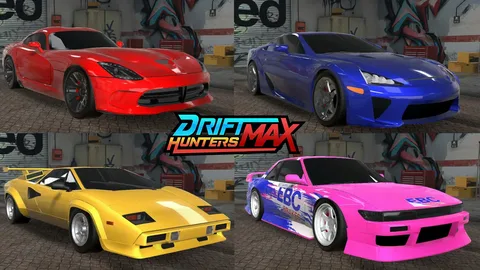
Hey, petrolheads, gearheads, and anyone who loves the smell of burning rubber—even when it’s entirely virtual! Ever found yourself staring out the window, picturing that perfect powerslide? You can see the rear wheels kicking out just right and hear the engine roaring in a symphony of controlled chaos. What if there was a game that bottled that exact exhilarating feeling and served it up on a silver platter right from the comfort of your web browser? Buckle up, because we’re about to take a deep dive into the world of Drift Hunters, a title that has been quietly carving its name into the hearts of drift enthusiasts worldwide.
1. What is Drift Hunters, Anyway? A Quick Overview
At its core, Drift Hunters is an immersive, free-to-play 3D car drifting game. It is built specifically for those who appreciate the genuine art of the controlled slide and the delicate balance between speed and angle. Unlike traditional racing games where the fastest lap time takes the trophy, Drift Hunters celebrates style, precision, and the sheer joy of pushing a vehicle to its absolute physical limits around a bend.
Think of it as a virtual playground for your inner drift king or queen. You pick your favorite ride, hit the track, and focus entirely on chaining together those perfect drifts, racking up massive scores, and looking exceptionally good while doing it. It is accessible, instantly gratifying, and surprisingly deep for a browser-based experience.
2. How to Play Drift Hunters
Alright, enough preamble. Let’s get down to the nitty-gritty: how do you actually pilot these machines? The ultimate beauty of Drift Hunters lies in its straightforward control layout, making it incredibly easy to pick up but surprisingly challenging to master.
-
W / Up Arrow: Accelerate
-
S / Down Arrow: Brake / Reverse
-
A / Left Arrow: Steer Left
-
D / Right Arrow: Steer Right
-
Spacebar: Handbrake (Your absolute best friend for initiating those epic sideways angles!)
-
C: Change Camera View (Experiment to find your preferred driving perspective!)

The Main Gameplay Loop
First, select your ride. When you initially load up the game, you’ll start with a basic factory car. Don’t worry about the modest performance; you will unlock awesome upgrades in no time. Next, choose your track. Drift Hunters offers a variety of specialized circuits, each with its own unique layout and challenges. From tight city streets to sprawling mountain passes, there is a setting for every drifting mood.
Once you are out on the track, hit the gas and accelerate into a corner. As you approach the turn, tap the handbrake while simultaneously steering hard into the bend. The car’s rear end will immediately kick out, initiating the slide.
Maintaining the drift is the tricky part. Use a careful combination of counter-steering, smooth throttle control, and slight taps of the handbrake to keep the car sliding sideways for as long as possible. The longer and more angled your drift, the more points you accumulate.
The real secret to hitting high scores is chaining your drifts together seamlessly. As one turn ends, smoothly transition the weight of the car into another slide in the opposite direction. The game will multiply your score for successful combos. Keep a close eye on the multiplier indicator popping up on your screen. The higher your multiplier, the faster your points accumulate. Just be careful not to clip a wall or spin out completely, or your multiplier resets to zero! As you score points, you earn in-game currency to buy brand-new cars or heavily upgrade your existing garage.
3. Useful Tips for Aspiring Drift Masters
While the basic controls are simple, becoming a true master of the asphalt takes dedicated practice and a few insider strategies. Here is how you can rapidly elevate your performance:
-
Start Slow and Learn the Physics: Do not go full throttle right away. Get a solid feel for how each individual car handles handbrake and throttle inputs, as every vehicle possesses a slightly different personality.
-
Master Counter-Steering: When the rear of your car kicks out, you must steer in the opposite direction of the slide. For example, if the rear slides to the right, you need to steer left. This stabilizes your trajectory and keeps you from spinning out.
-
Look Ahead Down the Track: Just like in real performance driving, always look at where you want to go next rather than where your bumper is currently pointing. This helps you anticipate upcoming corners and set up your next transition perfectly.
-
Experiment with Camera Angles: Tapping the “C” key changes your view. Some players prefer the classic chase camera for maximum spatial awareness, while others find the bumper or hood cam gives them better precision.
-
Invest Your Cash Wisely: Do not just save up all your money for the most expensive supercar right away. Upgrading your starter car’s engine, turbo, tires, and weight can drastically improve its drifting capabilities, making it much easier to farm cash early on. Prioritize your tires for better grip and control.
-
Fine-Tune Your Mechanical Ride: Once you unlock custom upgrades, visit the tuning section. Here you can adjust suspension stiffness, wheel camber, and gear ratios. Even small technical adjustments can completely transform how your car handles a slide.
-
Practice with Dedication: There is no substitute for time behind the virtual wheel. The more you play, the more intuitive the physics become, building the muscle memory required for perfect combos. Don’t get discouraged by spins—they are just part of the learning process!
4. Ready to Drift?
There you have it. Drift Hunters is much more than a simple distraction; it is an invitation to experience the thrill of perfectly executed slides, the satisfaction of chaining massive combos, and the joy of mastering a technical skill. It stands as a testament to the power of well-designed mechanics and a clear gameplay vision.
Whether you are a long-time fan of racing titles, a curious newcomer, or just looking for an exhilarating way to spend some free time, Drift Hunters offers a fantastic opportunity to unleash your inner speed demon.
Author


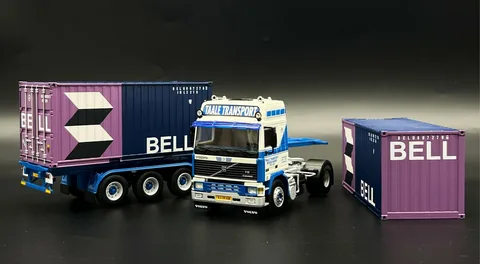
In the world of model vehicle collecting, few items attract enthusiasts quite like Volvo scale model trucks. These miniature replicas combine craftsmanship, attention to detail, and the rich heritage of one of the most respected truck manufacturers in the world. Whether you are a seasoned collector, a truck enthusiast, or someone looking for a unique gift, Volvo scale model trucks offer an excellent way to celebrate the iconic brand.
Over the years, the popularity of model trucks has grown significantly across the USA and Canada. Collectors appreciate them for their realism, display value, and connection to the trucking industry. However, with so many options available online, choosing the right model can feel overwhelming. Understanding scales, materials, features, and pricing can help you make a smarter purchase and build a collection you will enjoy for years.
Why Volvo Scale Model Trucks Are Popular
Volvo trucks have built a strong reputation for reliability, innovation, and modern design. Their real-world counterparts are widely used in transportation and logistics industries around the globe. As a result, miniature versions have become highly desirable among collectors and truck enthusiasts.
Many people purchase Volvo scale model trucks because they appreciate the engineering and design behind the brand. Others enjoy displaying them in offices, homes, workshops, or retail spaces. Some collectors focus exclusively on Volvo models, while others include them as part of a broader truck collection.
The appeal lies in the combination of realism and craftsmanship. A well-made scale model captures the appearance of a full-sized truck while fitting comfortably on a shelf or display cabinet.
Understanding Scale Sizes Before Buying
One of the first things you should consider when shopping for Volvo scale model trucks is the scale size. The scale determines how large the model is compared to the actual vehicle.
Common scales include:
- 1:64 Scale – Compact, affordable, and easy to display.
- 1:50 Scale – Popular among serious truck collectors.
- 1:24 Scale – Larger and more detailed.
- 1:18 Scale – Premium display models with exceptional realism.
Smaller models work well for collectors with limited space. They are easier to store and generally cost less. Larger scales provide more intricate details and often include moving parts, making them ideal for dedicated displays.
Before purchasing, measure your available display area. Many buyers overlook this step and later discover that their chosen model requires more room than expected.
Choosing the Right Material
The material used in construction plays a major role in quality, durability, and appearance.
Most Volvo scale model trucks are made from one of the following materials:
- Die-cast metal
- Plastic
- Mixed materials
Die-cast metal models are often preferred by collectors because they feel substantial and offer impressive durability. Their weight and realistic finish create a premium appearance. Plastic models are lighter and usually more affordable. While they may not have the same weight as die-cast versions, many still offer excellent detailing and visual appeal. When comparing models, pay close attention to paint quality, assembly precision, and overall craftsmanship. High-quality finishing can significantly improve the display value of a model truck.

Importance of Realistic Detailing
One feature that separates an ordinary model from an exceptional one is attention to detail.
Many collectors carefully compare a model to the actual Volvo truck it represents. Details such as mirrors, headlights, wheels, cabin interiors, trailers, and company markings contribute to authenticity.
Premium Volvo scale model trucks often include:
- Opening doors
- Functional steering
- Detailed interiors
- Realistic tires
- Movable trailers
- Authentic branding
These features create a more realistic appearance and enhance the overall collecting experience.
How Pricing Varies Between Models
Prices can vary significantly depending on several factors.
The most common pricing influences include:
- Scale size
- Material quality
- Level of detail
- Brand reputation
- Limited-edition status
- Availability
Entry-level models are often affordable and suitable for beginners. High-end collector pieces can cost substantially more due to superior craftsmanship and limited production runs. Instead of concentrating only on cost, assess the total worth. A slightly more expensive model may offer better durability, realism, and long-term satisfaction.
Finding a Trusted Seller
Purchasing from a reputable seller is just as important as choosing the right model.
Before placing an order, review the following:
- Customer reviews
- Return policies
- Shipping options
- Product descriptions
- Packaging methods
Reliable sellers provide clear information and responsive customer support. They also package items carefully to minimize the risk of damage during transit. This is especially important when ordering across the USA and Canada, where shipping distances can be significant.
Tips for Starting a Volvo Truck Collection
Building a collection becomes more enjoyable when you follow a clear strategy. Many successful collectors begin by selecting a specific focus. Some collect only Volvo trucks, while others specialize in particular scales or truck generations.
Consider these questions before expanding your collection:
- How much display space do you have?
- Which scale do you prefer?
- Are you collecting for display or investment?
- Do you want matching models?
Creating a plan early helps maintain consistency and prevents unnecessary purchases.
Displaying Your Volvo Scale Model Trucks
A well-organized display can significantly enhance the appearance of your collection.
Popular display options include:
- Glass cabinets
- Floating shelves
- Office displays
- Dedicated collector showcases
Keep models away from direct sunlight to prevent fading. Regular dusting also helps preserve their appearance. Many collectors use lighting to highlight details and create an attractive presentation. Proper display not only protects your investment but also allows others to appreciate the craftsmanship.
Volvo Scale Model Trucks Make Gifts
These models are not just for collectors. They also make thoughtful gifts for truck drivers, transportation professionals, hobbyists, and Volvo enthusiasts. A carefully selected model demonstrates attention to the recipient’s interests. Because they combine history, engineering, and artistry, they appeal to a wide range of people.
Whether displayed in a home office or added to an existing collection, a Volvo scale model truck can become a memorable keepsake.
Final Thoughts
Volvo scale model trucks offer much more than simple decoration. They celebrate the design, innovation, and legacy of one of the world’s most respected truck manufacturers. Whether you are purchasing your first model or expanding an established collection, taking the time to compare scales, materials, features, and sellers can make a significant difference.
By understanding what to look for and planning your collection carefully, you can avoid common mistakes and choose models that provide lasting enjoyment. From compact display pieces to highly detailed collector editions, there is a Volvo scale model truck for every enthusiast.
If you are ready to start or grow your collection, explore the available options through Trick My Truck and discover models that match your interests, display space, and collecting goals.
Author



Barbas Hats Caps: Quality Streetwear & Urban Style

Custom Candle Boxes San Antonio: Premium Packaging

ADHD Symptoms and Treatment Guide for Adults and Kids

QuickBooks Tool Hub 1.6.0.8: Download & Error Fix Guide

SEO Atlanta AI Tools: Boost Local Search Rankings Fast

Custom Candle Boxes Baltimore | Premium Brand Packaging

Laboratory Management Software: 20 Essential Lab Features

Buy Business in Dubai: Smart Investment Guide for 2026

Kitchen Remodeling Tips: Efficient Layouts, Storage & Lighting

Streetwear Fashion Brands: Comme des Garçons & Stussy Style

Cybersecurity Consulting Company SequelNet Provides Critical IT Support Services to Medical Billing Firm, Medical Optimum

Meet the Megalodon: The Shark Star of ‘Meg 2’

Reduce Video Game Lag: Level Up Your Gaming Performance

Balancing India’s Entertainment: Cricket vs. Bollywood

Jetsetter’s Secrets: Unveiling Our Favorite Travel Hacks for a Seamless Adventure

The 5 Best Live Sports Streaming Sites: Legal and Exciting!

Hollywood Labor Unrest: The Impact of ‘What About Us?’ Strikes

Unveiling the Magic of Dream Fulfillment at the Late NBA Draft

Illuminate Your Skin: Dr. Axe Unveils Natural Remedies for Lightening Knees and Elbows

Bright Choices: Navigating the Pros and Cons of Skin Whitening Creams with Dr. Axe
-

 Business3 years ago
Cybersecurity Consulting Company SequelNet Provides Critical IT Support Services to Medical Billing Firm, Medical Optimum
-
Entertainment3 years ago
Meet the Megalodon: The Shark Star of ‘Meg 2’
-
Entertainment3 years ago
Reduce Video Game Lag: Level Up Your Gaming Performance
-
 Sports3 years ago
Balancing India’s Entertainment: Cricket vs. Bollywood
-
Entertainment3 years ago
Jetsetter’s Secrets: Unveiling Our Favorite Travel Hacks for a Seamless Adventure
-
Productivity3 years ago
The 5 Best Live Sports Streaming Sites: Legal and Exciting!
-
Art /Entertainment3 years ago
Hollywood Labor Unrest: The Impact of ‘What About Us?’ Strikes
-
Sports3 years ago
Unveiling the Magic of Dream Fulfillment at the Late NBA Draft






