
Technology
France’s ‘Startup Nation’ Paves the Way for Crypto Innovation and Investment


In recent years, France has emerged as a hub for cryptocurrency innovation and investment, attracting startups, investors, and entrepreneurs from all over the world. The French government’s supportive stance towards the crypto industry, combined with a growing number of blockchain and crypto-related initiatives, has made the country an attractive destination for those looking to participate in the burgeoning digital asset market.
France has long been known as a hub for technology and innovation, with its capital, Paris, being a major center for finance, technology, and business. This, combined with the country’s rich history of entrepreneurship and innovation, has created a fertile ground for the growth of the crypto industry.
In 2019, the French government introduced a regulatory framework for ICOs (initial coin offerings), which was the first of its kind in Europe. This framework aimed to provide legal certainty for issuers and investors in the crypto market, while also promoting the development of innovative projects in the space. The French government’s proactive approach towards crypto regulation has helped to attract investors and businesses to the country, and has given the industry a much-needed boost in terms of legitimacy and credibility.
In addition to its regulatory framework for ICOs, France has also introduced a number of other initiatives to support the development of the crypto industry. The country’s central bank, Banque de France, has been experimenting with a central bank digital currency (CBDC) since 2020, and plans to launch a pilot program in the coming months. The French government has also launched a €150 million ($176 million) fund to support blockchain startups, with a particular focus on projects related to finance, supply chain, and healthcare.
The city of Paris has also emerged as a hub for crypto startups and entrepreneurs, with a growing number of co-working spaces, accelerators, and incubators catering specifically to the industry. One such space is Station F, a massive startup campus in the heart of Paris that houses over 30 crypto-related startups, including Ledger, a leading provider of cryptocurrency hardware wallets.

France’s proactive approach towards the crypto industry has not gone unnoticed by investors, with a number of high-profile companies and individuals entering the market in recent years. In 2021, French insurance giant AXA announced that it would allow customers to pay premiums in bitcoin, becoming one of the first major insurance companies to accept the cryptocurrency. Similarly, French billionaire Xavier Niel has invested in a number of crypto-related startups, including the cryptocurrency exchange Coin house.
The growth of the crypto industry in France has not been without its challenges, however. The industry has faced a number of regulatory hurdles, particularly around taxation and anti-money laundering (AML) regulations. In 2021, the French government introduced new regulations requiring crypto exchanges and custodians to register with the country’s financial regulator, Autorité des Marchés Financiers (AMF), and to comply with strict AML requirements.
Despite these challenges, however, the French crypto industry continues to grow and attract new participants. The country’s supportive regulatory environment, combined with a growing number of initiatives and infrastructure to support the industry, has created a favorable environment for innovation and investment in the space. As the digital asset market continues to grow and mature, it is likely that France will continue to play a leading role in shaping its future.
In conclusion, France’s ‘startup nation’ has emerged as a hub for cryptocurrency innovation and investment, thanks to a supportive regulatory environment and a growing number of blockchain and crypto-related initiatives. The French government’s proactive approach towards the industry has helped to attract investors and businesses to the country, and has given the industry a much-needed boost in terms of legitimacy and credibility. As the digital asset market continues to grow and evolve, it is likely that France will remain at.
Author




Author


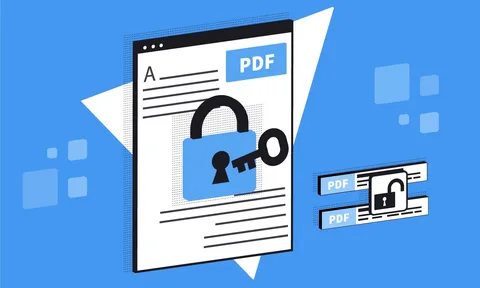
Whether you’re sharing a contract, a business proposal, or a personal document, knowing how to protect PDF online free is one of the smartest digital habits you can build. PDF protection keeps your content safe from unauthorized editing, copying, and distribution all without spending a single cent when you use the right tools. It also ensures document integrity, enhances privacy, and allows users to securely share files across different platforms while maintaining full control over access and permissions.
Understanding PDF Protection Basics
What does it mean to protect a PDF file?
Protecting a PDF means applying security restrictions to the document so that only authorized users can open, edit, copy, or print it. There are two primary Protect PDF Online Free layers: password protection, which locks the file entirely, and permission restrictions, which allow viewing but block specific actions like copying text or printing pages.
Open password and a Permissions password
An open password (also called a user password) prevents anyone from viewing the file without entering the correct credentials. A permissions password (or owner password) allows the file to be opened freely but restricts what viewers can do with it, such as editing content, extracting images, or printing at high resolution.
Protect PDF online using web-based tools
Add Password Protection to a PDF
Add a password to a PDF
You can protect PDF online free using tools available directly in your browser no installation required. Simply visit a reliable online PDF tool, upload your file, set your desired password, and download the secured version. The entire process typically takes under a minute.
Can I protect a PDF on my phone or tablet?
Yes, most browser-based PDF protection tools are mobile-friendly and work seamlessly on smartphones and tablets. As long as you have a stable internet connection and a modern browser, you can secure a PDF from any device without needing to install an app.
What password strength should I use for a protected PDF?
A strong PDF password should be at least 8–12 characters long and combine uppercase and lowercase letters, numbers, and symbols. Avoid using birthdays, names, or common words, as these are easily guessed. The stronger your password, the harder it is for unauthorized users to break the encryption.

PDF Permission Restrictions and Encryption
What permissions can I restrict when I protect a PDF?
When you protect PDF online free, most tools let you restrict a range of actions, including printing, copying text, editing content, adding annotations, and filling in forms. You can apply all restrictions at once or selectively allow certain actions while blocking others, giving you granular control over how recipients interact with your document.
What encryption level is used to protect PDFs?
Modern PDF protection tools typically use 128-bit or 256-bit AES (Advanced Encryption Standard) encryption. Financial institutions and government agencies use the 256-bit AES standard to protect sensitive data, and experts consider it highly secure.
Is it possible to lift PDF restrictions if I’ve lost the password
If you set the protection yourself and remember your password, you can remove restrictions by re-opening the file and using an online tool to decrypt it. However, if you genuinely lose the password, recovery is extremely difficult by design which is exactly why strong PDF encryption works so effectively as a security measure.
Choosing the Right Online PDF Protection Tool
What should I look for in a free online PDF protection tool?
Look for a tool that supports strong AES encryption, processes files over a secure HTTPS connection, and has a clear data retention policy that states files are deleted after processing. Tools that don’t require account registration are also preferable when handling sensitive documents, since they minimize the digital footprint of your file.
Are there any limitations to using free online PDF protection tools?
Free tools often have file size limits typically ranging from 5 MB to 100 MB per upload and may restrict the number of files you can process per day. For occasional use, these limits are rarely a problem. If you regularly work with large or numerous files, a premium plan or a dedicated desktop tool may better suit your needs.
Conclusion
Taking a few moments to protect PDF online free is a simple yet powerful way to keep your documents out of the wrong hands. Whether you’re locking down a single file or building a habit of securing every document you share, the tools available today make PDF protection fast, accessible, and completely free. Head over to multiconverters.net to protect your PDFs instantly no downloads, no fuss, just reliable security at your fingertips.
Author




Author



Shopify Web Development: Supporting Faster Online Store Growth

ER Collets: Improving Stability and Tool Performance

Scoville Retractor by Grey Medical: Precision Surgical Excellence

Chemical Peels: Brighten, Smooth, and Rejuvenate Your Skin

CNC Milling Efficiency: Endmill Tools for Precision Machining

Chrome Hearts Jewelry: Necklaces & Handcrafted Accessories

B2B Platforms: Shift Toward Unified Workflow Architecture

Custom Socks Tags: Creative Apparel Branding & Packaging

Custom Shirt Tags: Premium Branding & Clothing Label

Custom Jeans Tags: Premium Denim Branding & Tag Solutions

Cybersecurity Consulting Company SequelNet Provides Critical IT Support Services to Medical Billing Firm, Medical Optimum

Team Communication Software Transforms Operations at Finance Innovate

Project Management Tool Transforms Long Island Business

How Alleviate Poverty Utilized IPPBX’s All-in-One Solution to Transform Lives in New York City

Breast Cancer: The Imperative Role of Mammograms in Screening and Early Detection

Unstoppable Collaboration: D.C.’s Citi Open and Silicon Valley Classic Unite to Propel Women’s Tennis to New Heights

Embracing Renewal: Sizdabedar Celebrations Unite Iranians in New York’s Eisenhower Park

The Benefits of Starting a Side Hustle for Financial Freedom

New Blood Donation Screening Questions What You Need to Know

Stylishly Timeless: The 5 Types of Sandals You Need in Your Closet
-

 Business3 years ago
Cybersecurity Consulting Company SequelNet Provides Critical IT Support Services to Medical Billing Firm, Medical Optimum
-
Business3 years ago
Team Communication Software Transforms Operations at Finance Innovate
-
Business3 years ago
Project Management Tool Transforms Long Island Business
-
Business3 years ago
How Alleviate Poverty Utilized IPPBX’s All-in-One Solution to Transform Lives in New York City
-
health3 years ago
Breast Cancer: The Imperative Role of Mammograms in Screening and Early Detection
-
Sports3 years ago
Unstoppable Collaboration: D.C.’s Citi Open and Silicon Valley Classic Unite to Propel Women’s Tennis to New Heights
-
Art /Entertainment3 years ago
Embracing Renewal: Sizdabedar Celebrations Unite Iranians in New York’s Eisenhower Park
-
Finance3 years ago
The Benefits of Starting a Side Hustle for Financial Freedom







