
Business industrial
Ski Industry Takes a Stand: Activism Becomes the New Norm


The ski industry has traditionally been known for its apolitical stance, with most ski resorts focused solely on providing a fun and enjoyable experience for their customers. However, in recent years, there has been a shift in the industry towards activism, as ski resorts take a stand on social and environmental issues.
From climate change to social justice, ski resorts are increasingly using their platform to raise awareness and advocate for change. This shift is being driven by a younger generation of skiers and snowboarders who are demanding that their favorite resorts take a more active role in addressing pressing societal issues.
One example of this trend is the recent decision by Vail Resorts, the largest ski resort operator in the world, to commit to zero net emissions by 2030. The company, which owns and operates 37 ski resorts worldwide, has also pledged to use 100% renewable electricity by 2023 and to eliminate single-use plastics from its operations by 2030.
“Climate change is one of the biggest threats facing our planet, and we believe that we have a responsibility to take action to address it,” said Rob Katz, CEO of Vail Resorts. “We hope that our commitment will inspire others in the industry to join us in this effort.”
Other ski resorts have also taken action on environmental issues, such as reducing their energy consumption, implementing sustainable building practices, and supporting local conservation efforts.

In addition to environmental activism, ski resorts are also taking a stand on social justice issues, such as diversity and inclusion. Many resorts are working to make the sport more accessible to underrepresented communities, such as people of color and low-income individuals, by offering affordable lift tickets and equipment rentals.
Some resorts are also taking steps to address the lack of diversity in the industry by offering training and mentorship programs for people from marginalized backgrounds. These efforts are aimed at creating a more welcoming and inclusive environment for all skiers and snowboarders.
The ski industry’s shift towards activism has not been without controversy, however. Some critics argue that ski resorts should focus solely on providing a fun and enjoyable experience for their customers, and that getting involved in social and environmental issues could turn off potential visitors.
But many in the industry believe that taking a stand on important issues is not only the right thing to do, but also good for business. By demonstrating their commitment to sustainability and social justice, ski resorts are attracting a new generation of socially-conscious skiers and snowboarders who are willing to pay a premium for a more ethical and responsible ski experience.
In conclusion, the ski industry’s embrace of activism is a sign of the times, as more companies recognize the need to address pressing social and environmental issues. While some may view this trend as controversial, it is ultimately a positive development for the industry and the planet, as ski resorts use their platform to advocate for change and inspire others to take action.
Author


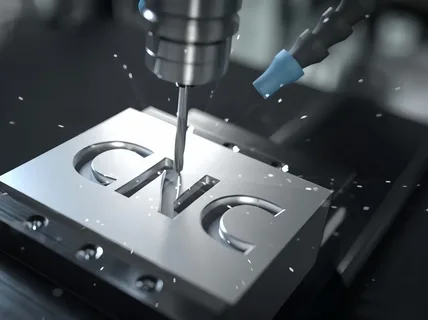
CNC milling efficiency refers to how effectively a machining process produces high-quality parts in less time while controlling costs. In simple terms, it measures how well a machine performs without wasting time, material, or energy.
Several key factors affect efficiency in CNC milling. These include cutting speed, feed rate, tool life, chip removal, surface finish, and machine stability. When all these factors work together smoothly, production becomes faster and more reliable. Selecting the right cutting tool is one of the most important steps in improving efficiency. A well-designed tool reduces downtime, increases output, and improves overall machining performance.
Advanced Milling Tools Matter
Traditional cutting tools often struggle in demanding machining environments. They can generate excessive heat, wear out quickly, and create rough surface finishes. Additionally, they may not handle chip removal effectively, which can affect both performance and tool life.
Modern endmill tools solve these challenges by using improved designs, advanced coatings, and strong carbide materials. These innovations help tools perform better under high pressure and high-speed conditions.
As a result, advanced milling tools offer several benefits. They increase cutting speed, reduce vibration, extend tool life, and improve surface quality. Most importantly, they help manufacturers maintain consistent accuracy even during long production runs.
Carbide Tools and Their Importance
Carbide tools are widely preferred in modern CNC machining. This is because carbide offers greater hardness and heat resistance compared to traditional high-speed steel tools. Carbide endmills provide several key advantages.
They resist wear more effectively, handle high temperatures better, and maintain sharp cutting edges for longer periods. This allows manufacturers to work at higher speeds without sacrificing quality.
Because of their durability, carbide tools also improve machining stability. They reduce unexpected tool changes and minimize production delays. As a result, they are commonly used in industries that demand high precision and efficiency.
Benefits of Solid Carbide Cutting Tools
Solid carbide endmills are especially popular in high-performance machining. Their solid structure provides excellent rigidity, which helps reduce vibration during cutting operations. This stability leads to improved dimensional accuracy and smoother surface finishes.
In addition, solid carbide tools deliver stronger cutting performance, which increases productivity in demanding applications. These tools are particularly effective when machining hard materials such as stainless steel, titanium, and hardened alloys. Their strength and reliability make them a preferred choice in advanced manufacturing industries.
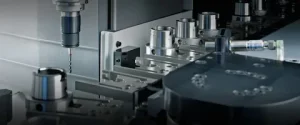
Common Types of CNC Milling Tools
Different machining tasks require different types of endmills. Choosing the correct tool ensures better performance and improved results. Flat endmills are commonly used for general cutting, slotting, and side milling. They produce flat surfaces and sharp edges, making them suitable for basic machining operations.
Ball-nose endmills are designed for 3D contouring and curved surface machining. They help create smooth and detailed finishes, especially in mold and die production. Corner radius endmills are stronger than flat tools because their rounded edges reduce the risk of chipping during heavy cutting.
Roughing endmills are used for fast material removal. They reduce cutting load and are ideal for preparing material before finishing operations.
High-Speed Machining and Tool Performance
Modern CNC machines often operate at very high spindle speeds. At these speeds, cutting tools experience increased heat and stress. Therefore, stable and high-quality tools are essential. High-speed machining improves productivity significantly.
It reduces production time, enhances surface finish, and minimizes manual finishing work. However, success depends on selecting the right tools and machining parameters. When tools are properly matched with machine settings, manufacturers achieve smoother and more efficient operations.
The Role of Tool Coatings
Tool coatings play an important role in improving CNC milling performance. They enhance durability, reduce friction, and increase resistance to heat and wear. TiAlN coatings are widely used because they perform well in high-temperature environments. AlCrN coatings offer excellent oxidation resistance, making them suitable for tough machining conditions.
DLC coatings are ideal for non-ferrous materials because they reduce friction and improve cutting smoothness. These coatings help tools last longer and maintain better performance during continuous machining operations.
Precision Machining with Micro Tools
Micro endmills are used in industries that require extremely precise and detailed machining. These tools are commonly used in medical device manufacturing, electronics, mold production, and jewelry design.
Because of their small size, micro tools can create intricate features with high accuracy. However, they require stable machines and carefully controlled cutting conditions to perform effectively. When utilized properly, micro tools provide outstanding detail and accuracy.
Importance of Chip Evacuation
Chip removal is a critical part of CNC milling. If chips are not removed properly, they can cause heat buildup, surface damage, or even tool breakage. Modern tool designs focus on improving chip flow to ensure smoother machining. In addition, coolant systems help remove chips and reduce temperature during cutting.
Efficient chip evacuation improves tool life and ensures stable machining conditions. Toolpath Strategies for Better Efficiency Modern CAM software has improved CNC machining through advanced toolpath strategies. These include adaptive milling, trochoidal milling, and dynamic toolpaths.
These techniques reduce cutting pressure and help maintain consistent tool engagement. As a result, they improve tool life and increase material removal rates. Proper toolpath planning is essential for achieving high efficiency in modern machining environments.
Factors That Influence CNC Milling
Several factors affect the overall success of CNC milling operations. Machine rigidity plays a major role because stable machines reduce vibration. Parameters for cutting, like speed and feed rate, need to be monitored closely. In addition, proper tool holding improves accuracy by reducing runout.
The material being machined also affects performance, as different materials require different cutting strategies. When all these factors are optimized, productivity improves significantly.
Common Challenges in CNC Milling
Manufacturers often face issues such as tool wear, vibration, heat buildup, and poor surface finishes. These problems can reduce efficiency and increase production costs. However, most of these challenges can be solved by using high-quality tools and proper machining techniques.
Practices for Better Milling Results
To achieve the best CNC milling performance, manufacturers should choose the right tool geometry and coatings. They should also follow recommended cutting speeds and use rigid tool holders. Regular tool inspection is important for preventing unexpected failures. Proper coolant usage also helps maintain stable machining conditions. These practices ensure better productivity and longer tool life.
Future of CNC Milling Technology
CNC machining is continuously evolving. New technologies such as AI-based machining, smart tools, nano coatings, and automated systems are improving efficiency and precision. These innovations help reduce downtime and increase production speed while maintaining high-quality standards.
Conclusion
CNC milling efficiency depends heavily on cutting tools, machining strategies, and process optimization. Advanced endmill tools help manufacturers achieve higher speed, better accuracy, and improved surface quality.
When combined with proper tool selection, coatings, and machining techniques, CNC milling becomes more productive and reliable. As technology continues to advance, precision tooling will remain at the heart of modern manufacturing success.
Author


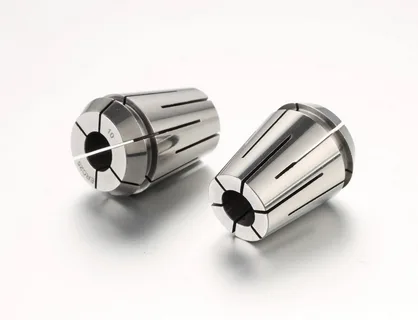
Learn how ER collets improve CNC machining accuracy, reduce vibration, and support better tool performance in precision manufacturing. In the contemporary manufacturing industries, er collets have been applied to enhance the level of accuracy of the machining processes and maintain stability of the tools used in the process. This is due to the fact that computer numerical control machines have a high speed, and therefore require an effective tool holding system to facilitate better machining.
Machining operations are not only influenced by the use of advanced machines and efficient cutting tools. There is another aspect that should be taken into consideration for better results, which is the stability of the tool holding system. In other words, any small movement of the tools can cause changes in the final dimensions and surface finish of parts.
Importance of Tool Holding Systems
The collet is an integral part of CNC machining since it ensures proper connection between the cutting tool and the machine spindle. Lack of effective gripping will result in vibrations and inaccurate machining due to tool deflections.
The proper functioning of the collet ensures even distribution of grip along the cutting tool. This results in better concentricity and reduced runout while machining. Proper alignment between the spindle and the cutting tool enhances machining efficiency.
Some important advantages of proper tool holding include:
- Improved machining accuracy
- Reduced vibration during cutting
- Better surface finishing quality
- Increased tool life
- Stable machining at higher spindle speeds
- Lower chances of tool slippage
Because of these benefits, many industries prefer using er collets for milling, drilling, reaming, and finishing applications.
Collets Improve Machining Accuracy
Accuracy is one of the most important factors in precision machining. Manufacturers often work with tight tolerances where even minor errors can affect the final product quality. Proper tool holding helps maintain accurate cutting dimensions and improves repeatability during production.
Collets help achieve better accuracy by holding the cutting tool firmly in position. Reduced runout allows the tool to cut evenly, which lowers stress on both the tool and the machine spindle. This creates smoother machining performance and better dimensional control.
Key benefits of accurate tool holding are:
- Reduced Tool Vibration
Stable gripping minimizes vibration during cutting operations. Lower vibration helps maintain machining consistency and improves part quality.
- Better Surface Finish
When the cutting tool remains stable, the workpiece surface becomes smoother and cleaner.
- Longer Cutting Tool Life
Balanced cutting pressure reduces unnecessary wear and heat generation on cutting tools.
- Improved Production Consistency
Accurate tool holding supports repeatable machining results in large production runs.
- Increased Machine Efficiency
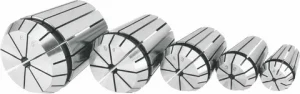
Machines can operate more efficiently when the cutting tool remains properly aligned during machining. Manufacturers usually select different er collet sizes according to tool diameter and machining requirements. Choosing the correct size helps improve clamping strength and machining stability.
Role of Collets in High-Speed CNC Operations
Modern CNC machining often involves high spindle speeds and continuous production cycles. During high-speed operations, cutting tools experience significant cutting pressure and heat generation. A stable clamping system becomes necessary to maintain accuracy and prevent machining problems.
Proper collet systems help absorb vibration and support balanced tool rotation. This improves spindle performance and reduces the possibility of tool movement during machining. Better stability also helps operators achieve higher production efficiency while maintaining part quality.
In many CNC applications, an er 25 collet holder is preferred because it offers reliable gripping performance and compatibility with multiple cutting tool diameters.
Factors to Consider While Selecting Collets
Choosing the correct collet system is important for maintaining machining precision. Different machining operations require different gripping capacities and performance levels. Selecting the wrong collet may reduce accuracy and increase operational costs.
Before selecting a collet system, manufacturers generally consider:
- Tool shank diameter
- Required machining tolerance
- Spindle speed range
- Material being machined
- Type of cutting operation
- Cooling and lubrication requirements
Using the correct collet improves machining consistency and reduces unnecessary tool wear. Many operators also use an er collet size chart to select the correct collet according to tool dimensions and application requirements.
Maintenance Tips for Better Collet Performance
Regular maintenance is important for maintaining machining precision and extending the life of collet systems. Dirt, oil residue, and metal chips can reduce gripping performance if not cleaned properly.
Follow these maintenance practices for better performance:
Clean collets after every machining cycle
Check for cracks or wear regularly
Avoid excessive tightening force
Use compatible tightening torque
Replace damaged collets immediately
Proper maintenance improves machining reliability and helps prevent unexpected production issues.
Future of Precision Tool Holding Technology
Since CNC technologies are becoming more advanced by the day, the need for high-performing tool-holding systems is rising as well. The current manufacturing industry requires machining that runs at higher speeds, is highly precise, and runs efficiently.
Currently, sophisticated collet designs have been made, which have excellent balancing ability and enhanced vibration management. Efficient and smart manufacturing environments also emphasize minimizing downtime in order to increase machining productivity. Reliable ER collets will remain key in attaining such objectives.
Manufacturing companies are now embracing precise tool-holding solutions in order to ensure quality production in an affordable manner. Efficient tool holding will always be central in modern precision machining industries.
Conclusion
Precision machining will require consistent and reliable tool holders, which are bound to produce better quality products. The proper usage of the correct type of collet holder will make significant contributions towards achieving precision during the manufacturing process, by reducing vibration and extending the life span of the cutting tools. Collets ensure that they grip the tools with consistency and reliability.
Author


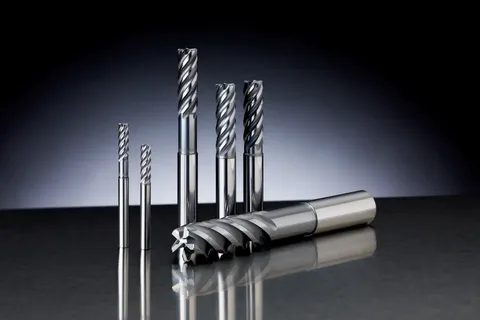
Modern manufacturing industries depend heavily on CNC milling for producing precise and high-quality components. From aerospace and automotive parts to molds and industrial machinery, CNC milling machines are used to create complex shapes with exceptional accuracy. However, machining performance largely depends on the quality and design of the cutting tools being used. Advanced endmill tools play a critical role in improving CNC milling efficiency by increasing cutting speed, reducing tool wear, and enhancing surface finish. With the development of modern tooling technology, manufacturers can now achieve higher productivity while maintaining excellent dimensional accuracy.
Understanding CNC Milling Efficiency
CNC milling efficiency refers to the ability of a machining process to produce high-quality components quickly and accurately while minimizing operational costs.
Efficient machining depends on:
- Cutting speed
- Feed rate
- Tool life
- Surface finish
- Chip evacuation
- Machine stability
When the right cutting tool is selected, manufacturers can significantly improve productivity and reduce machining downtime.
Importance of Advanced Milling Tools
Traditional cutting tools often struggle with:
- Excessive heat generation
- Poor chip evacuation
- Short tool life
- Surface finish issues
Modern endmill technology solves these problems by using advanced geometries, coatings, and carbide materials that improve cutting performance in demanding CNC operations.
Advanced milling tools help:
- Increase machining speed
- Improve cutting accuracy
- Reduce vibration
- Extend tool life
- Enhance surface quality
Why Carbide Tools Improve CNC Milling
Many manufacturers prefer carbide endmills because they provide superior hardness and heat resistance compared to traditional high-speed steel tools.
Key Benefits of Carbide Tools
- High wear resistance
- Better heat tolerance
- Faster cutting capability
- Longer operational life
- Improved machining stability
These tools maintain sharp cutting edges even during high-speed machining operations.
Advantages of Solid Carbide Cutting Tools
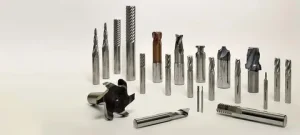
For high-performance CNC machining, solid carbide endmills are commonly used because of their exceptional rigidity and durability.
Major Advantages
- Reduced vibration during cutting
- Better dimensional accuracy
- Improved surface finish
- Increased tool strength
- Higher productivity
Solid carbide tools are especially effective when machining hardened steel, stainless steel, and titanium alloys.
Types of Milling Tools Used in CNC Operations
Different machining applications require different tooling designs. Understanding the major types of endmills helps operators select the correct tool for each operation.
Flat End Mills
Used for:
- Slotting
- Side milling
- General cutting operations
They create flat surfaces and sharp edges.
Ball Nose End Mills
Ideal for:
- 3D contouring
- Mold machining
- Curved surface finishing
These tools produce smooth and accurate contours.
Corner Radius End Mills
These tools provide greater strength by reducing edge chipping during heavy cuts.
Roughing End Mills
Designed for aggressive material removal with reduced cutting forces.
High-Speed Machining and Tool Performance
Modern CNC machines operate at extremely high spindle speeds. Advanced cutting tools are designed to withstand these conditions while maintaining consistent cutting performance.
High-speed machining provides:
- Faster production cycles
- Better surface finish
- Reduced manual finishing work
- Improved productivity
However, proper tool selection and machining parameters are essential for stable performance.
Precision Machining with Micro Tools
In industries requiring miniature components and intricate details, micro endmills are widely used.
These tools are common in:
- Medical device manufacturing
- Electronics industry
- Mold making
- Jewelry machining
Advantages
- High precision cutting
- Ability to machine tiny features
- Excellent detail accuracy
Because of their small size, micro tools require stable machining setups and carefully controlled cutting parameters.
Role of Chip Evacuation in Milling Efficiency
Efficient chip removal is essential for maintaining stable machining conditions.
Poor chip evacuation can lead to:
- Excessive heat
- Surface damage
- Tool breakage
- Reduced tool life
Advanced tool geometries are designed to improve chip flow and reduce cutting resistance.
Using proper coolant systems further improves machining performance.
Importance of Proper Toolpath Strategies
Modern CAM software helps optimize machining efficiency through advanced toolpath strategies.
Popular Toolpath Techniques
- Adaptive milling
- Trochoidal milling
- High-efficiency machining
- Dynamic toolpaths
These methods reduce cutting load and improve tool life while maintaining higher material removal rates.
Factors Affecting CNC Milling Efficiency
Several factors influence overall machining performance.
Machine Rigidity
A stable machine setup reduces vibration and improves cutting accuracy.
Cutting Parameters
Correct spindle speed and feed rate improve tool performance.
Tool Holding
Precision holders reduce runout and improve surface finish.
Workpiece Material
Different materials require specific cutting tools and coatings.
Proper optimization of these factors improves productivity and machining quality.
Common Challenges in CNC Milling
Manufacturers often face machining problems such as:
- Excessive vibration
- Tool wear
- Poor surface finish
- Heat buildup
- Chatter marks
Using high-quality tooling solutions and proper machining practices helps minimize these issues.
Best Practices for Better Milling Performance
To maximize CNC milling efficiency:
- Use the correct cutting tool geometry
- Select proper coatings
- Follow recommended cutting speeds
- Use rigid tool holders
- Monitor tool wear regularly
- Maintain proper coolant flow
Consistent maintenance and proper machining strategies improve overall production efficiency.
Future Trends in CNC Milling Technology
The future of CNC machining includes:
- AI-assisted machining optimization
- Smart cutting tools
- Real-time tool monitoring
- Advanced nano-coatings
- Automation in tooling systems
These innovations continue to improve machining speed, accuracy, and productivity.
Conclusion
Efficient CNC milling depends heavily on advanced tooling technology and proper machining practices. High-performance endmill tools help manufacturers achieve faster machining speeds, improved surface finish, and longer tool life in demanding applications. By selecting the right tool geometry, coatings, and machining parameters, businesses can significantly improve production efficiency and machining quality.
As CNC manufacturing continues to evolve, advanced cutting tools will remain essential for achieving precision, consistency, and cost-effective machining performance.
Author



Casino Online: Malaysia Selangor Platforms Continue to Grow

CNC Milling Efficiency: Improve Manufacturing Performance

QuickBooks Desktop 2023 End of Support: Upgrade and Migration

Shopify Web Development: Supporting Faster Online Store Growth

ER Collets: Improving Stability and Tool Performance

Scoville Retractor by Grey Medical: Precision Surgical Excellence

Chemical Peels: Brighten, Smooth, and Rejuvenate Your Skin

CNC Milling Efficiency: Endmill Tools for Precision Machining

Chrome Hearts Jewelry: Necklaces & Handcrafted Accessories

B2B Platforms: Shift Toward Unified Workflow Architecture

Cybersecurity Consulting Company SequelNet Provides Critical IT Support Services to Medical Billing Firm, Medical Optimum

Team Communication Software Transforms Operations at Finance Innovate

Project Management Tool Transforms Long Island Business

How Alleviate Poverty Utilized IPPBX’s All-in-One Solution to Transform Lives in New York City

Breast Cancer: The Imperative Role of Mammograms in Screening and Early Detection

Unstoppable Collaboration: D.C.’s Citi Open and Silicon Valley Classic Unite to Propel Women’s Tennis to New Heights

Embracing Renewal: Sizdabedar Celebrations Unite Iranians in New York’s Eisenhower Park

The Benefits of Starting a Side Hustle for Financial Freedom

New Blood Donation Screening Questions What You Need to Know

Stylishly Timeless: The 5 Types of Sandals You Need in Your Closet
-

 Business3 years ago
Cybersecurity Consulting Company SequelNet Provides Critical IT Support Services to Medical Billing Firm, Medical Optimum
-
Business3 years ago
Team Communication Software Transforms Operations at Finance Innovate
-
Business3 years ago
Project Management Tool Transforms Long Island Business
-
Business3 years ago
How Alleviate Poverty Utilized IPPBX’s All-in-One Solution to Transform Lives in New York City
-
health3 years ago
Breast Cancer: The Imperative Role of Mammograms in Screening and Early Detection
-
Sports3 years ago
Unstoppable Collaboration: D.C.’s Citi Open and Silicon Valley Classic Unite to Propel Women’s Tennis to New Heights
-
Art /Entertainment3 years ago
Embracing Renewal: Sizdabedar Celebrations Unite Iranians in New York’s Eisenhower Park
-
Finance3 years ago
The Benefits of Starting a Side Hustle for Financial Freedom







