
Jobs and education
Artificial Intelligence in Healthcare: Will Robots Replace Human Workers?


The healthcare industry is continuously advancing with new technologies and innovations. One of the most recent developments has been the rise of artificial intelligence (AI) in healthcare. While futuristic robots may seem like something out of a sci-fi movie, they are becoming more and more prevalent in modern hospitals and clinics. However, as AI technology becomes increasingly sophisticated, many people wonder if these machines will eventually replace human workers altogether. In this blog post, we will explore the impact that AI is having on the healthcare sector and whether or not it poses a threat to traditional jobs within the industry.
What is Artificial Intelligence (AI)?
Artificial Intelligence (AI) is a branch of computer science that deals with the creation of intelligent agents, or machines that can reason and learn like humans. AI has been used in healthcare for a number of reasons, such as improving the accuracy and speed of medical assessments, automating diagnoses and treatments, and helping physicians make better decisions.
While there are concerns about the potential impact of AI on human jobs, research suggests that it may not actually replace human workers in the near future. Instead, AI could complement human workers by providing them with additional skills. In addition, AI could help reduce health care costs by automating routine tasks and freeing up doctors to focus on more complex cases.
How does AI work in healthcare?
Artificial Intelligence (AI) has the potential to revolutionize healthcare by automating routine tasks and providing decision support. AI has been used in various industries, such as finance and manufacturing, for years, and healthcare is no exception.
There are different types of AI that can be used in healthcare, each with its own advantages and disadvantages. Natural Language Processing (NLP) is a type of AI that is able to understand human language and identify patterns. This allows NLP to process and interpret patient records, generate reports, and provide other forms of interactive feedback.

However, NLP has limitations when it comes to precision. For example, it may not be able to differentiate between a common cold and the flu. Another limitation is that NLP is not well-suited for tasks that require complex analysis or reasoning.
Machine Learning (ML) is another type of AI that specializes in learning from data. ML uses algorithms to improve upon the performance of previous models based on feedback from a designated “supervised training set.” ML can be used for tasks such as identifying medical images or trends in patient data.
OneadvantageofMListhatitisdurableandfreetoadapttostaticchangesininputdata(suchasincreasedpatientdemand).Anotheradvantageisthatitiscreativeandcandevelopnewapproachestotasksthathadbeen difficultforhumansorstandardcomputerstocarryoutbefore.
MILithat
The Benefits of AI in Healthcare
Artificial intelligence can be used to improve the quality of healthcare by automating processes and improving decision making. AI can help healthcare professionals make faster, more informed decisions about patient care, and can reduce the time it takes to perform certain tasks. In addition, AI can help identify potential safety risks before they become reality. Overall, AI has many potential benefits for healthcare providers and patients alike.
The Risks of AI in Healthcare
There is no doubt that artificial intelligence (AI) has the potential to revolutionize healthcare. With the rapid growth of AI technologies, it is possible that robots will eventually replace human workers in many healthcare settings.
The benefits of using AI in healthcare are manifold. For one, AI can automate routine tasks and make them more efficient. This would free up staff time to focus on more complex tasks or more important patients. Furthermore, AI could help identify patterns and trends in patient data that would not be detectable by humans alone. This could lead to better diagnosis and treatment options for patients.
However, there are also a number of risks associated with the use of AI in healthcare. For one, AI technology is still relatively new and may not be reliable enough yet to replace human workers completely. Furthermore, there is always the risk of accidents or unforeseen consequences arising from its use. If these risks are not managed properly, they could damage both the reputation of the healthcare system and the safety of patients.”
What are the Current Regulations Around AI in Healthcare?
Artificial intelligence (AI) has been widely used in various industries, such as retail, finance, and manufacturing. The healthcare industry is no exception and has already seen the development of several AI-based applications.
One of the earliest applications of AI in healthcare was in 2011 when IBM’s Watson technology successfully competed on Jeopardy! against two human champions. Since then, AI has been used in a number of clinical settings to improve patient care. For example, IBM’s BlueCloud platform uses AI to predict which patients are likely to experience complications during surgery and recommend preventive measures.
Another application of AI in healthcare is through digital assistants. For example, Amazon’s Alexa can help patients manage their health records and appointments. Additionally, Microsoft Health offers a virtual nurse that provides personalized care for patients with chronic conditions.
However, there are also concerns about the impact of automation on the workforce in healthcare. For example, if large numbers of workers are replaced by robots, it could lead to widespread unemployment. In addition, many medical professionals believe that AI cannot completely replace human clinicians; rather it should be integrated into clinical decision-making processes.
What are the Next Steps for Advancing AI in Healthcare?
In healthcare, artificial intelligence is quickly becoming a major player. While it may seem like robots will replace human workers entirely, this is not the case. Automation and AI can augment human workers in many ways, from providing more accurate information to helping clinicians make better decisions.
There are several important steps forward for advancing AI in healthcare. First, we need to understand how AI works and how it can be applied to healthcare. Second, we need to develop algorithms that are effective and reliable in dealing with large amounts of data. Third, we need to train clinicians on how to use AI tools effectively. Finally, we need to build a platform that enables hospitals and clinics to exchange data and learn from each other.
Conclusion
As artificial intelligence (AI) advances, we are beginning to see more and more instances in which AI can be used to replace human workers. This is a worrying trend, as it could lead to the loss of jobs and a decrease in wages for many workers. However, there are also pros to using AI in healthcare. For example, patients would not have to wait long periods of time for appointments or procedures, as machines could carry out these tasks much more quickly than humans. Additionally, AI would help doctors make better diagnoses and provide treatments that are tailored specifically to each patient’s needs. So far, most experts believe that AI will not completely replace human workers in the near future, but it will play an important role in various sectors of our economy.
Author



In a rapidly changing environment like the UAE, access to clear and structured information is essential. Urban Khaleej is built to simplify complex updates and present them in a way that is easy to understand for everyday readers. From legal changes to employment opportunities, information is often scattered or difficult to interpret. This platform helps solve this issue by bringing important updates into one accessible space. This ensures that residents, job seekers, and newcomers can stay informed without needing to rely on complicated or technical sources.
What Makes This Platform Reliable
A key strength of Urban Khaleej is its focus on clarity. Instead of presenting dense or confusing details, it breaks information into simple and readable formats. Consistency also matters. Regular updates allow users to stay aligned with current developments without missing important changes. Structured content improves usability. Readers can quickly scan and understand topics without spending extra time.
Core Content Areas Covered
UAE News and Legal Updates
- Simple explanation of rules
- Clear summaries of announcements
- Practical daily impact insights
Understanding legal updates in the UAE can be difficult due to complex wording. This section focuses on making those updates easier to understand. Users benefit from simplified explanations that remove confusion. This helps them stay compliant with regulations. Clear communication ensures that readers can quickly apply the information in real situations.
Job Market Insights and Opportunities
- Overview of hiring trends
- Guidance for applicants
- Insights into growing sectors
The UAE job market is competitive and constantly evolving. Access to structured insights helps individuals make better career decisions. By simplifying trends, users can identify opportunities more efficiently. This is especially useful for newcomers. Such clarity improves confidence when navigating employment options.
Lifestyle and Daily Living Guidance
- Cost management tips
- Transport and commuting advice
- Everyday practical insights
Living in the UAE requires adapting to a unique lifestyle. Having access to clear and practical information makes this easier. Readers can understand how to manage expenses and daily routines. This reduces uncertainty and improves decision-making. The focus remains on real-life usefulness rather than general information.
How Information is Simplified for Readers
Many platforms overload users with too much data. Urban Khaleej avoids this by focusing on simplicity and structure. Content is divided into logical sections. This makes it easier to read and understand without confusion. NLP-based writing ensures readability remains high. Short and clear sentences improve comprehension for all types of users.

Benefits for Regular Users
Why Readers Prefer This Platform
- Easy-to-read content
- Updated and relevant information
- Multiple topics in one place
Users save time by accessing everything in a single platform. This removes the need to search across different sources. The simplified structure ensures quick understanding. This is especially helpful for busy individuals. Accessibility is another advantage, as the content suits both professionals and general readers.
Comparison with Traditional Sources
| Feature | This Platform | Traditional Sources |
| Content Style | Simple and structured | Often complex |
| Ease of Understanding | High | Moderate |
| Update Speed | Consistent | Variable |
| Practical Use | Focused on daily needs | General information |
Traditional sources often present detailed but complex information. Urban Khaleej focuses instead on clarity and usability. This makes it more effective for individuals who need quick and practical insights.
Digital Transformation in Information Access
Digital platforms have changed how information is consumed. Speed and clarity are now essential. A modern UAE news platform must provide structured and easy-to-understand updates. Users expect fast access without complexity. This shift highlights the importance of platforms that focus on usability and accuracy.
Support for Job Seekers and Residents
For job seekers, job updates in the UAE content helps identify opportunities and understand hiring trends. Residents benefit from practical guidance that improves daily life decisions. This includes transportation and cost management. Content like a Dubai lifestyle guide supports adaptation to local systems, while UAE laws explained ensure awareness of rules. These elements together create a complete and useful resource.
Future Growth and Relevance
As the UAE continues to develop, the demand for simplified information will increase. Urban Khaleej is positioned to meet this need. The platform’s focus on clarity and accessibility will remain important for users. With ongoing digital growth, such platforms will become essential for staying informed.
Conclusion
Urban Khaleej provides a structured way to understand UAE updates without confusion. It simplifies complex topics into clear and useful insights. By covering news, jobs, and lifestyle topics, it serves as a reliable resource for a wide audience. As information continues to evolve, platforms like Urban Khaleej will remain essential for informed decision-making.
FAQs
What is Urban Khaleej?
It is a platform that simplifies UAE news, job updates, and lifestyle information.
Who can benefit from it?
Residents, job seekers, and newcomers are looking for clear updates.
What type of content is included?
Legal updates, job insights, and practical daily guidance.
How does it simplify information?
By using structured formatting and easy language.
Why is it useful?
It helps users quickly understand important updates and make better decisions.
Author


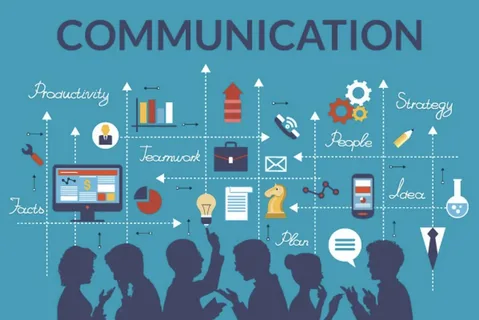
Flying an airplane is a big responsibility. Pilots, cabin crew, and air traffic controllers must work together every minute during a flight. Good English Communication helps them do their jobs properly. In aviation, English is the language that people use to communicate with each other around the world.
A flight may travel through many countries in one trip. The people working at airports may speak different languages, but English helps everyone understand each other. Clear communication keeps flights safe, organized, and smooth for passengers and crew members.
Why English Is Important in Aviation
The aviation industry connects the whole world. Pilots often fly to countries where people speak different languages. Because of this, aviation uses English as a common language.
Pilots use English while talking to air traffic controllers before takeoff, during the flight, and while landing. Cabin crew members even use English to communicate with passengers from different countries.
Good communication helps avoid confusion. It also helps pilots understand important instructions quickly. Many aviation students prepare for ICAO English Level 4 because it is an important requirement for international aviation communication.
Good Communication Helps Prevent Mistakes
In aviation, small mistakes can become serious problems. This is why clear communication is very important. Pilots and air traffic controllers must understand each other correctly every time.
For example, weather conditions can change suddenly during a flight. Air traffic control may tell pilots to change direction or altitude. If the message is not understood properly, it may create danger.
Good English communication helps everyone stay calm during difficult situations. It also helps crew members work together better. Clear words and simple communication make flights safer for everyone.
Communication Builds Confidence
Many aviation students feel nervous while speaking English. Some students understand English well but hesitate when speaking. This is very common, especially for people from non-English-speaking countries.
Confidence improves with practice. Students who speak English daily slowly become more comfortable. Listening to aviation conversations and practicing speaking can help a lot.
Students’ speaking, listening, pronunciation, and comprehension abilities all increase with ICAO English Level 4 training. It prepares them for real communication during flights.
When pilots communicate confidently, they can focus better on their work and handle situations more smoothly.

Common Challenges in Aviation English
Different accents can sometimes make communication difficult. A pilot from one country and a controller from another country may pronounce words differently. Fast speech and background noise inside the cockpit can also make listening harder.
Another challenge is stress. During emergencies, pilots need to speak clearly and quickly. This is why communication training is very important in aviation.
Some students also feel shy while speaking English because they are afraid of making mistakes. But learning becomes easier when students practice regularly without fear.
Easy Ways to Improve Aviation English
Students can improve their English step by step. Reading simple aviation articles is a good start. Watching aviation videos in English can also help improve listening skills. Students can also learn new aviation words daily and practice using them in simple conversations. Regular learning helps improve confidence slowly.
Speaking practice is very important. Students should try speaking English every day, even for a few minutes. Clear speaking is more important than using difficult words. Practicing slowly and clearly helps students communicate better during real aviation situations and improves pronunciation.
Joining online speaking classes or practicing with friends can also build confidence. Listening carefully to aviation radio communication is another helpful habit.
Group discussions and daily English practice can make students more comfortable while speaking with others. Improvement takes time, but regular practice always gives good results. Students should stay patient and continue practicing because strong communication skills develop slowly with time.
English Communication and Career Growth
Today, airlines want professionals who can communicate clearly and professionally. Good English skills help pilots and crew members work comfortably on international flights. Good communication also helps aviation professionals work better as a team during important flight operations.
Strong communication also creates better job opportunities. Pilots who communicate well often feel more confident during interviews, training, and flight operations. International airlines often prefer candidates who can communicate clearly and handle conversations professionally. As international travel continues to grow, English communication will become even more important in aviation careers.
Strong English communication skills can help aviation professionals build successful international careers in the future.
Conclusion
English communication plays a very significant role in aviation. It helps pilots, cabin crew, and air traffic controllers work together safely and smoothly. Clear communication reduces mistakes and improves teamwork during flights.
Students who improve their English communication skills often become more confident in aviation training and real flight situations. With daily practice and proper learning, anyone can improve step by step.
Many future aviation professionals trust ICAO Speak to prepare for international aviation communication and build strong English speaking skills for their careers.
Author




Author



Essentials Hoodie Australia: Summer Sale & Style Guide

Stussy Streetwear: Origins, Iconic Hoodies & Cultural Legacy

New IPO Guide: Trends, Risks and Investment Insights India

Grand Watches: Heritage, Craftsmanship & Mechanical Mastery

Fear of God Essentials Hoodie: Luxury Streetwear Guide

Chrome Hearts Clothing, Jewelry & Luxury Fashion Guide

Spirit Airlines IAD Terminal Guide: Terminal 1 Services & Tips

Labubu Original: Unique Fashion & Beauty Online Store

Kaftan Sets for Women: Stylish and Comfortable Summer Fashion

Korean Co Ord Sets: Celebrity-Inspired Fashion Trends Guide

Cybersecurity Consulting Company SequelNet Provides Critical IT Support Services to Medical Billing Firm, Medical Optimum

Team Communication Software Transforms Operations at Finance Innovate

Project Management Tool Transforms Long Island Business

How Alleviate Poverty Utilized IPPBX’s All-in-One Solution to Transform Lives in New York City

Breast Cancer: The Imperative Role of Mammograms in Screening and Early Detection

Unstoppable Collaboration: D.C.’s Citi Open and Silicon Valley Classic Unite to Propel Women’s Tennis to New Heights

Embracing Renewal: Sizdabedar Celebrations Unite Iranians in New York’s Eisenhower Park

The Benefits of Starting a Side Hustle for Financial Freedom

New Blood Donation Screening Questions What You Need to Know

Stylishly Timeless: The 5 Types of Sandals You Need in Your Closet
-

 Business3 years ago
Cybersecurity Consulting Company SequelNet Provides Critical IT Support Services to Medical Billing Firm, Medical Optimum
-
Business3 years ago
Team Communication Software Transforms Operations at Finance Innovate
-
Business3 years ago
Project Management Tool Transforms Long Island Business
-
Business3 years ago
How Alleviate Poverty Utilized IPPBX’s All-in-One Solution to Transform Lives in New York City
-
health3 years ago
Breast Cancer: The Imperative Role of Mammograms in Screening and Early Detection
-
Sports3 years ago
Unstoppable Collaboration: D.C.’s Citi Open and Silicon Valley Classic Unite to Propel Women’s Tennis to New Heights
-
Art /Entertainment3 years ago
Embracing Renewal: Sizdabedar Celebrations Unite Iranians in New York’s Eisenhower Park
-
Finance3 years ago
The Benefits of Starting a Side Hustle for Financial Freedom







