
Beauty Fitness
Why Every Woman Should Incorporate Strength Training into Their Fitness Routine


Ladies, it’s time to put down those pink dumbbells and pick up the heavy weights! If you’re looking for a fitness routine that will give you maximum results with minimal time commitment, then strength training is the way to go. Not only will it help you build lean muscle mass and boost your metabolism, but it’ll also improve your mood, bone density, and overall health. So if you’re ready to unleash your inner Wonder Woman and become stronger both inside and out, keep reading!
Strength training can help improve your overall health
Strength training can help improve your overall health. Strength training has been shown to help with chronic diseases such as heart disease, stroke, arthritis, diabetes and cancer. It also helps improve your mood and mental well-being. Strength training is especially beneficial for women because it can help reduce the risk of many common problems such as obesity, osteoporosis and type II diabetes.
To get the most benefit from strength training, you should include a variety of exercises that target different muscles in your body. You can find instructions for a variety of strength-training programs online or in books. Start with a low intensity exercise program and gradually increase the intensity over time as you become stronger.
Strength training can help you lose weight
Strength training can help you lose weight and improve your overall fitness level. Strength training helps to increase your muscle mass, which in turn will help burn more calories and fat. When done regularly, strength training can also help reduce your risk of developing chronic diseases such as heart disease, stroke, and osteoporosis.
There are a variety of different types of strength training exercises that you can do to achieve the desired results. You can choose from traditional weights such as barbells and dumbbells, resistance bands, or machines such as the Crossfit® box or squat rack. You can also work out with bodyweight exercises such as squats, push-ups, lunges, and swings. It is important to find an exercise that is challenging but safe for you to perform.

When doing strength training, it is important to focus on correctly formulating each individual exercise so that you are getting the most benefit from the workout. Make sure to properly warm up before starting any type of strength training session so that your muscles are prepped for the challenge ahead. Finally, be sure to hydrate well prior to and during your workout session so that you are fully optimising your results!
Strength training can increase your muscle mass
Strength training can increase your muscle mass. Muscle is made up of protein and fibers, and both of those things are increased through strength training. The fibers help your muscles contract more powerfully, which means they can lift heavier weights and burn more calories. Strength training also helps to improve your balance, posture, flexibility, and coordination. So not only does it help you lose weight and tone up your body, it can also make you stronger and better-rounded in terms of your fitness abilities.
If you’re new to strength training or if you’re not sure where to start, there are a few basic exercises that you can do to get started. You can try the squat, the deadlift, the press (weightlifting), or the row (rowing). Make sure to warm up before starting any exercise to avoid injury. And always be sure to stretch afterward to promote flexibility in your joints.
Strength training can improve your mood and energy levels
Strength training has a legion of benefits for both the body and mind. For the body, strength training can help build muscle and reduce fat, which can lead to lower blood pressure, better heart health, and a longer life. For the mind, strength training can improve mood and energy levels by increasing endorphins, the hormones that make you happy and give you a sense of well-being. In addition to these direct benefits, strength training also helps keep bones healthy and strong by promoting bone growth and preventing bone decline. So why not incorporate some strength training into your fitness routine? It’s definitely worth it!
Conclusion
Strength training can be a great addition to any woman’s fitness routine, no matter your level of activity. Not only does it help you tone your body and improve your cardiovascular health, strength training helps to improve posture, increase bone density and reduce the risk of chronic diseases such as heart disease and stroke. Whether you are new to the idea or have been incorporating strength training into your routine for years, adding some resistance exercises into your program is sure to give you all the benefits that you need and more!
Author

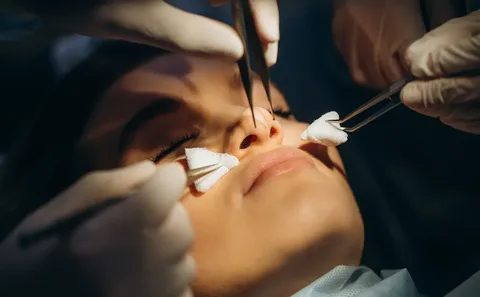
In the high-velocity world of global commerce, where Riyadh stands as a central pillar of innovation and investment, time is the ultimate luxury. For the modern executive, diplomat, or entrepreneur, the decision to undergo a personal refinement procedure is often weighed against the potential for professional disruption. In the pursuit of “Sovereign Excellence,” a leader’s physical presence must reflect their internal discipline and authority, yet the demands of a high-stakes career leave little room for traditional recovery periods. This is why many professionals are now choosing Ultrasonic Rhinoplasty, which offers greater precision and significantly reduced downtime compared to conventional surgical methods.
This is why the elite of the Kingdom are increasingly turning to a technological revolution that balances aesthetic perfection with surgical efficiency. Ultrasonic Rhinoplasty in Riyadh has been transformed by the introduction of Ultrasonic (Piezo) technology, a breakthrough that provides a “Rapid ROI” by significantly minimizing downtime while maximizing the precision of the results.
The Executive Dilemma
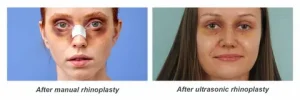
For decades, the primary barrier to nasal refinement for high-profile individuals was the “social tax” associated with traditional surgery. Conventional methods relied on mechanical force—using hammers and chisels—to reshape the nasal bones. This blunt-force approach inevitably caused significant trauma to the surrounding soft tissues, delicate blood vessels, and nerves. The result for the patient was a period of intense bruising and swelling that could last for weeks, making it impossible to attend board meetings, public summits, or international negotiations without revealing the surgical journey.
Science of the “Quiet Recovery”
Ultrasonic Rhinoplasty, or Piezo surgery, represents a paradigm shift from the mechanical to the micrometric. Instead of manual instruments, surgeons use high-frequency sound waves to sculpt the nasal architecture. This technological edge provides several key advantages that directly contribute to a faster “Return on Investment” for the busy professional.
1. Selective Tissue Targeting
2. Micrometric Precision
Traditional bone fractures can sometimes be unpredictable, leading to irregular edges or the need for more extensive healing. Ultrasonic tips allow the surgeon to “draw” or “polish” the bone with the precision of a master jeweler. This level of accuracy ensures that the nasal bridge is perfectly smooth from day one, reducing the need for the body to undergo the prolonged inflammatory response required to heal more traumatic bone injuries.
3. Structural Stability
By avoiding the blunt-force trauma of the mallet, the structural supports of the nose remain more stable. This enhanced stability allows for more predictable healing and reduces the likelihood of minor shifts during the recovery phase. A stable structure heals more efficiently, allowing the patient to feel physically “back to normal” much sooner than with traditional methods.
The “Rapid ROI” Protocol
The elite medical sector in Riyadh has integrated these technological advancements into a comprehensive “Executive Path” designed for those with no time to waste. As we move through 2026, the journey is characterized by “Ghost Protocols” that ensure absolute privacy and accelerated healing.
-
AI-Enhanced Planning: Before surgery, 3D morphing and AI diagnostics allow the surgeon to map the procedure with absolute certainty. This “measure twice, cut once” approach ensures that the surgery is as efficient as possible, reducing time spent under anesthesia.
-
Regenerative Aftercare: Modern clinics now utilize advanced recovery aids, such as hyperbaric oxygen therapy and personalized lymphatic drainage, to flush out residual swelling. When combined with the gentle nature of Piezo surgery, these protocols can have an individual looking “Event-Ready” in a fraction of the traditional time.
-
Virtual Follow-ups: Recognizing the global nature of their patients’ lives, Riyadh’s top specialists offer secure, digital concierge follow-ups, allowing the executive to continue their travels or work while staying under the watchful eye of their consultant.
Beyond the Mirror
A truly mastered profile is one that enhances performance as much as it enhances image. For the professional navigating the dry climate of the Najd, respiratory efficiency is a vital component of total wellness. Many leaders suffer from a deviated septum or narrow valves that impede airflow, leading to chronic fatigue and disrupted sleep—the enemies of a high-power career.
Ultrasonic technology allows for a more effective “Functional Rhinoplasty.” The surgeon can straighten the internal architecture with greater accuracy, optimizing breathing without the heavy trauma of traditional septoplasty. When oxygenation is improved, cognitive focus and physical stamina rise. This “Health ROI” is perhaps the most valuable benefit for a leader, providing them with the energy and clarity required to drive the Kingdom’s most ambitious projects forward.
Safety and the SFDA Gold Standard
Psychology of the Mastered Profile
The internal transformation that follows a successful, rapid refinement is profound. When a leader no longer feels the need to compensate for a feature they find out of balance. Their natural charisma and authority are fully unleashed. This surge in self-assuredness is a powerful tool in negotiations, public speaking, and high-level leadership. It is the moment where physical harmony meets psychological strength—the final piece of the “Architecture of Confidence.”
Conclusion
In a city that defines itself by visionary leadership and rapid transformation, your personal image should be an asset, not a distraction. Achieving facial balance through the precision of ultrasonic technology is a strategic decision. That respects both your heritage and your time. By choosing a path defined by medical innovation, artistic integrity, and absolute discretion, you can secure a profile. That is both timeless and commanding without sacrificing your professional momentum.
Whether you seek to optimize your respiratory health or refine your silhouette for the global stage. The definitive standard remains professional Ultrasonic Rhinoplasty in Riyadh. To begin your bespoke journey toward a more balanced and confident future, and to experience the pinnacle of luxury surgical care. Trust your profile to the world-class specialists at Aesthetic Clinic Riyadh.
Author


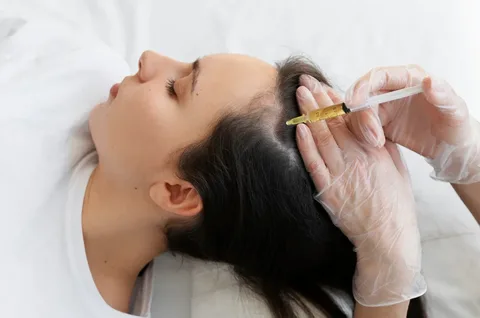
If you notice your hair thinning, you might feel concerned about your appearance and future confidence. PRP Hair Treatment in Dubai offers a precise, clinical solution for those seeking to restore their natural hair density. By focusing on your unique hair biology, this therapy promotes a healthier, more vibrant scalp.
Precision of PRP Hair Treatment
The procedure functions like a targeted biological boost for your hair. We draw a small amount of your blood and spin it in a centrifuge. This process separates the plasma, which we then concentrate into a potent serum. This serum acts as a direct resource for your follicles, providing them with the exact nutrients they need to function at their best.
Mechanism of Action for PRP Hair Treatment
Clinicians perform this procedure with high technical accuracy. We first collect your blood sample in a sterile room. Then, we use a centrifuge to isolate the platelets from the remaining blood components. This method produces a serum that we can inject directly where your scalp needs it most.
In our clinical experience, these concentrated platelets release growth factors immediately upon contact with the scalp. This action stimulates the surrounding blood vessels, which improves oxygen flow to the follicles. Consequently, your hair enters a healthier growth cycle, helping you maintain a thicker and more stable hairline.
Why This Therapy Is Utilized
We use this intervention to slow down shedding and improve the quality of your hair strands. It serves as an excellent choice for individuals who prefer a proactive approach to their scalp health. By prioritizing the vitality of each follicle, we help you manage your hair growth without the complexity of surgical methods.
Benefits of Regenerative Hair Care
Patients who choose this therapy often notice several important improvements:
-
Your body uses its own biological markers, which ensures natural results.
-
The method eliminates the need for surgery, so you won’t have to be concerned about extended recovery periods.
-
You will likely experience a significant drop in hair shedding.
-
Your overall hair texture will feel stronger and more resilient.

Identifying Ideal Candidates for Treatment
Who benefits most from these sessions? Individuals in the early or moderate stages of hair loss see the most success. Because the treatment requires active hair follicles, a professional assessment is vital. During your visit, our specialist will inspect your scalp to determine if your follicles can still produce healthy hair.
Comprehensive Treatment Procedure
-
Scalp Evaluation: Your specialist performs a detailed scan to find thinning areas.
-
Biological Extraction: We perform a routine blood draw in a sterile setting.
-
Plasma Refinement: We use a high-speed centrifuge to create your custom serum.
-
Targeted Administration: We inject the plasma into the specific zones of your scalp.
Areas for Targeted Scalp Rejuvenation
We focus the treatment on the most visible areas of thinning, such as:
-
The crown, where volume often fades first.
-
The frontal hairline, which requires precise care to maintain a natural appearance.
-
Any other regions where your hair has started to look sparse.
Financial Considerations for Your Care
Investing in your hair health brings lasting value to your self-confidence. We structure the cost based on the number of sessions you require for your personal goals. Our team maintains full transparency regarding your treatment plan, which allows you to understand the investment involved in your path to restoration.
Recovery Timeline and Post-Treatment Healing
What patients typically report during recovery is a fast and simple healing process. You can return to your work and social life immediately after your session. You might notice some mild sensitivity on your scalp, but this symptom usually fades within a few hours.
Safety and Clinical Quality Standards
Patient safety remains one of the most important priorities throughout every stage of PRP hair restoration therapy. Since the procedure uses platelet-rich plasma derived directly from your own blood, the possibility of allergic reactions or serious compatibility concerns is extremely low. This natural approach makes PRP an attractive option for individuals seeking non-surgical hair restoration with minimal risk.
Our clinic follows carefully designed medical protocols to maintain the highest level of cleanliness, precision, and patient protection. Every instrument used during the procedure is sterilized according to professional healthcare standards, and each step is performed in a controlled clinical environment. From blood collection and plasma preparation to scalp injections and aftercare guidance, every phase is handled by trained professionals with close attention to hygiene and procedural accuracy.
We also prioritize patient comfort during treatment sessions. Comprehensive consultations, scalp evaluations, and personalized treatment planning help ensure that every patient receives a safe and medically appropriate experience. By maintaining strict clinical quality standards, we aim to create an environment where patients feel confident, informed, and fully supported throughout their hair restoration journey.
Sustaining Results Through Maintenance
Consistency ensures your results last. After your first series, we suggest that you return for periodic check-ups. These touch-ups keep your follicles stimulated, which is the best way to keep your hair thick and healthy over the long term.
Conclusion
Taking charge of your hair thinning now protects your confidence for the future. By selecting a science-based solution, you provide your hair with the professional care it deserves. At Tajmeels Clinic, our experts provide personalized, evidence-based care tailored to your scalp. Please contact us today to book your assessment and explore how our therapy can support your growth journey.
Author


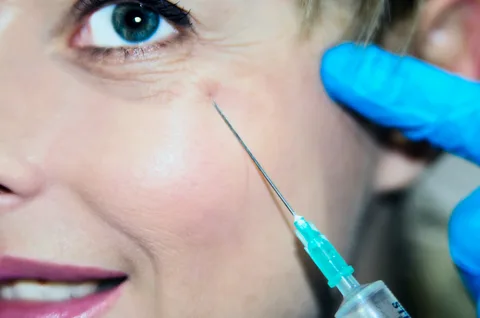
Smooth, refined skin is a key element of a youthful and confident appearance. Dysport Injections in Dubai & Abu Dhabi are among the most effective professional treatments for reducing wrinkles and improving overall skin texture. At Glamorous Clinic in Dubai, patients receive expert skin smoothing solutions designed to deliver natural, balanced, and long-lasting results.
These advanced injectable treatments are carefully administered by qualified aesthetic specialists who assess each patient’s facial structure and skin condition before creating a personalized plan. Dysport works by relaxing targeted facial muscles, which helps soften expression lines and prevents the formation of deeper wrinkles over time. This makes it a popular choice for individuals seeking a refreshed and youthful appearance without undergoing surgery.
The treatment process is quick, minimally invasive, and requires little to no downtime, allowing patients to return to their daily activities almost immediately. Results typically begin to appear within a few days and continue to improve over the following weeks. Regular maintenance sessions help prolong the effects and maintain smooth, natural-looking skin.
At Glamorous Clinic, patient safety, comfort, and satisfaction are prioritized, ensuring every treatment delivers refined, subtle enhancements that enhance natural beauty while maintaining facial harmony and expression integrity.
What Is Professional Skin Smoothing?
Professional skin smoothing refers to advanced aesthetic treatments that reduce fine lines, wrinkles, and uneven texture while enhancing the overall appearance of the skin.
Unlike over-the-counter solutions, professional treatments like Dysport target the underlying causes of wrinkles—repeated facial muscle movements—ensuring more effective and visible results.
How Dysport Smooths the Skin
Dysport is an injectable neuromodulator that works by relaxing the facial muscles responsible for dynamic wrinkles. These wrinkles typically form on the forehead, around the eyes, and between the eyebrows due to repeated expressions.
By reducing muscle activity, Dysport Injections allows the skin to smooth out naturally, creating a softer, more youthful appearance without affecting natural facial expressions.
Benefits of Professional Dysport Treatments
Dysport offers a reliable and efficient approach to achieving smoother skin.
Key Benefits
- Reduces fine lines and wrinkles
- Improves overall skin smoothness
- Maintains natural facial expressions
- Quick and minimally invasive procedure
- Minimal downtime and lasting results
These benefits make Dysport a preferred option for professional skin smoothing.
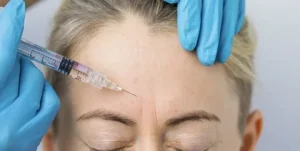
Common Areas Treated with Dysport
Dysport can effectively target multiple facial areas where wrinkles and texture issues appear.
Treatment Areas
- Forehead lines
- Frown lines between the eyebrows
- Crow’s feet around the eyes
- Bunny lines on the nose
- Neck bands in selected cases
Treating these areas helps achieve a more refined and youthful look.
Glamorous Clinic in Dubai
Glamorous Clinic in Dubai is known for delivering advanced aesthetic treatments focused on natural results and patient satisfaction. The clinic combines modern techniques with expert care to provide safe and effective Dysport procedures.
Personalized Treatment Plans
Each patient undergoes a detailed consultation where specialists assess skin condition, facial structure, and aesthetic goals. Based on this evaluation, a customized Dysport treatment plan is created.
This ensures precise application and balanced results tailored to each individual.
What to Expect During the Procedure
Dysport treatments are quick, comfortable, and minimally invasive.
Procedure Steps
- Consultation and facial assessment
- Cleansing of treatment areas
- Precise Dysport injections
- Post-treatment care instructions
The procedure typically takes around 20–30 minutes.
Recovery and Aftercare
Dysport requires minimal downtime, allowing patients to return to their daily routine shortly after treatment.
Aftercare Guidelines
- Avoid touching or rubbing treated areas for several hours
- Stay upright for at least four hours after treatment
- Avoid intense physical activity on the same day
- Follow specialist instructions carefully
Mild redness or swelling may occur but usually resolves quickly.
Results and Longevity
Patients typically notice improvements within a few days, with full results visible within one to two weeks. The effects generally last several months depending on individual factors.
Regular maintenance sessions help maintain smooth and youthful skin over time.
Dubai Known for Skin Treatments
Dubai and Abu Dhabi are global leaders in aesthetic medicine, offering world-class clinics and highly skilled professionals. Patients choose these cities for safe, effective, and modern cosmetic solutions.
Dysport is especially popular because it delivers fast, natural-looking results with minimal downtime.
Smooth, Refined Skin with Confidence
Author



Why Sports Betting Scripts Are Dominating iGaming Growth

10 Questions to Ask Before Booking Seattle Black Car Service

How Tool Geometry Impacts Surface Finish in CNC Milling

Top Reasons to Hire Civil Litigation Lawyers in Toronto

Celebrity-Inspired Kaftan Sets for Women to Elevate Style

Private Limited Company Compliance Guide for India 2026

How a 1Win Clone Script Builds Profitable Gambling Platforms

Creative Birthday Decoration at Home Ideas for Every Celebration

Experiment Five Fashion Trends: Redefining Modern Streetwear

Endmill Maintenance: Improve Tool Life and Machining Accuracy

Cybersecurity Consulting Company SequelNet Provides Critical IT Support Services to Medical Billing Firm, Medical Optimum

Team Communication Software Transforms Operations at Finance Innovate

Project Management Tool Transforms Long Island Business

How Alleviate Poverty Utilized IPPBX’s All-in-One Solution to Transform Lives in New York City

Breast Cancer: The Imperative Role of Mammograms in Screening and Early Detection

Unstoppable Collaboration: D.C.’s Citi Open and Silicon Valley Classic Unite to Propel Women’s Tennis to New Heights

Embracing Renewal: Sizdabedar Celebrations Unite Iranians in New York’s Eisenhower Park

The Benefits of Starting a Side Hustle for Financial Freedom

New Blood Donation Screening Questions What You Need to Know

Stylishly Timeless: The 5 Types of Sandals You Need in Your Closet
-

 Business3 years ago
Cybersecurity Consulting Company SequelNet Provides Critical IT Support Services to Medical Billing Firm, Medical Optimum
-
Business3 years ago
Team Communication Software Transforms Operations at Finance Innovate
-
Business3 years ago
Project Management Tool Transforms Long Island Business
-
Business3 years ago
How Alleviate Poverty Utilized IPPBX’s All-in-One Solution to Transform Lives in New York City
-
health3 years ago
Breast Cancer: The Imperative Role of Mammograms in Screening and Early Detection
-
Sports3 years ago
Unstoppable Collaboration: D.C.’s Citi Open and Silicon Valley Classic Unite to Propel Women’s Tennis to New Heights
-
Art /Entertainment3 years ago
Embracing Renewal: Sizdabedar Celebrations Unite Iranians in New York’s Eisenhower Park
-
Finance3 years ago
The Benefits of Starting a Side Hustle for Financial Freedom







