Real Estate
The Rise of Alternative Lending: Why Banks are Stepping Back from Landlord Loans

As the world continues to evolve, so does the way we finance our dreams. Gone are the days when banks were the only source of financing for landlords looking to grow their real estate portfolio. In recent years, alternative lending has gained significant popularity, offering flexible and accessible loans that are reshaping the financial industry. This shift in financing is causing traditional lenders to take a step back from landlord loans – but what’s driving this change? Join us as we explore why banks are stepping back from landlord loans and how alternative lending is revolutionizing property investment.
What is alternative lending?
Alternative lending is a type of financing that is provided by non-bank lenders. These lenders include online lenders, peer-to-peer (P2P) lenders, and merchant cash advance (MCA) providers. Alternative lending is typically used by small businesses that may not qualify for a traditional bank loan.
The rise of alternative lending can be attributed to several factors. First, the Great Recession led to stricter lending standards by banks, making it more difficult for small businesses to obtain loans. Second, the growth of technology has made it easier for alternative lenders to reach borrowers through online platforms. Finally, alternative lenders typically offer more flexible financing terms than banks, which can be appealing to small business owners.
Despite the advantages of alternative lending, there are also some risks to consider. Alternative loans tend to have higher interest rates than traditional bank loans, so borrowers will need to be prepared to make higher monthly payments. Additionally, somealternative lenders may not be subject to the same regulations as banks, so it is important to do your research before selecting a lender.
The benefits of alternative lending for landlords
As a landlord, you know that having a reliable source of funding is essential to keeping your business running smoothly. When it comes time to expand your portfolio or make repairs on your properties, you need to be able to access the capital you need quickly and easily.

alternative lending options for landlords have become increasingly popular in recent years. These lenders offer a number of benefits that traditional banks simply can’t match. Here are just a few of the reasons why alternative lending is the right choice for landlords:
1. Quick and easy access to capital. When you work with an alternative lender, you’ll be able to get the funding you need in a matter of days instead of weeks or months. This is ideal when you need to make repairs or take advantage of opportunities quickly.
2. Flexible repayment terms. Alternative lenders understand that every landlord’s situation is different. As such, they offer flexible repayment terms that can be tailored to your specific needs and budget.
3. No personal guarantee required. Unlike traditional bank loans, most alternative loans don’t require a personal guarantee. This means that if your business hits a rough patch, you won’t be held personally responsible for repaying the loan.
4. Bad credit OK. If you have less-than-perfect credit, you may still be able to qualify for an alternative loan. This flexibility makes it possible for landlords of all credit levels to access the funding they need.
5. Lower interest rates.
The risks of alternative lending for landlords
In recent years, alternative lenders have become a more popular option for landlords seeking financing. While alternative lenders can provide quick and easy access to capital, there are also some risks associated with this type of lending.
One of the biggest risks is that alternative lenders often charge higher interest rates than traditional banks. This can make it more difficult to repay the loan, especially if your rental property is not generating enough income to cover the higher payments. Additionally, many alternative lenders require borrowers to put up their property as collateral, which means that you could lose your investment if you default on the loan.
Another risk to consider is that alternative lenders are not regulated by the same laws and regulations as traditional banks. This means that they may not be held to the same standards of customer service and protection. If you experience any problems with your lender, it may be more difficult to resolve them.
Finally, it’s important to remember that any time you take out a loan, there is always the risk that you will not be able to repay it. If this happens, you could end up damaging your credit score or even losing your property. Before taking out an alternative landlord loan, be sure to carefully consider all of the risks involved.
How to choose the right alternative lender
The landscape of lending has changed dramatically in recent years, with the rise of alternative lenders providing financing to small businesses and landlords that might not otherwise qualify for a loan from a traditional bank. But with so many options out there, how do you choose the right alternative lender for your business?
Here are a few things to keep in mind when shopping for an alternative lender:
1. Know what you need the loan for.
Before you start looking for an alternative lender, it’s important to have a clear idea of what you need the loan for. Are you looking to finance a new rental property purchase? Refinance an existing property? Make some necessary repairs or renovations? Once you know how you’ll be using the loan proceeds, you can start narrowing down your list of potential lenders.
2. Consider the terms and conditions.
When comparing different alternative lenders, be sure to pay close attention to the terms and conditions of each loan offer. Some things to look out for include the interest rate, repayment schedule, and any prepayment penalties. By carefully reviewing the terms of each loan offer, you can make sure you’re getting the best deal possible.
3. Read reviews and compare pricing.
Alternative lenders are not all created equal, so it’s important to do your research before choosing one. A good place to start is by reading online reviews from other businesses that have used the lender in question. You can also compare pricing by getting quotes from
Conclusion
The rise of alternative lending is transforming the way landlords secure loans. Banks have been slower to embrace this new form of lending, allowing fintechs and other lenders to fill in the gaps for those who may not meet the strict requirements set by banks. With more flexible options and a fast application process, alternative lenders offer an attractive option for landlords looking to finance their next property purchase or renovation project. Whether you are ready to take advantage of these new alternatives or stick with your bank, it’s clear that traditional banking models are no longer meeting all the needs of today’s landlords.
Business
How to List Your Property for Rent: A Step-by-Step Guide
Listing a property for rent may sound simple, but doing it the right way makes a big difference. A well-made listing attracts better tenants, reduces vacancy time, and saves you effort later. Many property owners struggle because they rush the process or miss key details. This guide explains how to list property for rent step by step, using clear and practical advice.

Why Listing Your Property the Right Way Matters
Your rental listing is the first impression for potential tenants. It informs them of what to expect and whether your property meets their needs. A poorly listed property can result in low interest, wasted inquiries, or attracting the wrong tenants.
When you list your property the right way, you:
- Reach serious and relevant renters
- Get better quality inquiries
- Rent out faster
- Avoid confusion and repeated questions
Prepare Your Property Before You List
Before you list property for rent, make sure the home is ready.
Clean and Fix Small Issues
Tenants notice details. Clean the property thoroughly. Fix leaky taps, broken switches, or chipped paint. Small repairs improve trust and value.
Decide the Right Rent
Check similar properties in your area. Look at size, location, and amenities. Setting a fair rent helps you attract more renters quickly.
Write a Clear and Honest Property Description
Your description should be simple and accurate. Avoid exaggeration. Focus on what renters care about most.
What to Include
When you list property for rent, include:
- Property type (house, apartment, room)
- Number of bedrooms and bathrooms
- Size of the property
- Monthly rent and deposit
- Location and nearby landmarks
- Available move-in date
Short sentences work best. Clear information builds trust.
Use High-Quality Photos
Photos are one of the most important parts of a rental listing.
Tips for Better Photos
- Use natural daylight
- Clean rooms before taking pictures
- Capture all key areas
- Avoid blurry or dark images
Good photos increase views and inquiries. They help renters imagine living there.
Highlight Key Features and Amenities
Renters often scan listings quickly. Make it easy for them.
Use bullet points for features such as:
- Parking availability
- Furnished or unfurnished
- Balcony or garden
- Air conditioning or heating
- Pet policy
This makes your listing easier to read and compare.
Choose the Right Platform to List
Where you list matters as much as how you list.
Look for platforms that:
- Attract active renters
- Are easy to use
- Allow you to list rental property for free
- Offer inquiry and lead management
Free listing platforms reduce cost and risk. They are ideal for first-time landlords and independent property owners.
Be Clear About Rules and Preferences
Transparency saves time. If you have specific rules, mention them clearly.
Examples:
- No smoking
- Pets allowed or not
- Family or working professionals preferred
This filters out unsuitable inquiries and helps you connect with the right tenants.
Respond Quickly to Inquiries
Once your listing is live, inquiries will start coming in. Speed matters.
Why Fast Responses Help
- Renters often contact multiple listings
- Quick replies show professionalism
- Faster replies increase booking chances
Using one dashboard to manage inquiries makes this easier and more organized.
Review Applications Carefully
Do not rush the final decision.
When reviewing applications:
- Check basic tenant details
- Ask relevant questions
- Verify documents if needed
Choosing the right tenant reduces future problems and ensures a smooth rental experience.
Update or Improve Your Listing if Needed
If you are not getting enough responses, review your listing.
Ask yourself:
- Are the photos clear and attractive?
- Is the rent competitive?
- Is the description complete?
Small updates can improve visibility and results.
Common Mistakes to Avoid
Many property owners make simple mistakes when they list property for rent.
Avoid:
- Posting incomplete details
- Using poor-quality photos
- Setting unrealistic rent
- Ignoring inquiries
- Listing on the wrong platforms
Fixing these mistakes can improve your success quickly.
Final Takeaway
Learning how to list property for rent the right way is about clarity, preparation, and consistency. Prepare your property well. Write a clear description. Use good photos. Choose the right platform where you can list rental property for free. Respond fast and screen tenants carefully.
A strong listing attracts the right renters and saves time. When done correctly, renting out your property becomes simple, smooth, and stress-free.
A strong listing attracts the right renters and saves time. It also reduces back-and-forth communication and avoids unnecessary follow-ups. When your listing is clear and complete, tenants understand the property better before reaching out. This leads to more serious inquiries and fewer mismatches.
Taking time to prepare your property creates a positive impression. Clean spaces, working fixtures, and small repairs show that the property is well maintained. This builds trust and encourages renters to take the next step. Clear photos and honest details help renters feel confident about their choice.
Choosing the right platform is equally important. A platform that allows you to list rental property for free helps you save money while reaching active renters. It also gives you flexibility to update your listing anytime. Managing inquiries from one place keeps everything organized and reduces stress.
Business
The Importance of Professional Lift Installation in Urban Singapore
In today’s urban landscapes, elevators are essential components that define the functionality and experience of buildings. They significantly impact accessibility, safety, traffic flow, and user interactions.
In densely populated cities, lift systems are not just a convenience; they are critical infrastructures that facilitate daily movement and interactions among residents and visitors alike.

The Growing Need for Professional Lift Installation
As Singapore undergoes rapid urbanization, the demand for consistent and compliant lift systems has surged. Professional lift installation is no longer an option but a necessity in this fast-evolving built environment. This specialized service combines planning, regulatory compliance, and precision engineering to enhance both residential and business developments.
Understanding Professional Lift Installation
Professional lift installation involves a comprehensive, step-by-step process executed by highly qualified specialists. This process includes:
- Effective Planning: Working closely with architects and engineers to ensure the lift systems align with the overall building structure.
- Design: Creating a tailored lift design that suits the specific requirements of the building.
- Installation and Testing: Installing the lift system, followed by rigorous testing to ensure it meets all safety regulations.
- Certification: Obtaining necessary certifications before the lift is made available for public use.
This thorough approach assures the reliability and safety of lift systems, ensuring they function optimally in various environments.
The Singapore Context
Singapore’s skyline is dominated by high-rise buildings, creating unique challenges for vertical mobility. The demand for reliable lifts is high, and safety expectations are stringent. The government has established a set of precise lift regulations to maintain project quality. Compliance with these standards is vital to ensure user safety and optimal performance.
Key Aspects of Professional Installations in Singapore
- Adherence to Safety Codes: Professional installers rigorously comply with guidelines set by the Singapore Civil Defence Force (SCDF), Building and Construction Authority (BCA), and Ministry of Manpower (MOM). This compliance minimizes risks associated with lift operations.
- Location Evaluation and Planning: Each building has unique challenges. Detailed site surveys and feasibility studies are critical for effective planning, taking into account shaft sizes, load demands, and traffic flow.
- Integration of Advanced Technology: Modern lift systems incorporate intelligent solutions, including regenerative drives and destination-based dispatch systems, enhancing both energy efficiency and user experience. These systems are designed to run smoothly and minimize wear over time.
The Science of Lift Installation
Understanding how lift systems work is essential for stakeholders involved in the installation process. A systematic approach ensures compatibility and reliability.
Pre-Design and Planning
The process starts with discussions among stakeholders to assess construction layouts and regulatory restrictions. This stage ensures that functional and compliance requirements align.
Installation Process
The installation process includes:
- Mechanical and Electrical Setup: This involves installing guide rails, cabins, electrical systems, controls, and safety devices.
- Testing and Certification: The lift undergoes rigorous testing, including load and speed tests, followed by independent inspections to verify compliance before handover.
This structured methodology safeguards both users and building owners, ensuring a smooth operation of lift systems.
Benefits of Professional Lift Installation
Enhanced Safety and Compliance
Professional installations significantly reduce operational risks through certified processes that meet legal safety requirements, providing peace of mind for occupants and owners alike.
Cost-Effectiveness and Long-Term Performance
Well-installed systems typically experience fewer failures, reducing maintenance costs. Energy-efficient components not only lower operational expenses but also contribute to the system’s overall longevity and performance.
Quality Assurance and Transparency
Professional teams maintain detailed documentation and provide regular progress reports to stakeholders. This transparency fosters credibility and accountability throughout the project.
Selecting a Professional Installer
When choosing a lift installation contractor, it is essential to verify their credentials and experience. Look for:
- Proper licensing
- Previous work references
- Knowledge of local regulations
Understanding the cost factors involved is also crucial, as installation expenses can vary based on building height, design specifics, and maintenance packages.
The Future of Lift Installation
As technology advances, the development of smart elevators equipped with data-driven controls and predictive maintenance integration is gaining traction. These innovations lead to energy-efficient designs that meet environmental standards and enhance user experiences.
Conclusion
Professional lift installation is a vital element in the modern architectural landscape of Singapore. It ensures safety, compliance, and reliability in an urban setting characterized by vertical growth. By employing structured processes and advanced technology, professional lift installation fosters sustainable building performance and enhances user mobility.
FAQs
What does professional lift installation involve?
It encompasses planning, design, installation, testing, and certification processes that comply with local safety standards.
Why are lift regulations important?
They ensure user safety, system reliability, and adherence to standards outlined by local authorities.
How long does the installation process take?
The timeline varies based on building size and lift type but can be expedited through effective planning.
Do professional installations lead to fewer maintenance issues?
Yes, properly installed systems generally experience fewer breakdowns, supporting smoother long-term maintenance.
Are smart elevator systems becoming common?
Yes, their adoption is increasing due to benefits like energy efficiency and enhanced user control.
Business
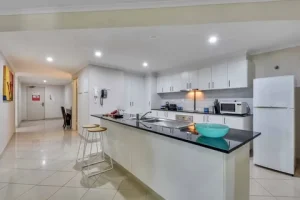
Brand New Houses in Jordan Springs | Your Sanctuary Awaits
-
Business3 years ago
Cybersecurity Consulting Company SequelNet Provides Critical IT Support Services to Medical Billing Firm, Medical Optimum
-
Business3 years ago
Team Communication Software Transforms Operations at Finance Innovate
-
Business3 years ago
Project Management Tool Transforms Long Island Business
-
Business2 years ago
How Alleviate Poverty Utilized IPPBX’s All-in-One Solution to Transform Lives in New York City
-
health3 years ago
Breast Cancer: The Imperative Role of Mammograms in Screening and Early Detection
-
Sports3 years ago
Unstoppable Collaboration: D.C.’s Citi Open and Silicon Valley Classic Unite to Propel Women’s Tennis to New Heights
-
Art /Entertainment3 years ago
Embracing Renewal: Sizdabedar Celebrations Unite Iranians in New York’s Eisenhower Park
-
Finance3 years ago
The Benefits of Starting a Side Hustle for Financial Freedom