
Beauty Fitness
Maximizing Your Tricep Gain: The Science Behind Overhead Extensions vs Cable Pushdowns


When it comes to building strong and well-defined triceps, selecting the right exercises can make a significant difference in your results. Two popular tricep exercises that often come up in discussions are overhead extensions and cable pushdowns. Both exercises target the triceps but have distinct differences in their mechanics and muscle activation. Let’s delve into the science behind overhead extensions and cable pushdowns to understand their effectiveness and how they can maximize your tricep gains.
1. Overhead Extensions: Overhead extensions involve extending your arms overhead and lowering a weight behind your head. This exercise primarily targets the long head of the triceps, which is the largest part of the muscle. It places significant tension on the long head and activates it throughout the movement. Overhead extensions also engage the lateral and medial heads to a lesser extent.
The mechanics of overhead extensions require stabilization of the shoulder joint, which activates the supporting muscles such as the deltoids and upper back muscles. This added stability challenge can enhance overall shoulder strength and stability.
2. Cable Pushdowns: Cable pushdowns involve using a cable machine with a straight or curved bar attachment to push the weight down while keeping your upper arms stationary. This exercise primarily targets the lateral head of the triceps, which contributes to the “horseshoe” shape of the muscle. Cable pushdowns also engage the medial and long heads to a lesser extent.
Cable pushdowns provide constant tension on the triceps throughout the movement, allowing for a continuous and controlled contraction. The cable’s resistance curve matches the strength curve of the triceps, making it an effective exercise for targeting and isolating the muscle.

Choosing the Right Exercise for Your Goals:
1. Muscle Activation: Both overhead extensions and cable pushdowns activate the triceps, but they emphasize different heads of the muscle. If you want to prioritize the long head of the triceps, overhead extensions may be more beneficial. On the other hand, if you aim to target the lateral head for that well-defined horseshoe shape, cable pushdowns are a good choice.
2. Joint Stress: Overhead extensions put more stress on the shoulder joint due to the overhead position. If you have any shoulder issues or limitations, cable pushdowns may be a safer option. Ensure proper form and appropriate weights to minimize the risk of injury.
3. Variety and Progression: Incorporating both exercises into your routine can provide variety and prevent plateaus. By periodically switching between overhead extensions and cable pushdowns, you can challenge your triceps in different ways and stimulate muscle growth.
4. Individual Preference: Consider personal preference and comfort when choosing between the exercises. Some individuals may find one exercise more enjoyable or feel a stronger mind-muscle connection, leading to better overall engagement of the triceps.
In conclusion, both overhead extensions and cable pushdowns are effective exercises for targeting the triceps and maximizing muscle gains. The choice between the two depends on your specific goals, muscle activation preferences, joint health considerations, and overall exercise variety. Incorporating a well-rounded tricep training program that includes a mix of exercises can lead to balanced muscle development and improved overall strength. Remember to prioritize proper form, progressive overload, and listen to your body to ensure safe and effective workouts.
Author

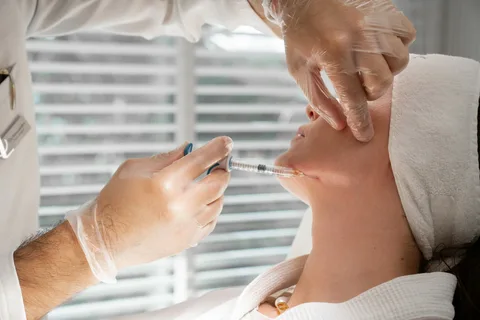
Maintaining healthy, radiant skin requires an understanding of how our environment interacts with our biology. In many regions, and particularly within the arid desert climate of Saudi Arabia’s capital, the atmosphere acts as a constant vacuum, drawing vital moisture away from the skin’s surface. This physiological phenomenon is known as Transepidermal Water Loss, or TEWL. While traditional skincare routines rely heavily on thick topical moisturizers, heavy creams, defensive barrier serums, and even dermal fillers, these surface-level applications often fail to provide long-lasting relief in extreme climates.
They merely sit on the outer layer of the skin, where they can quickly evaporate under the heat. To truly counteract chronic dryness and protect the skin from premature aging, modern aesthetic medicine has shifted its focus toward deep, subsurface solutions. By utilizing advanced injectable therapies, such as strategically placed Dermal Fillers Riyadh, individuals can create internal hydration networks that lock in moisture from within, successfully fighting TEWL and ensuring a firm, glowing complexion regardless of environmental challenges.
The mechanics of TEWL are simple yet destructive to the skin barrier. When the ambient humidity drops, the moisture gradient between the deep layers of the dermis and the dry outside air becomes steeper, accelerating the rate at which water evaporates through the epidermis. When the skin loses its core water content, the cellular architecture begins to collapse, leading to a dull complexion, rough texture, and fine dehydration lines.
By moving beyond temporary surface creams and choosing internal hydration solutions, clinical specialists can place water-binding molecules directly into the deep dermal tissue. This advanced approach creates micro-reservoirs that continuously hydrate the surrounding cells, building a highly resilient defense system against atmospheric dryness.
Breakdown of Transepidermal Water Loss
To effectively fight skin dehydration, it is helpful to look at the underlying science of the skin barrier. The outermost layer of the epidermis, the stratum carenum, functions as a protective shield. It is often described as a brick-and-mortar structure, where the skin cells (corneocytes) act as bricks and natural lipids serve as the mortar. This barrier is designed to keep external irritants out and essential moisture in.
However, when exposed to persistent heat, low humidity, and air conditioning, this delicate lipid barrier is placed under continuous environmental stress. The dry air speeds up evaporation, causing the cells to shrink, flatten, and lose their natural elasticity. This chronic moisture loss does more than just cause temporary tightness or flaking; it accelerates the visual signs of aging.
Internal Hydration
The true breakthrough in fighting severe climate-induced dryness relies on the unique biochemical properties of hyaluronic acid (HA). Hyaluronic acid is a naturally occurring sugar molecule found abundantly within our skin, joints, and connective tissues, renowned for its incredible capacity to retain moisture. A single gram of hyaluronic acid can hold up to six liters of water, acting as a natural sponge that keeps internal tissues lubricated, firm, and fully hydrated.
When specialized, highly fluid formulations of hyaluronic acid are introduced into the deep dermis, they do not simply fill space or alter contours; they function as permanent subsurface moisture reservoirs. Once placed beneath the skin’s surface, these micro-droplets immediately begin attracting, binding, and retaining water molecules from deep within the body.
This process creates an internal hydration framework that continuously pumps moisture up to the visible layers of the skin. The results are visible and long-lasting: dehydration lines are smoothed from the inside out, skin texture becomes soft and supple, and the complexion regains a healthy bounce that can withstand the drying effects of an arid environment.

Strategic Hydration Zoning
Creating an effective internal moisture framework requires a customized approach that targets the facial zones most vulnerable to environmental dryness. Advanced practitioners analyze the face as an interconnected ecosystem, placing micro-hydration reservoirs where they will yield the greatest benefit:
-
The Periorbital Framework: The skin around the eyes is the thinnest on the entire face, making it the first area to show dehydration lines, fine wrinkles, and hollows caused by dry air. Precise micro-hydration in this zone smooths the skin and brightens the overall gaze.
-
The Mid-Face and Cheeks: The cheeks experience direct exposure to wind, heat, and sun. Restoring subsurface moisture in this area rebuilds lost plumpness, smooths fine surface textures, and gives the face a radiant glow that reflects light beautifully.
-
The Perioral and Lip Region: The lips do not contain sebaceous glands, meaning they cannot produce their own protective oils and are highly prone to chapping and vertical dry lines. Micro-targeted hydration treats dry lines around the mouth and restores natural softness.
-
The Lower Mandibular Border: Environmental dryness can cause the skin along the lower face to lose its tone. Strategic hydration along the jawline firms the tissue from within, helping maintain a crisp, youthful, and well-defined frame.
Micro-Optimization
For modern individuals who value understated elegance, the true mark of high-end aesthetic care is absolute naturalism. The objective of creating internal moisture reservoirs is not to significantly change facial characteristics or produce a fake. Overly enhanced appearance; it aims to improve skin health and rejuvenate a fresh, radiant look. This sophisticated approach relies on micro-optimization—using minimal amounts of fluid, soft gels placed with mathematical precision across the facial planes.
Experience for a High-Performance Lifestyle
Time and efficiency are critical factors for professionals navigating a busy schedule. Traditional surgical procedures or intensive treatments often require extended recovery periods, swelling, or downtime that do not fit into a fast-paced lifestyle.
Advanced subsurface hydration treatments are explicitly engineered for maximum efficiency and convenience. Often performed in less than thirty minutes, these procedures use specialized micro-cannulas that cause minimal tissue disruption.
This advanced method virtually eliminates the risk of swelling or bruising. Allowing individuals to step out of an ultra-private clinical environment and return directly to their daily commitments. The hydration benefits develop quickly over the following days as the internal reservoirs bind with water molecules. Creating a long-term shield against transepidermal water loss.
Conclusion
As modern cities continue to develop as central hubs for global business, culture, and innovation. The standards for personal presentation and self-care remain exceptionally high. Protecting your skin from the harsh, dehydrating elements of an arid environment is a vital investment in your personal well-being and long-term image. Relying on surface skincare products alone is no longer enough to counter the constant drying effects of atmospheric moisture loss.
By choosing to build deep, internal moisture reservoirs. You proactively defend your skin against premature aging. Environmental damage, and barrier breakdown. Incorporating highly advanced clinical treatments like Dermal Fillers Riyadh into your broader wellness routine. Allows you to lock in vital hydration at a cellular level. Ensuring your complexion remains smooth, firm, and radiant.
Author


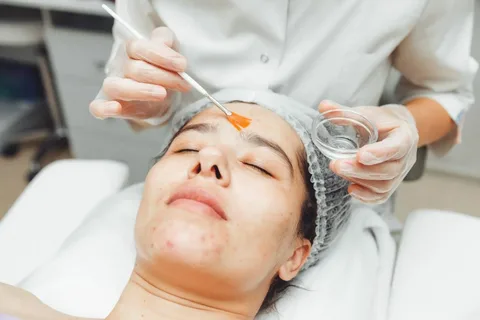
Oily and acne-prone skin can be difficult to manage without proper skincare treatments. Excess oil production often leads to clogged pores, blackheads, whiteheads, acne breakouts, and acne scars. Many individuals struggle with recurring skin issues despite using multiple skincare products. This is why Chemical Peel in Islamabad have become a popular solution for improving oily and acne-prone skin safely and effectively.
Chemical peels help exfoliate damaged skin layers, control excess oil production, and promote healthier skin renewal. They are widely used by skincare professionals to improve acne, reduce breakouts, and restore clearer skin texture. With proper treatment planning, chemical peels can significantly improve overall skin health and appearance.
Oily and Acne-Prone Skin
- Hormonal changes
- Genetics
- Stress
- Humidity and weather conditions
- Poor skincare habits
- Diet and lifestyle factors
- Use of unsuitable skincare products
If acne is not treated properly, it can also lead to acne scars, pigmentation, and uneven skin texture.
What Are Chemical Peels?
Chemical peels are cosmetic skin treatments that use specially formulated acids to exfoliate the outer layers of the skin. The treatment removes dead skin cells, unclogs pores, and stimulates the growth of healthier skin underneath.
Chemical peels are commonly used to improve:
- Acne and acne scars
- Oily skin
- Blackheads and whiteheads
- Enlarged pores
- Hyperpigmentation
- Uneven skin texture
- Dull skin
Chemical Peels Help Oily Skin
Control Excess Oil Production
One of the main benefits of chemical peels for oily skin is their ability to reduce excess oil production. Certain peel ingredients help regulate sebaceous gland activity and reduce greasy skin appearance.
This makes the skin feel fresher and less oily throughout the day.
Deeply Cleanse the Pores
Chemical peels penetrate the skin and remove dirt, oil, and dead skin cells trapped inside pores. This deep cleansing process reduces clogged pores and minimizes the chances of acne breakouts.
Reduce Enlarged Pores
Oily skin often leads to visibly enlarged pores. Chemical peels help refine the skin surface and improve pore appearance over time.
Improve Skin Texture
Excess oil and acne can make the skin appear rough and uneven. Chemical peels exfoliate damaged skin and help restore smoother and softer skin texture.
Chemical Peels Help Acne-Prone Skin
Reduce Active Acne Breakouts
Chemical peels help reduce acne-causing bacteria and unclog blocked pores, which are major causes of breakouts. They also reduce inflammation associated with acne.
This helps improve active acne and prevent future breakouts.
Fade Acne Scars and Marks
Acne often leaves behind dark spots and scars that affect skin appearance. Chemical peels encourage skin renewal and collagen production, which helps reduce acne marks and improve skin smoothness.
Improve Skin Clarity
Regular chemical peel treatments help maintain clearer skin by removing dead skin buildup and improving overall skin health.
Balance Skin Tone
Acne-prone skin frequently develops pigmentation and uneven tone. Chemical peels help fade discoloration and create a more balanced complexion.
Types of Chemical Peels
Salicylic Acid Peels
Salicylic acid peels are commonly recommended for oily and acne-prone skin because they deeply penetrate pores and reduce excess oil.
These peels are highly effective for treating acne, blackheads, and inflammation.
Glycolic Acid Peels
Glycolic acid peels help exfoliate dead skin cells and improve skin texture. They are often used to reduce acne marks and dullness.
Lactic Acid Peels
Lactic acid peels are gentler and suitable for individuals with mild acne and sensitive skin.
Medium Chemical Peels
Medium-depth peels may be recommended for individuals with more noticeable acne scars and pigmentation issues.
What Happens During the Procedure?
The treatment begins with cleansing the skin to remove oil and impurities. The chemical solution is then applied carefully to the treatment area for a controlled period of time.
Peeling is a normal part of the healing process and indicates that damaged skin is being replaced with healthier skin.
Importance of Aftercare for Acne-Prone Skin
Use Sunscreen Daily
Freshly treated skin becomes more sensitive to sunlight. Sunscreen protects the skin and prevents pigmentation.
Avoid Touching the Face
Touching or picking the skin can increase irritation and worsen acne.
Keep the Skin Hydrated
Using gentle moisturizers supports healing and maintains skin balance.
Avoid Harsh Skincare Products
Strong exfoliants and irritating ingredients should be avoided during recovery.
Follow Professional Guidance
Professional aftercare instructions help ensure safe healing and better treatment results.
Benefits of Chemical Peel Treatments
Consistent chemical peel treatments can provide several long-term benefits for oily and acne-prone skin, including:
- Reduced acne breakouts
- Better oil control
- Clearer skin tone
- Smaller-looking pores
- Smoother skin texture
- Reduced acne scars
- Brighter complexion
- Improved skin confidence
With proper skincare maintenance, results can continue to improve over time.
Good Candidate for Chemical Peels
Chemical peels are suitable for many individuals with oily or acne-prone skin. People dealing with acne scars, blackheads, clogged pores, pigmentation, and uneven texture often benefit from treatment.
However, a professional consultation is important to determine the most appropriate peel type based on skin sensitivity and severity of acne.
Final Thoughts
Chemical peels are an effective treatment option for individuals struggling with oily and acne-prone skin. By controlling excess oil, unclogging pores, reducing acne breakouts, and improving acne scars, chemical peels help restore healthier and clearer skin. They also improve skin texture, brightness, and overall appearance when performed professionally.
Author

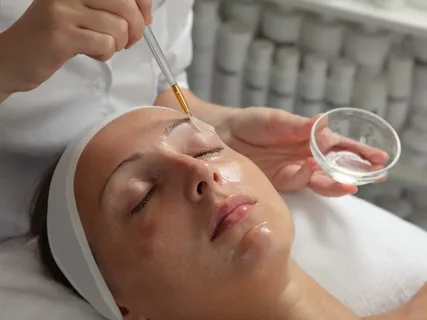
Clear, radiant, and healthy-looking skin is a common beauty goal for many people today. However, pollution, sun exposure, acne, stress, and aging can all affect the skin’s appearance over time. Dullness, pigmentation, acne scars, and uneven texture often make the skin look tired and unhealthy. This is why many individuals now choose Chemical Peels in Islamabad to improve their complexion and achieve brighter, smoother skin.
Chemical peels are among the most popular non-surgical skincare treatments because they help exfoliate damaged skin layers and promote healthier skin renewal. Whether someone wants to reduce acne marks, improve skin texture, or restore natural glow, chemical peels can deliver noticeable skin improvement when performed professionally.
What Are Chemical Peels?
Chemical peels are cosmetic skin treatments that use specially formulated acids to remove dead and damaged skin cells from the outer layer of the skin. The treatment stimulates skin regeneration and encourages the growth of fresh, healthier skin underneath.
Peels are commonly used to treat:
- Acne and acne scars
- Hyperpigmentation and dark spots
- Uneven skin tone
- Fine lines and wrinkles
- Sun damage
- Rough skin texture
- Enlarged pores
- Dull and tired-looking skin
Depending on the skin concern and treatment goals, dermatologists may recommend light, medium, or deep chemical peels.
Why Skin Becomes Dull and Uneven
Several factors contribute to dull and uneven skin over time. Dead skin cells naturally build up on the skin surface, reducing brightness and smoothness. Excess oil, clogged pores, pollution, and sun damage can also affect overall skin quality.
Aging slows down natural skin cell turnover, making it harder for the skin to maintain a fresh and glowing appearance. Peels help speed up this renewal process and improve overall skin clarity.
Chemical Peels Improve Skin Brightness
Remove Dead Skin Cells
One of the main reasons peels improve skin brightness is because they exfoliate dead skin buildup. Removing these damaged outer layers reveals fresher and healthier skin underneath.
This process helps restore natural radiance and smoothness.
Promote Faster Skin Renewal
Chemical peels stimulate the skin’s natural cell turnover process. New skin cells replace old damaged cells more quickly, resulting in brighter and more even-toned skin.
Regular treatments help maintain long-term skin clarity and glow.
Improve Blood Circulation
The exfoliation process may also help improve blood circulation in the treated area, contributing to healthier and fresher-looking skin.
Enhance Product Absorption
After dead skin buildup is removed, skincare products absorb more effectively into the skin. This allows moisturizers, serums, and brightening products to work better.

Chemical Peels Help Achieve Clearer Skin
Unclog Pores
Clogged pores are a major cause of acne, blackheads, and rough texture. Chemical peels deeply cleanse the pores and remove excess oil, reducing the risk of breakouts.
Reduce Acne and Acne Scars
Chemical peels are commonly used for acne-prone skin because they help control oil production and reduce acne-causing bacteria. The treatment also fades acne marks and improves skin texture over time.
Fade Pigmentation and Dark Spots
Hyperpigmentation caused by acne, sun damage, or hormonal changes can make the skin appear uneven. Chemical peels remove pigmented skin cells and encourage the growth of evenly toned skin.
Smooth Skin Texture
Rough skin texture and enlarged pores can affect skin appearance and makeup application. Chemical peels help smooth the skin surface and improve softness.
Types of Chemical Peels
Light Chemical Peels
Light peels work on the outermost layer of the skin and are ideal for mild acne, dullness, and uneven tone. These peels involve minimal downtime and gradual improvement.
Medium Chemical Peels
Medium peels penetrate deeper into the skin and are more effective for acne scars, pigmentation, and fine lines.
Deep Chemical Peels
Deep peels target severe skin damage and advanced signs of aging. They provide dramatic improvement but involve longer recovery periods.
Benefit From Chemical Peels
Chemical peels are suitable for many individuals looking to improve their skin quality. People with acne scars, pigmentation, dull skin, oily skin, uneven texture, or early signs of aging may benefit from treatment.
However, the peel type should always be selected according to the individual’s skin type and condition.
What Happens During the Procedure?
The treatment usually begins with cleansing the skin thoroughly. A chemical solution is then carefully applied to the skin for a controlled amount of time.
Patients may experience mild tingling or warmth during the procedure. Depending on the peel strength, the skin may appear slightly red or flaky afterward as part of the healing process.
Peeling and skin renewal are normal signs that the treatment is working.
Importance of Aftercare
Wear Sunscreen Daily
Freshly treated skin becomes more sensitive to sunlight. Sunscreen helps protect the skin and prevent pigmentation.
Keep the Skin Hydrated
Hydrated skin heals more effectively and maintains a healthy appearance.
Avoid Harsh Products
Strong exfoliants and irritating skincare products should be avoided after treatment.
Follow Professional Advice
Proper aftercare supports healing and improves treatment results.
Benefits of Regular Chemical Peel Treatments
Regular peels can provide several long-term benefits, including:
- Brighter complexion
- Reduced pigmentation
- Improved skin clarity
- Smoother texture
- Better acne control
- Reduced fine lines
- Smaller-looking pores
- Healthier skin appearance
Consistent treatments combined with proper skincare help maintain youthful and glowing skin.
Final Thoughts
Chemical peels are an effective solution for achieving brighter, smoother, and clearer skin. By exfoliating damaged skin layers and promoting healthy skin renewal, they help improve acne scars, pigmentation, rough texture, and dullness. The treatment also supports collagen production and enhances overall skin quality.
With proper professional care and aftercare, peels can provide long-lasting skin rejuvenation and healthier-looking skin.
Author


Dermal Fillers Riyadh: Help Fight Transepidermal Water Loss

Bottleneck Calculator: Optimize Your CPU & GPU Performance

Car Rental in Agadir for Tourists: Automatic vs Manual Cars

ER Collets in CNC Machining: Improve Stability & Cutting Accuracy

Endmill Tools in CNC Machining: Types, Uses & Tool Life

Apartments in Docklands VIC 3008: Luxury Waterfront Living

Labubu Collectible Figures: Origin, Popularity, Art & Collector

Custom Round Boxes: Premium Packaging for Luxury Branding

Custom Ice Cream Boxes: Premium Packaging Solutions

Endmill Tool Life in CNC Machining: Tips & Best Practices

Cybersecurity Consulting Company SequelNet Provides Critical IT Support Services to Medical Billing Firm, Medical Optimum

Team Communication Software Transforms Operations at Finance Innovate

Project Management Tool Transforms Long Island Business

How Alleviate Poverty Utilized IPPBX’s All-in-One Solution to Transform Lives in New York City

Breast Cancer: The Imperative Role of Mammograms in Screening and Early Detection

Unstoppable Collaboration: D.C.’s Citi Open and Silicon Valley Classic Unite to Propel Women’s Tennis to New Heights

Embracing Renewal: Sizdabedar Celebrations Unite Iranians in New York’s Eisenhower Park

The Benefits of Starting a Side Hustle for Financial Freedom

New Blood Donation Screening Questions What You Need to Know

Stylishly Timeless: The 5 Types of Sandals You Need in Your Closet
-

 Business3 years ago
Cybersecurity Consulting Company SequelNet Provides Critical IT Support Services to Medical Billing Firm, Medical Optimum
-
Business3 years ago
Team Communication Software Transforms Operations at Finance Innovate
-
Business3 years ago
Project Management Tool Transforms Long Island Business
-
Business3 years ago
How Alleviate Poverty Utilized IPPBX’s All-in-One Solution to Transform Lives in New York City
-
health3 years ago
Breast Cancer: The Imperative Role of Mammograms in Screening and Early Detection
-
Sports3 years ago
Unstoppable Collaboration: D.C.’s Citi Open and Silicon Valley Classic Unite to Propel Women’s Tennis to New Heights
-
Art /Entertainment3 years ago
Embracing Renewal: Sizdabedar Celebrations Unite Iranians in New York’s Eisenhower Park
-
Finance3 years ago
The Benefits of Starting a Side Hustle for Financial Freedom







