
Autos & Vehicles
Navigating the Complexity: Unlocking the Secrets Behind Modern Cars’ Tricky Door Designs


Introduction
Modern cars are marvels of engineering, with intricate designs and advanced features that enhance the driving experience. Among the many elements that contribute to a car’s overall design, door designs play a crucial role in aesthetics, functionality, and safety. In this article, we delve into the secrets behind the complex door designs of modern cars. By understanding the intricacies and challenges associated with these designs, we can gain a deeper appreciation for the engineering mastery behind them.
The Evolution of Car Door Designs
Car door designs have evolved significantly over time, driven by various factors such as aesthetics, safety regulations, and technological advancements. Let’s explore some of the key milestones in car door design evolution:
1. Traditional Hinged Doors
Hinged doors have been the most common door design for decades. They feature hinges attached to the front or rear edge of the door, allowing it to swing open horizontally. This design offers simplicity, reliability, and ease of use.
2. Scissor Doors
Scissor doors, also known as butterfly doors, gained popularity through iconic sports cars like the Lamborghini Countach. These doors open vertically and then pivot outward, creating a unique and eye-catching entrance. However, they require precise engineering and additional space to operate smoothly.
3. Gullwing Doors
Gullwing doors, made famous by the Mercedes-Benz 300SL, open vertically like wings, providing a dramatic entrance. These doors offer a wide opening for easy access, but they require reinforced structures and careful engineering to ensure safety and functionality.

4. Sliding Doors
Sliding doors are commonly found in minivans and some SUVs, providing convenient access for passengers in tight spaces. These doors slide horizontally along tracks, creating a wide opening without the need for extra space for door swing.
5. Suicide Doors
Suicide doors, also known as rear-hinged doors, open opposite to the conventional front-hinged doors. They offer a unique aesthetic and easier access to the rear seats. However, their safety and structural considerations require careful engineering.
The Challenges of Modern Car Door Designs
While modern car door designs offer numerous benefits, they also present unique challenges for automakers. Here are some of the key challenges associated with these designs:
1. Structural Integrity and Safety
Modern door designs require meticulous engineering to ensure structural integrity and meet safety standards. The doors must withstand crash forces, provide occupant protection, and allow for easy exit during emergency situations. Balancing safety with innovative design features is a top priority.
2. Weight and Fuel Efficiency
Innovative door designs often incorporate complex mechanisms, reinforcement, and additional materials, which can increase the weight of the vehicle. This added weight affects fuel efficiency and overall performance. Automakers strive to find the right balance between safety, functionality, and weight optimization.
3. Manufacturing Complexity and Cost
Unconventional door designs introduce manufacturing complexities, requiring specialized engineering, tools, and techniques. The production processes become more intricate, resulting in higher manufacturing costs. Achieving cost-effective production while maintaining high quality and consistency is a constant challenge.
4. User Experience and Accessibility
While unique door designs can be visually appealing, they may present challenges in terms of user experience and accessibility. Some designs require more space to fully open, making entry and exit difficult in tight parking spaces or crowded environments. Balancing aesthetics with practicality and convenience is essential.
Solutions and Innovations
Automakers and engineers are continuously striving to overcome the challenges associated with modern car door designs. Here are some solutions and innovations that have emerged:
1. Advanced Materials and Design Optimization
Using advanced materials, such as high-strength steel and aluminum alloys, helps reduce weight without compromising safety and structural integrity. Design optimization techniques, such as computer simulations and finite element analysis, enable engineers to enhance door performance and minimize weight.
2. Integrated Safety Systems
To ensure the safety of occupants, modern car doors often incorporate advanced safety features such as side impact beams, energy-absorbing materials, and reinforced structures. These systems mitigate crash forces and enhance occupant protection.
3. Power-Assisted Doors
Power-assisted doors, including automatic or motorized systems, enhance convenience and ease of use. These systems allow doors to open and close smoothly with minimal effort, improving accessibility for passengers, especially those with mobility challenges.
4. Sensor-Based Technologies
Sensor-based technologies, such as proximity sensors and obstacle detection systems, assist in parking and maneuvering with limited space. These technologies provide warnings and prevent accidental collisions or door damage.
5. Interior Space Optimization
Automakers focus on optimizing interior space to accommodate various door designs. Clever interior packaging, including compact mechanisms, slim panels, and creative storage solutions, maximize cabin space while ensuring functionality and comfort.
Conclusion
Modern car door designs are a testament to the continuous evolution and innovation in the automotive industry. From traditional hinged doors to the unconventional and striking designs we see today, car doors have come a long way. While these designs present challenges in terms of safety, weight, manufacturing, and user experience, automakers and engineers are constantly pushing the boundaries to overcome these obstacles. Through the integration of advanced materials, innovative technologies, and a focus on safety and user convenience, modern car doors are becoming more than just entry points—they are sophisticated components that enhance the overall driving experience.
Author

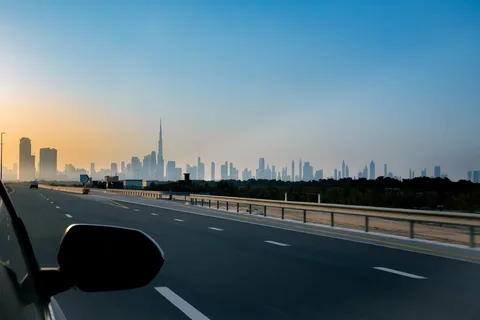
Dubai is one of the few cities where the roads themselves feel cinematic. Beyond the skyscrapers and luxury hotels, the Dubai Road network has become a major part of its visual identity. Wide highways, perfectly maintained lanes, dramatic interchanges, and long open stretches create an environment that naturally translates into powerful travel content.
For creators, influencers, and tourists, driving through Dubai is not just transportation—it is part of the visual experience. This is one reason why so many visitors choose to rent a car in Dubai to explore the city creatively. And for those looking to maximize the impact of their content, deciding to rent a Lamborghini in Dubai adds another level of visual intensity.
Wide Roads Create a Sense of Scale
One of the strongest visual effects of Dubai’s roads is scale.
The multi-lane highways, large intersections, and expansive layouts make the city feel massive and futuristic. In photos and videos, these roads create depth and perspective that narrower streets simply cannot provide.
When creators rent a Lamborghini in Dubai, the contrast between the car and the oversized infrastructure makes the visuals even more dramatic. The vehicle becomes a focal point within a much larger environment.
Clean Road Design Enhances Visual Quality
Dubai’s roads are known for being exceptionally clean and organized. Markings are clear, surfaces are smooth, and layouts feel symmetrical.
This matters in photography and videography because clean lines create cleaner compositions. There is less visual clutter, allowing the car, skyline, and lighting to stand out more clearly.
When you rent a car in Dubai, even simple driving shots can look polished because the environment itself is visually refined.
Long Highways Create Cinematic Perspective
Long, uninterrupted roads are ideal for cinematic content.
They allow creators to capture:
-
Vanishing-point compositions
-
Rolling shots with motion blur
-
Drone footage with strong symmetry
-
Smooth tracking sequences
Dubai’s highways naturally guide the viewer’s eye through the frame, creating a sense of movement and direction.
For those who rent a Lamborghini in Dubai, the sharp design and low stance of the car pair perfectly with these cinematic road perspectives.
Roads Reflect Dubai’s Futuristic Identity
Dubai’s architecture often gets attention, but the roads are equally futuristic in appearance.
Large interchanges, elevated bridges, tunnel systems, and illuminated highways create visuals that feel modern and advanced. At night, these elements become even more striking as lights reflect off the roads and surrounding buildings.
This futuristic atmosphere is a major reason why Dubai driving content performs so well on social media platforms.
Movement Makes Content Feel Alive
Static travel photos are becoming less effective online. Audiences now respond more to movement and immersive visuals.
Wide roads make it easier to create dynamic content because they provide space for motion shots without visual chaos.
Driving footage through Dubai feels smooth and intentional. The city’s infrastructure supports cinematic storytelling naturally.
When tourists rent a car in Dubai, they are not just accessing transportation—they are gaining access to a moving visual environment.
Golden Hour Looks Better on Open Roads
Lighting plays a huge role in travel content, and Dubai’s open roads maximize natural light beautifully.
During golden hour, sunlight spreads evenly across wide highways and reflects softly off buildings and vehicles. This creates warm, balanced visuals that are ideal for photography and video.
A luxury car placed on an open Dubai road during sunset immediately creates a premium aesthetic.
This is especially true when creators rent a Lamborghini in Dubai, as the car’s reflective surfaces and aggressive styling interact perfectly with golden-hour light.
The Roads Complement Luxury Vehicles
Dubai’s roads are designed for premium driving experiences. Wide lanes, smooth surfaces, and open visibility allow luxury cars to look and feel natural within the environment.
In many cities, supercars can appear out of place due to traffic or infrastructure limitations. In Dubai, they blend seamlessly into the setting.
This visual harmony is why luxury car content from Dubai feels more authentic and less staged.
Open Space Creates Better Composition Flexibility
Wide roads provide more room for experimentation.
Photographers and videographers can test different:
-
Camera angles
-
Framing techniques
-
Tracking movements
-
Reflection shots
The extra space allows creators to work more creatively without feeling visually restricted.
When you rent a car in Dubai, you gain access to an urban environment that supports this kind of visual experimentation naturally.
Social Media Loves Dubai Road Content
Dubai road aesthetics perform exceptionally well online because they combine:
-
Luxury
-
Architecture
-
Motion
-
Symmetry
-
Scale
These are all elements that capture attention quickly on platforms like Instagram, TikTok, and YouTube.
The roads themselves become part of the content, not just the background.
Final Thoughts
Dubai’s wide roads are more than infrastructure—they are a visual experience. Their scale, symmetry, and futuristic design create the perfect environment for modern travel content.
For creators and tourists alike, driving through the city becomes part of the storytelling process. When you rent a car in Dubai, you unlock the freedom to experience these visuals firsthand.
And for those who rent a Lamborghini in Dubai, the combination of luxury performance and cinematic roads creates content that feels uniquely tied to the city itself—bold, modern, and impossible to ignore.
Author


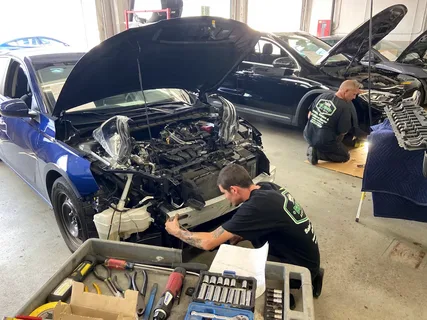
The way people approach car body repairs is often based on assumption, not clarity. A quick look at the damage, a rough guess about how serious it is, and then a decision that feels good enough in the moment. This is especially true when choosing a Tesla approved body shop Oxnard, where specialized knowledge and certified repair standards make a significant difference in the quality and safety of the repair.
People often miss that car damage doesn’t always behave in a straightforward way. What you first see rarely shows the full picture, and making decisions too early—without consulting a Tesla Approved Body Shop—often locks you into choices before fully understanding the situation.”
First Impressions About Damage Can Be Misleading
The first reaction is almost always visual. People look at the dent, the scratch, the paint damage and decide from there. If it doesn’t look bad, it gets treated like it isn’t. But that quick judgment doesn’t always hold up. A dent that looks small can still affect how a panel sits. A scratch that seems light can cut deeper than expected. Sometimes the edges of the damage tell a different story than the center but those details are easy to miss.
That’s where the gap starts- between what’s visible and what’s actually there.
The Decisions People Tend to Make Too Quickly
Once the damage is noticed, the next step is usually immediate. Either fix it now or deal with it later. There isn’t much in between.
A few things tend to happen here:
- People assume the repair will cost more than it actually might
- Or they assume it’s too minor to matter at all
- Sometimes, they just don’t want to deal with it at that moment
So the decision gets made quickly, without much checking. It feels reasonable at the time, but it’s still based on a guess.
That’s how small damage ends up either ignored for too long or handled without really knowing what needs to be fixed in the first place.
What Helps You Understand the Situation Better
It doesn’t take much to get a clearer picture, just a bit more attention than at first glance. Coming back to the damage after a day or two helps. Looking at it in a different light helps. Even just paying attention while driving can tell you something you didn’t notice before.
Things like:
- A slight change in how the car feels
- A sound that wasn’t there earlier
- A gap or alignment that looks slightly off
They’re easy to ignore. But they usually point to something that’s worth checking instead of guessing.
When Getting a Second Opinion Makes Sense
There’s a point where it stops making sense to rely only on your own judgment. Not because you can’t tell anything, but because you can only see so much from the outside. Getting it looked at doesn’t mean committing to a repair right away. Sometimes it’s just about understanding what you’re dealing with. Even a quick visit to a professional body shop Oxnard ca can clear things up. It gives you a better idea of whether the damage is limited to what you see or if there’s more to it.
What People Often Realize Too Late
A lot of people end up realizing later that the damage wasn’t what they thought it was. By then, things have usually shifted a bit. Maybe the paint has started to change around the edges. Or the dent doesn’t look the same anymore. Maybe something feels slightly off while driving, even if it’s hard to explain. At that stage, the repair isn’t always as simple as it could have been earlier. It might take more work, or it might involve fixing something that developed over time. It’s not about a big mistake. It’s just that the situation wasn’t fully understood in the beginning.
Making a Decision That Doesn’t Create More Problems Later
The goal isn’t to react to every small issue the moment it shows up. That’s not practical. But ignoring it completely isn’t helpful either. A better approach usually sits somewhere in between. Take a bit of time, look at it more than once, and don’t rely only on the first impression. If something feels unclear, it probably is.
Simple things make a difference:
- Not rushing the decision
- Being open to checking instead of assuming
- Paying attention to small changes over time
Most problems with repairs don’t come from the damage itself—they come from how the situation was handled early on. A closer inspection at a Tesla Approved Body Shop, like Prestige Bodyworks Auto Collision, often reveals that the damage isn’t exactly what it seemed at first. What looked minor may require more attention, or in some cases, less than expected. The key difference is having clarity before making a repair decision.
Conclusion
Car body repairs don’t usually go wrong because of the repair work. More often, it starts with how the situation is understood in the beginning. A quick assumption, a delayed check or a decision made without enough clarity can shift things in the wrong direction. Taking a little more time to look at it properly doesn’t complicate things- it usually keeps them simpler in the long run
Author


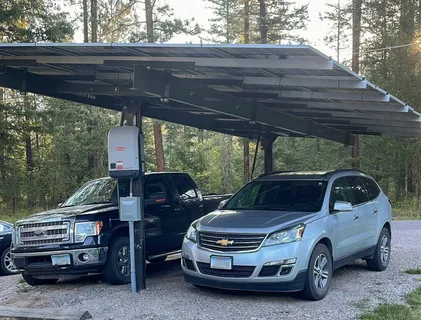
The global shift toward electric vehicles (EVs) is no longer a distant vision—it’s happening now. Governments, businesses, and individuals are increasingly embracing cleaner transportation solutions to reduce carbon emissions and dependency on fossil fuels. However, one critical factor continues to influence the speed of EV adoption: infrastructure.
This is where solar carports step in as a practical and forward-thinking solution. By combining renewable energy generation with functional parking spaces, Carport Suisse carports and custom solar parking structures are helping bridge the gap between sustainability and everyday convenience. They are not just architectural additions—they are strategic assets in the transition to electric mobility.
Growing Demand for EV Infrastructure
Electric vehicles are gaining popularity for their environmental benefits and lower operating costs. Yet, many potential EV owners hesitate due to concerns about charging availability and energy sources. Charging infrastructure must expand rapidly and intelligently to keep pace with rising demand.
Traditional charging stations rely heavily on grid electricity, which may still be partially powered by fossil fuels. This creates a paradox: clean vehicles powered by non-clean energy sources. Solar carports address this issue directly by generating renewable energy onsite, reducing reliance on the grid while supporting the expansion of EV charging networks.
What Are Solar Carports?
Supporting Clean Energy for EV Charging
Solar carports generate clean electricity exactly where it’s needed, providing one of their biggest advantages. This localized energy production reduces transmission losses and powers EVs directly with renewable sources.
For EV owners, this means a truly sustainable driving experience. Charging a vehicle under a solar carport directly connects transportation to clean energy production, significantly lowering the overall carbon footprint.
Businesses can also benefit by installing Carport Suisse carports in their parking facilities. By offering solar-powered EV charging, they not only support environmental goals but also enhance their brand image as sustainability leaders.
Accessibility and Convenience
Accessibility is key to accelerating EV adoption. Drivers need reliable and convenient charging options in their daily routines—at workplaces, shopping centers, and residential complexes.
Custom solar parking structures provide an ideal solution by integrating charging stations directly into parking spaces. Instead of searching for standalone charging points, users can charge their vehicles while parked for regular activities.
This seamless integration improves user experience and reduces range anxiety, one of the most common concerns among potential EV buyers. When charging becomes as effortless as parking, the transition to electric mobility becomes much more appealing.
Economic Benefits for Businesses
Investing in solar carports is not just an environmental decision—it’s also a financially sound one. While the initial installation cost may seem significant, the long-term savings and revenue opportunities can be substantial.
Solar energy generation reduces electricity expenses, particularly in facilities with high energy consumption. In addition, property owners can monetize EV charging services or benefit from government incentives and tax advantages associated with renewable energy projects.
Carport Suisse carports are designed with efficiency and longevity in mind, ensuring a strong return on investment. Custom solar parking structures can also increase property value by adding modern, sustainable infrastructure that appeals to environmentally conscious tenants and customers.
Optimizing Space in Urban Environments
Urban areas often face space constraints, making it challenging to install large-scale renewable energy systems. Solar carports solve this problem by transforming existing parking spaces into energy-generating assets.
Instead of requiring additional land, these structures maximize the utility of areas that are already in use. This makes them particularly valuable in cities where real estate is expensive and space optimization is essential.
Moreover, solar carports provide additional benefits such as weather protection for vehicles, reducing heat buildup in summer and shielding cars from rain and snow. This added comfort enhances their practicality beyond energy generation.
Contributing to Sustainability Goals
Governments and organizations worldwide are setting ambitious sustainability targets, including carbon neutrality and renewable energy adoption. Solar carports play a crucial role in achieving these goals by combining clean energy production with everyday infrastructure.
By installing Carport Suisse carports, companies can significantly reduce their carbon footprint while demonstrating a tangible commitment to environmental responsibility. This not only helps meet regulatory requirements but also strengthens corporate social responsibility initiatives.
For municipalities, integrating custom solar parking structures into public spaces supports broader sustainability strategies. It encourages EV usage while visibly promoting renewable energy solutions within the community.
Future-Proofing Transportation and Energy Systems
The transition to electric vehicles is just one part of a larger transformation in how we produce and consume energy. As energy systems become more decentralized and renewable-focused, solar carports will play an increasingly important role.
They can be integrated with battery storage systems to store excess energy for use during peak demand or at night. This enhances energy resilience and reduces dependency on centralized power grids.
In the future, solar carports may also support smart grid technologies, enabling two-way energy flows between EVs and the grid. This concept, often referred to as vehicle-to-grid (V2G), has the potential to revolutionize energy management by turning EVs into mobile energy storage units.
Custom solar parking structures are already paving the way for this future by providing the infrastructure needed to support advanced energy systems.
Why Choose Carport Suisse Carports?
When it comes to solar carports, quality and customization matter. Carport Suisse carports stand out for their robust design, adaptability, and focus on sustainability.
Carport Suisse tailors each project to meet specific needs, whether for a small residential installation or a large commercial parking facility. They design custom solar parking structures to match architectural styles, optimize energy production, and integrate seamlessly with existing infrastructure.
By choosing a trusted solution, property owners can ensure long-term performance, safety, and efficiency. This reliability is essential for maximizing both environmental and economic benefits.
Conclusion
Solar carports are more than just a trend—they are a strategic solution to one of the biggest challenges facing electric vehicle adoption: infrastructure. By combining renewable energy generation with practical parking solutions, they create a powerful synergy that supports sustainable mobility.
Carport Suisse carports and custom solar parking structures are at the forefront of this transformation. They provide clean energy, enhance convenience, optimize space, and deliver long-term financial benefits.
As the world moves toward a greener future, investing in solar carports is not just an option—it’s a smart step forward. By integrating energy production directly into everyday environments, we can accelerate the growth of electric vehicles and build a more sustainable transportation ecosystem for generations to come.
Author



Casino Online: Malaysia Selangor Platforms Continue to Grow

CNC Milling Efficiency: Improve Manufacturing Performance

QuickBooks Desktop 2023 End of Support: Upgrade and Migration

Shopify Web Development: Supporting Faster Online Store Growth

ER Collets: Improving Stability and Tool Performance

Scoville Retractor by Grey Medical: Precision Surgical Excellence

Chemical Peels: Brighten, Smooth, and Rejuvenate Your Skin

CNC Milling Efficiency: Endmill Tools for Precision Machining

Chrome Hearts Jewelry: Necklaces & Handcrafted Accessories

B2B Platforms: Shift Toward Unified Workflow Architecture

Cybersecurity Consulting Company SequelNet Provides Critical IT Support Services to Medical Billing Firm, Medical Optimum

Team Communication Software Transforms Operations at Finance Innovate

Project Management Tool Transforms Long Island Business

How Alleviate Poverty Utilized IPPBX’s All-in-One Solution to Transform Lives in New York City

Breast Cancer: The Imperative Role of Mammograms in Screening and Early Detection

Unstoppable Collaboration: D.C.’s Citi Open and Silicon Valley Classic Unite to Propel Women’s Tennis to New Heights

Embracing Renewal: Sizdabedar Celebrations Unite Iranians in New York’s Eisenhower Park

The Benefits of Starting a Side Hustle for Financial Freedom

New Blood Donation Screening Questions What You Need to Know

Stylishly Timeless: The 5 Types of Sandals You Need in Your Closet
-

 Business3 years ago
Cybersecurity Consulting Company SequelNet Provides Critical IT Support Services to Medical Billing Firm, Medical Optimum
-
Business3 years ago
Team Communication Software Transforms Operations at Finance Innovate
-
Business3 years ago
Project Management Tool Transforms Long Island Business
-
Business3 years ago
How Alleviate Poverty Utilized IPPBX’s All-in-One Solution to Transform Lives in New York City
-
health3 years ago
Breast Cancer: The Imperative Role of Mammograms in Screening and Early Detection
-
Sports3 years ago
Unstoppable Collaboration: D.C.’s Citi Open and Silicon Valley Classic Unite to Propel Women’s Tennis to New Heights
-
Art /Entertainment3 years ago
Embracing Renewal: Sizdabedar Celebrations Unite Iranians in New York’s Eisenhower Park
-
Finance3 years ago
The Benefits of Starting a Side Hustle for Financial Freedom







