
Autos & Vehicles
Revolutionary Collaboration: Tesla and Ford Forge EV-Charging Deal to Accelerate Electric Vehicle Adoption

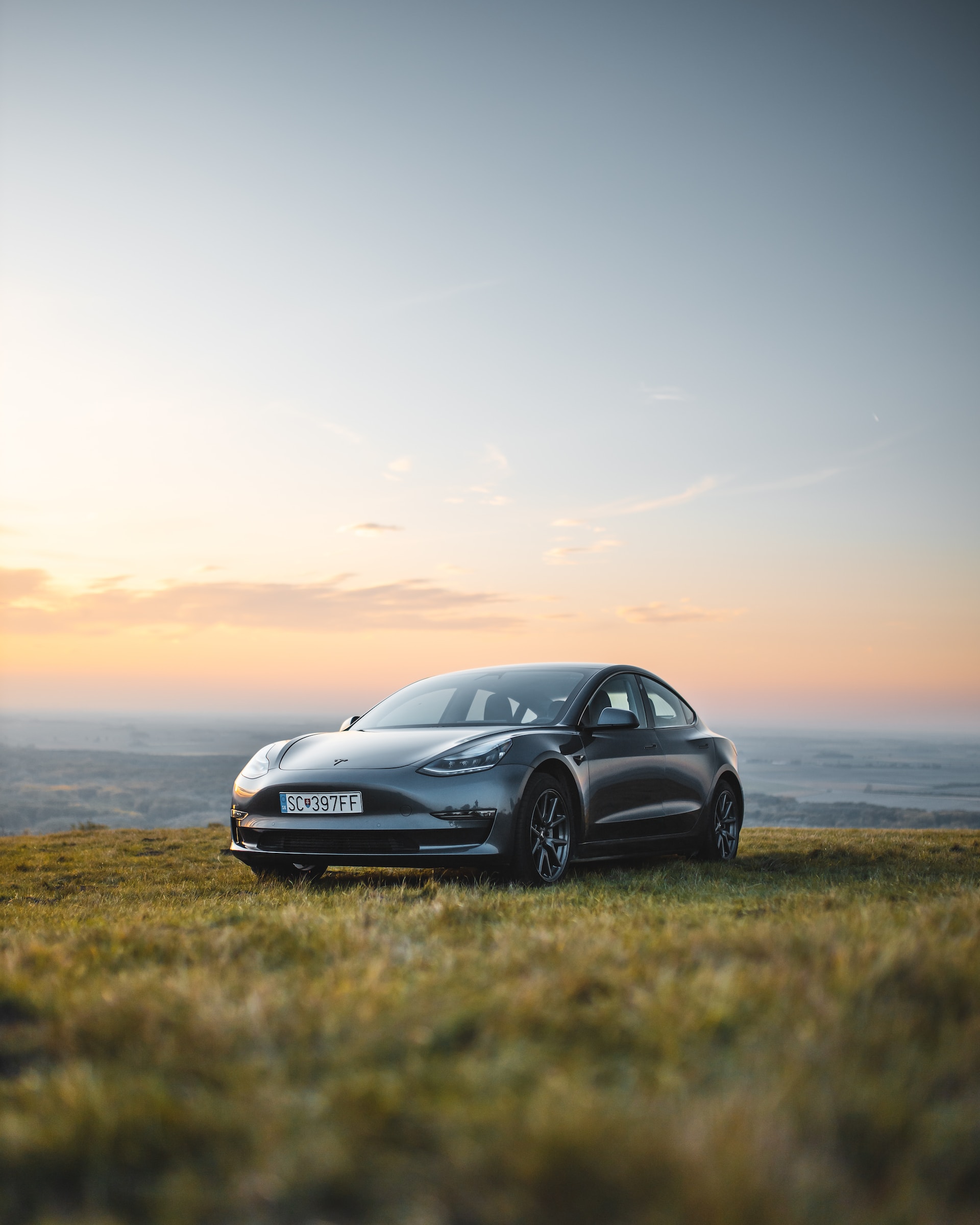
In a move that is set to reshape the electric vehicle (EV) landscape, two automotive giants, Tesla and Ford, have joined forces to forge a groundbreaking EV-charging deal. The collaboration between these industry leaders aims to accelerate the adoption of electric vehicles by addressing one of the key challenges in the EV market: the availability and accessibility of charging infrastructure. This revolutionary partnership holds the potential to shape the future of sustainable transportation and drive the transition to a greener and more electrified world.
Tesla, known for its cutting-edge electric vehicle technology and expansive Supercharger network, has been a pioneer in the EV market since its inception. The company’s Supercharger network has provided Tesla owners with a seamless and convenient charging experience, offering high-speed charging capabilities at strategic locations. On the other hand, Ford, a longstanding player in the automotive industry, has been making significant strides in the EV segment with models such as the Mustang Mach-E. By combining their strengths, Tesla and Ford aim to leverage their respective expertise to create a unified charging infrastructure that benefits EV owners across different vehicle brands.
The partnership between Tesla and Ford will involve several key elements, with the primary focus being on the integration of Tesla’s Supercharger network into Ford’s charging infrastructure. This integration will allow Ford EV owners to access Tesla’s extensive network of Supercharger stations, providing them with a wider range of charging options and eliminating range anxiety. The interoperability between Tesla and Ford charging networks is a game-changer that will simplify the charging process and significantly enhance the convenience and accessibility of EV charging for both Tesla and Ford owners.
Beyond the integration of charging networks, the partnership also entails collaborative efforts in research and development to advance charging technologies. Both companies will pool their resources and expertise to improve charging speeds, efficiency, and overall charging infrastructure. This commitment to innovation aims to address the evolving needs of EV owners and pave the way for future advancements in charging technology.
The significance of this collaboration extends beyond the immediate benefits for Tesla and Ford owners. The availability of a comprehensive and widespread charging infrastructure is critical for the wider adoption of electric vehicles. By joining forces, Tesla and Ford aim to accelerate the growth of the EV market and propel the transition to sustainable transportation on a global scale. The partnership sets a powerful example for other automakers and charging infrastructure providers, encouraging them to collaborate and contribute to the development of a robust and interconnected charging network.

Furthermore, the Tesla-Ford collaboration has the potential to reshape the competitive landscape of the EV market. As two industry leaders combine their forces, they not only solidify their positions but also send a clear message to competitors that collaboration and innovation are key to driving the EV revolution forward. This partnership emphasizes the shared goal of creating a sustainable future and highlights the importance of cooperation in overcoming the challenges associated with electric vehicle adoption.
The implications of this collaboration are far-reaching. A more extensive and reliable charging infrastructure will not only alleviate the concerns of current EV owners but also attract new customers who have been hesitant to embrace electric mobility due to charging-related concerns. The accessibility and convenience of charging stations are essential factors in encouraging consumers to make the switch to electric vehicles, and this partnership will undoubtedly bolster the confidence of potential EV buyers.
As the world continues its transition to a more sustainable future, partnerships like the one between Tesla and Ford are indicative of the broader shift toward electrification and decarbonization. The collaboration represents a shared commitment to overcoming the barriers to electric vehicle adoption and accelerating the global transition to greener transportation.
In conclusion, the Tesla-Ford EV-charging deal marks a revolutionary collaboration in the electric vehicle industry. By integrating Tesla’s Supercharger network into Ford’s charging infrastructure and pooling their resources for further research and development, the partnership aims to accelerate the adoption of electric vehicles and overcome charging-related challenges. This collaboration not only benefits Tesla and Ford owners but also paves the way for a more accessible, interconnected, and sustainable charging network. As the EV market continues to evolve, partnerships like this serve as a powerful catalyst for change, inspiring other industry players to embrace collaboration and innovation to shape a greener future.
Author

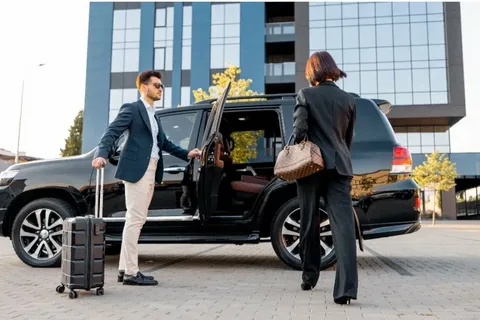
Planning a trip to Agadir in 2026? One of the smartest decisions you can make before landing is choosing the right rental car. Agadir is one of Morocco’s most tourist-friendly cities, and having your own vehicle makes it much easier to explore beaches, surf towns, mountain roads, and hidden coastal spots at your own pace.
From small budget cars to comfortable SUVs, tourists now have more rental options in Agadir than ever before. The key is knowing which type of car fits your travel style, budget, and itinerary.
Renting a Car in Agadir
Many travelers visiting Agadir quickly realize that taxis can become expensive over several days, especially if you plan to visit places outside the city center.
With a rental car, you can easily drive to:
- Taghazout
- Paradise Valley
- Tamraght
- Imsouane
- Taroudant
- Souss-Massa National Park
Recent travel guides for 2026 continue to recommend car rentals as the best way to fully experience southern Morocco.
Economy Cars
For solo travelers or couples, economy cars remain the most popular rental option in Agadir.
Models like:
- Dacia Sandero
- Kia Picanto
- Renault Clio
…are affordable, fuel-efficient, and easy to park around the city. Economy rentals are especially useful for:
- Short stays
- City driving
- Beach trips
- Travelers looking to save money
According to 2026 rental listings, economy cars in Agadir often start between 180–350 MAD per day depending on the season.
SUVs and Crossovers
If you plan to explore beyond Agadir, an SUV or crossover can make your trip much more comfortable.
Vehicles like the:
- Dacia Duster
- Hyundai Tucson
- Hyundai Creta
…are ideal for:
- Mountain roads
- Long-distance driving
- Family travel
- Carrying surf equipment or luggage
Travel experts in 2026 recommend SUVs for tourists heading toward the Anti-Atlas region or planning extended road trips through southern Morocco.
Automatic Cars
Many tourists visiting Morocco prefer automatic cars, especially if they are unfamiliar with local driving conditions.
However, one important thing to know:
Automatic vehicles are still limited in Morocco and usually cost more than manual cars.
Several 2026 rental guides recommend booking automatic cars well in advance, particularly during summer and surf season.
Airport Car Rentals
Most tourists arrive through Agadir–Al Massira Airport, and airport pickup is still the easiest solution in 2026.
Many local agencies now offer:
- Free airport delivery
- Fast pickup process
- WhatsApp support
- Unlimited mileage
- Flexible return times
Some travelers also prefer local companies because they often provide more flexible conditions than international chains. For example, Rental Cars Agadir provides airport car rental services designed for tourists arriving directly at Agadir airport.
Local Agencies vs International Brands
Tourists in Agadir generally choose between:
- International companies like Avis, Hertz, Europcar, and Sixt
- Local Moroccan rental agencies
International brands may offer familiar systems and loyalty programs, while local agencies often compete with:
- Better prices
- Faster communication
- Lower deposits
- Personalized service
Comparison platforms in 2026 show strong competition between both options in Agadir’s rental market.
Choosing the Best Rental Option
Before booking your vehicle, it’s important to check:
- Insurance coverage
- Fuel policy
- Deposit requirements
- Mileage limits
- Airport fees
- Customer reviews
Travelers on Reddit and travel forums frequently recommend taking photos of the car before driving away to avoid misunderstandings later.
Which Car Rental Option Is Best?
An Economy Car If:
- You want the cheapest option
- You mainly stay around Agadir
- You travel alone or as a couple
Choose an SUV If:
- You travel with family
- You plan road trips
- You carry lots of luggage or surfboards
Choose an Automatic Car If:
- You are uncomfortable driving manual
- You want a more relaxed driving experience
In 2026, renting a car in Agadir remains one of the best ways for tourists to explore the region comfortably and independently. Whether you choose a budget-friendly city car or a spacious SUV for long adventures, the right rental vehicle can completely change your travel experience.
The most important advice is simple:
Book early, compare carefully, and choose a trusted rental agency with transparent conditions.
That way, you can spend less time worrying about transportation — and more time enjoying Morocco.
Automatic vs Manual Cars in Agadir
If you’re planning to rent a car in Agadir, one of the first decisions you’ll face is choosing between an automatic or manual transmission vehicle.
At first, it may seem like a small detail. But once you start driving through city traffic, coastal roads, roundabouts, or mountain routes around southern Morocco, your choice can have a big impact on your comfort and overall travel experience.
For some travelers, a manual car is the perfect budget-friendly option. For others, an automatic makes driving far less stressful — especially in an unfamiliar country. So which one should you choose in Agadir? The answer depends on your driving habits, budget, and travel plans.
Choice Matters More Than Think
Morocco is not difficult to drive in, especially around Agadir, but it does feel different from driving in many European or North American cities.
You’ll often encounter:
- Roundabouts
- Scooters and motorcycles
- Stop-and-go traffic
- Steep parking ramps
- Coastal roads with hills and curves
Travel experts in 2026 note that transmission choice affects not only driving comfort, but also stress levels and fatigue during long travel days.
That’s why many tourists spend time comparing automatic and manual cars before booking.
Manual Cars in Agadir
Manual cars remain the most common rental vehicles in Morocco.
In fact, most local drivers use manual transmission vehicles, which means rental agencies usually have:
- More manual cars available
- Lower rental prices
- More economy vehicle options
Manual cars are often ideal for:
- Budget travelers
- Experienced manual drivers
- Long highway drives
- Travelers comfortable with stick shift
According to several Morocco rental guides, manual vehicles are generally easier to find and cheaper than automatic cars.
Advantages of Manual Cars
- Lower daily rental cost
- Better availability during busy seasons
- Often lower fuel consumption
- More vehicle choices
Disadvantages of Manual Cars
- More tiring in traffic
- Difficult if you rarely drive manual
- Less comfortable on hills or steep parking ramps
- Can become stressful in busy areas
If you already drive manual every week at home, driving one in Agadir will probably feel natural after a short adjustment period.
Automatic Cars in Agadir
Automatic cars have become increasingly popular among tourists visiting Morocco.
Many travelers choose automatic vehicles simply because they reduce stress, especially after a long international flight.
Rental experts now recommend automatic cars for:
- Families
- First-time visitors to Morocco
- Travelers unfamiliar with manual transmission
- People planning longer road trips
Recent driving guides explain that automatics help drivers focus more on traffic and navigation instead of clutch control.
Advantages of Automatic Cars
- Easier in traffic
- Less fatigue during long drives
- Simpler hill starts
- Better for city driving
- More relaxing overall experience
Disadvantages of Automatic Cars
- Higher rental price
- Limited availability
- Must often be booked early
- Fewer budget options
Automatic cars are especially useful if your trip includes:
- City driving
- Coastal road trips
- Multiple hotel stops
- Airport pickup after a long flight
Difference Between Automatic and Manual Cars
One of the biggest differences is cost.
In Morocco:
- Manual cars are usually the cheapest option
- Automatic vehicles often cost more
- Automatic SUVs can become expensive during peak season
Travel websites in 2026 confirm that automatic vehicles remain a minority in Moroccan rental fleets, which increases demand and pricing.
If saving money is your top priority and you’re comfortable driving stick shift, manual is usually the smarter financial choice.
Author


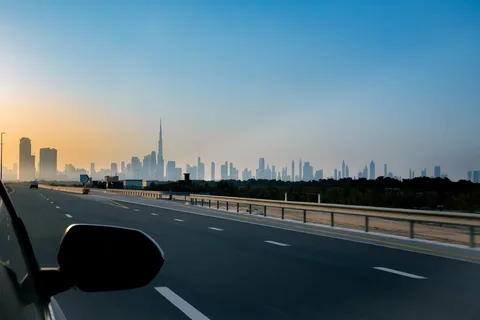
Dubai is one of the few cities where the roads themselves feel cinematic. Beyond the skyscrapers and luxury hotels, the Dubai Road network has become a major part of its visual identity. Wide highways, perfectly maintained lanes, dramatic interchanges, and long open stretches create an environment that naturally translates into powerful travel content.
For creators, influencers, and tourists, driving through Dubai is not just transportation—it is part of the visual experience. This is one reason why so many visitors choose to rent a car in Dubai to explore the city creatively. And for those looking to maximize the impact of their content, deciding to rent a Lamborghini in Dubai adds another level of visual intensity.
Wide Roads Create a Sense of Scale
One of the strongest visual effects of Dubai’s roads is scale.
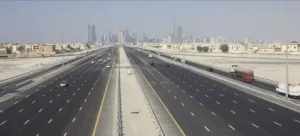
The multi-lane highways, large intersections, and expansive layouts make the city feel massive and futuristic. In photos and videos, these roads create depth and perspective that narrower streets simply cannot provide.
When creators rent a Lamborghini in Dubai, the contrast between the car and the oversized infrastructure makes the visuals even more dramatic. The vehicle becomes a focal point within a much larger environment.
Clean Road Design Enhances Visual Quality
Dubai’s roads are known for being exceptionally clean and organized. Markings are clear, surfaces are smooth, and layouts feel symmetrical.
This matters in photography and videography because clean lines create cleaner compositions. There is less visual clutter, allowing the car, skyline, and lighting to stand out more clearly.
When you rent a car in Dubai, even simple driving shots can look polished because the environment itself is visually refined.
Long Highways Create Cinematic Perspective
Long, uninterrupted roads are ideal for cinematic content.
They allow creators to capture:
-
Vanishing-point compositions
-
Rolling shots with motion blur
-
Drone footage with strong symmetry
-
Smooth tracking sequences
Dubai’s highways naturally guide the viewer’s eye through the frame, creating a sense of movement and direction.
For those who rent a Lamborghini in Dubai, the sharp design and low stance of the car pair perfectly with these cinematic road perspectives.
Roads Reflect Dubai’s Futuristic Identity
Dubai’s architecture often gets attention, but the roads are equally futuristic in appearance.
Large interchanges, elevated bridges, tunnel systems, and illuminated highways create visuals that feel modern and advanced. At night, these elements become even more striking as lights reflect off the roads and surrounding buildings.
This futuristic atmosphere is a major reason why Dubai driving content performs so well on social media platforms.
Movement Makes Content Feel Alive
Static travel photos are becoming less effective online. Audiences now respond more to movement and immersive visuals.
Wide roads make it easier to create dynamic content because they provide space for motion shots without visual chaos.
Driving footage through Dubai feels smooth and intentional. The city’s infrastructure supports cinematic storytelling naturally.
When tourists rent a car in Dubai, they are not just accessing transportation—they are gaining access to a moving visual environment.
Golden Hour Looks Better on Open Roads
Lighting plays a huge role in travel content, and Dubai’s open roads maximize natural light beautifully.
During golden hour, sunlight spreads evenly across wide highways and reflects softly off buildings and vehicles. This creates warm, balanced visuals that are ideal for photography and video.
A luxury car placed on an open Dubai road during sunset immediately creates a premium aesthetic.
This is especially true when creators rent a Lamborghini in Dubai, as the car’s reflective surfaces and aggressive styling interact perfectly with golden-hour light.
The Roads Complement Luxury Vehicles
Dubai’s roads are designed for premium driving experiences. Wide lanes, smooth surfaces, and open visibility allow luxury cars to look and feel natural within the environment.
In many cities, supercars can appear out of place due to traffic or infrastructure limitations. In Dubai, they blend seamlessly into the setting.
This visual harmony is why luxury car content from Dubai feels more authentic and less staged.
Open Space Creates Better Composition Flexibility
Wide roads provide more room for experimentation.
Photographers and videographers can test different:
-
Camera angles
-
Framing techniques
-
Tracking movements
-
Reflection shots
The extra space allows creators to work more creatively without feeling visually restricted.
When you rent a car in Dubai, you gain access to an urban environment that supports this kind of visual experimentation naturally.
Social Media Loves Dubai Road Content
Dubai road aesthetics perform exceptionally well online because they combine:
-
Luxury
-
Architecture
-
Motion
-
Symmetry
-
Scale
These are all elements that capture attention quickly on platforms like Instagram, TikTok, and YouTube.
The roads themselves become part of the content, not just the background.
Final Thoughts
Dubai’s wide roads are more than infrastructure—they are a visual experience. Their scale, symmetry, and futuristic design create the perfect environment for modern travel content.
For creators and tourists alike, driving through the city becomes part of the storytelling process. When you rent a car in Dubai, you unlock the freedom to experience these visuals firsthand.
And for those who rent a Lamborghini in Dubai, the combination of luxury performance and cinematic roads creates content that feels uniquely tied to the city itself—bold, modern, and impossible to ignore.
Author


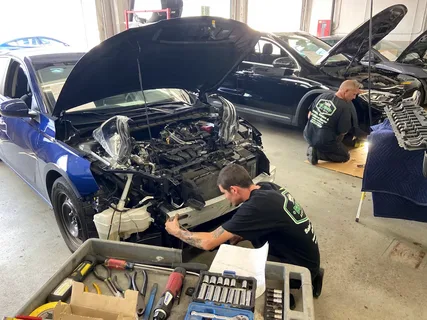
The way people approach car body repairs is often based on assumption, not clarity. A quick look at the damage, a rough guess about how serious it is, and then a decision that feels good enough in the moment. This is especially true when choosing a Tesla approved body shop Oxnard, where specialized knowledge and certified repair standards make a significant difference in the quality and safety of the repair.
People often miss that car damage doesn’t always behave in a straightforward way. What you first see rarely shows the full picture, and making decisions too early—without consulting a Tesla Approved Body Shop—often locks you into choices before fully understanding the situation.”
First Impressions About Damage Can Be Misleading
The first reaction is almost always visual. People look at the dent, the scratch, the paint damage and decide from there. If it doesn’t look bad, it gets treated like it isn’t. But that quick judgment doesn’t always hold up. A dent that looks small can still affect how a panel sits. A scratch that seems light can cut deeper than expected. Sometimes the edges of the damage tell a different story than the center but those details are easy to miss.
That’s where the gap starts- between what’s visible and what’s actually there.
The Decisions People Tend to Make Too Quickly
Once the damage is noticed, the next step is usually immediate. Either fix it now or deal with it later. There isn’t much in between.
A few things tend to happen here:
- People assume the repair will cost more than it actually might
- Or they assume it’s too minor to matter at all
- Sometimes, they just don’t want to deal with it at that moment
So the decision gets made quickly, without much checking. It feels reasonable at the time, but it’s still based on a guess.
That’s how small damage ends up either ignored for too long or handled without really knowing what needs to be fixed in the first place.
What Helps You Understand the Situation Better
It doesn’t take much to get a clearer picture, just a bit more attention than at first glance. Coming back to the damage after a day or two helps. Looking at it in a different light helps. Even just paying attention while driving can tell you something you didn’t notice before.
Things like:
- A slight change in how the car feels
- A sound that wasn’t there earlier
- A gap or alignment that looks slightly off
They’re easy to ignore. But they usually point to something that’s worth checking instead of guessing.
When Getting a Second Opinion Makes Sense
There’s a point where it stops making sense to rely only on your own judgment. Not because you can’t tell anything, but because you can only see so much from the outside. Getting it looked at doesn’t mean committing to a repair right away. Sometimes it’s just about understanding what you’re dealing with. Even a quick visit to a professional body shop Oxnard ca can clear things up. It gives you a better idea of whether the damage is limited to what you see or if there’s more to it.
What People Often Realize Too Late
A lot of people end up realizing later that the damage wasn’t what they thought it was. By then, things have usually shifted a bit. Maybe the paint has started to change around the edges. Or the dent doesn’t look the same anymore. Maybe something feels slightly off while driving, even if it’s hard to explain. At that stage, the repair isn’t always as simple as it could have been earlier. It might take more work, or it might involve fixing something that developed over time. It’s not about a big mistake. It’s just that the situation wasn’t fully understood in the beginning.
Making a Decision That Doesn’t Create More Problems Later
The goal isn’t to react to every small issue the moment it shows up. That’s not practical. But ignoring it completely isn’t helpful either. A better approach usually sits somewhere in between. Take a bit of time, look at it more than once, and don’t rely only on the first impression. If something feels unclear, it probably is.
Simple things make a difference:
- Not rushing the decision
- Being open to checking instead of assuming
- Paying attention to small changes over time
Most problems with repairs don’t come from the damage itself—they come from how the situation was handled early on. A closer inspection at a Tesla Approved Body Shop, like Prestige Bodyworks Auto Collision, often reveals that the damage isn’t exactly what it seemed at first. What looked minor may require more attention, or in some cases, less than expected. The key difference is having clarity before making a repair decision.
Conclusion
Car body repairs don’t usually go wrong because of the repair work. More often, it starts with how the situation is understood in the beginning. A quick assumption, a delayed check or a decision made without enough clarity can shift things in the wrong direction. Taking a little more time to look at it properly doesn’t complicate things- it usually keeps them simpler in the long run
Author



Dysport Injections in Dubai & Abu Dhabi for Smooth, Youthful Skin

Tonsil Schmidt Instrument: Precision Tool for ENT Surgery

Empyre Clothing: Modern Streetwear Blending Comfort

Custom Business Card Boxes: Professional Presentation

Male Rhinoplasty Specialists: Expert Nose Reshaping

Mr. Winston Hoodie: Premium Streetwear That Blends Comfort

Shopify Web Development Agency: Building eCommerce Stores

Essential Hoodie: Fit, Proportions & Styling Choices

Water Heater Maintenance: Save Energy & Avoid Repairs

Chrome Hearts Glasses: Luxury Eyewear & Premium Frames

Cybersecurity Consulting Company SequelNet Provides Critical IT Support Services to Medical Billing Firm, Medical Optimum

Team Communication Software Transforms Operations at Finance Innovate

Project Management Tool Transforms Long Island Business

How Alleviate Poverty Utilized IPPBX’s All-in-One Solution to Transform Lives in New York City

Breast Cancer: The Imperative Role of Mammograms in Screening and Early Detection

Unstoppable Collaboration: D.C.’s Citi Open and Silicon Valley Classic Unite to Propel Women’s Tennis to New Heights

Embracing Renewal: Sizdabedar Celebrations Unite Iranians in New York’s Eisenhower Park

The Benefits of Starting a Side Hustle for Financial Freedom

New Blood Donation Screening Questions What You Need to Know

Stylishly Timeless: The 5 Types of Sandals You Need in Your Closet
-

 Business3 years ago
Cybersecurity Consulting Company SequelNet Provides Critical IT Support Services to Medical Billing Firm, Medical Optimum
-
Business3 years ago
Team Communication Software Transforms Operations at Finance Innovate
-
Business3 years ago
Project Management Tool Transforms Long Island Business
-
Business3 years ago
How Alleviate Poverty Utilized IPPBX’s All-in-One Solution to Transform Lives in New York City
-
health3 years ago
Breast Cancer: The Imperative Role of Mammograms in Screening and Early Detection
-
Sports3 years ago
Unstoppable Collaboration: D.C.’s Citi Open and Silicon Valley Classic Unite to Propel Women’s Tennis to New Heights
-
Art /Entertainment3 years ago
Embracing Renewal: Sizdabedar Celebrations Unite Iranians in New York’s Eisenhower Park
-
Finance3 years ago
The Benefits of Starting a Side Hustle for Financial Freedom







