
animals
Therapy Light: LED Horse Benefits, Uses & Equine Wellness


Horse owners are always looking for safe and practical ways to support their horses’ comfort, recovery, and overall wellness. Regular exercise, balanced nutrition, proper grooming, and routine veterinary care all play an important role. Alongside these basics, many owners now explore light-based wellness products, including LED horse therapy light devices.
These devices use specific wavelengths of light and are designed for use on targeted areas of a horse’s body. They have become popular among riders, trainers, and horse owners who want to add another option to their horse-care routine. However, it is important to understand what these products do, how they are used, and what precautions owners should take.
What Is LED Horse Therapy Light?
An LED horse light is a light-based device designed specifically for equine use. Depending on the product, it may use red light, near-infrared light, or a combination of wavelengths. Owners typically apply the device to selected areas according to the manufacturer’s instructions.
Light-based wellness products are often discussed in connection with circulation, muscle comfort, and post-exercise recovery. However, results can vary from one horse to another. Therefore, owners should treat these devices as part of a broader care routine rather than as a replacement for professional veterinary attention.
The design also matters. Some devices are handheld, while others can attach to or wrap around a particular part of the horse’s body. Choosing the right style depends on the horse, the intended use, and how easily the device can be applied.

Why Do Horse Owners Use It?
Horses can experience muscle fatigue after training, competition, travel, or demanding physical activity. As a result, owners often look for convenient ways to support their horses after exercise.
A therapy light can become one part of a post-work routine. For example, an owner may use it after a training session while also providing water, rest, gentle movement, grooming, and appropriate nutrition. This approach keeps light therapy within a balanced wellness plan.
Some owners also use LED devices before exercise as part of their preparation routine. However, the correct use depends on the specific product and the horse’s individual needs. Always follow the manufacturer’s recommended treatment time and application instructions.
How Does Light-Based Therapy Work?
LED devices produce light at specific wavelengths. Red and near-infrared wavelengths are commonly associated with photo biomodulation, a field that studies how certain forms of light interact with biological tissues.
The exact response can depend on several factors. These include the wavelength, intensity, treatment duration, distance from the body, and the area being treated. The horse’s condition and overall health can also influence the outcome.
For this reason, more treatment does not automatically mean better results. Owners should never assume that longer sessions will provide additional benefits. Instead, they should follow the product instructions carefully.

Using an LED Device Safely
Safety should always come first when using any wellness device on a horse. Before starting, inspect the equipment for damage. Check the cables, housing, charging components, and light-emitting surface. Next, introduce the device calmly. Some horses may become nervous when they see or hear unfamiliar equipment. Let the horse investigate the device before placing it near the body. A quiet environment can also make the experience easier.
Use the device only as directed. Do not place it over areas that the manufacturer identifies as unsuitable. Also, avoid using a light-based device as a substitute for diagnosis or treatment when a horse shows signs of illness or injury. A therapy light should complement responsible horse care, not replace it.
When Should You Consult a veterinarian?
Horse owners should contact a veterinarian when a horse develops unexplained pain, swelling, lameness, wounds, unusual behavior, fever, or other concerning symptoms. Sudden changes can sometimes indicate an injury or medical condition that requires professional assessment. This point matters because light-based wellness products may create a false sense of security. If a horse continues to show discomfort, do not simply increase the frequency or duration of light sessions. Instead, seek professional advice. A veterinarian can help identify the underlying issue and recommend an appropriate care plan. They can also advise whether a light-based product fits into that plan.
Choosing the Right Product
The market includes many LED products with different designs, features, wavelengths, and operating times. Therefore, horse owners should research a product carefully before purchasing one. Start by checking the manufacturer’s instructions. Look for clear information about intended use, treatment duration, wavelength specifications, cleaning, charging, and storage. A well-designed product should also be comfortable and practical to use around horses.
Durability is another important factor. Horses live and work in environments where equipment can encounter dust, moisture, movement, and regular handling. A device should suit the conditions in which you plan to use it. You should also consider convenience. If a product takes too much time to set up, you may find it difficult to include in your regular routine. A simple and comfortable design can make consistent use easier.
Making It Part of a Wellness Routine
An LED horse therapy light works best when you use it alongside good everyday care. Start with the basics. Give your horse suitable nutrition, clean water, adequate rest, regular exercise, and proper grooming.
Pay attention to how your horse moves and behaves. Changes in posture, movement, appetite, or attitude can provide useful clues about overall well-being. Keeping simple notes can also help you understand how your horse responds to changes in its routine.
If you decide to include a therapy light, use it consistently according to the product instructions. Avoid changing several aspects of your horse’s routine at the same time. Otherwise, it can become difficult to understand what may have influenced a change.
Final Thoughts
Author


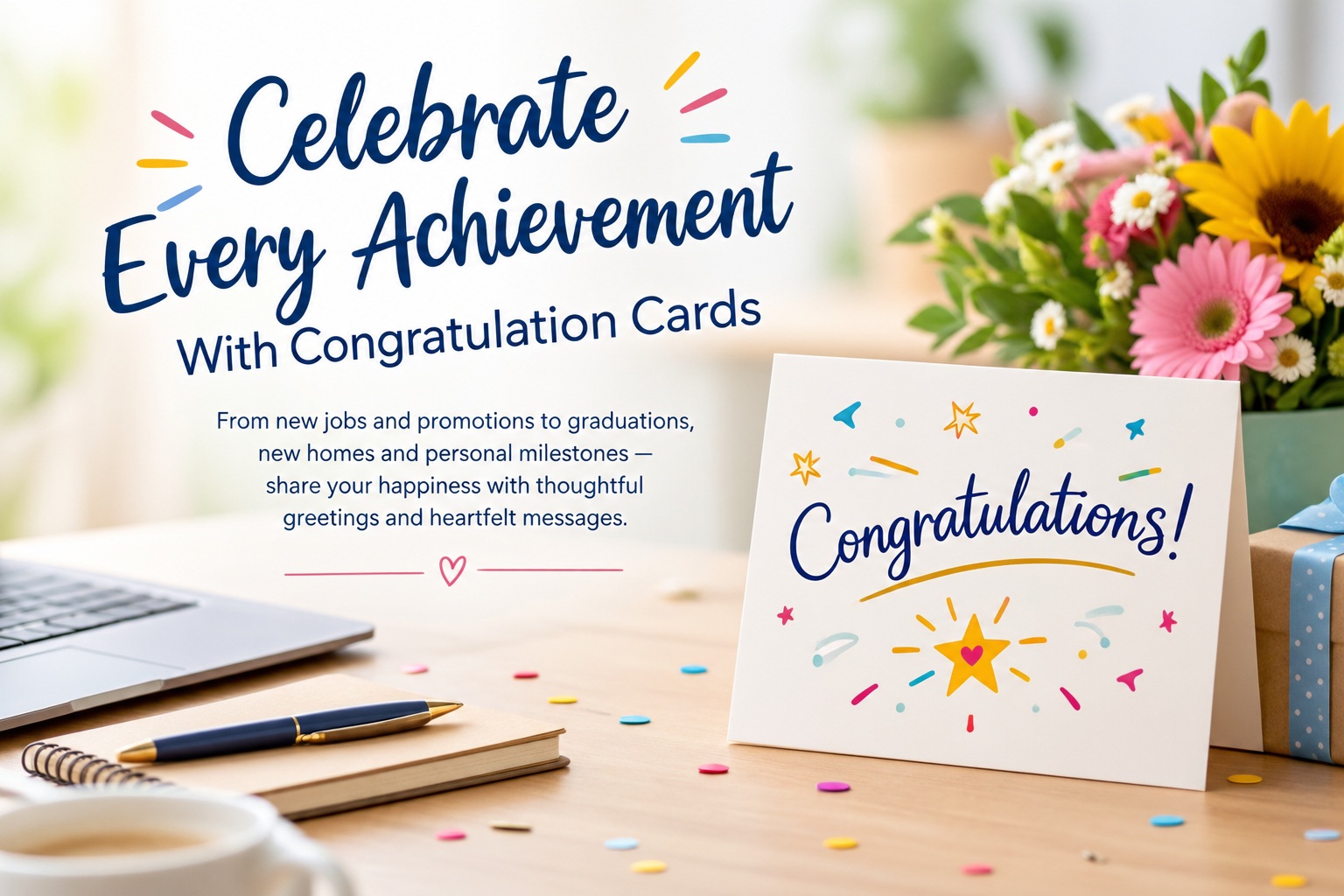
There are moments in life when a simple “well done” is not enough. Someone may have reached a long-awaited career goal, moved into a new home, completed an important course, launched a business, or accomplished a personal dream. These milestones deserve recognition from the people who care about them.
A congratulations card is one of the easiest new home congratulations ecard ways to turn a successful moment into a memorable celebration. While traditional cards have always been popular, digital greetings offer additional flexibility. Friends, family members, coworkers, and teammates can contribute messages from different locations and bring their wishes together in one shared card.
The result is more than a collection of congratulations. It can become a meaningful keepsake that reminds the recipient of their achievement and the people who celebrated it.
Every Achievement Tells a Story
Behind every success is a journey.
A promotion may follow years of professional development. A new home may come after years of planning and saving. A graduation may represent countless hours of study. A personal achievement may require persistence through challenges that other people never see.
When you send a congratulations message, you are not simply recognizing the final result. You are recognizing the journey behind it.
That is why personalized messages are so valuable.
Instead of writing only “Congratulations,” consider mentioning something specific about the recipient’s effort.
For example:
“Congratulations on reaching this amazing milestone! You’ve worked so hard to get here, and seeing your dedication finally rewarded is wonderful. Wishing you even more success in the future.”
A message like this feels more genuine because it recognizes both achievement and effort.
Why Digital Congratulations Cards Are Useful
Digital cards have changed how people celebrate important occasions.
Friends and family members may live in different cities or countries. Colleagues may work remotely. Teams can include people across multiple time zones.
A physical card can be difficult to coordinate in these situations.
A digital card allows contributors to participate from wherever they are. The recipient can then receive one shared greeting containing messages from everyone.
The congratulations card page describes this type of shared experience, allowing friends, family, coworkers, and other contributors to add their messages to one card.
This makes digital greetings especially useful for modern workplaces, distributed teams, and long-distance relationships.
Celebrate Success With a Congratulations Ecard for Achievement
A congratulations ecard for achievement can be used for many different accomplishments.
Examples include:
- Receiving an award
- Completing an important project
- Reaching a personal goal
- Winning a competition
- Completing professional training
- Earning a certification
- Achieving an academic milestone
- Reaching a business target
The key is to make the message specific to the achievement.
For an award, you might write:
“Congratulations on this well-deserved recognition! Your talent, dedication, and commitment have truly paid off.”
For a personal milestone:
“You set an ambitious goal and stayed committed until you achieved it. Congratulations! You should be incredibly proud of yourself.”
These messages show that the sender understands the significance of the accomplishment.
Bring Everyone Together With a Free Group Congrats Card
Some celebrations become more meaningful when an entire group participates.
A free group congrats card allows friends, relatives, colleagues, and teammates to contribute their own messages.
Imagine a colleague being promoted after years of hard work. Instead of receiving one message from a manager, they open a card filled with notes from their entire team.
One person might write:
“Congratulations! Your leadership has made such a positive difference.”
Another might say:
“This promotion is so well deserved. Wishing you an incredible journey in your new role.”
A third contributor might add a funny memory from a challenging project.
Together, these messages create a celebration that feels much larger than a single greeting.
The category page states that multiple people can sign the same shared card, making group participation a central part of the experience.
Celebrate a New Home
Moving into a new home represents a major transition.
For some people, it is their first home. For others, it may be an upgrade, relocation, or long-awaited dream property.
A new home congratulations ecard can recognize the excitement of beginning life in a new space.
A traditional message might say:
“Congratulations on your new home! May it be filled with happiness, laughter, peaceful moments, and wonderful memories.”
You can also personalize the greeting:
“Congratulations on the new home! After all the planning and preparation, it’s wonderful to see your dream become a reality. Here’s to countless happy memories in your new space.”
For friends, you can add humor:
“Congratulations on the new home! Now comes the exciting part—unpacking everything you forgot you owned!”
The right tone depends on your relationship with the recipient.
Recognize Career Growth With a Congratulations Card for Promotion
A promotion is a significant professional achievement.
It can represent years of dedication, improved skills, successful projects, leadership, and trust from an organization.
A congratulations card for promotion can help coworkers and friends celebrate this progress.
A professional message could be:
“Congratulations on your well-deserved promotion! Your commitment, professionalism, and hard work have earned this exciting opportunity. Wishing you continued success in your new position.”
For someone you know closely, you can make the message more personal:
“Congratulations! I’ve seen how much effort you’ve put into your career, and this promotion is a fantastic reflection of your dedication. Here’s to everything you accomplish next.”
A group card allows multiple coworkers to recognize different aspects of the recipient’s professional journey.
Celebrate New Jobs and New Opportunities
A new job often represents a fresh start.
The recipient may be entering a new organization, changing careers, accepting a leadership role, or moving into an entirely different field.
A congratulations message can acknowledge both the achievement and the excitement of what comes next.
For example:
“Congratulations on your new job! Wishing you an exciting beginning, supportive teammates, rewarding challenges, and plenty of opportunities to grow.”
If the person is leaving your organization, combine congratulations with appreciation:
“Congratulations on the new opportunity! We’re going to miss having you on the team, but we’re excited to see where your next chapter takes you.”
This approach celebrates the future without forgetting the relationship that already exists.
Educational Milestones Deserve Recognition
Graduation and academic accomplishments are important moments in a person’s life.
Students may spend years preparing for a degree, certification, examination, or professional qualification.
A congratulations card can bring together parents, friends, classmates, teachers, and mentors.
A graduation message might say:
“Congratulations on reaching this incredible milestone! Your dedication and determination have brought you this far. Wishing you confidence and success as you begin your next chapter.”
For a certification:
“Congratulations on earning your certification! Your commitment to learning and professional growth is truly inspiring.”
Group cards can be especially meaningful for graduates because they can contain messages from the people who supported them throughout their educational journey.
Starting a New Business
Entrepreneurial milestones deserve recognition too.
Launching a business requires planning, courage, persistence, and a willingness to take risks.
A digital congratulations card can acknowledge the beginning of this journey.
For example:
“Congratulations on starting your new business! Your vision and determination have brought you to an exciting new beginning. Wishing you continued growth, success, and rewarding opportunities.”
Messages from friends, business partners, employees, and family members can create a strong collection of encouragement.
Choose a Card Design That Matches the Occasion
A congratulations card should look appropriate for the recipient.
Different occasions can benefit from different visual styles.
Cute and Whimsical
Playful illustrations and cheerful designs are ideal for friends, informal celebrations, and lighthearted achievements.
Bold and Celebratory
Festive elements can make major accomplishments feel energetic and exciting.
Minimalist and Modern
Clean layouts are suitable for professional achievements, promotions, and recipients who prefer understated design.
Nature and Artistic
Botanical and artistic elements can create a calm, thoughtful appearance.
Elegant and Formal
Sophisticated designs work well for major awards, career milestones, and formal recognition.
Anime Style
Character-based designs provide a distinctive alternative for recipients who enjoy creative and expressive artwork.
The congratulations card collection includes these different visual directions, making it possible to choose a style that matches the occasion and recipient.
Personalization Makes a Bigger Difference
A personalized card does not require complicated customization.
The simplest way to personalize a message is to mention something that only you—or your group—would know.
For example:
“Congratulations on the promotion! I still remember when you first joined the team and talked about where you wanted your career to go. It’s fantastic to see you reach this milestone.”
This type of message is much more memorable than a generic greeting.
You can personalize a card by mentioning:
- A shared memory
- A specific achievement
- The recipient’s qualities
- Their hard work
- Their future plans
- An inside joke
- A meaningful challenge they overcame
Encourage Contributors to Write Differently
If you are organizing a group card, do not ask everyone to write the same type of message.
Encourage different perspectives.
For example:
Friends: Share memories or funny moments.
Coworkers: Recognize professional contributions.
Family: Express pride and affection.
Managers: Highlight leadership and achievement.
Teammates: Celebrate shared success.
This creates a card that feels diverse and authentic.
Short Messages Can Have a Big Impact
You do not need several paragraphs to make someone feel appreciated.
A few sincere words can be enough.
Promotion
“Congratulations on your well-deserved promotion! Wishing you continued success in your new role.”
New Home
“Congratulations on your new home! May it be filled with happiness, laughter, and wonderful memories.”
Achievement
“You did it! Congratulations on this incredible accomplishment. Your hard work has truly paid off.”
New Job
“Congratulations on the new opportunity! Wishing you an exciting and successful beginning.”
Graduation
“Congratulations on this amazing achievement! Your dedication has brought you here, and your future is full of possibilities.”
These short messages can be personalized with one additional sentence to make them even stronger.
Humor Can Make the Celebration More Fun
For close friends and colleagues, humor can make a congratulations card stand out.
For example, a promotion card might say:
“Congratulations on the promotion! Remember us when you’re making all the important decisions.”
A new-home message could say:
“Congratulations on your new home! May your furniture fit, your Wi-Fi work perfectly, and your unpacking somehow finish itself.”
Humor should always match the recipient and relationship.
For formal workplace occasions, a professional tone may be more appropriate.
Make Remote Celebrations Feel Personal
Remote teams can sometimes struggle to recreate the feeling of an office celebration.
A digital group card can help bridge that gap.
When employees work across cities or countries, everyone can still contribute to a shared congratulations message.
This can be particularly useful for:
- Promotions
- New jobs
- Employee awards
- Team achievements
- Work anniversaries
- Project completions
- Leadership appointments
Instead of letting distance make the occasion feel less important, a shared card can give everyone an opportunity to participate.
Send the Card at the Perfect Time
Timing can influence the emotional impact of a congratulations message.
Sending the card immediately after an announcement can create excitement. Sending it on the day of a graduation or promotion can connect the message directly to the event.
For planned celebrations, scheduling can also help.
The category page indicates that cards can be sent immediately or scheduled for a specific date.
This is especially useful when the organizer wants to collect messages before the celebration.
A More Sustainable Way to Celebrate
Digital cards also provide an alternative to traditional paper greetings.
A digital congratulations card does not require physical paper or postage, and the category page highlights reduced paper waste as one advantage of digital celebration.
For individuals and organizations trying to reduce unnecessary physical materials, online cards offer a practical option without removing the personal element.
Turn Congratulations Into a Keepsake
One of the most meaningful aspects of a group card is its ability to preserve memories.
A quick message in a chat may eventually disappear among hundreds of other conversations.
A dedicated congratulations card keeps the messages together.
The recipient can revisit the card later and remember:
- The achievement
- The people who celebrated
- The messages they received
- The emotions of that moment
- The journey that led to success
The category page describes group cards as keepsakes that can be revisited long after the occasion.
That makes a congratulations card more than a temporary greeting.
Ideas for Making Your Card Unique
If you want to create a more memorable card, consider adding a few creative elements.
Include a Favorite Memory
Ask contributors to share a moment they remember with the recipient.
Add a Future Wish
Invite everyone to write one sentence about what they hope the recipient achieves next.
Mix Serious and Funny Messages
A combination of heartfelt and humorous notes can make the card more natural.
Include a Personal Compliment
Ask contributors to identify one quality they admire in the recipient.
Create a Theme
For a promotion, use career-focused messages. For a new home, focus on new beginnings and memories.
These ideas can make the card feel intentionally created rather than generic.
Why the Small Gesture Matters
A congratulations card does not have to be expensive or complicated.
The value comes from the thought behind it.
Taking a few minutes to recognize someone’s achievement can make them feel appreciated. When several people participate, the emotional impact becomes even stronger.
That is why group congratulations cards work so well for both personal and professional occasions.
They turn a simple gesture into a shared celebration.
Celebrate the Person, Not Just the Occasion
It is easy to focus entirely on the milestone.
However, the best congratulations messages also recognize the person.
Instead of only saying:
“Congratulations on your promotion.”
Try:
“Congratulations on your promotion! Your patience, leadership, and willingness to help others have always stood out. This achievement is a wonderful reflection of who you are.”
The second message celebrates both the accomplishment and the qualities that helped make it possible.
Final Thoughts
Every milestone deserves a moment of recognition.
A congratulations ecard for achievement can celebrate a personal or professional accomplishment. A free group congrats card can bring an entire team, family, or community together. A new home congratulations ecard can welcome someone into an exciting new chapter, while a congratulations card for promotion can recognize professional growth and future opportunity.
The most memorable congratulations cards are built around genuine emotion. They include thoughtful words, appropriate designs, personal memories, and contributions from people who truly care.
Digital group cards make it easier to bring those voices together, even when everyone cannot be in the same room.
Author



A good night’s sleep is just as important for dogs as it is for people. Quality rest helps dogs stay active, supports healthy growth, strengthens the immune system, and improves overall mood. Yet many pet owners overlook one simple factor that can make a big difference: the place where their dog sleeps.
If your dog constantly changes sleeping positions, struggles to settle down, or prefers curling up on the couch instead of using their bed, it may be time to rethink their sleeping space. One option that has gained attention among pet owners in recent years is the Calming Donut Dog Bed.
Designed with comfort and security in mind, this style of bed offers a cozy place where dogs can relax, unwind, and enjoy uninterrupted sleep. While no bed can solve every sleep issue, choosing the right sleeping environment can contribute to your dog’s comfort and overall well-being.
In this guide, you’ll learn how a Calming Donut Dog Bed works, why dogs naturally enjoy its design, and how it may help create a more restful sleeping experience.
Why Quality Sleep Matters for Dogs
Dogs spend a significant portion of their lives sleeping.
Depending on their age and activity level, many dogs sleep between 12 and 18 hours each day. Puppies and senior dogs often require even more rest.
Sleep plays an important role in:
- Physical recovery
- Muscle repair
- Brain development
- Learning and memory
- Energy restoration
- Emotional balance
Without adequate rest, dogs may become more irritable, less active, or less interested in play and training.
Creating a comfortable sleeping environment helps support healthy sleep habits throughout every stage of life.
What Is a Calming Donut Dog Bed?
A Calming Donut Dog Bed is a round, plush dog bed featuring raised edges that surround the sleeping area.
Unlike flat cushions, its circular design creates a cozy space where dogs can naturally curl up.
Most models include:
- Soft plush fabric
- Thick cushioning
- Raised supportive rim
- Deep sleeping center
- Non-slip bottom
- Lightweight construction
The combination of softness and supportive edges creates a comfortable resting place that many dogs instinctively enjoy.
Why Dogs Naturally Love Curled Sleeping Positions
Have you ever noticed your dog sleeping in a tight circle?
This behavior isn’t random.
Many dogs instinctively curl up because it helps them feel comfortable and secure.
Wild ancestors slept this way to:
- Protect vital organs
- Stay warm
- Conserve body heat
- Feel protected while resting
Although modern pets enjoy safe homes, many still retain these natural sleeping instincts.
A Calming Donut Dog Bed complements this behavior by providing supportive edges around the body.
How a Calming Donut Dog Bed Can Help Your Dog Sleep Better
Creates a Sense of Comfort
Comfort is one of the biggest reasons dogs enjoy donut-shaped beds.
The plush interior gently supports the body while allowing dogs to settle into their favorite sleeping position.
Many dogs naturally relax faster when they have a soft, enclosed place to rest.
Supports Natural Curling Behavior
Unlike rectangular beds, a Calming Donut Dog Bed is specifically designed for curled sleeping positions.
The raised edges create a comfortable boundary that supports the head, neck, and body.
Dogs often appear more settled because the bed matches the way they naturally prefer to sleep.
Encourages Relaxation
Many dogs seek quiet, enclosed spaces when resting.
The circular design helps create a cozy environment that feels separate from busy household activity.
This may encourage dogs to unwind more easily after walks, playtime, or training sessions.
Provides Gentle Head and Neck Support
Dogs frequently rest their heads on pillows, furniture, or even their owners.
The raised rim of a Calming Donut Dog Bed provides a built-in place to support the neck and head.
This added support may contribute to greater comfort during longer naps.
Helps Maintain Warmth
Soft plush materials naturally retain warmth better than thinner sleeping surfaces.
During cooler months, this cozy environment helps many dogs remain comfortable throughout the night.
Warmth often encourages deeper, uninterrupted rest.

Which Dogs Benefit Most?
Although many breeds enjoy donut beds, certain dogs may appreciate them even more.
Examples include:
- Small breeds
- Medium-sized dogs
- Senior dogs
- Puppies
- Rescue dogs adjusting to new homes
- Dogs that naturally curl while sleeping
Every dog’s preferences differ, but many owners notice their pets choosing the Calming Donut Dog Bed over other resting spots.
Signs Your Dog May Need a More Comfortable Bed
Dogs cannot tell us when they’re uncomfortable.
Instead, they communicate through behavior.
Some signs include:
- Frequently changing sleeping locations
- Sleeping on furniture instead of their bed
- Difficulty settling down
- Restlessness before sleep
- Choosing blankets over their current bed
- Sleeping curled tightly on hard floors
These behaviors don’t automatically indicate a problem, but they may suggest your dog’s sleeping area could be improved.
Features to Look for in a Calming Donut Dog Bed
Not every bed offers the same level of comfort.
Here are several important features.
Soft Filling
High-quality filling provides cushioning while helping the bed maintain its shape over time.
Raised Supportive Edges
The raised outer rim is one of the defining characteristics of a Calming Donut Dog Bed.
It creates a supportive boundary that many dogs enjoy leaning against.
Non-Slip Base
A non-slip bottom helps prevent movement on hardwood, tile, or laminate flooring.
This improves stability when dogs climb in and out.
Machine-Washable Materials
Dogs naturally shed hair and occasionally track dirt indoors.
Beds that are easy to clean simplify long-term maintenance.
Durable Fabric
Strong stitching and quality materials help extend the bed’s lifespan despite everyday use.
Keeps Dogs Warm During Cooler Seasons
The plush materials and raised sides help retain warmth without requiring additional blankets.
How to Choose the Right Size
Choosing the correct size is essential.
Measure your dog while sleeping naturally.
If your dog curls tightly, choose a bed slightly larger than their curled sleeping position.
If your dog stretches occasionally, select a larger option that still allows room for movement.
The raised edges should provide support without making the bed feel cramped.
Tips for Helping Your Dog Adjust to a New Bed
Some dogs immediately love new beds.
Others need a little encouragement.
Place It in a Familiar Location
Position the bed where your dog already enjoys resting.
Familiar surroundings increase acceptance.
Add a Favorite Blanket
A familiar scent helps dogs feel comfortable.
Their favorite blanket or toy can make the transition easier.
Reward Positive Use
Praise your dog whenever they choose the new bed.
Positive reinforcement encourages regular use.
Be Patient
Some dogs require several days before consistently sleeping in a new location.
Avoid forcing them.
Final Thoughts
A comfortable sleeping environment plays an important role in your dog’s overall well-being, and choosing the right bed can make everyday rest more enjoyable. The Calming Donut Dog Bed has become a popular choice because it supports the natural way many dogs like to sleep—curled up in a warm, cozy, and secure space.
While no bed can guarantee perfect sleep or solve behavioral challenges on its own, the thoughtful design of a Calming Donut Dog Bed can encourage relaxation, provide gentle support, and create a dedicated place where your dog feels comfortable resting. Combined with regular exercise, a consistent routine, and a calm environment, it can help promote healthier sleep habits over time.
Every dog has unique preferences, so paying attention to your pet’s sleeping style is the best way to choose a bed that suits their needs. Sometimes, a small change in comfort can make a noticeable difference in how well your dog rests—and a well-rested dog is often a happier, more energetic companion.
Author



Author



Top 25 Podcast Marketing Firms Based in the United States

QuickBooks Bank Feeds Not Working: Expert Fix Guide

QuickBooks Delivery Server Down Error: Expert Fix Guide

How to Make Every Congratulations Celebration Memorable

Rolls Royce Cullinan Hire: Experience Luxury on Every Journey

How to Choose the Right Forklift for Your Business in Australia

Opus One, New Chandigarh

Singapore Travel Planning: Essential Ideas for a First Visit May, 2026

Righteous Hoodie – Stylish, Comfortable & Everyday Streetwear

Epson Printer Error Code 0x9E? 10 Fixes That Actually Work

Cybersecurity Consulting Company SequelNet Provides Critical IT Support Services to Medical Billing Firm, Medical Optimum

Meet the Megalodon: The Shark Star of ‘Meg 2’

Reduce Video Game Lag: Level Up Your Gaming Performance

Balancing India’s Entertainment: Cricket vs. Bollywood

Jetsetter’s Secrets: Unveiling Our Favorite Travel Hacks for a Seamless Adventure

The 5 Best Live Sports Streaming Sites: Legal and Exciting!

Hollywood Labor Unrest: The Impact of ‘What About Us?’ Strikes

Unveiling the Magic of Dream Fulfillment at the Late NBA Draft

Illuminate Your Skin: Dr. Axe Unveils Natural Remedies for Lightening Knees and Elbows

Bright Choices: Navigating the Pros and Cons of Skin Whitening Creams with Dr. Axe
-

 Business3 years ago
Cybersecurity Consulting Company SequelNet Provides Critical IT Support Services to Medical Billing Firm, Medical Optimum
-
Entertainment3 years ago
Meet the Megalodon: The Shark Star of ‘Meg 2’
-
Entertainment3 years ago
Reduce Video Game Lag: Level Up Your Gaming Performance
-
 Sports3 years ago
Balancing India’s Entertainment: Cricket vs. Bollywood
-
Entertainment3 years ago
Jetsetter’s Secrets: Unveiling Our Favorite Travel Hacks for a Seamless Adventure
-
Productivity3 years ago
The 5 Best Live Sports Streaming Sites: Legal and Exciting!
-
Art /Entertainment3 years ago
Hollywood Labor Unrest: The Impact of ‘What About Us?’ Strikes
-
Sports3 years ago
Unveiling the Magic of Dream Fulfillment at the Late NBA Draft






