
Pet and animal
5 Interesting Facts About Swans You May Not Know


Swans are some of the most graceful and elegant birds in the world, with their beautiful white feathers and long, slender necks. But beyond their physical beauty, these birds also have some interesting and surprising facts that many people may not know. Here are five interesting facts about swans:
- Swans are one of the largest flying birds in the world. The largest of all swan species, the trumpeter swan, can weigh up to 30 pounds and have a wingspan of over 8 feet. Despite their size, these birds are incredibly graceful and can fly at speeds of up to 60 miles per hour.
- Swans are monogamous and mate for life. When a swan finds a mate, they will stay together for the rest of their lives. They will often stay close to each other, swimming together and preening each other’s feathers. If one of the mates dies, the other will often remain single for the rest of their life.
- Swans can fly for long distances without stopping. Some swan species, such as the tundra swan, are known for their impressive migratory journeys. They can fly for thousands of miles without stopping, using a combination of flapping their wings and gliding on air currents.
- Swans are very protective of their young. When a swan lays eggs, the male and female will take turns guarding the nest. If anyone comes too close, the swans will hiss, puff out their feathers, and may even charge at the intruder. Once the eggs hatch, the parents will continue to protect their young, often carrying them on their backs while swimming.
- Swans have been featured in art and literature for centuries. From classical Greek mythology to modern-day children’s books, swans have been a prominent figure in art and literature throughout history. They have been used to symbolize love, purity, and grace, and have inspired countless works of art and literature.
In conclusion, swans are not only beautiful birds, but they also have some fascinating characteristics that make them unique. From their impressive size and speed to their monogamous mating habits and protective nature, swans continue to captivate us and inspire our creativity. Whether you’re a bird enthusiast or simply appreciate the beauty of nature, swans are truly a wonder to behold.
Author


Author




Author

Pet and animal
Dog Welfare: Promoting Health, Happiness, and Humane Care for Dogs

By

Reviewed
By Phoebe Sutton

Introduction
Dogs have been our loyal companions for thousands of years, offering friendship, love, and protection. Yet, millions of dogs worldwide face neglect, abandonment, and abuse every day. Ensuring dog welfare is crucial not only for the well-being of dogs themselves but also for the health and safety of the communities they live in. This blog explores the importance of dog welfare, key practices, and how organizations and individuals can make a difference.
What Is Dog Welfare?
Dog welfare refers to the physical, emotional, and social well-being of dogs. It encompasses providing adequate food, clean water, shelter, medical care, protection from cruelty, and social interactions. A dog’s welfare is not just about survival—it’s about ensuring a life of dignity, safety, and happiness.
Good dog welfare practices also include proper training, mental stimulation, and ensuring dogs are free from unnecessary stress or harm. Communities and pet owners play a vital role in achieving this.
Why Dog Welfare Matters
Ensuring dog welfare is critical for several reasons:
- Health and Longevity: Dogs with proper care live longer, healthier lives. Access to vaccinations, regular veterinary check-ups, and a balanced diet reduces the risk of diseases and infections.
- Safety: Neglected or stray dogs can develop behavioral problems due to fear, anxiety, or hunger. By focusing on dog welfare, communities reduce the risk of bites, attacks, and the spread of disease.
- Companionship and Emotional Bonding: Dogs are social animals who thrive on attention and care. Good welfare ensures they can form positive relationships with humans and other animals.
- Ethical Responsibility: As caregivers, humans have a moral obligation to protect animals from suffering. Supporting dog welfare aligns with humane and compassionate values.
Key Components of Dog Welfare

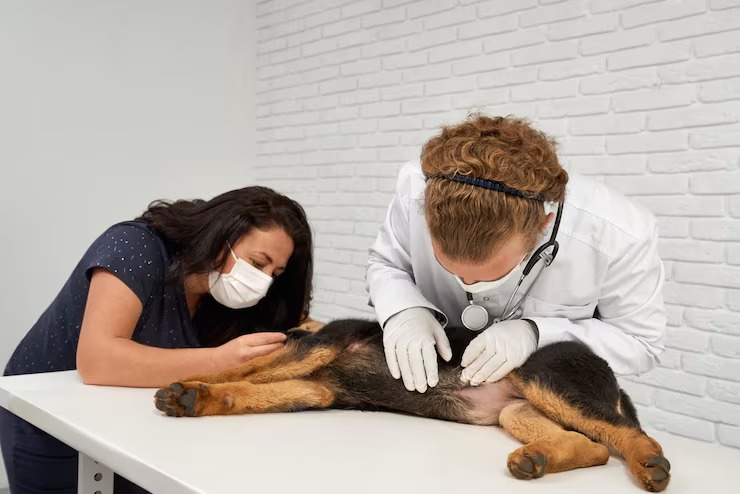
Image by: Yandex.com
1. Adequate Shelter and Comfort
A safe, clean, and comfortable environment is the foundation of dog welfare. Dogs need protection from extreme weather, adequate space to move freely, and a secure area where they feel safe. Whether in homes, shelters, or community care facilities, proper housing significantly reduces stress and illness.
2. Nutrition and Clean Water
Proper nutrition is essential for maintaining a dog’s health. A balanced diet that includes proteins, vitamins, and minerals supports growth, energy, and immunity. Alongside food, constant access to clean drinking water is crucial. Malnutrition and dehydration are major causes of illness in neglected dogs.
3. Medical Care and Vaccination
Regular veterinary check-ups, vaccinations, and timely treatment for injuries or illnesses are integral to dog welfare. Preventive care such as deworming, flea control, and neutering/spaying programs not only improves individual health but also helps manage the stray dog population ethically.
4. Mental and Physical Stimulation
Dogs require exercise, play, and social interaction to maintain mental and physical health. Boredom and isolation can lead to destructive behavior, anxiety, or depression. Activities like walking, games, training, and socializing with other dogs promote well-being and happiness.
5. Protection from Cruelty and Neglect
One of the most critical aspects of dog welfare is protecting dogs from abuse. Stray, abandoned, or working dogs may face cruelty, overwork, or neglect. Enforcement of animal welfare laws, public awareness campaigns, and reporting cases of abuse are essential steps in safeguarding dog welfare.
The Role of Dog Welfare Organizations
Non-profit organizations, rescue groups, and dog welfare societies play a crucial role in improving the lives of dogs:
- Rescue Operations: Saving abandoned, injured, or abused dogs from streets, unsafe homes, or neglectful situations.
- Medical Treatment: Providing veterinary care, vaccinations, surgeries, and rehabilitation for rescued dogs.
- Adoption Programs: Rehoming rescued dogs into loving families, reducing stray populations, and promoting responsible pet ownership.
- Awareness Campaigns: Educating the community about ethical treatment, sterilization, feeding programs, and reporting cruelty.
- Community Support: Establishing feeding stations, shelters, and volunteer programs to ensure ongoing dog welfare in urban and rural areas.
Organizations like Kannan Animal Welfare Foundation and similar dog NGOs lead by example, showing how structured, compassionate efforts can transform the lives of countless dogs.
How Individuals Can Promote Dog Welfare
1. Adopt, Don’t Shop
Choosing to adopt rescued dogs supports the principles of dog welfare. Adoption reduces the demand for puppy mills and helps provide abandoned dogs with loving homes.
2. Volunteer and Support Shelters
Volunteering time at local dog shelters or rescue organizations can make a huge difference. Activities include feeding, grooming, walking, cleaning, or assisting in rescue operations. Donations of food, medicine, or funds are also vital.
3. Spay and Neuter Pets
Responsible pet owners should sterilize their dogs to prevent overpopulation. This reduces the number of stray dogs and decreases suffering caused by hunger, disease, and neglect.
4. Report Cruelty
Communities play an essential role in enforcing dog welfare. Reporting cases of abuse or neglect to local authorities or animal welfare organizations ensures that dogs in distress receive timely help.
5. Raise Awareness
Educating friends, family, and neighbors about the importance of dog welfare, ethical treatment, and responsible ownership spreads a culture of compassion and care.
Conclusion
Dog welfare is not just about providing food and shelter—it’s about creating an environment where dogs are safe, healthy, and happy. Every small effort, from adopting a rescued dog to volunteering at a shelter, contributes to a larger movement that protects vulnerable animals.
By supporting dog welfare initiatives, whether through NGOs, community programs, or personal responsibility, we ensure that dogs receive the love, care, and respect they deserve. When dogs thrive, communities thrive—because compassion towards animals reflects the humanity of society itself.
Author



Robotic-Assisted Body Lift Post-Weight Loss Surgery

Call Center Companies: BPO Services & Customer Support

Curtain & Cushion Design Ideas for Modern House Design

Skin Whitening in Islamabad: Natural Tips, and Skincare Routine

Biological Seed Treatment Market: Trends, Growth, and Future

Essentials Hoodie Care Tips to Make It Last Longer

Joshua Jamal Camo Shorts & Streetwear Collection

Ear Reshaping Without Surgery: Cost, Benefits & Results

Malaysia Export Synthetic Filament Tow: Trends and Market

Airtool: Application Platform for Modern Business Automation

Cybersecurity Consulting Company SequelNet Provides Critical IT Support Services to Medical Billing Firm, Medical Optimum

Team Communication Software Transforms Operations at Finance Innovate

Project Management Tool Transforms Long Island Business

How Alleviate Poverty Utilized IPPBX’s All-in-One Solution to Transform Lives in New York City

Breast Cancer: The Imperative Role of Mammograms in Screening and Early Detection

Unstoppable Collaboration: D.C.’s Citi Open and Silicon Valley Classic Unite to Propel Women’s Tennis to New Heights

Embracing Renewal: Sizdabedar Celebrations Unite Iranians in New York’s Eisenhower Park

The Benefits of Starting a Side Hustle for Financial Freedom

New Blood Donation Screening Questions What You Need to Know

Stylishly Timeless: The 5 Types of Sandals You Need in Your Closet
-

 Business3 years ago
Cybersecurity Consulting Company SequelNet Provides Critical IT Support Services to Medical Billing Firm, Medical Optimum
-
Business3 years ago
Team Communication Software Transforms Operations at Finance Innovate
-
Business3 years ago
Project Management Tool Transforms Long Island Business
-
Business3 years ago
How Alleviate Poverty Utilized IPPBX’s All-in-One Solution to Transform Lives in New York City
-
health3 years ago
Breast Cancer: The Imperative Role of Mammograms in Screening and Early Detection
-
Sports3 years ago
Unstoppable Collaboration: D.C.’s Citi Open and Silicon Valley Classic Unite to Propel Women’s Tennis to New Heights
-
Art /Entertainment3 years ago
Embracing Renewal: Sizdabedar Celebrations Unite Iranians in New York’s Eisenhower Park
-
Finance3 years ago
The Benefits of Starting a Side Hustle for Financial Freedom







