
Business
From Startup to Success: 10 Essential Tips for Growing Your Small Business in the United States


Are you an entrepreneur looking to take your small business to the next level? Scaling a startup can be a daunting task, especially in today’s competitive market. However, with the right strategy and mindset, your business can thrive and succeed. In this blog post, we’ll share ten essential tips for growing your small business in the United States. From building a strong team to leveraging technology, these proven strategies will help you achieve sustainable growth and long-term success. Whether you’re just starting out or seeking new ways to expand your existing operation, read on for some actionable insights that will set you on the path to success!
Keep your business structure simple
As your small business grows in the United States, it is important to keep your business structure simple. A complex business structure can make it difficult to manage your business and may lead to legal and financial problems down the road.
There are a few different business structures you can choose from, but the most common for small businesses are sole proprietorships, partnerships, and limited liability companies (LLCs). Each has its own advantages and disadvantages, so it’s important to choose the right one for your business.
Sole proprietorships are the simplest business structure and are easy to set up. You don’t need to file any paperwork with the government, and you can start doing business right away. The downside of a sole proprietorship is that you are personally responsible for all debts and liabilities of the business. If your business fails, you could lose your personal assets, such as your home or savings.
Partnerships are similar to sole proprietorships but have two or more owners. Partnerships can be either general partnerships or limited partnerships. In a general partnership, all partners are equally liable for the debts and liabilities of the partnership. In a limited partnership, only some partners have liability; the others are only invested in the partnership and not responsible for its debts or liabilities. Partnerships are slightly more complex than sole proprietorships but offer some benefits, such as shared management and resources.

Limited liability companies (LLCs) offer limited personal liability for the owners
Get the right licenses and permits
If you’re planning to start a small business in the United States, there are a few things you need to do in order to get the right licenses and permits.
The first step is to check with your local government to see what licenses and permits are required for your specific business. Depending on your locality and the type of business you’re starting, you may need to obtain a business license, a zoning permit, and/or a special use permit.
Once you know which licenses and permits you need, the next step is to contact the appropriate government agency to begin the application process. In most cases, you’ll need to fill out an application form and submit it along with any required supporting documents.
After your application has been processed, you should receive your license or permit within a few weeks. Once you have all of the necessary licenses and permits in hand, you can officially start operating your small business in the United States!
Choose a great location
The first step to starting a successful small business in the United States is finding the right location. You’ll want to choose a place that is convenient for your target market and has the necessary infrastructure in place to support your business.
There are a few things to keep in mind when choosing a location for your small business:
1. The demographics of the area. Who is your target market? Are they families? Business professionals? Students? etc.
2. The competition. Is there already a lot of businesses like yours in the area? If so, you’ll need to find a way to make your business stand out.
3. The cost of doing business in the area. Can you afford the rent or mortgage payments? Are there any hidden costs associated with doing business in that particular location?
4. The availability of resources. Does the area have reliable internet and power services? Is public transportation easily accessible? etc.
Once you’ve considered all of these factors, you’ll be able to narrow down your options and choose the best location for your small business.
Find the right employees
In order to find the right employees, you will need to first identify the specific skills and traits that are required for the positions that you are looking to fill. Once you have a good understanding of the type of employees you need, you can begin using a variety of different methods to source potential candidates. This can include posting job ads online, using social media to reach out to potential candidates, or even contacting local colleges and universities to inquire about recent graduates who may be a good fit for your business.
Once you have a solid pool of candidates, it is important to take the time to properly screen each one. This can include conducting phone or in-person interviews, requesting work samples, or administering personality tests. By taking the time to carefully screen each candidate, you will increase your chances of finding employees who are truly a good fit for your business and who will be able to help contribute to its success.
Create a marketing plan
As the owner of a small business, you wear many hats. You’re the CEO, the salesperson, the marketing department, and often times the janitorial staff. With so many balls in the air, it’s tough to know which tasks to focus on in order to drive growth for your business. If you’re looking to take your small business from startup to success, here are four essential tips for growing your company:
1. Create a marketing plan: Without a doubt, marketing is key to growing any business. But as a small business owner, you may not have the budget for a large-scale marketing campaign. That’s why it’s important to get creative with your marketing efforts. Utilize social media, content marketing, and even guerilla marketing tactics to get your message out there. And most importantly, make sure your branding is on point—consumers should be able to easily recognize and remember your company name and logo.
2. Know your target market: It’s important to understand who your target market is and what they want or need from your product or service. Once you know this information, you can create targeted marketing campaigns that are more likely to convert leads into paying customers.
3. Foster relationships with other businesses: Forming partnerships with other businesses in your industry can help you reach a wider audience and improve your chances of success. These partnerships can take many forms,
Use technology to your advantage
From the moment you start your business, technology is going to be a huge part of your life. You need to use it to your advantage if you want to be successful. Here are some tips:
1. Use technology to research your industry and target market. There’s a ton of information out there, and you need to know as much as possible about your industry and who you’re selling to.
2. Use technology to create a professional website and online presence. Your website is often the first impression potential customers will have of your business, so make sure it’s up to par.
3. Use technology to streamline your operations. There are tons of software programs and apps out there that can help you run your business more efficiently. Find the ones that work best for you and use them!
4. Use technology to reach new customers. Social media, online advertising, and other digital marketing tools can help you reach new audiences and grow your customer base.
5. Use technology to stay organized and on track. From project management software to customer relationship management (CRM) systems, there are plenty of options out there to help you keep everything straight. Choose the ones that work best for you and make sure you use them regularly!
Develop a strong online presence
As a small business owner, it is essential to have a strong online presence in order to reach your target market and grow your business. There are a number of ways to develop a strong online presence, including:
1. Creating a website for your business: A website is the perfect platform to showcase your products or services, and tell your brand story. Make sure your website is optimised for search engines and easy to navigate.
2. Using social media: Social media platforms like Twitter, Facebook and LinkedIn are great for promoting your business and connecting with potential customers. Make sure you post engaging content that will encourage people to follow you and share your posts.
3. Starting a blog: A blog is a great way to share your expert knowledge with the world, and attract new customers to your business. Write informative articles that offer value to readers, and promote your blog on social media and other websites.
4. Creating video content: Videos are a powerful way to connect with potential customers and promote your products or services. Create engaging videos that show off what you do best, and post them on social media and your website.
By following these tips, you can develop a strong online presence that will help you reach more customers and grow your small business in the United States.
Protect your business with insurance
No matter how well you plan, sometimes things go wrong. That’s why it’s important to protect your business with insurance. Insuring your business helps you transfer the risk of financial losses to an insurance company.
There are many types of insurance available, and the type you need will depend on your business. Some common types of business insurance include property insurance, liability insurance, workers’ compensation insurance, and product liability insurance.
Property insurance covers the physical assets of your business, such as your office or store. If your property is damaged or destroyed by fire, theft, or other covered event, property insurance can help you pay to repair or replace it.
Liability insurance protects your business from financial losses if you are sued for damaging someone else’s property or injuring someone. Workers’ compensation insurance covers medical expenses and lost wages for employees who are injured on the job. Product liability insurance protects your business from financial losses if a product you sell causes injury or damage.
When shopping for business insurance, be sure to compare policies from different insurers to find the coverage that best meets your needs at a price you can afford.
Build positive relationships with other businesses
If you want your small business to succeed in the United States, it’s essential to build positive relationships with other businesses. There are a few ways to go about doing this:
1. Get involved with local chambers of commerce and business associations. This will give you the opportunity to network with other business owners and professionals in your community.
2. Attend trade shows and conferences relevant to your industry. This is a great way to meet potential customers and partners, as well as learn about new trends and technologies.
3. Develop relationships with suppliers, distributors, and other businesses you work with on a regular basis. These relationships can be beneficial in terms of getting better prices or terms on products and services.
4. Seek out opportunities to collaborate with other businesses, such as joint marketing or co-branding initiatives. Collaborating with another business can help you reach new audiences and tap into new markets.
Conclusion
Growing a successful small business in the United States requires dedication, diligence and hard work. With the right tips and strategies, however, it can be done successfully. By implementing some of the tactics described above—such as creating an online presence, building relationships with customers and taking advantage of available resources—your small business is sure to grow and thrive in this competitive market. So don’t let your dream of having a successful business go unrealized; use these tips to help you reach success!
Author


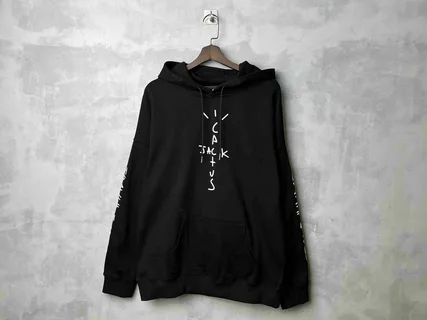
In today’s fast-moving fashion world, very few items have reached the level of global recognition that the Cactus Jack Hoodie enjoys. What started as simple music merchandise has now evolved into a powerful streetwear identity. As we move through 2025, the Cactus Jack brand continues to connect music, fashion, youth culture, and luxury streetwear in a way that feels natural and influential.
The hoodie sits at the center of this movement. It is no longer just clothing. Instead, it represents creativity, self-expression, and cultural identity. Fans, collectors, and fashion lovers all see it as more than fabric. They see it as a statement.
The Origins of the Cactus Jack Brand
From Music to Fashion Powerhouse
Cactus Jack began as a creative extension of music culture. It was not originally a fashion label. Instead, it grew from artistic expression tied to sound, performance, and lifestyle.
Over time, the brand expanded into clothing through limited drops and collaborations. This shift changed everything. Fans did not just want music merchandise anymore. They wanted wearable art that reflected the same energy and emotion.
The hoodie quickly became the standout piece. It offered comfort, style, and strong visual identity. Most importantly, it allowed fans to connect with the brand in their everyday lives.
The Meaning Behind “Cactus Jack”
The name “Cactus Jack” carries a deeper message. It symbolizes strength and survival. Just like a cactus grows in harsh conditions, the brand represents resilience and individuality.
This idea runs through every design. It reflects rebellion, creativity, and independence. As a result, every Cactus Jack Hoodie feels meaningful, not just fashionable.
What Makes the Cactus Jack Hoodie Special?
Premium Fabric and Strong Build
One major reason behind the hoodie’s popularity is its quality. Unlike mass-produced clothing, Cactus Jack Hoodies use heavyweight cotton blends. These materials offer both comfort and durability.
They include:
- Thick fleece interiors for warmth
- Pre-shrunk fabric to maintain size
- Reinforced stitching for long-lasting wear
- Soft yet durable texture for daily use
Because of this construction, the hoodie lasts longer and feels more premium. In 2025, customers value quality more than ever, and this hoodie delivers exactly that.
Unique Graphic Identity
Another standout feature is the design. Cactus Jack Hoodies use bold and artistic visuals that are instantly recognizable.
These designs often include:
- Hand-drawn typography
- Abstract artwork
- Earthy and muted color tones
- Distressed and vintage effects
Instead of chasing trends, the brand focuses on timeless expression. This makes each hoodie feel like a collectible item rather than ordinary clothing.

Cultural Impact of the Cactus Jack Hoodie
A Symbol of Youth Expression
The hoodie has become a strong symbol of modern youth culture. People wear it to express identity, creativity, and independence. It appears in concerts, street photography, music videos, and social media platforms.
In 2025, fashion is not just about appearance. It is about meaning. The Cactus Jack Hoodie gives wearers that emotional connection.
Celebrity and Influencer Influence
Celebrities and influencers have played a major role in its success. Musicians, athletes, and digital creators frequently wear Cactus Jack pieces.
Instead of traditional advertising, the brand grows through organic exposure. This makes it feel more authentic. Fans trust it more because they see real people wearing it in real life. As a result, demand continues to rise globally.
How to Style the Cactus Jack Hoodie in 2025
Everyday Streetwear Look
The hoodie works perfectly for daily outfits. You can pair it with:
- Relaxed jeans or cargo pants
- Neutral sneakers or Cactus Jack Shoes
- Simple accessories
This creates a clean and balanced streetwear look. It feels modern but effortless.
Elevated Fashion Styling
For a more stylish approach, layering works best. You can wear the hoodie under:
- Oversized jackets
- Leather coats
- Statement outerwear pieces
Seasonal Flexibility
The hoodie is not limited to one season. Its heavyweight design makes it suitable for:
- Cold fall and winter days
- Cool spring evenings
- Urban night outings
Because of this flexibility, it remains a year-round essential.
The Role of Cactus Jack Shoes
Completing the Brand Identity
While the hoodie is the core piece, Cactus Jack Shoes complete the overall look. These shoes are designed to match the same creative energy.
They often feature:
- Earth-tone colors
- Rugged textures
- Experimental silhouettes
Together, the hoodie and shoes create a full streetwear identity. This combination strengthens the brand’s visual storytelling.
More Than Just Sneakers
Cactus Jack Shoes are not ordinary footwear. They are bold fashion statements. Most releases come in limited quantities, which increases their exclusivity.
In 2025, owning both the hoodie and shoes signals strong fashion awareness and cultural connection.
Limited Drops and Exclusivity
One key reason behind the hype is scarcity. The brand releases products in limited quantities. Once they sell out, they rarely return.
This strategy creates:
- High demand
- Strong resale value
- Increased brand loyalty
- Global hype culture
Because of this, every release feels special. Fans wait for drops and act quickly when items become available.
Future of the Cactus Jack Brand
In the future, we can expect:
- More collaborations with luxury brands
- Expanded footwear collections
- Innovative design experiments
- Stronger global presence
The Cactus Jack Hoodie will likely remain at the center of this growth. It represents everything the brand stands for—creativity, culture, and individuality.
Conclusion
The Cactus Jack Hoodie is more than a fashion item. It is a cultural symbol that connects music, streetwear, and identity. From its strong origins in music culture to its global fashion influence in 2025, the hoodie has become a defining piece of modern style.
Its premium quality, bold design, and cultural meaning set it apart from ordinary clothing. When paired with Cactus Jack Shoes, it creates a complete streetwear identity that resonates with fans worldwide.
In a world where fashion changes quickly, the Cactus Jack Hoodie remains timeless. It continues to represent creativity, confidence, and individuality—making it one of the most powerful streetwear icons of this generation.
Author



Custom socks tags complement the branding of clothes with professional packaging to enhance the identity of the product and retail display. Custom Socks Tags have become a core element of modern branding of clothing, as brands have become more concerned with the appearance and identity. Socks, once a simple commodity, are now packaged in a detail-oriented way to enhance customer perception. These labels communicate brand value and improve shelf display in retail stores.
Creative Design Flexibility
One of the most influential factors of customer perception towards sock tags is design. Brands can experiment with layouts, color, and typography to fit their identity. The majority of the companies resort to the use of Custom Printed Socks Tags in the middle of the creative process to give it a sharp visual and professional touch. The tags support elaborate branding aspects that render products more attractive. The modern methods of printing have helped businesses to achieve high-quality products that enhance packaging standards and make their products dominant in competitive fields of retailing.
Strengthening Brand Identity
Another medium that supports logos, brand colors and messages is sock tags. Custom Socks Tags with Logo can be used to make sure that each product has a single identity when implemented strategically. This repetition of the brand helps the customers to learn and quickly recall the brand amidst the different retail outlets. By being visually consistent, the companies are able to build their trust and have a professional image, which will assist in customer loyalty and market growth in the long term.
Expanding Market Reach

Personal Customer Touch
To develop brand loyalty, it is important to establish a significant relationship with customers. Socks tags promise the potential of incorporating customized elements that will make the shopping process more enjoyable. Personalized Socks Tags are used in many businesses to add a message care instructions, or brand storytelling. It is an intimate feel, which makes products more thoughtful and special. Individuality and personalization are other important strategies in modern apparel packaging, and customers will communicate more with a brand that offers them a feeling of individuality and personalization.
Practical Size Options
When creating packaging pieces of apparel, functionality is a factor to be taken into account. Socks tags come in different sizes to suit a variety of product needs and branding. Small Socks Tags are a miniature and effective tool to obtain visual balance when dealing with small packages. Bigger tags will be able to provide more elaborate branding and product details. This flexibility allows businesses to select the most appropriate one depending on their packaging needs and still have a clean and professional look.
Bulk Supply Benefits
Supply management is very important in the expansion of clothing brands. Bulk buying assists in ensuring consistency and lowering the production cost in general. The majority of the business organizations have faith in Custom Socks Tags Wholesale to meet the demands of large quantities without compromising their quality. Moreover, the suppliers, who provide the Custom Socks Tags Display solutions, contribute to the enhanced retail display and visibility of the products. In international markets, suppliers offer Custom logo tags alternatives that meet regional customer demands and preferences, ensuring easy distribution across different regions.
Flexible Order Access
Not all companies need to order big amounts of packaging materials, particularly when there are new collections or when trying out designs. Brands can make changes without unnecessary commitments due to flexible ordering options. With Custom Tags No Minimum, even small fashion companies can already enjoy high-quality packaging solutions, specific to their needs. The flexibility permits experimentation and innovation and keeps costs under control. It also ensures that the packaging remains in line with the evolving branding strategies, keeping the businesses competitive in the evolving markets.
Conclusion
Custom Socks Tag has become a necessary part of the branding of contemporary clothing that can offer not only practical, but also aesthetic value that will enhance the presentation of the products. They are applied to provide identity to businesses, customer experience, and to liven the retail appeal. These labels can support brands at any stage of progress, be it flexibility in design or scalable supply solutions.
Having implemented Custom Socks Tags into strategies of packaging goods, fashion businesses can improve their products, create a more recognizable and memorable impression that will lead to long-term success in the competitive world of clothing.
Author

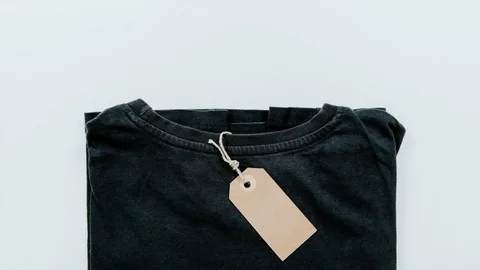
Custom shirt tags for brand identity, apparel presentation and professional labelling solutions for clothing businesses. Professional apparel businesses use custom shirt tags to improve how their clothing lines are perceived by customers in a crowded market. Tags help to present a unified brand identity through detailed and carefully chosen elements such as fonts, colors, and label material.
Many companies also choose custom shirt tags wholesale solutions to ensure consistent quality without overcommitting resources when producing new lines or updating existing products. Shirt tags are a key finishing touch that can make clothing lines stand out by adding value and authenticity to every product. Customers often judge apparel based on its presentation, which is why tags are so important in the clothing industry today.
Design Identity Options
Design elements play an important role in differentiating and shaping apparel recognition in competitive markets. This section will focus on creating unique visual identifiers that reflect brand personality, from typography and color palette choices to texture options for fabric labels. Clothing businesses use Custom Shirt Tags Display to create consistency across collections, ensuring that customers instantly recognize their preferred products wherever they shop.
Strategic design approaches also help to distinguish high-end or premium lines from casualwear by making branding elements more memorable. When developed thoughtfully, tag designs become part of the storytelling around a product, building overall trust with customers without requiring additional marketing resources.
Fabric Label Choices
Choosing the right label material is also critical for ensuring durability as well as quality brand presentation. Many apparel companies in North America source custom shirt tags Canada, options to match regional quality standards as well as preferred production processes within their operations. Fabric labels may vary from soft woven textures to smooth satin finishes, depending on style preferences for each clothing collection. Material choice also plays into comfort for end-users by influencing both visual appeal and tactile experience when wearing garments featuring labels from different brands. The right fabric helps align tags with overall product categories to ensure consistency across collections.
Logo Integration Styles
Logos are central to apparel branding, which is why their integration into tags requires careful attention to placement, scale, and contrast ratios for maximum clarity and visual appeal. Businesses often experiment with different logo styles on tags before settling on one that strengthens brand recognition while also reinforcing product authenticity.
Incorporating logos effectively on tags helps customers connect garments to values such as quality and trust. Logo placement also becomes a signature element across collections when executed well, making every product instantly identifiable without confusion in visually competitive retail environments.

Tag Size Variations
Size also influences both the functionality and aesthetic balance of shirts, with designers considering garment type when selecting appropriate tag dimensions based on fabric weight as well as overall brand identity guidelines.
Smaller tags work well for minimalist designs, while larger formats carry detailed information about each product more effectively. The right sizing ensures that text remains readable without overshadowing the garment or interrupting its design flow. Size variation also impacts comfort levels, especially for everyday items where subtle labelling works better than more conspicuous presentation options. Thoughtful consideration of size helps brands maintain consistency while adapting to different product categories and customer preferences.
Printing Techniques Overview
Printing methods also determine how effectively businesses display key brand details on individual tags. Businesses use heat transfer, screen printing, and digital printing to customize their tags according to design complexity and material considerations.
High-quality prints last longer without fading or wearing out after multiple washes, which is why many brands invest in advanced printing techniques to maintain a premium appearance across collections. Attention to detail in printing reinforces trust among end-users by ensuring that branding remains intact throughout the product lifecycle, even after long-term use and repeated care cycles.
Retail Presentation Use
Order Flexibility Range
Ordering flexibility is also key for both startups and established clothing brands. Custom shirt tags, with no minimum services, are now offered by many suppliers, allowing businesses to test out different designs before committing significant resources towards large-scale production. This approach works especially Custom logo tags well for emerging labels looking to experiment with branding elements before going fully into mass production cycles. Flexible ordering options also support seasonal collections or limited-edition releases from time to time. Ordering flexibility helps reduce risk exposure while simultaneously encouraging creativity, making it easier for brands to evolve their identities over time without operational constraints getting in the way.
Brand Recognition Impact
Conclusion
Custom shirt tags are an important component of building a strong and easily recognizable apparel identity in today’s highly competitive fashion industry. These small but powerful finishing touches enhance the value and professionalism of every product by presenting unified brand elements across entire collections. Many businesses also emphasize printed shirt tags to ensure durability as well as visual clarity, even after repeated use.
Small shirt tags also work for minimalist designs and modern apparel styles by adding subtle branding without distracting from the overall product presentation. Brands that combine thoughtful design with material selection and presentation strategies can create lasting impressions that support customer loyalty over time and promote long-term business growth even in crowded markets.
Author


Experiment Five Fashion Trends: Redefining Modern Streetwear

Endmill Maintenance: Improve Tool Life and Machining Accuracy

Columbus Digital Marketing: Help Moving Companies Grow Online

Spider Hoodie Collection: Stylish & High-Quality Sp5der Hoodies

Real Estate Agents in Dubai: Use Podcasting to Build Trust

CNC Tool Manufacturing: Carbide, Ceramic, HSS & Cermet

Road Bikes: Best Lightweight & High-Performance Cycling

Car Brake Repair: Brake Pad Replacement Services

Cactus Jack Hoodie: Streetwear Culture, Styling & Exclusive Drops

PeaceInWar Fashion: Clothing That Commands Respect

Cybersecurity Consulting Company SequelNet Provides Critical IT Support Services to Medical Billing Firm, Medical Optimum

Team Communication Software Transforms Operations at Finance Innovate

Project Management Tool Transforms Long Island Business

How Alleviate Poverty Utilized IPPBX’s All-in-One Solution to Transform Lives in New York City

Breast Cancer: The Imperative Role of Mammograms in Screening and Early Detection

Unstoppable Collaboration: D.C.’s Citi Open and Silicon Valley Classic Unite to Propel Women’s Tennis to New Heights

Embracing Renewal: Sizdabedar Celebrations Unite Iranians in New York’s Eisenhower Park

The Benefits of Starting a Side Hustle for Financial Freedom

New Blood Donation Screening Questions What You Need to Know

Stylishly Timeless: The 5 Types of Sandals You Need in Your Closet
-

 Business3 years ago
Cybersecurity Consulting Company SequelNet Provides Critical IT Support Services to Medical Billing Firm, Medical Optimum
-
Business3 years ago
Team Communication Software Transforms Operations at Finance Innovate
-
Business3 years ago
Project Management Tool Transforms Long Island Business
-
Business3 years ago
How Alleviate Poverty Utilized IPPBX’s All-in-One Solution to Transform Lives in New York City
-
health3 years ago
Breast Cancer: The Imperative Role of Mammograms in Screening and Early Detection
-
Sports3 years ago
Unstoppable Collaboration: D.C.’s Citi Open and Silicon Valley Classic Unite to Propel Women’s Tennis to New Heights
-
Art /Entertainment3 years ago
Embracing Renewal: Sizdabedar Celebrations Unite Iranians in New York’s Eisenhower Park
-
Finance3 years ago
The Benefits of Starting a Side Hustle for Financial Freedom







